
2027 Best PsyD Programs in California: APA Accredited Online & Campus

Co-Founder and Chief Data Scientist
Applying to a PsyD program in California is not just a school-choice decision. It can shape where you complete supervised training, how competitive you are for internships, whether your coursework supports licensure, and what kinds of clinical roles you can pursue after graduation. California has over 29,000 licensed psychologists, and many applicants focus on APA-accredited PsyD programs because accreditation shows that a doctoral psychology program has been reviewed against national expectations for curriculum, faculty qualifications, clinical training, student outcomes, and professional preparation.
This guide is for prospective PsyD students comparing APA-accredited programs in California, including traditional campus programs, hybrid options, and programs with limited online components. It explains how many accredited programs are available, how to evaluate program quality, what admissions committees usually expect, which specializations are common, how coursework and internships work, and how PsyD graduates may use the degree in California’s mental health workforce.
Quick Answer: Can You Earn an APA-Accredited Online PsyD in California?
California has more than 15 APA-accredited PsyD programs as of 2025, but applicants should be careful with the phrase “online PsyD.” Most APA-accredited PsyD programs in the state are primarily campus-based because doctoral clinical psychology training depends on supervised practice, in-person assessment work, practicum placements, and internship preparation. Some programs may include hybrid coursework or online learning components, but licensure-focused clinical training still requires substantial in-person participation.
Before applying, confirm each program’s current APA accreditation status, delivery format, practicum expectations, internship support, and California licensure alignment. The most reliable starting point is the APA accreditation directory, followed by direct questions to the admissions office and training director.
Why APA Accreditation Matters for California PsyD Students
- Clearer licensure preparation: APA accreditation helps applicants identify doctoral psychology programs that meet recognized standards for professional education and clinical training.
- Stronger credibility with training sites: Accredited programs are often better positioned to help students compete for practicum and internship opportunities.
- Practice-centered doctoral training: PsyD programs typically combine psychotherapy training, psychological assessment, diagnosis, ethics, supervision, and applied clinical experience.
- Some scheduling flexibility: Hybrid formats may reduce the amount of classroom time on campus, but students should still expect residencies, local placements, or in-person clinical requirements.
- Preparation for diverse California communities: Many programs train students for work in schools, hospitals, community clinics, correctional settings, private practice, and integrated healthcare environments.
- California APA-accredited PsyD programs at a glance
- How many APA-accredited PsyD programs are in California?
- Which APA-accredited PsyD programs in California are worth comparing?
- Who can apply to APA-accredited PsyD programs in California?
- What are the usual admissions requirements?
- What PsyD specializations are available?
- What courses do California PsyD students take?
- How do PsyD students secure internships?
- Online, hybrid, or campus PsyD: what are the trade-offs?
- What jobs can you pursue with a PsyD in California?
- How much do PsyD graduates earn in California?
California APA-Accredited PsyD Programs at a Glance
California offers many PsyD options, but they are not interchangeable. The right program should fit your clinical goals, budget, learning format, location, internship plans, and intended path to psychologist licensure. A convenient schedule or familiar school name is not enough if the program does not provide strong practicum access, clear internship support, and transparent outcome data.
Use this guide as a decision framework. First, verify accreditation. Then compare clinical training quality, total cost, faculty expertise, specialization options, internship placement, licensure outcomes, and the practical demands of attending the program.
How Many APA-Accredited PsyD Programs Are Available in California?
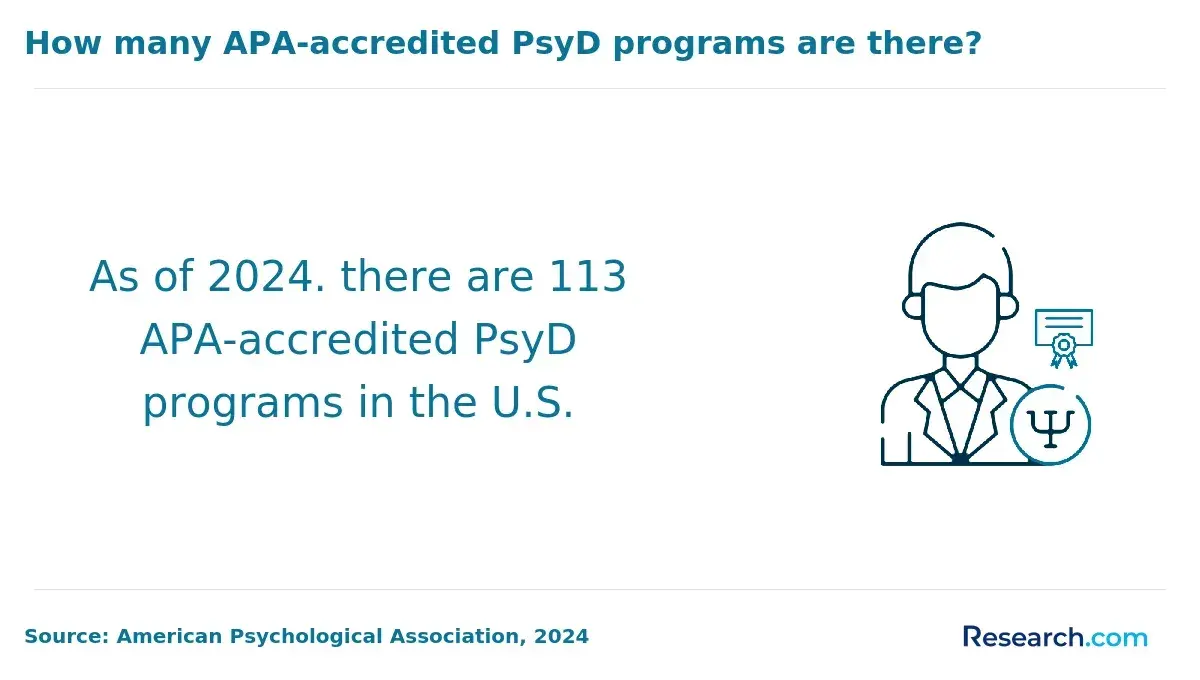
As of 2025, California has more than 15 APA-accredited PsyD programs, which makes it one of the strongest states for students seeking accredited professional psychology training. Most programs are delivered mainly on campus. No fully online APA-accredited PsyD option is available, though some schools may use hybrid elements such as online coursework combined with required campus visits, practica, residencies, or supervised clinical placements.
APA accreditation matters because it evaluates whether a doctoral psychology program has appropriate faculty, curriculum, student resources, clinical training systems, outcome measures, and professional preparation. For students who plan to become licensed psychologists in California or another state, attending an APA-accredited program may simplify parts of the licensure and internship process.
California PsyD programs are using more digital learning tools, but clinical psychology remains a hands-on field. Students still need supervised face-to-face training, assessment practice, documentation experience, case consultation, and internship preparation. Applicants should also monitor changes in accreditation status, including programs that become “accredited inactive,” because that may affect enrollment decisions and long-term training plans.
| Question to Ask | Why It Matters | What to Confirm |
| Is the PsyD program currently APA-accredited? | Accreditation can influence licensure preparation, internship competitiveness, and employer confidence. | Look up the program’s current APA status before you apply. |
| Is the program truly fully online? | APA-accredited PsyD education includes extensive in-person clinical training. | Ask whether online courses are limited, hybrid, synchronous, asynchronous, or tied to required campus attendance. |
| Does the curriculum support California licensure? | Psychologist licensure depends on education, supervised experience, examinations, and state-specific rules. | Ask how the program documents supervised hours, evaluates practicum quality, and prepares students for internship. |
| How successful are students in the internship process? | Internship placement is a critical doctoral training milestone. | Request recent placement results, APPIC participation details, and examples of sites where students train. |
What Are the Best APA-Accredited PsyD Programs in California?
The best APA-accredited PsyD program in California is the one that gives you the strongest realistic path to your goal. For one student, that may mean a full-time campus program with intensive faculty mentorship. For another, it may mean a hybrid structure that allows limited flexibility while still meeting in-person clinical requirements. What matters most is the fit between the program’s training model and your intended career.
| Program | Format Noted | Details Applicants Should Compare |
| Palo Alto University - PAU-Stanford PsyD Consortium | Campus-Based | Five-year, full-time program with a 3.58 average admitted GPA, 100% internship placement, and 96% licensure success; focuses on evidence-based clinical psychology and in-house clinical training. |
| California Northstate University - PsyD in Clinical Psychology | Campus-Based | Practitioner-scholar program requiring 123 credits over five years; tuition is $31,139 per year; designed to prepare students for clinical leadership and collaboration in healthcare settings. |
| Alliant International University - California School of Professional Psychology | Hybrid/Online | Offers five APA-accredited PsyD programs across campuses with hybrid options; specialization areas include forensic psychology and trauma; includes applied clinical experiences and a minimum undergraduate GPA of 3.0. |
| University of California-Irvine - Clinical Psychology Program | Online Option | Provides accredited online and campus-based coursework noted for flexibility and accessibility to working professionals. |
| San Diego State University - Online PsyD Program | Online | APA-accredited with clinical and research training, designed to support remote students across California through online learning formats. |
Because accreditation status and delivery formats can change, verify every program directly instead of relying only on admissions pages, advertisements, or third-party summaries. If you are still comparing psychology-related credentials, reviewing online behavioral psychology degree programs can help you see how non-PsyD pathways differ in training level and career outcomes.
How to Choose the Right California PsyD Program
- Choose a campus-based program if you want frequent in-person mentorship, a structured cohort, on-site clinical resources, and easier access to local practicum networks.
- Consider a hybrid format if you need some flexibility but can still meet residency, practicum, supervision, and internship requirements in person.
- Question fully online claims because APA-accredited clinical psychology education requires supervised clinical work that cannot be completed only through remote classes.
- Put outcomes ahead of convenience by asking for internship match data, licensure success, attrition information, time-to-completion data, and practicum site examples.
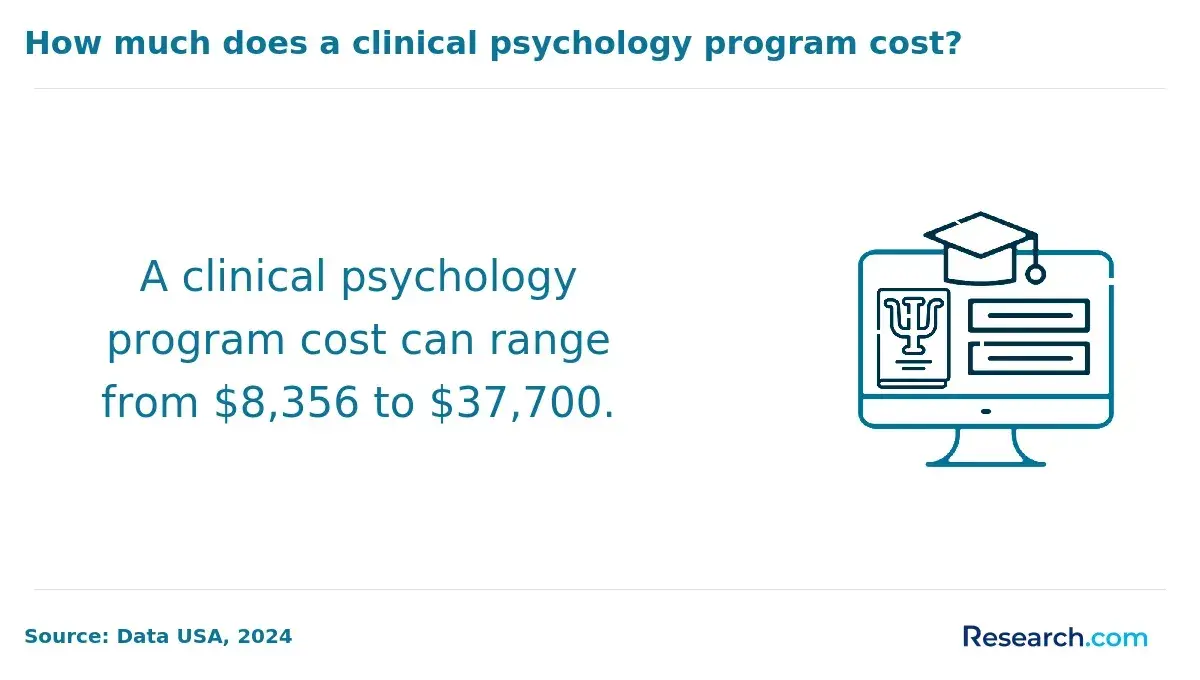
- Compare the full cost of attendance because PsyD students may pay for tuition, fees, commuting, relocation, books, technology, assessment materials, professional memberships, and internship-related travel.
Who Is Eligible to Apply to APA-Accredited PsyD Programs in California?
Most APA-accredited PsyD programs in California review applicants who have completed a bachelor’s or master’s degree and can demonstrate readiness for doctoral-level clinical psychology training. Many applicants come from psychology, counseling, social work, human development, behavioral science, neuroscience, or related academic backgrounds. Applicants from other fields may still be considered, but they may need prerequisite psychology coursework to become competitive.
Campus-based PsyD programs often work best for students who want close faculty interaction, regular peer collaboration, and consistent access to university-affiliated clinical training opportunities. These students may be recent graduates, master’s-level clinicians, or career changers who can commit to a demanding doctoral schedule.
Hybrid or online-supported formats may appeal to working adults, caregivers, or students who live far from a campus. Still, online coursework does not remove the need for in-person clinical training. If you are comparing doctoral psychology with other mental health careers, review how to become a behavioral health counselor to understand how counseling roles differ from psychologist licensure.
| Applicant Type | Is a PsyD a Good Fit? | What to Think About First |
| Recent psychology graduate | Often a strong option when coursework and experience support clinical psychology goals. | Strengthen your profile through research, volunteering, crisis work, or supervised client-facing experience. |
| Master’s-level clinician | Can be a strong fit for those seeking doctoral assessment training, supervision roles, or psychologist licensure. | Ask whether graduate credits transfer and whether the program aligns with your intended license. |
| Career changer | Possible, but preparation may require additional time. | Plan for prerequisite psychology courses and be ready to explain your clinical motivation clearly. |
| Working professional | May work in a hybrid format if employment and placement requirements can realistically coexist. | Confirm how practica, residencies, supervision, and internship applications fit with your schedule. |
What Are the Requirements to Get Into an APA-Accredited PsyD Program in California?
Admissions requirements differ by institution, but California PsyD programs usually look for academic ability, professional maturity, relevant experience, strong recommendations, communication skills, ethical awareness, and a clear fit with the program’s practitioner-scholar or clinical training model.
- Degree background: Applicants typically need a bachelor’s or master’s degree from a regionally accredited institution. Psychology preparation helps, but applicants from other disciplines may qualify after completing prerequisites.
- GPA expectations: Many programs list a minimum undergraduate GPA of 3.0 or higher, while selective programs may favor stronger academic records.
- Clinical or research exposure: Experience in research labs, crisis services, internships, volunteer roles, behavioral health settings, or other client-facing environments can make an application stronger.
- Prerequisite courses: Students without a psychology major may need classes such as Introduction to Psychology, Abnormal Psychology, and Statistics.
- Standardized testing: GRE policies vary, and PsyD programs in California are generally less likely than PhD programs to require the GRE.
- Recommendations: Programs often request two to three letters from professors, supervisors, or professionals who can evaluate your readiness for doctoral clinical training.
- Personal statement: A competitive statement explains your preparation, clinical interests, professional goals, and reasons for choosing that specific program.
- Interview process: Most programs use interviews to assess interpersonal skills, judgment, cultural awareness, ethics, maturity, and readiness to train as a clinician.
If you are weighing clinical psychology against applied behavior analysis, compare training expectations and outcomes by reviewing behavior analyst salary and career paths.
Typical PsyD Application Timeline
| Stage | What to Do | Why This Step Matters |
| Program research | Verify APA accreditation, licensure alignment, practicum design, total cost, and internship outcomes. | You avoid spending time and money on programs that do not support your career plans. |
| Application preparation | Order transcripts, choose recommendation writers, draft your personal statement, and document relevant experience. | PsyD admissions are holistic, so generic or incomplete materials can weaken your application. |
| Interview stage | Be ready to discuss your clinical interests, ethical reasoning, cultural humility, and program fit. | Schools are evaluating whether you can develop into a competent and professional clinician. |
| After acceptance | Compare financial aid, scholarships, assistantships, placement support, commute or relocation needs, and clinical training access. | The strongest offer is the one you can afford, complete, and use toward your licensing goals. |
What PsyD Specializations Are Available in California?
PsyD specializations allow students to focus their training on certain client populations, clinical settings, or practice areas. Some schools offer formal tracks, while others provide specialization through electives, practicum placements, dissertation topics, faculty mentorship, or internship choices. Always ask whether a specialization is official, transcripted, or simply available through selected experiences.
- Clinical Psychology: Emphasizes assessment, diagnosis, case formulation, and evidence-based treatment across age groups. Graduates often pursue psychologist licensure and work in healthcare, community agencies, private practice, or integrated care.
- Forensic Psychology: Applies psychological knowledge to courts, corrections, evaluations, and legal decision-making. Training may include competency assessment, risk evaluation, expert testimony preparation, and legal ethics.
- Child and Adolescent Psychology: Focuses on children, teens, families, schools, pediatric systems, and youth-serving organizations. Common topics include development, trauma, behavior concerns, assessment, and family interventions.
- Health Psychology: Studies the relationship between mental health, behavior, stress, chronic illness, and physical health. Graduates may work in hospitals, rehabilitation centers, medical clinics, or integrated care teams.
- Social Psychology: Examines group behavior, interpersonal dynamics, identity, community context, and social influence. Students may apply this training in consulting, community programs, policy, or research-related work.
- Mindfulness-Based and Integrative Therapies: Focuses on holistic, culturally responsive, and mindfulness-informed approaches to care. This area may support therapy practice, wellness programming, or integrative health roles.
- General Psychology (Fully Online): Provides broad applied psychology training for students who may not be pursuing clinical licensure. It may support roles in education, consulting, program design, or research support.
| Specialization | Best Match for Students Interested In | Common Work Environments |
| Clinical Psychology | Psychotherapy, diagnosis, assessment, and licensure-focused clinical practice. | Hospitals, outpatient clinics, private practices, community mental health centers. |
| Forensic Psychology | Court evaluations, corrections, legal consultation, and public safety issues. | Courts, correctional institutions, state hospitals, forensic clinics. |
| Child and Adolescent Psychology | Youth mental health, family systems, school concerns, and pediatric behavioral care. | Schools, children’s hospitals, family agencies, outpatient clinics. |
| Health Psychology | Behavioral medicine, chronic illness, pain, stress, and integrated healthcare. | Medical centers, rehabilitation facilities, primary care clinics. |
| General Psychology | Broad applied psychology outside a required clinical licensure route. | Education, consulting, nonprofit programs, research support roles. |
What Courses Are Typically Included in APA-Accredited PsyD Programs in California?
APA-accredited PsyD curricula in California are designed to build clinical competence. Students learn to interview clients, conduct assessments, diagnose mental health conditions, deliver evidence-based interventions, apply ethical standards, interpret research, and work professionally in supervised clinical settings. Course titles vary, but most licensure-focused PsyD programs include several common areas.
- Clinical Assessment and Diagnosis: Covers psychological testing, diagnostic interviewing, case formulation, and use of DSM-5 criteria in clinical decision-making.
- Research Methods and Statistics: Prepares students to evaluate evidence, understand quantitative and qualitative methods, analyze data, and complete dissertation or applied scholarly work.
- Ethics in Psychology: Addresses confidentiality, informed consent, boundaries, mandated reporting, supervision, cultural competence, and APA ethical standards.
- Psychotherapy Techniques: Introduces major treatment models, including CBT and psychodynamic therapy, while teaching students to adapt interventions to client needs.
- Practicum and Internship: Provides supervised clinical experience. Campus programs may offer more direct access to local training sites, while hybrid programs usually require approved local placements and may use virtual tools for supplemental learning.
Core Skills PsyD Students Develop
| Skill Area | Why It Matters Clinically | Where Students Build It |
| Clinical interviewing | Allows psychologists to gather client history, assess risk, and establish therapeutic rapport. | Assessment courses, practicum placements, supervision. |
| Psychological assessment | Supports diagnosis, treatment planning, referral decisions, and documentation. | Testing labs, assessment coursework, clinical placements. |
| Evidence-based treatment | Helps clinicians select interventions supported by research and adjust them to client needs. | Therapy courses, practicum, internship. |
| Ethical judgment | Guides decision-making when confidentiality, safety, boundaries, and professional duties are complex. | Ethics coursework, supervision, case consultation. |
| Cultural responsiveness | Improves care for California’s diverse communities and helps clinicians avoid harmful assumptions. | Multicultural training, community placements, faculty mentorship. |
How Do PsyD Students Find Internships in California?
The doctoral internship is one of the most important steps in PsyD training. It bridges coursework and practicum experience with intensive supervised clinical practice. In California, internship settings may include hospitals, schools, community mental health agencies, correctional facilities, veterans’ settings, state hospitals, university counseling centers, and integrated healthcare systems.
Students improve their internship prospects by planning early, using school resources, building a focused training record, and applying to sites that match their experience. Strong grades alone are not enough. Internship sites look for professionalism, clinical readiness, ethical judgment, supervision history, and fit with the population served.
- Use the APPIC Match System: Many APA-accredited programs participate in the APPIC Match, a centralized process for doctoral internship applications and rankings.
- Work with program placement staff: Internship coordinators can explain deadlines, review site histories, help with application strategy, and identify appropriate placements.
- Consider consortia and partner networks: Consortium models, including the California Psychology Internship Consortium, may broaden access to training sites, especially for students interested in underserved communities.
- Develop professional relationships early: Faculty mentors, practicum supervisors, alumni, and professional associations can help students identify realistic internship options.
- Stay flexible about location and setting: Students who consider multiple regions and site types, including veterans’ hospitals or correctional facilities, may have more opportunities.
- Tailor every application: Strong applications explain how the student’s training, goals, and clinical interests match the specific internship site.
- Confirm support for hybrid students: Students in flexible formats should ask how remote advising, local site approval, supervision documentation, and internship preparation are handled.
- Use current directories: Internship directories help students compare site requirements, accreditation status, client populations, and application expectations.
What Are the Pros and Cons of Online and Campus PsyD Programs in California?
The most important difference between online-supported and campus-based PsyD programs is not simply where lectures take place. The larger question is whether the format gives students enough access to supervision, practicum placements, faculty feedback, assessment training, peer consultation, and internship preparation. Flexibility is valuable only if the program still supports licensure-focused clinical development.
Pros and Cons of Online PsyD Programs in California
| Potential Benefit | Why It May Help |
| More flexible scheduling | Remote or asynchronous coursework can make doctoral study more manageable for students balancing school with work, family, or caregiving. |
| Reduced relocation pressure | Students outside major metro areas may be able to complete some didactic coursework without immediately moving near campus. |
| Some indirect cost savings | Lower commuting or relocation costs may reduce expenses, although tuition, fees, and clinical training costs still matter. |
| Wider virtual connections | Online platforms can connect students with classmates and faculty across different regions. |
| Opportunity to apply learning at work | Working professionals may be able to connect coursework to current roles when appropriate and ethical. |
| Potential Drawback | Why It Can Create Risk |
| Very limited fully remote options | APA-accredited PsyD programs require in-person clinical training, so students must plan for practica, supervision, and internship work. |
| Less informal mentorship | Remote learning may reduce spontaneous faculty contact and peer consultation unless the program intentionally creates those supports. |
| Possible perception issues | Some employers or supervisors may look closely at online-heavy doctoral training if clinical placement quality is unclear. |
| High self-management demands | Students need reliable technology, strong organization, and the discipline to stay engaged without daily in-person structure. |
Pros and Cons of Campus-Based PsyD Programs in California
| Potential Benefit | Why It May Help |
| Immersive training environment | Students often receive direct faculty interaction, live feedback, and access to campus-affiliated clinical resources. |
| Stronger in-person networking | Regular contact with faculty, peers, supervisors, and alumni can support mentorship and future job leads. |
| Structured cohort experience | A predictable sequence of courses and clinical milestones can help students progress through the program. |
| Familiar professional model | Traditional campus programs are widely understood by employers, supervisors, and licensing stakeholders. |
| Potential Drawback | Why It Can Create Risk |
| Less scheduling flexibility | Required campus attendance can be difficult for students who work full time or have significant family responsibilities. |
| Higher indirect expenses | Housing, commuting, relocation, parking, and campus fees can raise the true cost of attendance. |
| Location limitations | Students may need to live near campus or commute regularly, which can limit options for applicants outside major cities. |
Common Mistakes to Avoid When Choosing a California PsyD Program
- Believing “online” means fully online: PsyD programs designed for licensure still require in-person clinical training.
- Checking accreditation only once: Accreditation status can change, so verify it while researching, before applying, and before enrolling.
- Comparing tuition alone: Fees, relocation, commuting, books, technology, practicum expenses, assessment materials, and internship travel can change the real cost.
- Ignoring internship results: A program’s ability to help students reach internship is central to doctoral training quality.
- Locking into a specialization too soon: Focus is useful, but broad practicum exposure can make students more competent and competitive.
- Assuming salary is automatic: Earnings vary by licensure, specialization, employer, location, experience, and practice setting.
- Overlooking licensure portability: Students who may work outside California should ask how the degree aligns with other states’ requirements.
What Jobs Can You Get With a PsyD in California?
A PsyD can prepare graduates for clinical practice, psychological assessment, supervision, consultation, and behavioral health leadership. Many students pursue licensure as psychologists, but the exact career path depends on specialization, internship training, supervised experience, postdoctoral preparation, and state licensing requirements.
- Licensed Clinical Psychologist: Conducts assessment, diagnosis, psychotherapy, and treatment planning in private practices, hospitals, outpatient clinics, and community mental health agencies.
- Forensic Psychologist: Uses psychological expertise in legal settings through evaluations, consultation, reports, corrections work, and expert testimony.
- Health Psychologist or Integrated Care Specialist: Works in medical settings to address behavior, stress, pain, treatment adherence, chronic illness, and the psychological effects of health conditions.
- Clinical Supervisor or Educator: Teaches and supervises practicum students, interns, postdoctoral trainees, or early-career clinicians in universities, hospitals, clinics, or training programs.
- Program Administrator or Director: Leads behavioral health programs, nonprofit services, public initiatives, or mental health departments.
If you are comparing clinical psychology with behavior-analysis-focused doctoral training, review the best PhD programs in applied behavior analysis to see how ABA research and practice differ from PsyD clinical preparation.
| Career Path | Main Focus | Key Preparation |
| Licensed Clinical Psychologist | Assessment, diagnosis, therapy, and treatment planning. | APA-accredited doctoral training, supervised experience, internship, and licensure. |
| Forensic Psychologist | Legal evaluations, corrections work, expert consultation, and court-related services. | Forensic coursework, specialized practica, and strong ethics preparation. |
| Health Psychologist | Behavioral medicine, integrated care, and chronic illness support. | Medical setting experience and interdisciplinary team training. |
| Clinical Supervisor | Training and mentoring developing clinicians. | Licensure, clinical experience, supervision skills, and teaching ability. |
| Program Director | Leadership in behavioral health services or mental health programs. | Clinical knowledge, management ability, budgeting skills, and policy awareness. |
What Is the Average Salary of PsyD Graduates in California?
PsyD-trained psychologists in California earn average annual salaries ranging from approximately $100,000 to $143,000. Clinical psychologists average about $132,410, and counseling psychologists fall within a similar range. Nationally, psychologists earn a median salary near $94,310, while California salaries are higher because of demand and the state’s cost of living.
Research indicates no significant salary differences between graduates of APA-accredited online and traditional on-campus PsyD programs when licensure and accreditation standards are met. In practical terms, pay is usually shaped less by whether some classes were online and more by licensure status, specialization, employer type, region, experience, and clinical preparation.
- Licensure status: Fully licensed psychologists generally have stronger earning potential than those still completing supervised requirements.
- Experience level: Entry-level ranges may fall around $80,000-$100,000, while senior professionals with specialized expertise may earn over $140,000.
- Specialization: Fields such as neuropsychology or forensic psychology may offer higher compensation than generalist practice.
- Employer type: Private practice and consulting may create higher earning potential, while hospitals and government roles may offer more predictable benefits and stability.
- Regional demand: Urban areas such as Los Angeles and San Francisco often pay more, partly because of higher living costs and service demand.
Students interested in combining psychology and behavior analysis should also compare PsyD training with online master’s in applied behavior analysis programs before choosing a doctoral path.
What APA-Accredited PsyD Graduates in California Say About Their Degree
- My APA-accredited online PsyD experience at Alliant International University gave me enough structure to continue graduate study while working and caring for my family. The flexible format supported my personal and professional growth, and California’s cultural diversity changed how I think about clinical care. My first role in a local school confirmed that student mental health is the area where I want to contribute. Jewel
- Pepperdine University’s APA-accredited online PsyD program pushed me academically and helped me think more deeply about communities with limited access to care. Studying in California made culture, equity, and evidence-based practice central to my training. When I started working in a local school, I saw how strong psychological preparation can support student success. Amelia
- My traditional APA-accredited PsyD program at California Lutheran University paired rigorous coursework with meaningful community engagement. Being on campus kept me connected to faculty, classmates, and the needs of the region. Beginning my career in a nearby school showed me how much well-trained mental health professionals can influence young people’s lives. Vincent
Practical Steps for Choosing an APA-Accredited PsyD Program in California
- Confirm APA accreditation first. Do not depend only on brochures, ads, rankings, or school search websites. Verify the program’s current status before applying.
- Match the program to licensure requirements. Ask how the curriculum, practicum sequence, internship process, and supervised hours support California psychologist licensure.
- Ask for outcome data. Review internship placement, licensure success, attrition, time to completion, and employment information after graduation.
- Evaluate clinical training access. Find out where students complete practica, how sites are approved, and whether placements match your intended population or specialty.
- Calculate the full cost. Include tuition, fees, commuting, relocation, technology, books, assessment materials, professional dues, and income lost if you reduce work hours.
- Interview the school, too. Ask faculty, admissions staff, and current students direct questions about workload, supervision, support, and internship preparation.
- Think past admission. Acceptance is only the first step. The real goal is completing the degree, securing internship training, becoming licensed, and building a sustainable clinical career.
Questions to Ask Before You Enroll
- Is the program currently APA-accredited, and when is the next accreditation review?
- How many students match to internships, and what kinds of sites do they enter?
- What support is available if a student cannot secure a local practicum placement?
- How does the program prepare students for California psychologist licensure?
- Are hybrid or online courses synchronous, asynchronous, or a combination of both?
- How often are students required to attend campus sessions or residencies?
- What is the typical time to completion?
- What financial aid, scholarships, assistantships, or payment plans are available?
- How does the program support students who work or have caregiving responsibilities?
- What are the most common reasons students leave the program before graduating?
Related Articles for Nearby States
- 2027 Best PsyD Programs in Nevada: APA Accredited Online & Campus
- 2027 Best PsyD Programs in Oregon: APA Accredited Online & Campus
- 2027 Best PsyD Programs in Arizona: APA Accredited Online & Campus
- 2027 Best PsyD Programs in Idaho: APA Accredited Online & Campus
- 2027 Best PsyD Programs in Utah: APA Accredited Online & Campus
- 2027 Best PsyD Programs in Washington: APA Accredited Online & Campus
- 2027 Best PsyD Programs in New Mexico: APA Accredited Online & Campus
- 2027 Best PsyD Programs in Colorado: APA Accredited Online & Campus
- 2027 Best PsyD Programs in Montana: APA Accredited Online & Campus
- 2027 Best PsyD Programs in Wyoming: APA Accredited Online & Campus
References:
- DSW vs PsyD in California - California Social Work https://californiasocialwork.org/dsw-programs/dsw-vs-psyd/
- Best Accredited Online Psy.D. Programs | Psychology.org https://www.psychology.org/rankings/best-online-psyd-degree-programs/
- Doctor of Clinical Psychology (PsyD) Program | National University https://www.nu.edu/degrees/jfk-psychology/programs/doctor-of-clinical-psychology/
- PsyD in Clinical Psychology https://www.callutheran.edu/academics/graduate/psyd-clinical-psychology/
- 17 APA-Accredited California PsyD Programs 2025 | Complete Guide https://psydprograms.org/california-psychology-doctorate/
- APA-Accredited Programs https://accreditation.apa.org/accredited-programs
- The Wright Institute Graduate School of Psychology https://www.wi.edu/psyd-program
- PsyD in Clinical Psychology, Los Angeles https://www.alliant.edu/psychology/clinical-psychology/psyd/los-angeles
- Online Doctor of Psychology (PsyD) in California Degree Programs - Campus Explorer https://www.campusexplorer.com/doctorate-degree/online-psyd-programs/california/
- South Los Angeles Psychology Doctoral Internship - Department of Mental Health https://dmh.lacounty.gov/for-providers/clinical-tools/student-professional-development-program/south-los-angeles-psychology-doctoral-internship/
Key Insights
- California has more than 15 APA-accredited PsyD programs as of 2025, but a fully online APA-accredited PsyD path should not be assumed.
- APA accreditation is important because it supports confidence in program quality, licensure preparation, and internship competitiveness.
- The strongest program choice depends on fit: clinical training access, specialization options, cost, format, faculty mentorship, internship outcomes, and licensure alignment.
- Hybrid and online-supported PsyD formats may improve flexibility, but practica, supervised clinical work, and internships still require in-person participation.
- Competitive applicants usually show academic readiness, relevant clinical or research experience, strong recommendations, and a clear reason for pursuing doctoral psychology training.
- Salary outcomes depend on licensure, specialization, employer, location, experience, and practice setting; degree format alone does not guarantee earnings.
- Before enrolling, verify accreditation, request outcome data, calculate total cost, and confirm that the program’s training model can support your long-term goal of becoming a psychologist.
Other Things You Should Know About PsyD Programs in California
In 2027, there are limited options for APA-accredited online PsyD programs in California. Most programs offer hybrid models, blending online coursework with mandatory in-person components. It's essential to verify the latest accreditation status directly from the APA and consult specific universities for program details.
Key admission requirements for APA-accredited PsyD programs in California typically include a bachelor's degree, written personal statement, letters of recommendation, and GRE scores. Some programs may also require clinical experience or specific undergraduate coursework. Always check with each institution for their specific requirements for 2027.


