
2027 Best PsyD Programs in Ohio: APA Accredited Online & Campus

Co-Founder and Chief Data Scientist
Choosing a PsyD program in Ohio is mostly a licensure decision, not just a school-choice decision. If your goal is to become a licensed psychologist, the program’s APA accreditation status, supervised clinical training, internship outcomes, and alignment with Ohio licensure rules matter more than convenience or name recognition alone.
Ohio faces a growing need for licensed psychologists, with employment projected to rise by 14% over the next decade. At the same time, prospective students often search for “online APA-accredited PsyD programs in Ohio” and discover an important limitation: Ohio’s APA-accredited PsyD options are campus-based. This guide explains what that means, which programs are available, how admissions and internships work, what careers a PsyD can lead to, and how to compare campus and out-of-state hybrid options without putting licensure eligibility at risk.
Quick Answer: Are There Online APA-Accredited PsyD Programs in Ohio?
No. As of 2025, Ohio has two APA-accredited PsyD programs, and both are campus-based: Wright State University and Xavier University. Students who need more flexibility may look at out-of-state hybrid programs, but they should verify APA accreditation, Ohio licensure compatibility, practicum requirements, internship expectations, and residency obligations before enrolling.
For most future clinical psychologists in Ohio, the safest path is an APA-accredited doctoral program with strong practicum placement support and a clear record of preparing graduates for licensure. Online coursework alone is not enough for psychology licensure; doctoral psychology training also requires supervised clinical experience, assessment training, and internship preparation.
Why APA Accreditation Matters for PsyD Students in Ohio
- Licensure preparation: APA-accredited programs are reviewed against national standards for doctoral psychology education, including curriculum, faculty qualifications, supervision, clinical training, and student outcomes.
- Clinical credibility: Employers, internship sites, hospitals, universities, and licensing boards commonly view APA accreditation as a key marker of doctoral training quality.
- Better internship alignment: APA-accredited PsyD programs are typically designed around practicum and internship expectations that students must meet before independent practice.
- Professional mobility: Graduating from an APA-accredited program may make it easier to document training quality if you later pursue licensure outside Ohio.
- Preparation for evolving care models: Programs increasingly address telepsychology, integrated care, assessment technology, and ethical issues in remote service delivery as digital mental health continues to expand.
- Number of APA-accredited PsyD programs in Ohio
- Best APA-accredited PsyD choices for Ohio students
- Who should apply to an Ohio PsyD program
- Admissions requirements for APA-accredited PsyD programs
- PsyD specializations and focus areas
- Typical PsyD coursework
- How PsyD students secure internships
- Online, hybrid, and campus PsyD trade-offs
- Jobs available with a PsyD in Ohio
- Salary expectations for PsyD graduates
How Many APA-Accredited PsyD Programs Are Available in Ohio?
Ohio has two APA-accredited PsyD programs: Wright State University and Xavier University. Both are fully campus-based. There are no APA-accredited online or hybrid PsyD programs located in Ohio as of 2025, so students who want an Ohio-based PsyD should expect full-time, in-person doctoral study with extensive supervised clinical training.
This distinction is important because many psychology degrees are offered online, but doctoral-level licensure preparation is different. A PsyD program must provide structured clinical training, supervised assessment experience, practicum placements, and internship preparation. APA accreditation evaluates whether those pieces are integrated into a coherent doctoral training model.
Students who are open to a research-focused route can also compare APA-accredited PhD options in Ohio, including programs at Ohio State University, Ohio University, and Kent State University. A PhD may be a better fit for students who want heavier research training, academic careers, or a scientist-practitioner model, while a PsyD is usually more practice-oriented.
| Program type | Availability in Ohio | Best fit | Key caution |
| APA-accredited PsyD | Two campus-based options | Students seeking practitioner-focused clinical psychology training | Requires in-person attendance and supervised clinical training |
| APA-accredited online PsyD | Not available in Ohio as of 2025 | Not applicable for Ohio-based programs | Do not assume an online doctorate meets Ohio licensure rules |
| Out-of-state hybrid PsyD | Available nationally, depending on program | Students who need flexibility but can travel for required residencies | Must verify APA accreditation and Ohio licensure eligibility |
| APA-accredited PhD | Available at Ohio State University, Ohio University, and Kent State University | Students interested in research, teaching, and clinical training | May be less practice-centered than a PsyD |
What Are the Best APA-Accredited PsyD Programs in Ohio?
The “best” PsyD program depends on your licensure goals, preferred training model, clinical interests, cost tolerance, and willingness to relocate or commute. Because Ohio has only two APA-accredited PsyD programs, applicants should compare them carefully rather than relying on rankings alone.
| Program | Location and format | Notable strengths | Questions to ask before applying |
| Xavier University | Cincinnati; campus-based | A 5-year, full-time program with APA accreditation since 2001, extensive practicum training, and a year-long internship component focused on evidence-based practice | How are practicum sites assigned, and what are recent internship match outcomes? |
| Wright State University | Dayton; campus-based | Practitioner-focused PsyD training with community-based placements and preparation aligned with Ohio licensure expectations | Which populations and clinical settings are most represented in practicum placements? |
Students considering programs outside Ohio sometimes review hybrid options such as Regent University, Antioch University Online, or Fielding Graduate University. These may appeal to students who need more flexible coursework, but they are not Ohio-based APA-accredited PsyD programs. Before applying, confirm the program’s current APA accreditation status directly, ask whether graduates have qualified for licensure in Ohio, and review all in-person residency, practicum, and internship requirements.
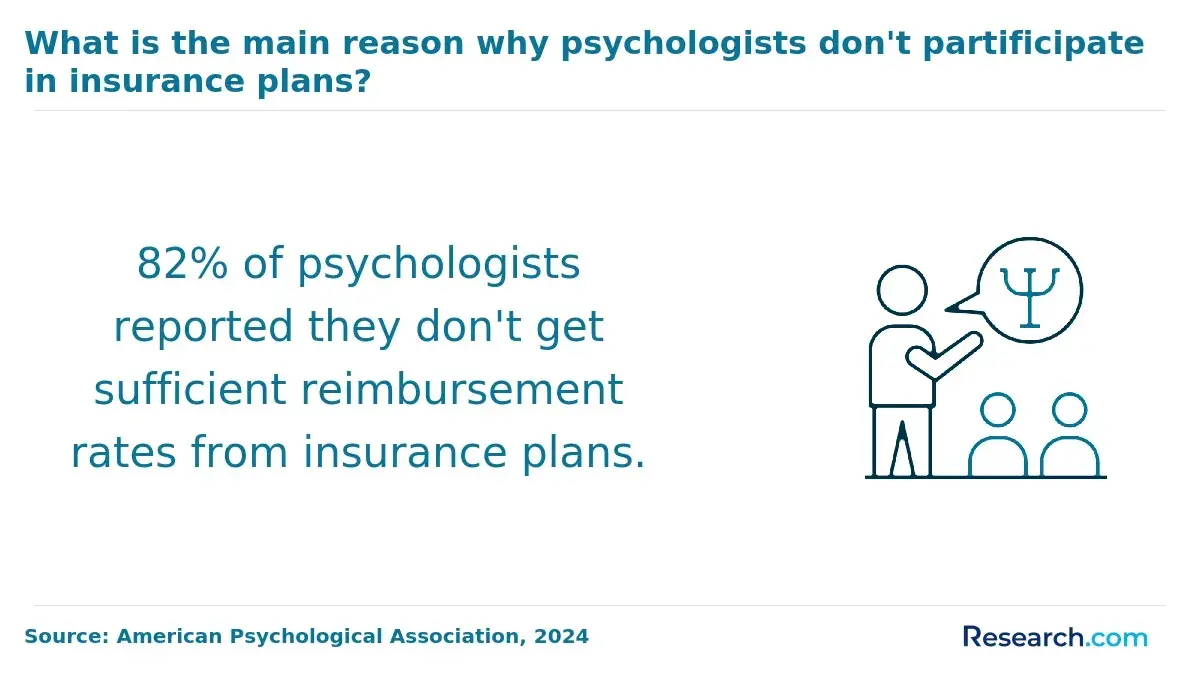
Cost is another major decision factor. Doctoral psychology training is a long investment, and applicants should look beyond tuition to include fees, relocation, commuting, exam costs, internship travel, reduced work hours, and loan interest. If you are comparing mental health and behavioral science pathways more broadly, reviewing behavioral psychology degree cost factors can help you think through long-term affordability and return on investment.
Who Is Eligible to Apply to APA-Accredited PsyD Programs in Ohio?
Ohio’s APA-accredited PsyD programs are designed for applicants who are prepared for intensive doctoral-level clinical psychology training. Strong candidates usually have a psychology background, evidence of academic readiness, relevant research or helping experience, and a clear reason for pursuing licensed psychological practice rather than counseling, social work, psychiatry, or applied behavior analysis.
A campus-based PsyD is often a good fit for students who want frequent faculty contact, structured practicum support, peer learning, on-site clinical resources, and a full-time professional training environment. It may be less suitable for applicants who cannot relocate, cannot attend during fixed hours, need to keep a full-time job, or want a mostly asynchronous online doctorate.
| Applicant profile | Ohio campus-based PsyD fit | Alternative to consider |
| Recent psychology graduate with strong grades and clinical or research exposure | Strong fit if the applicant is ready for full-time doctoral training | Master’s-level counseling, social work, or school psychology if doctoral study is not necessary |
| Career changer with a non-psychology bachelor’s degree | Possible fit if prerequisite coursework and relevant experience are completed | Post-baccalaureate psychology coursework before applying |
| Working professional who cannot attend full time on campus | Challenging fit because Ohio PsyD programs are campus-based | Out-of-state hybrid doctoral options, with careful licensure verification |
| Student mainly interested in behavioral intervention and autism services | Possible, but a PsyD may be more training than needed | Applied behavior analysis pathways, including guidance on how to become a board certified behavior analyst |
What Are the Requirements to Get Into an APA-Accredited PsyD Program in Ohio?
Admissions standards vary by university, but APA-accredited PsyD programs generally look for applicants who can handle doctoral coursework, clinical responsibility, ethical decision-making, and supervised work with clients. Meeting the minimum requirements does not guarantee admission; these programs are selective and evaluate academic preparation, interpersonal maturity, professional goals, and fit with the program’s training model.
- Accredited bachelor’s degree: Applicants typically need a bachelor’s degree from an accredited institution, often in psychology or a closely related field.
- Competitive GPA: Many programs expect at least a 3.0 GPA on a 4.0 scale, although stronger grades may improve competitiveness.
- Psychology prerequisites: Students without a psychology major may need foundational coursework, often around 18 credits, in areas such as abnormal psychology, statistics, and research methods.
- Clinical, research, or helping experience: Relevant experience in mental health, assessment, research labs, crisis work, case management, or human services can strengthen an application. Related fields also value documented preparation; for comparison, students can review requirements commonly associated with behavior analyst career paths.
- Letters of recommendation: Programs commonly request two to three letters from professors, supervisors, or professionals who can speak to academic ability, ethics, communication, and readiness for doctoral study.
- Personal statement: A strong statement should explain why clinical psychology, why a PsyD, why this program, and how the applicant’s experiences support their career goals.
- Interview: Finalists may be invited to interview so the program can assess professionalism, interpersonal skills, self-awareness, and fit with the cohort model.
- GRE policy review: GRE requirements vary, and many programs have made the exam optional or removed it in recent years. Always check the current admissions page for each program.
What PsyD Specializations Are Available in Ohio?
PsyD programs typically provide broad clinical psychology training first, then allow students to shape their experience through practicum sites, electives, dissertation topics, internship choices, and faculty mentorship. In Ohio, applicants should ask each program how formal its concentration structure is and how often students actually receive placements in their preferred specialty area.
- Child and adolescent psychology: Focuses on developmental assessment, youth mental health, family systems, school-related concerns, and treatment planning for children and teens.
- Forensic psychology: Connects clinical assessment with legal settings, including competency questions, risk assessment, court consultation, and correctional or forensic mental health environments.
- Health, rehabilitation, and neuropsychology: Emphasizes the relationship between brain, behavior, chronic illness, disability, cognitive functioning, and adjustment to medical conditions.
- Severe mental illness: Prepares students to work with individuals experiencing conditions such as schizophrenia and bipolar disorder, often in hospitals, community mental health programs, and crisis settings.
- Health psychology: Examines how psychological, behavioral, and social factors affect physical health, treatment adherence, wellness, pain, and integrated care.
- Community clinical psychology: Centers on culturally responsive practice, prevention, social determinants of health, public systems, and underserved communities.
- Telepsychology and digital care exposure: While not always a formal specialization, training in remote service delivery, digital ethics, and technology-supported assessment is increasingly relevant as telehealth becomes part of routine care.
| If your career goal is... | Look for training in... | Potential settings |
| Private practice therapy | Evidence-based psychotherapy, ethics, diagnosis, supervision, business basics | Group practices, solo practices, outpatient clinics |
| Hospital-based psychology | Assessment, integrated care, consultation, health psychology | Hospitals, rehabilitation centers, medical clinics |
| Forensic assessment | Report writing, risk assessment, legal standards, forensic interviewing | Courts, correctional systems, forensic hospitals |
| Child and family services | Developmental psychopathology, family therapy, school collaboration | Pediatric clinics, schools, community agencies |
| Academic or teaching work | Research methods, supervision, teaching experience, dissertation quality | Universities, training clinics, research centers |
What Courses Are Typically Included in APA-Accredited PsyD Programs in Ohio?
APA-accredited PsyD coursework is designed to build competence in assessment, diagnosis, intervention, ethics, research interpretation, cultural responsiveness, and professional practice. The exact course sequence varies, but students should expect a demanding curriculum that combines classroom learning with supervised clinical skill development.
- Psychopathology: Covers the classification, presentation, and clinical understanding of mental disorders, including diagnostic reasoning and case formulation.
- Psychological assessment: Teaches test selection, administration, interpretation, report writing, and culturally informed assessment practices.
- Intervention and psychotherapy: Introduces evidence-based treatment approaches and helps students develop practical therapy skills through supervision and applied training.
- Research methods: Builds the ability to evaluate evidence, design studies, analyze data, and complete doctoral research or dissertation requirements.
- Ethics and professional standards: Addresses confidentiality, informed consent, mandated reporting, boundaries, documentation, supervision, and legal responsibilities.
- Diversity and multicultural practice: Prepares students to work with clients across cultures, identities, socioeconomic backgrounds, and community contexts.
- Practicum seminar: Connects field placement experiences with supervision, case discussion, documentation, and professional development.
Students comparing programs should ask how early clinical training begins, how assessment courses are taught, whether students receive live supervision, and how the curriculum prepares them for internship applications.
How Do PsyD Students Find Internships in Ohio?
The doctoral internship is one of the most important parts of PsyD training. It gives students supervised, full-time clinical experience before postdoctoral training or licensure. Because internship placement can be competitive, applicants should evaluate a program’s internship support before enrolling, not after they reach the final years of the doctorate.
- APPIC Match participation: Many doctoral psychology students use the APPIC National Match process to apply, interview, rank sites, and match with internships that align with their training goals.
- Director of clinical training support: Strong programs help students choose appropriate sites, prepare application materials, practice interviews, and understand internship requirements.
- Faculty mentorship: Faculty can help students identify settings that match their specialty interests, such as child assessment, health psychology, forensic practice, or severe mental illness.
- Regional internship consortia: Options such as the Ohio Psychology Internship consortium may provide access to multiple community-based training environments.
- Professional associations: Groups such as the Ohio Psychological Association can help students learn about practicum expectations, networking opportunities, and professional development events.
- Open houses and site information sessions: Internship sites may offer virtual or in-person sessions that help applicants understand supervision style, caseload, population served, and training expectations.
| Internship preparation step | Why it matters | When to start |
| Track practicum hours and experiences carefully | Internship applications require accurate documentation of clinical work | From the first practicum placement |
| Build assessment and therapy breadth | Sites often prefer applicants with varied supervised experience | During practicum years |
| Seek feedback on reports and case notes | Strong documentation is essential in clinical psychology | Throughout training |
| Research APPIC expectations | Understanding the process early reduces last-minute stress | At least one year before applying |
| Choose sites that match licensure and career goals | The internship can shape postdoctoral opportunities and first jobs | Before submitting rankings |
What Are the Pros and Cons of Online and Campus PsyD Programs in Ohio?
Because Ohio does not have APA-accredited online or hybrid PsyD programs as of 2025, this comparison is best understood as campus-based Ohio PsyD programs versus out-of-state online or hybrid options that may include required residencies and local clinical placements. The right choice depends on flexibility needs, clinical training access, cost, licensure risk, and your ability to travel or relocate.
| Format | Advantages | Limitations | Best for |
| Ohio campus-based APA-accredited PsyD | Structured clinical training, direct faculty contact, coordinated practicum support, peer cohort experience, and clearer Ohio licensure alignment | Less scheduling flexibility, relocation or commuting may be required, and costs can be significant | Students who can study full time in person and want the most straightforward Ohio-based route |
| Out-of-state hybrid PsyD | May offer more flexible coursework and allow some learning from home | Residencies, practicum coordination, travel, and state licensure verification can be complex | Students who cannot relocate to Dayton or Cincinnati but can manage travel and documentation requirements |
| Fully online psychology doctorate | Maximum coursework flexibility if available in a related field | May not be APA-accredited for clinical psychology licensure and may not meet Ohio requirements | Students pursuing non-licensure, research, consulting, or adjacent psychology-related roles |
Online and hybrid study can reduce commuting and housing burdens. Some online options list tuition ranging from $545 to $620 per credit hour. However, lower travel costs do not automatically mean a better investment if the program does not meet licensure requirements or if students struggle to secure supervised placements.
Campus-based programs can carry higher total costs. In-state tuition ranges from $45,000 to $52,000, with out-of-state rates up to $78,000, and total annual expenses may exceed $50,000 when housing and fees are included. Applicants should request a full cost-of-attendance estimate and compare it with likely borrowing, expected time to completion, and realistic salary outcomes.
Common Mistakes When Choosing a PsyD Program
- Assuming “online” means licensure-ready: A flexible format is not enough. Verify APA accreditation and Ohio licensure alignment.
- Looking only at tuition: Add fees, insurance, commuting, relocation, books, internship travel, lost income, and loan interest.
- Ignoring internship outcomes: Ask for recent internship match data and the types of sites students enter.
- Choosing a specialty without placement access: A program may list a focus area, but you need practicum sites and supervisors in that area.
- Relying only on rankings: Fit, accreditation, supervision quality, cost, and licensure preparation matter more than a generic ranking position.
- Not contacting the Ohio licensing board: If you are considering an out-of-state or hybrid program, confirm requirements before enrolling.
What Jobs Can You Get With a PsyD in Ohio?
A PsyD can prepare graduates for clinical, counseling, assessment, consultation, supervision, and leadership roles, provided they complete licensure requirements. Career options depend on training background, internship experience, postdoctoral supervision, specialty preparation, and employer needs.
- Clinical psychologist: Assesses, diagnoses, and treats mental health conditions in hospitals, outpatient clinics, private practices, and community mental health settings.
- Counseling psychologist: Provides therapy and support for individuals, couples, families, and groups dealing with emotional, relational, vocational, or life-transition concerns.
- School psychologist: Supports student learning, behavioral health, assessment, and intervention in educational settings, depending on credentials and role requirements.
- Industrial-organizational psychologist: Applies psychological principles to workplace performance, leadership, employee well-being, hiring, training, and organizational development.
- Academic or research psychologist: Teaches, supervises trainees, conducts research, or contributes to doctoral and graduate psychology education.
- Health or rehabilitation psychologist: Works with patients managing chronic illness, injury, pain, disability, or adjustment to medical conditions.
- Forensic psychologist: Conducts assessments or consultation related to courts, corrections, competency, risk, or legal decision-making.
Students who want a broader behavioral science route rather than clinical psychologist licensure can compare PsyD options with online behavioral psychology degree programs, especially if their interests are more focused on behavior change, program design, or applied behavioral services.
What Is the Average Salary of PsyD Graduates in Ohio?
PsyD-trained psychologists in Ohio earn between $102,000 and $126,890 annually, with clinical and counseling psychologists averaging around $105,680 as of late 2025. The Bureau of Labor Statistics reports a national median psychologist wage of $94,310 as of May 2024. Salary outcomes vary by licensure status, employer, specialty, region, years of experience, and whether the psychologist works in private practice, healthcare, education, government, or community services.
- Licensure status: Independent licensure is a major factor in accessing higher-responsibility and higher-paying roles.
- Accredited doctoral training: Graduating from an APA-accredited program can support licensure documentation and employer confidence.
- Experience level: Mid-career psychologists can earn $110,000-$150,000 or more, particularly in private practice or specialized clinical settings.
- Specialization: Areas such as neuropsychology, forensic psychology, and health psychology may command stronger compensation when demand and training depth align.
- Employer type: Healthcare organizations and private practice may pay differently than schools, public agencies, or nonprofit providers.
- Location: Urban areas may offer more specialized roles, while smaller cities and rural areas may appeal to psychologists seeking lower living costs or underserved-community practice.
Students who are weighing multiple behavioral health graduate paths may also review online master’s in applied behavior analysis programs to compare doctoral psychology training with ABA-focused career preparation.
Questions to Ask Before Applying to an APA-Accredited PsyD Program in Ohio
Before committing to a PsyD program, ask detailed questions that connect admissions, training quality, cost, and licensure outcomes. A program may be accredited and still be a poor fit for your schedule, finances, specialty goals, or preferred clinical population.
- Is the program currently APA-accredited, and when is the next accreditation review?
- What percentage of students complete the program on time?
- What are the most common practicum sites, and how are placements assigned?
- What were recent internship match outcomes?
- How much assessment training do students receive before internship?
- What is the total cost of attendance, including fees, housing, travel, and required materials?
- Can students work while enrolled, or is full-time availability expected?
- Which faculty supervise your areas of interest?
- How does the program prepare students for Ohio licensure?
- If the program is outside Ohio, can it document that past graduates became licensed in Ohio?
Related Articles for Nearby States
- 2027 Best PsyD Programs in Indiana: APA Accredited Online & Campus
- 2027 Best PsyD Programs in Kentucky: APA Accredited Online & Campus
- 2027 Best PsyD Programs in West Virginia: APA Accredited Online & Campus
- 2027 Best PsyD Programs in Pennsylvania: APA Accredited Online & Campus
- 2027 Best PsyD Programs in Michigan: APA Accredited Online & Campus
- 2027 Best PsyD Programs in Illinois: APA Accredited Online & Campus
- 2027 Best PsyD Programs in Virginia: APA Accredited Online & Campus
- 2027 Best PsyD Programs in Tennessee: APA Accredited Online & Campus
- 2027 Best PsyD Programs in North Carolina: APA Accredited Online & Campus
- 2027 Best PsyD Programs in Missouri: APA Accredited Online & Campus
Key Insights
- Ohio has two APA-accredited PsyD programs as of 2025: Wright State University and Xavier University. Both require campus-based study.
- There are no APA-accredited online or hybrid PsyD programs located in Ohio, so students seeking flexibility must evaluate out-of-state options carefully.
- APA accreditation is especially important for students pursuing psychologist licensure, internship eligibility, and broader professional mobility.
- Do not choose a PsyD program based only on tuition or convenience. Practicum quality, internship support, faculty fit, licensure alignment, and total cost matter just as much.
- A PsyD can lead to roles in clinical practice, counseling, health psychology, forensic settings, schools, research, and organizational consulting, but career outcomes depend on licensure and supervised training.
- Salary potential in Ohio is strong for licensed psychologists, but earnings are not guaranteed and vary by specialty, employer, region, and experience.
- The safest application strategy is to verify accreditation, ask for outcome data, compare total costs, and confirm that the program supports your intended Ohio licensure pathway before enrolling.
References:
- APA-Accredited Programs https://accreditation.apa.org/accredited-programs
- 2026 Best Psychology Programs in Ohio - Online & Affordable Options https://www.counselingpsychology.org/psychology/schools/ohio/
- Clinical Psychology (PsyD) https://www.xavier.edu/doctor-of-clinical-psychology/index
- APA Accredited PsyD Programs with No GRE Requirements - Counseling Degrees Online https://www.counselingdegreesonline.org/apa-accredited-psy-d-programs-with-no-gre-requirements
- Best Clinical Psychology Programs In Ohio - EPPP 101 https://eppp101.com/best-clinical-psychology-programs-in-ohio/
- Online PsyD Degree Programs - Campus Explorer https://www.campusexplorer.com/doctorate-degree/online-psyd-programs/
- Top Psychology PhD and PsyD Programs in Ohio [2025] - Best APA-Accredited PsyD and Psychology PhD Degrees Online in Ohio https://www.psychologyschoolguide.net/accredited-psychology-phd-psyd-programs-ohio/
- Field Placements, Practicums and Internships in Psychology - Ohio Psychological Association https://ohpsych.org/page/PracticalExperience
- The 25 Best APA Accredited PsyD Programs for 2026 https://onlinemftprograms.com/apa-accredited-psyd-programs/
- PsyD Practicums and Internships - Chestnut Hill College https://www.chc.edu/academics/academic-centers/center-for-professional-psychology/psyd-practicums-and-internships/
Other Things You Need to Know About PsyD Programs in Ohio
In 2027, Saybrook University and the Chicago School of Professional Psychology offer highly-regarded PsyD programs with flexible online options in Ohio. Both programs are APA-accredited, ensuring quality education and training in psychology while allowing students to balance other commitments.
PsyD programs in Ohio in 2027 generally require a bachelor's degree, GRE scores, and relevant clinical experience. Additionally, applicants may need to submit letters of recommendation and a personal statement outlining their goals and interests in psychology.


