
2027 Best PsyD Programs in Illinois: APA Accredited Online & Campus

Co-Founder and Chief Data Scientist
Best PsyD Programs in Illinois: APA-Accredited Online and Campus Options for 2026
Choosing a PsyD program in Illinois is not just a school-selection decision. It affects your eligibility for supervised clinical training, internship placement, licensure preparation, future specialization, and long-term earning potential. The decision is especially important because Illinois faces a projected need for 15% more mental health professionals by 2030, while APA-accredited PsyD options in the state remain limited and largely in person.
This guide is for prospective clinical psychology doctoral students who want to compare APA-accredited PsyD programs in Illinois, understand whether online options exist, and evaluate which pathway best fits their goals. You will learn how many APA-accredited PsyD programs are available, what admissions committees usually expect, which specializations may be offered, how internships work, and what careers and salary ranges PsyD graduates can pursue in Illinois.
Quick Answer: Are There APA-Accredited Online PsyD Programs in Illinois?
As of late 2025, Illinois has five APA-accredited PsyD programs, and they are campus-based rather than fully online. Some programs may include limited hybrid coursework or technology-supported learning, but doctoral clinical psychology training still requires substantial in-person assessment, therapy practice, supervision, practicum, and internship experiences. Students who need a flexible format should confirm directly with each program whether any hybrid components are available and whether those options affect clinical placement expectations.
APA accreditation matters because it signals that a doctoral psychology program has been reviewed for curriculum quality, faculty qualifications, student support, clinical training, and outcome standards. For students planning to become licensed psychologists, attending an APA-accredited program can simplify licensure, internship, and mobility requirements in Illinois and in many other states.
- Best for licensure-focused students: An APA-accredited campus PsyD in Illinois is usually the most direct route for students who want structured clinical training and eligibility for competitive internships.
- Best for working adults: Students who need flexibility should look for programs with limited hybrid components, evening scheduling, or local practicum options, but should not assume that a fully online APA-accredited PsyD is available in Illinois.
- Best for specialization: Applicants should compare faculty expertise, practicum partnerships, internship match support, and available emphases such as forensic psychology, neuropsychology, trauma, health psychology, or child and adolescent work.
- Guide overview
- How to use this Illinois PsyD guide
- Quick answer on APA-accredited online PsyD options
- How many APA accredited PsyD programs are available in Illinois?
- What are the best APA accredited PsyD programs in Illinois?
- Who is eligible to apply to APA accredited PsyD programs in Illinois?
- What are the requirements to get into an APA accredited PsyD program in Illinois?
- What PsyD specializations are available in Illinois?
- What courses are typically included in APA accredited PsyD programs in Illinois?
- How do PsyD students find internships in Illinois?
- What are the pros and cons of online and campus PsyD programs in Illinois?
- What jobs can you get with a PsyD in Illinois?
- What is the average salary of PsyD graduates in Illinois?
How many APA accredited PsyD programs are available in Illinois?
Illinois currently has five APA-accredited PsyD programs. As of late 2025, these options are campus-based, with no fully online or fully hybrid APA-accredited PsyD program available in the state. That distinction is important: online coursework can support learning, but clinical psychology doctoral education requires supervised face-to-face skill development, assessment practice, therapy training, practicum placements, and a full-time internship.
APA accreditation is not a decorative credential. It means the program has been reviewed against national standards covering faculty qualifications, curriculum design, student outcomes, practicum and internship preparation, ethics training, and ongoing program quality. For students who want to become licensed clinical psychologists, APA accreditation can make the licensure path more straightforward and can strengthen applications for accredited internships.
Students who are open to psychology doctorates beyond the PsyD may also compare Illinois-based PhD options, such as the PhD in Clinical Psychology at Northwestern University, the PhD in Counseling Psychology at the University of Illinois Urbana-Champaign, or Wheaton College's Clinical Psychology PhD currently in APA contingency review. These programs may differ from PsyD programs because PhD training often places more emphasis on research, teaching, and scholarly production, while PsyD programs are typically more practice-oriented.
The main takeaway is simple: if you want an APA-accredited PsyD in Illinois, plan for an in-person doctoral experience. If you need remote study, ask each institution exactly which portions, if any, can be completed online and how practicum, residency, internship, and supervision requirements are handled.
| Question | Practical answer for Illinois PsyD applicants |
| How many APA-accredited PsyD programs are in Illinois? | Five programs are available in the state. |
| Are fully online APA-accredited PsyD programs available in Illinois? | No fully online option is available as of late 2025. |
| Can a program include some hybrid coursework? | Some programs may use limited hybrid or technology-supported instruction, but students should verify format details directly with each school. |
| Why does APA accreditation matter? | It supports licensure preparation, internship competitiveness, clinical training quality, and professional credibility. |
| What should students verify before applying? | Current APA status, internship outcomes, practicum sites, licensure alignment, total cost, faculty fit, and specialization options. |
What are the best APA accredited PsyD programs in Illinois?
The best PsyD program for you is the one that fits your licensure goals, preferred clinical population, finances, location, and need for mentorship. APA accreditation creates a baseline of quality, but it does not make every program identical. Applicants should compare training model, clinical partnerships, faculty expertise, practicum sequencing, internship support, dissertation or doctoral project expectations, and graduate outcomes.
| Illinois PsyD program | Location | Notable features to compare | Best-fit student profile |
| Adler University | Chicago | Five-year, full-time structure; longstanding APA accreditation; no GRE requirement; emphasis on substance abuse, Adlerian theory, community engagement, and practicum training. | Students interested in socially responsive clinical work, community mental health, substance use treatment, or Adlerian approaches. |
| The Chicago School of Professional Psychology | Chicago | Four decades of APA status; focus areas include forensic psychology and clinical neuropsychology; strong emphasis on assessment, intervention, and practicum hours. | Students seeking a professional psychology environment with specialty options in forensic or neuropsychological practice. |
| Roosevelt University | Chicago | APA-accredited clinical training model; focus on ethical and evidence-based practice; primarily full-time over 5-6 years; fall-only admissions; some hybrid course flexibility. | Students who want structured clinical preparation in Chicago with an evidence-based practice orientation. |
| Midwestern University | Downers Grove | Campus-based clinical psychology training with hybrid learning elements and flexible practicum placements; APA accreditation maintained. | Students who prefer a suburban campus environment and want clinical psychology training with placement flexibility. |
| Wheaton College | Wheaton | Integrates Christian faith with clinical psychology; primarily campus-based with select hybrid offerings; described as one of only six such Christian PsyD programs nationally. | Students who want doctoral clinical psychology training in a faith-integrated academic setting. |
When comparing programs, do not rely on reputation alone. Ask for current data on internship match results, licensure exam preparation, average time to completion, attrition, assistantship availability, practicum sites, and total program cost. If you are considering related behavioral health careers, reviewing an ABA and BCBA salary comparison by state can help you compare psychology doctoral training with behavior analysis career paths.
How to choose among Illinois PsyD programs
- Start with licensure alignment: Confirm the program is APA-accredited and ask how its curriculum maps to Illinois psychologist licensure expectations.
- Match your clinical interests: Review faculty bios, practicum partners, specialty tracks, and dissertation or doctoral project topics.
- Compare training sites: A strong practicum network can matter as much as classroom coursework because clinical competence is built through supervised experience.
- Understand the schedule: PsyD training is intensive. Full-time campus expectations may limit outside employment.
- Calculate total cost: Include tuition, fees, commuting, relocation, health insurance, exam fees, internship travel, and unpaid or lower-paid training periods.
Who is eligible to apply to APA accredited PsyD programs in Illinois?
APA-accredited PsyD programs in Illinois generally consider applicants who have completed a bachelor's degree and can show academic readiness for doctoral-level psychology training. Many applicants have majored in psychology, counseling, neuroscience, social work, human development, or a related field, but students from other majors may still be considered if they complete required prerequisite coursework.
Strong applicants usually show more than good grades. Admissions committees want evidence that you understand the realities of clinical work, can handle emotionally complex material, and are prepared for intensive supervision and feedback. Relevant experience may include crisis line work, research assistantships, behavioral health roles, case management, residential treatment work, advocacy, school-based mental health support, or supervised clinical exposure.
Campus-based PsyD programs are often best suited for students who can participate in regular in-person classes, assessment labs, cohort activities, practicum placements, and faculty mentoring. Students who need extensive scheduling flexibility should ask programs whether any hybrid coursework exists, but they should expect in-person clinical obligations throughout the degree.
Applicants still deciding between psychology, counseling, social work, and behavior analysis can compare related pathways before committing to a doctoral program. For example, Research.com's guide on how to become a behavioral health counselor may help clarify whether a master's-level counseling route is a better fit than a PsyD.
| Applicant type | Is a PsyD a strong fit? | What to consider before applying |
| Recent psychology graduate | Often, yes | Build clinical or research experience before applying if your resume is mostly coursework. |
| Working mental health professional | Possibly | Confirm whether the program schedule allows continued employment, especially during practicum and internship years. |
| Career changer from another field | Possible, but preparation matters | You may need prerequisite psychology courses, research exposure, and direct human services experience. |
| Student needing a fully online doctorate | Not for Illinois APA-accredited PsyD options | Illinois does not offer a fully online APA-accredited PsyD as of late 2025. |
| Research-focused applicant | Maybe, but compare PhD programs | A clinical or counseling psychology PhD may be a better match if you want a research-intensive career. |
What are the requirements to get into an APA accredited PsyD program in Illinois?
Admissions requirements vary by institution, but APA-accredited PsyD programs in Illinois typically look for academic preparation, psychology prerequisites, relevant experience, strong references, and a clear professional purpose. Because requirements can change by application cycle, applicants should confirm details directly with each program before submitting materials.
- Educational background: Applicants usually need a bachelor's degree from a regionally accredited institution. A psychology or closely related major is common, but not always mandatory.
- GPA minimum: Many programs expect at least a 3.0 on a 4.0 scale, while more competitive applicants may exceed the minimum.
- Prerequisite coursework: Programs often expect around 18 semester hours in psychology, including areas such as Abnormal Psychology and Statistics, typically with a grade of B- or better.
- Clinical or research experience: Admissions committees value evidence that you have worked in mental health, research, social services, education, crisis support, or another human services setting.
- Standardized tests: GRE policies differ. Adler University, for example, waives the GRE, but applicants should verify current testing rules for each school.
- Letters of recommendation: Most programs request two to three letters from faculty, supervisors, or professionals who can evaluate your academic ability, maturity, ethics, and clinical potential.
- Personal statement or essays: Your essay should explain why you want a PsyD, why the program fits your goals, and how your background has prepared you for doctoral clinical training.
- Interview or assessment: Finalists may complete interviews or other evaluations so faculty can assess interpersonal skills, professionalism, self-awareness, and program fit.
Students comparing psychology doctoral routes with behavior analysis credentials can also review a guide to BCBA degree programs and schools to understand how certification-oriented programs differ from psychologist licensure pathways.
Application timeline for Illinois PsyD applicants
| Stage | What to do | Why it matters |
| 12-18 months before applying | Review APA accreditation status, admissions requirements, prerequisite courses, and faculty interests. | Early planning gives you time to fill coursework or experience gaps. |
| 9-12 months before applying | Request transcripts, identify recommenders, draft your personal statement, and document clinical or research experience. | Strong applications usually require reflection and evidence, not rushed materials. |
| 6-9 months before applying | Attend information sessions, ask about practicum placements, and verify GRE policies. | Program details can differ significantly even among APA-accredited schools. |
| Application season | Submit polished essays, references, transcripts, resumes, and any required supplemental materials. | Incomplete or generic applications can weaken your competitiveness. |
| Interview period | Prepare to discuss ethics, clinical interests, cultural humility, resilience, and why the specific program fits your goals. | The interview tests readiness for professional psychology training, not just academic ability. |
What PsyD specializations are available in Illinois?
PsyD specializations help shape where you train, which clients you serve, what assessment tools you use, and which internships or postdoctoral fellowships you pursue. Not every Illinois program offers every specialization, and some schools use formal concentrations while others provide emphasis areas through electives, practicum sites, faculty mentorship, or dissertation topics.
Before choosing a specialization, ask whether the program has faculty with active expertise in that area, whether practicum placements support the focus, and whether graduates have successfully entered related internships or jobs.
- Clinical Psychology: The broadest pathway, focused on diagnosis, psychological assessment, treatment planning, psychotherapy, ethics, and evidence-based intervention across clinical settings.
- Child and Adolescent Psychology: A strong fit for students interested in youth mental health, family systems, developmental trauma, school collaboration, and therapy for children and teens.
- Clinical Neuropsychology: Emphasizes brain-behavior relationships, cognitive assessment, neurological conditions, rehabilitation, and work in hospitals or specialty clinics.
- Forensic Psychology: Combines clinical assessment with legal questions, including competency, risk, court-related evaluations, expert testimony, correctional settings, and family law contexts.
- School Psychology: Centers on student assessment, consultation, intervention, educational systems, and mental health support in K-12 environments.
- Health Psychology: Focuses on chronic illness, pain, behavioral medicine, adherence, prevention, and integrated care within medical or public health settings.
- Trauma Psychology: Prepares students to work with survivors of abuse, violence, disasters, military-related trauma, and other high-stress experiences using trauma-informed approaches.
- Military Psychology and Substance Abuse Treatment: Supports students interested in culturally informed work with military populations or clients experiencing addiction and co-occurring mental health concerns.
- Advanced Adlerian Psychotherapy: Emphasizes holistic, socially aware, community-oriented psychotherapy influenced by Adlerian theory and prevention-focused practice.
| Specialization | Possible training settings | Questions to ask before choosing it |
| Clinical Psychology | Hospitals, community clinics, private practice, outpatient centers | Does the program offer broad practicum access across populations and diagnoses? |
| Child and Adolescent Psychology | Schools, pediatric clinics, youth programs, family therapy settings | Are child-focused practicum placements available early enough to build a competitive internship application? |
| Clinical Neuropsychology | Hospitals, rehabilitation centers, specialty assessment clinics | Are there faculty neuropsychologists and enough supervised assessment opportunities? |
| Forensic Psychology | Courts, correctional settings, forensic hospitals, evaluation clinics | Does training include ethics, report writing, assessment, and legal-system exposure? |
| Health Psychology | Medical centers, integrated care clinics, public health organizations | Can students train with interdisciplinary medical teams? |
| Trauma Psychology | Crisis centers, VA-related settings, community agencies, hospitals | Does the program teach evidence-based trauma interventions and self-care for clinicians? |
What courses are typically included in APA accredited PsyD programs in Illinois?
APA-accredited PsyD curricula in Illinois combine psychological theory, clinical assessment, psychotherapy, research literacy, ethics, multicultural competence, and supervised practice. Coursework is only one part of the degree. Students also complete practicum training, comprehensive evaluations, a doctoral project or dissertation, and a full-time internship.
Common courses often include the following:
- Behavioral Psychology: Covers learning principles, behavior change methods, and clinical strategies for understanding and modifying observable behavior.
- Cognitive Psychology: Examines memory, attention, perception, problem-solving, and thought processes that inform cognitive and cognitive-behavioral interventions.
- Clinical Assessment and Diagnosis: Trains students in interviewing, psychological testing, case conceptualization, DSM-5 diagnosis, and professional report writing.
- Research Methods and Quantitative Analysis: Builds the ability to read research critically, evaluate evidence, use statistics, and apply findings to clinical decision-making.
- Ethics in Psychology: Focuses on confidentiality, boundaries, informed consent, mandated reporting, professional conduct, supervision, and legal responsibilities.
- Psychotherapy Techniques: Introduces evidence-based therapy models and usually requires live or simulated practice with supervision and feedback.
- Multicultural Psychology: Prepares students to provide ethical and effective services across differences in race, ethnicity, language, religion, gender, sexuality, disability, socioeconomic status, and community context.
- Developmental Psychology: Studies human development across the lifespan and helps clinicians tailor interventions to children, adolescents, adults, and older adults.
What students should expect beyond coursework
| Training component | What it involves | Why it matters |
| Assessment labs | Practice with psychological testing, interviewing, scoring, interpretation, and report writing. | Assessment competence is central to many psychologist roles. |
| Practicum | Supervised clinical work in agencies, hospitals, schools, clinics, or related settings. | Practicum builds real-world skills before internship. |
| Supervision | Regular feedback from licensed professionals and faculty. | Supervision develops ethical judgment, self-awareness, and clinical decision-making. |
| Doctoral project or dissertation | Applied or scholarly research tied to clinical psychology practice. | Students demonstrate research literacy and professional expertise. |
| Internship | A major supervised clinical placement, often full time. | Internship is a key milestone for graduation and licensure preparation. |
How do PsyD students find internships in Illinois?
Internship is one of the most important stages of PsyD training. It is where students demonstrate readiness for advanced supervised practice and prepare for postdoctoral work, licensure requirements, and specialty development. Because internship placement can be competitive, students should begin planning long before the application year.
Illinois PsyD students typically use several strategies to identify and secure internship placements:
- APPIC Match System: Students commonly apply through the national APPIC process, which allows applicants to submit standardized materials to multiple internship sites and participate in a coordinated match.
- Faculty and career support: Program faculty, directors of clinical training, and career services offices help students evaluate fit, refine application materials, and prepare for interviews.
- APA and professional directories: Students use APA resources and Illinois Psychological Association networks to identify accredited sites, deadlines, eligibility expectations, and specialty tracks.
- Virtual interviewing: Electronic applications and remote interviews can reduce travel burden and help students apply broadly, although final placement still requires in-person clinical work.
- Specialty-focused applications: Students interested in areas such as pediatric psychology, neuropsychology, trauma, or forensic work target internships with aligned training experiences.
- Regional training relationships: Programs with strong local practicum and internship networks can help students build experience in hospitals, community agencies, schools, and integrated care settings.
How to strengthen an internship application
- Plan practicum sequencing early. Choose placements that build a coherent clinical story rather than a random collection of experiences.
- Track hours carefully. Maintain accurate documentation of assessment, intervention, supervision, and support hours.
- Seek diverse experience. Exposure to different populations, diagnoses, and treatment settings can make your application more adaptable.
- Develop assessment competence. Many internship sites value applicants who can write clear reports and use testing responsibly.
- Ask for feedback before the application year. Faculty can help identify weaknesses while there is still time to address them.
- Prepare for interviews intentionally. Be ready to discuss cases ethically while protecting confidentiality.
What are the pros and cons of online and campus PsyD programs in Illinois?
For Illinois students, the real comparison is not between fully online and campus-based APA-accredited PsyD programs, because fully online APA-accredited PsyD programs are not available in the state as of late 2025. The more practical comparison is between traditional campus programs and programs that may include limited hybrid features. Students should be cautious with any program that markets itself as online but does not clearly explain APA accreditation, in-person requirements, practicum support, internship expectations, and licensure outcomes.
Online or Hybrid PsyD Features: Pros and Cons
| Potential advantage | Important limitation |
| Some online coursework can reduce commuting and make didactic learning more manageable. | Clinical skills, assessment, supervision, practicum, and internship cannot be completed entirely online. |
| Hybrid formats may help working students balance limited parts of coursework with personal obligations. | PsyD training is still time-intensive, and practicum schedules may conflict with full-time employment. |
| Technology-supported learning can support telehealth training and virtual simulations as psychology services increasingly involve remote interaction, with 70% of psychology services now involving some form of remote interaction. | Students still need supervised in-person competency development and must meet program and licensure standards. |
| Remote interviews and online resources can make the application and internship search process easier to manage. | Networking may be less organic than in daily campus-based mentoring environments. |
| Students can sometimes complete practicum experiences closer to their community if the program permits it. | Finding appropriate supervised placements can be challenging without strong program support. |
Campus-Based PsyD Programs: Pros and Cons
| Campus-based advantage | Possible drawback |
| Regular access to faculty, supervisors, assessment labs, peers, and campus resources. | Less flexibility for students with full-time jobs, caregiving responsibilities, or long commutes. |
| Structured practicum support through established partnerships with local clinical sites. | Students may need to relocate or absorb higher housing and transportation costs. |
| More frequent in-person feedback on therapy, assessment, and professional behavior. | Fixed schedules can make the degree difficult for nontraditional students. |
| Cohort-based learning can build peer support and professional identity. | Geographic limits may reduce access for students outside the Chicago area or other program locations. |
| Campus immersion can support readiness for licensure and internship applications. | Traditional pacing can require 5-6 years before full professional entry. |
Common mistakes to avoid when comparing PsyD programs
- Assuming “online” means licensure-ready. Always confirm APA accreditation and state licensure alignment.
- Looking only at tuition. Total cost includes fees, relocation, commuting, reduced work hours, internship travel, books, insurance, and exam costs.
- Ignoring internship outcomes. Ask how many students obtain APA-accredited internships and how the program supports applicants.
- Choosing a specialization without practicum support. A listed emphasis is not enough if the program lacks relevant field placements.
- Overlooking attrition and time to completion. A program may look appealing but still have a demanding structure that affects completion.
- Relying only on rankings or reputation. Fit, accreditation, outcomes, cost, and clinical training quality matter more than name recognition alone.
What jobs can you get with a PsyD in Illinois?
A PsyD prepares graduates primarily for clinical practice, psychological assessment, supervision, consultation, and leadership roles. In Illinois, most independent psychologist roles require licensure, which typically involves completing doctoral education, supervised experience, required examinations, and state-specific application steps. Job eligibility can vary depending on licensure status, specialization, employer requirements, and postdoctoral training.
- Licensed Clinical Psychologist: Clinical psychologists assess, diagnose, and treat mental health conditions in hospitals, private practices, community agencies, outpatient clinics, and integrated care environments. Illinois generally expects doctoral training, supervised postdoctoral experience, and required exams for independent practice.
- Clinical Supervisor or Director: Experienced PsyD graduates may move into leadership roles in hospitals, community mental health centers, substance abuse programs, or behavioral health organizations. Illinois anticipates an 11% growth in such leadership roles.
- Forensic Psychologist: Forensic psychologists apply clinical assessment to legal questions, such as competency, risk, custody, criminal responsibility, or treatment planning in legal and correctional settings.
- Health Psychologist or Integrated Care Specialist: These psychologists work alongside medical professionals to address chronic illness, pain, adherence, health behavior change, and the psychological aspects of physical health.
- Academic or Research Faculty: Some PsyD graduates teach, supervise trainees, contribute to clinical research, or help manage training clinics and professional psychology programs.
Students interested in behavioral intervention careers alongside or instead of clinical psychology may also compare doctoral routes with Research.com's guide to PhD programs in applied behavior analysis.
| Career path | Typical focus | Licensure or training considerations |
| Licensed Clinical Psychologist | Therapy, diagnosis, assessment, treatment planning | Requires psychologist licensure for independent practice. |
| Forensic Psychologist | Legal evaluations, court-related consultation, correctional settings | Specialized practicum, internship, and postdoctoral experience can be important. |
| Clinical Neuropsychology Trainee or Specialist | Cognitive testing, brain-behavior assessment, rehabilitation settings | Often requires specialized internship and postdoctoral training. |
| Health Psychologist | Behavioral medicine, chronic illness, pain, integrated care | Medical-setting practicum and internship experience can strengthen preparation. |
| Clinical Director or Supervisor | Program leadership, staff supervision, service quality | Usually requires licensure, experience, and management ability. |
| Faculty or Training Professional | Teaching, supervision, curriculum, applied research | Requirements vary by institution and role. |
What is the average salary of PsyD graduates in Illinois?
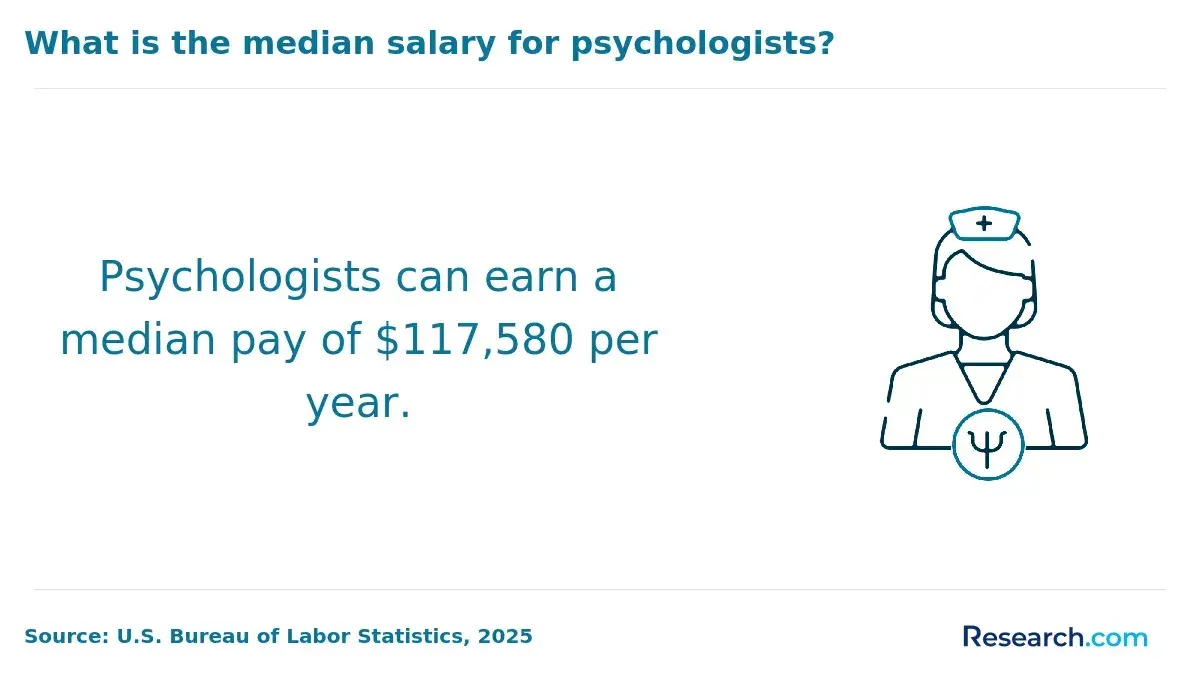
PsyD-trained psychologists in Illinois earn between $98,000 and $134,670 annually, while clinical psychologists average $97,470 to $111,300 and counseling psychologists fall within a similar range. Entry-level salaries start at $58,000-$75,000, while experienced professionals, especially those in leadership, can exceed $150,000. Specialists such as neuropsychologists may earn up to $158,500.
Salary depends less on whether coursework included online components and more on licensure status, specialization, supervised experience, employer type, location, and ability to provide high-demand clinical services. Urban areas such as Chicago may offer higher compensation to reflect cost of living and demand, while rural or underserved areas may offer different incentive structures.
- Licensure status: Independent licensure generally opens more roles and stronger earning potential than provisional or unlicensed status.
- Experience level: Early-career psychologists usually earn less than clinicians with years of supervised practice, specialty training, or leadership experience.
- Specialization: Neuropsychology, forensic assessment, health psychology, and other specialized areas may command higher pay when demand is strong.
- Employer type: Hospitals and private practices may pay more than some nonprofit or academic roles, although benefits and work-life balance can differ.
- Region: Compensation may vary between Chicago, suburbs, smaller cities, and rural parts of Illinois.
Students who are comparing doctoral psychology with master's-level behavioral health careers can review Research.com's overview of jobs available with a master's in applied behavior analysis to evaluate different training lengths, credentials, and career outcomes.
How to Evaluate Graduate Feedback Before Choosing an Illinois PsyD Program
Graduate testimonials can be useful, but they should not be treated as proof that a program is right for you. Some students value close faculty mentorship, others prioritize practicum variety, and others care most about cost, internship placement, or specialization. When reading student reviews or speaking with alumni, focus on specific evidence rather than general satisfaction.
- Ask about clinical training quality: Were practicum placements well supervised, diverse, and aligned with the student's career goals?
- Ask about workload realism: Could students balance classes, clinical hours, research, employment, commuting, and personal responsibilities?
- Ask about internship preparation: Did the program provide advising, mock interviews, application review, and clear guidance on APPIC timelines?
- Ask about faculty accessibility: Were faculty available for mentorship, feedback, crisis support, and professional development?
- Ask about licensure support: Did graduates feel prepared for postdoctoral requirements, exams, and the transition into independent practice?
- Ask about costs and debt: Did the total cost match what students expected when they enrolled?
Questions to ask every Illinois PsyD program
- Is the program currently APA-accredited, and when is the next accreditation review?
- What percentage of students complete the program within the expected timeline?
- What are the most recent internship match outcomes?
- How many practicum sites are available in my area of interest?
- Can students work while enrolled, or is the schedule designed for full-time study only?
- What is the total estimated cost from enrollment through graduation?
- What assistantships, scholarships, or paid training options are available?
- How does the program prepare students for Illinois licensure?
- Are any courses hybrid, and which requirements must be completed in person?
- What support is available if a student struggles academically, clinically, or financially?
Related Articles for Nearby States
- 2027 Best PsyD Programs in Indiana: APA Accredited Online & Campus
- 2027 Best PsyD Programs in Wisconsin: APA Accredited Online & Campus
- 2027 Best PsyD Programs in Iowa: APA Accredited Online & Campus
- 2027 Best PsyD Programs in Missouri: APA Accredited Online & Campus
- 2027 Best PsyD Programs in Kentucky: APA Accredited Online & Campus
- 2027 Best PsyD Programs in Michigan: APA Accredited Online & Campus
- 2027 Best PsyD Programs in Minnesota: APA Accredited Online & Campus
- 2027 Best PsyD Programs in Ohio: APA Accredited Online & Campus
- 2027 Best PsyD Programs in Tennessee: APA Accredited Online & Campus
- 2027 Best PsyD Programs in Arkansas: APA Accredited Online & Campus
References:
- Campus Explorer, Online PsyD Degree Programs: https://www.campusexplorer.com/doctorate-degree/online-psyd-programs/
- University of Illinois System, Mentorship Program: https://www.uillinois.edu/president/programs_initiatives/i-mmas/mentorship_program
- CareersinPsychology.org, Becoming a Psychologist in Illinois: https://careersinpsychology.org/how-to-become-a-psychologist-in-illinois/
- Illinois State University, Psychology - School Psychology: https://illinoisstate.edu/academics/school-psychology-doctorate/
- The Chicago School, Psy.D. Applied Clinical Psychology: https://www.thechicagoschool.edu/programs/psychology/applied-clinical-psychology/psyd/
- American Psychological Association, Doctoral Internships: https://www.apa.org/education-career/grad/internship
- University of Illinois Chicago, Clinical Psychology Program: https://psch.uic.edu/programs/graduate-studies/reseach-clinical-programs-gradudate-studies-clinical/
- Carle Health, Clinical Psychologist in Bloomington, Illinois: https://careers.carlehealth.org/jobs/3931
- Wheaton College, Psy.D. in Clinical Psychology: https://www.wheaton.edu/graduate-school/degrees/psyd-in-clinical-psychology/
- Counseling Degrees Online, APA Accredited Hybrid PsyD Degree Programs: https://www.counselingdegreesonline.org/apa-accredited-hybrid-psyd-programs
Key Insights
- Illinois has five APA-accredited PsyD programs, and they are campus-based as of late 2025; students should not assume a fully online APA-accredited option exists in the state.
- APA accreditation is central for students pursuing psychologist licensure because it affects training quality, internship competitiveness, and professional mobility.
- The strongest program choice depends on fit: specialization, practicum access, faculty expertise, internship support, cost, schedule, and licensure alignment matter more than name recognition alone.
- Admissions committees typically expect a bachelor's degree, a strong psychology foundation, a GPA near or above 3.0, prerequisite coursework, relevant experience, recommendations, essays, and often an interview.
- PsyD students should plan early for internship because practicum choices, assessment hours, supervision quality, and faculty guidance all influence competitiveness.
- Salary outcomes vary by licensure, experience, specialization, employer, and location. Illinois PsyD-trained psychologists earn between $98,000 and $134,670 annually, with higher earnings possible in leadership or specialty roles.
- Before enrolling, ask each program for current accreditation status, internship match data, total cost, average completion time, practicum site availability, and Illinois licensure preparation details.
Other Things You Should Know About PsyD Programs in Illinois
PsyD programs in Illinois for 2027 typically include core components like clinical assessment, psychotherapy techniques, ethical standards, and research methodologies. Most programs also require supervised clinical practicum and internships, critical for real-world experience. Programs collectively aim to prepare students for clinical practice and research roles.
When choosing an accredited PsyD program in Illinois, students should consider APA accreditation status, faculty expertise, and the availability of diverse practicum opportunities. It's essential to evaluate support services, alumni outcomes, and program flexibility, such as online or evening classes, to ensure it fits their career goals and lifestyle.


