
2027 Best PsyD Programs in Massachusetts: APA Accredited Online & Campus

Co-Founder and Chief Data Scientist
Massachusetts is a strong state for doctoral psychology training, but applicants looking for an APA-accredited PsyD have a narrow set of choices. The key decision is not simply “online or campus.” As of November 2025, Massachusetts has two APA-accredited PsyD programs, and both are campus-based. That matters because APA accreditation can affect internship access, licensure planning, employer recognition, and whether your doctoral training will be viewed as meeting professional standards.
This guide is for students comparing PsyD programs in Massachusetts, career changers planning a path toward clinical or counseling psychology licensure, and working adults wondering whether an online or hybrid PsyD can meet Massachusetts requirements. You will learn which programs are available, how to evaluate accreditation, what admissions committees usually expect, what clinical training involves, how internships work, and what career and salary outcomes may look like after graduation.
Quick Answer: Are There APA-Accredited Online PsyD Programs in Massachusetts?
No. As of November 2025, Massachusetts has two APA-accredited PsyD programs, and neither is fully online nor hybrid. The in-state APA-accredited options are William James College’s PsyD in Clinical Psychology and Springfield College’s PsyD in Counseling Psychology. Students who need flexible delivery may consider APA-accredited hybrid PsyD programs outside Massachusetts, but they must verify that the program’s clinical training, supervised hours, and internship structure align with Massachusetts licensure expectations before enrolling.
Key Benefits of APA-Accredited PsyD Programs in Massachusetts
- Licensure alignment: APA accreditation signals that the program has been reviewed for curriculum quality, supervised training, faculty qualifications, and student outcomes, all of which can affect clinical psychology licensure planning.
- Structured clinical preparation: Campus-based PsyD programs in Massachusetts connect students with supervised practicum, assessment training, therapy experience, and internship preparation.
- Stronger professional credibility: Employers, internship sites, postdoctoral supervisors, and licensing boards often pay close attention to whether a doctoral psychology program is APA-accredited.
- Mentorship and peer learning: In-person programs give students regular access to faculty feedback, case consultation, cohort discussions, and professional networking.
- Access to regional training sites: Massachusetts students may benefit from clinical placements across hospitals, community mental health centers, schools, university counseling centers, and integrated care settings.
- Best PsyD programs in Massachusetts: APA-accredited online and campus options
- How to compare PsyD options for the current admissions cycle
- Why APA accreditation matters for PsyD students
- How many APA-accredited PsyD programs are available in Massachusetts?
- What are the best APA-accredited PsyD programs in Massachusetts?
- Who is eligible to apply to APA-accredited PsyD programs in Massachusetts?
- What are the requirements to get into an APA-accredited PsyD program in Massachusetts?
- What PsyD specializations are available in Massachusetts?
- What courses are typically included in APA-accredited PsyD programs in Massachusetts?
- How do PsyD students find internships in Massachusetts?
- What are the pros and cons of online and campus PsyD programs in Massachusetts?
- What jobs can you get with a PsyD in Massachusetts?
- What is the average salary of PsyD graduates in Massachusetts?
- How should students interpret PsyD graduate feedback?
- Do Massachusetts universities offer mentorship opportunities for PsyD students?
- What are common challenges in completing PsyD internships in Massachusetts?
- What should students look for when choosing accredited PsyD programs in Massachusetts?
- Do online Massachusetts PsyD programs help students secure local practicum placements?
- References
How Many APA-Accredited PsyD Programs Are Available in Massachusetts?
As of November 2025, Massachusetts has two APA-accredited PsyD programs. Both are delivered on campus: the PsyD in Clinical Psychology at William James College and the PsyD in Counseling Psychology at Springfield College. No APA-accredited PsyD program in Massachusetts is currently offered fully online or in a hybrid format.
APA accreditation is important because it reviews whether a doctoral psychology program meets national expectations for curriculum, faculty preparation, clinical training, student support, and outcome tracking. For PsyD students, this can influence internship competitiveness, postdoctoral training options, licensing review, and how employers evaluate the degree.
Interest in online doctoral psychology education has grown nationally, especially among working adults and students who cannot relocate. However, Massachusetts PsyD training remains tied to in-person clinical education because doctoral-level assessment, therapy, supervision, and practicum experiences require close oversight.
Students who need more flexible education options should separate two different goals: becoming a licensed psychologist and working in behavior analysis or related mental health roles. For example, those exploring behavior analysis pathways may want to compare PsyD training with online BCBA programs, which follow a different credentialing and career structure.
| Question | Massachusetts PsyD Answer | Why It Matters |
| How many APA-accredited PsyD programs are in the state? | Two as of November 2025 | Applicants have limited in-state options and should plan early. |
| Are any fully online? | No | Students seeking online study must look outside Massachusetts and verify licensure compatibility. |
| Are any hybrid? | No in-state APA-accredited hybrid PsyD programs are available | Hybrid convenience is not currently an in-state option for APA-accredited PsyD training. |
| Does APA accreditation matter? | Yes | It can affect licensure review, internship eligibility, and professional credibility. |
What Are the Best APA-Accredited PsyD Programs in Massachusetts?
The best PsyD program for you depends on your intended practice area, preferred training model, location, faculty fit, practicum access, cost, and licensure plan. In Massachusetts, the in-state APA-accredited PsyD options are campus-based. Hybrid programs may be available outside the state, but they should be evaluated carefully if your goal is to practice in Massachusetts.
| Program | Location or Format | Program Focus | Key Details to Review |
| William James College | Newton; in-person | PsyD in Clinical Psychology | Traditional campus format; 5 years; 134 credits; APA-accredited; field training opportunities in Greater Boston. |
| Springfield College | Springfield; in-person | PsyD in Counseling Psychology | Campus-based practitioner-scholar training with emphasis on clinical service and social justice; APA-accredited. |
| Regent University | Hybrid | PsyD program with online coursework and required in-person clinical training | Includes electives such as child and health psychology; confirm Massachusetts licensure fit before enrolling. |
| Chatham University | Hybrid | PsyD in Counseling Psychology | Combines online coursework with required in-person clinical practicum; accreditation valid through 2031. |
| University of St. Thomas | Hybrid | PsyD in Counseling Psychology | Requires campus residencies and supervised fieldwork; verify state-specific licensing requirements. |
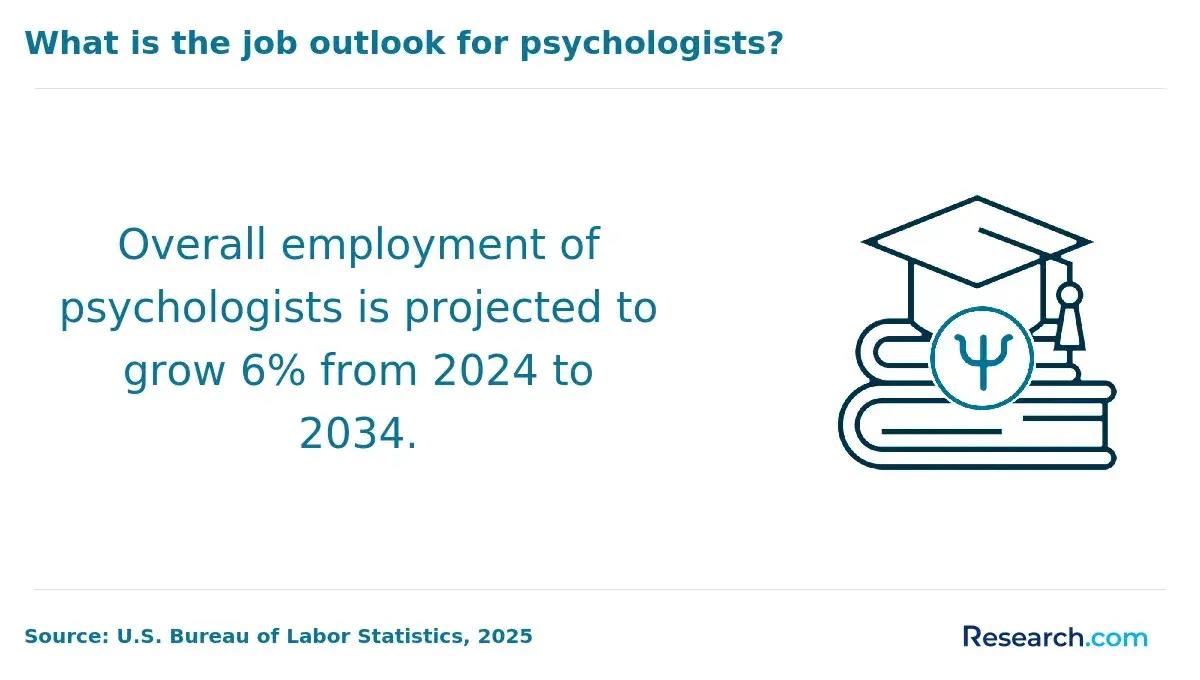
Applicants should not choose a program based only on format or reputation. A strong PsyD choice should show a clear path from coursework to practicum, internship, postdoctoral supervision, and licensure. Students should also ask how the program supports roughly 3,200 hours of hands-on clinical training for licensure and whether its internship outcomes are competitive.
If your long-term goal is behavioral intervention rather than psychologist licensure, review career paths with an ABA certification before committing to a PsyD. The training timelines, credentials, and job targets can differ substantially.
Who Is Eligible to Apply to APA-Accredited PsyD Programs in Massachusetts?
APA-accredited PsyD programs in Massachusetts are generally designed for applicants who have strong academic preparation, relevant exposure to psychology or mental health work, and a clear commitment to clinical or counseling practice. Common applicants include recent psychology graduates, master’s-level mental health professionals, research assistants, human services workers, and career changers who have completed prerequisite psychology coursework.
Campus-based PsyD programs are best suited for students who can commit to intensive in-person training, supervised clinical placements, cohort learning, and regular faculty interaction. This structure can be especially helpful for developing assessment, interviewing, treatment planning, and ethical decision-making skills because students receive direct observation and feedback.
Online and hybrid PsyD programs may appeal to working adults, parents, military-connected students, or applicants who cannot move near a campus. However, because Massachusetts does not currently have an APA-accredited online or hybrid PsyD option, these students need to be especially careful. An out-of-state hybrid program may still require travel, campus residencies, local practicum approvals, and internship participation through national matching systems.
| Applicant Type | When a Massachusetts Campus PsyD May Fit | When Another Path May Be Better |
| Recent psychology graduate | You want full-time doctoral clinical training and can relocate or commute. | You are unsure about becoming a licensed psychologist and want work experience first. |
| Working mental health professional | You can reduce work hours and complete in-person practicum requirements. | You need a more flexible credential or cannot meet daytime clinical placement demands. |
| Career changer | You have completed psychology prerequisites and can explain your clinical goals clearly. | You still need foundational coursework or direct experience in mental health settings. |
| Behavior analysis candidate | You want broader doctoral psychology training and potential psychologist licensure. | You mainly want ABA practice credentials rather than a PsyD pathway. |
What Are the Requirements to Get Into an APA-Accredited PsyD Program in Massachusetts?
Admission to an APA-accredited PsyD program is competitive because programs must evaluate whether applicants are prepared for doctoral coursework, supervised practice, ethical responsibilities, and long clinical training timelines. Requirements vary by school, but Massachusetts applicants should expect a detailed review of academic history, psychology preparation, experience, recommendations, goals, and interview performance.
Common admission requirements include:
- Bachelor’s degree: Applicants usually need a bachelor’s degree from a regionally accredited institution. Psychology is often preferred, but related majors may be acceptable if applicants have completed required psychology coursework.
- Minimum GPA: Programs commonly look for GPAs in the 3.0 to 3.5 range. Springfield College requires at least a 3.2 for bachelor’s degree holders and 3.3 for master’s degree holders.
- Psychology prerequisites: Many programs expect 18-24 credits in psychology, typically including general psychology, statistics, research methods, abnormal psychology, and developmental psychology.
- Clinical or research experience: Work, volunteer, or research experience in mental health, social services, assessment, crisis support, or community care can strengthen an application.
- GRE policy: Standardized test requirements vary. Some programs treat the GRE as optional or waive it, placing more weight on experience and fit.
- Letters of recommendation: Applicants are usually asked for two to three letters from professors, supervisors, clinicians, or other professionals who can evaluate their readiness.
- Personal statement: A strong essay should explain why the applicant wants PsyD training, what populations they hope to serve, and how the program fits their goals.
- Interview: Finalists may complete an in-person or virtual interview focused on interpersonal maturity, self-awareness, ethical judgment, and clinical readiness.
Before applying, students comparing psychology and behavior-focused fields may also want to examine what you can do with an applied behavior analysis degree to decide whether a PsyD is the right level and type of training.
| Application Component | What Schools Are Looking For | How to Strengthen It |
| Transcript | Evidence of academic readiness for doctoral study | Complete missing prerequisites and perform well in statistics, research, and abnormal psychology. |
| Experience | Exposure to clinical, research, or human services environments | Gain supervised experience in mental health, crisis services, schools, hospitals, or community agencies. |
| Personal statement | Clear motivation and realistic career goals | Connect your background, population interests, and program fit without using generic claims. |
| Recommendations | Evidence of maturity, ethics, and interpersonal strengths | Ask recommenders who know your academic or clinical potential well. |
| Interview | Professional judgment, communication skills, and self-reflection | Prepare to discuss clinical scenarios, diversity, ethics, and why the PsyD path fits your goals. |
What PsyD Specializations Are Available in Massachusetts?
A PsyD specialization shapes the populations you serve, the clinical methods you learn, and the settings where you may be most competitive after graduation. Massachusetts applicants should begin with the actual degree focus offered by APA-accredited programs in the state: clinical psychology and counseling psychology. Other areas may appear through electives, practica, postdoctoral training, or related doctoral programs, but not every specialization is available as a standalone Massachusetts PsyD track.
- Clinical Psychology: This path emphasizes psychological assessment, diagnosis, treatment planning, psychotherapy, and work with individuals experiencing mental health disorders. Graduates often pursue roles in hospitals, private practices, community mental health centers, and integrated healthcare settings.
- Counseling Psychology: This specialization focuses on psychological well-being, therapy, multicultural competence, prevention, and advocacy. Graduates may work in college counseling, community agencies, healthcare organizations, and private practice.
- School Psychology: PsyD-level school psychology training may prepare professionals to support students’ academic, behavioral, and emotional needs, although this pathway is more commonly associated with other doctoral or specialist-level school psychology routes.
- Forensic Psychology: This area applies psychology to legal questions, such as competency, risk assessment, correctional treatment, and expert consultation. Students usually need targeted practicum, internship, and postdoctoral experience.
- Applied Behavior Analysis: ABA focuses on behavior assessment and evidence-based behavioral intervention, often with people with autism or developmental disabilities. Students interested primarily in behavior analysis should compare PsyD training with ABA credential pathways.
- Developmental Psychology: This area examines human development across the lifespan and can support work in pediatric, family, educational, or research-informed clinical settings.
- Industrial-Organizational Psychology: I-O psychology applies psychological science to workplace behavior, hiring, performance, leadership, and organizational health. It is generally a different career direction from clinical PsyD licensure.
Because APA-accredited PsyD training requires substantial supervised practice, fully online specialization-based PsyD options remain limited. Applicants should focus less on a specialization label and more on practicum sites, faculty expertise, elective depth, internship outcomes, and postdoctoral opportunities.
What Courses Are Typically Included in APA-Accredited PsyD Programs in Massachusetts?
APA-accredited PsyD curricula combine scientific foundations, clinical methods, supervised practice, ethics, assessment, diversity training, and research literacy. The goal is not to train students only to provide therapy; graduates must also understand diagnosis, psychological testing, evidence-based intervention, professional standards, and the limits of their competence.
- Clinical Assessment and Diagnosis: Students learn interviewing, diagnostic reasoning, psychological testing, case formulation, and treatment planning.
- Research Methods: Coursework covers qualitative and quantitative methods, research design, data interpretation, and the use of evidence in clinical decision-making.
- Professional Ethics: Students study APA ethical standards, confidentiality, informed consent, boundaries, documentation, mandated reporting, and complex clinical dilemmas.
- Psychotherapy Techniques: Training introduces major therapy models and helps students apply intervention strategies through supervised practice.
- Diversity and Multicultural Practice: Courses address culture, identity, power, bias, social context, and equitable clinical care.
- Psychopathology: Students examine mental health conditions, diagnostic frameworks, symptom presentation, and differential diagnosis.
- Practicum Seminars: These courses connect field placement experiences with supervision, case review, documentation, and professional development.
| Course Area | Why It Matters for PsyD Training | Questions to Ask Programs |
| Assessment | Psychologists often conduct testing and diagnostic evaluations. | Which assessment tools are taught, and where do students practice them? |
| Therapy methods | Graduates need supervised experience using evidence-based interventions. | What therapy models are emphasized, and how is competence evaluated? |
| Ethics | Clinical work involves risk, confidentiality, boundaries, and legal responsibilities. | How are ethical scenarios integrated into practicum supervision? |
| Research literacy | PsyD graduates must evaluate evidence even if they do not pursue research careers. | How does the program teach evidence-based practice? |
| Diversity training | Psychologists serve clients across identities, communities, and systems. | How does the curriculum prepare students for culturally responsive care? |
How Do PsyD Students Find Internships in Massachusetts?
PsyD internships are a major transition point between doctoral training and professional practice. Students must show that they can deliver clinical services, work ethically, document appropriately, consult with supervisors, and function in real service environments. In Massachusetts, internship planning should begin early because strong placements are competitive.
- Use the APPIC system: Many PsyD students apply through the Association of Psychology Postdoctoral and Internship Centers directory and Match process. This centralized structure helps students identify accredited and structured internship sites.
- Work closely with program placement staff: APA-accredited programs typically guide students through practicum and internship requirements, documentation, deadlines, and site expectations.
- Build relationships with faculty and supervisors: Strong references from supervisors, instructors, and practicum directors can help students stand out during internship applications.
- Start practicum planning early: Competitive internship applications are built over several years through strong clinical evaluations, assessment experience, therapy hours, and professional conduct.
- Review state licensing expectations: Students should confirm that their practicum, internship, and postdoctoral experiences support the Massachusetts Board of Registration of Psychologists’ requirements.
- Use professional networks: APA resources, regional associations, alumni contacts, and career events can help students learn about site cultures and application expectations.
| Internship Step | What Students Should Do | Common Risk |
| First doctoral years | Build strong practicum evaluations and document training carefully. | Waiting too long to understand internship competitiveness. |
| Before application season | Review APPIC materials, site requirements, and faculty feedback. | Applying to sites that do not match your experience level. |
| Application stage | Prepare essays, CV, hour logs, recommendations, and interview answers. | Submitting generic materials that do not explain fit. |
| Match process | Rank sites strategically and stay in close contact with program advisors. | Focusing only on location instead of training quality. |
| After internship | Plan postdoctoral supervised experience and licensure steps. | Assuming graduation alone is enough for independent practice. |
What Are the Pros and Cons of Online and Campus PsyD Programs in Massachusetts?
The practical comparison is straightforward: Massachusetts does not currently offer an APA-accredited online or hybrid PsyD program, so students who want in-state APA-accredited training must choose a campus-based option. Online or hybrid PsyD programs outside the state may provide flexibility, but students must confirm whether the program supports Massachusetts licensure, practicum supervision, internship eligibility, and required in-person training.
Pros and Cons of Online or Hybrid PsyD Programs
| Potential Advantage | Potential Drawback | Best Fit |
| More flexible coursework schedules | No APA-accredited online or hybrid PsyD is currently available in Massachusetts | Students considering out-of-state hybrid programs |
| Less need to relocate for didactic coursework | Clinical training, residencies, and practica still require in-person participation | Working adults who can travel and arrange approved placements |
| Possible savings on commuting or relocation | Tuition, residency travel, and placement costs may still be substantial | Students comparing total program cost carefully |
| Technology-supported learning | Less spontaneous access to campus clinics, faculty, labs, and peer networks | Self-directed students with strong time management |
| Access to programs beyond Massachusetts | Licensure fit must be verified before enrollment | Students willing to contact licensing boards and program directors |
Pros and Cons of Campus PsyD Programs
| Potential Advantage | Potential Drawback | Best Fit |
| Direct faculty supervision and live clinical skill development | Less scheduling flexibility than online coursework | Students who can attend full-time, in-person training |
| Access to local practicum sites and professional networks | Commuting and housing costs may be higher | Students seeking Massachusetts-based clinical connections |
| Campus clinics, libraries, seminars, and peer consultation | Fixed schedules may limit outside employment | Students prioritizing immersive doctoral preparation |
| Clearer alignment with in-state training expectations | Limited number of APA-accredited options in Massachusetts | Applicants focused on Massachusetts psychologist licensure |
| Established internship preparation systems | Admission can be competitive | Students with strong academic, clinical, and interpersonal readiness |
How to Choose the Right PsyD Program in Massachusetts
A PsyD is a long, expensive, and clinically demanding commitment. The right program should fit your licensure goal, learning style, financial reality, and preferred client population. Before applying, compare programs using evidence rather than marketing claims.
- Verify APA accreditation directly: Do not rely only on a school webpage, advertisement, or ranking page. Confirm the accreditation status and review period.
- Check licensure alignment: Ask how the program’s curriculum, practicum, internship, and postdoctoral planning support Massachusetts psychologist licensure.
- Review internship outcomes: Ask about APPIC match support, internship placement rates, types of sites, and how students are advised if they do not match.
- Compare clinical training depth: Look for supervised therapy, assessment, diagnostic, documentation, consultation, and crisis-related training.
- Evaluate faculty fit: Faculty expertise should align with your interests, such as child psychology, health psychology, trauma, multicultural practice, assessment, or integrated care.
- Calculate total cost: Include tuition, fees, books, commuting, relocation, reduced work income, internship travel, and postdoctoral expenses.
- Ask about student support: Strong programs provide advising, remediation support, internship preparation, wellness resources, and career guidance.
Common Mistakes to Avoid When Applying to PsyD Programs
- Assuming “doctoral” means “license-ready”: A psychology doctorate does not automatically qualify someone for independent practice. Accreditation, supervised hours, internship, exams, and state rules matter.
- Choosing based only on online convenience: Flexibility is valuable, but a program that does not satisfy Massachusetts training expectations can create licensure problems later.
- Ignoring internship competitiveness: Internship placement is not a small administrative step; it is central to doctoral psychology training.
- Focusing only on tuition: The lowest tuition may not be the lowest total cost if travel, commuting, lost wages, or delayed licensure are significant.
- Using rankings as the final decision: Rankings can be a starting point, but program fit, accreditation, clinical placements, and outcomes matter more.
- Applying without relevant experience: PsyD admissions committees often want evidence that applicants understand clinical work and its emotional, ethical, and professional demands.
- Overlooking specialization limits: A school may mention an interest area without offering deep practicum access or faculty supervision in that specialty.
What Jobs Can You Get With a PsyD in Massachusetts?
An APA-accredited PsyD can prepare graduates for psychologist licensure and clinical roles across healthcare, schools, community agencies, private practice, and specialty care settings. The exact job options depend on licensure status, internship and postdoctoral experience, specialization, and the populations served during training.
- Licensed Clinical Psychologist: Clinical psychologists provide psychotherapy, psychological assessment, diagnosis, treatment planning, consultation, and supervision in settings such as hospitals, private practices, community mental health centers, and integrated care teams.
- School Psychologist: PsyD graduates with appropriate school-based practica and credentialing may support K-12 students through assessment, consultation, intervention planning, and mental health services. School licensure commonly requires around 1,200 practicum hours.
- Neuropsychologist: Neuropsychologists assess cognitive, neurological, developmental, and brain-related conditions. This path typically requires specialized assessment training and often postdoctoral preparation.
- Health Psychologist or Integrated Behavioral Health Specialist: These professionals work with medical teams to address the behavioral, emotional, and psychological factors connected to physical health.
- Substance Abuse and Behavioral Health Counselor: PsyD graduates may work in addiction treatment, outpatient behavioral health, residential programs, and psychiatric settings, depending on licensure and role requirements.
Students interested in doctoral-level behavior-focused research or academic pathways may also want to compare PsyD options with the best PhD in applied behavior analysis program.
What Is the Average Salary of PsyD Graduates in Massachusetts?
The average annual salary for PsyD-trained psychologists in Massachusetts ranges from $85,000 to $110,000. Clinical psychologists are generally closer to the higher end of that range, while counseling psychologists commonly earn between $85,000 and $105,000. The available data do not show meaningful salary differences between graduates of online and campus APA-accredited PsyD programs because licensure, supervised training, and accreditation standards are more important than delivery format. National benchmarks from the Bureau of Labor Statistics and APA workforce reports place Massachusetts salaries above the national median of $85,000 to $100,000, which reflects the state’s higher cost of living and demand for mental health professionals.
Salary can vary widely by license status, employer, specialty, region, and years of experience. Important factors include:
- Licensure status: The highest-paying psychologist roles generally require licensure through the Massachusetts Board of Registration. An APA-accredited degree and required exams are part of the pathway.
- Experience level: Entry-level psychologists often earn around $65,000-$85,000, while professionals with more than 10 years of experience may reach $125,000-$200,000, especially in private practice.
- Specialization: Neuropsychology and forensic psychology can pay from $130,000 to $185,000 because they require advanced skill sets and specialized training.
- Employer type: Private practices and healthcare systems often pay more than nonprofits or schools, although academic roles may reach $125,000.
- Location: Boston-area salaries are typically highest. Western Massachusetts may offer lower nominal wages, but cost-of-living differences can change the real value of compensation.
- Telepsychology: Expanded remote service models can affect caseload, reach, and earnings, depending on licensure and employer policy.
If your interests are closer to behavior analysis than clinical psychology, compare the credential differences between board certified behavior analyst and licensed behavior analyst roles before deciding on a PsyD.
How Should Students Interpret PsyD Graduate Feedback?
Graduate comments can help applicants understand a program’s culture, mentorship style, workload, and practicum experience, but they should not replace objective outcome data. When reviewing testimonials, ask whether the comments are recent, whether the graduate completed the same program format you are considering, and whether the experience reflects typical student outcomes.
Useful questions to ask when reading or hearing graduate feedback include:
- Did the graduate complete an APA-accredited program, and was it campus-based, hybrid, or online?
- Did the program help the graduate secure appropriate practicum and internship placements?
- How accessible were faculty, supervisors, and advisors during difficult parts of training?
- Did the curriculum prepare the graduate for assessment, therapy, ethics, and licensure steps?
- Were graduates transparent about debt, workload, commuting, and employment after graduation?
Applicants should balance personal stories with accreditation status, internship outcomes, licensure compatibility, faculty fit, and cost. A compelling testimonial is helpful, but it is not enough evidence to justify a doctoral investment on its own.
Current Trends Affecting PsyD Students in Massachusetts
- High demand for mental health services: Massachusetts, like many states, continues to face demand for psychologists, therapists, assessment providers, and integrated behavioral health professionals.
- Greater interest in flexible doctoral education: More students are looking for online and hybrid psychology doctorates, but APA-accredited PsyD training in Massachusetts remains campus-based.
- More attention to licensure portability: Students increasingly ask whether their degree and supervised hours will support practice across states, especially if they train in one state and work in another.
- Telepsychology growth: Remote services have changed how some psychologists deliver care, but doctoral training still requires in-person clinical skill development and supervised experience.
- Employer focus on assessment and evidence-based care: Graduates with strong training in psychological testing, documentation, culturally responsive practice, and integrated care may be better positioned for diverse roles.
Questions to Ask Before Enrolling in a PsyD Program
| Question | Why It Matters |
| Is the program currently APA-accredited? | Accreditation can affect internship access, licensure review, and employer recognition. |
| Does the program meet Massachusetts licensure expectations? | State requirements determine whether your training supports independent practice. |
| What practicum sites are available to students? | Clinical training quality depends heavily on supervised field experience. |
| How does the program support APPIC internship applications? | Internship placement is a major milestone in PsyD training. |
| What are the total costs beyond tuition? | Fees, commuting, housing, reduced work hours, travel, and internship expenses can change affordability. |
| What are recent graduate outcomes? | Licensure, internship, employment, and debt data are more useful than broad promotional statements. |
| How are struggling students supported? | Doctoral clinical training is demanding, and remediation systems matter. |
| Which faculty members match my interests? | Mentorship and supervision quality can shape your training and career direction. |
Frequently Asked Questions About APA-Accredited PsyD Programs in Massachusetts
Do Massachusetts universities offer mentorship opportunities for PsyD students?
Yes. Campus-based PsyD programs typically include faculty advising, clinical supervision, practicum consultation, cohort learning, and professional development support. Applicants should ask how often students meet with advisors, how supervisors are assigned, and whether mentorship continues during internship applications.
What are common challenges in completing PsyD internships in Massachusetts?
Common challenges include competitive APPIC applications, limited geographic flexibility, balancing internship interviews with coursework, meeting hour documentation requirements, and finding sites that match a student’s specialization. Early planning and strong practicum evaluations can reduce these risks.
What should students look for when choosing accredited PsyD programs in Massachusetts?
Students should prioritize APA accreditation, licensure alignment, practicum quality, internship outcomes, faculty expertise, student support, total cost, and fit with career goals. A program should offer a clear route from admission to supervised practice, internship, graduation, postdoctoral training, and licensure.
Do online Massachusetts PsyD programs help students secure local practicum placements?
Massachusetts does not currently have an APA-accredited online PsyD program. Students considering out-of-state online or hybrid programs should ask whether the school helps arrange Massachusetts practicum placements and whether those placements satisfy state licensure standards.
Related Articles for Nearby States
- 2027 Best PsyD Programs in Rhode Island: APA Accredited Online & Campus
- 2027 Best PsyD Programs in Connecticut: APA Accredited Online & Campus
- 2027 Best PsyD Programs in New Hampshire: APA Accredited Online & Campus
- 2027 Best PsyD Programs in New York: APA Accredited Online & Campus
- 2027 Best PsyD Programs in Vermont: APA Accredited Online & Campus
- 2027 Best PsyD Programs in New Jersey: APA Accredited Online & Campus
- 2027 Best PsyD Programs in Maine: APA Accredited Online & Campus
- 2027 Best PsyD Programs in Pennsylvania: APA Accredited Online & Campus
- 2027 Best PsyD Programs in Delaware: APA Accredited Online & Campus
- 2027 Best PsyD Programs in Maryland: APA Accredited Online & Campus
References:
- Careers in Psychology, “Top Online Psychology Programs 2025 | APA Schools,” https://careersinpsychology.org/top-online-psychology-programs/
- Psych Degree Starter, “Top Part-Time PsyD Programs That Let You Learn While You Work,” https://psychdegreestarter.com/degrees/doctorates/part-time-psyd-programs/
- William James College, “PsyD in Clinical Psychology,” https://www.williamjames.edu/academics/clinical/psyd/overview.html
- Meridian University, “The Future of Psychology Education: PsyD Programs Online,” https://meridianuniversity.edu/content/the-future-of-psychology-education-psyd-programs-online
- Antioch University, “PsyD in Clinical Psychology,” https://www.antioch.edu/academics/psychology/clinical-psychology-psyd-aune/
- Chatham University, “Counseling Psychology (PsyD),” https://www.chatham.edu/academics/graduate/psychology-doctorate/
- University of Massachusetts Amherst, “Clinical Psychology Career Overview,” https://www.umass.edu/psychological-brain-sciences/clinical-psychology-career-overview
- LifeStance Health Careers, “Clinical Testing Psychologist (PhD, PsyD)- (Child and Adolescent) Job in Easton, Massachusetts,” https://careers.lifestance.com/jobs/psychologist/ma/easton/clinical-testing-psychologist-phd-psyd-child-and-adolescent
- The Center for Evidence-based Mentoring, https://www.cebmentoring.org/
- Bryant University, “Doctor of Clinical Psychology (Psy.D.) Program,” https://www.bryant.edu/graduate/graduate-academics/graduate-programs/doctor-clinical-psychology
Key Insights
- Massachusetts has two APA-accredited PsyD programs as of November 2025, and both are campus-based.
- There are no fully online or hybrid APA-accredited PsyD programs in Massachusetts, so students who need flexible delivery must evaluate out-of-state options carefully.
- APA accreditation is central to PsyD decision-making because it can influence internship access, licensure review, and employer confidence.
- William James College offers an APA-accredited PsyD in Clinical Psychology, while Springfield College offers an APA-accredited PsyD in Counseling Psychology.
- Admissions committees commonly review GPA, prerequisite psychology coursework, clinical or research experience, recommendations, personal statements, and interview readiness.
- Internship planning should begin early; strong practicum performance, supervision records, and APPIC preparation are essential.
- PsyD-trained psychologists in Massachusetts earn an average annual salary range of $85,000 to $110,000, with variation by license status, experience, specialty, employer, and region.
- The best PsyD choice is the program that aligns with your licensure goal, clinical interests, financial plan, supervision needs, and realistic ability to complete intensive in-person training.
Other Things You Should Know About PsyD Programs in Massachusetts
Students should consider APA accreditation, faculty expertise, internship opportunities, research facilities, and program flexibility when evaluating 2027 PsyD programs in Massachusetts. This ensures quality education and valuable practical experience, vital for future licensing and career prospects.
For online PsyD programs in Massachusetts in 2027, students need a reliable internet connection, a computer with updated software, and access to virtual meeting platforms such as Zoom or Microsoft Teams. Specific programs may require additional software or hardware relevant to their course offerings.


