
2027 Best PsyD Programs in Washington: APA Accredited Online & Campus

Co-Founder and Chief Data Scientist
Choosing a PsyD program in Washington can be daunting given the state's diverse offerings and varying accreditation standards. Recent data shows that Washington faces a 15% higher demand for licensed psychologists compared to the national average, highlighting the importance of accredited qualifications.
Pursuing an APA-accredited online or campus PsyD ensures rigorous training aligned with professional standards and licensure requirements. This article, crafted by career planning experts, critically examines top accredited programs, aiding informed decisions based on quality, format, and career outcomes.
Key Benefits of APA Accredited PsyD Programs in Washington
- Online APA-accredited PsyD programs offer flexible scheduling, enabling students to balance clinical work and coursework effectively, which is crucial given that 70% of PsyD students juggle professional commitments.
- These programs also maintain rigorous clinical training standards, ensuring graduates meet licensure requirements recognized nationwide, essential for workforce mobility and employment.
- On-campus programs provide immersive, hands-on experiences through direct supervision and peer collaboration, fundamental aspects that enhance clinical skill development and professional networking in psychology.
- How many APA accredited PsyD programs are available in Washington?
- What are the best APA accredited PsyD programs in Washington?
- Who is eligible to apply to APA accredited PsyD programs in Washington?
- What are the requirements to get into an APA accredited PsyD program in Washington?
- What PsyD specializations are available in Washington?
- What courses are typically included in APA accredited PsyD programs in Washington?
- How do PsyD students find internships in Washington?
- What are the pros and cons of online and campus PsyD programs in Washington?
- What jobs can you get with a PsyD in Washington?
- What is the average salary of PsyD graduates in Washington?
How many APA accredited PsyD programs are available in Washington?
Washington State currently offers three APA-accredited PsyD programs, all of which are campus-based; there are no APA-accredited online or hybrid PsyD options available. The APA accreditation process involves a thorough evaluation of doctoral programs, including faculty qualifications, clinical training quality, curriculum standards, and student outcomes. This process ensures programs meet rigorous requirements through self-studies, site visits, and ongoing performance assessments. APA accreditation is critical as it often serves as a prerequisite for state licensure and is widely recognized for establishing a program's professional credibility and educational quality. Without APA accreditation, graduates may face significant hurdles in licensure and career advancement within clinical psychology.
If no APA-accredited PsyD programs were available in Washington, prospective students might consider alternative doctorate options such as the APA-accredited PhD in Clinical Psychology programs at the University of Washington, Washington State University, or Seattle Pacific University, all of which maintain strong reputations for combining research and clinical training.
Recent trends in doctorate psychology education in Washington show no growth in APA-accredited online PsyD programs, maintaining a clear preference for campus-based learning that supports intensive in-person clinical practice. Demand for licensed clinical psychologists continues to rise, fueled by demographic changes and increased awareness of mental health needs. While some new programs outside Washington pursue APA accreditation, the state's programs focus on expanding specialty tracks like multicultural and health psychology rather than shifting to hybrid delivery models. This cautious approach reflects the challenges of meeting APA standards within remote or online formats.
What are the best APA accredited PsyD programs in Washington?
Identifying top APA-accredited PsyD programs in Washington involves examining factors such as faculty expertise, research opportunities, clinical training partnerships, and graduate outcomes. APA accreditation ensures that these programs meet national standards for quality education and effective licensure preparation.
- Antioch University Seattle (AUS) - PsyD in Clinical Psychology: A full-time, five-year campus-based program emphasizing competency-based training and social advocacy, integrating coursework, clinical work, and dissertation requirements.
- Northwest University - PsyD in Counseling Psychology: A five-year APA-accredited program with evening classes designed for working professionals, featuring a 121-credit curriculum and tuition priced per credit.
- Regent University - PsyD in Clinical Psychology: Primarily campus-based but offering a significant online component in didactic coursework, with elective concentrations including clinical child and forensic psychology, and a focus on ethics and diversity.
- Antioch University Online (Hybrid): A hybrid model blending online coursework with required in-person clinical placements, ensuring all clinical training meets APA standards while providing flexibility for remote learners.
- Online Hybrid Options for Washington Residents: While no fully online APA-accredited PsyD programs exist as of 2025, hybrid options allow students to complete coursework online and fulfill clinical internships locally to maintain licensure eligibility.
Students interested in exploring broader career options with an ABA certification may find these clinical training paths complement their professional goals.
Who is eligible to apply to APA accredited PsyD programs in Washington?
Applicants best suited for on-campus APA-accredited PsyD programs in Washington often include recent graduates with bachelor's or master's degrees in psychology or related fields. These students typically value immersive, in-person clinical training that allows for hands-on experience and close mentorship from faculty and peers. Many are career changers seeking clinical licensure who benefit from the structured environment and immediate access to practicum sites and university resources. Additionally, this group often thrives in collaborative settings where direct research involvement and peer interaction support their professional development. While this path demands physical presence, it aligns closely with those who prefer traditional learning frameworks and direct engagement in clinical practice.
Conversely, APA-accredited PsyD programs offered online or in hybrid formats attract working professionals, caregivers, and students living far from accredited institutions who require greater flexibility. These applicants are often balancing family responsibilities or careers and need self-directed learning models to accommodate their schedules. Online programs maintain the rigorous standards necessary for clinical practice, though they require strong self-motivation and comfort with digital platforms. Some professionals studying to become a BCBA find this pathway particularly suited to their needs, allowing for continued work while advancing clinical expertise. This format offers vital accessibility without compromising the quality expected in PsyD training.
What are the requirements to get into an APA accredited PsyD program in Washington?
APA-accredited PsyD programs in Washington have specific academic and professional requirements designed to prepare students for doctoral-level clinical psychology training. Meeting these criteria helps ensure applicants are well-prepared for the rigors of both online and campus-based PsyD programs in Washington.
- Educational Background: Most applicants must hold a bachelor's degree from an accredited institution; some programs prefer or require a master's degree in psychology or a related field for advanced standing.
- Minimum GPA: A competitive GPA, often at least 3.2, is usually needed to strengthen the application.
- Relevant Experience: Demonstrated experience in psychology, including research, clinical work, or internships, is highly valued. Many programs require completion of at least 18 hours of psychology coursework with a grade of C or better, covering foundational topics such as human development.
- Prerequisite Coursework: Key classes typically include introductory psychology, statistics, abnormal psychology, and developmental psychology, though specific requirements vary by program.
- Standardized Tests: GRE requirements differ among programs; some have waived them recently, so checking current guidelines is essential.
- Letters of Recommendation: Usually, two to three letters from academic or professional references are required to attest to the applicant's readiness.
- Personal Statement/Essays: A personal statement detailing career goals and motivation is typically required; for example, some schools expect essays around 500 words each.
- Interview: Select candidates may be invited for in-person or virtual interviews to assess interpersonal and professional readiness.
- Professional Resume or CV: Applicants submit a detailed resume highlighting academic, research, work, and volunteer experience.
Washington's PsyD programs align with state licensing standards, including about 3,300 clinical hours before licensure. Those interested in clinical fields related to psychology might find it useful to understand the behavior analyst definition as part of exploring professional options post-degree.
What PsyD specializations are available in Washington?
Choosing a PsyD specialization is essential for students in Washington because it shapes their educational focus and aligns their training with precise career objectives and professional interests within psychology. Specializations facilitate targeted skill development and practical experiences suited to distinct populations and roles.
Below are some of the most common PsyD specializations offered in Washington's APA-accredited programs, including both online and hybrid learning formats.
- Clinical Psychology: Focused on diagnosing and treating mental health conditions across all age groups, this specialization emphasizes evidence-based interventions and ethical practice. Graduates typically seek licensure to work in settings such as hospitals, private practices, and community mental health centers.
- Counseling Psychology: Centered on wellness and prevention, this specialization trains students to address everyday life challenges, often with an emphasis on multicultural competence and social justice. Roles for graduates include therapy, diagnostics, and academic research, with some programs integrating unique philosophical or religious perspectives.
- Forensic Psychology: This niche specialization bridges psychology and law by preparing students to conduct assessments for legal purposes, provide expert testimony, and work within correctional or legal institutions.
- Neuropsychology: Concentrating on brain-behavior relationships, students learn to evaluate cognitive and emotional changes following brain dysfunction, often leading to careers in medical or rehabilitation settings.
- Child and Adolescent Psychology: This area develops expertise in addressing developmental and emotional challenges specific to younger populations, with graduates frequently working in pediatric hospitals, schools, or specialized private practices.
What courses are typically included in APA accredited PsyD programs in Washington?
Curriculum clarity is vital for PsyD candidates aiming to balance clinical expertise, research proficiency, and ethical practice. Washington's APA-accredited programs offer a blend of foundational and specialized courses that support these goals, varying somewhat between campus-based, hybrid, and limited online formats.
Below is an overview of core courses common across these programs, highlighting their focus and practical relevance.
- Psychopathology: Covers classification and treatment of mental disorders, developing diagnostic skills and case conceptualization essential for clinical assessment.
- Clinical Assessment and Diagnosis: Focuses on psychological testing and interview techniques, emphasizing standardized test administration for accurate client evaluation.
- Intervention Theories and Techniques: Explores major therapy orientations, preparing students to plan and apply evidence-based treatments in supervised settings.
- Ethics and Professional Issues: Addresses APA standards and legal considerations to ensure ethical, safe practice.
- Cultural & Diversity Issues: Enhances multicultural competence vital for effective work with diverse populations, emphasized particularly in on-campus programs.
How do PsyD students find internships in Washington?
Clinical internships are foundational in APA-accredited PsyD programs in Washington, as they provide essential supervised experience that bridges academic learning and professional practice. These internships play a critical role in preparing candidates for licensure by meeting state standards and developing competencies necessary for ethical, effective clinical work. Given their significance, PsyD students employ various strategies to navigate a competitive internship landscape.
Students leverage multiple approaches and institutional resources to secure placements that align with licensure requirements and personal career goals, whether enrolled on-campus, online, or in hybrid formats:
- APPIC Match System: This nationwide matching platform facilitates the application and ranking process, connecting students with APA-accredited internships based on mutual preferences. Its centralized, algorithm-driven approach ensures a fair and structured pathway for all students seeking licensure-eligible experiences.
- University Clinical Training Offices: Many programs maintain dedicated offices or staff who assist in identifying appropriate internships, review application materials, and foster relationships with local clinical sites. This personalized support is especially valuable for online learners who may lack on-campus networking opportunities.
- Researching Site-Specific Requirements: Competitive sites often expect strong research and clinical backgrounds. Students enhance their applications by tailoring materials to each site's expectations and seeking mentorship, which supports both academic rigor and practical readiness.
- Networking: Connections with faculty, alumni, and supervisors offer insights into site cultures and referral opportunities. For students in virtual settings, proactive outreach compensates for fewer in-person chances to build these relationships.
- APPIC Directory and Clearinghouse: These searchable databases allow students to identify sites by location, population served, and clinical focus, while the Clearinghouse offers additional opportunities when initial match results fall short.
- Early Preparation: Initiating research and applications months in advance is crucial, particularly for online students who must also coordinate logistics with distant sites, ensuring placements align with program and geographic constraints.
- Prioritizing Accredited Sites: Selecting APA-accredited or APPIC-member internships prevents licensure complications and maintains future career flexibility, making this a non-negotiable criterion regardless of program format.
What are the pros and cons of online and campus PsyD programs in Washington?
Both online and campus-based PsyD programs in Washington present unique advantages and challenges for students seeking APA-accredited doctoral training. Understanding these differences enables applicants to select the format that best aligns with their learning preferences, personal circumstances, and professional objectives.
Pros and Cons of Online PsyD Programs in Washington
- Flexibility for Working Professionals: Online programs typically offer asynchronous coursework, allowing students to balance studies with employment and family commitments more effectively.
- Geographic Accessibility: Students can enroll from any location without relocating, which is especially beneficial for those outside major urban areas.
- Digital Resources: Access to extensive online libraries and collaboration tools supports diverse learning styles, though some may find virtual interaction less immersive.
- Cost Savings: Reduced expenses on housing, transportation, and campus fees can make education more affordable for many students.
- Limited Face-to-Face Interaction: The lack of spontaneous peer and faculty engagement may impact networking opportunities and mentorship quality.
- Practicum and Residency Requirements: Many programs still mandate in-person components, which can be logistically challenging and diminish the convenience of fully online study.
- Licensure Considerations: Not all online programs fully align with Washington state licensure standards, requiring careful verification before enrollment.
- Perception and Recognition: Although improving, some employers may still regard online degrees differently than traditional campus credentials.
Pros and Cons of Campus-Based PsyD Programs in Washington
- In-Person Clinical Training: Direct access to faculty, labs, and clinical sites enhances hands-on experience essential for clinical competence.
- Stronger Professional Networking: Face-to-face interactions foster deeper relationships, often leading to richer mentorship and research opportunities.
- Structured Learning Environment: The campus setting offers routine and resources that many students find supportive for doctoral-level work.
- Accreditation and Licensure Alignment: Campus programs are often well-established with clear pathways aligned to Washington's licensure requirements.
- Less Flexibility: Rigid scheduling and residency demands may challenge students balancing jobs or family responsibilities.
- Higher Costs: Expenses related to commuting, housing, and campus fees can significantly increase the financial burden.
- Geographic Limitations: Students must be able to relocate or commute, which can be prohibitive for those from rural areas or out of state.
What jobs can you get with a PsyD in Washington?
A PsyD degree in Washington prepares graduates for diverse clinical, counseling, and assessment roles in both traditional settings and emerging practice areas. APA-accredited PsyD programs, available online and on campus, provide the essential clinical skills and supervised training required for licensure and advanced psychology careers.
- Clinical Psychologist: This role involves diagnosing and treating mental health disorders across various populations. Professionals typically work in hospitals, outpatient clinics, community mental health centers, or private practices, addressing a wide range of psychological needs.
- Counseling Psychologist: Counseling psychologists provide therapy and support in settings such as university counseling centers, schools, and organizations. Their focus often includes educational institutions, where demand for university psychologists remains strong.
- Forensic Psychologist: These specialists perform psychological assessments for legal purposes, offer expert testimony, and collaborate with law enforcement or correctional systems. While postdoctoral training is common, a PsyD provides a foundational skill set for entry into forensic roles.
- Healthcare/Medical Psychologist: Professionals in this area work alongside medical teams within hospitals or integrated health systems. They address behavioral health concerns linked to chronic illness and support multidisciplinary approaches to patient care.
- Faculty or Training Supervisor: PsyD holders with clinical experience often engage in teaching or supervising doctoral trainees at universities. This career path contributes to educating upcoming psychologists and is supported by ongoing faculty job openings in Washington.
In addition, those interested in specialized practice development may explore a list of fastest masters in applied behavior analysis online, which can complement PsyD training with focused expertise.
What is the average salary of PsyD graduates in Washington?
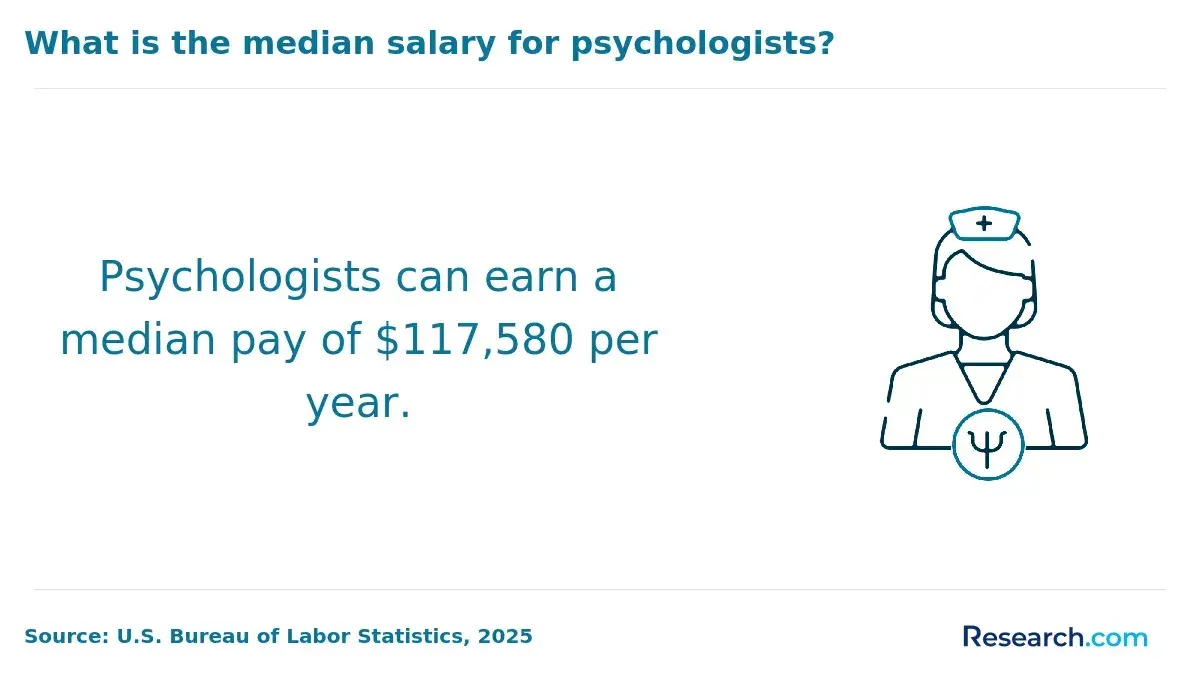
PsyD graduates working in Washington typically earn between $101,000 and $110,000 annually, with clinical psychologists often making between $98,000 and $172,000 depending on experience. Counseling psychologists show similar salary ranges, and current data indicate no significant salary gap between alumni of online versus on-campus APA-accredited PsyD programs. Nationally, the U.S. Bureau of Labor Statistics reports a median psychologist wage of $94,310 (May 2024), positioning Washington well above the average with median salaries ranging from $101,465 to $110,480.
Key Factors Influencing PsyD Salary Levels
- Licensure Status: Full licensure is crucial for accessing top salary brackets; provisional licenses correlate with lower earnings until completed postdoctoral requirements.
- Experience and Career Stage: Entry-level salaries start around $70,000-$90,000, increasing to $110,000+ with 5-10 years of practice.
- Specialization: Fields like neuropsychology typically offer higher pay due to demand and expertise.
- Employer Type: Positions in hospitals or government agencies generally offer better compensation than smaller or non-profit settings.
- Regional Demand: Urban areas like Seattle pay more, reflecting higher living costs and service needs.
Notably, accreditation drives employability and salary rather than program delivery format, an insight relevant for those comparing online and traditional routes. For professionals exploring additional credentials, knowing what is the cheapest online BCBA program can inform broader career planning alongside PsyD pathways.
What APA Accredited PsyD Graduates in Washington Say About Their Degree
- Pursuing my PsyD online through the University of Washington's APA-accredited program allowed me to balance my studies with family and work commitments seamlessly. Starting my career in a local educational setting, I found myself well-prepared to address the diverse needs of students, especially those affected by the unique cultural dynamics of Washington state. The program's flexibility combined with rigorous training gave me confidence and skill to make a meaningful impact on the community. It truly transformed my passion for helping young people into a fulfilling profession. Laren
- Completing my PsyD at Seattle Pacific University's online APA-accredited program was a transformative experience that challenged me both intellectually and personally. The program's emphasis on research and applying therapy within educational environments allowed me to grow deeply as a practitioner. Washington's rich cultural diversity and focus on inclusive support helped me understand how to tailor interventions effectively. Starting my career in a local school has given me fulfilling opportunities to contribute positively to student wellness and professional growth. Saphira
- Attending a traditional, APA-accredited PsyD program at Pacific Lutheran University provided a structured, immersive educational experience rooted in Washington's community values. The in-person interactions with faculty and peers enriched my understanding of mental health's role in educational settings. Beginning my career locally, I appreciate the stable professional environment and the ongoing chances to advance through collaboration and continuous learning. The program's rigorous curriculum prepared me to support the well-being of young people with empathy and professionalism. Grady
Related Articles for Nearby States
- 2027 Best PsyD Programs in Oregon: APA Accredited Online & Campus
- 2027 Best PsyD Programs in Idaho: APA Accredited Online & Campus
- 2027 Best PsyD Programs in Montana: APA Accredited Online & Campus
- 2027 Best PsyD Programs in California: APA Accredited Online & Campus
- 2027 Best PsyD Programs in Nevada: APA Accredited Online & Campus
- 2027 Best PsyD Programs in Utah: APA Accredited Online & Campus
- 2027 Best PsyD Programs in Wyoming: APA Accredited Online & Campus
- 2027 Best PsyD Programs in Arizona: APA Accredited Online & Campus
- 2027 Best PsyD Programs in Colorado: APA Accredited Online & Campus
- 2027 Best PsyD Programs in New Mexico: APA Accredited Online & Campus
References:
- Pre-Application Mentorship Service (PAMS) https://www.cs.washington.edu/academics/graduate/phd-program/phd-admissions/pams/
- PhD/PsyD - Tips for Surviving Internship | Student Doctor Network https://forums.studentdoctor.net/threads/tips-for-surviving-internship.1396528/
- Complete Guide to APA-Accredited PsyD Programs https://psychdegreestarter.com/degrees/doctorates/apa-accredited-psyd-programs/
- Doctoral internships https://www.apa.org/education-career/grad/internship
- Clinical Psychologist Salary by State (Median Annual Pay) https://www.allpsychologyschools.com/clinical-psychology/salary/
- Psy.D. Clinical Psychology - Washington, D.C. - The Chicago School https://www.thechicagoschool.edu/programs/psychology/clinical-psychology/psyd-washington-dc/
- Top Online Psychology Programs 2025 | APA Schools https://careersinpsychology.org/top-online-psychology-programs/
- Mentoring Your Way https://gradstudies.artsci.wustl.edu/mentoring-your-way
- 2025-26 Bulletin https://bulletin.wustl.edu/grad/phd-mentored-experiences/
- PsyD in Clinical Psychology | Clinical Psychology | WJC https://www.williamjames.edu/academics/clinical/psyd/overview.html
Other Things You Need to Know About PsyD Programs in Washington
Washington-based online PsyD programs typically collaborate with a network of local clinical sites to facilitate practicum placements for students. These programs ensure that learners receive the necessary hands-on experience in clinical settings, aligning with accreditation requirements and preparing them for future licensure.
Admission requirements for APA-accredited PsyD programs in Washington typically include a bachelor's degree in psychology or a related field, GRE scores, letters of recommendation, and a personal statement. Some programs might also require relevant experience in the field and an interview process.
APA-accredited online PsyD programs in Washington offer flexibility and often asynchronous learning, while campus-based programs provide face-to-face interaction and access to on-site resources. Both meet the same accreditation standards, ensuring quality education, but differ in delivery method and student experience.


