
2027 How to Become an HVAC Tech in Florida

Co-Founder and Chief Data Scientist
Florida’s subtropical climate creates year-round demand for HVAC services—but breaking into the field isn’t always straightforward. From navigating state licensing requirements to choosing the right training program, many aspiring technicians find the process confusing. Adapting to new technologies like smart systems and green HVAC solutions can add even more pressure.
This guide, prepared by career planning experts, offers expert-backed advice to simplify your path forward. It outlines practical steps to join Florida’s growing HVAC workforce—where professionals earn an average annual salary of $43,928.
Key Points About Becoming an HVAC Tech in Florida
- Florida’s growing population and warm climate sustain strong demand for HVAC technicians, with job growth projected above the national average through 2030.
- The average HVAC technician salary in Florida is approximately $48,000 annually, with opportunities rising as energy-efficient systems become more prevalent.
- Florida’s focus on sustainable building and increasing smart home integration positions HVAC careers for innovation and long-term stability in this region.
- What are the educational requirements to become an HVAC Tech in Florida?
- Which schools in Florida offer HVAC programs?
- What skills do you need to become an HVAC Tech in Florida?
- What are the requirements for HVAC licensure in Florida?
- What is the licensing process for HVAC technicians in Florida?
- How long does it take to become an HVAC tech in Florida?
- Will an HVAC license from Florida allow you to work in other states?
- Can cross-training in electrical systems boost your HVAC career in Florida?
- What career advancement opportunities exist for HVAC technicians in Florida?
- Can Business Education Enhance Your HVAC Career?
- Can continuing education and specialized training boost my Florida HVAC career?
- Can HVAC Skills Open Doors to Adjacent Technical Careers in Florida?
- How much do Florida HVAC technicians earn?
- Is there a demand for HVAC technicians in Florida?
- Is Florida a good place to work as an HVAC tech?
What are the educational requirements to become an HVAC Tech in Florida?
Becoming an HVAC technician in Florida involves meeting specific educational and training requirements designed to prepare candidates for the technical demands of the profession. Understanding these steps can help prospective students navigate the pathway effectively, especially when considering HVAC training programs in Florida.
The process typically involves the following:
- High school diploma or GED minimum requirement: This foundational academic credential is necessary to enroll in specialized training.
- Completion of accredited HVAC training programs: Enrollment in programs approved by the Florida Department of Education or recognized accrediting bodies ensures comprehensive coverage of refrigeration, heating systems, electrical circuitry, and safety protocols.
- Participation in 3–5 year apprenticeships: Hands-on experience under licensed professionals is critical, providing real-world skills and industry exposure.
- State-specific licensing and certification standards: Florida mandates certifications that align with environmental and safety regulations, which may vary from other states.
Florida’s HVAC technician education requirements align closely with national standards, though they emphasize state-specific licensing. Prospective students should consider whether to pursue apprenticeships or certifications, and resources like is there a difference between HVAC apprenticeship and certification can provide valuable guidance in making informed decisions.
Which schools in Florida offer HVAC programs?
The sunshine state is home to several of the best HVAC training schools, offering accredited programs that prepare students for a rapidly evolving industry. As the HVAC field advances with energy-efficient and smart technologies, these educational pathways are designed to equip future technicians with the skills needed to meet growing and changing demands.
Among the notable schools:
- Florida Technical College: This program emphasizes hands-on training in refrigeration, heating systems, and electrical components, with tuition typically around $15,000. It aligns closely with Florida’s increasing focus on sustainable building technologies and industry certifications.
- Valencia College: Offering an HVAC certificate that includes coursework on system installation, maintenance, and green HVAC technologies, this affordable program costs under $5,000 for in-state students, making it accessible to many.
- College of Central Florida: Their HVAC curriculum integrates traditional mechanical systems with forward-looking topics such as solar HVAC solutions and smart thermostat technologies, reflecting the state’s push toward renewable energy integration in residential and commercial properties.
By choosing one of these programs, aspiring HVAC professionals can position themselves at the forefront of technological advancements in the industry. Students interested in this career should understand what qualifications are needed to become an HVAC technician, including the importance of certifications and practical experience.
What skills do you need to become an HVAC Tech in Florida?
To thrive as an HVAC technician, a combination of technical expertise and practical skills is essential, especially given the state's demanding climate. Professionals must be prepared to work with evolving technologies and complex systems to ensure optimal climate control.
Key skills for Florida HVAC technicians include:
- System Design Knowledge: Understanding advanced HVAC configurations, with an emphasis on energy-saving and eco-friendly solutions tailored to Florida’s hot and humid environment.
- Electrical Proficiency: Skill in wiring, circuitry, and diagnosing electrical issues to maintain safe and efficient system operations.
- Refrigerant Management: Expertise in the proper handling of refrigerants and adherence to EPA regulations, which are critical in Florida’s regulated HVAC sector.
- Technical Interpretation: Ability to read blueprints, manuals, and manufacturer instructions to accurately install and repair equipment.
- Diagnostic Technology: Competence with cutting-edge diagnostic devices and software, especially as HVAC systems increasingly integrate smart and automated technologies.
What are the requirements for HVAC licensure in Florida?
Technicians must fulfill several requirements to obtain licensure, ensuring they possess the necessary skills and knowledge to operate safely and effectively. These requirements reflect the state's stringent standards compared to other regions and emphasize practical experience alongside formal testing.
- Minimum experience: At least four years of documented HVAC work under the supervision of a licensed contractor or through a registered apprenticeship program, highlighting Florida’s focus on hands-on training rather than educational substitutes.
- Licensing examination: Passing the Florida HVAC contractor licensing exam, which evaluates both technical trade expertise and business management skills, ensuring comprehensive readiness.
- Background checks: Mandatory fingerprinting and thorough background investigations to maintain industry safety, consumer protection, and professional integrity.
For individuals seeking easy trades to learn that pay well, HVAC work in Florida represents a promising career path, combining solid licensure standards with evolving opportunities for growth and specialization. Explore more about easy trades to learn that pay well to find related career options that fit your goals.
What is the licensing process for HVAC technicians in Florida?
Becoming an HVAC technician involves a clearly defined licensing procedure overseen by the Florida Department of Business and Professional Regulation (DBPR). This process ensures that candidates meet professional standards and are prepared for the responsibilities of the trade.
- Application Submission: Candidates must apply to the DBPR, providing evidence of relevant experience, often a blend of hands-on training and supervised work hours.
- Examination: Passing the Florida HVAC Contractor License exam is mandatory, testing knowledge on HVAC systems, state regulations, and safety protocols.
- Financial Responsibility: Applicants need to demonstrate financial accountability, typically through liability insurance or a surety bond.
- Background Verification: A thorough background check is conducted to confirm eligibility and ensure compliance with state laws.
How long does it take to become an HVAC tech in Florida?
The path to become an HVAC tech involves a structured route that combines education, hands-on experience, and licensure. The process typically spans several years. Understanding the time to become HVAC technician in Florida helps prospective students plan their careers strategically.
- Educational programs (6 to 12 months): Aspiring technicians usually start with technical or vocational training, where they gain foundational knowledge in heating, ventilation, air conditioning, and refrigeration systems. Many seek the best online HVAC trade school options to fit their schedules.
- Apprenticeship/practical experience (approximately 4 years or 8,000 hours): Florida mandates a minimum amount of on-the-job training under a licensed contractor to ensure real-world skills development before licensure.
- Licensing exam and requirements (variable): After completing practical experience, candidates must pass a state exam and meet criteria established by the Florida Department of Business and Professional Regulation.
With growing demand for smart HVAC systems and eco-friendly solutions, future training may involve certifications in green technologies and automation, potentially extending education but enhancing job prospects. This evolving landscape offers new opportunities for those entering the field.
Will an HVAC license from Florida allow you to work in other states?
At present, Florida does not provide extensive license reciprocity for HVAC technicians looking to practice in other states. Holding a Florida HVAC license typically does not grant automatic authorization to work elsewhere. While a few states might recognize certain certifications or have limited agreements, most require HVAC professionals to fulfill their own licensing requirements. As the demand for interstate workforce mobility grows, it is likely that future policies will move towards more unified or reciprocal licensing systems across states.
In the meantime, HVAC technicians wishing to operate outside Florida generally need to:
- Apply for licensure in the new state, which usually includes passing exams and undergoing background checks
- Undertake state-mandated training or continuing education courses
- Provide evidence of relevant experience along with proof of Florida licensure during the application process
Can cross-training in electrical systems boost your HVAC career in Florida?
Expanding your technical skill set through targeted cross-training can enhance marketability and open avenues for advanced roles. Integrating electrical competencies into your HVAC expertise enables you to address complex system installations and troubleshooting scenarios that benefit from understanding both disciplines. This approach not only differentiates you in a competitive market but also increases your adaptability to emerging technologies. For instance, learning how to get electrician license in Florida can provide a complementary credential that many Florida employers value. Key benefits include improved problem-solving abilities, enhanced versatility in project management, and greater alignment with evolving industry standards.
What career advancement opportunities exist for HVAC technicians in Florida?
Careers in Florida’s HVAC industry offer diverse pathways for advancement beyond entry-level roles. Specialized certifications in emerging technologies—such as smart HVAC systems and sustainable solutions—can differentiate professionals seeking managerial or supervisory positions. Technicians may also broaden their expertise through targeted cross-training, for example by exploring how to become a mechanic in Florida, which develops complementary technical skills. Pursuing advanced training, participating in industry workshops, and obtaining additional credentials further enhance career progression, creating opportunities for both increased responsibility and financial growth.
Can Business Education Enhance Your HVAC Career?
Integrating business acumen into an HVAC career can unlock opportunities in leadership and entrepreneurship. HVAC professionals seeking to transition into management or start their own businesses may benefit from expertise in strategic planning, finance, and marketing. Such skills can support superior project management, optimized operational workflows, and effective client relationship management. Explore insights and program comparisons at the best business schools in Florida.
Can continuing education and specialized training boost my Florida HVAC career?
Florida’s dynamic industry requires ongoing learning to master emerging technologies, regulatory updates, and innovative energy solutions. Advanced certifications, targeted workshops, and refresher courses from accredited institutions enable technicians to refine their skills and pursue leadership roles. Additionally, industry associations frequently offer seminars to help professionals stay current with best practices and state-specific safety standards. Comparing educational benchmarks across technical fields can provide valuable insights; for instance, review Florida education requirements for radiologic technologist to understand structured training approaches in regulated careers.
Can HVAC Skills Open Doors to Adjacent Technical Careers in Florida?
HVAC professionals in Florida can leverage their technical expertise to explore adjacent careers that value hands-on problem-solving and safety compliance. Many find that the analytical skills honed in the HVAC field are transferable to specialized technical roles in other industries. For example, pursuing additional credentials in areas that require similar aptitude can broaden career opportunities significantly. Some technicians have successfully transitioned into roles that involve advanced system diagnostics and maintenance by obtaining complementary certifications, such as how to become an ultrasound technician in Florida. This strategic diversification not only increases long-term career flexibility but also enhances earning potential in Florida’s competitive technical landscape.
How much do Florida HVAC technicians earn?
Professionals typically earn between $40,000 and $55,000 annually, with salaries varying based on experience, certifications, and areas of expertise. Beginners often start at the lower end of this range, while those with advanced skills or specializing in innovative systems like geothermal or solar HVAC equipment tend to command higher pay.
Given Florida’s climate, there is a growing emphasis on efficient, eco-friendly cooling technologies, which could lead to greater demand and better compensation for technicians skilled in sustainable solutions.
Individuals pursuing a career as HVAC technicians in Florida should consider:
- Obtaining certifications focused on green and renewable energy technologies to align with increasing environmental regulations
- Gaining experience in both residential and commercial HVAC, with commercial roles often offering enhanced earning opportunities
- Keeping pace with the latest HVAC diagnostic software and tools, which can improve service quality and job prospects
Is there a demand for HVAC technicians in Florida?
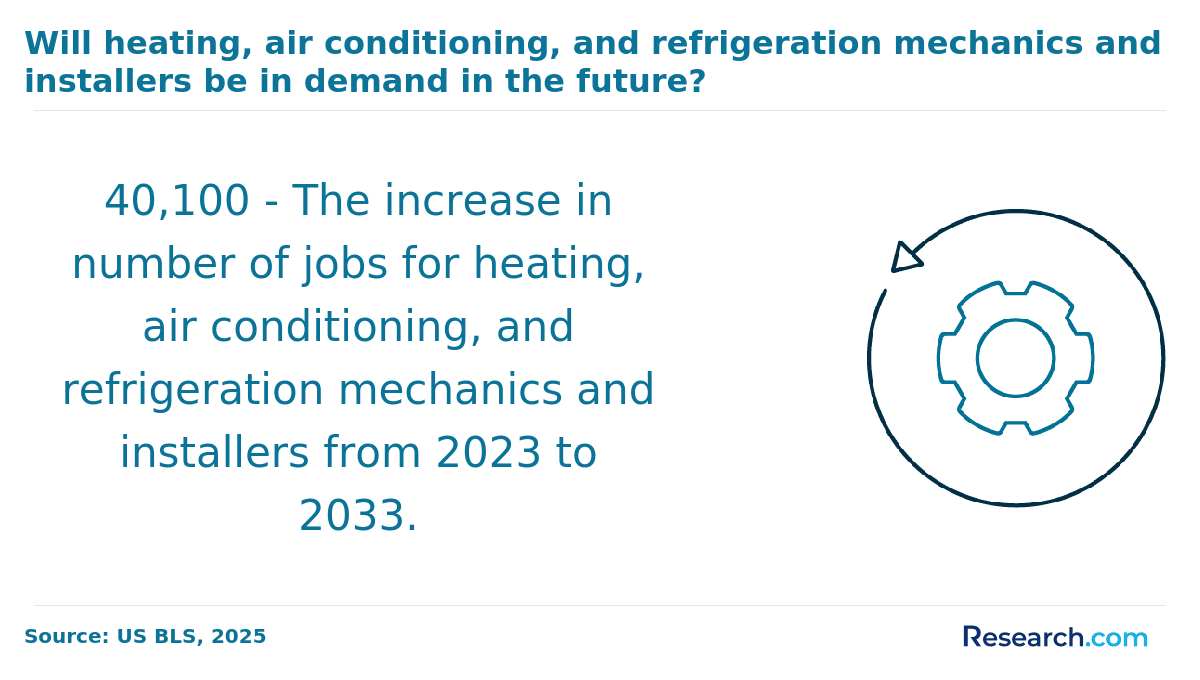
The demand for HVAC technicians is projected to remain robust. According to recent labor statistics, HVAC job growth in Florida is expected to outpace the national average, with a growth rate nearing 15% over the next decade. This positive Florida HVAC industry growth outlook indicates increasing opportunities, particularly for those focusing on residential cooling systems where maintenance and installation needs are consistently strong.
Emerging technologies and a shift toward energy-efficient systems are likely to further shape this demand. Specialists trained in smart HVAC solutions and environmentally sustainable practices will be especially sought after. Additionally, commercial HVAC technicians may find more opportunities as Florida’s urban centers expand and require more advanced climate control systems.
The evolving market emphasizes continuous skill development, which is essential to meet the future needs of HVAC technician job demand Florida. For individuals considering how to enter this field, evaluating whether are online trade schools worth it can be a crucial step toward gaining relevant skills and staying competitive.
Is Florida a good place to work as an HVAC tech?
The continuous need for effective cooling systems ensures a stable demand for HVAC services throughout the year, especially in cities like Miami, Orlando, and Tampa.
Becoming an HVAC professional in Florida is relatively straightforward. The state requires candidates to pass a licensing exam administered by the Department of Business and Professional Regulation and to meet experience or education requirements, which can be fulfilled through vocational training or apprenticeships. Florida’s economic growth fuels an increasing demand for qualified technicians in both residential and commercial sectors.
Several aspects highlight Florida’s potential as a favorable location for HVAC careers:
- Moderate Living Costs: In many regions, the cost of living is manageable, potentially allowing HVAC technicians to enjoy a comfortable lifestyle based on their earnings.
- Technological Advancements: The rise of smart HVAC systems and energy-efficient technologies presents new pathways for specialization and professional development.
- Environmental Initiatives: Florida’s focus on sustainability could boost demand for technicians skilled in green HVAC solutions.
What HVAC Technicians in Florida Say About Their Careers
Demand here is consistently high due to the state’s hot and humid climate. The average salaries are also very competitive, making it a rewarding career both professionally and financially. I feel secure knowing my skills are always in demand. – Mauricio
Florida’s unique weather presents some challenging problems that keep my work interesting every day. From hurricane season prep to energy-efficient cooling solutions, I’m constantly learning and adapting. The hands-on experience here has truly sharpened my expertise and passion for the trade. – Elliot
Between technical schools and industry workshops, I’ve been able to advance my certifications and stay updated with the latest technologies. This support has boosted my confidence and opened doors to higher-level positions. – Jamie
Related Articles for Nearby States
- 2027 How to Become an HVAC Tech in Georgia
- 2027 How to Become an HVAC Tech in Alabama
- 2027 How to Become an HVAC Tech in South Carolina
- 2027 How to Become an HVAC Tech in Mississippi
- 2027 How to Become an HVAC Tech in Tennessee
- 2027 How to Become an HVAC Tech in North Carolina
- 2027 How to Become an HVAC Tech in Louisiana
- 2027 How to Become an HVAC Tech in Kentucky
- 2027 How to Become an HVAC Tech in Arkansas
- 2027 How to Become an HVAC Tech in Virginia
References:
- HVACClasses.org. (n.d.). HVAC schools in Florida (FL) – Training & certification.
- Florida Academy. (n.d.). HVAC professional training program.
- University of West Florida. (n.d.). HVAC/R technician.
- Florida Technical College. (n.d.). Diploma in HVAC/R with PLC.
- U.S. Bureau of Labor Statistics. (2024). Heating, air conditioning, and refrigeration mechanics and installers. U.S. Department of Labor.
- U.S. Bureau of Labor Statistics. (2023). Occupational employment and wage statistics: Heating, air conditioning, and refrigeration mechanics and installers.
- ZipRecruiter. (2025). HVAC salary.
- Zippia. (2025). HVAC technician demographics and statistics: Number of HVAC technicians in the US.
Other Things You Should Know About Becoming an HVAC Tech in Florida
In 2027, HVAC techs in Florida can expect an average salary of about $50,000 to $55,000 annually, depending on experience and location. Urban areas like Miami and Orlando may offer higher wages due to increased demand for HVAC services.
In 2027, to become a licensed HVAC tech in Florida, you must complete a state-approved training program, gain at least four years of experience under a licensed contractor, and pass the Florida HVAC exam. Additionally, ongoing education is required to maintain your license.


