
2027 How to Become an Electrician in South Carolina

Co-Founder and Chief Data Scientist
Becoming an electrician in South Carolina offers a promising career path with strong demand and competitive wages. The state employs over 9,000 electricians, with a projected job growth rate of around 7% over the next decade, which is consistent with national trends. This growth is driven by expanding construction projects and the increasing need for electrical maintenance in residential and commercial sectors.
For individuals seeking a skilled trade with steady demand and the potential for personal and professional growth, pursuing a career as an electrician in South Carolina is a worthwhile investment of time and effort.
Key Things to Know About Becoming an Electrician in South Carolina
- Electricians in South Carolina must complete a state-approved apprenticeship, typically lasting 4-5 years, combining paid on-the-job training with classroom instruction.
- The job outlook for electricians in South Carolina is positive, with steady growth expected due to infrastructure expansion and maintenance needs.
- The average annual salary for electricians in South Carolina is around $48,000, though this varies by experience, location, and specialization.
- Licensing requirements include passing the South Carolina electrical exam and maintaining continuing education for license renewal every two years.
- What education is required to become an electrician in South Carolina
- How do you get into an electrician apprenticeship program in South Carolina?
- How much do electricians make in South Carolina?
- What certifications do electricians need in South Carolina?
- How long does an electrician apprenticeship take in South Carolina?
- How much does electrician training cost in South Carolina?
- Should electricians consider cross-training with other trades?
- What license do you need to be an electrician in South Carolina?
- How can I successfully manage an electrical business in South Carolina?
- How are emerging technologies reshaping electrician work in South Carolina?
- How often do you need to renew your electrician license in South Carolina
- What are the essential skills needed to be a successful electrician in South Carolina?
- What is the job outlook for electricians over the next 10 years in South Carolina?
- What insurance and liability requirements should electricians consider in South Carolina?
- What alternative career paths can electricians explore in South Carolina?
- What Electricians in South Carolina Say About Their Careers
What education is required to become an electrician in South Carolina
What does it truly take to become an electrician in South Carolina beyond just classroom hours? Aspiring electricians must build a strong educational foundation, typically starting with technical schools or community colleges that offer specialized courses. We also recommend taking courses like Electrical Code, Residential and Commercial Wiring, Motor Controls, or Electrical Systems Design. These not only cover theory but also prepare you for the practical challenges of the trade.
Practical experience is equally crucial. Most candidates engage in apprenticeship programs lasting four to five years, blending on-the-job training with classroom instruction. These apprenticeships are supervised by licensed electricians or contractors and emphasize essential skills like wiring installation, troubleshooting, and compliance with the National Electrical Code (NEC). The South Carolina’s Department of Labor, Licensing and Regulation (LLR) mandates specific hours of both classroom education and supervised work before you can even take the licensing exam
Among the top institutions that offer the most robust training for electricians in South Carolina are Greenville Technical College, Trident Technical College, and Midlands Technical College. Greenville Technical College, for example, provides an Electrical Apprenticeship program registered with the U.S. Department of Labor, blending classroom learning with paid work experience.
To excel in the challenging licensing exam, active participation in review classes and seminars, such as those offered by the South Carolina Chapter of the National Electrical Contractors Association (NECA) or the Independent Electrical Contractors (IEC), can be invaluable. These resources focus on exam strategies, code updates, and hands-on problem-solving skills. Moreover, try studying with NEC-specific guides or practicing with past exam questions, as these targeted efforts often make the difference between passing and failing.
How do you get into an electrician apprenticeship program in South Carolina?
In South Carolina, organizations like the South Carolina Electrical Contractors Association (SCECA), International Brotherhood of Electrical Workers (IBEW) Local 105, and local trade unions offer structured apprenticeship opportunities combining practical work with classroom learning. Typically, candidates must be at least 18, hold a high school diploma or GED, and pass an aptitude test focusing on math and reading skills. Yet, we found that South Carolina stands out with specific requirements such as a valid driver’s license and strict adherence to the state’s electrical code, which mandates ongoing education and regular updates.
Considering electrician apprenticeship programs South Carolina provides, how do these apprenticeships translate to real-world advantages? Apprentices gain hands-on exposure under seasoned electricians, mastering wiring, circuitry, and installation techniques that no textbook alone can teach. Moreover, these experiences foster professional networks that can open doors to future jobs. Reflect on a South Carolina electrician’s journey I recently discussed: they described the apprenticeship as a transformative period marked by early mornings on job sites, intensive safety trainings, and the challenge of balancing coursework with paid work. Despite occasional setbacks, the apprentice valued the mentorship and community support, especially through IBEW Local 105’s review classes focused on electrical theory and state code compliance. This personal experience highlights how apprenticeships are not just skill-building but community-building endeavors.
What does it take to excel in these programs? Dedication and punctuality are just the starting points. Engaging actively in resources like the South Carolina Apprenticeship Advisory Council’s seminars can deepen understanding and sharpen safety awareness. Staying current with state code updates is critical—not just for passing exams but for ensuring safe, code-compliant work environments. If you’re curious about career prospects, consider that South Carolina’s construction industry growth of 8% over the next decade will increase demand for electricians, underscoring the value of quality training. For a broader perspective, check out this list of the top high demand trades that places skilled trades like electricians among the most promising.
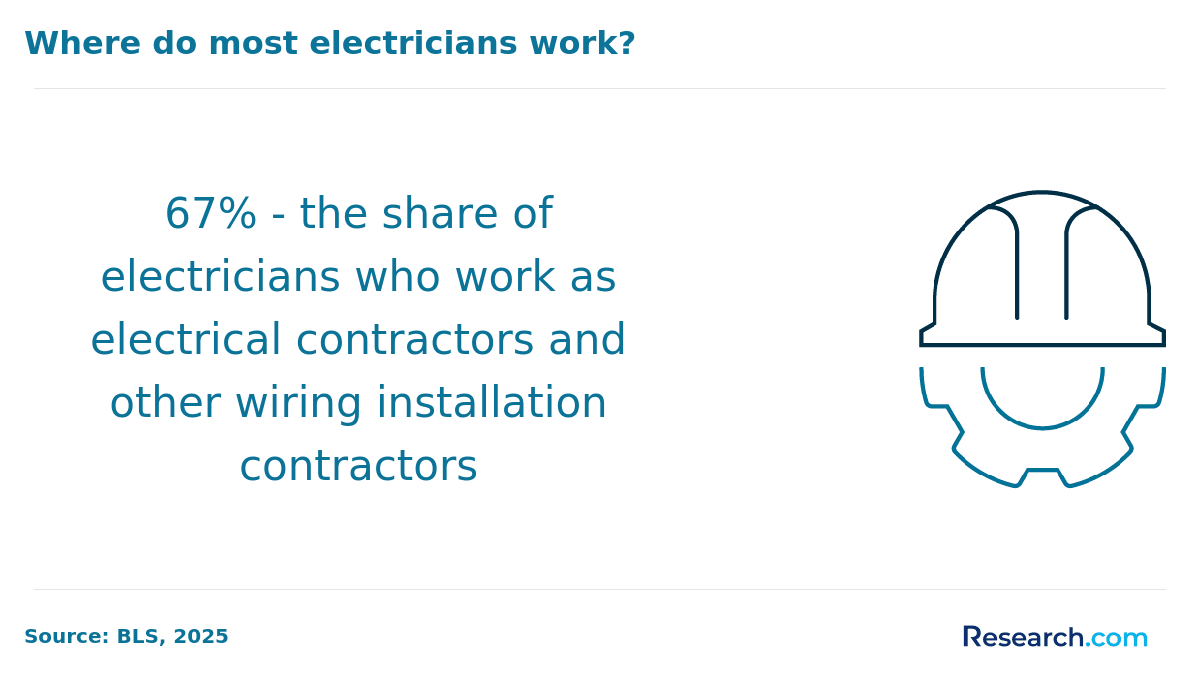
This is where electricians likely end up working.
How much do electricians make in South Carolina?
Based on our research, electricians in South Carolina earn an average annual salary of approximately $52,000, which breaks down to about $4,333 per month. Entry-level electricians often find themselves earning between $30,000 and $35,000 annually, reflecting the apprenticeship or early journeyman stages where hands-on learning is paramount.
Salary progression in South Carolina generally follows a consistent upward trajectory as electricians gain experience, obtain certifications, or specialize in lucrative areas such as commercial or industrial electrical work. Experienced electricians with five to ten years under their belts can expect to earn between $65,000 and $75,000, especially when taking on supervisory roles or niche expertise in emerging technologies. This aligns with the broader trend in South Carolina’s construction industry, which has seen steady growth and increasing demand for skilled tradespeople, supported by expanding residential and commercial projects.
Intriguingly, the highest-paying cities for electricians in the state are Charleston and Greenville, where average annual wages reach approximately $58,000 and $55,000, respectively. Columbia, the capital, offers competitive salaries close to the state average. What factors contribute to these regional differences? Urbanization, industrial growth, and cost of living all play significant roles.
An electrician from South Carolina I spoke with shared a candid account of their journey. They emphasized that beyond the numbers, the real challenge—and reward—comes from continuous learning and adapting. Starting with modest wages during their apprenticeship, they gradually advanced by obtaining specialized licenses and gaining experience in renewable energy installations, which taps into a growing sector. They highlighted benefits like union membership, which improved job security and wages, but also described the hurdles of balancing family life with night classes and on-site responsibilities. This personal experience underscores how career growth in this field is as much about perseverance and networking as it is about technical skill.
For those aiming to maximize their potential, combining practical experience with formal education is key. Some may even consider pursuing advanced credentials like an anchors part-time Ph.D. in economics to move into leadership or specialized roles, reflecting a strategic approach to career development.
In top industries, electricians make as much as $77,000.
What certifications do electricians need in South Carolina?
To legally work and advance, electricians must first secure a licensed apprentice electrician status, then move to journeyman, and eventually master electrician licensure. Each phase demands not only technical training but also hands-on experience and passing rigorous state exams. This structured approach raises the question: How essential is formal certification compared to on-the-job skills?
Institutions like Midlands Technical College, Trident Technical College, and Greenville Technical College offer programs designed to meet South Carolina’s licensing requirements. We learned that these schools provide a blend of classroom instruction and practical training in electrical theory, blueprint reading, and National Electrical Code (NEC) compliance. For those wondering how to get an electrician certification in South Carolina, enrolling in such programs or apprenticeship opportunities sponsored by unions or employers is typically the first step.
Passing the South Carolina journeyman electrician exam allows independent work, but becoming a master electrician requires at least two additional years of experience and a more advanced exam. Beyond these licenses, specialized certifications like NEC certification, OSHA safety credentials, and Certified Electrical Inspector (CEI) credentials can set candidates apart.
In a state where construction and manufacturing sectors are expanding, holding certifications recognized by the South Carolina Department of Labor, Licensing and Regulation is crucial. They not only validate expertise but often translate into higher wages, with master electricians and specialists earning 20–30% more than journeyman peers. For those exploring trades career options, focusing on certifications valued locally can provide a competitive edge and open doors to diverse job opportunities.
How long does an electrician apprenticeship take in South Carolina?
Our findings suggest that apprentices spend between 4 to 5 years gaining the necessary experience, which includes approximately 8,000 hours of on-the-job training and 576 hours of classroom instruction. The length can vary significantly depending on the sponsoring organization, the apprentice’s prior skills, and the structure of the apprenticeship program.
Nevertheless, accelerated apprenticeship formats do exist, often catering to individuals with relevant experience, such as military veterans or technical school graduates. These programs may offer credit for prior learning, potentially reducing the duration to about 3 years. Unions and trade organizations sometimes provide fast-track options with intensive coursework and longer working hours, challenging the traditional timeline.
On the other hand, part-time apprenticeships, scheduling conflicts, or limited classroom hours can slow progress. Additionally, the employer’s workload and the apprentice’s ability to master skills efficiently influence the total time required. For those curious about the South Carolina electrician licensing requirements, understanding these variables is crucial for planning.
Choosing reputable programs registered with the South Carolina Department of Labor, Licensing and Regulation, or affiliated unions like the IBEW is essential. Documenting prior experience, maintaining consistent attendance, engaging actively with mentors, and preparing early for licensing exams can all contribute to a smoother, faster completion. For those exploring educational pathways, consider researching what are the best online trade schools and construction programs that may complement apprenticeship training.
After completing an apprenticeship, passing a state exam to earn a Journeyman Electrician License is necessary, with options to pursue Master Electrician status for advanced roles. This structured progression underscores the importance of a well-planned apprenticeship timeline.
How much does electrician training cost in South Carolina?
The electrician training cost in South Carolina varies significantly depending on the educational path chosen. Technical certificate or diploma programs at state technical colleges typically range from $4,000 to $10,000 in tuition, lasting about 6 months to a year. In contrast, associate degree programs from community colleges may cost between $10,000 and $20,000 and require roughly two years to complete.
One overlooked factor is the cost of tools and equipment. Students often need to invest an additional $500 to $1,500 for quality tools necessary for both classroom and on-the-job training. Apprenticeships usually have little to no upfront tuition fees, but they require a multi-year commitment of paid, yet lower, wages over four to five years, adding a different dimension to the overall cost evaluation.
Urban living expenses, enrollment in private trade schools, or frequent tool replacements can increase costs. Conversely, the state’s technical colleges offer relatively affordable tuition, and apprenticeships help reduce classroom hours expenses. Additionally, prospective electricians should explore financial aid options such as federal aid through FAFSA, state grants, scholarships from the South Carolina Technical College System, and apprenticeship tuition reimbursements. Curious about alternative schooling options? We advise reviewing the list of the best online vocational trade schools for more flexible or affordable paths.
Should electricians consider cross-training with other trades?
Expanding skill sets by cross-training in related fields can create additional career opportunities and enhance service offerings. Diversifying into areas such as HVAC not only broadens technical expertise but also positions professionals to meet market demands for integrated home and building systems. By obtaining complementary skills, electricians can offer more comprehensive solutions, improve competitiveness in a fluctuating economy, and build resilience in their careers. For guidance on broadening your expertise, consider exploring how to become an HVAC technician in South Carolina.
What license do you need to be an electrician in South Carolina?
The state primarily issues licenses through the South Carolina Department of Labor, Licensing and Regulation (LLR), specifically via the Electrical Contractors' Licensing Board. Here, licensure is divided mainly into Electrical Contractors and Electrical Journeymen, each carrying distinct requirements and scopes of work.
Obtaining these licenses involves a structured process that goes beyond simple testing. Let's take a look at what candidates must undergo to get licensed:
- Complete a state-approved apprenticeship or demonstrate equivalent experience, typically four years or 8,000 hours of hands-on electrical work under a licensed electrician.
- Pass the South Carolina electrical examination, covering the National Electrical Code, state-specific rules, and practical electrical skills.
- Submit an application with documented proof of experience, education, and exam results to the LLR.
- Meet financial responsibility requirements, including obtaining a surety bond if applying as an electrical contractor.
- Pay the applicable licensing fees, which vary depending on the license category.
Unlike some states issuing separate journeyman licenses, South Carolina often licenses electrical contractors who employ journeymen, blending roles under one license. This raises questions about how apprenticeship and journeyman experience are valued and supervised within the industry.
The Electrical Contractors' Licensing Board is the gatekeeper for licensure, renewal, and disciplinary actions. Licenses require renewal every two years, alongside mandatory continuing education to keep pace with evolving electrical codes and safety standards.
To navigate this system effectively, consider these strategies:
- Start early by enrolling in a recognized apprenticeship to accumulate necessary hours and practical experience.
- Thoroughly study the latest National Electrical Code and South Carolina-specific regulations before the exam.
- Keep meticulous records of work experience, education, and exam documentation to streamline application submission.
- Plan for license renewal and complete required continuing education promptly to avoid lapses.
How can I successfully manage an electrical business in South Carolina?
Effective business management in the electrical trade requires a clear strategy for regulatory compliance, financial planning, and operational efficiency. Electrical contractors must ensure that all necessary business licenses are up-to-date and adhere to state-specific labor laws while maintaining accurate financial records. Establishing robust safety and quality protocols is as important for business reputation as technical expertise is for project execution. To optimize growth, leveraging modern management tools for scheduling, payroll, and resource allocation can streamline operations. Additionally, seeking insights on business strategies and financial acumen from reputable sources, such as the top business schools in South Carolina, can provide competitive advantages without duplicating trade-specific training.
How are emerging technologies reshaping electrician work in South Carolina?
Electricians in South Carolina are increasingly expected to integrate innovative technology into traditional practices. Advances in smart grid systems, renewable energy installations, and home automation require professionals to expand their technical expertise beyond conventional wiring and circuitry. This shift has led many to adopt digital diagnostic tools and remote monitoring systems that enhance electrical safety and efficiency. Additionally, adapting to technologies such as energy storage solutions and IoT-based controls can differentiate seasoned electricians in a competitive market. For professionals seeking to broaden their technical horizons, understanding these developments offers a pathway to diversify skill sets and explore cross-industry opportunities, as covered in our guide on how to become a radiology technician in South Carolina.
How often do you need to renew your electrician license in South Carolina
The process is more than just paperwork; it’s a structured system overseen by the South Carolina Department of Labor, Licensing and Regulation (LLR) through its Electrical Licensing Board. This board doesn’t just rubber-stamp renewals—they enforce standards that ensure every licensed electrician remains competent and compliant with evolving safety codes.
Electrician licenses in South Carolina last for two years. Beyond submitting your application and fees, you must demonstrate that you’ve stayed current with industry knowledge. This is where continuing education (CE) becomes a crucial hurdle.
These CE hours aren’t arbitrary; they focus on the latest electrical codes, safety protocols, and regulatory updates. South Carolina prioritizes reducing workplace accidents and electrical hazards, reflecting a commitment that extends beyond licensing into real-world safety outcomes.
- Renewal applications must be submitted online or by mail before your license expires to avoid penalties.
- Renewal fees range from $50 to $100 every two years, depending on your license type.
- You must provide proof of completed continuing education with your application.
- Miss your renewal deadline, and you risk license suspension, additional fees, and the possibility of retesting.
What sets South Carolina apart? The strict link between continuing education and safety compliance, enforced rigorously by the LLR, shows a proactive approach rather than a simple bureaucratic formality.
So, how can you navigate this process more smoothly? Here's our summary of what you should keep in mind:
- Start your continuing education early in the two-year cycle to avoid last-minute stress.
- Keep meticulous records of all coursework and certificates for easy submission.
- Regularly visit the LLR website for any updates on fees, deadlines, or CE requirements.
- Take advantage of LLR-approved online courses for flexibility and convenience.
In a state with over 200,000 construction workers and a growing electrician workforce, staying ahead through rigorous renewal standards is not only required but essential for a thriving career.
What are the essential skills needed to be a successful electrician in South Carolina?
Simply understanding wiring and circuits is not enough— one must embrace a broader skill set to thrive in this evolving field. In this section, we list the most essential skills every electrician should master:
- Technical Proficiency: How well do you know electrical systems, blueprints, and safety standards? Mastery here is non-negotiable. With South Carolina pushing renewable energy, can you install solar panels or work with energy-efficient tech?
- Problem-Solving Abilities: When unexpected issues arise on-site, can you think quickly and devise safe, effective solutions that keep projects on track?
- Physical Dexterity and Stamina: Are you prepared for the physical demands of the job, from tight spaces to elevated work areas, maintaining stamina without compromising safety?
- Communication Skills: Can you clearly explain complex technical details to clients or coordinate seamlessly with contractors and teammates?
- Technological Adaptability: In an era of automation and smart homes, how comfortable are you with new tools, digital measuring devices, and computer-aided design software?
- Attention to Detail: Do you prioritize precision to meet electrical codes and safety standards, reducing risks and ensuring quality?
- Time Management: How effectively can you schedule tasks and manage multiple projects, especially in busy urban markets like Charleston and Columbia?
How can aspiring electricians develop these competencies? Formal education and apprenticeships remain vital. Have you explored South Carolina’s vocational schools or community colleges that align training with industry needs? Beyond schooling, are you leveraging opportunities from the South Carolina Department of Labor or professional groups like the IBEW for mentorship and hands-on growth?
Furthermore, are you actively enhancing communication and tech skills through workshops or online courses? Reflect on whether your learning strategy balances both hard and soft skills—could strengthening one improve your overall career resilience in this competitive market?
What is the job outlook for electricians over the next 10 years in South Carolina?
According to the data we retrieved from the U.S. Bureau of Labor Statistics (BLS) from 2023, employment for electricians in the state is expected to grow by approximately 8% from 2023 to 2033. This rate slightly exceeds the national average growth of 7%. The steady expansion of construction and infrastructure projects, including residential, commercial, and renewable energy sectors, underpins this demand.
South Carolina’s relatively low cost of living makes the electrician profession more attractive here than in many other states. With an average annual wage near $53,000 in 2023, electricians can maintain a comfortable lifestyle, especially when compared to the national median wage. Notably, urban centers like Charleston, Columbia, and Greenville offer higher pay, with Charleston electricians earning around $58,000 annually.
The construction industry remains the dominant employer of electricians, responsible for over 60% of electrician jobs. Growth in residential housing, commercial buildings, and solar energy projects fuels this demand. Additionally, industrial and manufacturing sectors, particularly in Greenville and Spartanburg, provide significant employment opportunities due to the presence of automotive and advanced manufacturing industries.
Emerging trends point to a rising need for expertise in smart building technologies and energy-efficient systems. Considering these dynamics, South Carolina presents diverse and evolving prospects, but success may depend on adaptability and strategic skill development.
What insurance and liability requirements should electricians consider in South Carolina?
Electricians face significant financial and legal risks that extend beyond technical proficiency. It is imperative for professionals to evaluate adequate liability insurance, workman’s compensation, and, when applicable, business or personal policy coverage that aligns with state and contractual requirements. This assessment should include a review of policy exclusions, verification that coverages meet OSHA standards, and periodic updates to reflect changes in project scopes or industry mandates. For professionals exploring additional trade opportunities, consider reading our article on how to become a mechanic in South Carolina.
What alternative career paths can electricians explore in South Carolina?
Seasoned electricians can leverage their technical expertise to transition into emerging technical fields that complement their core skill set. Exploring opportunities in areas such as renewable energy systems, smart technology integration, or advanced diagnostic equipment can diversify career prospects and increase market agility. Professionals may also consider obtaining specialized certifications and engaging in targeted professional development programs designed for cross-industry skills, thereby fostering long-term career resilience. For instance, acquiring additional technical competencies can open pathways into healthcare technology—learn more about how to become an ultrasound technician in South Carolina.
What Electricians in South Carolina Say About Their Careers
- Completing my apprenticeship through Greenville Technical College was a defining moment in my career. The hands-on training combined with classroom learning prepared me for the diverse electrical needs across South Carolina’s urban and rural areas. I especially appreciate how the program emphasized safety and innovation, which has helped me confidently tackle complex projects. Being able to contribute to my community’s infrastructure gives me a deep sense of pride and purpose. -Jane
- Attending the University of South Carolina’s electrical program opened doors I never expected. Beyond technical skills, I developed leadership qualities and a strong network of professionals. South Carolina’s growing industries and focus on renewable energy have created unique opportunities for electricians like me to advance and specialize. It’s rewarding to see how my work supports both economic growth and environmental sustainability in the state. -Ethan
- After finishing my trade school at Trident Technical College, I quickly realized how much electricians are valued here in South Carolina. The job stability is incredible, especially with the state’s expanding construction and manufacturing sectors. I enjoy the challenges posed by working in coastal areas where weather can impact electrical systems, pushing me to continually improve my skills. This career has truly boosted my confidence and given me a strong sense of accomplishment. -David
References:
- Electricians Forums. Is 29/30 years age too late to start an sparky apprenticeship? - in - Electrician Courses: Electrical Quals. Electricians Forums.
- Faraday. Electrician Education & Training Requirements + Costs. Faraday.
- IECI. Apprenticeship. IECI.
- InterCoast Colleges. Electrician Apprenticeship: 7 Things You Should Know Before Joining IBEW. InterCoast Colleges.
Other Things You Should Know About Becoming an Electrician in South Carolina
To become a licensed electrician in South Carolina in 2027, complete a combination of classroom education and practical apprenticeship. Obtain 4,000 hours of hands-on work experience and pass the relevant licensing exam. Ensure continued education to maintain and upgrade your skills.
In 2027, to become a licensed electrician in South Carolina, you must complete a state-approved apprenticeship, gain required field experience, and pass the SC Residential or Commercial Electrical exam. Check the South Carolina Department of Labor, Licensing and Regulation for updates on requirements.
In 2027, electrician apprentices in South Carolina can expect to earn between $15 and $20 per hour depending on experience and union involvement. Apprenticeships combine paid work with education, and wages typically increase as skills and knowledge are gained.


