
2027 How to Become a Mechanic in South Carolina: Requirements & Certification

Co-Founder and Chief Data Scientist
Nearly 10% of South Carolina’s workforce is employed in automotive repair and maintenance, yet many aspiring mechanics face uncertainty about how to enter this skilled trade effectively. The challenge lies in understanding the educational requirements, certification processes, and career pathways specific to the state.
This article, prepared by experts in career planning, offers a comprehensive overview of the steps you need to take to become a mechanic in South Carolina. It will guide you through the essential qualifications, training options, and licensing information to help you confidently pursue a rewarding career in automotive mechanics within the region.
Key Things to Know About Becoming a Mechanic in South Carolina
- The mechanic job market in South Carolina is projected to grow by 7% from 2022 to 2032, reflecting steady demand for skilled automotive technicians.
- The median annual salary for mechanics in South Carolina is approximately $42,000, slightly below the national average but competitive within the region.
- Most accredited mechanic training programs in South Carolina require 6 to 12 months to complete, enabling faster entry into the workforce compared to longer technical degrees.
- What are the steps to become a mechanic in South Carolina?
- What training and education options are available in South Carolina?
- Do you need certifications to work as a mechanic in South Carolina?
- How long does it take to become a mechanic in South Carolina?
- How much does it cost to become a mechanic in South Carolina?
- What job opportunities are available for mechanics in South Carolina?
- Can pursuing HVAC certification boost a mechanic’s career in South Carolina?
- How much do mechanics make in South Carolina?
- What tools and skills do mechanics need to succeed?
- How can diversifying technical certifications improve career resilience in South Carolina?
- Can automotive skills be transferable to other technical careers in South Carolina?
- What are the career growth opportunities for mechanics in South Carolina?
- How are emerging automotive technologies reshaping mechanic careers in South Carolina?
- What are the pros and cons of becoming a mechanic in South Carolina?
- Should I pursue business training to enhance my mechanic career in South Carolina?
What are the steps to become a mechanic in South Carolina?
To become a mechanic in South Carolina, all you need to do is follow these simple steps:
- Pursue Targeted Technical Education: Obtaining a high school diploma is merely the gateway; the real challenge lies in acquiring specialized knowledge through accredited technical programs. South Carolina's vocational schools and community colleges offer hands-on training that transcends basic theory, immersing students in practical skills like engine repair and electrical systems diagnostics. Midlands Technical College exemplifies this approach, blending applied science with business acumen to equip students for both technical roles and entrepreneurship.
- Seek Manufacturer-Specific Training: Generic training can only take you so far in today’s competitive automotive landscape. Greenville Technical College’s exclusive partnerships with GM, Honda, Acura, and BMW represent a strategic advantage. These manufacturer-endorsed programs not only refine your technical abilities but also position you within lucrative dealership networks. This pathway challenges the assumption that all mechanic training is equal and highlights the value of specialization for career advancement.
- Obtain Voluntary Yet Vital Certifications: South Carolina’s lack of a mandatory state license might suggest that credentials are optional, but this perception overlooks the critical role of ASE certification. Recognized nationwide, ASE credentials validate your expertise and often determine employability and salary potential. Employers increasingly demand these certifications as proof of proficiency, underscoring that formal recognition can trump mere experience in career progression.
- Cultivate Real-World Experience: Formal education alone cannot replicate the nuances encountered in actual repair environments. Apprenticeships and internships provide indispensable exposure to real challenges, honing diagnostic and problem-solving skills. This experiential learning is crucial to transforming theoretical knowledge into professional competence, an aspect often underestimated by newcomers.
- Commit to Continuous Learning and Adaptation: The automotive industry’s rapid evolution necessitates a mindset geared toward perpetual education. Emerging technologies like hybrid and electric vehicles demand updated skill sets and certifications. Embracing lifelong learning not only safeguards your relevance but also opens doors to specialized, high-demand niches that can redefine your career trajectory in South Carolina’s dynamic market.
What training and education options are available in South Carolina?
The path to becoming a skilled mechanic in South Carolina requires more than just basic training; it demands strategic choices about education and certification to stand out in a competitive field. Navigating the options effectively can shape your career trajectory and earning potential.
Here are key training and education options available in South Carolina:
- Technical colleges like Horry-Georgetown, Midlands, Greenville, and Central Carolina offer comprehensive automotive technology programs that blend theory with hands-on experience, essential for mastering foundational skills.
- Manufacturer certification programs, such as Ford Asset at Spartanburg Community College and GM ASEP or Honda/Acura training at Greenville Technical College, provide brand-specific expertise highly valued by dealerships.
- State-supported workforce initiatives, including the South Carolina Automobile Dealers Association’s Auto Tech Development Program and the BMW Scholars Program, offer scholarships, job placement, and tool kits, reducing financial barriers while connecting students directly with industry employers.
- Most programs emphasize ASE certification training south Carolina-wide, a credential that validates a mechanic’s proficiency and opens doors to higher-paying positions and professional growth.
- Choosing NATEF-accredited programs ensures alignment with national standards, which is critical for quality training and successful ASE certification preparation, a cornerstone for advancing in the automotive repair field.
For those weighing options, consider how specialized manufacturer programs and hands-on cooperative education can enhance real-world skills and employment prospects. Those curious about what are highest paying trade school jobs might find that investing in targeted automotive technology programs in South Carolina and rigorous ASE certification training south Carolina can be a decisive factor in long-term career success.
Do you need certifications to work as a mechanic in South Carolina?
South Carolina does not mandate state licensure for mechanics, but this absence of formal requirements should not be mistaken for an open door without qualifications. In reality, employers shape the market by demanding credentials that prove a mechanic’s skill and reliability.
Most notably, the South Carolina mechanic certification requirements lean heavily on industry-recognized credentials rather than state-issued licenses. High school diplomas or equivalents form the bare minimum, yet certifications like Automotive Service Excellence (ASE) are increasingly essential to stand out. These certifications reflect a mechanic’s mastery and commitment to the trade, often influencing hiring decisions as much as experience.
Among these, the ASE certification in South Carolina is recognized as the gold standard. It validates expertise across multiple specialized areas, from brakes to engine performance, and typically requires passing rigorous exams combined with practical work experience or accredited education. This blend of knowledge and hands-on skill is what employers seek to ensure quality and safety.
Moreover, specific certifications such as the EPA 609-Refrigerant Certification highlight the complexity of modern automotive systems and the need for specialized credentials to work safely with refrigerants in vehicle air conditioning systems. These requirements reflect a broader trend: expertise replaces mere permission to work.
For those entering the field, combining formal education with certifications creates the most robust career foundation. Technical programs not only prepare candidates for exams but also provide valuable practical skills. Exploring local opportunities and understanding the required skills for an auto mechanic can further enhance prospects in this competitive environment.
How long does it take to become a mechanic in South Carolina?
Becoming a skilled mechanic in South Carolina involves more than just clocking classroom hours; it requires a blend of education, hands-on experience, and strategic certification timing. The journey can stretch from several months to a couple of years, depending on how one navigates each phase.
Many assume that completing a formal automotive program quickly guarantees readiness. However, the true challenge lies in integrating practical skills with theoretical knowledge, which often demands time beyond the classroom. South Carolina’s accredited programs, such as those aligned with NATEF standards, provide structured pathways but don’t eliminate the necessity for on-the-job learning and certification preparation.
One mechanic recalls the tension of balancing evening classes and weekend internships while preparing for ASE exams, describing the process as deeply demanding yet rewarding. The emotional investment in mastering diagnostics and repair techniques often surpasses initial expectations, revealing the profession’s complexity.
Accelerated certificate programs can shorten the timeline to as little as six months for highly motivated individuals, but these routes require intense focus and prior familiarity with automotive systems. Conversely, those starting fresh may find that combining education with apprenticeships and work experience over a year or more creates a more solid foundation.
Additionally, the timing of ASE certification exams influences the overall duration. Candidates must complete these tests within limited windows after registration, making disciplined study schedules critical.
Ultimately, the path to becoming a mechanic in South Carolina is shaped by individual choices, persistence, and the ability to adapt to both formal education and real-world demands.
How much does it cost to become a mechanic in South Carolina?
Pursuing a career as an automotive mechanic in South Carolina typically requires an investment ranging from $4,800 to $15,500, depending on the program and institution. This cost reflects more than just tuition; it encompasses various essential expenses that shape the true financial commitment.
Consider these key components when evaluating South Carolina automotive technician training costs:
- Tuition and Fees: Technical colleges offer affordable options with annual tuition around $4,817 for in-district students, while specialized programs, such as those in Greenville, average about $15,000 for roughly 45 weeks of training.
- Program Fees: Additional charges like Greenville County Schools’ $50 fee for automotive technology courses must be factored in.
- Tools and Equipment: Quality tools can be costly, but programs such as the South Carolina Automobile Dealers Association’s Auto Tech Development Program provide scholarships and free tool kits for qualifying students.
- Certification Exams: Industry-standard ASE certification exams cost about $47 each, often requiring multiple tests for career advancement.
- Uniforms and Safety Gear: Proper work clothing and protective equipment are necessary expenses.
- Living and Transportation Expenses: Commuting or housing near campus adds to the overall budget.
While these elements contribute to mechanic school tuition fees in South Carolina, financial aid and support programs help ease this burden. State technical colleges offer grants and payment plans, and programs like Apprenticeship Carolina enable students to earn while they learn. Manufacturer-sponsored training, including Greenville Technical College’s Honda/Acura program, can provide targeted skills and potential scholarships. For those exploring related career paths, investigating types of quick to learn trade jobs that pay well might reveal alternative or complementary opportunities.
What job opportunities are available for mechanics in South Carolina?
There are numerous job opportunities for mechanics across South Carolina, and these opportunities span a variety of specialties and industries. Here's an overview of current openings available in the state:
- Automotive Technicians and Mechanics: South Carolina’s dealerships and independent shops offer varied positions ranging from entry-level to advanced roles, demanding a mix of diagnostic precision and hands-on repair skills. One mechanic shared how navigating the transition from a small-town shop to a busy dealership involved mastering new technologies and earning certifications, which ultimately opened doors to higher wages and stability. These experiences underscore why understanding the automotive technician careers South Carolina salary range is vital for anyone considering this path.
- Diesel Mechanics: The state’s thriving transportation sector fuels demand for diesel mechanics specializing in heavy trucks and equipment. Employers often provide sign-on bonuses and premium pay to attract talent capable of handling complex systems in both stationary and mobile settings. For job seekers, this segment represents an opportunity to leverage specialized skills for better compensation and job security.
- Marine Mechanics: South Carolina’s extensive coastline creates a niche for marine diesel mechanics working on boats and yachts, combining technical expertise with an understanding of marine environments. This specialization challenges conventional mechanic roles by blending precision repair with unique marine industry requirements, opening doors to seasonal and year-round employment opportunities.
- Maintenance Technicians for Manufacturing: Manufacturing growth drives demand for equipment mechanics who can maintain and troubleshoot industrial machinery on production lines. This role requires adaptability and quick problem-solving, as downtime directly impacts productivity. Mechanic jobs in South Carolina hiring now often include such positions, reflecting the industrial sector’s expansion.
- Specialty and Fleet Mechanics: Municipalities and large corporations need mechanics to maintain diverse fleets, from police vehicles to delivery vans. This role combines routine maintenance with emergency repairs, demanding versatility and responsiveness. Networking with local employers is crucial here, as many openings arise through direct community connections.
Those exploring career entry points should consider what is the best automotive mechanic trade school to build foundational skills and increase employability in these diverse sectors.
Can pursuing HVAC certification boost a mechanic’s career in South Carolina?
Expanding skill sets through complementary certifications can open additional avenues for career advancement. Mechanics with expertise in vehicle diagnostics who also develop proficiency in climate control and related systems may benefit from increased job flexibility and a competitive edge. This cross-training not only supports a smoother transition into working with emerging automotive technologies, but also positions professionals to take on roles in related sectors where specialized HVAC knowledge is valued. For guidance on acquiring the necessary credentials, review our article on how to get HVAC license in South Carolina.
How much do mechanics make in South Carolina?
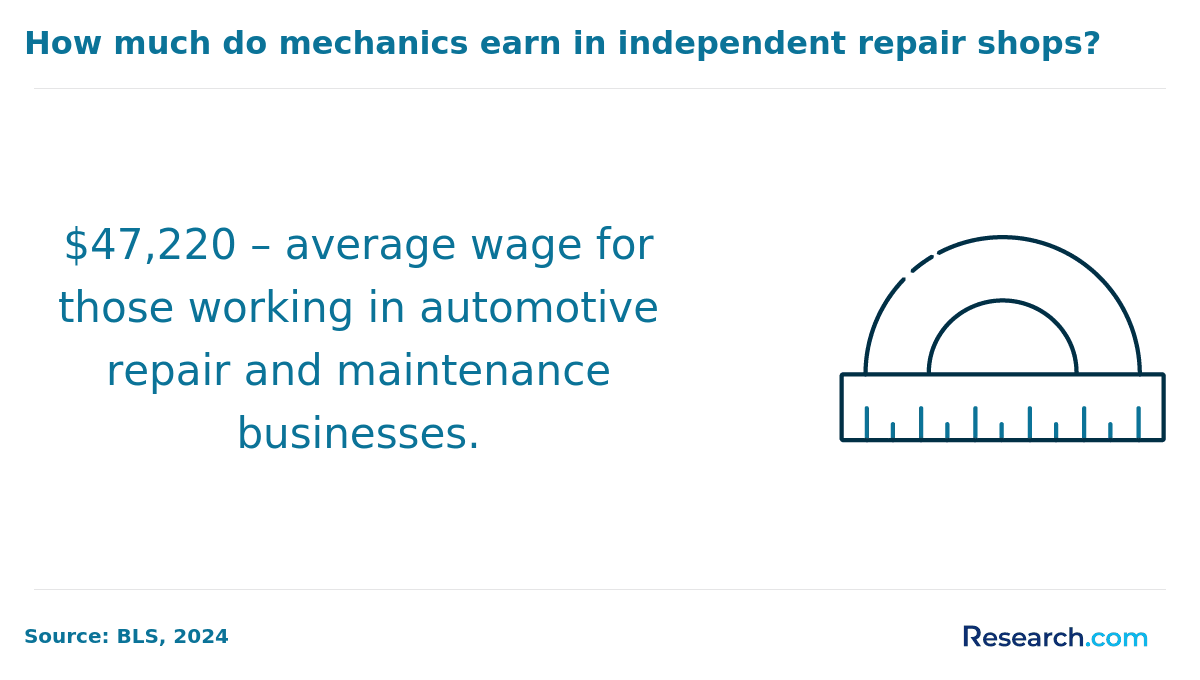
Mechanics in South Carolina operate in a salary range that often challenges expectations about trade professions. The hourly wage for automotive mechanic in South Carolina typically falls between $24 and $26, though numbers vary based on experience, certification, and employer type.
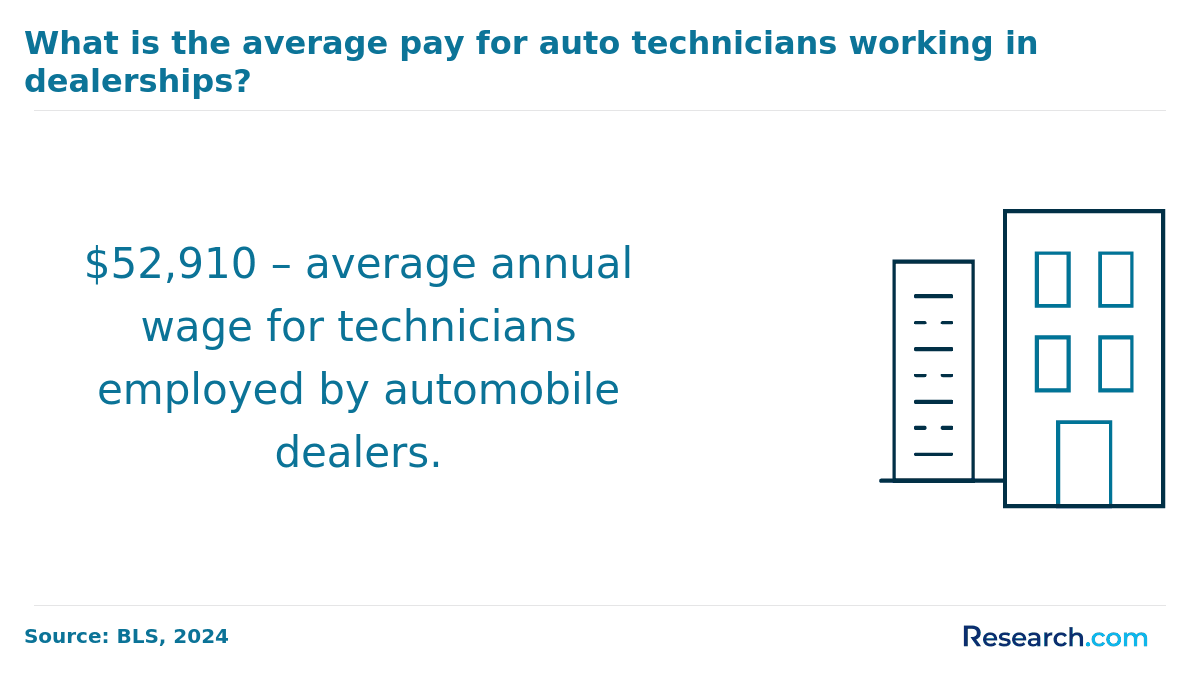
Annual income for auto mechanics in South Carolina generally ranges from about $37,580 to $48,016, with some sources showing entry-level wages near $27,000 and top earners pushing past $60,000. This variability reflects more than just hours worked; it reveals the impact of skills, location, and specialization.
Consider the factors shaping these figures:
- Urban centers like Columbia and Charleston offer higher wages due to demand and competition.
- Certification, especially ASE or manufacturer-specific credentials, can significantly boost earnings.
- Dealerships and large shops tend to pay more than small independent garages.
- Specializing in diesel, heavy equipment, or hybrid vehicles opens doors to better compensation.
Overtime and side jobs can add $5,000 to $7,000 annually, enhancing take-home pay beyond base wages. Mechanics willing to pursue advanced training or relocate to high-demand areas stand to increase their earnings substantially.
For those considering a career shift or seeking growth, exploring the most affordable online mechanical engineering degree programs may provide a pathway to higher technical skills and better market positioning.
What tools and skills do mechanics need to succeed?
The pathway to becoming a skilled mechanic often extends beyond formal education, requiring a blend of technical knowledge, practical experience, and adaptive skills. Success in this field demands more than just manual ability; it calls for a mindset attuned to continuous learning and problem-solving.
Consider the essential tools and skills that distinguish a competent mechanic in today’s evolving automotive landscape:
- Strong diagnostic abilities to identify complex vehicle issues using both traditional inspection and advanced computerized systems.
- Proficiency with a wide range of tools, from hand wrenches to electronic diagnostic equipment.
- Adaptability to rapidly changing automotive technologies, including hybrid and electric vehicle systems.
- Attention to detail to ensure safety and precision in repairs and maintenance
- Effective communication skills for explaining technical problems and solutions to customers or team members.
- Problem-solving mindset that embraces troubleshooting as a core part of the job
- Commitment to ongoing education through certifications and training programs to stay current with industry standards.
Mechanics must navigate a career landscape where the complexity of vehicles grows alongside customer expectations. This raises questions about how vocational training programs and apprenticeships in South Carolina align with these demands. For those considering this path, recognizing the balance between hands-on experience and technical literacy is key to long-term career resilience and advancement.
How can diversifying technical certifications improve career resilience in South Carolina?
In an era of rapid technological advancements, obtaining certifications in complementary technical fields can enhance career stability and adaptability. Exploring alternative trades offers insights into best practices for rigorous training, quality assurance, and continuous professional development. For instance, reviewing the South Carolina ultrasound technician requirements provides a perspective on structured certification paths that emphasize precision, safety, and skill maintenance. This broadened approach not only enriches your technical repertoire but also positions you to better navigate evolving industry standards and market shifts.
Can automotive skills be transferable to other technical careers in South Carolina?
Mechanics develop a strong foundation in diagnostics, systems analysis, and precision—all of which are applicable across many technical fields. Cross-training in related areas can open pathways into industries that require similar problem-solving acumen and attention to detail. For example, exploring career transitions into medical imaging or technical healthcare diagnostics demonstrates how hands-on automotive expertise can support a broader skill set. Professionals interested in exploring alternative technical pathways may benefit from understanding the parallels between automotive systems and advanced imaging technologies, as detailed in how to become a radiology technician in South Carolina. This strategic expansion of technical competencies not only diversifies career options but also bolsters long-term resilience in a competitive job market.
What are the career growth opportunities for mechanics in South Carolina?
Mechanics in South Carolina have many opportunities for career growth, especially those who pursue specialization, certifications, and continued education. Here's an overview of how a mechanic can advance their career in the state:
- Advanced Credentials Unlock Higher Earnings and Specialized Roles: Pursuing certifications beyond basic training challenges the common notion that experience alone guarantees career growth. In South Carolina, mechanics who invest in advanced credentials or specialized certifications often access better-paying positions and more complex work. This approach not only enhances technical skill but also signals professionalism and commitment to employers, opening doors to niche areas such as diagnostics or hybrid vehicle repair.
- Focus on Growing Metropolitan Areas for Greater Opportunities: Mechanics who limit their job search to familiar or rural areas may miss out on significant employment advantages. Metropolitan hubs like Charleston and Columbia present concentrated demand for skilled automotive professionals, often accompanied by higher wages and more diverse work environments. Targeting these regions strategically can accelerate career progression and expose mechanics to modern technologies and larger service operations.
- Specializing in Emerging Automotive Technologies: Conventional wisdom often encourages broad skill sets, but specializing in high-demand fields like electric vehicles, advanced driver-assistance systems, or alternative fuels can distinguish a mechanic in a crowded market. South Carolina’s evolving automotive landscape rewards those who anticipate industry shifts and develop expertise in cutting-edge areas, positioning themselves as indispensable resources.
- Engagement with State and Industry Programs Enhances Career Trajectory: Active involvement in state-supported initiatives, apprenticeships, and professional associations challenges the notion that mechanics must rely solely on shop experience. Participation in programs offering continuing education and networking opportunities fosters lifelong learning and professional growth, which are critical in a rapidly changing automotive sector.
How are emerging automotive technologies reshaping mechanic careers in South Carolina?
The evolution of electric, hybrid, and autonomous vehicles is rapidly influencing the skills and services demanded from automotive professionals in South Carolina. Mechanics are increasingly required to integrate diagnostic software, learn about advanced battery systems, and adapt to new repair methods dictated by evolving vehicle designs. This shift encourages professionals to expand their technical repertoire and consider cross-training opportunities, such as exploring how to become an electrician in South Carolina, to better address the complexities of modern automotive systems. Keeping pace with emerging technologies not only enhances job security but also positions mechanics to diversify their service offerings and engage with forward-thinking employers in the industry.
What are the pros and cons of becoming a mechanic in South Carolina?
Choosing a career as an automotive mechanic in South Carolina involves weighing practical benefits against challenging realities. The path offers tangible rewards but also demands resilience and adaptability.
Pros of Becoming a Mechanic in South Carolina
The demand for skilled mechanics remains steady, supported by the state's diverse economy and growing vehicle ownership. Entry into the field often requires less time and financial investment than many other technical careers, allowing quicker workforce integration. Mechanics in South Carolina can find opportunities across urban centers and rural areas, with a variety of employers ranging from independent shops to dealerships. The potential for specialization—such as in diesel engines or hybrid technology—can lead to higher wages and job security. Additionally, the hands-on nature of the work offers a satisfying sense of accomplishment through problem-solving and tangible results.
Cons of Becoming a Mechanic in South Carolina
The physical demands and exposure to hazardous materials pose ongoing occupational risks. Mechanic wages, while stable, often lag behind professions requiring higher education, which can limit long-term financial growth. The industry is also evolving rapidly with advances in electric and autonomous vehicles, requiring continuous training and adaptation. Geographic disparities mean rural mechanics may face limited access to the latest tools and technologies, potentially affecting competitiveness. Furthermore, the work environment can be stressful with tight deadlines and customer expectations, which may lead to burnout without proper support.
Should I pursue business training to enhance my mechanic career in South Carolina?
Mechanics looking to progress beyond technical roles can benefit from acquiring business skills that foster managerial success and entrepreneurial readiness. Integrating training in financial management, customer relations, and strategic planning enables professionals to effectively run workshops, negotiate vendor contracts, and lead teams. Such competencies not only amplify service quality but also create opportunities to transition into supervisory or ownership positions. For additional insights into advanced business education options, consider exploring top business schools in South Carolina.
Here's What Mechanics Say About Their Career in South Carolina
- Joining the vocational automotive program in South Carolina gave me hands-on experience that textbooks alone couldn’t provide. Working directly on engines and transmissions built my confidence and prepared me well for real-world challenges. Jonathan
- The state-sponsored mechanic apprenticeship not only taught me technical skills but also helped me understand the importance of diagnostics and problem-solving in daily work. It’s rewarding to see the immediate results when a vehicle runs smoothly after repairs. Nate
- Participating in a nonprofit program focused on automotive trades introduced me to a supportive community and practical training. Practicing the trade regularly helped me appreciate the craftsmanship behind every repair and maintenance task. Eric
Related Articles for Nearby States
- 2027 How to Become a Mechanic in Georgia: Requirements & Certification
- 2027 How to Become a Mechanic in North Carolina: Requirements & Certification
- 2027 How to Become a Mechanic in Florida: Requirements & Certification
- 2027 How to Become a Mechanic in Tennessee: Requirements & Certification
- 2027 How to Become a Mechanic in Alabama: Requirements & Certification
- 2027 How to Become a Mechanic in Virginia: Requirements & Certification
- 2027 How to Become a Mechanic in Kentucky: Requirements & Certification
- 2027 How to Become a Mechanic in Mississippi: Requirements & Certification
- 2027 How to Become a Mechanic in West Virginia: Requirements & Certification
- 2027 How to Become a Mechanic in Louisiana: Requirements & Certification
References:
- Auto Mechanic Schools. (n.d.). How to become Automotive Technician or Mechanic in South Carolina. automechanicschools.com.
- Herald-Tribune. (2018, July 31). Learn to be an automotive technician and get paid while you do it. heraldtribune.com.
- O*NET OnLine. South Carolina Employment Trends | 49-3023.00 - Automotive Service Technicians and Mechanics.
- Universal Technical Institute. (2025, March 5). 7 Steps To Become an Auto Mechanic. UTI.
Other Things You Should Know About Becoming a Mechanic in South Carolina
No, an apprenticeship is not strictly required to become a mechanic in South Carolina.
However, this absence of a formal mandate invites a deeper consideration of how practical experience and theoretical knowledge intertwine in skilled trades. Apprenticeships remain a potent mechanism to blend these elements, offering a structured environment where learning is both supervised and contextually relevant. As the automotive sector evolves, particularly with emerging technologies like electric vehicles, the value of immersive, hands-on training paired with academic instruction becomes increasingly pronounced. Thus, while alternative routes such as direct employment or vocational programs exist, the question for aspiring mechanics is less about obligation and more about optimizing preparedness for a competitive, technically sophisticated workforce.
In 2027, mechanics in South Carolina typically require certifications from the National Institute for Automotive Service Excellence (ASE). While certification renewal is not mandated by the state, ASE certifications need renewal every five years to ensure mechanics stay updated with industry standards.
While an apprenticeship is not strictly required to become a mechanic in South Carolina in 2027, gaining practical experience through an apprenticeship or related on-the-job training can significantly enhance one's skills and employability in the automotive industry.


