
2027 How to Become a Mechanic in Massachusetts: Requirements & Certification

Co-Founder and Chief Data Scientist
According to the Bureau of Labor Statistics, Massachusetts is experiencing a rising demand for qualified automotive mechanics, with job opportunities projected to grow by 3% over the next decade (BLS, 2023). Despite this promising outlook, many individuals interested in entering the field often find it challenging to navigate the complex educational requirements, certifications, and apprenticeships necessary for success.
In this article, my team and I will provide a comprehensive guide on how to become a mechanic in Massachusetts. We will discuss the key requirements, training options, licensing procedures, potential salaries, and career paths to help aspiring mechanics make informed decisions and successfully launch their careers in this growing industry.
Key Things to Know About Becoming a Mechanic in Massachusetts
- The mechanic job market in Massachusetts is expected to grow by 3% from 2022 to 2032, indicating steady demand for skilled professionals.
- The median annual salary for mechanics in Massachusetts is approximately $56,000, which is slightly above the national average.
- Most automotive technician training programs in Massachusetts require 6 to 12 months to complete, combining classroom instruction with hands-on experience.
- What are the steps to become a mechanic in Massachusetts?
- What training and education options are available in Massachusetts?
- Do you need certifications to work as a mechanic in Massachusetts?
- How long does it take to become a mechanic in Massachusetts?
- How much does it cost to become a mechanic in Massachusetts?
- What job opportunities are available for mechanics in Massachusetts?
- How much do mechanics make in Massachusetts?
- What tools and skills do mechanics need to succeed?
- How are emerging automotive technologies affecting mechanic careers in Massachusetts?
- What are the career growth opportunities for mechanics in Massachusetts?
- What are the pros and cons of becoming a mechanic in Massachusetts?
- Should I explore related technical fields to diversify my mechanic career in Massachusetts?
- How can complementary technical certifications enhance my career in Massachusetts?
- Can business acumen accelerate my career growth as a mechanic in Massachusetts?
- What role do soft skills play in career success as a mechanic in Massachusetts?
What are the steps to become a mechanic in Massachusetts?
While formal licensing isn't required for all mechanic roles in the state, obtaining relevant training and certifications can significantly enhance employability and career advancement. The following steps outline the typical path to becoming a mechanic in Massachusetts:
- Complete Relevant Education. While a high school diploma is the minimum starting point, pursuing post-secondary education can significantly impact career advancement. Community colleges such as Massachusetts Bay Community College and Quinsigamond Community College offer associate degrees and certificate programs with manufacturer-specific training. These specialized programs may provide an edge in a competitive job market, though some argue that practical experience can sometimes substitute for formal education in this trade.
- Obtain Industry-Recognized Certifications. ASE certification is widely regarded as a standard credential, often preferred or required by employers in Massachusetts. Candidates must combine work experience with successful completion of ASE exams. However, the breadth of available certifications—over 40—means candidates should strategically select those most relevant to their career goals. Manufacturer certifications also hold value, especially for those seeking employment at dealerships, but their benefit depends on the specific brand focus of the employer.
- Gain Practical Experience and Soft Skills. Hands-on experience remains a critical component of career development. Apprenticeships and entry-level mechanic roles provide exposure to real-world automotive challenges that classroom learning alone cannot replicate. Additionally, cultivating customer service skills is essential, as communication often influences job performance and career progression.
The data below shows that 38% of automotive mechanics hold a high school diploma, while 27% have an associate degree. 14% of mechanics have a bachelor's degree, and 13% have a diploma, with 8% holding other types of degrees. This suggests that those interested in pursuing a career in automotive repair can start with basic education and advance their skills through on-the-job training and certifications, making it a feasible career choice for many.
What training and education options are available in Massachusetts?
Massachusetts provides a variety of pathways for those aiming to become skilled automotive mechanics, each with distinct advantages and limitations depending on individual circumstances and career goals. Prospective students should consider factors like program length, cost, specialization, and certification opportunities when evaluating these options.
The main training and education options available include:
- Community college automotive programs. Massachusetts Bay Community College offers manufacturer certification options through partnerships with brands like BMW and Toyota/Lexus. These programs emphasize both hands-on laboratory work and theoretical knowledge, aligning well with the demand for technicians versed in advanced automotive technologies. These Massachusetts automotive technology degree programs tend to provide strong connections to local dealerships for practical experience and job placement.
- Trade and technical schools. Porter and Chester Institute offers accelerated, focused courses often completed within a year. Their curriculum includes hybrid and electric vehicle training, which reflects the evolving automotive landscape in Massachusetts. Students here can prepare for ASE certification and other industry credentials, which are critical for employability in a competitive market.
- State-sponsored and free training initiatives. These include the Massachusetts Vehicle Check Program and the Career Technical Initiative, which provide no-cost or low-cost training with a focus on emissions repair and technical skills development. These programs are particularly accessible to individuals seeking to enter the field without incurring significant tuition debt.
- Short-term, flexible training options. Part-time courses in Boston accommodate working adults or those balancing other commitments, providing practical skills in a condensed timeframe.
Regardless of the chosen path, prioritizing certifications and hands-on experience remains essential. For more insight on workforce trends, consider exploring types of high demand trades that complement automotive careers.
Do you need certifications to work as a mechanic in Massachusetts?
Massachusetts does not require a statewide license for automotive mechanics, which means many can work without formal certification. However, certain specialized roles, such as Certified Maintenance Mechanics or emissions repair technicians, do have specific licensing requirements that vary by specialty and employer expectations.
Although there are no broad Massachusetts mechanic license requirements, many employers prefer or require credentials like ASE certification. This voluntary certification is widely recognized and can improve job prospects and earning potential by demonstrating verified skill and knowledge. For those pursuing automotive technician certification Massachusetts programs offer valuable training aligned with ASE standards, helping candidates meet the practical and theoretical criteria necessary for certification.
Obtaining ASE certification typically involves a combination of education, documented work experience, and passing rigorous exams. Given the competitive nature of the industry, many mechanics find that these credentials are essential for career advancement, especially when aiming to specialize or secure positions at dealerships and service centers.
Prospective mechanics should also consider gaining hands-on experience through apprenticeships or entry-level roles while pursuing certifications. Continuing education is important to maintain credentials and stay updated with evolving automotive technologies. In this context, exploring alternative career paths such as becoming an HVAC technician job requirements may also provide insights into the value of certification and training in technical fields.
How long does it take to become a mechanic in Massachusetts?
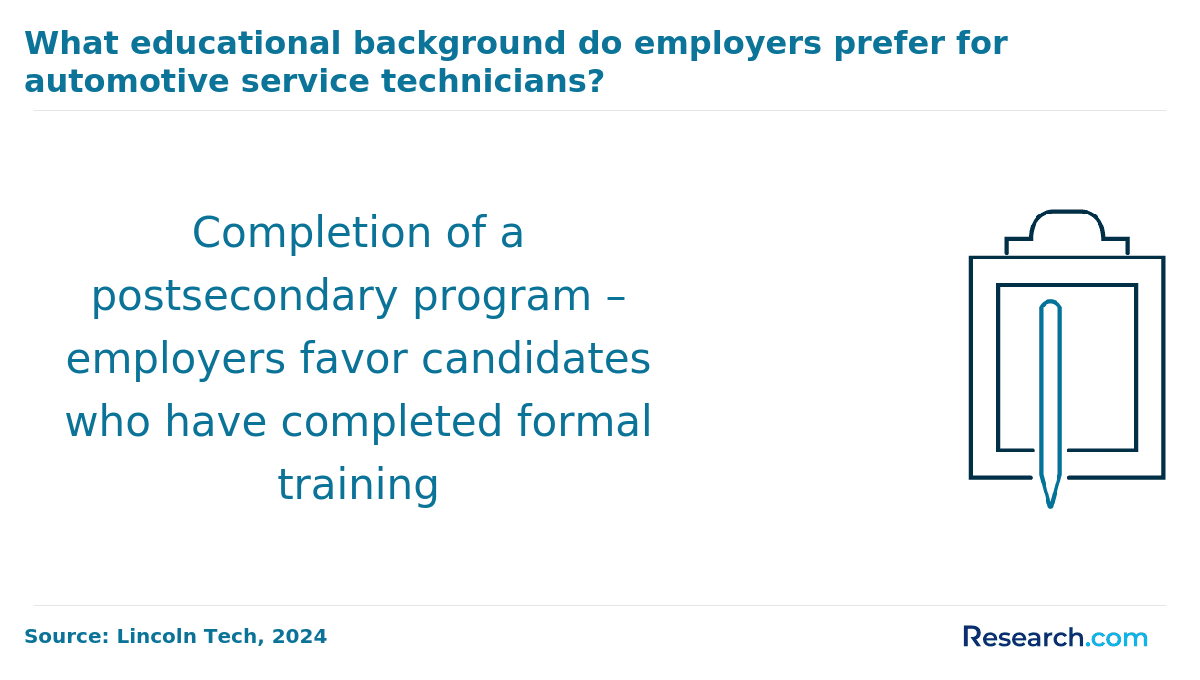
Becoming a mechanic in Massachusetts generally requires between one and two years, but this timeline is contingent on several factors, including educational choices and work experience. While formal certification is not mandatory, obtaining ASE credentials can significantly enhance career prospects.
Most candidates begin with high school completion, followed by specialized training programs that range from four months to a year. Part-time options accommodate those balancing work or personal commitments, yet these extend the overall timeline. Gaining two years of hands-on experience remains a core requirement for ASE certification, though some programs allow educational credits to reduce this period.
It is important to recognize that accelerated training programs and targeted specializations can shorten the path, yet they may demand intense focus and commitment. Conversely, those pursuing broader expertise might face longer preparation times but enjoy greater versatility in the job market. Licensing requirements in Massachusetts add complexity for certain specialties, such as amusement ride mechanics, highlighting that the timeline can vary significantly by focus area.
One mechanic recounted that completing a manufacturer-certified program involved navigating scheduling conflicts between evening classes and weekend labs, which at times felt overwhelming but ultimately rewarding as it opened doors to brand-specific employment. This personal journey underscores the balance between rigorous training and practical challenges inherent in the process.
Planning strategically by aligning education with work experience and understanding state-specific certifications can optimize the timeframe. However, assumptions about speed should be tempered by individual circumstances and career goals.
How much does it cost to become a mechanic in Massachusetts?
Estimating the total cost to become a mechanic in Massachusetts typically ranges from $15,000 to $25,000 for a full program, though this figure can vary significantly based on the training path chosen. It is important to consider both direct tuition expenses and additional fees that contribute to the overall financial commitment. Here's an estimated cost of becoming a mechanic in Massachusetts:
- Tuition for automotive technician training at community colleges or trade schools generally falls within the $15,000 to $25,000 range, aligning with national averages. Community colleges often offer lower tuition rates, especially for in-state residents, which can reduce the burden of automotive technician training tuition Massachusetts residents face.
- Free and subsidized programs, such as the MassHire Downtown Boston Automotive Technician Training Program, provide opportunities to gain skills without tuition costs, though they may have limited enrollment and specific eligibility criteria.
- Licensing and examination fees, such as the $100 fee for a Certified Maintenance Mechanic license, should be factored in for those pursuing specialized credentials.
- Additional expenses include books and materials ($200–$600), tools and equipment ($500–$2,000), uniforms and safety gear ($100–$300), and transportation costs depending on program location and commuting needs.
- Financial aid and scholarships are commonly available at community colleges and trade schools, which can substantially offset tuition and related expenses, helping students minimize debt.
Prospective mechanics should weigh these costs carefully and explore options through state-supported programs, community colleges, and scholarships. It is also beneficial to investigate work-based learning opportunities that may reduce expenses while providing hands-on experience. For those seeking comprehensive information on career options, including how these training costs relate to broader opportunities, resources on all the trades can be insightful.
What job opportunities are available for mechanics in Massachusetts?
Having an ASE certification and other relevant credentials can open up many opportunities for mechanics in Massachusetts. Some job roles that they can get include:
- General Automotive Service Technicians. General automotive service technicians remain a core employment avenue in Massachusetts, offering steady opportunities as the industry maintains consistent demand for routine maintenance and repairs. These roles often serve as entry points for those seeking mechanic jobs in Massachusetts hiring now, with many employers valuing hands-on experience and basic certification over advanced degrees.
- Specialized Mechanics. Specialized mechanic roles, such as transmission, brake, or engine repair technicians, tend to require greater technical expertise and certification. These niches may offer higher wages but come with more competitive hiring processes. Automotive technician careers in Massachusetts often involve continuous learning to keep pace with evolving automotive technologies.
- Diagnostic and Electric Vehicle Technicians. The rise of computer diagnostics and electric vehicle technology is reshaping job opportunities, making skills in these areas increasingly valuable. Massachusetts’ push for sustainable transportation has expanded openings for electric vehicle specialists, a field still developing but promising for forward-thinking technicians. Prospective mechanics should consider that obtaining expertise in these emerging areas often requires additional certifications or specialized training programs. For those wondering if is getting an automotive technology degree easy, focusing on these skills may be a strategic investment for future employment.
Employment prospects vary significantly across Massachusetts regions. Areas like Amherst Town-Northampton show modest job growth, while others such as Pittsfield and Worcester face slight declines. This uneven landscape means job seekers should weigh geographic flexibility alongside skill development.
How much do mechanics make in Massachusetts?
Mechanics in Massachusetts earn wages that vary notably depending on experience, location, and specialization. The automotive mechanic salary in Massachusetts typically ranges from entry-level salaries near $56,000 annually to experienced mechanics earning upwards of $64,000, with hourly wages between approximately $28 and $32 according to various sources.
Key factors influencing these figures include:
- Experience level: Entry-level mechanics often start at about $41,000 to $52,000 annually, while seasoned professionals can make $62,000 to nearly $69,000.
- Geographic location: Cities like Whitinsville and Abington offer higher hourly pay rates, sometimes exceeding $40 per hour, whereas smaller towns or assistant roles may pay less.
- Specialization: Mechanics skilled in diesel engines, luxury vehicles, or electric cars command higher wages, reflecting market demand and technical complexity.
Overtime work also substantially boosts earnings, with annual overtime pay ranging from $5,700 to $6,750. This variability underscores the importance of considering both base wages and additional opportunities when assessing potential income.
For those evaluating how much do mechanics make in Massachusetts, pursuing certification such as ASE and focusing on in-demand specializations are practical steps to enhance earning potential. Additionally, exploring diverse employment settings beyond traditional repair shops, like government or fleet management, can offer more stable hours and benefits.
Mechanics interested in advancing their careers may find value in exploring affordable online mechanical engineering degree programs, which can provide a competitive edge in a rapidly evolving automotive industry.
Based on the chart below, Texas leads with 67,060 automotive mechanic jobs, followed by California with 62,110 positions. Florida has 46,090 jobs, while New York and Pennsylvania have fewer jobs at 31,790 and 29,020, respectively. Aspiring mechanics may want to consider relocating to Texas or California for the best job prospects.
What tools and skills do mechanics need to succeed?
The career outlook for mechanics in Massachusetts requires a nuanced understanding of both technical skills and the evolving demands of the automotive industry. While salary data specific to mechanics in the state varies, success hinges on mastery of essential tools and competencies.
Mechanics must be proficient with a range of diagnostic and repair equipment, reflecting the complexity of modern vehicles. Additionally, adaptability to new technologies and regulatory standards is critical, especially as the industry increasingly incorporates electric and hybrid systems. Key tools and skills include:
- Use of computerized diagnostic scanners to identify engine and system faults
- Proficiency with hand and power tools for mechanical repairs and maintenance
- Ability to read and interpret technical manuals and wiring diagrams
- Knowledge of emission control systems and compliance with environmental regulations
- Understanding of electric and hybrid vehicle components and safety protocols
- Strong problem-solving skills to troubleshoot complex mechanical issues
- Effective communication skills for explaining repairs to customers and collaborating with team members
While Massachusetts offers competitive compensation in related fields, prospective mechanics should consider regional economic factors and employer demand fluctuations. Continuous training and certification can enhance employability and earning potential, especially in a market influenced by technological advancements and environmental policies. Given these variables, aspiring mechanics must weigh both current industry standards and future trends when planning their career paths in Massachusetts.
How are emerging automotive technologies affecting mechanic careers in Massachusetts?
Rapid advancements in automotive technology are redefining the skill set required in modern repair environments. Mechanics increasingly encounter sophisticated digital diagnostic systems, high-voltage components in electric and hybrid vehicles, and automated repair tools that demand both technical precision and adaptability. These trends necessitate targeted training in advanced electronics and safety protocols. Expanding one’s expertise by exploring complementary fields—such as how to become an electrician in Massachusetts—can prove valuable for addressing the growing overlap between mechanical and electrical systems. Embracing these evolving competencies not only enhances repair efficiency but also positions professionals to secure new opportunities in a competitive and technologically driven market.
What are the career growth opportunities for mechanics in Massachusetts?
The automotive repair industry in Massachusetts offers a range of career growth opportunities for skilled mechanics. With the increasing complexity of modern vehicles and the rise of electric vehicles, there is a growing demand for specialized technicians. Additionally, many employers offer pathways for advancement through certifications, mentorship programs, and leadership roles.
The following career growth opportunities are available for mechanics in Massachusetts:
- Demand and Job Market Dynamics. The automotive repair industry in Massachusetts experiences steady demand driven by the high number of vehicles and the state’s diverse urban and suburban environments. However, job growth may be tempered by technological shifts, such as the rise of electric vehicles (EVs), which require different skill sets. Aspiring mechanics should consider that while traditional engine repair remains relevant, evolving vehicle technologies could influence future employment opportunities and specialization requirements.
- Training and Certification Pathways. Career advancement for mechanics in Massachusetts depends heavily on obtaining relevant certifications, such as those offered by the National Institute for Automotive Service Excellence (ASE). Community colleges and technical schools provide foundational programs, but continued education is essential to keep pace with industry changes. Additionally, apprenticeships and on-the-job training offer practical experience, which is highly valued by employers. Prospective mechanics should weigh the benefits of formal education against hands-on learning opportunities when planning their career trajectory.
- Specialization and Skill Development. Mechanics who develop expertise in areas like hybrid and electric vehicle maintenance, diagnostics, or advanced electronics are likely to gain a competitive edge. Massachusetts’ focus on green energy and emission standards may increase demand for technicians skilled in alternative fuel vehicles. Conversely, those who remain limited to traditional mechanical repairs might face a narrower range of job prospects as the automotive landscape evolves.
- Industry Connections and Networking. Building relationships with local dealerships, repair shops, and industry associations in Massachusetts can facilitate career growth. Networking may lead to job referrals, apprenticeships, or opportunities to learn about emerging technologies earlier. While formal education provides credentials, connections often open doors to higher-paying or specialized roles within the state’s automotive sector.
- Economic and Regional Considerations. Wages and employment opportunities for mechanics can vary significantly across Massachusetts regions. Urban centers like Boston may offer more positions but also come with higher living costs, while smaller cities might have fewer openings but lower expenses. Economic fluctuations, such as changes in consumer spending or vehicle ownership trends, also impact job stability and advancement potential. Candidates should critically assess how regional factors align with their career and lifestyle goals.
What are the pros and cons of becoming a mechanic in Massachusetts?
Choosing a career as an automotive mechanic in Massachusetts involves weighing several factors related to job stability, earning potential, and market demand. The following points present a balanced view of the advantages and challenges of this profession in the state.
Pros
Automotive mechanics in Massachusetts benefit from steady demand due to the state's dense population and high vehicle ownership rates. This creates consistent job opportunities across urban and suburban areas. Additionally, the presence of numerous trade schools and technical colleges provides accessible training paths, making entry into the field attainable without a four-year degree.
Mechanics can also find diverse employment settings, from independent shops to large dealerships, which may offer varied career advancement options. The potential for specialization in areas like diesel engines or hybrid vehicles can further enhance earning prospects. Moreover, Massachusetts’ relatively strong labor protections and union presence can contribute to better wages and workplace conditions compared to some other states.
Cons
Despite these benefits, automotive mechanics in Massachusetts face challenges such as rising living costs, particularly in metropolitan areas like Boston, which can offset wage gains. The industry is also influenced by increasing vehicle complexity and the shift toward electric vehicles, requiring continuous education and adaptation to new technologies, which may be demanding for some workers.
Job competition can be intense in certain regions, especially for entry-level positions. Furthermore, the physical demands of the job and exposure to hazardous materials could impact long-term health, making it less appealing for some individuals. Lastly, while trade school training is accessible, the absence of widespread formal credentialing requirements means quality and recognition of skills can vary significantly among employers.
Should I explore related technical fields to diversify my mechanic career in Massachusetts?
Expanding your expertise into adjacent technical trades can offer fresh perspectives and reinforce adaptability in a rapidly changing job market. Cross-disciplinary knowledge may lead to innovative diagnostic techniques and problem-solving strategies that are increasingly valued by employers. For instance, understanding the precision required in medical imaging can inspire new approaches to automotive diagnostics; explore how to become a radiology technician in Massachusetts for insights into specialized technical training that complements core mechanic skills. This strategic diversification can bolster career resilience and open pathways to emerging opportunities.
What do mechanics say about their careers in Massachusetts?
- "Enrolling in the vocational program at Massachusetts Bay Community College gave me hands-on experience that truly prepared me for real-world challenges. Working directly on engines and systems made the theory click, and I appreciated the supportive instructors guiding every step. It’s rewarding to see the results of my work on the road." – Javier
- "The state-funded automotive technician program provided affordable access to quality training while emphasizing practical skills. I valued the balance between classroom learning and workshop practice, which helped build my confidence in troubleshooting complex issues. This program opened doors to local job opportunities I hadn’t expected." – Robert
- "Participating in a nonprofit initiative focused on mechanics allowed me to develop skills in a community-oriented setting, fostering collaboration and problem-solving. The real-time practice on diverse vehicles made the learning process engaging and directly applicable to today’s automotive needs. It’s fulfilling to contribute to a trade that keeps people moving safely." – Eli
How can complementary technical certifications enhance my career in Massachusetts?
Expanding technical expertise beyond automotive repair can open additional career pathways and increase overall employability. For instance, pursuing certifications in fields such as HVAC can provide a competitive edge, allowing professionals to diversify their skill set and access broader job markets. Many industry experts recommend complementing core mechanic training with specialized credentials, which may also lead to higher earning potential and offer resilience in fluctuating job markets. To explore an alternative technical avenue, consider reviewing our article on how to get HVAC license in Massachusetts for detailed certification requirements and career guidance.
Can business acumen accelerate my career growth as a mechanic in Massachusetts?
Mechanics who expand their expertise beyond technical competencies by developing strong business skills can unlock unique career opportunities. Proficiency in areas such as cost management, strategic planning, and customer relationship management not only aids in excelling in leadership roles but also provides a foundation for launching independent ventures. Integrating these skills can help in effective decision-making regarding pricing, inventory control, and operational efficiencies. For further insights into enhancing business skills, consider exploring top business schools in Massachusetts.
What role do soft skills play in career success as a mechanic in Massachusetts?
Developing and effectively leveraging soft skills is essential for career advancement in the automotive repair industry. Proficient communication can improve customer interactions and facilitate clear teamwork in high-pressure environments, while strong problem-solving and time management skills enhance on-the-job efficiency. Additionally, leadership and negotiation competencies become vital when transitioning into supervisory roles or managing client relationships. Balancing technical expertise with these interpersonal abilities can distinguish professionals in a competitive market, paving the way for innovative solutions and improved service outcomes. For perspective on technical career standards, reviewing Massachusetts ultrasound technician requirements can offer useful insights.
Related Articles for Nearby States
- 2027 How to Become a Mechanic in Rhode Island: Requirements & Certification
- 2027 How to Become a Mechanic in Connecticut: Requirements & Certification
- 2027 How to Become a Mechanic in New Hampshire: Requirements & Certification
- 2027 How to Become a Mechanic in New York: Requirements & Certification
- 2027 How to Become a Mechanic in Vermont: Requirements & Certification
- 2027 How to Become a Mechanic in New Jersey: Requirements & Certification
- 2027 How to Become a Mechanic in Maine: Requirements & Certification
- 2027 How to Become a Mechanic in Pennsylvania: Requirements & Certification
- 2027 How to Become a Mechanic in Delaware: Requirements & Certification
- 2027 How to Become a Mechanic in Maryland: Requirements & Certification
References:
- Enterprise Mobility Careers. (n.d.). Auto tech - mechanic - Chelsea, MA - second shift. https://www.enterprisemobility.com/en/careers/job.html/512465/chelsea/auto-tech-mechanic-chelsea-ma-second-shift
- Triton Automotive. (n.d.). Mechanic jobs in Greenfield, MA. https://www.tritonrepair.com/Contact/Jobs
- Massachusetts Government. (n.d.). Massachusetts consumer guide: Mechanics of auto repair. https://www.mass.gov/info-details/massachusetts-consumer-guide-mechanics-of-auto-repair
- Massachusetts' Charitable Mechanic Association. (n.d.). Massachusetts' charitable mechanic association. http://www.mcma1795.us/
- Mal's Servicenter. (n.d.). Auto repair & mechanic shop Arlington, MA, Lexington, MA, Belmont, MA. https://www.malsauto.com/Auto-Repairs
- Hogan Tire & Auto. (n.d.). Great mechanics near me in Massachusetts. https://www.hogantire.com/great-mechanics-near-me-in-massachusetts/
- Mechanics Direct. (n.d.). German & import auto repair, service: Lowell, MA. https://www.mechanicsdirect.com/
- Professional Automotive. (n.d.). European, Asian, domestic auto repair, service: Marlborough, MA. https://www.professionalautomotive.com/
- Universal Technical Institute. (n.d.). How to become an auto mechanic in 7 steps. https://www.uti.edu/blog/automotive/becoming-an-auto-mechanic
Other Things to Know About Becoming a Mechanic in Massachusetts
To become a mechanic in Massachusetts in 2027, you need to complete a high school diploma or GED. Then, attend an accredited vocational program in automotive technology or a related field. Further certifications such as ASE are recommended to enhance your qualifications and employment prospects.
Mechanics in Massachusetts need to obtain ASE (Automotive Service Excellence) certification to enhance job prospects. While it's not legally required, most employers highly prefer candidates with ASE certification, specializing in areas like engine repair or brake systems, to ensure industry-standard skills.
In 2027, an apprenticeship is crucial for aspiring mechanics in Massachusetts. It provides practical, hands-on experience, often required alongside classroom education to become certified. Apprenticeships help develop necessary skills and improve employment prospects by letting aspiring mechanics learn directly from experienced professionals.


