
2027 How to Become an HVAC Tech in Massachusetts

Co-Founder and Chief Data Scientist
Keeping a home comfortable is a lot like keeping a car running. When something breaks, you need a trained expert to fix it fast. With over 400,000 HVAC systems installed each year in the U.S. and Massachusetts facing extreme seasonal shifts, technicians are more important than ever.
Becoming an HVAC technician in Massachusetts offers a potentially rewarding career path. However, one might question whether the necessary training and certification requirements justify the investment of time and resources. Additionally, the state’s licensing regulations and safety standards may pose challenges for newcomers.
By exploring these factors critically, readers can better understand the complexities of entering this field and make informed decisions about pursuing HVAC careers in Massachusetts. If you’re ready to build a career that’s hands-on, in-demand, and built to last, here’s how to become an HVAC tech in Massachusetts.
Key Points About Becoming an HVAC Tech in Massachusetts
- Massachusetts offers a steady job outlook for HVAC technicians due to its mixed climate and aging infrastructure, though competition may vary regionally.
- The average salary for HVAC techs in Massachusetts is around $60,000 annually, but cost of living and certification requirements can impact net benefits.
- While Massachusetts provides strong training programs, prospective techs should weigh certification costs against potential earnings and career growth opportunities.
- What are the educational requirements to become an HVAC Tech in Massachusetts?
- Which schools in Massachusetts offer HVAC programs?
- What skills do you need to become an HVAC Tech in Massachusetts?
- What are the requirements for HVAC licensure in Massachusetts?
- What is the licensing process for HVAC technicians in Massachusetts?
- How long does it take to become an HVAC tech in Massachusetts?
- What Are the Career Advancement and Diversification Opportunities for HVAC Technicians in Massachusetts?
- Are continuing education programs vital for advancing HVAC careers in Massachusetts?
- Can business skills enhance your HVAC career in Massachusetts?
- Can complementary technical certifications enhance career prospects in Massachusetts?
- Will an HVAC license from Massachusetts allow you to work in other states?
- How much do Massachusetts HVAC technicians earn?
- Is there a demand for HVAC technicians in Massachusetts?
- How Can Cross-Training in Complementary Fields Enhance Your Career Prospects?
- Is Massachusetts a good place to work as an HVAC tech?
What are the educational requirements to become an HVAC Tech in Massachusetts?
Becoming an HVAC technician in Massachusetts involves meeting several educational and practical requirements. The pathway emphasizes foundational education combined with specialized training and hands-on experience, reflecting the technical nature of the profession.
The educational requirements for HVAC technician Massachusetts start with a high school diploma or its equivalent. However, this baseline is only the first step toward gaining the necessary skills. Many aspiring technicians enroll in HVAC tech training programs Massachusetts offers at community colleges or technical schools to build essential knowledge. Additionally, Massachusetts strongly encourages participation in apprenticeship programs, which provide paid, supervised on-the-job training alongside classroom instruction. This dual approach ensures that apprentices develop both theoretical understanding and practical abilities, crucial for state licensing and meeting industry standards.
- High school diploma or GED required: This foundational credential is necessary to begin any HVAC training or apprenticeship.
- Completion of HVAC training programs strongly recommended: Formal instruction at colleges or technical schools helps build core competencies.
- Apprenticeship programs combining work and study essential for licensing: Typically lasting three to five years, these programs integrate paid experience with technical education.
- Additional certifications often necessary for specialized work: Credentials such as EPA Section 608 certification are important for handling refrigerants and advancing careers.
While Massachusetts does not mandate a college degree, ongoing education remains critical given the complexities of HVAC technology and evolving regulations. Some may question whether high school education alone adequately prepares technicians, but the state’s model balances accessibility with rigorous practical training. For those weighing different pathways, the distinction between apprenticeships and certifications can be explored further in the HVAC apprenticeship vs certification key differences.
Which schools in Massachusetts offer HVAC programs?
For those exploring the best HVAC schools in Massachusetts, several institutions offer distinct programs tailored to different career goals and budgets. Each program varies in its curriculum focus, hands-on training opportunities, and tuition costs, inviting prospective students to critically assess which path aligns with their professional aspirations.
- Blue Hills Regional Technical School in Canton provides a comprehensive HVAC program emphasizing refrigeration, heating, ventilation, and air conditioning systems with strong hands-on training. Tuition generally runs around $8,000 annually for out-of-district students, which raises considerations about cost relative to program depth.
- North Shore Community College’s HVAC program balances theoretical coursework with practical lab work, covering electrical systems, system design, and environmental controls aligned with EPA Section 608 certification. With tuition near $5,000 per year for in-district students, it presents a more affordable option but prompts inquiry into whether lower costs impact training quality.
- Springfield Technical Community College offers an HVAC concentration within its mechanical technology department, incorporating energy efficiency and green technology components. This approach reflects Massachusetts’s evolving energy regulations, with tuition around $7,500 per academic year.
It is important to question if shorter certificate programs or apprenticeships might provide equally viable entry routes into HVAC careers, especially given the practical nature of the work and increasing requirements for state licensure and EPA certification. Weighing curriculum focus, hands-on experience, and total cost against industry needs forms a critical part of evaluating Massachusetts HVAC training programs. For those seeking insight into related career opportunities, reviewing the highest-paying trade school jobs can provide valuable context.
What skills do you need to become an HVAC Tech in Massachusetts?
Becoming an HVAC technician in Massachusetts demands a blend of technical knowledge and practical abilities tailored to the region’s unique climate and regulatory environment. While mastering equipment repair is crucial, the range of skills needed extends beyond mechanical expertise.
Technicians must have a firm grasp of electrical components, given the complexity of HVAC wiring and system diagnostics. Understanding refrigeration is equally important, especially as cooling systems and heat pumps become more prevalent. However, one might ask if technical skills alone suffice in such a specialized field.
- Regulatory knowledge: Familiarity with Massachusetts building codes and EPA guidelines is essential, ensuring compliance with safety and environmental standards, particularly in refrigerant management.
- Diagnostic proficiency: Ability to utilize advanced tools and software for pinpointing malfunctions enhances repair effectiveness and efficiency.
- Blueprint interpretation: Reading and understanding technical manuals and system layouts is vital for accurate installation and troubleshooting.
- Installation expertise: Competence in setting up ductwork and ventilation systems reflects practical skill beyond basic repairs.
- Plumbing basics: Managing condensate drainage and related water systems requires some plumbing knowledge.
Additionally, soft skills such as problem-solving, meticulous attention to detail, and clear communication with clients often differentiate exceptional technicians from their peers, prompting reflection on the importance of interpersonal abilities alongside technical training.
What are the requirements for HVAC licensure in Massachusetts?
HVAC technicians in Massachusetts must fulfill a few key requirements to obtain licensure, ensuring they are qualified to work safely and effectively in the field. These requirements reflect the state’s emphasis on practical experience and regulatory compliance.
- Minimum of three years documented HVAC work experience under supervision: Applicants must demonstrate hands-on experience in installation, maintenance, or repair, prioritizing real-world skills over formal education.
- Passing the Massachusetts HVAC licensing examination: This exam tests technical knowledge, safety protocols, and state-specific codes, differing from states that accept broader certifications without additional testing.
- Clearance of a criminal background check: This requirement underscores consumer protection and professional integrity, though it raises questions about potential barriers for some qualified candidates.
The Massachusetts HVAC license requirements highlight a system focused on practical ability and public trust, yet one might wonder if emphasizing experience over formal education limits access or affects national standardization. While some states prioritize formal credentials, Massachusetts’ approach ensures that licensed technicians have verifiable field proficiency. This emphasis on supervised work experience can be both a strength and a challenge depending on individual circumstances and access to training opportunities.
For those exploring how to get HVAC certification in Massachusetts, understanding these stipulations is crucial. Navigating the balance between experience and examination can be complex, especially for newcomers to the trade. Those interested in career options that combine relatively quick training with good earning potential might also find value in learning about the following: what are the quick to learn trade jobs with high pay?
What is the licensing process for HVAC technicians in Massachusetts?
Becoming a licensed HVAC technician in Massachusetts involves navigating a regulatory system closely tied to plumbing and gas fitting credentials, reflecting the technical overlap in these trades. The steps required highlight both procedural rigor and potential barriers for aspiring technicians.
- Application Submission: Candidates must provide proof of relevant work experience or the completion of an apprenticeship program, establishing foundational knowledge and hands-on skills.
- Examination: Passing a comprehensive test is mandatory, assessing familiarity with state regulations, safety standards, and practical technical abilities critical to the profession.
- Insurance Requirement: Prospective licensees need to secure appropriate insurance coverage before obtaining their license, a legal safeguard that can present financial challenges for newcomers.
This licensing framework prompts important questions about its accessibility and fairness. The depth and difficulty of the exam may disproportionately affect those with significant practical experience but less formal education. Furthermore, the prerequisite of insurance prior to licensure might create financial hurdles that discourage entry into the field. While these requirements aim to maintain high safety and quality standards, they also risk limiting workforce growth by creating potential obstacles for capable individuals.
Interestingly, Massachusetts does not offer a dedicated HVAC license; instead, technicians must be credentialed as plumbers or gas fitters to legally perform HVAC work. This blurred distinction between professions complicates the licensing pathway and raises debate about whether a specialized HVAC certification might better support both industry workers and consumers.
When I spoke with an HVAC tech from Massachusetts about her experience, she reflected on the licensing journey with a mix of challenge and accomplishment. She described how navigating overlapping regulations required patience and adaptability, especially managing insurance mandates before being fully licensed. “It felt like jumping through hoops that didn’t always seem connected to what I do on the job,” she said, emphasizing the disconnect between regulatory expectations and practical realities. Yet, she also acknowledged that these hurdles pushed her to develop a deeper understanding of safety and compliance, ultimately strengthening her professionalism. Her story underscores the complexity of becoming an HVAC technician in Massachusetts and the resilience needed to succeed in this environment.
How long does it take to become an HVAC tech in Massachusetts?
Becoming an HVAC technician in Massachusetts requires a combination of education, hands-on training, and licensing. The timeline varies depending on program choices and individual pacing, reflecting the diverse pathways within the trade. Understanding the typical durations can help prospective students plan effectively.
- Education: Typically 6 to 24 months depending on whether you pursue a certificate, diploma, or associate degree; while an associate degree may take about 2 years, it is not mandatory for licensure.
- Internship/apprenticeship: Approximately 2,000 hours of practical experience are required, often spanning 12 to 24 months under supervision to apply theoretical knowledge in real-world scenarios.
- Licensing exam preparation: After completing education and training, candidates usually spend several weeks to months preparing for the Massachusetts state exam.
The hands-on nature of the field raises questions about whether shorter educational programs are sufficient or if longer ones provide essential depth. Moreover, the variation in internship durations may reflect differing employer standards or candidate readiness, highlighting a personalized training timeline rather than a fixed schedule. For those exploring options, a list of best online trade schools can offer flexible pathways suited to different circumstances. Considering the overall time to become HVAC technician Massachusetts residents should weigh program length against practical experience to optimize their training journey.
What Are the Career Advancement and Diversification Opportunities for HVAC Technicians in Massachusetts?
In Massachusetts, HVAC technicians can expand their professional trajectory by pursuing targeted specializations and complementary certifications. By investing in advanced training—such as energy-efficient system design or smart building technologies—professionals can access higher-level technical roles and leadership positions. Diversification also includes expanding expertise into related trades; for example, obtaining credentials in electrical systems is a strategic move that enhances versatility. For more information on this pathway, review our guide on how to get electrician license in Massachusetts. Such cross-disciplinary skills not only boost career growth but also align with evolving industry demands in commercial and industrial sectors.
Are continuing education programs vital for advancing HVAC careers in Massachusetts?
Continuous professional development is fundamental in maintaining technical proficiency and adapting to emerging HVAC technologies in Massachusetts. Industry updates, energy-efficient system innovations, and evolving safety standards necessitate supplemental training beyond initial certification. Many professionals pursue short-term, specialized courses and advanced certifications to stay competitive, improve diagnostic techniques, and enhance customer service standards. For insights into cross-industry training and adaptive skills, explore how to become a mechanic in Massachusetts.
Can business skills enhance your HVAC career in Massachusetts?
HVAC professionals who complement technical expertise with business acumen are often better positioned to advance into supervisory roles or start their own ventures. Applying effective project management, client communication, and strategic planning can transform day-to-day operations into sustainable business practices. For HVAC technicians aiming to broaden their career prospects, targeted business courses offer practical insights that enhance leadership and financial planning skills. Consider exploring the best business schools in Massachusetts to gain the competitive edge needed in a dynamic industry.
Can complementary technical certifications enhance career prospects in Massachusetts?
Expanding your skill set beyond core HVAC training can open additional career pathways and increase market competitiveness. Pursuing complementary certifications—such as specialized training in electrical systems, advanced refrigeration techniques, or energy management—can provide a broader technical perspective that appeals to employers seeking versatile professionals. This cross-disciplinary approach not only deepens practical expertise but also supports innovative problem-solving in complex job scenarios. For insights into alternative technical career pathways, consider reviewing Massachusetts education requirements for radiologic technologist.
Will an HVAC license from Massachusetts allow you to work in other states?
Securing an HVAC license in Massachusetts is a crucial milestone for professionals aiming to establish credibility in the field, yet it does not guarantee the ability to work across state lines. Unlike professions that benefit from formal reciprocity agreements, Massachusetts HVAC licenses typically do not transfer seamlessly to other states. This limitation requires technicians to carefully evaluate the licensing criteria of any state where they intend to practice, rather than assuming their Massachusetts credentials will suffice. Those looking to expand their work geographically often face several hurdles, including:
- Investigating and understanding the unique licensing standards imposed by the destination state
- Undertaking further education, training, or passing additional examinations as mandated
- Filing new applications and paying fees in accordance with the other state’s regulatory framework
Such complexities challenge the common expectation that professional licenses are universally portable and highlight the necessity for HVAC technicians to proactively research and prepare for diverse regional licensing demands before making career decisions that involve interstate mobility.
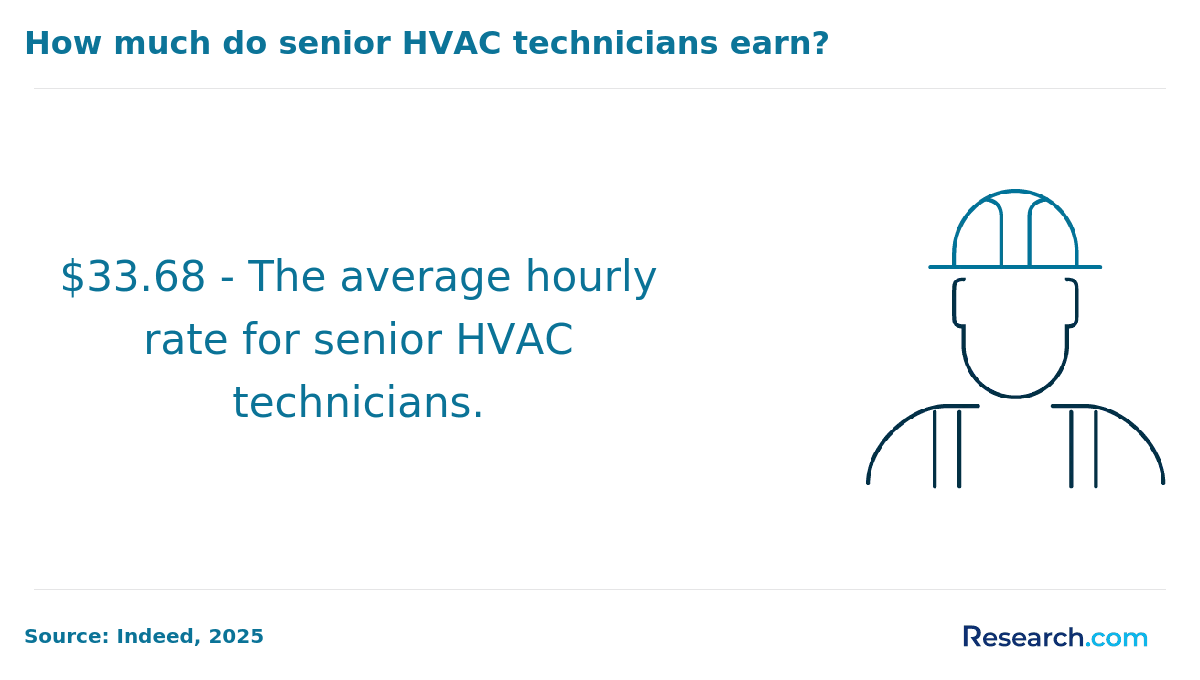
How much do Massachusetts HVAC technicians earn?
HVAC technicians in Massachusetts typically earn salaries above the national average, a trend influenced by the state's elevated living costs and strong demand for skilled tradespeople. Current data indicates annual earnings generally range between $55,000 and $65,000, though this span is subject to variation depending on factors such as experience, credentials, and area of expertise.
Beginning technicians often find themselves near the lower salary margin, whereas those with extensive experience or advanced certifications might command incomes exceeding $75,000. Specialized skills in fields like refrigeration, commercial HVAC systems, or environmentally focused technologies can lead to even higher compensation, reflecting the complexity and niche nature of these roles.
Key variables affecting pay include:
- Years of practical experience and professional tenure
- Employer type, distinguishing residential work from commercial services
- Certifications, for example, EPA Section 608, which may improve employability and earnings
- Geographic location within Massachusetts, with metropolitan areas often paying more
While an HVAC technician's job salary may seem attractive, it’s also worth considering other aspects such as job security, benefits, and career growth opportunities. Additionally, as the HVAC industry increasingly prioritizes energy efficiency and sustainable solutions, future earning potential might shift, necessitating ongoing adaptation and learning.
Is there a demand for HVAC technicians in Massachusetts?
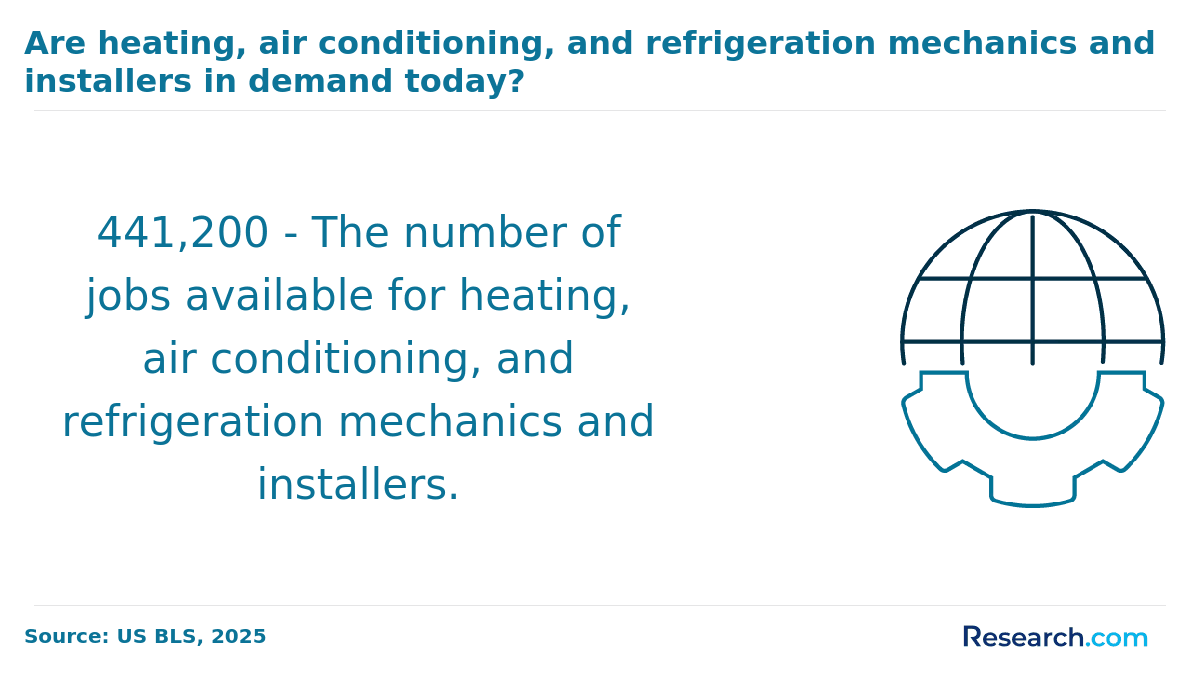
The demand for HVAC technicians in Massachusetts aligns with a national trend showing steady job growth. The U.S. Bureau of Labor Statistics projects about a 5% increase in employment for heating, air conditioning, and refrigeration mechanics and installers from 2022 to 2032. However, specific factors in Massachusetts, such as its diverse climate and aging infrastructure, shape this demand differently. While residential HVAC services remain consistently needed, those specializing in commercial systems or energy-efficient technologies may encounter stronger opportunities as businesses and public institutions move toward greener solutions. This dynamic influences the overall Massachusetts HVAC employment outlook.
It is worth questioning whether this projected growth fully reflects the complexities of the HVAC job market. Emerging technologies and stricter environmental regulations might shift demand toward technicians with advanced skills in sustainable HVAC systems, potentially disadvantaging those with traditional training. Urban centers like Boston could offer more job openings due to ongoing construction and renovation, whereas rural areas might see less growth. For individuals exploring this career path, researching accredited online trade schools can provide critical access to updated training programs that address these evolving industry demands.
How Can Cross-Training in Complementary Fields Enhance Your Career Prospects?
Expanding proficiency beyond core HVAC skills through targeted cross-training can provide enhanced career flexibility and increased resilience in a competitive job market. Integrating additional technical certifications may open alternative pathways and support a more adaptable approach to evolving industry standards. This strategy enables professionals to navigate fluctuations in demand while reinforcing a robust technical portfolio. For example, gaining insights into related fields—such as how to become an ultrasound technician in Massachusetts—illustrates how diversified skill sets can reinforce overall career stability and marketability.
Is Massachusetts a good place to work as an HVAC tech?
Massachusetts presents a complex environment for HVAC technicians weighing job prospects. The state’s climate and building variety guarantee ongoing need for HVAC services, yet economic and regulatory factors complicate the picture.
Here are some key considerations for HVAC professionals in Massachusetts:
- Climate-Driven Demand: The cold winters and seasonal changes sustain a steady requirement for installation, maintenance, and repairs, providing a reliable flow of work opportunities.
- Licensing Barriers: State-mandated exams and experience prerequisites help maintain quality but can slow entry for newcomers, potentially restricting the pool of available technicians.
- Wage vs. Cost of Living: While salaries tend to be higher than in many other states, the elevated living expenses in Massachusetts may diminish the financial advantages typically expected.
- Geographic Job Distribution: Urban centers such as Boston and Worcester offer more frequent openings, whereas rural areas might present fewer employment chances, influencing where technicians may find work.
Balancing these factors requires careful thought, as the benefits of consistent demand and strong professional standards must be weighed against economic and entry-level challenges.
What HVAC Technicians in Massachusetts Say About Their Careers
Working as an HVAC technician in Massachusetts has given me incredible job stability, especially with the state's focus on energy efficiency and green technologies. The average salaries here are competitive, and I feel secure knowing there's always demand for skilled professionals in this field. It's rewarding to contribute to making homes and businesses comfortable year-round. Michael
Massachusetts presents unique challenges in HVAC work due to its diverse climate, which keeps every day interesting and constantly pushes me to improve my skills. The opportunity to work on both residential and commercial systems means no two jobs are the same, and I love the variety. It’s a dynamic career that keeps me engaged and growing. Troy
The professional development programs available for HVAC technicians in Massachusetts have really helped me advance my career. From specialized certifications to hands-on workshops offered by local trade schools, the support for continuing education is outstanding. This investment in my growth makes me confident about my future in this industry. Cedric
Related Articles for Nearby States
- 2027 How to Become an HVAC Tech in Rhode Island
- 2027 How to Become an HVAC Tech in Connecticut
- 2027 How to Become an HVAC Tech in New Hampshire
- 2027 How to Become an HVAC Tech in New York
- 2027 How to Become an HVAC Tech in Vermont
- 2027 How to Become an HVAC Tech in New Jersey
- 2027 How to Become an HVAC Tech in Maine
- 2027 How to Become an HVAC Tech in Pennsylvania
- 2027 How to Become an HVAC Tech in Delaware
- 2027 How to Become an HVAC Tech in Maryland
References:
- How To Obtain An HVAC License In Massachusetts: Ultimate Guide https://bluerecruit.us/hvac-license-massachusetts/
- Free HVAC Training Program At JVS Boston | Learn More https://www.jvs-boston.org/our-services/build-your-skills/hvac/
- New England Institute of HVAC | HVAC Training School & Certification Program https://newenglandhvac.com/
- How to Become an HVAC Technician in Massachusetts | TTS https://toptradeschools.com/near-you/hvac/massachusetts/
- HVAC&R Technology - Certificate - Benjamin Franklin Cummings Institute of Technology https://franklincummings.edu/academics/academic-programs/hvacr/
- Heating, Ventilation, Air Conditioning and Refrigeration (HVAC&R) Training Program - MassHire Downtown Boston Career Center https://masshiredowntownboston.org/heating-ventilation-air-conditioning-and-refrigeration-hvacr-training-program/
- Apply for a Refrigeration Technician License | Mass.gov https://www.mass.gov/how-to/apply-for-a-refrigeration-technician-license
- Put These 8 Essential HVAC Technician Skills to Work https://www.aerotek.com/en/insights/harnessing-8-essential-hvac-technician-skills
- 10 HVAC Technician Skills for Your Resume https://chartercollege.edu/news-hub/10-important-hvac-technician-skills-list-your-resume/
- Top 5 Skills for HVAC Technicians in 2025 - JTech https://www.jtech.org/top-5-skills-for-hvac-technicians-in-2025/
Other Things You Should Know About Becoming an HVAC Tech in Massachusetts
In 2027, to become an HVAC tech in Massachusetts, you must obtain a high school diploma or GED, complete an HVAC training program, and acquire a Massachusetts Refrigeration Technician License. Gaining hands-on experience through apprenticeships or entry-level jobs is also essential for practical skills.
Entry-level HVAC technicians in Massachusetts in 2026 can find positions such as HVAC installer, maintenance technician, or service technician. These roles typically involve tasks like installing and servicing heating and cooling systems and require basic technical skills acquired through training programs.


