
2027 How to Become a Mechanic in Florida: Requirements & Certification

Co-Founder and Chief Data Scientist
In Florida, the automotive service industry is currently facing a significant challenge, with nearly 20% of technician positions remaining vacant due to a scarcity of qualified mechanics. This shortage creates difficulties for automotive employers seeking to fill essential roles and for consumers who rely on timely and efficient vehicle maintenance and repair services. The persistent demand for skilled professionals in this field underscores a compelling opportunity for individuals considering a career change or those entering the workforce for the first time.
For aspiring mechanics, it is crucial to understand the specific qualifications, certifications, and training pathways required to succeed. This comprehensive guide, developed by career planning experts, aims to illuminate the journey to becoming a mechanic in Florida, offering detailed insights into educational requirements, necessary licensing, and promising job prospects within this expanding sector.
Key Things to Know About Becoming a Mechanic in Florida
- Florida’s mechanic job growth rate is projected at 7% from 2022 to 2032, slightly above the national average, indicating steady demand in the state.
- The median annual salary for automotive service technicians in Florida is approximately $44,500, with top earners making over $63,000, reflecting competitive wages in the region.
- Most accredited mechanic training programs in Florida last between 6 months and 2 years, allowing students to enter the workforce relatively quickly after completing certification or associate degrees.
- What are the steps to become a mechanic in Florida?
- What training and education options are available in Florida?
- Do you need certifications to work as a mechanic in Florida?
- How long does it take to become a mechanic in Florida?
- How much does it cost to become a mechanic in Florida?
- What job opportunities are available for mechanics in Florida?
- How can cross-training in related technical fields enhance my career prospects in Florida?
- What regulatory changes should Florida mechanics prepare for?
- What business strategies can enhance a mechanic's career in Florida?
- What alternative technical careers should I consider in Florida?
- How does Florida’s automotive market compare to other states?
- How much do mechanics make in Florida?
- What tools and skills do mechanics need to succeed?
- What are the career growth opportunities for mechanics in Florida?
- What are the pros and cons of becoming a mechanic in Florida?
What are the steps to become a mechanic in Florida?
The automotive repair field in Florida is on the cusp of significant transformation, driven by advances in vehicle technology and evolving educational models. Prospective mechanics must adapt to these changes by embracing new learning paths and certifications that align with future industry demands.
Complete foundational education and technical training
Start with a high school diploma or GED, then pursue specialized automotive technology programs at Florida’s technical colleges. These programs increasingly integrate electric and hybrid vehicle systems alongside traditional mechanical skills, preparing students for a broad spectrum of repairs and diagnostics.
Obtain industry-recognized certifications
ASE certification remains essential, but future credentials may expand to cover emerging technologies such as advanced driver-assistance systems and alternative fuel vehicles. Combining formal education with hands-on experience will be critical to meet certification requirements and employer expectations.
Engage in apprenticeships and real-world training
Apprenticeships provide invaluable exposure to the practical challenges of evolving automotive technologies. They also offer a pathway to accumulate the experience needed for advanced certifications, especially in electric vehicle maintenance, which is expected to grow rapidly in demand.
Commit to lifelong learning and specialization
Continuing education will be indispensable as vehicles integrate more sophisticated electronics and software. Specializing in areas like hybrid systems or automotive cybersecurity can position mechanics at the forefront of the industry and enhance job security in a competitive labor market.
Leverage state programs and financial aid
Florida’s Career and Technical Education initiatives and scholarship opportunities will continue to support access to cutting-edge training. Staying informed about these resources will help aspiring mechanics minimize costs while accessing quality education aligned with future automotive trends.
What training and education options are available in Florida?
The future of automotive training in Florida is shaped by rapid technological shifts and evolving industry demands. Prospective mechanics must adapt to new learning models that combine hands-on experience with digital innovation.
Emerging trends emphasize flexible, hybrid education paths and early certification opportunities. Here are key training and education options available in Florida:
- Technical colleges like McFatter Technical College offer comprehensive programs blending practical skills with ASE certification preparation, essential for foundational mechanic expertise.
- Institutes such as Universal Technical Institute (UTI) incorporate online and in-person instruction, focusing on hybrid and electric vehicle technologies, reflecting the industry's shift toward sustainable transportation.
- State and workforce programs provide scholarships and certifications aligned with market needs, often partnering with employers to facilitate internships and job placement, which is crucial for gaining real-world experience.
- Specialized manufacturer training programs enable mechanics to develop brand-specific competencies, giving them a competitive edge in dealership and advanced repair roles.
- High school automotive courses serve as early exposure points, helping students build foundational skills and transition smoothly into advanced programs post-graduation.
Given the growing demand for skilled technicians, driven by Florida’s robust automotive market, exploring financial aid options and staying current with emerging technologies will be critical. Students interested in automotive training programs in Florida can also benefit from resources highlighting the value of vocational education, such as those found in high-demand trade jobs.
Do you need certifications to work as a mechanic in Florida?
Currently, Florida does not impose a state-level license or certification requirement for individuals working as automotive mechanics. This absence of formal licensing means that aspiring mechanics can enter the workforce without mandated credentials, although the landscape may evolve as vehicle technology advances.
Looking ahead, the demand for specialized skills will likely increase, especially as electric and hybrid vehicles become more prevalent. This shift could influence florida mechanic certification requirements, encouraging more employers to prioritize formal training and nationally recognized certifications like ASE. Such credentials demonstrate expertise in emerging automotive systems and could become de facto standards in the state.
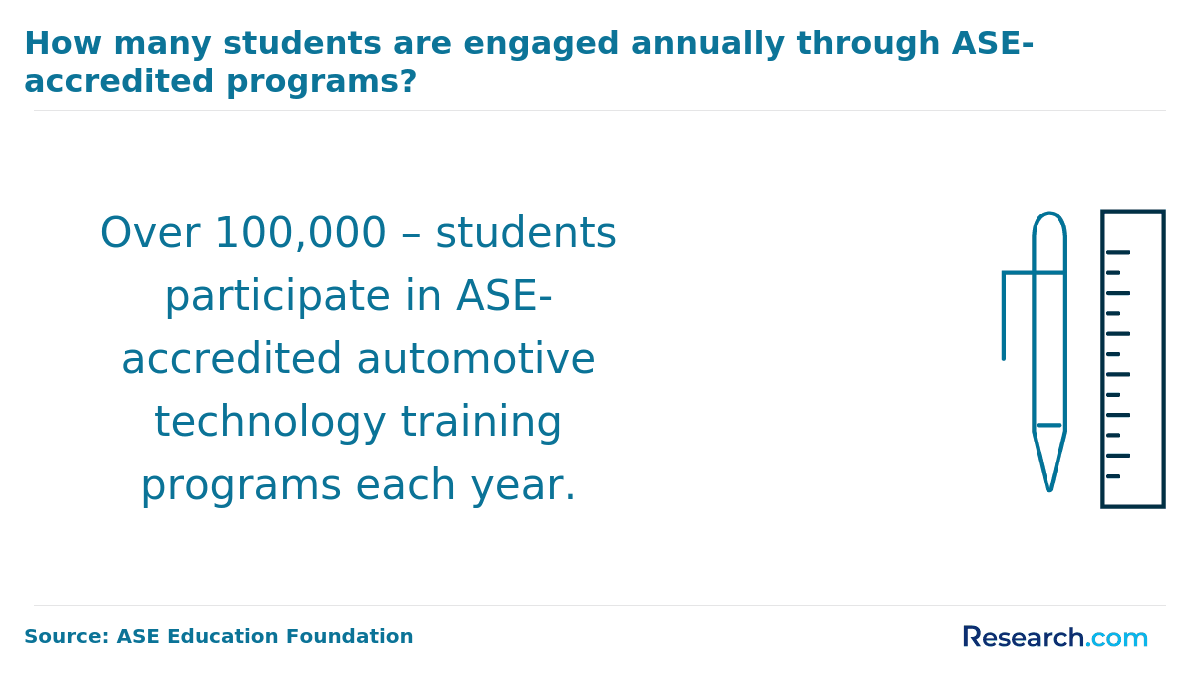
Employers already favor candidates with ASE certification due to its nationwide recognition and its role in validating a mechanic’s proficiency across various repair areas. While not legally required, these certifications significantly enhance employability and earning potential. As automotive technology grows more complex, the value of these credentials is expected to rise, potentially impacting hiring practices in Florida’s competitive job market.
In the future, manufacturer-specific training programs and certifications may gain greater prominence, reflecting the increasing specialization within the industry. Programs aligned with ASE or NATEF standards, such as those offered by trade schools, will likely remain crucial for preparing candidates. For those exploring career shifts or new training paths, resources like how to become a HVAC technician highlight the growing importance of technical certifications in related fields, which may parallel trends in automotive mechanics.
Ultimately, while auto mechanic license requirements in Florida remain minimal, pursuing certifications and specialized education can provide a competitive edge as the industry evolves toward more advanced vehicle technologies.
How long does it take to become a mechanic in Florida?
The time needed to become a mechanic in Florida is evolving, influenced by new technologies and educational models. As automotive systems grow more complex, training programs are adapting to include advanced diagnostics and electric vehicle maintenance.
Future mechanics might complete their certifications faster by leveraging online coursework combined with hands-on apprenticeships, reducing the traditional two- to five-year timeline. The integration of virtual reality simulators could offer immersive practice without needing full access to physical vehicles, accelerating skill acquisition.
Emerging specialties, such as electric and hybrid vehicle repair, will likely require additional focused certifications, potentially extending training but also opening doors to niche markets. Florida’s unique automotive needs—like servicing recreational vehicles and marine engines—may prompt tailored certification routes, shortening pathways for those focused on regional demands.
A Florida mechanic once shared that balancing part-time work while completing an intensive automotive program demanded both stamina and adaptability. They recalled the challenge of mastering complex engine diagnostics after long days but found the hands-on projects rewarding and confidence-building.
As certification bodies update requirements to reflect new automotive technologies, continuous learning will become standard, with recertification intervals possibly shortening. This dynamic environment encourages future mechanics to adopt flexible learning strategies and stay attuned to industry shifts.
Ultimately, the timeline to become a qualified mechanic in Florida will hinge on how quickly individuals can adapt to technological advances and regulatory changes, blending traditional education with innovative training methods.
How much does it cost to become a mechanic in Florida?
Estimating a total investment of $10,000 to $25,000 to enter a mechanic school cost in Florida, future trends suggest evolving training models that blend hands-on skills with digital diagnostics and electric vehicle technology. As automotive systems become more complex, costs may shift to cover advanced tools and specialized certifications.
Looking ahead, costs to become a mechanic in Florida may include:
- Tuition for automotive programs in Florida, typically ranging from $10,000 to $25,000 for associate degrees or certificate programs
- Starter toolkits costing between $500 and $2,000, essential for practical training and future employment
- Books and study materials, estimated at $200 to $800, potentially increasing with integration of digital resources
- Uniforms and safety gear priced around $100 to $300, with possible upgrades for tech-enhanced protective equipment
- Certification exams such as ASE tests, costing roughly $47 per test plus a $34 registration fee, likely expanding to new specialties like electric vehicle maintenance
Emerging workforce initiatives and partnerships, similar to those at Hillsborough Community College, could evolve to offer paid apprenticeships and tuition assistance, mitigating upfront costs. State and federal financial aid will remain critical, alongside programs like Florida’s Bright Futures Scholarship.
The growing demand for skilled mechanics proficient in both traditional and advanced automotive technologies may improve return on investment. Students should consider programs aligned with industry trends and employer partnerships to optimize career outcomes. For those exploring career shifts, reviewing all the trades could provide broader context on vocational opportunities and cost structures.
What job opportunities are available for mechanics in Florida?
Electric Vehicle Specialist Roles
The rise of electric vehicles in Florida is reshaping automotive technician career opportunities Florida offers. Mechanics with skills in EV battery systems, charging infrastructure, and software diagnostics are increasingly sought after as dealerships and independent shops expand their EV services. One mechanic recalled navigating the steep learning curve of EV technology, feeling challenged yet motivated by the opportunity to pioneer repairs on cutting-edge vehicles in a state rapidly adopting this green technology.
Bus and Truck Mechanic Positions
Florida’s logistics and transportation sectors are driving growth in high paying mechanic jobs in Florida, especially for bus and truck mechanics. The expansion of ports and interstate freight routes demands experts in diesel engines and commercial vehicle maintenance. A Florida mechanic shared how adjusting to the rigorous certification processes and mastering complex diesel systems opened doors to stable employment with competitive wages in this niche market.
Advanced Diagnostic Technician Opportunities
Advanced diagnostic technicians who specialize in electronic control units and ADAS technologies will find increasing demand as vehicle systems evolve. These roles require continuous education and adaptation to new diagnostic tools, making career advancement possible for those who stay current. Many mechanics find this specialization rewarding, as it combines technical problem-solving with emerging technology trends.
Traditional Service Technician Jobs
Despite innovation, traditional service technician roles remain essential due to Florida’s large population of gasoline-powered vehicles. These positions provide consistent opportunities for mechanics who maintain foundational skills in engine repair and routine maintenance. One Florida-based mechanic reflected on the satisfaction of balancing new technology work with trusted mechanical practices, highlighting the versatility needed in today’s job market.
For those exploring how to enter or advance in these fields, understanding what are the best online trade schools and construction programs can provide a valuable foundation and certification pathway.
How can cross-training in related technical fields enhance my career prospects in Florida?
Cross-training in adjacent technical fields can complement automotive expertise by opening additional career avenues and increasing job resilience. Mechanics who diversify their skills—such as acquiring competencies in HVAC systems—can better adapt to fluctuating market demands and technological shifts. Expanding skill sets may also provide access to competitive employment opportunities in multi-disciplinary roles that require a broader technical background. For example, understanding HVAC systems could be beneficial for facility management or integrated systems maintenance. Interested professionals can explore guidance on career transitions by reviewing our guide on how to get HVAC license in Florida.
What regulatory changes should Florida mechanics prepare for?
Florida’s evolving regulatory landscape is increasingly influencing business practices within the automotive repair sector. Shop owners and mechanics must now navigate stricter environmental standards, enhanced safety protocols, and updated hazardous materials handling requirements. Staying compliant means regularly reviewing local, state, and federal regulations and investing in targeted training programs. Additionally, engaging in specialized workshops and maintaining active communication with industry bodies can provide timely updates on regulatory shifts. Diversifying technical expertise—such as exploring how to become an electrician in Florida—can also help professionals adapt to evolving compliance demands and enhance overall operational resilience.
What business strategies can enhance a mechanic's career in Florida?
Business acumen is increasingly important in Florida's competitive automotive landscape. Mechanics transitioning to managerial or entrepreneurial roles benefit from strategies that include optimizing operational efficiency, strengthening customer relationship management, and implementing effective digital marketing. Mastering financial planning, inventory control, and regulatory compliance further supports sustainable profitability and growth. For those aiming to manage or start their own service center, targeted business training can be a decisive factor—consider resources offered by top business schools in Florida.
What alternative technical careers should I consider in Florida?
Diversifying technical expertise can unlock opportunities in adjacent sectors and enhance overall career flexibility. Exploring roles in emerging fields—such as advanced imaging, robotics maintenance, or system analytics—can complement the hands-on skills honed in automotive repair. Professionals seeking to broaden their career prospects may also investigate related technical certifications and pathways. For instance, reviewing Florida ultrasound technician requirements offers insights into specialized training, certification processes, and growth potential in a field experiencing significant technological advancement.
How does Florida’s automotive market compare to other states?
Florida’s automotive service market presents unique dynamics shaped by its diverse population, robust tourism industry, and evolving vehicle technologies. Compared to other regions, local training programs and regulatory frameworks offer mechanics a distinct career environment with competitive wage structures and flexible entry pathways. Data indicates that while regional salary variances exist, the emphasis on advanced diagnostics and specialized certifications in Florida often aligns with similar trends in metropolitan markets elsewhere. Additionally, professionals seeking cross-disciplinary technical training can explore opportunities in related fields, such as reviewing how to become a radiology technician in Florida, to better understand the broader scope of technical careers available in the state.
How much do mechanics make in Florida?
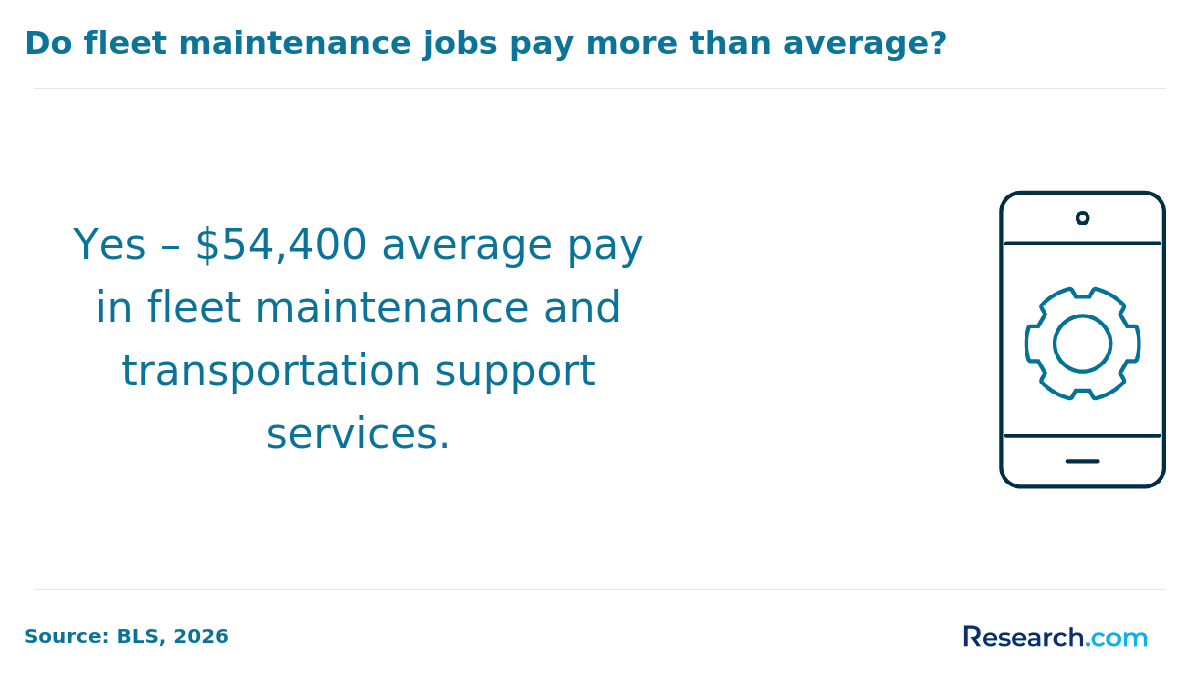
Florida automotive mechanic salary hourly rates currently reflect a diverse range influenced by experience, specialization, and geography. Entry-level mechanics can expect salaries near $24 per hour, while seasoned professionals, especially those with certifications, command rates closer to $40 per hour.
Future trends suggest a growing premium on specialized skills and certifications such as ASE credentials, which could drive wages higher, particularly in urban centers like Orlando and Tampa. Mechanics leveraging overtime opportunities may see significant boosts, with current averages showing $5,700 to $6,700 annually in extra pay.
The average mechanic pay in Florida by location varies widely:
- Orlando: $31–$34 per hour
- Sarasota: $17–$38 per hour
- Medley: Around $31 per hour
- Tampa: $25–$40 per hour
- Lake Worth: $25–$30 per hour for ASE Certified Mechanics
- Fort Myers: Up to $40 per hour for specialized roles
- Jacksonville Beach: $19–$25 per hour for swimming pool mechanics
Mechanics willing to explore non-traditional sectors or dealership positions may find compensation packages that include commissions and benefits beyond base pay. Additionally, those pursuing advanced education opportunities, such as automotive teaching roles, could access salaries between $49,500 and $59,800 annually, indicating a valuable alternative career path.
For individuals considering formal education, reviewing the ranking of most affordable online mechanical engineering degree programs could provide insight into cost-effective ways to enhance technical qualifications and future earning potential.
What tools and skills do mechanics need to succeed?
The future of automotive repair in Florida will be shaped by rapid technological advances and changing consumer demands. Mechanics must adapt by acquiring new tools and skills to stay competitive and meet evolving industry standards.
Key tools and skills for success in Florida’s automotive field include:
- Proficiency in electric and hybrid vehicle diagnostics and repair, as EV adoption continues to rise in metropolitan areas like Miami, Tampa, and Orlando.
- Advanced computer and software skills to work with increasingly sophisticated vehicle electronic systems and onboard diagnostics.
- Expertise in flood damage assessment and repair techniques, especially important given Florida’s exposure to hurricanes and natural disasters.
- Strong understanding of consumer protection laws and regulatory compliance, including frequent updates from FDACS and Florida statutes.
- Hands-on experience with ASE certification standards, ensuring recognition by employers and consumers.
- Ability to interpret and apply data from telematics and connected vehicle systems, which are becoming integral to modern automotive service.
- Effective communication skills to explain complex repairs and estimates clearly to customers, building trust in a competitive market.
- Adaptability to new training methods, including hybrid classroom and on-the-job programs that blend technical instruction with real-world practice.
Mechanics who embrace these skills will be well-positioned to thrive in Florida’s dynamic automotive repair landscape, meeting both regulatory demands and customer expectations as the industry evolves.
What are the career growth opportunities for mechanics in Florida?
Expansion of Certification Importance
As automotive technology evolves rapidly, the value of voluntary certifications such as ASE is expected to grow significantly. Mechanics who invest in advanced credentials will likely stand out in Florida’s competitive market, particularly as consumers become more discerning about repair quality and professionalism.
Integration of Emerging Technologies
Future mechanics in Florida will need to adapt to an increasing presence of electric vehicles (EVs), hybrid systems, and advanced driver-assistance systems (ADAS). This shift demands continuous learning and possibly new certifications focused on high-voltage systems, software diagnostics, and specialized safety protocols.
Growth of Local Regulatory Complexity
Local jurisdictions may impose more detailed licensing and registration requirements as consumer protection efforts intensify. Mechanics and shop owners who proactively navigate these evolving local mandates will benefit from stronger community trust and reduced legal risks.
Opportunities in Sustainable and Green Automotive Services
The rising emphasis on environmental sustainability will create openings for mechanics skilled in servicing alternative fuel vehicles and implementing eco-friendly repair practices. Florida’s focus on clean energy initiatives could foster niche markets for specialists in this area.
Impact of Digital Platforms and Consumer Transparency
Digital review systems and online marketplaces are expected to influence customer choices more heavily. Mechanics who maintain transparent business practices, supported by proper registration and certifications, will likely gain a competitive edge through enhanced reputation and visibility.
Potential for Expanded Educational Pathways
Trade schools and technical programs in Florida may broaden their curricula to include cutting-edge automotive technologies and regulatory compliance training. This can help aspiring mechanics enter the workforce better prepared and aligned with industry demands, accelerating career advancement opportunities.
What are the pros and cons of becoming a mechanic in Florida?
The automotive repair field in Florida is evolving, influenced by environmental challenges and technological advances. Future mechanics must weigh the benefits and drawbacks of entering this dynamic industry.
Pros of Becoming a Mechanic in Florida
Florida’s lack of a personal licensing requirement for general automotive repair lowers entry barriers, allowing quicker access to the workforce. ASE certification, while voluntary, offers a strong credential that enhances employability and earning potential, often leading to wages up to 20% higher than non-certified peers. The state's growing electric and hybrid vehicle market creates fresh opportunities for mechanics who pursue specialized training in high-voltage systems. Additionally, trade schools like UTI in Orlando provide targeted education aligned with industry needs, preparing graduates effectively for the local job market. The demand for skilled mechanics remains steady, especially after weather events that cause spikes in repair needs, offering job stability in the face of Florida’s unique climate challenges. Local industry bodies and advisory councils also support ongoing professional development and regulatory guidance, helping mechanics stay current with evolving technologies and consumer demands.
Cons of Becoming a Mechanic in Florida
The absence of state licensing for individual mechanics can make it difficult for consumers to differentiate qualified professionals, potentially impacting trust and job security for less-certified workers. Specialized licensure requirements for LP gas systems add complexity for those seeking niche roles, requiring additional time and financial investment. Rust and corrosion caused by Florida’s humid, coastal environment pose persistent maintenance challenges that demand specialized knowledge and tools. Moreover, the rapid rise of electric and hybrid vehicles means mechanics must continuously update their skills or risk obsolescence. Smaller shops might struggle with the costs of advanced diagnostic equipment and training, limiting access to emerging markets. Lastly, fluctuating repair demand tied to weather events can create unpredictable workloads, which may affect income consistency for some mechanics.
What do mechanics say about their careers in Florida?
"Participating in the Florida Vocational Training Program gave me hands-on experience that textbooks alone couldn't provide. The chance to work directly on vehicles under expert supervision truly sharpened my skills and confidence in the trade." – Lucas
"The state-sponsored apprenticeship allowed me to practice real-world repairs early on, which made the transition to a full-time mechanic seamless. It was rewarding to see how my work improved vehicle safety and performance." – Nestor
"Joining a nonprofit mechanic program in Florida connected me with a community of passionate professionals and gave me practical skills through direct vehicle maintenance. I appreciated how the program emphasized both technical ability and customer service." – Javier
Related Articles for Nearby States
- 2027 How to Become a Mechanic in Georgia: Requirements & Certification
- 2027 How to Become a Mechanic in Alabama: Requirements & Certification
- 2027 How to Become a Mechanic in South Carolina: Requirements & Certification
- 2027 How to Become a Mechanic in Mississippi: Requirements & Certification
- 2027 How to Become a Mechanic in Tennessee: Requirements & Certification
- 2027 How to Become a Mechanic in North Carolina: Requirements & Certification
- 2027 How to Become a Mechanic in Louisiana: Requirements & Certification
- 2027 How to Become a Mechanic in Kentucky: Requirements & Certification
- 2027 How to Become a Mechanic in Arkansas: Requirements & Certification
- 2027 How to Become a Mechanic in Virginia: Requirements & Certification
References:
- How Long Does ASE Certification Last? | NYADI The College of Transportation Technology https://nyadi.edu/blog/what-ase-certified-mechanics-can-expect-every-5-years/
- Your Guide to Maintaining and Renewing Your Diesel ASE Certifications | UTI https://www.uti.edu/blog/diesel/your-guide-to-maintaining-and-renewing-your-diesel-ase
- Mechanics https://www.michigan.gov/sos/faqs/industry-services/mechanics
- Frequently Asked Questions - Automotive Service Excellence https://www.ase.com/faq
- Mechanic Evaluation and Certification for Health Care (MECH) | AHA https://www.aha.org/career-resources/certification-center/mech
- Elevating Devices Mechanic - Mechanic in Training Renewal |TSBC https://www.technicalsafetybc.ca/technologies/elevating-devices/elevating-devices-mechanic-certification/mechanic-in-training-renewal
- Crane Rental, Truck Fleet Leasing & Heavy Haul Company - Florida Mechanical https://www.flmech.com/
- Florida Automotive - Mechanic Craigieburn https://floridaautomotive.com.au/
- Repair and Maintenance: Automotive – Open MyFlorida Business https://openmyfloridabusiness.gov/business/81/repair-and-maintenance-automotive/
- Florida Mechanical – Creative. Consistent. Committed. https://flamech.com/
Other Things You Should Know About How to Become a Mechanic in Florida
In 2027, aspiring mechanics in Florida can earn while they learn through programs like apprenticeships or paid internships. Many employers offer hands-on training where individuals receive wages while gaining practical experience.
In 2027, start by obtaining a high school diploma or GED. Enroll in an accredited automotive technology program. Gain hands-on experience through an apprenticeship or entry-level job. Finally, apply for certification from the National Institute for Automotive Service Excellence (ASE) to become a certified mechanic in Florida.


