
2027 How to Become an Electrician in Pennsylvania

Co-Founder and Chief Data Scientist
Becoming an electrician in Pennsylvania offers a promising career path with strong job stability and competitive wages. As of 2023, Pennsylvania employs over 25,000 electricians, reflecting steady demand driven by construction growth and infrastructure projects. The state’s average annual salary for electricians is approximately $63,000, which is slightly above the national average.
This profession requires technical skill, formal apprenticeship training, and state licensure, ensuring a well-qualified workforce. For those interested in a hands-on, skilled trade, pursuing an electrician career in Pennsylvania can be both financially rewarding and secure, given the ongoing need for electrical expertise in residential, commercial, and industrial sectors.
Key Things to Know About Becoming an Electrician in Pennsylvania
- Electricians in Pennsylvania must complete an apprenticeship of 4-5 years, combining paid on-the-job training with classroom instruction to meet state licensing requirements.
- The Pennsylvania job outlook for electricians is positive, with steady growth driven by construction and infrastructure projects.
- Average salaries for electricians in Pennsylvania range between $50,000 and $60,000 annually, varying by experience and location.
- Licensing requires passing the Pennsylvania Journeyman Electrician exam and completing continuing education to maintain certification.
- What education is required to become an electrician in Pennsylvania?
- How do you get into an electrician apprenticeship program in Pennsylvania?
- How much do electricians make in Pennsylvania?
- What certifications do electricians need in Pennsylvania?
- How long does an electrician apprenticeship take in Pennsylvania?
- How much does electrician training cost in Pennsylvania?
- What license do you need to be an electrician in Pennsylvania?
- Can electricians expand their expertise into complementary trades in Pennsylvania?
- How often do you need to renew your electrician license in Pennsylvania?
- How can electricians enhance their business acumen in Pennsylvania?
- How are emerging technologies shaping the future of electrical work in Pennsylvania?
- What are the essential skills needed to be a successful electrician in Pennsylvania?
- What additional certifications can enhance your career progression in Pennsylvania?
- What is the job outlook for electricians over the next 10 years in Pennsylvania?
- How can an electrician transition to an independent contractor role in Pennsylvania?
What education is required to become an electrician in Pennsylvania?
Becoming an electrician in Pennsylvania starts with solid education in electrical theory and practical skills. Aspiring electricians typically enroll in technical schools or community colleges where they study courses such as electrical code studies, residential and commercial wiring, motor controls, and industrial electricity. These classes provide the essential knowledge needed to understand complex electrical systems and prepare for hands-on work. Practical lab sessions are equally important, allowing students to develop the manual skills required to succeed in the field.
Top programs in Pennsylvania that combine strong theoretical instruction with practical training include Pennsylvania College of Technology, Harrisburg Area Community College, and Luzerne County Community College. These institutions offer comprehensive curricula covering blueprint reading, circuitry, safety protocols, and the National Electrical Code (NEC).
Education alone isn’t enough; Pennsylvania mandates a rigorous apprenticeship for all aspiring electricians. These apprenticeships typically last four to five years and require about 8,000 hours of paid on-the-job training under the supervision of experienced electricians. Alongside this, apprentices complete roughly 576 hours of classroom instruction. This balanced approach ensures apprentices gain real-world experience while reinforcing classroom learning, which is vital for mastering installation, maintenance, and troubleshooting across residential, commercial, and industrial settings.
To excel on the Pennsylvania electrician licensing exam, thorough preparation is key. Many candidates find success by attending review classes and seminars offered by trade unions, technical schools, and industry associations throughout the state. These sessions focus on Pennsylvania’s specific regulations, the NEC, and practical problem-solving methods. Utilizing study guides and practice tests can boost confidence and improve pass rates by over 20%.
Engaging with these resources not only prepares you for the exam but also deepens your understanding of evolving electrical standards. Seek out local review courses, join workshops, and connect with mentors to sharpen your skills and ensure you’re ready to excel in this growing industry.
How do you get into an electrician apprenticeship program in Pennsylvania?
To get an electrician apprenticeship in Pennsylvania, you’ll want to explore programs offered by organizations such as the Independent Electrical Contractors (IEC) of Pennsylvania, the International Brotherhood of Electrical Workers (IBEW) Local 98, and the Pennsylvania Apprenticeship and Training Council (PATC). These programs usually require applicants to be at least 18 years old, hold a high school diploma or GED, and pass a basic aptitude test that focuses on math and reading comprehension. Meeting these electrician apprenticeship requirements Pennsylvania ensures you have the foundational skills to succeed.
A unique aspect of Pennsylvania’s system is that apprentices must register with the Pennsylvania Department of Labor & Industry. This step is important because it guarantees adherence to state labor laws and grants access to official certification. Additionally, the state mandates a minimum of 8,000 hours of supervised work experience paired with at least 576 hours of classroom instruction over four to five years before qualifying for journeyman electrician licensure. These requirements emphasize the state's commitment to thorough training and safety.
Apprenticeships in Pennsylvania provide far more than just technical skills. They offer invaluable networking opportunities by working alongside seasoned electricians who share insights on wiring techniques, safety protocols, and Pennsylvania-specific electrical codes. This hands-on mentorship plays a crucial role in your professional growth and employability, especially in a market projected to grow by 7% through 2030. To truly excel, consistently engage in training sessions, actively seek feedback, and take advantage of additional resources like seminars and review classes offered by the Pennsylvania College of Technology and the Electrical Training Alliance.
One electrician from Pennsylvania shared that starting as an apprentice was both challenging and rewarding. They recalled the early days when they struggled with the complexity of local codes but found that working closely with a journeyman electrician helped them navigate these hurdles. The regular feedback and encouragement kept them motivated through long hours. They also emphasized how attending extra review sessions before licensing exams made a significant difference in their confidence and success. This personal journey highlights how dedication and utilizing available resources can transform challenges into stepping stones in the electrician apprenticeship process.
For anyone exploring career options, reviewing a list of the best high demand trades can be a valuable starting point to understand the broader opportunities associated with skilled trades like electrical work.
How much do electricians make in Pennsylvania?
Electricians in Pennsylvania can expect competitive wages that reflect their skills and the state’s strong construction industry. The average annual salary sits around $65,000, with monthly earnings close to $5,400. Entry-level electricians typically start between $35,000 and $45,000 annually, a range that mirrors the apprenticeship phase where practical experience and classroom learning build essential skills. As electricians grow in experience and earn certifications, salaries often increase substantially, with mid-career professionals earning between $60,000 and $75,000 per year. Those who specialize or work in industrial or commercial sectors may see earnings surpass $90,000 annually.
Cities like Philadelphia, Pittsburgh, and Allentown tend to offer higher pay rates, driven by local demand and cost-of-living factors. For example, electricians in Philadelphia can anticipate average salaries near $70,000, with opportunities for overtime and specialized projects that boost overall income. Pursuing certifications in areas such as solar panel installation or HVAC systems can further elevate wages and marketability. It’s also valuable to engage with organizations like the Independent Electrical Contractors of Pennsylvania and take advantage of continuing education programs offered by community colleges.
An electrician from Pennsylvania I spoke with shared their journey, emphasizing how the salary progression wasn’t just about the numbers but the growth in responsibility and expertise. They recalled starting as an apprentice earning around $38,000, balancing long hours of hands-on work with classroom instruction. Over time, gaining certifications and taking on complex industrial projects led to a salary above $80,000. They highlighted the satisfaction that comes from mastering new technologies and the financial benefits of continuous learning, while also noting challenges like unpredictable schedules and the physical demands of the job. Their story underscores the value of dedication and skill development in this trade.
For those considering this path, combining practical experience with targeted education is key. Just as aspiring medical billers and coders in Pennsylvania must prepare through structured study of coding systems, electricians thrive by staying current with electrical codes and technologies. In fact, pursuing advanced training like the best automotive mechanic trade school program deepens expertise and opens new opportunities.
What certifications do electricians need in Pennsylvania?
To work as a professional electrician in Pennsylvania, obtaining the proper certifications is essential. The electrician licensing requirements in Pennsylvania include earning the Journeyman Electrician License and the Master Electrician License, both issued by the Pennsylvania Department of Labor & Industry. These certifications confirm your proficiency in electrical codes and safety protocols, which are critical to ensuring safe and effective electrical work in the state.
Aspiring electricians typically start by enrolling in a state-approved apprenticeship program combining hands-on training with classroom instruction. Notable institutions offering these programs include the Independent Electrical Contractors (IEC) of Pennsylvania, the International Brotherhood of Electrical Workers (IBEW) Local 57, and technical colleges such as Harrisburg Area Community College. These programs prepare candidates for the licensing exam and provide real-world experience across residential, commercial, and industrial sectors.
Certified electricians in Pennsylvania enjoy better career opportunities, higher wages, and greater job security. The Pennsylvania electrician certification process emphasizes mastery of the National Electrical Code (NEC) and state-specific regulations. Staying current with these codes through continuing education is vital, as Pennsylvania frequently updates its electrical standards. Certifications in safety training, like OSHA 10- or 30-hour courses, while not mandatory, are highly recommended by employers and boost your marketability in the field.
Choosing the right certification path depends on your career goals and preferred sectors. Union-affiliated programs, such as those by IBEW Local 57, offer strong networking and access to large projects, while community colleges provide flexible schedules and comprehensive technical curricula. You may also explore the best online HVAC trade schools and certifications as a complementary route to broaden your skills and improve your job prospects.
How long does an electrician apprenticeship take in Pennsylvania?
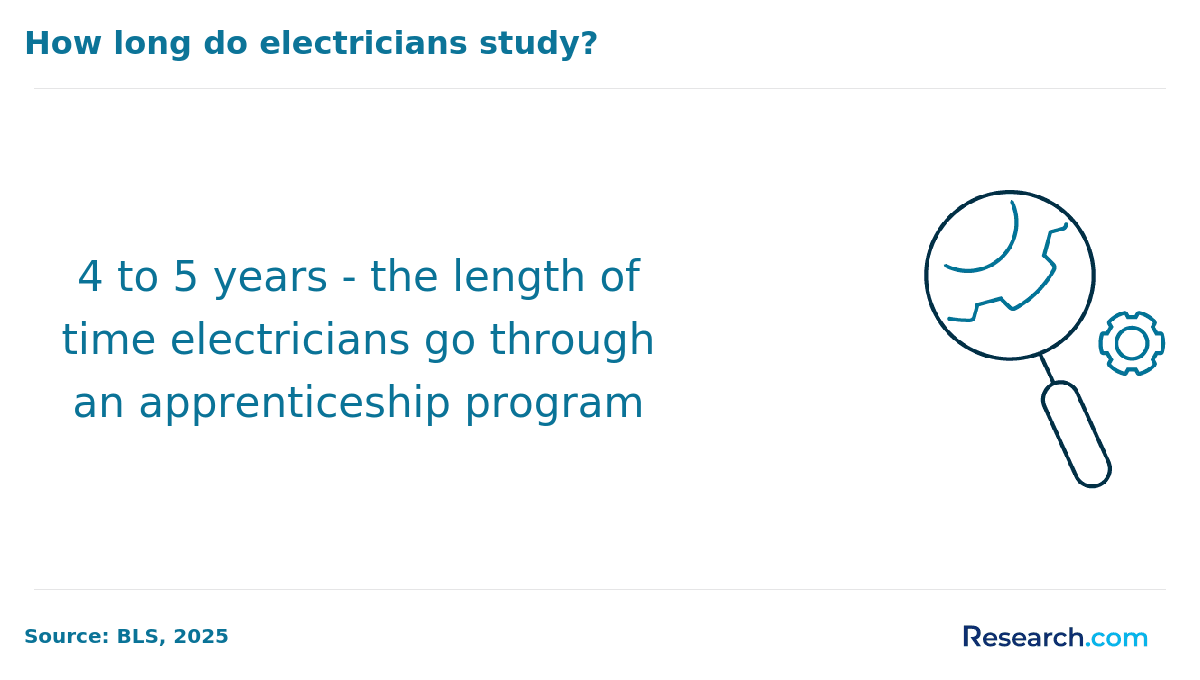
In Pennsylvania, completing an electrician apprenticeship typically takes about 4 to 5 years, which aligns with the state’s electrician certification requirements in Pennsylvania. This timeframe usually includes around 8,000 hours of on-the-job training combined with approximately 576 hours of classroom instruction. However, this duration can vary depending on the apprenticeship program’s structure, the sponsoring organization, and the apprentice’s dedication and aptitude.
Some programs offer accelerated paths that allow apprentices to finish sooner. For example, union-sponsored apprenticeships, such as those affiliated with the International Brotherhood of Electrical Workers (IBEW) Local unions, often provide more intensive training schedules or recognize prior related experience, enabling apprentices to reduce their training time. Private electrical contractors may also offer flexible or accelerated programs, though these tend to be less common.
Several factors can affect how long it takes to complete an apprenticeship. An apprentice’s ability to quickly acquire skills, attend all required classroom hours, and actively seek additional hands-on experience can significantly shorten the process. Conversely, interruptions like part-time work or job changes may extend the timeline. If you want to know how to get licensed electrician in Pennsylvania efficiently, focus on building a strong foundation in both theory and practice while maintaining consistent attendance and leveraging mentorship opportunities.
For those exploring training options, it’s useful to research the best rated electrician trade school programs, which might offer flexible schedules or credit for prior experience. Taking advantage of these opportunities can help you accelerate your path toward journeyman certification and beyond.
The visual below distills this information at a glance—highlighting the 4-to-5-year apprenticeship window most electricians follow—so readers can quickly grasp the commitment involved before diving into the details above.
How much does electrician training cost in Pennsylvania?
The electrician training cost in Pennsylvania varies widely depending on the educational path you choose. Certificate or diploma programs at trade schools generally cost between $5,000 and $15,000 and take about six months to a year to complete. If you opt for an associate degree at a community college or technical school, expect to pay between $10,000 and $25,000 for a two-year program. These longer programs often include more comprehensive coursework, which can enhance your career prospects.
How much does electrician school cost PA also depends on factors like program duration and required equipment. Apprenticeship programs, for example, combine paid on-the-job training with classroom instruction, reducing upfront tuition costs since you earn wages while learning. However, apprentices often need to buy their own tools and safety gear, which can add $500 to $1,500 to expenses. Some trade schools include toolkits in tuition, but this varies.
Financial aid options can significantly ease these costs. Many Pennsylvania institutions participate in federal aid programs, such as Pell Grants and student loans, for eligible students enrolled in accredited electrician programs. State grants and scholarships targeting construction trades may also be available through workforce development boards. Additionally, union apprenticeship programs often offer paid training with minimal initial expense, making them an affordable option for many aspiring electricians.
When researching programs, consider checking a ranking of the best online vocational trade schools to find reputable and cost-effective options. By carefully weighing these factors, you can find a path that fits both your budget and career goals.
What license do you need to be an electrician in Pennsylvania?
To become a licensed electrician in Pennsylvania, you must obtain either a Journeyman Electrician or Master Electrician license, as Pennsylvania manages electrician licenses at the local or municipal level rather than statewide. These licenses confirm your competence, safety knowledge, and technical skills necessary for electrical work.
The licensing process typically involves these essential steps:
- Complete a registered apprenticeship or gain equivalent experience, usually 8,000 hours (about four years) working under a licensed electrician.
- Meet educational requirements, often through trade schools or community colleges offering coursework in electrical theory, the National Electrical Code (NEC), and safety.
- Apply for the Journeyman license by submitting proof of your training, education, and references to the local licensing authority.
- Pass a written exam covering the NEC, Pennsylvania electrical regulations, and practical electrical knowledge.
- If pursuing a Master Electrician license, acquire at least two years of experience as a licensed Journeyman and pass a more advanced exam.
What sets Pennsylvania’s licensure apart is its decentralized system. Cities like Philadelphia, Pittsburgh, and counties such as Allegheny have independent licensing boards with distinct requirements and procedures. This means you need to research the specific regulations in the area where you plan to work to ensure compliance.
The main authorities overseeing licensure are the Pennsylvania Department of Labor & Industry, which regulates apprenticeship standards and electrical contractor registrations, and local licensing boards responsible for issuing licenses and enforcing regulations. License renewal intervals vary from one to three years and often require continuing education focused on code updates and safety.
To navigate this process effectively, consider these practical tips:
- Enroll in an accredited apprenticeship combining hands-on training with classroom education to meet experience and education requirements simultaneously.
- Contact your local licensing authority early to understand application deadlines, fees, and documentation needed.
- Study the latest NEC edition and state-specific rules thoroughly to ensure exam success.
- Keep detailed records of your work experience, education, and continuing education credits to simplify renewals.
- Engage with local electrician trade groups or unions for resources, study help, and networking opportunities.
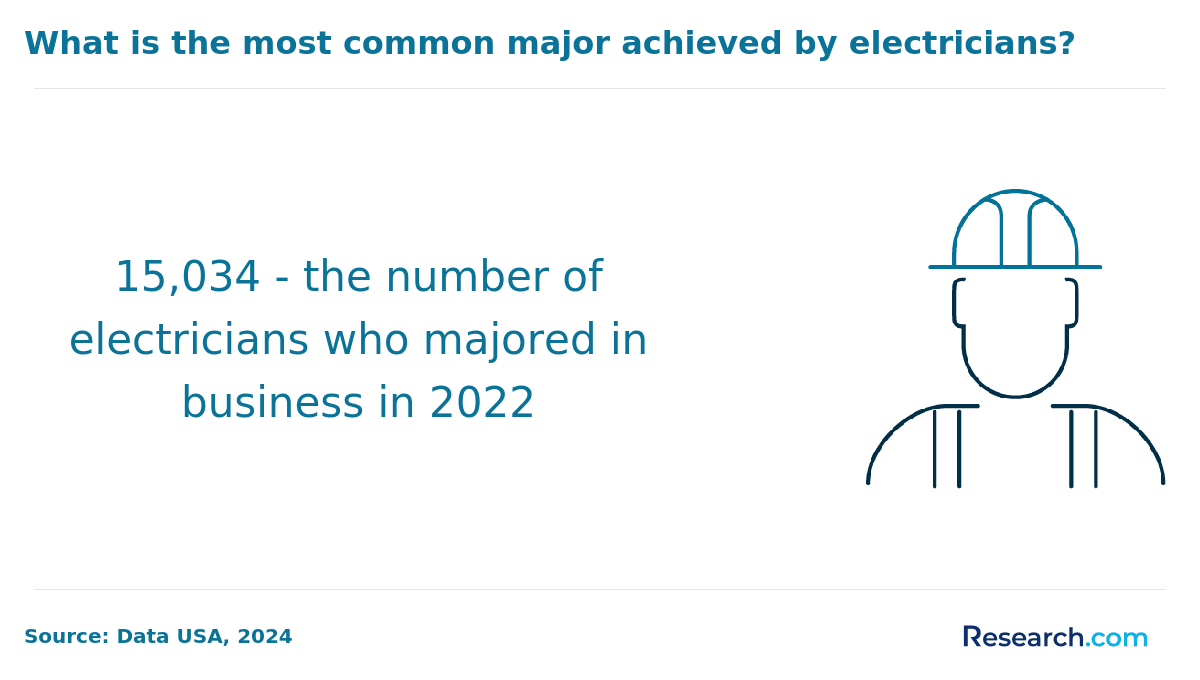
The graphic that follows adds an interesting twist: while licensure hinges on hands-on trade training, the most common college major among practicing electricians is actually business—underscoring how many professionals pair technical credentials with commercial savvy to run their own shops or move into supervisory roles once they’ve secured their Pennsylvania license.
Can electricians expand their expertise into complementary trades in Pennsylvania?
Diversifying technical skills can offer Pennsylvania electricians broader career opportunities and enhanced earning potential. By gaining expertise in related fields, professionals can address integrated building systems and meet evolving market demands. For instance, acquiring cross-disciplinary credentials can allow you to participate in projects that blend electrical work with climate control solutions. Explore opportunities and industry-specific requirements to determine if expanding your skill set aligns with your career objectives, and learn more about how to become an HVAC technician in Pennsylvania.
How often do you need to renew your electrician license in Pennsylvania?
Renewing your electrician license in Pennsylvania is essential to keep your professional credentials active and comply with state laws. The Pennsylvania Department of Labor & Industry primarily manages this process, but be aware that local licensing boards, like Philadelphia’s, may require additional steps or fees. This means staying informed about both state and local regulations is key to a smooth renewal.
The license renewal cycle occurs every three years. During this time, you must complete at least 12 hours of continuing education approved by the state or your local authority. These courses typically cover important topics such as updates to the National Electrical Code (NEC), changes in state laws, and electrical safety practices. Staying current with these topics not only fulfills legal requirements but also enhances your skills and safety awareness on the job.
The renewal process involves several important steps:
- Complete the required continuing education hours approved by the state or local authority.
- Submit your renewal application through the Pennsylvania Department of Labor & Industry’s online portal or by mail.
- Pay the applicable renewal fee, which varies based on license type and municipality.
- Resolve any outstanding disciplinary actions or compliance issues before applying.
What sets Pennsylvania apart is the cooperation between state and local agencies, which means you must meet requirements at both levels. For instance, Philadelphia’s licensing board may have additional documentation or fee requirements beyond the state’s.
To navigate the renewal process smoothly, keep detailed records of your continuing education and renewal submissions. Renew early to avoid penalties or disruptions in your ability to work. Leveraging state-provided online resources can also simplify your application and tracking. Staying proactive and organized will help you maintain your license without stress and continue advancing your career in Pennsylvania’s competitive electrical industry.
How can electricians enhance their business acumen in Pennsylvania?
Electricians looking to expand beyond technical expertise can benefit from developing robust business management skills. This involves understanding financial planning, effective client communication, strategic marketing, and project management—all essential to operating a profitable electrical business. Focusing on these areas can help professionals optimize bidding processes, manage cash flow, and build a reliable client base while navigating competitive markets. In addition, exploring educational resources—such as courses offered by the top business schools in Pennsylvania—can provide practical insights into business operations and leadership strategies. These skills not only complement technical proficiency but also empower electricians to drive sustainable growth, mitigate risks, and maintain long-term success in a dynamic industry.
How are emerging technologies shaping the future of electrical work in Pennsylvania?
Electricians in Pennsylvania are increasingly integrating advanced digital tools, smart grid systems, and building automation technologies into their daily tasks. Leveraging innovations such as IoT-enabled devices and renewable energy management systems not only enhances diagnostic capabilities and safety, but also streamlines project planning and execution. Staying abreast of these technological advancements is essential, with professionals encouraged to pursue targeted training and certifications that emphasize digital competencies and energy efficiency. To compare career transitions in related technical fields and understand overall trends in technical training, consider exploring our guide on how to become a radiology technician in Pennsylvania.
What are the essential skills needed to be a successful electrician in Pennsylvania?
To thrive as an electrician in Pennsylvania, mastering a blend of hard and soft skills is essential. These skills not only meet the technical demands of the job but also foster strong professional relationships and ensure safety on-site.
Key skills every electrician should develop include:
- Technical proficiency: A thorough understanding of electrical systems, circuitry, and safety protocols is fundamental. This includes reading blueprints, interpreting technical diagrams, and using modern diagnostic tools effectively. Hands-on training through community colleges and trade schools in Pennsylvania can solidify these abilities.
- Adaptability with technology: As smart technologies and renewable energy systems become more prevalent, electricians must stay up-to-date with emerging tools like programmable logic controllers (PLCs) and home automation systems to remain competitive.
- Problem-solving skills: Electrical work often presents unforeseen challenges. Developing a logical and analytical mindset helps in diagnosing issues quickly and implementing safe, efficient solutions.
- Communication skills: Being able to clearly explain complex electrical concepts to clients, contractors, and team members is crucial. Listening carefully and following detailed instructions accurately also prevents costly mistakes.
- Physical dexterity and stamina: The job demands manual skill and physical endurance, as electricians work with tools in various environments, including confined spaces and outdoor sites.
- Attention to detail: Precision is critical to avoid hazards and ensure all work complies with Pennsylvania’s electrical codes and standards.
Aspiring electricians can build these skills through accredited apprenticeship programs blending classroom instruction with paid on-the-job training. The Pennsylvania Apprenticeship and Training Office offers valuable resources to support this path. Additionally, engaging with organizations like the Independent Electrical Contractors (IEC) of Pennsylvania can provide ongoing education and certifications.
Focusing on continuous learning and skill development not only enhances employability but also opens doors to higher earning potential and leadership roles in the electrical industry.
The pie chart below spotlights the leading causes of electrical fatalities—most notably, overhead power-line contact—highlighting why pinpoint attention to safety protocols, situational awareness, and meticulous workmanship isn’t optional but mission-critical for every Pennsylvania electrician.
fv
Electricians aiming to strengthen their competitive edge may benefit from pursuing specialized certifications that extend beyond core electrical competencies. Targeted credentials in areas such as renewable energy systems, building automation, and advanced safety protocols can lead to diversified roles and higher marketability. Moreover, exploring cross-disciplinary technical training, for example, learning how to become an ultrasound technician in Pennsylvania, provides insights into precision diagnostics and system management. This strategic approach to continuous education not only deepens technical expertise but also enables professionals to adapt to emerging industry challenges and opportunities.
What is the job outlook for electricians over the next 10 years in Pennsylvania?
The job outlook for electricians in Pennsylvania over the next decade is promising and reflects steady growth fueled by construction, infrastructure upgrades, and emerging technologies. According to the U.S. Bureau of Labor Statistics data from 2023, electrician employment nationwide is expected to grow by about 8% from 2022 to 2032, outpacing the average for all occupations. Pennsylvania is set to follow this trend, thanks to its diverse economy and demand for skilled tradespeople in both urban centers and rural communities.
Major industries hiring electricians in Pennsylvania include residential and commercial construction, manufacturing, and utilities. Philadelphia, Pittsburgh, and Allentown stand out as key cities with the highest concentrations of electricians, driven by ongoing urban development and industrial activity. For example, Philadelphia’s construction sector experienced a 5% rise in new projects in 2023, directly increasing the need for licensed electricians. Manufacturing facilities across the state also employ electricians to install and maintain electrical systems, providing stable career opportunities.
In terms of compensation, the median annual wage for electricians in Pennsylvania is approximately $61,000, aligning with the national average. Considering Pennsylvania’s moderate cost of living—especially outside major metropolitan areas—this salary offers a competitive standard of living. Entry-level electricians, including apprentices, typically start between $30,000 and $40,000, with strong potential for wage growth as they gain experience and pursue certifications.
Emerging trends are further enhancing job prospects for electricians. Pennsylvania’s investments in renewable energy projects such as solar and wind power require electricians with specialized skills. Additionally, efforts to modernize electrical grids create new opportunities for professionals equipped to handle advanced technologies. These factors contribute to a diversified and stable career path within the electrical trade.
For those considering electrician certifications in Pennsylvania, the outlook combines solid employment growth, competitive wages, and varied opportunities across industries and cities. This makes the career a practical and rewarding choice for anyone motivated to develop skilled expertise in a growing field.
The chart below illustrates just how strong that trajectory is—electrician jobs are projected to climb 11 percent over the decade, nearly double the pace for construction trades overall and almost triple the gain for the broader workforce—underscoring why now is a prime moment to enter (or advance in) the field.
What Electricians in Pennsylvania Say About Their Careers
- Completing my apprenticeship through the Pennsylvania College of Technology was a transformative experience. The hands-on training combined with classroom instruction gave me the confidence to tackle complex projects. What I love most is seeing how my work directly improves people’s homes and businesses across my community. Pennsylvania’s rich industrial background means there’s always a demand for skilled electricians, which makes job security a real benefit. I feel proud knowing my career supports both my family and the local economy. David
- After graduating from the Community College of Allegheny County’s electrical program, I found myself drawn to the unique challenges Pennsylvania’s environment presents. From maintaining power in harsh winters to adapting systems in historic buildings, each day brings something new. This career has pushed me to grow professionally and personally, especially because I get to contribute to community safety and resilience. Helping neighbors stay warm and powered during storms is deeply rewarding. The sense of purpose in my work keeps me motivated every day. Maria
- My journey started at Temple University, where I enrolled in their electrical engineering technology program. The blend of academic knowledge and practical skills opened doors to numerous advancement opportunities, from supervisory roles to specialized certifications. Pennsylvania’s evolving infrastructure projects provide a dynamic environment that challenges me to keep learning. I appreciate the professionalism and respect within the trade, which fuels my passion for continual growth. Being part of a profession that shapes the future of energy and technology is exhilarating. Jamal
How can an electrician transition to an independent contractor role in Pennsylvania?
Transitioning from an employed electrician to an independent contractor requires strategy, additional licensure, and a solid understanding of business operations. Begin by ensuring you meet contractor-specific licensing requirements set by local authorities, and acquire any additional certifications that validate your expanded service offerings. Develop a comprehensive business plan that outlines market analysis, equipment investments, and insurance needs. Building strong relationships with suppliers and securing written contracts minimizes legal risks and clarifies project scopes. Moreover, consider enrolling in business management courses to sharpen financial planning, marketing, and operational skills. For electricians looking to diversify their expertise into complementary fields, you may also explore our guide on how to become a mechanic in Pennsylvania.
Related Articles for Nearby States
- 2027 How to Become an Electrician in New Jersey
- 2027 How to Become an Electrician in Delaware
- 2027 How to Become an Electricician in Maryland
- 2027 How to Become an Electrician in New York
- 2027 How to Become an Electrician in West Virginia
- 2027 How to Become an Electrician in Ohio
- 2027 How to Become an Electrician in Virginia
- 2027 How to Become an Electrician in Connecticut
- 2027 How to Become an Electrician in Rhode Island
- 2027 How to Become an Electrician in Massachusetts
References:
- Apprentice.org. Electrical Workers – Pennsylvania Apprentice Coordinators Association.
- Commonwealth of Pennsylvania. Apprenticeship & Training | Department of Labor and Industry | Commonwealth of Pennsylvania.
- ElectriciansForums.net. Is 29/30 Years Age Too Late to Start a Sparky Apprenticeship? – in Electrician Courses : Electrical Quals.
- IBEW Local 5 JATC. More about the Application Process for an Electrical Apprenticeship.
- IBEW Local 712. IBEW Local Union 712: Apprenticeship Training Program.
- IEC of Greater Cincinnati. Later Careers | Independent Electrical Contractors of Greater Cincinnati.
- My Electric Career. Adult Electrical Apprenticeships – How Old Is Too Old?
- TNS Solutions. Rewiring Your Career Path: The Journey to Becoming an Electrician at 30.
- Trade Skills 4U. How to Become an Electrician in the UK.
- WCPA EJATC. WCPA Electricians Joint Apprenticeship and Training Committee: How To Apply 2.
Other Things You Need to Know About Becoming an Electrician in Pennsylvania
To become a licensed electrician in Pennsylvania in 2027, you need to complete an apprenticeship program, which typically takes four to five years, and pass the licensing examination conducted by the Pennsylvania Department of Labor and Industry. You must also ensure compliance with any local city or municipality requirements where you intend to work.
To work as an electrician in Pennsylvania in 2027, you must obtain a journeyman electrician license. This typically requires completing an apprenticeship program of 8,000 hours and passing the state licensing exam. Additionally, some cities may have specific local licensing requirements.


