
2027 How to Become an Ultrasound Technician in Pennsylvania

Co-Founder and Chief Data Scientist
With over 2,000 ultrasound tech positions expected to grow statewide by 2030, this career offers strong job security in Pennsylvania. The state's median annual wage for ultrasound technicians exceeds the national average, making it a financially rewarding choice.
This article will clarify the necessary education, certification, and job search strategies. It aims to empower readers with practical, up-to-date guidance on succeeding in this high-demand, vital healthcare profession.
Key Things to Know About Becoming an Ultrasound Technician in Pennsylvania
- Complete an accredited Diagnostic Medical Sonography (DMS) program, typically taking 1-2 years, to gain essential hands-on experience and theoretical knowledge.
- Obtain certification through the American Registry for Diagnostic Medical Sonography (ARDMS), as Pennsylvania employers highly prefer or require ARDMS credentials.
- Consider Pennsylvania’s growing healthcare sector, where ultrasound technician jobs are expected to increase by 14% over the next decade, offering strong career prospects and competitive salaries.
- What education is required to become an ultrasound technician in Pennsylvania?
- What specialties can ultrasound technicians choose from in Pennsylvania?
- Which certification exams are required to become an ultrasound technician in Pennsylvania?
- Is a license required to practice as an ultrasound technician in Pennsylvania?
- What to expect during ultrasound technician clinical training in Pennsylvania?
- How much does it cost to become an ultrasound technician in Pennsylvania?
- How can continuing education enhance your ultrasound technician career in Pennsylvania?
- What is the average salary for ultrasound technicians in Pennsylvania?
- What is the job outlook and demand for ultrasound technicians in Pennsylvania?
- What are the career advancement steps for ultrasound technicians in Pennsylvania?
- What are the common challenges ultrasound technicians face in Pennsylvania?
- How Can Professional Networking and Industry Resources Boost Your Professional Practice?
What education is required to become an ultrasound technician in Pennsylvania?
The path to becoming an ultrasound technician in Pennsylvania is built on solid academic foundations and practical experience. Meeting the key educational requirements will prepare you for a rewarding career in this essential healthcare field.
- Minimum Degree Requirement: Earn an Associate of Science or Applied Science in Diagnostic Medical Sonography, typically completed over two years with 64 to 70 credit hours.
- Accredited Program Enrollment: Enroll in a program accredited by the Commission on Accreditation of Allied Health Education Programs (CAAHEP) to ensure your education meets national standards.
- Prerequisite Coursework: Complete foundational courses such as college algebra, anatomy and physiology, medical terminology, and introductory physics with grades of "C" or higher.
- Entrance Testing: Some programs require passing scores on exams like the Test of Essential Academic Skills (TEAS) for admission consideration.
- Clinical Internship/Practicum Requirement: Participate in supervised clinical rotations spanning several semesters, which include hundreds of hands-on hours essential to developing practical skills.
- High School Diploma or GED: Provide proof of a high school diploma or GED along with official transcripts from previous educational institutions.
- Minimum GPA and Academic Standards: Maintain a minimum GPA, often 2.5 or higher, with no grade below "C" in required science or math courses.
- No State Licensure Requirement: While Pennsylvania does not mandate state licensure, employers typically expect certification from ARDMS after graduation.
When exploring accredited sonography programs in Pennsylvania, consider both rigorous academics and clinical opportunities to position yourself for success. For further insight, examine the ultrasound technician career salary trends that reflect this profession’s promising outlook.
What specialties can ultrasound technicians choose from in Pennsylvania?
Ultrasound technicians in Pennsylvania have the opportunity to specialize in several focused fields, each targeting different anatomical areas and diagnostic needs. These specialties allow professionals to develop expertise while addressing specific healthcare demands. The following list highlights key ultrasound technician specialties available in Pennsylvania.
- Abdominal Sonography: Concentrates on imaging organs like the liver, kidneys, and pancreas to detect conditions such as tumors and stones. Many programs in Pennsylvania provide comprehensive training in this specialty.
- Obstetric and Gynecologic (OB/GYN) Sonography: Focuses on female reproductive health and fetal development during pregnancy, making it one of the most sought-after specialties in the state.
- Cardiac Sonography (Echocardiography): Specializes in imaging the heart to assess cardiac function, a central offering in cardiac and vascular sonography programs in Pennsylvania, with pathways available at institutions like P.I.T. and CCAC.
- Vascular Sonography: Involves imaging blood vessels to diagnose vascular diseases such as blockages and clots, critical for Pennsylvania’s aging population.
- Neurosonography: Mainly used in neonatal and pediatric care, this specialty images the brain and nervous system and is included in some associate degree programs.
- Small Parts Sonography: Covers imaging of small organs like the thyroid and breast, aiding early cancer detection and other abnormalities.
Pursuing one of these ultrasound technician specialties in Pennsylvania aligns well with preparing for the ARDMS certification exams, the gold standard in sonography professionalism. For a broader view on growth and opportunities, consider exploring the radiology career outlook.
Which certification exams are required to become an ultrasound technician in Pennsylvania?
Certification exams are essential for ultrasound technicians in Pennsylvania to demonstrate their professional skills and ensure they meet industry standards. Although the state does not require licensure, most employers expect candidates to hold national credentials to guarantee quality and safety in patient care. Earning these certifications shows your commitment to excellence and opens doors in a competitive healthcare environment.
Sonography Principles & Instrumentation (SPI) Exam (ARDMS)
This foundational exam covers ultrasound physics, instrumentation, safety, and quality assurance. Administered by ARDMS, candidates must complete a two-year allied health education and 12 months of clinical ultrasound experience. Passing the SPI is mandatory before taking any ARDMS specialty exams.
Registered Diagnostic Medical Sonographer (RDMS) Exam (ARDMS)
Considered the gold standard for general sonography, the RDMS credential focuses on specialties like Abdomen, Obstetrics & Gynecology, and Breast. Candidates must have passed the SPI exam and completed an accredited sonography program with clinical experience. Pennsylvania’s programs align with national requirements but do not impose additional state-specific content.
Registered Vascular Technologist (RVT) Exam (ARDMS)
Concentrating on vascular anatomy and testing protocols, this exam requires completion of the SPI exam plus vascular-focused education and clinical hours. Pennsylvania certificate programs often prepare students specifically for the RVT credential.
Registered Cardiac Sonographer (RCS) Exam (CCI)
Administered by Cardiovascular Credentialing International (CCI), the RCS exam evaluates skills in cardiac sonography and echocardiography. Graduates of Pennsylvania cardiac sonography programs are eligible to apply.
Registered Vascular Specialist (RVS) Exam (CCI)
Also issued by CCI, the RVS credential tests knowledge of vascular imaging and diagnosis with eligibility similar to the RVT exam. Many Pennsylvania programs support preparation for both ARDMS and CCI vascular certifications.
Registered Diagnostic Cardiac Sonographer (RDCS) Exam (ARDMS)
This specialty credential focuses on cardiac sonography, requiring prior SPI passage and cardiac-focused clinical training. Pennsylvania programs facilitate eligibility for this exam as well.
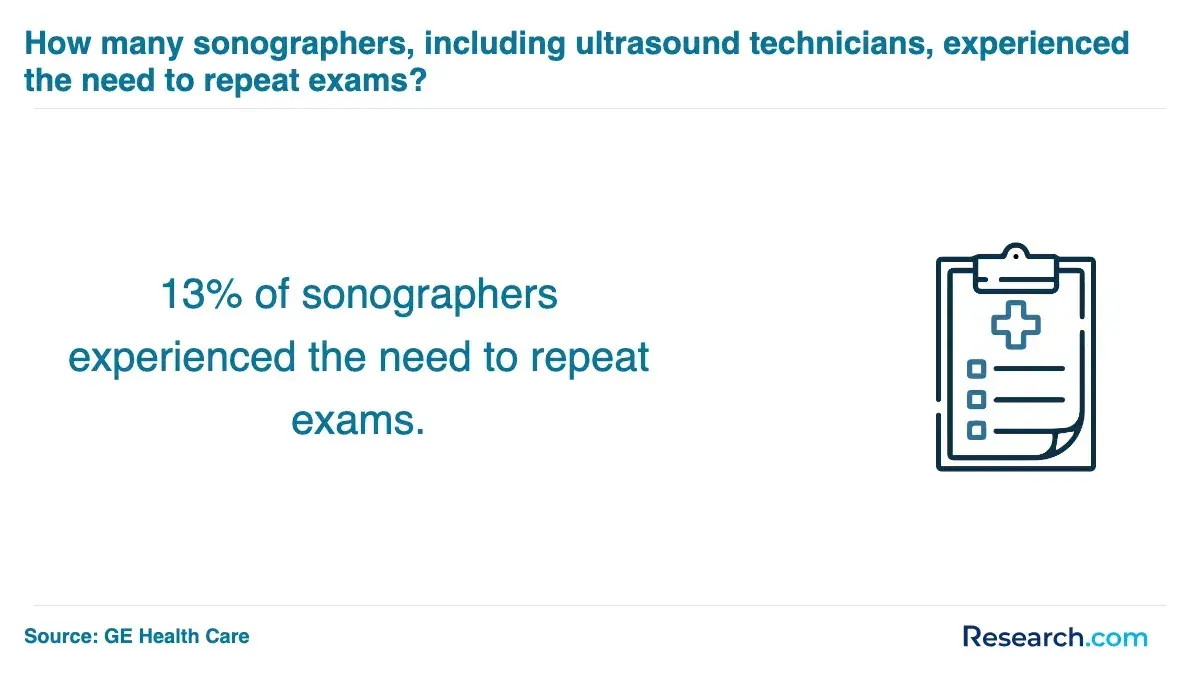
Successfully passing these certification exams elevates your professional credibility and broadens your career opportunities in Pennsylvania's healthcare sector. These credentials align you with employer expectations and ensure you provide the highest standard of patient care. The image below highlights how many sonographers needed to retake their exams, underscoring the importance of thorough preparation.
Is a license required to practice as an ultrasound technician in Pennsylvania?
No state license is required to practice as an ultrasound technician in Pennsylvania, which can be surprising for many aspiring sonographers. Instead of overseeing a state-specific licensure system, Pennsylvania relies on national certifications as the standard for professional practice. This approach directs candidates toward meeting widely recognized industry benchmarks rather than navigating a separate state licensing process.
To qualify for these certifications, candidates must first complete a CAAHEP-accredited educational program and then pass exams such as the Sonography Principles & Instrumentation (SPI) test and relevant specialty assessments. Certifications from organizations like ARDMS, ARRT, or CCI are widely accepted. Unlike some states, Pennsylvania does not issue provisional or supervised practice licenses, so obtaining full certification is necessary before employment.
In practice, national credentials—particularly RDMS through ARDMS—are essential for securing positions in Pennsylvania’s healthcare facilities. In fact, over 90% of job postings list certification as a minimum requirement, reflecting its importance in both employability and professional credibility. For many technicians, this system provides clarity: success depends less on navigating local regulations and more on excelling in accredited training and certification exams, which in turn build confidence and readiness for the workplace.
What to expect during ultrasound technician clinical training in Pennsylvania?
Clinical training is where theory meets real-world practice, giving you the essential hands-on experience required to excel as an ultrasound technician in Pennsylvania. This phase of your education bridges classroom learning and professional competence, focusing on patient care, technical skill, and ethical standards that prepare you for certification and employment.
- Hands-On Patient Care: You will work directly with patients, applying sonography protocols while learning to communicate effectively and empathetically with diverse individuals.
- Supervised Imaging Equipment Use: Operating ultrasound machines under the watchful eye of licensed professionals ensures you develop technical proficiency and produce diagnostic-quality images.
- Specialty Rotations: Expect to rotate through areas like OB/GYN, vascular, abdominal, and cardiac sonography, giving you broad clinical exposure and specialized skills.
- Mentorship from Licensed Professionals: Experienced sonographers guide your development, offering crucial feedback and support as you build your abilities and professional judgment.
- Clinical Hours Requirements: You must complete a set number of supervised clinical hours woven throughout your program to demonstrate entry-level competence across required areas.
- Competency Evaluations: Your skills will be assessed regularly through practical exams, written tests, and performance reviews to confirm your readiness.
- Documentation Skills: Training includes accurately recording patient histories and imaging results, which is vital for quality care and legal standards.
- Program-Specific Academic Standards: Admission to clinical rotations often requires passing prerequisite courses and tests like the ACCUPLACER, plus maintaining minimum grades in relevant subjects.
- Registry Exam Preparation: Clinical training is paired with exam review sessions to prepare you for certification tests such as the ARDMS, which employers widely expect.
These focused clinical experiences sharpen your technical and interpersonal skills, boosting confidence and competence. They lay a solid foundation for success in certification exams and ensure you are ready to thrive in diverse healthcare environments across Pennsylvania. The chart below highlights the top skills ultrasound technicians most often include on their resumes, offering insight into what employers value most.
How much does it cost to become an ultrasound technician in Pennsylvania?
The cost of education for ultrasound technician in Pennsylvania varies depending on the type of school and length of the program you choose. Students can pursue associate, bachelor’s, or certificate programs, each with different tuition ranges. Community colleges generally offer the most affordable pathways, while private universities and specialized health science schools tend to be more expensive.
In general, the total cost of an ultrasound technician program in Pennsylvania can range from about $5,000 to $25,000 or more. This includes tuition, mandatory fees, and clinical training expenses. The lower end of the range usually reflects in-state tuition at community colleges, while the higher end applies to longer or university-based programs.
When planning your budget, remember that tuition is only part of the overall cost. Students should also account for:
- Textbooks and digital resources used throughout the program
- Clinical and lab fees tied to hands-on training
- Uniforms, equipment, and supplies required for clinical placements
- Health requirements such as immunizations, CPR certification, and background checks
- Certification exam fees, such as the ARDMS exam, which are required to become licensed or certified
How can continuing education enhance your ultrasound technician career in Pennsylvania?
Ongoing professional development is essential for ultrasound technicians seeking to maintain technical proficiency and adapt to emerging imaging technologies. In Pennsylvania, technicians can access accredited workshops, advanced certification courses, and specialized training seminars designed to expand clinical expertise and leadership capabilities. Pursuing additional education not only reinforces core competencies but also helps build resilience in a dynamic healthcare environment. Moreover, branching into related fields—such as exploring pathways on how to become a radiology technician in Pennsylvania—can diversify skill sets and open new career avenues.
What is the average salary for ultrasound technicians in Pennsylvania?
The average annual salary for ultrasound technicians in Pennsylvania ranges from about $98,500 to $113,800, placing it just below or roughly on par with the national average. Hourly wages typically fall between $47 and $58, though entry-level pay can be significantly lower.
- Experience Level: New ultrasound technicians often start near $52,375, while experienced sonographers may earn up to $133,624 annually.
- Education and Certifications: Advanced credentials, like ARDMS certification, boost salary potential by demonstrating expertise and specialized skills.
- Work Setting: Those in hospitals or large medical centers usually earn more than peers working in outpatient centers or physician offices.
- Geographic Location: Urban areas such as Philadelphia and Pittsburgh offer higher wages compared to rural regions due to demand and cost of living.
- Specialization: Focused fields like OB/GYN or cardiovascular sonography command higher salaries given the complexity involved.
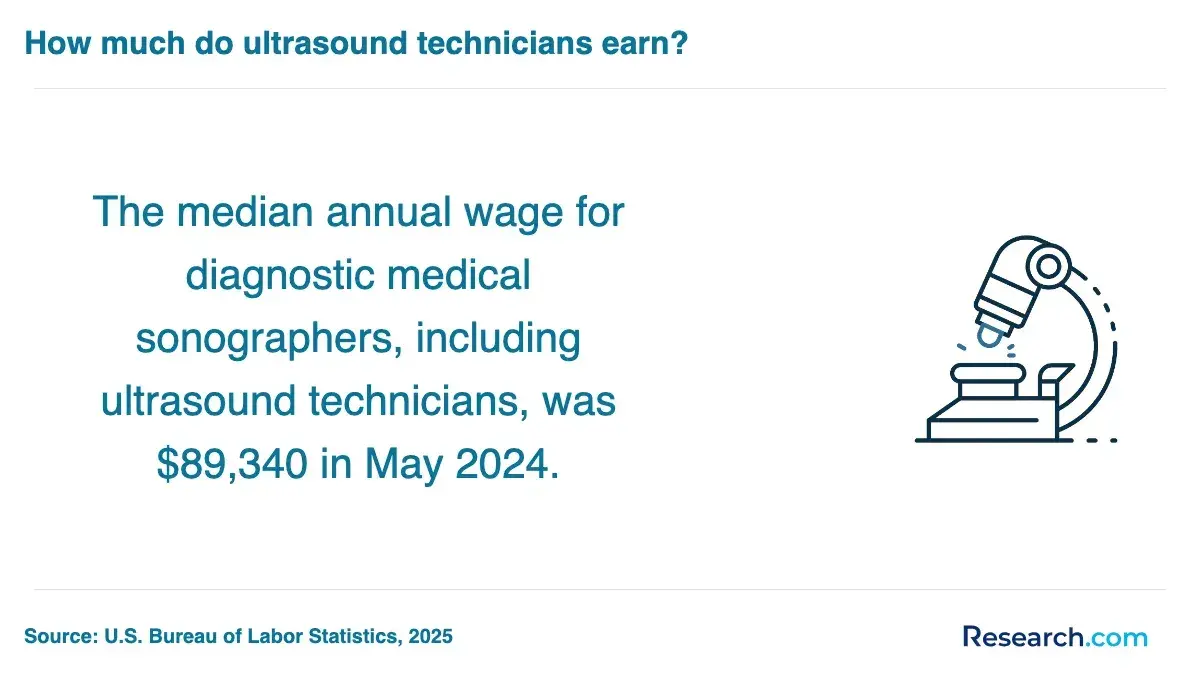
Salaries in Pennsylvania closely mirror local healthcare needs and regional economic factors, rewarding those who adapt to the varying demands of this vital profession. The image below provides a broader perspective by showing the median salary of ultrasound technicians across the United States for comparison.
What is the job outlook and demand for ultrasound technicians in Pennsylvania?
Employment for ultrasound technicians in Pennsylvania is set to grow by 17% through 2030, a rate that exceeds the national average and signals strong opportunities in the field. If you're considering this career, know that healthcare demand and technology trends in Pennsylvania are fueling a healthy job market for sonographers.
- Population Growth and Aging: Pennsylvania’s aging population increases the need for diagnostic imaging, as older adults require frequent medical assessments to monitor health conditions.
- Healthcare Expansion: The development of new clinics, hospitals, and outpatient centers across the state, especially in cities, is creating many new roles for ultrasound technicians.
- Technological Advancements: Cutting-edge ultrasound technologies, including 3D imaging and specialized procedures, open doors for technicians with advanced skills to thrive.
- Preventive Care Trends: Emphasis on early detection and routine screenings means ultrasound plays a greater role in healthcare, enhancing job stability for sonographers.
- Regional Demand Variations: Urban areas like Philadelphia and Pittsburgh offer more jobs and better pay, while rural areas face shortages, creating increased need for qualified professionals.
These factors combine to make ultrasound technology a reliable and expanding career path across Pennsylvania. An ultrasound technician from Pennsylvania, who graduated from a local school, shared her perspective on the job outlook. She described the process of entering the field as challenging yet rewarding, noting how the demand often means juggling a busy schedule but also feeling valued in patient care.
"There’s a constant need for skilled technicians, especially in less populated areas where finding qualified professionals can be tough," she said. She emphasized that advanced training helped her stand out and adapt to new technology, allowing her to enjoy both personal growth and job security in a field that truly makes a difference.
The chart below shows the states with the highest employment levels for ultrasound technicians, including Pennsylvania, providing a broader view of where opportunities are most concentrated.
What are the career advancement steps for ultrasound technicians in Pennsylvania?
Ultrasound technicians in Pennsylvania can unlock new career advancement opportunities by specializing in focused sonography areas, earning advanced certifications, or stepping into leadership roles. Building expertise and credentials not only increases professional value but also enhances job satisfaction and salary prospects within the state.
- Specialization: Focusing on specialties such as OB/GYN, vascular, or cardiac sonography allows technicians to master advanced clinical skills, making them indispensable to employers seeking expert knowledge in these areas.
- Advanced Certifications: Obtaining credentials from organizations like ARDMS, CCI, or ARRT demonstrates a higher level of proficiency, opening doors to better-paying positions and a wider array of job opportunities in Pennsylvania's healthcare market.
- Higher Education: Pursuing bachelor’s or master’s degrees in sonography or related health sciences broadens career prospects, including eligibility for management, education, or advanced clinical roles. Techs can explore easiest medical degree programs to support this journey.
- Leadership Roles: Seasoned technicians often move into supervisory or administrative roles, overseeing clinical operations or managing imaging departments in hospitals and clinics, which typically requires further education or relevant experience.
- Education and Training: Experienced sonographers can become instructors or clinical trainers, playing a critical role in shaping the next generation of ultrasound professionals and improving clinical standards statewide.
- Research or Technology Development: Technicians passionate about innovation may engage in medical imaging research, participate in clinical trials, or collaborate with manufacturers to advance ultrasound technology.
Embracing these paths for career advancement opportunities for ultrasound technicians in Pennsylvania not only boosts earning potential—the average salary is $98,509 as of August 2025—but also expands their professional impact on patient care and the medical community throughout the state.
What are the common challenges ultrasound technicians face in Pennsylvania?
Facing the challenges ultrasound technicians encounter in Pennsylvania prepares you to build a resilient and rewarding career. Awareness of these obstacles helps tackle sonographer burnout in Pennsylvania and equips you with strategies to maintain your well-being and professional growth.
- Physical Strain and Ergonomics: Repetitive scanning, awkward postures, and long hours often cause musculoskeletal injuries, leading to chronic pain for many sonographers.
- Emotional Stress: Supporting patients through difficult diagnoses and sensitive situations can be emotionally taxing, increasing the risk of burnout.
- Workload and Staffing Shortages: Heavy caseloads coupled with limited staff pressure technicians to work extended hours, heightening stress and fatigue.
- Certification and Continuing Education Requirements: Balancing the demand to keep credentials current with a full workload requires careful time and financial management.
- Technology Adaptation: Rapid advancements in ultrasound equipment and digital systems demand ongoing learning and skill updates.
- Job Market Competition: Variations in regional demand mean urban centers offer more opportunities, while rural areas might face slower career growth.
By understanding these challenges, you can proactively seek solutions and support, ensuring success in this evolving field. For those exploring career options, consider how staying informed and adaptable will help you thrive in Pennsylvania’s healthcare environment. Learn more about career options for medical sonographers to plan your path effectively.
How Can Professional Networking and Industry Resources Boost Your Professional Practice?
Ultrasound technicians can enhance their competitive edge by engaging with professional associations, mentorship programs, and specialized workshops designed to keep them updated with industry innovations and evolving clinical standards. Building a robust professional network facilitates access to insider insights, advanced training opportunities, and collaborative problem-solving strategies that address both technical challenges and workflow optimization. Additionally, diversifying one’s skillset through targeted exposure to other healthcare roles—such as exploring pathways like how to become a nurse midwife in Pennsylvania—can further enrich clinical expertise and open new avenues for interdisciplinary collaboration.
What do ultrasound technicians in Pennsylvania say about their career?
- Completing my ultrasound technician program at Harrisburg Area Community College was a pivotal moment in my life. The hands-on training and supportive faculty prepared me well to begin my career at a local school, where I quickly found joy in helping students understand the importance of health screenings. Pennsylvania’s strong healthcare network provided plenty of job stability and growth opportunities, which gave me confidence moving forward. I’m proud to be part of a profession that impacts community health so directly and positively. Karl
- After graduating from Community College of Philadelphia’s ultrasound program, I started working at a local academic institution, which gave me unique insights into how ultrasound imaging assists young patients through early diagnosis. The cultural diversity here in Pennsylvania has enriched my professional experience, allowing me to connect with families from many backgrounds. Reflecting on my journey, I value the personal growth I’ve made—gaining technical skills alongside deepened empathy for the people I serve. This career has been both challenging and incredibly rewarding. Chloe
- Training at the University of Pittsburgh’s ultrasound program opened doors to advanced professional development options that I’ve eagerly pursued. Working within Pennsylvania’s healthcare system has offered me unique opportunities to contribute to community wellness in both urban and rural settings. I really appreciate how this career encourages continuous learning and specialization, which keeps me motivated every day. Knowing that my work supports young people’s health and well-being in this state fills me with purpose and pride. Diego
Related Articles for Nearby States
- 2027 How to Become an Ultrasound Technician in New Jersey
- 2027 How to Become an Ultrasound Technician in Delaware
- 2027 How to Become an Ultrasound Technician in Maryland
- 2027 How to Become an Ultrasound Technician in New York
- 2027 How to Become an Ultrasound Technician in West Virginia
- 2027 How to Become an Ultrasound Technician in Ohio
- 2027 How to Become an Ultrasound Technician in Virginia
- 2027 How To Become an Ultrasound Technician in Connecticut
- 2027 How to Become an Ultrasound Technician in Rhode Island
- 2027 How to Become an Ultrasound Technician in Massachusetts
References:
- Callis, S. (n.d.). Sonography Career Paths. ultrasoundschoolsinfo.com.
- CareerExplorer. (2023, October 10). Diagnostic medical sonographer salary. careerexplorer.com.
- HACC. (n.d.). Diagnostic Medical Sonography (3426). hacc.edu.
- Health Carousel Nursing and Allied Health. Is Sonography Job Demand on the Rise? hctravelnursing.com.
- Lehigh Valley Health Network. (2025, January 28). Ultrasound technologist. lvhn.org.
- Saint Joseph’s University. (2025, September 25). Diagnostic Medical Sonography Associate Degree. sju.edu.
- Talent.com. (n.d.). Salary in United States of America — Average salary. talent.com.
- Zippia. (2025, January 8). Ultrasound Technologist Demographics and Statistics [2025]: Number of ultrasound technologists in the US. zippia.com.
Other Things You Should Know About Becoming an Ultrasound Technician in Pennsylvania
Becoming an ultrasound technician in Pennsylvania typically takes about two years. This includes completing an accredited associate degree program in diagnostic medical sonography. Some may choose a four-year bachelor's degree, which extends the time needed for education.
Completing an online ultrasound technician program can be a viable pathway to qualify for a career in Pennsylvania, provided the program is accredited and includes necessary clinical training components. While theoretical coursework can be completed online, hands-on clinical experience is essential and must be completed in person to meet certification and state requirements.
Pennsylvania requires ultrasound technicians to obtain certification, typically through the American Registry for Diagnostic Medical Sonography (ARDMS), which mandates documented clinical experience that cannot be earned solely online. Therefore, prospective students should ensure their online program offers a hybrid structure with an in-person clinical component to fully prepare them for certification and employment within the state.
In 2027, aspiring ultrasound technicians in Pennsylvania should complete an accredited diagnostic medical sonography program, typically 2 years. Afterward, obtaining professional certification from the American Registry for Diagnostic Medical Sonography (ARDMS) or a similar organization is recommended, even if not state-mandated, to enhance employability.


