
2027 How to Become a Mechanic in Oklahoma: Requirements & Certification

Co-Founder and Chief Data Scientist
In Oklahoma, nearly 15% of automotive service technician positions remain unfilled, highlighting a significant shortage of qualified mechanics in the state. This gap poses challenges for both employers and individuals seeking stable, skilled employment in the automotive repair industry. Understanding the specific steps, certifications, and training requirements is crucial for anyone aiming to build a successful career as a mechanic in Oklahoma.
This article, prepared by experts in career planning, offers a comprehensive guide on how to become a mechanic in Oklahoma. It details educational pathways, licensing procedures, and job market insights to help you navigate and overcome these challenges effectively.
Key Things to Know About Becoming a Mechanic in Oklahoma
- The mechanic job market in Oklahoma is projected to grow by 3% from 2022 to 2032, which is as fast as the national average for all occupations.
- The median annual salary for automotive service technicians in Oklahoma is approximately $42,000, slightly below the national median but competitive within the region.
- Most accredited mechanic training programs in Oklahoma require 6 to 12 months to complete, combining classroom instruction with hands-on experience to prepare students for ASE certification.
- What are the steps to become a mechanic in Oklahoma?
- What training and education options are available in Oklahoma?
- Do you need certifications to work as a mechanic in Oklahoma?
- How long does it take to become a mechanic in Oklahoma?
- How much does it cost to become a mechanic in Oklahoma?
- What job opportunities are available for mechanics in Oklahoma?
- Is it advantageous to diversify your skills into related technical fields?
- What alternative technical careers can mechanics pursue in Oklahoma?
- How Can Business Skills Enhance Your Automotive Career in Oklahoma?
- How Will Emerging Automotive Technologies Impact Mechanic Careers in Oklahoma?
- Could pursuing parallel technical careers enhance your long-term career resilience in Oklahoma?
- How much do mechanics make in Oklahoma?
- What tools and skills do mechanics need to succeed?
- What are the career growth opportunities for mechanics in Oklahoma?
- What are the pros and cons of becoming a mechanic in Oklahoma?
What are the steps to become a mechanic in Oklahoma?
Becoming a mechanic in Oklahoma involves taking the following steps:
- Complete Your High School Education or Equivalent: A high school diploma or GED is generally required by employers and forms the foundation for further training. Participating in automotive programs through organizations like Automotive Youth Educational Systems (AYES) during high school can provide early exposure and improve job prospects.
- Enroll in a Technical or Community College Program: Consider attending institutions such as Tulsa Technology Center or Moore Norman Technology Center, which offer two-year programs focused on automotive service technology. These programs teach essential diagnostic and repair skills, preparing you for real-world challenges and certification exams.
- Gain Practical Experience Through Apprenticeships or Entry-Level Jobs: Hands-on training at repair shops or dealerships is critical. This experience helps you develop skills beyond the classroom and is often necessary for passing certification tests and becoming a competent mechanic.
- Obtain ASE Certification: Although not required by law, Automotive Service Excellence (ASE) certification is highly valued by Oklahoma employers. It requires passing specialized exams, demonstrating relevant work experience, and renewing credentials every five years. Focus on certifications relevant to local needs, such as air conditioning and suspension systems.
- Maintain a Valid Driver’s License: Since testing vehicles is part of the job, a current driver’s license is essential. Ensure you meet this requirement early to avoid delays entering the field.
- Engage in Continuing Education: Mechanics working in specialized trades must complete at least six hours of continuing education every three years. Staying updated on new automotive technologies, especially electric and hybrid systems, will enhance your career longevity and opportunities.
- Network and Specialize Strategically: Join local automotive associations and focus on specializations like diesel or agricultural equipment repair to meet Oklahoma’s industry demands. Staying connected with industry events and training programs keeps your skills current and relevant.
What training and education options are available in Oklahoma?
Oklahoma offers a variety of practical pathways for those interested in automotive careers, combining hands-on training with certification opportunities. Selecting the right program depends on individual goals, timeline, and desired depth of expertise.
- Tulsa Technology Center provides a two-year Automotive Service Technician program available to high school students and adults, focusing on advanced diagnostics and repair across multiple vehicle systems.
- Oklahoma Technical College offers an accelerated 8-month program emphasizing hands-on lab work and covers essential areas like engine repair, transmissions, brakes, and electrical systems. Graduates also receive an entry-level toolkit to start their careers effectively.
- Francis Tuttle Technology Center delivers comprehensive automotive service technology training, teaching maintenance, diagnostics, and repair techniques for various vehicle components.
- Moore Norman Technology Center prepares students specifically for ASE certifications, integrating the latest diagnostic technologies to enhance employability.
- High school students can begin early with Automotive Youth Educational Systems (AYES) certified programs, which provide foundational training and potential entry-level job opportunities upon graduation.
- While not located in Oklahoma, Lincoln Tech in nearby Texas offers a specialized BMW MINI Service Technician Education Program (MINI STEP) for qualified students seeking manufacturer-specific training.
When researching automotive service technology schools in Oklahoma, consider program duration, hands-on training availability, and alignment with ASE certification preparation. These factors influence readiness for the workforce and long-term career growth. For those exploring career returns, it’s helpful to understand what is highest paying trade school career opportunities available in this field.
Do you need certifications to work as a mechanic in Oklahoma?
Oklahoma does not have formal mechanic certification requirements at the state level, which means no license is legally required to work as a mechanic here. However, employers typically expect candidates to have industry-recognized credentials, making certification a practical necessity for job seekers.
Start by completing your high school education or obtaining an equivalent diploma. Next, enroll in a technical program or community college. Oklahoma City Community College, for instance, offers courses designed to prepare students for ASE certification, which is highly valued in the industry.
Gaining hands-on experience through apprenticeships or entry-level mechanic positions is essential. This practical work builds the skills needed to pass ASE certification exams, which cover multiple automotive specialties. While Oklahoma does not require a license to be a mechanic in Oklahoma, passing these exams can significantly increase your job prospects and earning potential.
After meeting the experience requirements and passing ASE tests, maintain your certification by recertifying every five years to stay current with evolving automotive technologies. Pursuing additional specialized certifications can further enhance your career opportunities.
For those seeking a clear path, combining formal education, practical experience, and ASE certification provides a strong foundation. If you want to explore related career paths or understand other vocational requirements, consider reviewing the requirements to become an HVAC technician, which shares similar steps for professional development.
How long does it take to become a mechanic in Oklahoma?
Becoming a mechanic in Oklahoma typically takes less than a year of formal training, but gaining full certification and experience requires additional time. Most students complete a technical program in about 8 months, combining classroom learning with hands-on practice to develop essential skills.
After finishing school, new mechanics usually start in entry-level positions, building practical experience on the job. ASE certification, a widely recognized credential, generally demands two years of combined work and formal training. This certification process validates expertise in areas like engine repair and electrical systems, which can lead to better job opportunities.
Some individuals speed up this timeline by enrolling in intensive programs that focus heavily on practical skills, allowing them to enter the workforce sooner. Working part-time in auto shops while studying is another way to gain experience concurrently, helping meet ASE certification requirements more quickly. Manufacturer-specific training at dealerships also offers targeted credentials that enhance employability.
One Oklahoma mechanic recalled the challenge of juggling night classes and weekend shifts at a dealership, describing the experience as “exhausting but rewarding.” The program’s practical labs pushed him beyond his comfort zone, yet completing it gave him confidence to tackle complex repairs and stand out in a competitive job market.
Choosing accredited schools aligned with industry standards ensures that the education received matches employer expectations. Staying current through continuing education is essential due to rapid changes in automotive technology, especially with hybrids and electric vehicles becoming more common.
How much does it cost to become a mechanic in Oklahoma?
Training to be a mechanic in Oklahoma typically costs between $15,000 and $25,000, depending on the program length and institution. Here’s a practical breakdown of the main expenses involved in pursuing automotive technician training tuition Oklahoma programs.
- Tuition: Public technical centers like Tulsa Technology Center may offer free tuition for high school students, while private colleges charge for accelerated programs lasting 8 months to 2 years.
- Tools and Equipment: Expect to spend $1,000 to $5,000 on professional-grade tools, though some schools provide starter toolkits upon program completion.
- Books and Materials: Textbooks and digital resources can add to costs; Tulsa Tech includes these for some students, reducing this expense.
- Certification Fees: ASE certification exams cost about $47 per test plus a $34 registration fee; multiple tests are common for full certification.
- Uniforms and Safety Gear: Budget $200 to $300 for required shop clothes, safety glasses, and steel-toed boots.
- Living and Transportation: Commuting or housing costs vary based on location and personal circumstances.
To manage these costs effectively, start training early through free high school programs and compare different schools for the best value. Exploring paid apprenticeships or employer tuition assistance can also reduce out-of-pocket expenses. Building fundamental certifications first allows you to work while advancing your skills.
Mechanic training is an investment that supports a stable career path with growing demand. For those interested in a career in mechanical engineering and related fields, gaining practical automotive skills offers a solid foundation.
What job opportunities are available for mechanics in Oklahoma?
Oklahoma offers a lot of job opportunities for mechanics, and these opportunities encompass various specialty areas and industries. These include:
- Automotive Technicians and Mechanics: Oklahoma’s automotive sector offers numerous openings for skilled technicians, particularly in urban centers like Oklahoma City. Job seekers should focus on gaining diagnostic and repair expertise for cars and light trucks, as this specialization represents the bulk of available roles. A local mechanic recalls that securing a position required persistence through multiple interviews and demonstrating hands-on skills, which eventually led to steady employment despite a competitive market.
- Diesel and Heavy Equipment Mechanics: Positions in this area are heavily influenced by Oklahoma’s agricultural and energy industries. Employers prioritize candidates with at least three years of experience and specialized knowledge in engine overhauls and electrical systems. Those willing to work in rural or industrial settings will find consistent demand. One mechanic described the challenge of adapting to varied equipment types but praised the higher pay and job stability that came with mastering these skills.
- Auto Body and Collision Repair Technicians: Due to frequent severe weather, auto body repair specialists are essential in Oklahoma. Technicians who stay updated on hail and tornado damage repair methods are highly sought after. Entry-level job seekers can enter this field by focusing on practical skills and pursuing certifications that validate their expertise.
- Fleet, Government, and Military Vehicle Mechanics: Mechanics interested in structured schedules and benefits should consider government or military roles, especially near installations like Tinker Air Force Base. These jobs often require security clearances and specialized certifications. A mechanic shared how obtaining clearance was a rigorous process but opened doors to premium positions with reliable benefits.
- Entry-Level and Apprentice Mechanics: Many employers across Oklahoma welcome entry-level mechanics, providing on-the-job training to develop core skills. Networking locally and attending job fairs can reveal unadvertised openings. Those starting out should emphasize a strong work ethic and willingness to learn, which employers value highly. For individuals new to the field, completing an automotive degree can be a strategic first step.
Is it advantageous to diversify your skills into related technical fields?
Mechanics who broaden their expertise by exploring related technical fields can access additional career opportunities and enhance job security. In Oklahoma, combining automotive proficiency with complementary skills—such as HVAC system maintenance—can create a competitive edge in a dynamic labor market. Cross-training can serve as a strategic move to adapt to evolving industry demands and open pathways to roles that require multi-disciplinary knowledge. For detailed information on pursuing these hybrid qualifications, learn from our guide detailing how to get HVAC license in Oklahoma.
What alternative technical careers can mechanics pursue in Oklahoma?
Mechanics with hands-on technical expertise may consider branching into other specialized fields to diversify their career paths and expand their skill sets. For example, leveraging their experience in troubleshooting complex systems can ease the transition into emerging sectors such as automotive electronics, renewable energy installations, or industrial maintenance. This diversification can provide additional job security and open avenues that complement traditional mechanical roles. Interested professionals might explore how to become an electrician in Oklahoma as an alternative that capitalizes on technical proficiency with a focus on electrical systems and modern vehicle technology.
How Can Business Skills Enhance Your Automotive Career in Oklahoma?
Mechanics aiming to advance their careers beyond technical roles may benefit from business management competencies. Leveraging skills in finance, marketing, and strategic planning can optimize operations, improve customer service, and foster business growth—whether managing an existing facility or launching an independent repair shop. For mechanics considering entrepreneurial ventures or leadership positions, integrating business acumen with hands-on expertise is a strategic advantage. Explore insights at the top business schools in Oklahoma to acquire a competitive edge.
How Will Emerging Automotive Technologies Impact Mechanic Careers in Oklahoma?
Advancements in vehicle electronics, electric drivetrains, and computerized diagnostics are reshaping the automotive repair landscape in Oklahoma. Modern mechanics must adapt to new methodologies involving hybrid systems, digital diagnostics, and integrated safety features that require ongoing technical training and agile problem-solving skills. Staying current with these trends is essential to maintain competitiveness in a market that increasingly values specialized expertise. For professionals considering supplementary technical fields as a pathway to diversify their skill set, exploring Oklahoma ultrasound technician requirements can offer additional perspectives on continually evolving industry standards.
Could pursuing parallel technical careers enhance your long-term career resilience in Oklahoma?
Expanding your technical expertise can serve as a strategic safeguard against fluctuations in the automotive industry and evolving regulatory demands. Diversifying your skill set may open access to complementary fields that offer stable career prospects and new learning opportunities. For instance, exploring adjacent technical domains can provide an alternative pathway if market conditions or industry regulations shift unexpectedly. Consider reviewing how to become a radiology technician in Oklahoma as one such opportunity to broaden your professional portfolio without compromising on specialized training.
How much do mechanics make in Oklahoma?
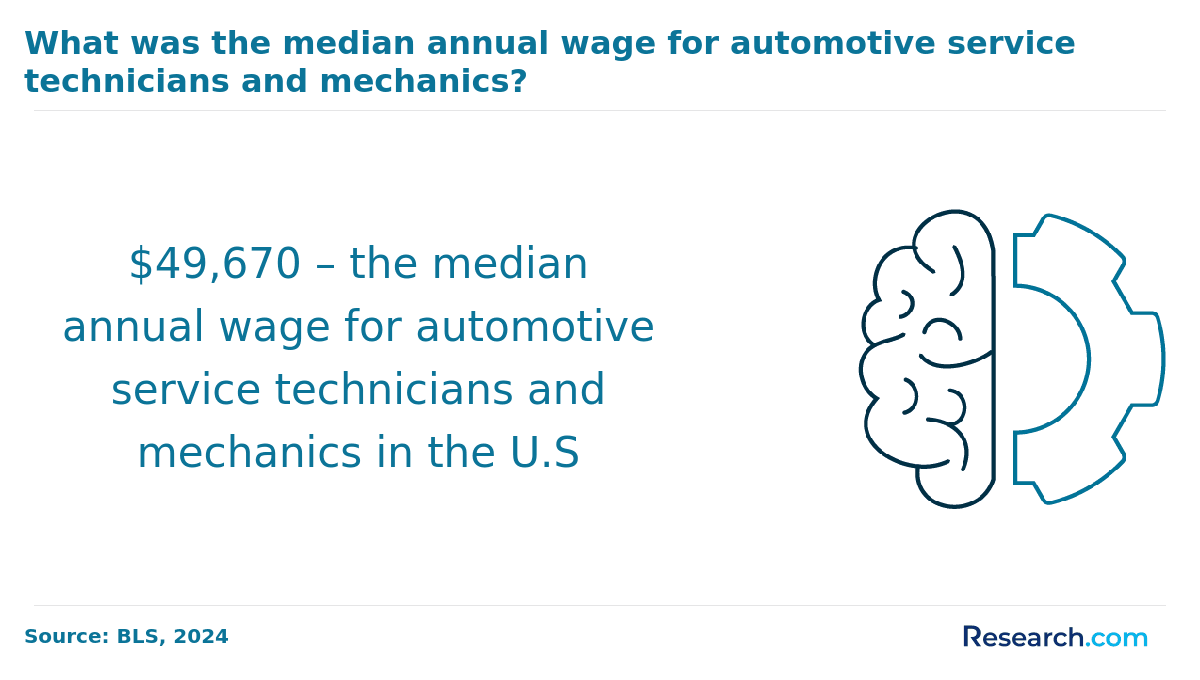
Mechanics in Oklahoma earn an average salary ranging from $44,945 to $50,249 annually, with typical hourly wages around $24. This pay scale reflects regional demand and the cost of living, which is lower than many other states.
To improve earnings, consider these practical steps:
- Gain experience and pursue certifications like ASE to move into higher-paying roles.
- Specialize in areas like diesel engines or hybrid vehicles to command better wages.
- Target employment with larger dealerships or fleet companies that tend to offer higher salaries.
- Seek opportunities in urban centers such as Oklahoma City or Tulsa, where wages and overtime pay often exceed rural areas.
- Negotiate for overtime hours or less conventional shifts to boost annual income by $5,000 to $7,000 or more.
The average mechanic salary in Oklahoma is about 24% below the national average, but this is balanced by the state’s lower living costs. For those unsure about education paths, understanding the differences between trade school and college can help in choosing the best route to enter the profession.
In summary, how much do auto mechanics make in Oklahoma depends largely on skills, certifications, workplace, and willingness to work overtime. Strategically focusing on these areas will help maximize earning potential in the state’s automotive repair sector.
What tools and skills do mechanics need to succeed?
Success as an automotive mechanic in Oklahoma requires a combination of practical skills, formal training, and industry awareness. Building a solid foundation will increase employability and career growth potential.
Key tools and skills to develop include:
- Proficiency with diagnostic equipment to identify vehicle issues accurately and efficiently.
- Strong understanding of engine systems, brakes, transmissions, and electrical components to perform a wide range of repairs.
- Ability to read and interpret technical manuals and wiring diagrams essential for troubleshooting complex problems.
- Hands-on experience gained through trade school programs or apprenticeships to sharpen repair and maintenance techniques.
- Familiarity with safety protocols and environmental regulations to maintain a safe workplace and comply with state laws.
- Effective communication skills to explain repairs and costs clearly to customers and team members.
- Continuous learning mindset to stay updated on the latest automotive technologies, including hybrid and electric vehicles.
- Time management skills to handle multiple repair orders and meet deadlines in busy shop environments.
- Certification preparation, such as ASE (Automotive Service Excellence), to validate expertise and enhance job prospects.
- Networking with local employers and trade associations to uncover job opportunities and advance professionally.
What are the career growth opportunities for mechanics in Oklahoma?
Mechanics in Oklahoma have many opportunities for career growth, especially those who pursue specialization, certifications, and continued education. Here's an overview of how a mechanic can advance their career in the state:
- Growing Demand in Automotive Repair and Maintenance: Oklahoma's economy supports steady demand for automotive mechanics due to widespread vehicle use across urban and rural areas. To capitalize on this, focus on gaining certifications such as ASE (Automotive Service Excellence) that validate your skills and increase employability.
- Specialize in Emerging Automotive Technologies: The rise of electric vehicles (EVs) and advanced driver-assistance systems (ADAS) in Oklahoma creates new opportunities. Pursue training programs or workshops specifically in hybrid and electric vehicle maintenance to position yourself ahead of traditional mechanics.
- Gain Experience Through Apprenticeships and Entry-Level Positions: Start with entry-level roles or apprenticeships in local repair shops or dealerships to build practical skills. Hands-on experience paired with formal education is essential for career advancement and higher wages in Oklahoma's competitive automotive service market.
- Consider Geographic Mobility Within the State: Urban centers like Oklahoma City and Tulsa offer more advanced repair facilities and diverse job openings, often with better pay. However, rural areas may have less competition and more stable positions. Evaluate your willingness to relocate based on these trade-offs.
- Stay Current with Continuing Education: The automotive field evolves rapidly. Commit to ongoing learning through certification renewals, manufacturer-specific training, and industry seminars. This dedication ensures your skills remain relevant and supports long-term career growth in Oklahoma’s automotive sector.
- Explore Opportunities in Specialty Services: Beyond standard repairs, specialization in areas such as diesel engines, fleet maintenance, or performance tuning can create niche career paths. Seek certifications and experience in these specialties to increase your market value and job security.
What are the pros and cons of becoming a mechanic in Oklahoma?
Considering a career as a mechanic in Oklahoma involves weighing practical factors that affect job stability and growth potential. Here are key pros and cons to guide your decision-making.
Pros
Oklahoma’s automotive service industry benefits from steady demand due to the state’s large rural areas and reliance on personal vehicles. This creates consistent job opportunities for skilled mechanics. Training programs and trade schools in the state offer accessible pathways to certification and hands-on experience, making entry into the field feasible without a four-year degree. Mechanics in Oklahoma often enjoy competitive wages relative to the local cost of living, providing financial stability. Additionally, the growing use of advanced automotive technologies means mechanics who invest in ongoing training can increase their earning potential and job security.
Cons
Mechanics may face challenges from fluctuating economic conditions that impact vehicle maintenance budgets, especially in rural areas with lower average incomes. The physical demands of the job can lead to long-term health issues if proper safety measures are not followed. Entry-level wages may be modest until experience is gained, which can be a barrier for some. Furthermore, competition from dealerships and national chains can pressure independent shops, potentially limiting career advancement opportunities in smaller communities. Finally, rapid technological changes require continuous learning, which may be difficult without employer support or personal resources.
Here's What Mechanics Have to Say About Their Career in Oklahoma
- Enrolling in the Oklahoma CareerTech vocational program gave me hands-on experience that textbooks can’t match. Working directly on engines and transmissions helped me build confidence and practical skills that employers value. The structured environment made learning challenging but rewarding. Phil
- The nonprofit program I joined in Tulsa provided not just training but also a supportive community of mentors and peers. Practicing diagnostics and repairs on real cars made me appreciate the precision and problem-solving involved in automotive mechanics. It’s fulfilling to see the results of my work improving vehicle safety. Bert
- Participating in the Oklahoma state apprenticeship program allowed me to rotate through various auto shops, gaining diverse experiences. The chance to practice different specialties like brake systems and electrical work gave me a broad understanding of the trade. This hands-on approach helped me prepare for a steady career in automotive repair. Lee
Related Articles for Nearby States
- 2027 How to Become a Mechanic in Texas: Requirements & Certification
- 2027 How to Become a Mechanic in Kansas: Requirements & Certification
- 2027 How to Become a Mechanic in Arkansas: Requirements & Certification
- 2027 How to Become a Mechanic in Missouri: Requirements & Certification
- 2027 How to Become a Mechanic in Colorado: Requirements & Certification
- 2027 How to Become a Mechanic in New Mexico: Requirements & Certification
- 2027 How to Become a Mechanic in Nebraska: Requirements & Certification
- 2027 How to Become a Mechanic in Louisiana: Requirements & Certification
- 2027 How to Become a Mechanic in Iowa: Requirements & Certification
- 2027 How to Become a Mechanic in Mississippi: Requirements & Certification
References:
- Herald-Tribune. (2018, July 31). Learn to be an automotive technician and get paid while you do it. heraldtribune.com.
- MetroTech. (n.d.). Automotive Service Technician. metrotech.edu.
- O*NET OnLine. Oklahoma Employment Trends | 49-3023.00 - Automotive Service Technicians and Mechanics.
- Oklahoma City Community College. (n.d.). Automotive Technology. OCCC.
- Oklahoma Technical College. (n.d.). Automotive Technician Training. oklahomatechnicalcollege.com.
- Universal Technical Institute. (2025, March 5). 7 Steps To Become an Auto Mechanic. UTI.
Other Things You Should Know About Becoming a Mechanic in Oklahoma
Yes, you can get paid while training to become a mechanic in Oklahoma, primarily through paid apprenticeships and entry-level roles that combine on-the-job training with compensation. Apprentices typically earn between $17.50 and $19.98 per hour, with some making as much as $28.46, while entry-level positions like shop helpers or lube technicians usually pay around $15 to $18 per hour.
In 2026, you generally need to be at least 18 to start formal training to become a mechanic in Oklahoma. However, some high school programs or internships may allow participation at a younger age with parental consent.


