
2027 How to Become an HVAC Tech in Idaho

Co-Founder and Chief Data Scientist
Becoming an HVAC technician in Idaho offers a rewarding career path filled with opportunities for growth and stability. With Idaho’s diverse climate, skilled HVAC professionals are in steady demand to install, maintain, and repair heating and cooling systems, ensuring comfort year-round.
The state’s expanding construction industry and focus on energy efficiency create a favorable job market for those entering this field. Pursuing HVAC certification and training in Idaho equips you with practical skills tailored to local needs, setting a strong foundation for success. This article will guide you through essential steps and resources to help you confidently embark on your HVAC career journey.
Key Things to Know About Becoming an HVAC Tech in Idaho
- Idaho's HVAC job market is growing steadily, driven by new construction and maintenance demands, offering strong employment opportunities for skilled technicians.
- The average salary for HVAC techs in Idaho is around $50,000 annually, with potential increases as experience and certifications grow.
- Idaho’s affordable living and expanding economy make it an ideal place to launch an HVAC career, combining work-life balance with professional growth.
- What are the educational requirements to become an HVAC Tech in Idaho?
- Which schools in Idaho offer HVAC programs?
- What skills do you need to become an HVAC Tech in Idaho?
- What are the requirements for HVAC licensure in Idaho?
- What is the licensing process for HVAC technicians in Idaho?
- How long does it take to become an HVAC tech in Idaho?
- Will an HVAC license from Idaho allow you to work in other states?
- How Can HVAC Technicians Diversify Their Skill Set for Better Career Opportunities?
- How much do Idaho HVAC technicians earn?
- Can HVAC Technicians Transition into Entrepreneurship?
- Is there a demand for HVAC technicians in Idaho?
- What financial assistance options are available for HVAC training in Idaho?
- Is Idaho a good place to work as an HVAC tech?
- What are the long-term career growth opportunities for HVAC techs in Idaho?
- Are there opportunities for continuous learning and certifications in Idaho?
What are the educational requirements to become an HVAC Tech in Idaho?
Becoming an HVAC technician in Idaho involves a clear set of educational and practical steps designed to equip you with the necessary skills and knowledge. Below is an outline of the essential requirements to help you start your career on the right foot.
- Obtain a high school diploma or GED: This foundational credential demonstrates your basic academic skills, which are vital for understanding technical concepts in HVAC systems.
- Enroll in an accredited HVAC training program: These programs, offered by technical schools, community colleges, or trade institutions, cover core subjects such as refrigeration, electrical systems, heating, ventilation, and safety protocols. Pursuing recognized HVAC training programs in Idaho will enhance your knowledge and job prospects.
- Complete an apprenticeship for hands-on experience: Apprenticeships combine paid on-the-job training with classroom instruction, typically lasting three to five years. This real-world experience is crucial for developing practical skills and industry readiness.
While Idaho does not mandate an HVAC license to practice, many employers favor candidates who have completed accredited training and apprenticeships. This pathway aligns well with the state’s focus on practical skills over formal licensing.
For those curious about career outcomes, exploring trade school salaries can provide valuable insight into the financial benefits of skilled trades like HVAC. By following these steps with dedication, you can build a strong foundation for a rewarding career in this growing field.
Which schools in Idaho offer HVAC programs?
For those seeking the best HVAC training programs Idaho has to offer, several well-established schools provide comprehensive education and hands-on experience essential for a successful career. These programs prepare students to meet the demands of Idaho’s climate while advancing their technical skills.
- College of Southern Idaho: This program covers refrigeration, heating systems, electrical controls, and system troubleshooting with a strong emphasis on practical skills. The full course typically costs around $4,000 for in-state students, making it an accessible option for many aspiring technicians.
- North Idaho College: Offering an HVAC certificate program focused on installation, maintenance, and repair, this school prepares students for industry certifications. The curriculum also includes energy efficiency and safety standards, with in-state tuition generally around $3,500.
- Idaho State University: Their HVAC training integrates theory and applied learning, covering refrigeration cycles, electrical systems, and environmental regulations. This program is ideal for students aiming to deepen their technical knowledge while fulfilling state licensing requirements.
When researching HVAC certification schools in Idaho, it’s important to consider how each balances classroom instruction with real-world training. Hands-on experience is critical for mastering HVAC systems that must perform reliably in extreme heat and cold. For those wondering about career prospects, exploring high paying trade school jobs can provide valuable insight into the financial benefits of investing in quality HVAC education.
What skills do you need to become an HVAC Tech in Idaho?
To thrive as an HVAC technician in Idaho, you must develop a strong foundation of specialized skills tailored to the state’s diverse climate and regulatory landscape. These competencies are vital for ensuring reliable installation, maintenance, and repair of heating, ventilation, and air conditioning systems.
Essential skills include:
- Electrical Expertise: Understanding wiring and electrical components is crucial since HVAC systems rely heavily on electrical operations.
- Refrigerant Knowledge: Familiarity with refrigerants and adherence to Idaho’s environmental rules help guarantee safe handling and legal compliance.
- Blueprint Interpretation: The ability to read technical drawings and diagrams ensures accurate system installation and troubleshooting.
- Diagnostic Proficiency: Skillful use of specialized tools is necessary to detect and resolve system issues efficiently.
- Airflow and Ventilation Understanding: Grasping how air moves through spaces supports the optimization of indoor air quality and system performance.
Acquiring these skills through a combination of structured education, hands-on training, and real-world experience will prepare you to meet the demands of Idaho’s HVAC industry confidently and responsibly.
What are the requirements for HVAC licensure in Idaho?
Becoming a licensed HVAC technician in Idaho requires meeting a few essential requirements that ensure you are fully prepared for the challenges of this skilled trade. These requirements focus on practical experience, knowledge, and professionalism, which are critical for success in Idaho’s unique climate and building environment.
To guide you through how to get HVAC certification in Idaho, here are the key steps you need to fulfill:
- Four years of verified HVAC work experience: You must accumulate a minimum of four years of documented hands-on experience in the HVAC field, which develops your technical skills and problem-solving abilities.
- Passing the state-specific HVAC licensing exam: This exam assesses your understanding of Idaho’s codes, safety regulations, and technical standards tailored to the state’s climate and construction practices.
- Completion of a background check: Idaho requires a thorough background check to ensure your commitment to professionalism and public safety.
By focusing on these requirements with dedication, you position yourself well for a rewarding career in Idaho’s growing HVAC industry. If you’re exploring educational pathways, consider programs that offer practical training and align with these licensing prerequisites to maximize your success. Many aspiring technicians also explore certificate jobs that pay well to find opportunities that match their skills and career goals.
The chart below highlights the training mix already working in the field—about a third of HVAC techs hold an associate degree, another quarter start with only a high-school diploma, and the rest come from diplomas, bachelor’s, or other programs. It underscores that Idaho’s four-year, on-the-job experience pathway is flexible enough to accommodate whichever educational route you choose before sitting for the state exam.
What is the licensing process for HVAC technicians in Idaho?
Becoming a licensed HVAC technician in Idaho requires dedication and a clear understanding of the state’s specific requirements. This process ensures that only skilled professionals maintain the safety and efficiency of heating, ventilation, and air conditioning systems throughout Idaho’s unique climate.
- Application Submission: Begin by applying through the Idaho Division of Building Safety, providing detailed proof of your work experience or completion of an apprenticeship to demonstrate hands-on expertise.
- Licensing Examination: Prepare thoroughly for the state exam, which evaluates your knowledge of HVAC codes, safety protocols, and technical skills tailored to Idaho’s industry standards.
- Proof of Insurance: After passing the exam, submit evidence of liability insurance, a vital step that shows you are prepared to responsibly handle the risks involved in HVAC work.
- License Renewal and Continuing Education: Stay current by fulfilling continuing education requirements and renewing your license regularly, ensuring you keep pace with evolving technologies and regulations.
When I spoke with an experienced HVAC tech from Idaho about her journey, she reflected on the challenges and rewards of the licensing process. “The exam was intense, especially because it focuses on state-specific codes that you won’t find in general HVAC manuals,” she explained. She emphasized how the apprenticeship played a crucial role in building confidence, saying, “Hands-on work alongside seasoned technicians taught me nuances that no textbook could capture.” Obtaining liability insurance initially felt overwhelming, but she recognized its importance, noting, “It’s not just a formality; it really underscores the responsibility we carry every day.” For her, the ongoing education wasn’t a burden but an opportunity: “Renewing my license keeps me sharp and ready for Idaho’s diverse climate challenges.” Her story highlights that becoming an HVAC technician here is more than a checklist—it’s a commitment to mastery and professionalism in a demanding field.
How long does it take to become an HVAC tech in Idaho?
Embarking on a career as an HVAC technician in Idaho is a practical choice with clear steps and achievable goals. Understanding the time to become HVAC technician in Idaho helps you plan your path effectively.
- Education: 6 to 12 months – Complete a technical program or apprenticeship covering refrigeration, electrical systems, and safety protocols. These foundational skills are essential for your success and are often offered through various trade schools and online programs. For a comprehensive start, consider exploring a list of the best online HVAC trade schools.
- Internship: 12 to 18 months (about 2,000 hours) – Gain hands-on experience through supervised on-the-job training. This stage is critical to apply your knowledge in real-world situations and build confidence in your abilities.
- Licensing exam preparation and application: a few months – Prepare for and pass the Idaho HVAC technician trade exam, demonstrating your competency to obtain your license and begin your professional journey.
The Idaho HVAC tech training duration is typically between 1.5 to 2.5 years from start to finish. With commitment and persistence, you can enter a rewarding field in Idaho’s expanding HVAC industry.
Will an HVAC license from Idaho allow you to work in other states?
Achieving an HVAC license in Idaho marks a crucial step in your career, yet it’s key to realize that Idaho does not provide automatic license reciprocity with other states. This means holding an Idaho HVAC license won’t grant you immediate permission to work across state lines. However, many states acknowledge the quality of training Idaho technicians receive, which can work to your advantage if you’re willing to fulfill extra criteria. These usually involve:
- Passing the licensing exam specific to the new state
- Providing documentation of your Idaho license along with relevant work experience
- Completing any required state-mandated training or continuing education programs
Since licensing standards and procedures differ widely from state to state, it’s wise to thoroughly investigate each location’s requirements before making a move. Viewing these steps as opportunities for growth will enhance your skills and adaptability, ultimately making you a more versatile HVAC professional capable of thriving in diverse environments.
How Can HVAC Technicians Diversify Their Skill Set for Better Career Opportunities?
Expanding industry expertise can provide a competitive edge by integrating complementary skills that extend beyond core HVAC competencies. For example, acquiring electrical fundamentals—including safety protocols and wiring techniques—enhances problem solving and broadens service capabilities. This cross-training not only improves versatility in system integration and troubleshooting but also opens doors to advanced opportunities in high-demand sectors. For further guidance on diversification, review how to get electrician license in Idaho.
How much do Idaho HVAC technicians earn?
Becoming an HVAC technician in Idaho offers a rewarding career with a salary that reflects your growing expertise. Typically, entry-level technicians begin earning between $45,000 and $55,000 per year. As you gain experience and earn certifications, your earning potential can rise substantially. Skilled professionals who specialize in areas such as refrigeration or commercial HVAC systems often command higher wages.
Several factors play a role in determining your income as an HVAC tech in Idaho:
- Experience: Years spent honing your craft and obtaining advanced certifications can push your salary above $60,000 annually.
- Specialization: Focusing on in-demand sectors like industrial HVAC or energy-efficient solutions increases your value in the job market.
- Geographic location: Urban centers usually offer better pay due to higher demand and living costs.
By understanding these elements, you can strategically shape your career path, prioritizing skill development that enhances your marketability and leads to greater financial rewards within Idaho’s expanding HVAC field.
The bar chart below shows where HVAC techs nationwide pull in the best pay—wholesale-trade employers top the list at nearly $66 K, followed by school systems and retail operations just over $60 K. Lining these figures up against Idaho’s salary ranges helps pinpoint which industry niches can push your earnings toward the high end of the spectrum once you’ve built the experience and certifications outlined above.
Can HVAC Technicians Transition into Entrepreneurship?
HVAC professionals may leverage their technical expertise to establish their own businesses, thereby expanding their career paths beyond routine service and repair. A successful entrepreneurial transition requires a balance of hands-on HVAC skills and strategic business management, including budgeting, marketing, and leadership. Technicians who invest in developing these competencies can enhance customer satisfaction and profitability by offering comprehensive service solutions. For targeted business training that complements technical expertise, consider exploring the best business schools in Idaho.
Is there a demand for HVAC technicians in Idaho?
The demand for HVAC technicians in Idaho is steadily growing, making it an excellent time to enter this field. Job growth for HVAC professionals in Idaho is projected to rise faster than the national average, reflecting increased construction and the need for maintenance in both residential and commercial properties. This upward trend signals expanding opportunities for those ready to develop their skills and gain certification, especially as interest in HVAC technician job demand Idaho continues to rise.
Different types of HVAC specialists—such as installers, maintenance technicians, and system designers—may find varying levels of demand. For example, residential HVAC technicians are particularly sought after due to Idaho’s rapidly growing housing market, while commercial and industrial HVAC experts are also increasingly valued in urban centers like Boise. Aspiring technicians should consider specializing to align with these market needs and stay competitive in the evolving industry.
Overall, Idaho’s HVAC industry growth outlook is promising. With the state’s focus on energy efficiency and updated building codes, technicians who stay current with the latest technologies will be especially competitive. Those considering training might wonder, are online trade schools worth it as a pathway to certification. For anyone passionate about hands-on work and problem-solving, this field provides a rewarding path with clear demand for skilled professionals.
The visual below zooms out to the national picture—showing the 441,200 HVAC jobs the Bureau of Labor Statistics currently tallies across the U.S.—so you can see the sheer size of the field that Idaho’s own fast-growing market taps into. It’s a quick reminder that the local opportunities outlined above are driven by a much larger, nationwide demand for skilled technicians.
What financial assistance options are available for HVAC training in Idaho?
Prospective HVAC technicians in Idaho can benefit from various financial support mechanisms that alleviate training costs while positioning them for long-term career success. Options include scholarships specific to trade and technical education, state-funded grants, and employer-assisted tuition programs available through local unions or industry partnerships. Exploring alternative pathways such as paid apprenticeships can also ease the financial burden by combining hands-on work with structured learning. For a broader perspective on financing career transitions and technical training, review how to become an ultrasound technician in Idaho.
Is Idaho a good place to work as an HVAC tech?
Idaho offers a promising landscape for aspiring HVAC technicians seeking a rewarding career. The state’s affordable living costs combined with steady employment opportunities make it an appealing choice for professionals ready to invest in their future.
To embark on an HVAC career in Idaho, you’ll need to complete specialized training through a technical institute or community college and secure the necessary state licenses. This process involves passing exams and gaining hands-on experience, ensuring that technicians meet high standards and maintain professionalism throughout their careers.
Keep these factors in mind when considering Idaho as your base for HVAC work:
- Affordable Living: Idaho’s cost of living is below the national average, allowing your income to stretch further and improving your overall quality of life.
- Reliable Demand: Growth in residential housing and commercial projects fuels ongoing need for HVAC expertise, providing steady job prospects.
- Clear Licensing Path: State requirements are well-structured, balancing the need for competent technicians with attainable certification steps.
- Smaller Market Size: While fewer large employers exist compared to bigger states, this translates into less competition and more opportunities to establish yourself locally.
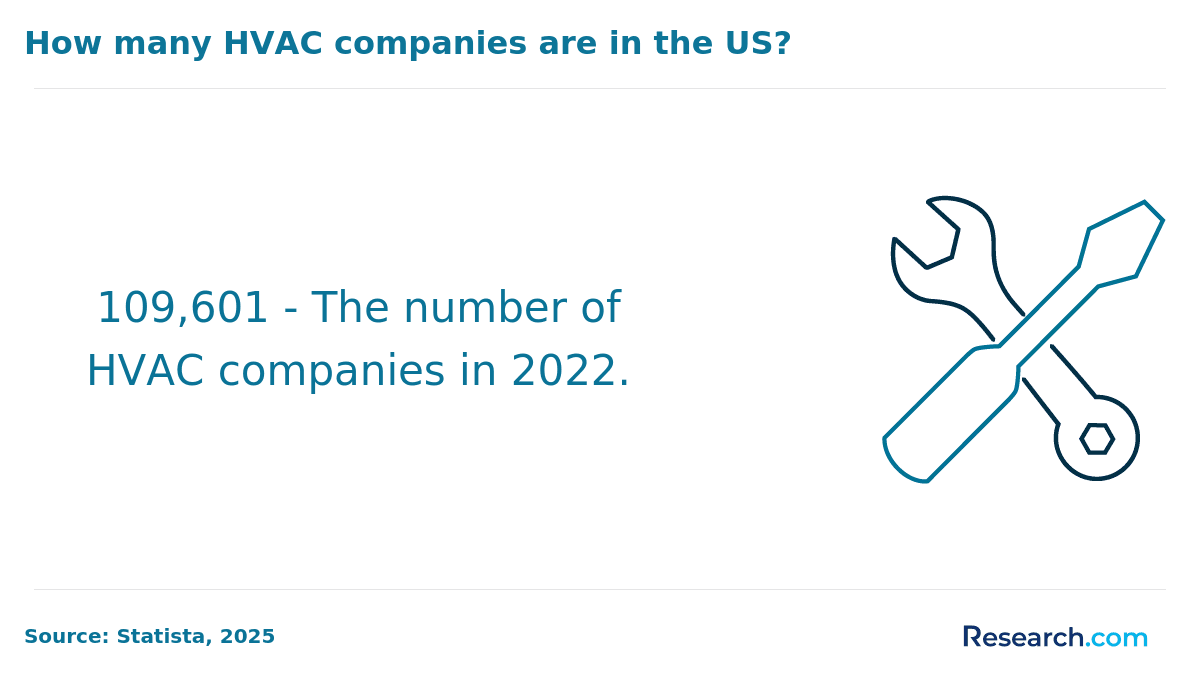
The graphic below widens the lens: with more than 109,000 HVAC companies operating nationwide, Idaho’s expanding market is part of a vast industry network—underscoring that the local opportunities and career stability outlined above draw strength from a robust, coast-to-coast demand for skilled technicians.
What HVAC Technicians in Idaho Say About Their Careers
- Working as an HVAC technician in Idaho has given me a strong sense of job security thanks to the steady demand in both residential and commercial sectors. The average salary here is competitive, which makes the long hours well worth it. I truly appreciate the balance between a good paycheck and a stable career path. Martin
- The diverse climate in Idaho means I face unique challenges that keep every project interesting and help me grow my skills constantly. From scorching summers to cold winters, each season demands different HVAC solutions, which has made my work incredibly rewarding. This variety keeps me passionate about what I do. Jonas
- Idaho offers excellent professional development opportunities, including specialized training programs and apprenticeships that helped advance my career quickly. The local industry groups are supportive and focused on continuous learning, which makes me confident about my future in this field. I feel proud to be part of a community that values skill and growth. Ravi
What are the long-term career growth opportunities for HVAC techs in Idaho?
Developing advanced expertise in HVAC not only increases technical proficiency but also opens doors to supervisory roles, project management, and business ownership. Experienced techs can transition into specialized fields such as renewable energy integration, system design consulting, or even instructor roles in technical training programs. Continuous education, obtaining advanced certifications, and staying updated on emerging technologies are critical in paving the way for career advancement. For individuals seeking to broaden their technical foundation, exploring how to become a mechanic in Idaho can provide complementary insights that further diversify skill sets and enhance overall career resilience.
Are there opportunities for continuous learning and certifications in Idaho?
Continuous professional improvement is crucial for maintaining competitive skills and adapting to evolving technologies in HVAC. Idaho-based technicians can benefit from advanced training programs, industry-specific workshops, and certifications that enhance technical proficiency and expand career prospects. These continued learning opportunities not only improve day-to-day performance but also align with industry standards and safety protocols. For professionals comparing qualification pathways, reviewing Idaho education requirements for radiologic technologist might provide additional perspective on structured training and certification processes in similarly technical fields.
Related Articles for Nearby States
- 2027 How to Become an HVAC Tech in Montana
- 2027 How to Become an HVAC Tech in Washington
- 2027 How to Become an HVAC Tech in Oregon
- 2027 How to Become an HVAC Tech in Nevada
- 2027 How to Become an HVAC Tech in Utah
- 2027 How to Become an HVAC Tech in Wyoming
- 2027 How to Become an HVAC Tech in California
- 2027 How to Become an HVAC Tech in Colorado
- 2027 How to Become an HVAC Tech in Arizona
- 2027 How to Become an HVAC Tech in New Mexico
References:
- 49dollaridahoregisteredagent.com. How to Get an Idaho HVAC License.
- Cwi.edu. HVAC Apprenticeship at CWI: Let's Get Started.
- Dopl.idaho.gov. Heating, Ventilation and Air Conditioning (HVAC) Board | Division of Occupational and Professional Licenses.
- Fieldpulse.com. HVAC License Reciprocity By State | FieldPulse.
- Hvaccertification.org. Idaho HVAC License, How to Get Your HVAC License in Idaho.
- Procore.com. Contractor License Reciprocity: Working Across State Lines | Procore.
- Rocketcert.com. Idaho HVAC License | ROCKETCERT.
- Service.works. Idaho HVAC License: How to Get Certified as an HVAC Contractor in ID – ServiceWorks Academy.
- Servicefolder.com. HVAC License Idaho – How To Get Your Idaho HVAC License?
- Ultimateelectriciansguide.com. Understanding Electrical License Reciprocity Across States – 2025.
- Workyard.com. HVAC Licenses and Certifications: What You Need to Start a Business in the U.S.
Other Things You Should Know About HVAC Tech in Idaho
To become an HVAC tech in Idaho in 2027, start by earning a high school diploma or GED. Then, complete an accredited HVAC training program, followed by passing the Idaho HVAC exam. Obtain your license through the Idaho Division of Building Safety and continue with ongoing education to stay current with industry standards.
To become an HVAC tech in Idaho in 2027, you'll typically need a high school diploma or GED followed by completion of a technical or community college program in HVAC technology. Some may opt for formal apprenticeships, which combine hands-on training with classroom instruction.


