
2027 How to Become an Electrician in Idaho

Co-Founder and Chief Data Scientist
Many young adults are unsure how to enter the workforce without taking on the burden of college debt. In Idaho, training to become an electrician offers a practical solution. The profession doesn’t require a traditional four-year degree, yet still offers strong job prospects, with employment projected to grow 8% through 2031—outpacing the average for all occupations.
In 2023, electricians in Idaho earned around $55,000 annually, making it a viable path to financial independence. For those seeking a career with hands-on work, job security, and room to grow, the electrician trade is a smart choice. This guide, prepared by experts in career planning, provides insights and tips on tow to get started on this field.
Key Things to Know About Becoming an Electrician in Idaho
- Electricians in Idaho must complete an apprenticeship program, typically lasting four years, combining paid on-the-job training with classroom instruction.
- The average annual salary for electricians in Idaho is approximately $55,000, slightly below the national average but competitive within the region.
- Job outlook for electricians in Idaho is positive, with steady growth driven by construction and maintenance demands in residential and commercial sectors.
- Licensing is required in Idaho, including passing a journeyman exam; continuing education ensures compliance with evolving electrical codes and safety standards.
- What education is required to become an electrician in Idaho?
- How do you get into an electrician apprenticeship program in Idaho?
- How much do electricians make in Idaho?
- What certifications do electricians need in Idaho?
- How long does an electrician apprenticeship take in Idaho?
- How much does electrician training cost in Idaho?
- What license do you need to be an electrician in Idaho?
- How can complementary technical training boost your electrical career in Idaho?
- How does the electrician trade compare with other technical careers in Idaho?
- How can business training enhance your electrical career in Idaho?
- What challenges do new electricians commonly face in Idaho?
- How often do you need to renew your electrician license in Idaho?
- What are the essential skills needed to be a successful electrician in Idaho?
- What is the job outlook for electricians over the next 10 years in Idaho?
- What Emerging Technological Trends Are Impacting Electricians in Idaho?
What education is required to become an electrician in Idaho
Most aspiring electricians enroll in technical or community college programs offering courses like Residential Wiring, Commercial Electrical Systems, and National Electrical Code (NEC) Applications. These classes teach essential concepts such as circuitry, blueprint reading, and safety practices, preparing students for real-world challenges.
Hands-on experience is just as crucial. Idaho requires electricians to complete an apprenticeship with at least 8,000 hours of supervised work—roughly four years. This apprenticeship blends on-the-job training with classroom learning, allowing candidates to apply theory to practice. Weekly or biweekly classes during apprenticeships often cover skills like conduit bending, motor controls, and electrical troubleshooting, sharpening technical expertise under experienced mentors.
For focused training, three of Idaho’s top programs stand out: the College of Western Idaho (CWI), Boise State University’s Electrical Technology program, and North Idaho College (NIC). These institutions offer comprehensive curricula that align closely with state licensing requirements and industry standards.
How do you get into an electrician apprenticeship program in Idaho?
Getting into an apprenticeship program requires meeting specific criteria and choosing the right organization to start your journey. Notable providers include the Idaho Electrical Joint Apprenticeship and Training Committee (JATC) and the Independent Electrical Contractors (IEC) of Idaho. These programs generally require applicants to be at least 18 years old, hold a high school diploma or GED, and successfully pass an aptitude test focused on fundamental math and reading skills.
Apprentices must complete a minimum of 8,000 hours of supervised work experience over four to five years and finish at least 576 hours of classroom instruction. This blend of practical and theoretical training ensures apprentices develop a comprehensive skill set tailored to Idaho’s electrical standards. This thorough approach helps build confidence and competence, preparing apprentices for successful careers.
To excel during your apprenticeship, actively seek additional learning opportunities. Attend workshops and seminars hosted by local organizations like the Idaho Chapter of the National Electrical Contractors Association (NECA). For those exploring career options in trades, Idaho’s electrician apprenticeship programs offer a robust path forward. You can also explore a list of the top high demand trades to understand how this field fits into broader industry trends.
How much do electricians make in Idaho?
The average annual salary is typically around $58,000, which translates to roughly $4,830 per month. Entry-level electricians start with wages between $35,000 and $40,000 annually. This starting point can feel modest, but many electricians see steady growth as they gain more certifications and practical skills.
After completing apprenticeships and earning journeyman licenses, electricians often see their income increase by 30% to 50% within five to seven years. Master electricians, who achieve the highest certification levels and take on supervisory roles or specialize in areas like industrial wiring, can earn upwards of $75,000 annually. Expanding services to include emerging fields such as renewable energy systems, especially solar panel installation, offers further opportunities for income growth and career advancement.
The highest-paying cities for electricians in Idaho include Boise, Idaho Falls, and Coeur d'Alene. For example, electricians in Boise can earn 10% to 15% more than the state average, with some exceeding $65,000 annually due to the city’s larger commercial and industrial projects. This geographic variation highlights the importance of location when considering salary potential.
Some electricians also pursue advanced degrees or certifications, including options like part-time Ph.D. in economics, to enhance their skills and career prospects.
What certifications do electricians need in Idaho?
The path to certification begins with the Electrical Apprentice Registration, which enables aspiring electricians to gain hands-on experience under the supervision of licensed professionals. This then leads to obtaining a Journeyman Electrician License, which requires passing a state-approved exam covering the National Electrical Code (NEC), Idaho-specific electrical laws, and practical skills. For those with ambitions to oversee projects or start their own businesses, the Master Electrician License is the highest level of certification in the state.
Several well-regarded institutions provide training programs that align with Idaho’s licensing requirements. The College of Western Idaho (CWI) offers an Electrical Construction and Maintenance program designed to prepare students for both apprenticeship and journeyman licensing exams. Idaho State University also supports electricians with continuing education and technical courses that help with certification renewal and career advancement. Additionally, joining union-affiliated apprenticeship programs such as those run by the International Brotherhood of Electrical Workers (IBEW) Local 291 offers a blend of classroom instruction and practical work experience, which is invaluable for meeting licensing board standards.
Choosing the right certifications can greatly improve career prospects in Idaho’s growing electrical industry. For further guidance on related technical certifications, you might explore what are the best online HVAC trade schools and certifications.
How long does an electrician apprenticeship take in Idaho?
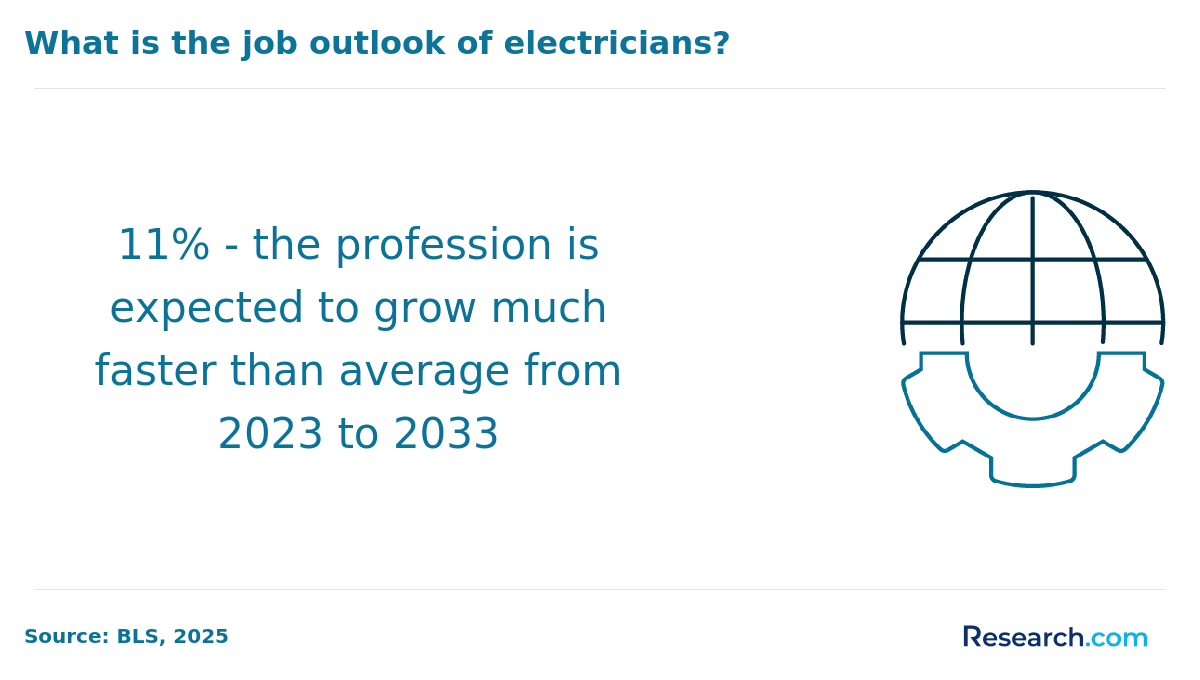
Completing an apprenticeship typically takes between 4 to 5 years. This timeframe aligns with national standards and generally includes about 8,000 hours of on-the-job training paired with 500 to 1,000 hours of classroom instruction. However, the exact duration can vary based on factors such as the sponsoring organization—whether a union, contractor, or technical school—and the apprentice’s ability to absorb and apply skills efficiently.
Some apprenticeship programs offer accelerated formats designed to help motivated individuals finish their training faster. For instance, union-affiliated or contractor-based programs may feature more intensive schedules or year-round training, potentially reducing the apprenticeship period by several months. Yet, apprenticeships can extend beyond five years if apprentices struggle to accumulate required hours or if classroom sessions are limited to seasonal or part-time schedules.
If you’re weighing educational options, consider exploring the differences between trade school and vocational program to choose the best fit for your goals.
How much does electrician training cost in Idaho?
The tuition fees vary significantly depending on the program you choose. Vocational certificate or diploma programs at technical colleges typically cost between $5,000 and $15,000 and last around 6 months to a year. These programs focus on practical skills to get you started quickly. If you opt for an associate degree, usually offered at community colleges, expect to pay $10,000 to $25,000 for a more comprehensive two-year education that includes general coursework alongside electrical training.
Several factors impact Idaho electrician school tuition fees beyond just the type of degree. The program’s duration directly influences total costs, with longer courses naturally requiring more tuition. The choice of institution matters too—public community colleges tend to be more affordable for in-state students than private technical schools. Also, don’t overlook costs for essential tools and safety equipment, which can range from $500 to $1,500, as well as textbooks and specialized tools like multimeters.
Apprenticeship programs offer a cost-effective alternative since you earn wages while learning on the job. However, apprentices should budget $1,000 to $3,000 annually for related classroom instruction and supplies. Financial aid can significantly ease the burden of training expenses. Idaho provides state grants and scholarships through programs like the Idaho Career & Technical Education (CTE) initiative, which supports students pursuing technical careers. Additionally, federal aid such as Pell Grants and work-study programs may be available if you attend an accredited institution.
For those seeking more educational opportunities, consider reviewing the list of best online trade schools to find flexible options that fit your budget and schedule.
What license do you need to be an electrician in Idaho?
To become a licensed electrician, you must obtain one of the state-issued licenses regulated by the Idaho Division of Building Safety (DBS). The main licenses include Journeyman Electrician, Residential Electrician, and Master Electrician, each with unique qualifications and permitted scopes of work.
Key steps to licensure include:
- Complete an approved apprenticeship program or demonstrate equivalent work experience, typically requiring at least 8,000 hours of on-the-job training for a Journeyman license.
- Pass the state examination that covers the National Electrical Code (NEC) and Idaho-specific electrical laws.
- Submit a detailed application including proof of your experience, education, and exam results, along with the required fees.
- If aiming for Master Electrician status, accumulate additional years of experience as a Journeyman and pass a more advanced exam.
What sets Idaho apart is its strong emphasis on continuing education. To maintain your license, you must complete approved continuing education hours every two years. This ensures you stay current with evolving electrical codes and industry safety standards, fostering a culture of professionalism and high standards in Idaho’s electrical workforce.
How can complementary technical training boost your electrical career in Idaho?
Expanding your technical expertise beyond standard electrical training can increase your versatility and employability in Idaho’s competitive job market. By integrating complementary disciplines—such as HVAC—you develop a broader skill set that enables you to adapt to evolving smart building technologies and integrated service demands. Gaining proficiency in areas like climate control enhances problem-solving capabilities and opens opportunities for diversified roles. For additional insights into expanding your technical portfolio, consider exploring how to become an HVAC technician in Idaho.
How does the electrician trade compare with other technical careers in Idaho?
Electricians and other technical professionals, such as mechanics, follow distinct but similarly rigorous training paths that prioritize hands-on experience and technical proficiency. Comparing these trades reveals differences in specialization, certification processes, and professional environments. Electricians benefit from targeted apprenticeship programs and state-specific licensing requirements designed to ensure safety and compliance with evolving electrical codes. In contrast, other technical careers may offer varied pathways that emphasize different technical competencies and operational challenges. For additional career insights and to explore related technical training options, consider reviewing our article on how to become a mechanic in Idaho.
How can business training enhance your electrical career in Idaho?
Supplementing technical expertise with targeted business training can empower electricians to excel in project management, financial planning, and client relations—key factors for entrepreneurship and career advancement. This additional skill set not only streamlines operations but also improves decision-making in competitive markets, opening new avenues for growth and long-term success. For electricians looking to transition into supervisory or business ownership roles, exploring business education options can provide a strategic edge. Check out insights from top business schools in Idaho to discover programs that align with your career ambitions.
What challenges do new electricians commonly face in Idaho?
New electricians in Idaho frequently encounter challenges that extend beyond mastering technical procedures. They must adapt to evolving safety regulations and stringent licensing requirements while efficiently balancing hands-on work with necessary classroom training. Accumulating the required apprenticeship hours within often unpredictable work schedules can also pose difficulties. Proactive strategies such as securing reliable mentorship, engaging with local trade organizations, and pursuing targeted professional development are essential. Additionally, exploring complementary fields—such as learning how to become a radiology technician in Idaho—can provide valuable cross-industry insights to bolster technical expertise.
How often do you need to renew your electrician license in Idaho
Typically, licenses must be renewed every three years, but it's important to confirm the exact timeline based on your specific license type. The Idaho Division of Building Safety (DBS) governs this process, ensuring all licensed electricians adhere to rigorous standards of safety and knowledge.
The renewal process involves several essential requirements designed to keep your skills current and aligned with the latest safety codes and regulations. These include:
- Submitting a renewal application to the Idaho Division of Building Safety before your license expires.
- Paying the required renewal fee, which varies depending on your license classification.
- Completing continuing education courses approved by the DBS, focusing on updated electrical codes and safety regulations.
- Providing proof of current liability insurance or bonding, as mandated by state law.
One of the key differentiators in Idaho’s renewal process is the emphasis on continuing education. Electricians must complete a minimum number of continuing education hours every renewal cycle, helping them stay informed about changes in the National Electrical Code (NEC) and Idaho-specific amendments. This focus on education ensures your work remains compliant with evolving standards, crucial for safety and effectiveness.
What are the essential skills needed to be a successful electrician in Idaho?
Technical proficiency is your foundation. Understanding electrical theory, circuitry, and wiring techniques is essential. Idaho’s infrastructure increasingly relies on modern systems, so gaining hands-on experience through apprenticeships or technical programs sharpens your skills and prepares you for real-world challenges.
Key skills include:
- Technical proficiency with modern electrical systems and tools
- Strong problem-solving and critical thinking abilities
- High attention to detail for safety and code compliance
- Excellent communication skills for teamwork and client interaction
- Physical dexterity and stamina for demanding work conditions
- Adaptability and commitment to lifelong learning
Adaptability and lifelong learning keep you ahead in a rapidly evolving field. Stay updated through certification courses and continuous education offered by Idaho’s trade organizations to maintain your competitive edge.
What is the job outlook for electricians over the next 10 years in Idaho?
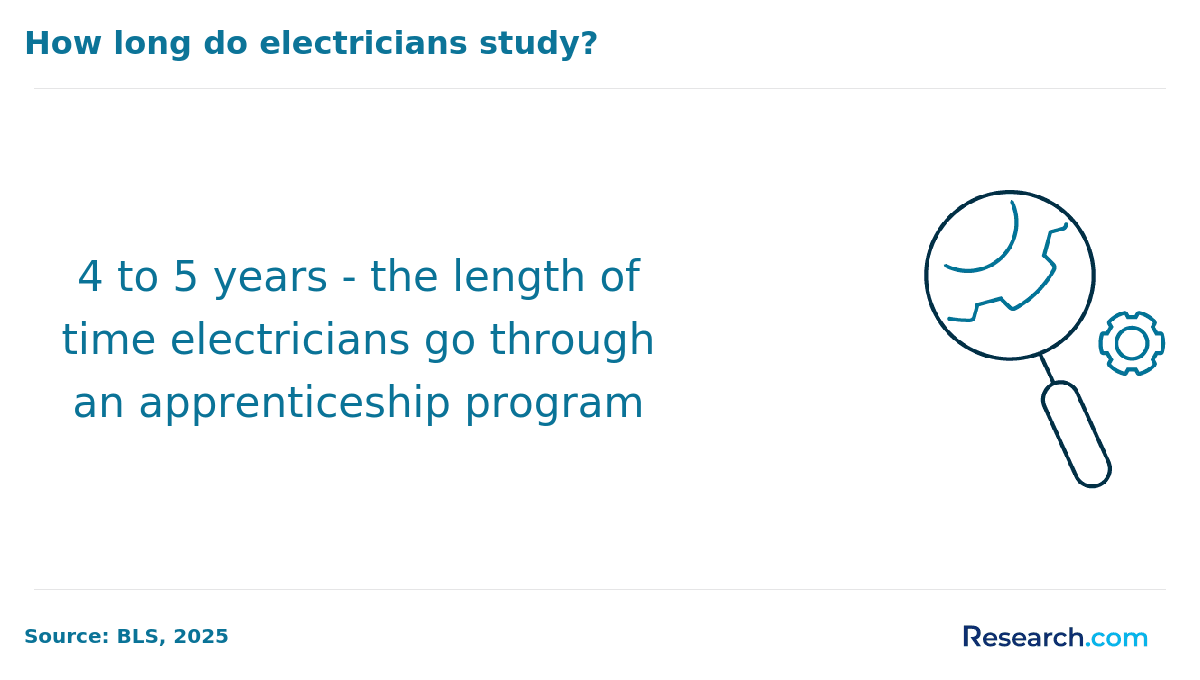
The job outlook for electricians in Idaho is exceptionally promising, with the U.S. Bureau of Labor Statistics projecting an 11% growth rate over the next decade, well above the national average of 7%. This strong demand is fueled by ongoing infrastructure projects, residential and commercial construction, and the expanding manufacturing and renewable energy sectors.
Boise, Nampa, and Meridian stand out as primary employment centers for electricians. Boise, as the state’s economic hub, offers the highest concentration of job opportunities. The construction industry remains the largest employer, with a steady flow of work related to new buildings and public infrastructure. Additionally, Idaho’s commitment to renewable energy, particularly solar and wind power, is creating specialized roles for electricians in cutting-edge green energy projects.
For aspiring electricians, focusing on certifications relevant to Idaho’s key industries—such as residential wiring, commercial electrical work, and renewable energy systems—can open doors to long-term career growth. The state’s expanding job market, combined with solid wages and affordable living costs, makes this trade an attractive choice for those seeking stability and upward mobility in a skilled profession.
What Electricians in Idaho Say About Their Careers
The hands-on training combined with classroom knowledge gave me the confidence to tackle any job. Idaho’s growing infrastructure means steady work, and I love knowing that my skills directly contribute to building stronger communities here. — Alex
Working in Idaho’s rural areas presents unique challenges, but it’s rewarding to bring reliable power to places that need it most. This career has helped me grow both professionally and personally, especially as I see the positive impact on families and local businesses. — Oliver
After finishing trade school at North Idaho College, I quickly realized how much opportunity there is for career advancement in this state. Idaho’s emphasis on renewable energy projects opens doors to innovative work and ongoing learning. I appreciate the professionalism within the trade here and the respect electricians receive for their expertise. — Jeremy
What Emerging Technological Trends Are Impacting Electricians in Idaho?
Electricians in Idaho are increasingly integrating advanced digital tools and sustainable energy solutions into their work. The rising adoption of smart grid technology, automation, and energy storage systems is transforming traditional practices—driving a need for updated technical training and adaptive skill sets. Technicians who embrace these innovations can expect improved diagnostic efficiency, enhanced safety protocols, and a competitive edge in a rapidly evolving marketplace. For professionals seeking to extend their technical expertise further, there are specialized programs that focus on emerging industry trends, opening additional pathways to career diversification, such as learning how to become an ultrasound technician in Idaho.
Related Articles for Nearby States
- 2027 How to Become an Electrician in Montana
- 2027 How to Become an Electrician in Washington
- 2027 How to Become an Electrician in Oregon
- 2027 How to Become an Electrician in Nevada
- 2027 How to Become an Electrician in Utah
- 2027 How to Become an Electrician in Wyoming
- 2027 How to Become an Electrician in California
- 2027 How to Become an Electrician in Colorado
- 2027 How to Become an Electrician in Arizona
- 2027 How to Become an Electrician in New Mexico
References:
- InterCoast Colleges. (n.d.). Light up your life: Electrician career path steps and options.
- U.S. Department of Energy. (n.d.). Career map: Electrician.
- Faraday Careers. (n.d.). Electrician job outlook for 2022.
- Prairie Electric. (2024, December). Electrician job outlook in 2025 and beyond.
- CareerExplorer. (n.d.). The job market for electricians in the United States.
- Bureau of Labor Statistics. (2025, April 18). Electricians. U.S. Department of Labor.
- Bureau of Labor Statistics. (n.d.). Occupational employment and wage statistics: Electricians. U.S. Department of Labor.
Other Things You Need to Know About Becoming an Electrician in Idaho
Electricians in Idaho must complete 24 hours of continuing education every three years to maintain their licenses. This includes 8 hours of code-update courses, ensuring they stay informed of any changes to electrical standards and regulations.
In 2027, to become an electrician in Idaho, you must be at least 18 years old, have a high school diploma or GED, and complete an apprenticeship program registered with the Idaho Division of Building Safety. An apprenticeship typically lasts four years and includes both classroom instruction and on-the-job training.


