
2027 How to Become an HVAC Tech in North Dakota

Co-Founder and Chief Data Scientist
While the average HVAC salary in North Dakota sits at a solid $62,196—more than four times the state’s minimum wage of $15,080—not everyone is sure the trade is right for them. The job comes with physical demands, seasonally driven workloads, and a need to adapt to economic shifts in the construction and energy sectors. Add in the complexity of navigating certifications and apprenticeships, and the path can seem uncertain.
This article, prepared by experts in career planning, offers a grounded, practical look at what it really takes to become an HVAC technician in North Dakota—and whether it aligns with your personal and professional goals.
Key Points About Becoming an HVAC Tech in North Dakota
- North Dakota’s HVAC job outlook shows moderate growth, but consider regional market fluctuations and seasonal demand affecting employment stability.
- The average HVAC technician salary in North Dakota is around $62,000, yet cost of living and local economic factors influence actual earnings.
- North Dakota offers practical training opportunities, but weigh this against limited urban centers when evaluating long-term career prospects.
- What are the educational requirements to become an HVAC Tech in North Dakota?
- Which schools in North Dakota offer HVAC programs?
- What skills do you need to become an HVAC Tech in North Dakota?
- What are the requirements for HVAC licensure in North Dakota?
- What is the licensing process for HVAC technicians in North Dakota?
- How long does it take to become an HVAC tech in North Dakota?
- Will an HVAC license from North Dakota allow you to work in other states?
- Can Cross-Training in Related Trades Boost Your HVAC Career in North Dakota?
- How much do North Dakota HVAC technicians earn?
- Can Business and Management Skills Propel Your HVAC Career Forward?
- Are Emerging Technologies Shaping the Future of HVAC in North Dakota?
- What is the return on investment for HVAC training in North Dakota?
- Is there a demand for HVAC technicians in North Dakota?
- Is North Dakota a good place to work as an HVAC tech?
- How Can Supplemental Mechanical Training Advance Your HVAC Career in North Dakota?
What are the educational requirements to become an HVAC Tech in North Dakota?
Becoming an HVAC technician in North Dakota involves meeting certain educational requirements that provide foundational knowledge and practical skills. While the state does not enforce strict licensing, understanding these requirements is essential for those aiming to enter the field.
The educational requirements for HVAC technicians in North Dakota typically include:
- High school diploma or GED: This ensures basic competencies in math, science, and reading, which are crucial for grasping HVAC concepts.
- Completion of HVAC training programs: Many candidates attend trade schools or technical colleges where they receive both classroom instruction and hands-on experience, covering refrigeration, electrical systems, and safety protocols.
- Participation in multi-year apprenticeships: Apprenticeships lasting three to five years provide paid on-the-job training alongside classroom learning, a critical step given the practical demands of the profession.
- No state-mandated licensing exams: Unlike other states, North Dakota relies on employers to assess skill levels, which may lead to variability in workforce competency.
- Focus on practical skills: Training emphasizes installing and maintaining HVAC systems that are both efficient and resilient amid harsh weather conditions.
Because of the absence of formal state licensing, individuals often seek voluntary certifications or rely on proven experience to advance their careers. For those comparing career paths, exploring trade school salaries can provide valuable insight into the benefits of vocational training.
Which schools in North Dakota offer HVAC programs?
Several colleges offer specialized education designed to prepare students for careers in heating, ventilation, air conditioning, and refrigeration. Each program has unique strengths and potential limitations, making it important to evaluate how well they align with your career goals and the evolving demands of the HVAC industry.
Williston State College provides hands-on HVAC/R training with a focus on electrical basics and troubleshooting, essential for practical skills in the field. Tuition is approximately $3,500 per semester for in-state students, though additional expenses like tools and certification exams should be considered.
North Dakota State College of Science (NDSCS) in Wahpeton offers a comprehensive curriculum covering system design, installation, maintenance, and energy efficiency principles. Real-world labs and internships enhance employability, with tuition around $4,000 per semester for in-state attendees.
Bismarck State College offers an HVAC/R diploma program emphasizing refrigeration cycles, electrical circuits, and system diagnostics. At about $3,800 per semester.
Considering HVAC schools near Fargo ND and beyond, it’s also useful to explore career outlooks and compensation trends. For example, understanding the electrician career salary can offer insights into related trades and long-term opportunities within the skilled labor market.
What skills do you need to become an HVAC Tech in North Dakota?
Given the state's demanding climate, HVAC technicians need to possess both theoretical knowledge and practical skills. While technical expertise is essential, the evolving nature of HVAC technology also calls for adaptability and soft skills.
Key competencies include:
- Heating System Expertise: Mastery of furnace installation and repair is vital due to North Dakota’s harsh winters and the critical role heating plays.
- Refrigeration Knowledge: Understanding refrigeration cycles is necessary for maintaining air conditioning and cooling units effectively.
- Electrical Proficiency: Skills in diagnosing and fixing wiring and control issues ensure HVAC systems operate safely and efficiently.
- Component Familiarity: Recognizing the functions and interconnections of parts like compressors, condensers, and evaporators aids in thorough system maintenance.
- Technical Literacy: Ability to read blueprints and interpret complex diagrams supports accurate installation and troubleshooting.
- Tool and Equipment Use: Competence with specialized diagnostic devices and hand tools is crucial for precise work.
- Regulatory Awareness: Knowledge of local building codes and safety standards specific to North Dakota helps ensure compliance and job quality.
What are the requirements for HVAC licensure in North Dakota?
Aspiring technicians must fulfill a few specific requirements designed to ensure both competency and safety in the field. These requirements reflect the state’s emphasis on practical experience alongside formal evaluation, raising important questions about the balance between hands-on skills and structured training.
- Four years of documented HVAC work experience: Applicants must demonstrate at least four years of verified experience in HVAC installation, maintenance, or repair, highlighting North Dakota’s practical approach to licensure.
- Passing the North Dakota HVAC licensing exam: This exam tests knowledge of HVAC systems, local building codes, and safety regulations, tailored to the state’s unique climate demands such as efficient heating for harsh winters, which may impact technician mobility across states.
- Completion of a criminal background check: A standard requirement aimed at ensuring trustworthiness, though it invites reflection on how such checks might affect workforce diversity and potentially exclude qualified candidates.
The focus on extensive work experience in North Dakota contrasts with other states that may prioritize formal education more heavily, suggesting a regional variation in how HVAC professionals are prepared. For individuals interested in entering this field quickly while still ensuring a good salary, exploring the best trade jobs with fast training and good salary can offer valuable insights into alternative routes within skilled trades.
What is the licensing process for HVAC technicians in North Dakota?
Candidates must navigate several requirements before obtaining their journeyman or master license, reflecting both practical experience and formal testing.
Steps necessary for licensing include:
- Apprenticeship or Experience: Candidates need to accumulate a designated number of hours working under a licensed HVAC contractor or as an apprentice to build hands-on skills.
- Application Submission: Prospective technicians must provide evidence of their experience and pay all applicable fees when applying for licensure.
- Licensing Examination: Passing a state-administered exam that evaluates theoretical knowledge, practical HVAC skills, local building codes, and safety standards is mandatory.
- License Renewal and Continuing Education: To maintain their license, HVAC technicians must periodically renew it and complete continuing education courses to keep up with evolving technologies and regulations.
How long does it take to become an HVAC tech in North Dakota?
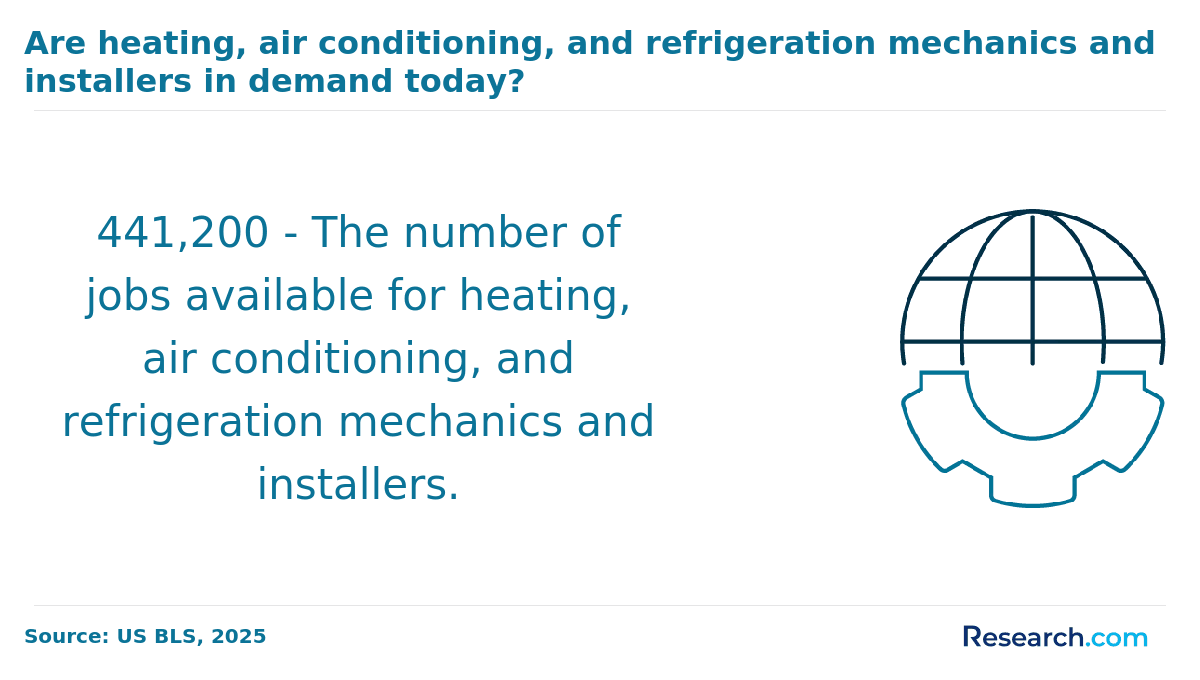
Becoming an HVAC technician in North Dakota typically takes 3 to 4 years, combining classroom instruction with practical experience to ensure both technical proficiency and job-site readiness.
- 6 months to 2 years: educational program – This initial phase typically involves completing a certificate or associate degree covering heating, ventilation, air conditioning, and refrigeration systems. The timeframe varies depending on whether the student enrolls full-time or part-time and the depth of the curriculum.
- Approximately 4,000 hours (about 2 years): apprenticeship or work experience – Technicians must gain substantial on-the-job training under supervision, applying their classroom knowledge in real-world environments to build practical skills.
- Licensing exam preparation and completion – Candidates must pass a state exam that tests both technical knowledge and adherence to safety standards, ensuring they are qualified to work independently.
This roughly 3 to 4 years total time to become HVAC technician North Dakota may seem lengthy, but it is designed to ensure competence and safety in a demanding field. For those seeking flexibility, online certification programs offer options to fit education into varied schedules without compromising quality.
Will an HVAC license from North Dakota allow you to work in other states?
HVAC licensing in the state is unique to the state, with no formal agreements in place that allow professionals to transfer their credentials directly to other states. Those seeking work outside North Dakota generally must satisfy the licensing demands of the new state, which often involve passing a separate exam and meeting specific education or experience requirements.
While some states might partially acknowledge North Dakota’s training or experience, this recognition is inconsistent and unreliable. These complexities suggest that aspiring HVAC professionals need to carefully research and plan their career paths, especially if they anticipate working beyond North Dakota’s borders.
Can Cross-Training in Related Trades Boost Your HVAC Career in North Dakota?
Expanding your expertise by obtaining certifications in related trades can enhance career flexibility and marketability. Supplementary skills, such as gaining proficiency in electrical work, offer additional pathways during seasonal or economic fluctuations. For instance, professionals who cross-train can better leverage opportunities in integrated building services and diversified technical roles. Consider learning how to get electrician license in North Dakota to complement your HVAC training and increase your competitive edge in the evolving job market.
How much do North Dakota HVAC technicians earn?
Generally, earnings hover near the national median, with most salaries falling between $45,000 and $55,000 per year. Experience is a significant determinant: those new to the field may start around $35,000, whereas technicians with advanced skills or specializations—such as expertise in commercial refrigeration or sophisticated HVAC control systems—often earn upwards of $60,000. It is important to consider that specialization can substantially affect compensation.
Other elements impacting pay include:
- The specific location within North Dakota, as urban centers tend to offer more jobs and potentially better wages.
- Whether the technician holds union membership or professional certifications, which can enhance earning capacity.
- Demand dynamics, which fluctuate seasonally and in response to economic conditions.
Can Business and Management Skills Propel Your HVAC Career Forward?
In an increasingly competitive HVAC market, technical expertise can be significantly enhanced by strong business and management skills. Integrating competencies in financial planning, project management, and marketing can enable HVAC professionals to move into supervisory roles, launch independent operations, or strategically negotiate career advancements. For those looking to complement their technical training with robust business acumen, enrolling in programs offered by the best business schools in North Dakota can provide a competitive edge and broaden long-term career prospects.
Are Emerging Technologies Shaping the Future of HVAC in North Dakota?
Advancements such as IoT-enabled diagnostics, smart thermostats, and energy-efficient system designs are transforming traditional HVAC roles. Technicians who expand their knowledge in these emerging technologies gain a competitive edge, as modern systems require enhanced troubleshooting skills and a deeper understanding of digital controls. Updating technical competencies through industry-specific courses and workshops can facilitate career progression and better meet evolving market demands. For a perspective on how rigorous educational standards support career growth in other fields, refer to North Dakota education requirements for radiologic technologist.
What is the return on investment for HVAC training in North Dakota?
A thorough ROI analysis for HVAC training programs should consider both initial costs and long-term financial benefits. Evaluate tuition fees, certification expenses, and ancillary costs against the projected lifetime earnings and job stability offered by the HVAC field. This financial scrutiny can also be applied when comparing career pathways, such as how to become an ultrasound technician in North Dakota, ensuring that the chosen training aligns with sound economic principles. In addition, consider the availability of financial aid, program duration, and post-graduation employment rates to make an informed decision about the overall value of the training investment.
Is there a demand for HVAC technicians in North Dakota?
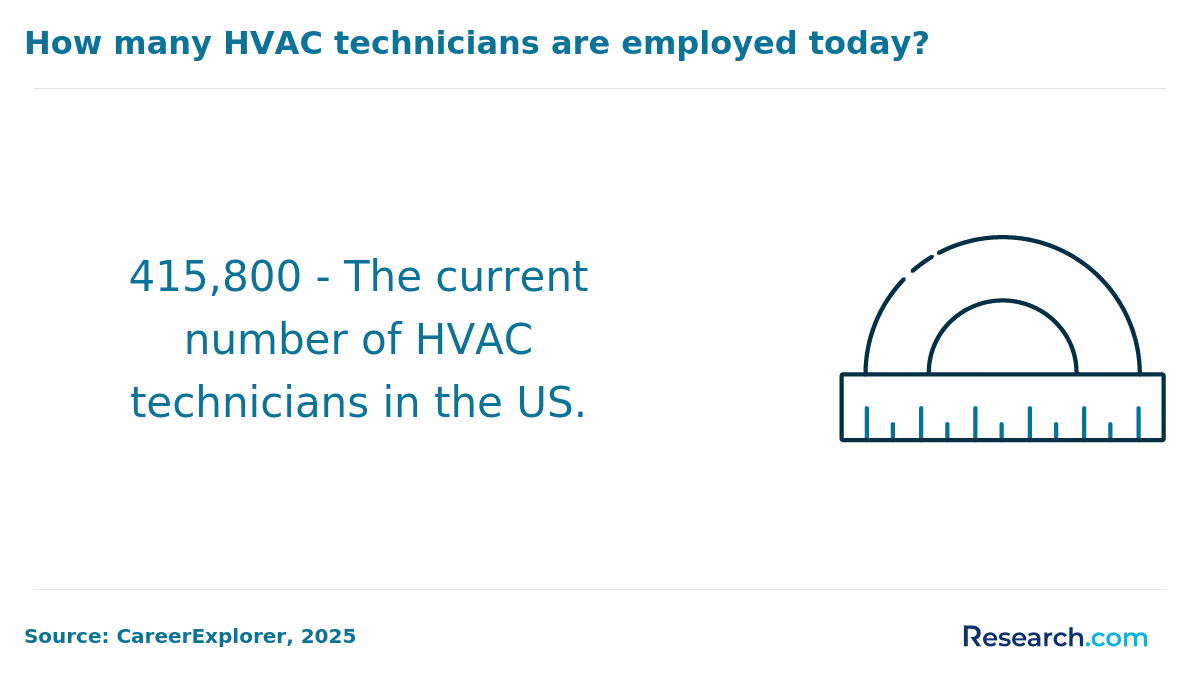
According to recent labor data, North Dakota's HVAC industry growth rate aligns closely with the national average of about 5-7% over the next decade, indicating modest growth rather than a booming market.
Job opportunities tend to concentrate in urban areas like Fargo and Bismarck, where residential and commercial construction drives demand. However, specialized roles such as refrigeration technicians or those focused on green HVAC technologies may experience different market dynamics, influenced by local industry needs and energy policies. For those considering pathways into the field, exploring certificate programs that pay well can offer a strategic advantage in entering this competitive market.
Regional economic factors and evolving environmental regulations will likely shape the future landscape for HVAC professionals, making adaptability and informed decision-making essential for sustained success.
Is North Dakota a good place to work as an HVAC tech?
The state’s climate, characterized by harsh winters, naturally sustains demand for heating services. This can translate into reliable work, particularly in urban centers where HVAC systems are widely used. However, the overall size and distribution of the population limit the volume of available positions, especially in rural communities where fewer employers exist.
- Cost of Living Benefits: North Dakota’s affordable housing and general expenses can enhance take-home pay, allowing technicians to stretch their earnings further than in higher-cost states.
- Consistent Seasonal Demand: Cold weather ensures ongoing need for heating installation and maintenance, supporting job stability during winter months.
- Limited Job Market: The relatively small population means fewer HVAC openings, which may intensify competition and reduce opportunities outside major cities.
- Economic Sector Influence: While the energy industry is significant locally, its impact on HVAC jobs is indirect, offering less predictable support for employment compared to residential or commercial markets.
- Training Accessibility: Vocational programs and apprenticeships are required, but the limited availability of accredited local training could pose an obstacle for new entrants.
What HVAC Technicians in North Dakota Say About Their Careers
The demand here is consistently high due to our harsh winters, and that means steady work and competitive salaries. It’s rewarding to know my skills directly impact people’s comfort and safety during those freezing months. – Neil
North Dakota’s unique climate presents some really interesting challenges that have helped me grow as a technician. Plus, the local training programs are top-notch, making it easier to stay updated with the latest HVAC technologies. – Eli
What I appreciate most about being an HVAC tech here is the strong support for professional development. The state offers various certifications and apprenticeships that helped me advance my career. It’s fulfilling to work in an industry that values continuous learning and expertise. – Julius
How Can Supplemental Mechanical Training Advance Your HVAC Career in North Dakota?
Diversifying technical expertise by integrating mechanical skills can improve troubleshooting precision and expand career opportunities. Targeted mechanical training augments an HVAC technician’s ability to diagnose and repair complex systems while fostering adaptability to evolving industry standards. For additional guidance on complementing your HVAC background with essential mechanical competencies, review how to become a mechanic in North Dakota.
Related Articles for Nearby States
- 2027 How to Become an HVAC Tech in South Dakota
- 2027 How to Become an HVAC Tech in Minnesota
- 2027 How to Become an HVAC Tech in Montana
- 2027 How to Become an HVAC Tech in Nebraska
- 2027 How to Become an HVAC Tech in Wyoming
- 2027 How to Become an HVAC Tech in Iowa
- 2027 How to Become an HVAC Tech in Wisconsin
- 2027 How to Become an HVAC Tech in Colorado
- 2027 How to Become an HVAC Tech in Kansas
- 2027 How to Become an HVAC Tech in Illinois
References:
- CareerExplorer. (n.d.). HVAC technician salary in North Dakota.
- University of North Dakota. (n.d.). Online certified HVAC/R technician training.
- HVACSchool.org. (n.d.). HVAC school in North Dakota: Training for HVAC jobs in ND.
- Bismarck State College. (n.d.). Heating, ventilation and air conditioning.
- U.S. Bureau of Labor Statistics. (2024). Heating, air conditioning, and refrigeration mechanics and installers. U.S. Department of Labor.
- U.S. Bureau of Labor Statistics. (2023). Occupational employment and wage statistics: Heating, air conditioning, and refrigeration mechanics and installers.
- ZipRecruiter. (2025). HVAC salary.
- Zippia. (2025). HVAC technician demographics and statistics: Number of HVAC technicians in the US.
Other Things You Should Know About Becoming an HVAC Tech in North Dakota
To become an HVAC tech in North Dakota in 2027, you'll need to complete a vocational training program and earn your EPA Section 608 certification. Licensure typically requires two years of field experience. Continuing education may also be necessary to stay updated with evolving HVAC technologies and regulations.
Yes, apprenticeship programs are a viable pathway to becoming an HVAC tech in North Dakota in 2026. They offer hands-on training combined with classroom instruction, typically lasting 3-5 years, and allow participants to earn while they learn under the supervision of experienced technicians.


