
2027 How to Become an Electrician in New Jersey

Co-Founder and Chief Data Scientist
Many aspiring electricians struggle to navigate the path to becoming a licensed professional in this field. With job growth projected at 10% from 2022 to 2032 due to infrastructure upgrades, renewable energy initiatives, and emerging technologies, the profession offers strong and promising opportunities. Yet, obtaining the necessary education, training, and licensure can seem overwhelming.
This article, prepared by career planning experts, will outline the essential steps to become an electrician in New Jersey. It will cover the educational requirements, apprenticeship programs, and licensing procedures to help you move forward with confidence in your career.
Key Things to Know About Becoming an Electrician in New Jersey
- New Jersey requires electricians to obtain a state license, which involves completing an apprenticeship and passing a licensing exam.
- Electrician jobs in New Jersey are projected to grow by 10% from 2022 to 2032, driven by infrastructure upgrades, renewable energy, and advancing technology.
- Electricians in New Jersey earn an average salary of approximately $72,600 per year, slightly higher than the national average.
- What education is required to become an electrician in New Jersey?
- How do you get into an electrician apprenticeship program in New Jersey?
- How much do electricians make in New Jersey?
- What certifications do electricians need in New Jersey?
- How long does an electrician apprenticeship take in New Jersey?
- How much does electrician training cost in New Jersey?
- What license do you need to be an electrician in New Jersey?
- What are the legal and insurance considerations for independent electricians in New Jersey?
- How often do you need to renew your electrician license in New Jersey?
- What challenges do aspiring electricians face in New Jersey?
- What are the essential skills needed to be a successful electrician in New Jersey?
- What is the job outlook for electricians over the next 10 years in New Jersey?
- Are there opportunities for electricians to diversify their skills in New Jersey?
- How Can I Enhance My Business Acumen as a Self-Employed Electrician in New Jersey?
- Is It Feasible to Transition to Other Technical Careers from Electrical Work in New Jersey?
What education is required to become an electrician in New Jersey
Becoming an electrician in New Jersey begins with a strong educational foundation. Many aspiring electricians seek out the best electrician trade schools, often enrolling in technical schools or community colleges that offer coursework in electrical theory, blueprint reading, circuitry, safety protocols, and the National Electrical Code (NEC). Core classes often include electrical wiring, motor controls, and residential and commercial electrical systems, providing both practical skills and theoretical knowledge essential for passing licensing exams and succeeding in the field.
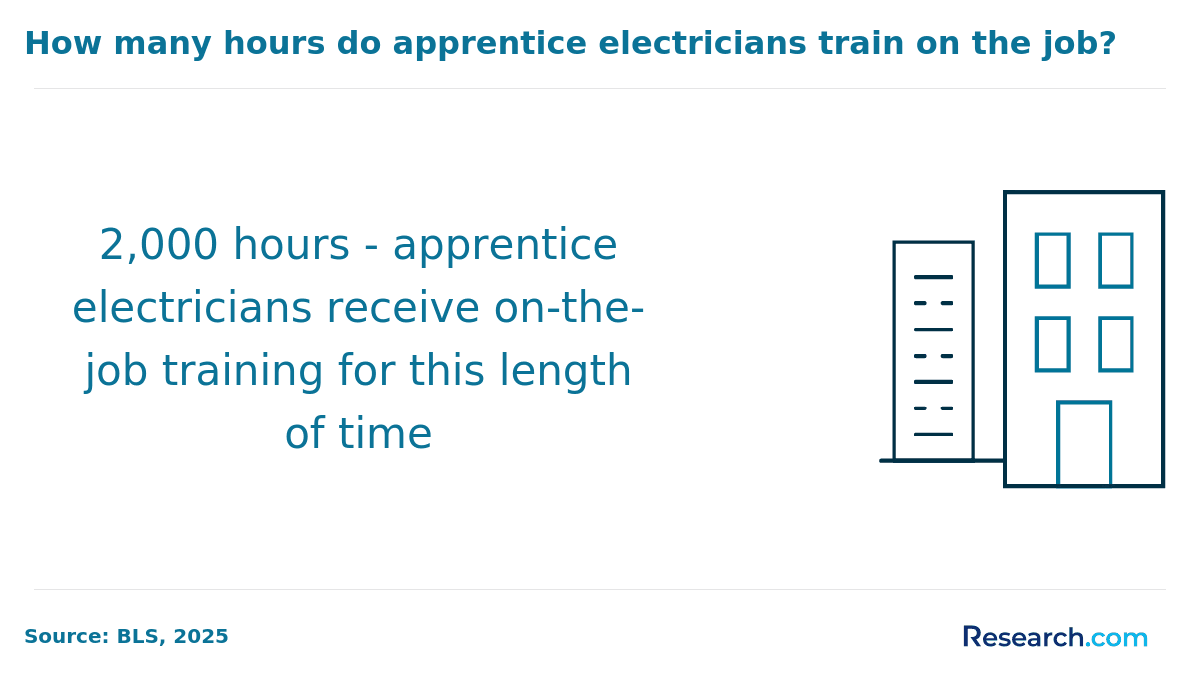
In addition to formal classroom instruction, New Jersey mandates apprenticeships combining paid on-the-job training with structured classroom learning. These apprenticeships typically span four to five years and require at least 8,000 hours of practical work experience alongside 576 hours of annual classroom instruction. This integrated approach ensures that apprentices gain real-world experience while deepening their technical understanding, preparing them comprehensively for licensure and professional practice.
How do you get into an electrician apprenticeship program in New Jersey?
Entering an electrician apprenticeship program in New Jersey requires meeting specific eligibility criteria and connecting with reputable organizations that offer structured training. Below are key steps and considerations for joining these programs:
- Meet Basic Eligibility Requirements: Candidates must typically be at least 18 years old and possess a high school diploma or GED. Basic proficiency in math and reading is also required to ensure comprehension of technical material.
- Apply to Recognized Apprenticeship Programs: Prominent organizations such as the International Brotherhood of Electrical Workers (IBEW) Locals 102 and 827, as well as joint apprenticeship and training committees (JATCs) run in partnership with the New Jersey Chapter of the National Electrical Contractors Association (NECA), offer formal apprenticeship opportunities statewide.
- Register with the State Apprenticeship Office: All apprentices must register officially with the New Jersey Apprenticeship Office, ensuring compliance with state regulations and access to program resources.
- Complete Required Classroom Instruction: Apprentices are required to complete approximately 144 hours of classroom training annually, covering electrical codes, safety standards, and industry best practices.
- Gain Practical On-the-Job Experience: Apprentices accumulate thousands of hours of supervised fieldwork, allowing them to apply theoretical knowledge and develop hands-on skills under expert mentorship.
How much do electricians make in New Jersey?
Electricians in New Jersey earn competitive salaries influenced by experience, education, and industry. The average annual salary for electricians in the state is approximately $72,600, with a typical range between $43,970 and $126,250. Entry-level positions start at around $43,970, while experienced professionals can earn up to $126,250 annually. Factors such as years of experience, specialized skills, and union membership can significantly impact earnings. For instance, electricians with over 20 years of experience can earn up to $77,000 annually.
The demand for electricians in New Jersey is expected to grow, driven by construction projects and the need for electrical system maintenance. As one of the easiest high demand trades to enter with proper training, this growth presents opportunities for electricians to advance their careers and increase their earning potential. Additionally, unionized electricians often receive higher wages and benefits compared to their non-union counterparts.
What certifications do electricians need in New Jersey?
In New Jersey, electricians can pursue various certifications to enhance their skills and career prospects. While these certifications are not mandatory for licensure, they can provide specialized knowledge and demonstrate expertise in specific areas of electrical work. Here are six notable certifications:
- National Fire Protection Association (NFPA) Certifications: NFPA offers certifications for electricians specializing in fire suppression, security alarms, and related systems. These credentials validate skills and enhance professional reputation.
- Occupational Safety and Health Administration (OSHA) 10-Hour and 30-Hour Cards: These certifications focus on workplace safety, covering topics like hazard recognition and safety protocols. They are valuable for electricians working in construction and industrial settings.
- First Aid and CPR Certification: Offered by organizations like the American Red Cross, these certifications equip electricians with essential skills to respond to medical emergencies on the job site.
- Low Voltage Systems Certification: Specializing in systems like security alarms, fire alarms, and data networks, this certification focuses on the installation and maintenance of low-voltage electrical systems.
- Thermal Imaging Certification: This certification trains electricians to use infrared cameras for detecting electrical faults, enhancing preventive maintenance capabilities.
- Solar Photovoltaic (PV) Systems Certification: With the growing demand for renewable energy, this certification focuses on the installation and maintenance of solar energy systems.
How long does an electrician apprenticeship take in New Jersey?
In New Jersey, an electrician apprenticeship typically lasts between 4 and 5 years, combining roughly 8,000 hours of hands-on work with about 576 hours of classroom training. Some accelerated programs, especially those offered by unions or trade organizations, can shorten this period to around 3 years for highly committed apprentices. The length depends on factors such as your ability to consistently log work hours, previous experience, and success in passing required exams. The training schedule and available work assignments from the hiring contractor or union also affect the overall timeline.
To complete your apprenticeship faster, choose programs with strong training and accelerated options. Doing well in technical classes can sometimes reduce required hours. Obtaining early certifications like OSHA safety training and maintaining steady work hours helps keep progress on track. After finishing the apprenticeship, passing the state exam is necessary to become a licensed electrician in New Jersey.
How much does electrician training cost in New Jersey?
Electrician training costs in New Jersey vary depending on the type and length of the program chosen. Certificate and diploma programs typically range from $5,000 to $15,000 and last six months to a year. For those pursuing an associate degree, usually at community colleges or technical schools, costs can be between $10,000 and $25,000 over two years. Pursuing electrician training through online trades schools may offer flexible scheduling and potentially lower costs. Apprenticeships offer a practical alternative by combining paid on-the-job training with classroom instruction, which can reduce upfront expenses.
Additional costs to consider include tools and safety gear, which may cost between $300 and $1,000, and licensing fees for exams, generally around $150 to $250. Location also affects pricing, with urban areas like Newark tending to have higher tuition and living expenses. Financial aid options such as federal grants, workforce programs, and veterans’ benefits are available to help offset costs and make training more affordable for many prospective electricians.
What license do you need to be an electrician in New Jersey?
In New Jersey, pursuing a trades career as an electrician involves a structured pathway that combines education, hands-on experience, and licensing. The state's regulatory framework ensures that electricians are well-trained and qualified to perform electrical work safely and competently.
Journeyman Electrician License
To qualify as a journeyman electrician in New Jersey, you must meet specific educational and experiential requirements:
- Be at least 18 years old.
- Possess a high school diploma or GED.
- Complete 8,000 hours of on-the-job training, with at least 4,000 hours accrued within the five years preceding your application.
- Complete a minimum of 576 hours of classroom instruction.
Application Process:
- Submit a completed Application for a Certificate of Registration to Practice as a Qualified Journeyman Electrician to the New Jersey Board of Examiners of Electrical Contractors.
- Include a 2x2-inch passport-style photo, signed and dated on the reverse side.
- Pay the non-refundable application fee of $40.
- Upon approval, the journeyman license must be renewed every three years, with a renewal fee of $160.
- Complete 10 hours of continuing education units (CEUs) each year to maintain the license.
Electrical Contractor License
An electrical contractor license allows you to operate independently, supervise other electricians, and manage electrical projects. Requirements include:
- Be at least 21 years old.
- Possess a high school diploma or GED.
- Accumulate at least five years of practical hands-on experience in electrical work.
- Completing a four-year apprenticeship program approved by a federally recognized agency, plus one year of hands-on experience.
- Holding a journeyman electrician license and completing one additional year of practical experience.
Application Process:
- Submit a completed application to the New Jersey Board of Examiners of Electrical Contractors.
- Include a 2x2-inch passport-style photo, signed and dated on the reverse side.
- Pay the non-refundable application fee of $100.
- Pass the Electrical Contractor Examination, which consists of 150 questions covering topics such as general electrical knowledge, grounding and bonding, conductors and cables, and more. A score of at least 70% is required to pass.
- Upon approval, the electrical contractor license must be renewed every three years, with a renewal fee of $150.
- Complete 34 hours of continuing education prior to each renewal period.
What are the legal and insurance considerations for independent electricians in New Jersey?
Independent electricians must navigate a framework of legal requirements and insurance mandates designed to protect both their business and clients. Compliance with OSHA and local building codes is critical, as is securing general liability and professional liability insurance to mitigate risks on job sites. Contractors should also understand bonding requirements and worker’s compensation policies, which provide additional safeguards when operating independently. Staying current with regulatory updates through trusted legal consultation can help identify potential liabilities before they impact business operations. For professionals considering a multidisciplinary approach, detailed insights are available on our guide on how to become a mechanic in New Jersey.
How often do you need to renew your electrician license in New Jersey?
Electricians in New Jersey are required to renew their licenses every two years to maintain legal authorization to work. The renewal process is overseen by the New Jersey Division of Consumer Affairs under the guidance of the New Jersey State Board of Examiners of Electrical Contractors. This ensures that licensed electricians remain current with evolving electrical codes and safety regulations.
A key component of the renewal requirement is completing a minimum of 16 hours of approved continuing education within each two-year licensing period. These courses cover essential topics such as updates to the National Electrical Code (NEC), New Jersey-specific rules, safety protocols, and emerging technologies in the electrical trade.
The renewal process involves several important steps that should be followed carefully:
- Complete Continuing Education: Fulfill and document all 16 hours of state-approved continuing education courses before submitting your renewal application.
- Submit Renewal Application and Fee: File your renewal application and pay the associated fee through the New Jersey Division of Consumer Affairs portal, either online or by mail.
- Maintain Documentation: Retain copies of your continuing education certificates and renewal confirmation for your records and potential audits.
- Resolve Disciplinary Issues: Address any outstanding disciplinary actions or violations before applying to prevent processing delays.
What challenges do aspiring electricians face in New Jersey?
Aspiring electricians in New Jersey encounter obstacles that require proactive planning and informed decision-making. Limited apprenticeship availability, stringent licensing requirements, and evolving regulatory standards can often complicate the transition from training to full-time work. Balancing the demands of hands-on experience with necessary classroom learning may also create scheduling and financial challenges. For individuals finding these hurdles difficult to manage, exploring guidance on how to become a radiology technician in New Jersey can offer insight into structured training pathways in another technical field. Maintaining up-to-date knowledge of state-specific policies and networking with experienced professionals can ultimately help overcome these challenges and foster career longevity.
What are the essential skills needed to be a successful electrician in New Jersey?
To succeed as an electrician in New Jersey, a comprehensive blend of technical expertise and interpersonal skills is essential. Below are the key skills critical for electricians in the state:
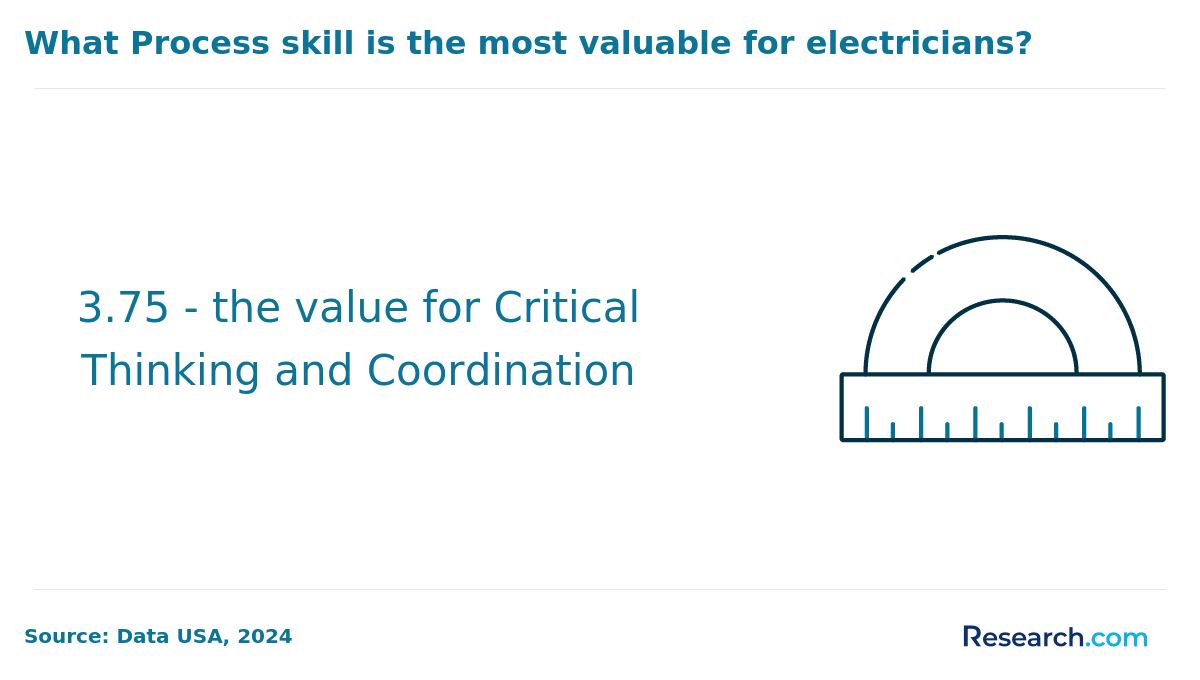
- Technical Proficiency: A thorough understanding of electrical systems, including the ability to read blueprints, install wiring, and troubleshoot faults, is fundamental. Familiarity with the National Electrical Code (NEC) and New Jersey-specific regulations ensures safety and compliance on every job.
- Technological Literacy: Modern electricians frequently utilize digital testing instruments, design software, and smart home technologies. Proficiency with these tools enhances efficiency and keeps skills current with industry advancements.
- Problem-Solving Abilities: Unexpected challenges are common in electrical work. The ability to quickly assess situations and develop practical solutions is vital for maintaining project timelines and client satisfaction.
- Physical Dexterity and Stamina: The role demands manual precision and physical endurance to perform tasks in various environments, often requiring sustained focus and energy.
- Communication Skills: Clear and concise communication facilitates teamwork, client interactions, and the accurate conveyance of technical information, reducing errors and fostering trust.
- Attention to Detail: Precision in every task is crucial to prevent hazards and costly mistakes, ensuring installations and repairs meet the highest standards of safety and quality.
What is the job outlook for electricians over the next 10 years in New Jersey?
The job outlook for electricians in New Jersey over the next decade is promising. Employment is projected to grow by 10% from 2022 to 2032, increasing from 17,290 to 19,000 positions. This growth reflects a steady demand for skilled electricians to support infrastructure development, renewable energy projects, and technological advancements in electrical systems. The state's commitment to clean energy initiatives, such as solar and wind power, further contributes to the need for qualified professionals in the field.
In addition to new job opportunities, approximately 1,750 annual openings are expected due to retirements and workforce transitions. These openings provide a steady stream of opportunities for individuals entering the profession. Exploring the list of quick to learn trade jobs that pay well can help prospective electricians identify a promising career path. New Jersey's diverse economic landscape, encompassing both urban and rural areas, offers electricians a variety of work environments and projects.
Are there opportunities for electricians to diversify their skills in New Jersey?
Expanding expertise beyond traditional electrical work can open additional career pathways. Electricians who acquire specialized training in complementary fields may gain a competitive edge in today’s evolving job market. For example, diversifying into technical roles that intersect with electrical systems, such as HVAC, can lead to increased demand for professionals with a broader skill set. Consider exploring training programs and certifications that align with emerging trends and industry needs, including the practical steps outlined on how to become an HVAC technician in New Jersey. This strategic expansion not only enhances career flexibility but also contributes to long-term job security and higher earning potential.
How Can I Enhance My Business Acumen as a Self-Employed Electrician in New Jersey?
Electricians who pursue self-employment or run independent contracting businesses benefit from refining their business management skills to navigate contracts, client negotiations, and financial planning. Targeted courses and workshops in project management, budgeting, and regulatory compliance can help bridge the gap between technical expertise and effective business operations. For those seeking to bolster their managerial skill set, insights from top business schools in New Jersey offer valuable strategies to integrate technical proficiency with sound business practices.
Is It Feasible to Transition to Other Technical Careers from Electrical Work in New Jersey?
Electricians in New Jersey can leverage their technical aptitude, industry experience, and strict adherence to safety protocols to explore diversified technical careers. Transferring strengths in system diagnostics, problem-solving, and compliance can open pathways into alternate sectors where precision and reliability are equally valued. For instance, professionals seeking a career shift may consider roles requiring similar analytical and technical skills, such as how to become an ultrasound technician in New Jersey. This strategic transition enables seasoned electricians to build on their established competencies while embracing emerging opportunities in adjacent fields.
Here’s What Graduates Have to Say about Becoming an Electrician in New Jersey
Completing my apprenticeship through the New Jersey Electrical Training Alliance was a transformative experience. The hands-on experience I gained prepared me for real challenges on the job, especially dealing with the state’s diverse infrastructure. Knowing my work directly improves safety and energy efficiency makes this career truly fulfilling. — James
The technical skills I built during my electrical program gave me confidence, but the personal growth came from adapting to projects in urban and coastal areas. I’m proud to contribute to New Jersey’s development and help families and businesses thrive with reliable power. This career keeps me engaged and motivated every day. — Daniel
New Jersey’s focus on renewable energy and smart grid technology opened exciting doors for me after completing my electrical engineering technology program. Navigating the state’s regulatory environment was challenging but rewarding, allowing me to be part of modernizing energy systems. This field offers a perfect balance of technical challenge and career growth. — Marquin
References:
- Access Training UK. (n.d.). Electrician career paths: What are your options? Retrieved from Access Training.
- Department of Energy. (n.d.). Career map: Electrician. Retrieved from Energy.
- Electrical Careers. (n.d.). Future electrical opportunities – Electrician training. Retrieved from Electrical Careers.
- Energy Safe Victoria. (n.d.). Electrician's licence (A grade). Retrieved from Energy Safe.
- EGT. (n.d.). Types of electricians & electrical career paths. Retrieved from EGT.
- IECRM. (n.d.). How to become an electrician. Retrieved from IECRM.
- InterCoast Colleges. (n.d.). Light up your life: Electrician career path steps and options. Retrieved from InterCoast.
- RaiseMe. (n.d.). Electricians: Salary, career path, job outlook, education and more. Retrieved from RaiseMe.
- Skilled Trades College. (n.d.). Requirements to become an electrician. Retrieved from Skilled Trades College.
- Washington State Department of Labor & Industries. (n.d.). Electrical licensing, exams & education. Retrieved from L&I.
Other Things You Should Know About Becoming an Electrician in New Jersey
To obtain an apprenticeship, you need to be at least 18 years old, hold a high school diploma or GED, and apply to a registered program. The apprenticeship typically includes 8,000 hours of on-the-job training and 576 hours of classroom instruction governed by New Jersey regulations.
In 2026, to be eligible for an electrician apprenticeship in New Jersey, you must be at least 18 years old, possess a high school diploma or equivalent, and have reliable transportation. Meeting these requirements is vital before applying to apprenticeship programs in the state.


