
2027 How to Become an Ultrasound Technician in New Jersey

Co-Founder and Chief Data Scientist
Do you want to pursue a career as an ultrasound technician in New Jersey, but do not know how to go about it? You're not alone. It’s a smart choice for those seeking stable, well-paying healthcare roles. The demand for ultrasound techs in NJ is growing fast—job openings are expected to increase by 17% over the next decade. Plus, it offers an average salary above the national median.
This article, prepared by career planning experts, breaks down the steps to getting certified, the best programs available, and insider tips to kickstart your journey. It’ll clear the confusion and set you on the right path toward a rewarding ultrasound career.
Key Things to Know About Becoming an Ultrasound Technician in New Jersey
- Get your education first—most New Jersey ultrasound techs complete a two-year accredited program in diagnostic medical sonography to qualify.
- Earn certification from the American Registry for Diagnostic Medical Sonography (ARDMS), which employers in New Jersey highly prefer.
- Gain hands-on experience through clinical internships; New Jersey hospitals often require this before you step into a full-time role.
- What education is required to become an ultrasound technician in New Jersey?
- What specialties can ultrasound technicians choose from in New Jersey?
- Which certification exams are required to become an ultrasound technician in New Jersey?
- Is a license required to practice as an ultrasound technician in New Jersey?
- What to expect during ultrasound technician clinical training in New Jersey?
- How much does it cost to become an ultrasound technician in New Jersey?
- What is the average salary for ultrasound technicians in New Jersey?
- What is the job outlook and demand for ultrasound technicians in New Jersey?
- What are the career advancement steps for ultrasound technicians in New Jersey?
- What are the common challenges ultrasound technicians face in New Jersey?
- How is technology reshaping ultrasound practices in New Jersey?
- How Important Is Continuing Education for Ultrasound Technicians in New Jersey?
What education is required to become an ultrasound technician in New Jersey?
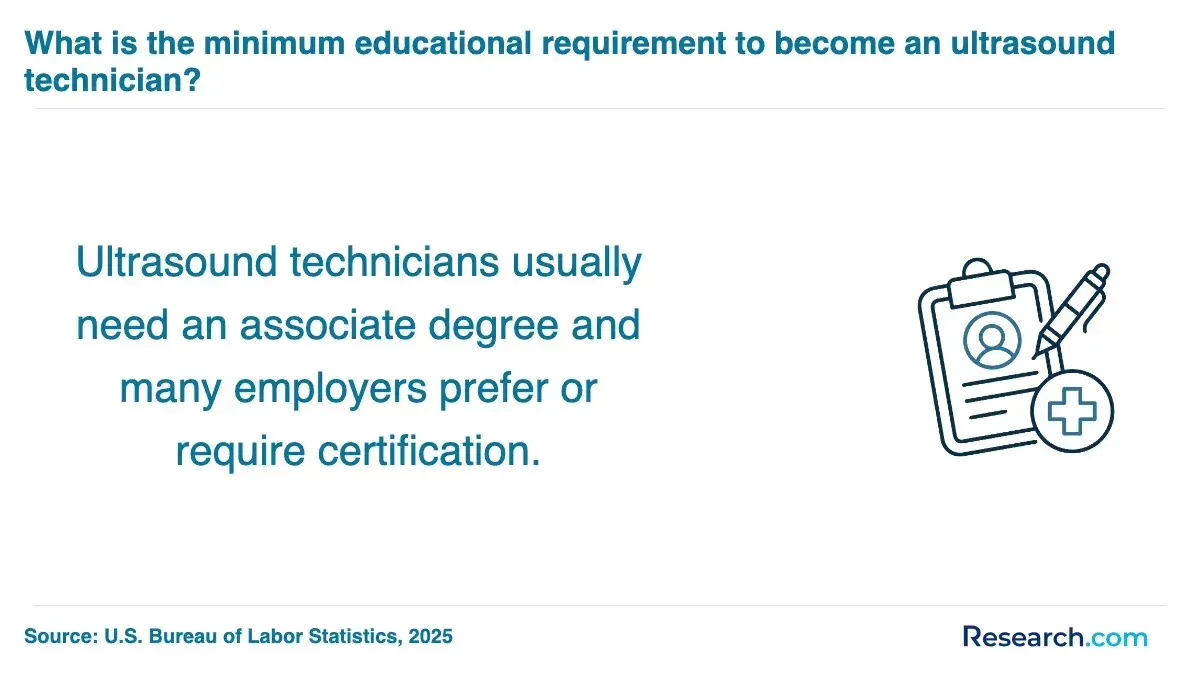
Getting started as an ultrasound technician in New Jersey means meeting some key educational steps. Here’s a quick rundown of the main requirements you’ll need to keep in mind:
- Minimum Educational Prerequisite: You’ll need a high school diploma or GED to apply for most programs.
- Degree Requirements: Most employers and schools expect at least an Associate of Science degree in diagnostic medical sonography or a related field.
- Accredited Ultrasound Technician Programs in New Jersey: It’s important to enroll in a Commission on Accreditation of Allied Health Education Programs (CAAHEP)-accredited program, as this is crucial for certification eligibility and valued by employers.
- Prerequisite Courses: Many programs want you to have completed college-level classes like anatomy, physiology, physics, and medical terminology with a solid GPA.
- Selective Admission: Admission can be competitive, so having a strong GPA or relevant healthcare experience helps your chances.
- Clinical Practicum Requirement: Hands-on supervised clinical hours are mandatory to build your scanning skills before graduating.
- Certification Eligibility: Graduating from an accredited program allows you to sit for the ARDMS certification exam, which most New Jersey employers require or prefer.
Even without state licensure, national certification and completing these education steps prepare you well for a successful career. To get a sense of what job prospects pay, check out the average radiology tech career salary by state.
What specialties can ultrasound technicians choose from in New Jersey?
Ultrasound technicians in New Jersey have access to a range of focused fields, allowing them to specialize in areas that best match their interests and career goals. These options expand the chances of finding rewarding work and advancing within the healthcare sector. Here’s an overview of popular ultrasound technician specialties in New Jersey:
- Abdominal Sonography: This specialty covers imaging organs like the liver, kidneys, and pancreas, making it a core part of most training programs in the state.
- Obstetric and Gynecologic (OB/GYN) Sonography: Focused on female reproductive health and pregnancy monitoring, this is a widely chosen path for sonographers here.
- Vascular Sonography: Deals with checking blood flow and vascular diseases using ultrasound, involving specialized coursework and hands-on experience.
- Cardiac Sonography (Echocardiography): Centers on heart imaging and function assessment, with programs available at colleges like Bergen Community College.
- Neurosonography: Concentrates on brain and nervous system imaging, notably for infants and children, included in some bachelor’s curricula.
- Breast Sonography: Involves imaging breast tissue to spot abnormalities, often taught as a sub-specialty within broader sonography programs.
For those exploring career paths that combine technology with healthcare, the diagnostic medical sonography specializations New Jersey offers can shape a successful and fulfilling journey. If you want to learn more about opportunities in related fields, check out this radiology careers resource.
Which certification exams are required to become an ultrasound technician in New Jersey?
Certification exams are a big deal for ultrasound techs in New Jersey because they show employers you've got the skills and knowledge to do the job right. Even though the state doesn’t require a license, most employers want you to have nationally recognized credentials before hiring. These exams test everything from ultrasound physics to hands-on clinical skills, making sure you’re ready for the real world.
- ARDMS – Sonography Principles & Instrumentation (SPI) Exam: This is the first step, covering ultrasound basics like sound principles, image formation, and quality control. You usually need to finish a CAAHEP-accredited program or meet specific experience requirements to qualify. New Jersey follows the national rules here, with no extra state-specific hoops to jump through.
- ARDMS – Specialty Exams (Abdomen, OB/GYN, Vascular, Cardiac): After passing the SPI, you pick at least one specialty exam in areas like abdomen or cardiac sonography. These test your clinical skills and knowledge in that specialty. You’ll need to have passed the SPI and completed an approved education or clinical experience.
- CCI – Registered Vascular Specialist (RVS) and Registered Cardiac Sonographer (RCS) Exams: Offered by Cardiovascular Credentialing International, these focus on vascular and cardiac ultrasound. Requirements vary but often include education, experience, or holding another credential. Some New Jersey programs gear students toward these exams, which employers might accept instead of ARDMS certifications.
- ARRT – Sonography Certification Exam: This exam covers general and specialty sonography topics, including patient care and anatomy, and is aimed at those completing ARRT-approved programs. Although ARRT certification is less common in New Jersey, certain hospitals and employers recognize it.
Passing these certification exams not only boosts your professional credibility but also opens doors to more job opportunities. It aligns you with the standards New Jersey employers expect, making you a stronger candidate in this competitive field.
Is a license required to practice as an ultrasound technician in New Jersey?
New Jersey does not require a state license to work as an ultrasound technician. This is important because instead of dealing with state-level licensure, aspiring sonographers in New Jersey focus on obtaining national certification and meeting their employer’s standards. So, your path is shaped more by national credentials than by any state-imposed licensing rules.
In New Jersey, there isn’t a specific law or state agency that licenses ultrasound technicians. The state relies heavily on national certifications like the Registered Diagnostic Medical Sonographer (RDMS) from the ARDMS, or credentials from the ARRT and CCI. There are no provisional licenses or temporary permits here; eligibility to practice depends on completing an accredited program and passing national exams, not on registering with a state board.
Passing the ARDMS Sonography Principles & Instrumentation (SPI) exam plus a specialty exam is key to earning certification and finding work across New Jersey’s healthcare settings. These certifications are basically your ticket into clinics and hospitals where employers expect proof of your skills. Staying compliant not only means you’re legally good to go but also boosts your reputation and job options in this competitive field.
An ultrasound technician from New Jersey who graduated from a local school said, “Honestly, not having to worry about a state license made the whole process feel less stressful, but passing the national exams was still a real challenge.” He shared how focusing on accredited education and national certification kept him motivated and confident, especially knowing that hospitals valued those credentials over any state paperwork. “It was a relief knowing that once I got my ARDMS certification, doors opened fast,” he added, explaining how this system worked well for him and many others starting out in New Jersey.
What to expect during ultrasound technician clinical training in New Jersey?
Clinical training is where everything clicks for ultrasound tech students in New Jersey. It’s the stage where you move from textbooks to real machines and real patients, gaining the hands-on skills and confidence you’ll need to pass certification exams and step into a healthcare role.
- Hands-On Patient Care: You’ll work directly with patients under supervision, learning how to take medical histories and keep patients comfortable during scans.
- Supervised Use of Imaging Equipment: Expect lots of practice operating ultrasound machines with guidance to nail image quality and proper technique.
- Exposure to Specialty Rotations: Training covers major areas like abdominal, OB/GYN, vascular, and cardiac sonography so you get diverse experience.
- Mentorship from Licensed Professionals: Experienced sonographers will guide you, providing feedback and sharing insights from the field.
- Clinical Hours Requirement: Most programs require around 800 to 810 clinical hours, ensuring you spend enough time developing your skills.
- Competency Evaluations: Regular assessments check your progress and readiness before moving forward or graduating.
- Integration with Classroom Learning: Clinical work complements your studies in anatomy, physiology, and ultrasound physics for a well-rounded education.
- Preparation for Certification Exams: Clinical completion makes you eligible to sit for national credentials like the ARDMS SPI and specialty exams.
- No State Licensure Needed: While New Jersey doesn’t require state licensure, certification through recognized organizations is key for employment.
- Selective Program Entry: Clinical training spots are competitive, often needing prior healthcare experience or relevant coursework.
These hands-on training experiences sharpen your technical and patient care skills and set you up to confidently tackle certification exams. They also build the real-world readiness needed to thrive in healthcare settings across New Jersey. The chart below shows another aspect of the field of sonography you may have to expect—that it is a female-dominated field.
How much does it cost to become an ultrasound technician in New Jersey?
The cost of becoming an ultrasound technician in New Jersey depends on the type of school and program you choose.
Certificate programs usually cost between $10,000 and $30,000. Associate degree programs at community colleges are more affordable. For example, Rowan College at Burlington County charges about $7,500 for in-county tuition and around $8,600 for in-state students. Rowan College at Gloucester County has similar tuition, ranging from $6,900 to $8,700.
Private schools are more expensive. The Healthcare Training Institute in Union lists tuition and fees at about $35,500, plus another $2,400 for books and supplies, for a total of nearly $38,000. The American Institute (with campuses in Clifton, Cherry Hill, and Somerset) charges about $38,000, and the American Institute of Medical Sciences & Education in Piscataway charges about $35,500.
Bachelor’s degree programs are the highest cost. At Rutgers University, tuition adds up to about $32,000 total for the four-semester bachelor’s degree in sonography, which works out to about $8,000 per semester.
Students should also plan for extra expenses such as textbooks, uniforms, lab fees, clinical supplies, background checks, and certification exams. These costs can add another $1,000 or more on top of tuition.
In summary, community college programs in New Jersey cost under $10,000, private schools are closer to $35,000 to $38,000, and bachelor’s programs like Rutgers are around $32,000.
You can also look into online ultrasound tech programs if you want to do away with costs and expenses associated with transportation and housing.
What is the average salary for ultrasound technicians in New Jersey?
The average salary for ultrasound technicians in New Jersey is around $111,750 per year, which is higher than the national average for this job. This means if you work in New Jersey, you’re likely to earn more compared to many other states. Salaries usually range from about $70,700 to $115,400 depending on several factors.
- Experience Level: Entry-level ultrasound techs start near $70,700, while seasoned pros can make over $115,000 annually.
- Education and Certifications: Advanced credentials like ARDMS certifications boost your pay, along with specialized degrees.
- Work Setting: Outpatient care centers tend to pay the most, followed by hospitals and physician offices.
- Geographic Location: Urban areas like Newark generally offer higher salaries than rural spots.
- Specialization: Focus areas such as OB/GYN or cardiovascular sonography often come with better pay.
Salaries in New Jersey stay strong thanks to solid local demand and a competitive healthcare market.
What is the job outlook and demand for ultrasound technicians in New Jersey?
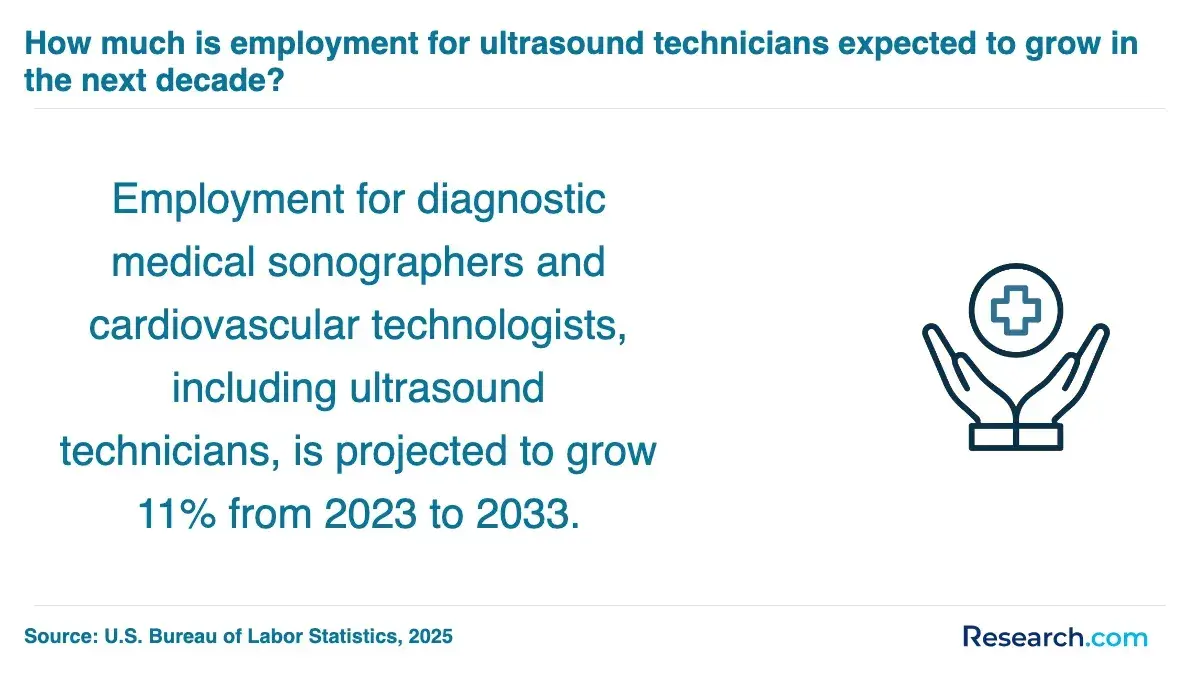
The job outlook for ultrasound technicians in New Jersey is looking pretty good, with employment expected to grow about 10% through 2032—faster than the national average for all jobs. This steady growth points to plenty of opportunities in the state’s healthcare field.
- Population Growth and Aging: As New Jersey’s population grows and ages, more people need frequent health screenings and imaging, upping the demand for ultrasound services.
- Healthcare Expansion: New clinics, hospitals, and outpatient centers keep popping up, creating more spots for ultrasound techs to step in and help out.
- Technological Advancements: Ultrasound tech has gotten way more advanced, so there are now chances to specialize and work on cool new procedures.
- Preventive Care Trends: With more focus on catching issues early, ultrasounds are becoming a key tool, keeping demand steady for skilled sonographers.
- Regional Demand Variations: Big cities usually have more job openings because of larger healthcare systems, while rural places might have fewer jobs but unique opportunities for techs willing to work there.
An ultrasound technician from New Jersey who graduated from a local school shared how, right after finishing her program, she noticed hospitals were actively hiring because of expanding outpatient services and an uptick in patient loads. “It was exciting but a little nerve-wracking at first,” she said, “because sometimes you jump into fast-paced environments where they need you yesterday.”
She also mentioned that the variety in job sites—from urban hospitals to smaller clinics—gives her flexibility and keeps the work interesting. Having trained locally also helped her build connections that made landing a job smoother. Overall, her experience confirms that demand here is real and growing, making it an encouraging field for anyone thinking about this path.
What are the career advancement steps for ultrasound technicians in New Jersey?
Ultrasound technicians in New Jersey have great chances to boost their careers by focusing on specialization, earning additional certifications, or stepping into leadership roles. Developing expertise in certain areas or advancing education can open doors to higher-paying and more responsible jobs. Here’s a straightforward look at the main career advancement steps for ultrasound techs in the state.
- Specialization: Choosing fields like OB/GYN, vascular, or cardiac sonography helps build in-demand skills and access specialized, better-paying roles. This is especially important because New Jersey’s aging population drives up demand for subspecialties such as cardiovascular sonography.
- Advanced Certifications: Credentials from organizations like ARDMS, CCI, or ARRT prove your expertise and can lead to more advanced jobs and raises. Many New Jersey training programs focus on prepping students for these valuable certifications.
- Higher Education: Earning a bachelor’s or master’s degree in sonography or related health sciences expands your career options, including supervisory and research roles. Rutgers University offers the only CAAHEP-accredited bachelor’s degree in sonography in New Jersey, which is a solid step toward growth.
- Leadership Roles: Experienced sonographers can become lead techs, supervisors, or department managers, overseeing teams in hospitals and clinics. These positions often require both advanced clinical know-how and formal education.
- Education and Training: With solid experience, you might become an instructor or clinical trainer, helping new sonographers enter the field. This path needs strong teaching and communication skills alongside sonography knowledge.
- Research or Technology Development: Some ultrasound techs move to roles centered on research, equipment development, or sales, contributing to medical imaging innovations. Your clinical experience is key when working between healthcare and tech teams.
Following these steps not only increases your earning potential but also broadens your professional impact in healthcare across New Jersey. For those deciding on their educational path, it’s helpful to explore what are the easiest medical degree programs to find a good fit for further studies and career growth.
When considering whether pursuing higher education in the field is worth it, you need to look into the wage gap between degree levels. This chart shows that obtaining a bachelor's degree allows you to increase your earning potential, even more so if you obtain a graduate degree.
What are the common challenges ultrasound technicians face in New Jersey?
Starting a career as an ultrasound technician in New Jersey comes with its unique hurdles. Knowing these helps you manage expectations and plan ahead, especially when it comes to handling new challenges on the job.
- Physical Strain and Ergonomics: Repetitive scanning and long hours can lead to musculoskeletal issues, a common problem in busy clinics.
- Emotional Stress: Working with patients facing tough medical situations can be mentally draining and emotionally taxing.
- Workload and Staffing Shortages: Heavy caseloads combined with limited support make balancing your work-life challenging at times.
- Certification and Continuing Education Requirements: Keeping credentials up to date while managing demanding schedules often requires careful time management.
- Technology Adaptation: Frequent updates in ultrasound equipment and software mean always staying on your toes to learn new skills.
- Job Market Competition: With many ultrasound technicians in the state, regional job demand and growth opportunities can vary, affecting career paths.
Being aware of these common challenges related to new jersey ultrasound technician job stress and work-life balance challenges for ultrasound technicians in New Jersey helps you prepare smarter. Exploring the list of the best schools for ultrasound technician can also give you a solid educational start.
How is technology reshaping ultrasound practices in New Jersey?
In New Jersey, rapid advancements in imaging technology and AI-driven diagnostics are transforming ultrasound practices. Up-to-date equipment now offers enhanced image clarity, remote diagnostic capabilities, and streamlined workflows, necessitating that technicians continuously update their technical competencies. This shift not only elevates diagnostic accuracy and patient outcomes but also creates opportunities for professionals to expand their expertise through specialized training and innovative certification programs. For those looking to broaden their imaging skillset, consider exploring how to become a radiology technician in New Jersey.
How Important Is Continuing Education for Ultrasound Technicians in New Jersey?
Continuing education is vital for ultrasound technicians to stay current with evolving imaging technologies and industry best practices. Regular participation in accredited courses, workshops, and professional seminars helps in updating clinical skills and maintaining certification standards. Additionally, engaging in targeted training programs can bolster technical proficiency, enhance patient care, and fortify eligibility for advanced roles. Ultrasound technicians are encouraged to explore specialized interdisciplinary training opportunities, for instance, learning how to become a nurse midwife in New Jersey, which can widen their perspective on integrated healthcare practices and potentially open new career pathways.
Here's What Ultrasound Technicians in New Jersey Have to Say About Their Career
- Completing my ultrasound technician program at Bergen Community College was an incredible stepping stone. The hands-on training and supportive instructors prepared me well to enter the workforce. Starting my career in a local New Jersey school gave me the chance to engage with diverse students and families, truly enriching my experience. The state's healthcare environment offers stability and plenty of room for growth, making me confident about my future. Every day, I’m motivated by the positive impact I have on young people’s well-being. Chad
- My journey began at Camden County College, where the comprehensive curriculum challenged me but also inspired my passion for diagnostic sonography. Working in an academic institution here in New Jersey allowed me to not only develop professionally but also contribute directly to my community's health education. The cultural mix in New Jersey creates unique learning opportunities through varied cases and patient backgrounds. I appreciate the balance between professional advancement and personal fulfillment this career path provides. Aileen
- Graduating from Rowan College of South Jersey gave me the technical skills I needed and ignited a deeper appreciation for how medical imaging supports patient care. Starting my career at a local school clinic made me realize the importance of compassion and patience in healthcare, especially when working closely with young people. New Jersey’s rich resources and diverse population challenge me in rewarding ways, and I’m proud to be part of a profession that directly influences community health. It's been a professionally enriching and personally meaningful journey. Ditta
Related Articles for Nearby States
- 2027 How to Become an Ultrasound Technician in Delaware
- 2027 How to Become an Ultrasound Technician in Pennsylvania
- 2027 How to Become an Ultrasound Technician in New York
- 2027 How to Become an Ultrasound Technician in Maryland
- 2027 How To Become an Ultrasound Technician in Connecticut
- 2027 How to Become an Ultrasound Technician in Rhode Island
- 2027 How to Become an Ultrasound Technician in Virginia
- 2027 How to Become an Ultrasound Technician in Massachusetts
- 2027 How to Become an Ultrasound Technician in West Virginia
- 2027 How to Become an Ultrasound Technician in Ohio
References:
- Carlsen, C. (2025).Is Ultrasound Technician & Diagnostic Medical Sonographer the Same? Dr. Sono.
- Diagnostic Medical Sonography Ultrasound School Info. (n.d.). Sonography Career Paths. USI
- HealthJob. (2024, December 16). How to Become an Ultrasound Technician in New Jersey. healthjob.org.
- The College of Health Care Professions. (2025, February 1). Is Sonography a Good Career. CHCP.
- U.S. Bureau of Labor Statistics. (2025). Occupational Outlook Handbook: Diagnostic Medical Sonographers and Cardiovascular Technologists and Technicians. BLS
- Ultrasound Schools Info | Career & Education Guide. (2025). Ultrasound Technician Schools in New Jersey. ultrasoundschoolsinfo.com.
- Ultrasound Technician Schools. (n.d.). The Difference Between Ultrasound and Sonography. UTS.
- Zippia. (2025). Ultrasound technologist demographics and statistics in the US. Zippia.
Other Things You Should Know About Becoming an Ultrasound Technician in New Jersey
To become an ultrasound technician in New Jersey, you typically need to complete a state-approved diagnostic medical sonography program. While online courses can provide theoretical knowledge, you must attend an in-person program for clinical training and hands-on experience essential for certification and employment.
To become an ultrasound technician in New Jersey by 2026, follow these steps: Obtain a high school diploma or GED, complete a CAAHEP-accredited ultrasound technology program, pass the ARDMS certification exam, and apply for licensure in New Jersey if required. Additionally, pursue continuing education to stay updated in the field.


