
2027 How to Become an HVAC Tech in Michigan

Co-Founder and Chief Data Scientist
Becoming an HVAC technician in Michigan offers a promising and rewarding career path, especially as the demand for skilled professionals continues to grow. With Michigan’s diverse climate, from cold winters to humid summers, HVAC systems are essential, ensuring steady employment opportunities. The state’s evolving focus on energy efficiency and green technologies further enhances career prospects, as technicians adapt to install and maintain advanced, sustainable systems.
Pursuing this profession in Michigan also opens doors to continual learning and specialization, aligning with emerging trends in smart home integration and environmental standards. This article will guide readers through the essential steps and future possibilities within Michigan’s HVAC industry.
Key Points About Becoming an HVAC Tech in Michigan
- Michigan’s HVAC job outlook is promising, driven by increasing demand for energy-efficient systems and green technology integration in residential and commercial buildings.
- The average HVAC technician salary in Michigan is approximately $52,000 annually, with potential growth as advanced HVAC skills become essential.
- Michigan’s robust manufacturing base and evolving climate policies create opportunities for HVAC techs to specialize in sustainable and smart HVAC solutions.
- What are the educational requirements to become an HVAC Tech in Michigan?
- Which schools in Michigan offer HVAC programs?
- What skills do you need to become an HVAC Tech in Michigan?
- What are the requirements for HVAC licensure in Michigan?
- What is the licensing process for HVAC technicians in Michigan?
- How long does it take to become an HVAC tech in Michigan?
- Will an HVAC license from Michigan allow you to work in other states?
- Can additional certifications boost your HVAC career in Michigan?
- What are the career advancement opportunities for HVAC technicians in Michigan?
- How much do Michigan HVAC technicians earn?
- Is there a demand for HVAC technicians in Michigan?
- What are the key occupational health and safety considerations for HVAC technicians in Michigan?
- Is Michigan a good place to work as an HVAC tech?
- How can HVAC technicians enhance their business acumen in Michigan?
- Do HVAC technicians in Michigan require ongoing training or recertification?
What are the educational requirements to become an HVAC Tech in Michigan?
Becoming an HVAC technician in Michigan involves a combination of foundational education, specialized training, and hands-on experience. The path is designed to equip students with the necessary skills to excel in this growing trade, reflecting current industry standards and future advancements. Below is an outline of the key educational requirements for aspiring HVAC professionals in the state.
These requirements align with broader trends seen in HVAC training programs in Michigan, emphasizing practical skills alongside academic knowledge.
- Minimum academic credential: A high school diploma or GED is required to ensure basic literacy and numeracy, essential for understanding technical materials and calculations.
- Enrollment in HVAC training programs: Candidates typically attend community colleges, technical schools, or vocational centers offering specialized courses lasting six months to two years, covering HVAC systems, safety, and regulations.
- Completion of apprenticeships: Hands-on experience is gained through paid apprenticeships lasting three to five years, where trainees work under skilled technicians to develop practical expertise.
Michigan’s approach to HVAC technician education balances classroom instruction with real-world applications, which is becoming increasingly important in this field. The state’s focus on practical training supports workforce readiness in line with the best high demand trades nationwide. Looking forward, emerging technologies like smart HVAC systems and green energy solutions are expected to be integrated into training standards, potentially raising certification requirements and promoting ongoing professional development.
The evolving nature of Michigan HVAC technician education requirements suggests a shift toward lifelong learning models to keep pace with innovations and environmental considerations in the industry.
Which schools in Michigan offer HVAC programs?
Several schools in Michigan offer HVAC programs designed to prepare students for careers as HVAC technicians, a field expected to evolve rapidly with advancing green technologies and smart system integration. For those exploring the best Michigan HVAC schools, understanding the focus and tuition of each program can help in making an informed decision.
These programs not only teach traditional skills but are increasingly incorporating training on sustainable energy solutions and IoT-enabled HVAC systems, reflecting the state’s growing emphasis on environmental responsibility and innovation in building management. Students interested in pursuing this path may also want to explore related trade school programs that enhance career opportunities in technical fields.
- Washtenaw Community College: Offers a comprehensive HVAC program covering installation, maintenance, and repair of heating and cooling systems, including emerging energy-efficient technologies, with tuition approximately $4,000 for in-district students.
- Lansing Community College: Emphasizes practical skills and industry certifications, integrating traditional HVAC principles with modern trends such as environmentally friendly refrigerants and automation controls, with tuition ranging from $3,500 to $5,000 depending on residency.
- Macomb Community College: Delivers an HVAC/R program focused on refrigeration, electrical systems, and system diagnostics, preparing students for state licensing and evolving industry standards, with tuition around $4,200 for Michigan residents.
As HVAC technology advances, these programs are likely to expand their curriculum to include smart HVAC technology training, preparing technicians to work with sophisticated, energy-conscious systems. This forward-thinking approach aligns with Michigan’s commitment to green energy and positions graduates to meet future workforce demands in this dynamic trade school program sector.
What skills do you need to become an HVAC Tech in Michigan?
To thrive as an HVAC technician in Michigan, developing a diverse set of technical and practical skills is essential. Given the state's fluctuating climate, professionals must be prepared to handle a wide range of system challenges with precision and adaptability.
- Electrical Knowledge: Mastery of electrical circuits and systems is vital for troubleshooting wiring and control panel issues effectively.
- Refrigeration Expertise: Understanding refrigeration mechanics and the safe handling of refrigerants ensures efficient system operation and environmental compliance.
- Component Familiarity: Insight into key HVAC parts like compressors, condensers, and thermostats supports accurate diagnostics and repairs.
- Technical Literacy: Ability to read blueprints and technical guides facilitates precise installation and system maintenance.
- Diagnostic Proficiency: Skilled use of specialized tools helps identify malfunctions quickly, minimizing downtime.
- Regulatory Awareness: Knowledge of Michigan’s local codes and safety standards guarantees that work meets legal and safety requirements.
Looking ahead, HVAC technicians may further benefit from integrating smart technology skills and staying current with evolving energy efficiency standards, positioning them to meet future demands in both residential and commercial sectors.
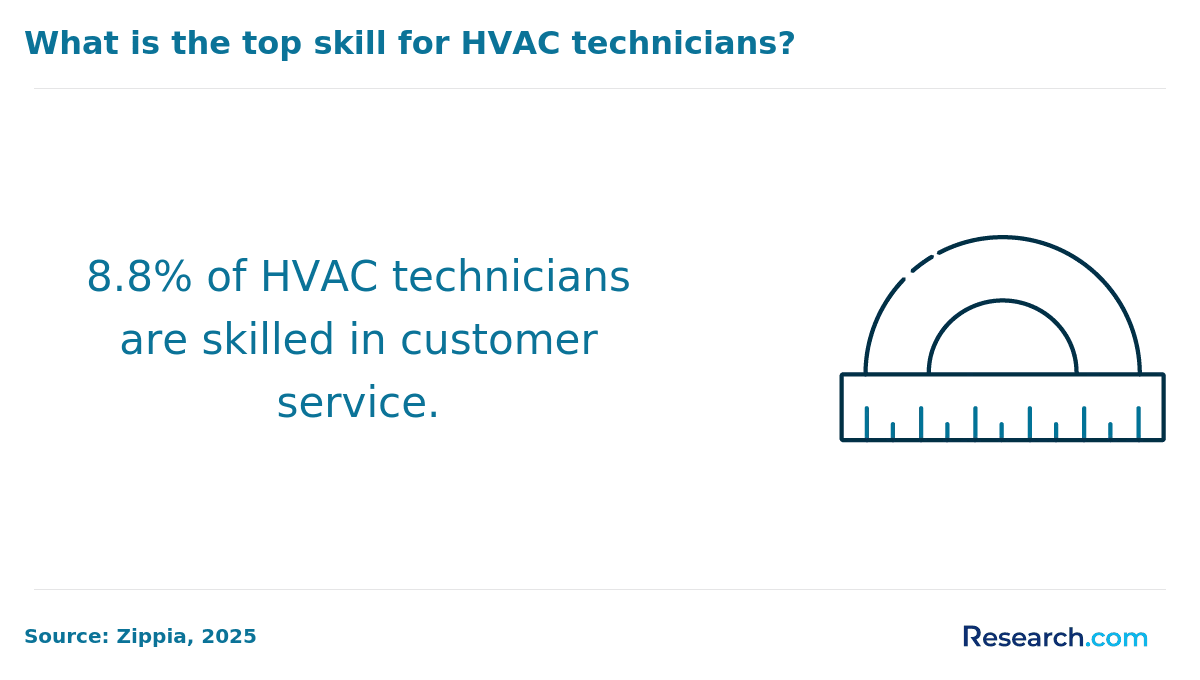
The image below underscores one often-overlooked but critical skill—customer service. With 8.8% of HVAC technicians citing it on their resumes, it’s clear that technical knowledge alone isn’t enough. In Michigan, where techs often interact directly with homeowners or business clients during urgent repairs, being courteous, communicative, and solution-oriented can set you apart just as much as your toolset.
What are the requirements for HVAC licensure in Michigan?
HVAC technicians in Michigan need to fulfill a few specific requirements to obtain licensure, ensuring they are well-prepared for the demands of the profession. These requirements emphasize both practical experience and knowledge, reflecting Michigan’s thorough approach to certifying competent technicians.
- Minimum four years of documented HVAC work experience: Candidates must demonstrate hands-on experience working with HVAC systems, which exceeds the baseline in several other states and highlights Michigan’s commitment to practical skills.
- Passing a state-administered technical and safety exam: This comprehensive test evaluates both the technical knowledge and safety protocols necessary for HVAC work, combining elements that some states might separate into multiple exams.
- Completion of a criminal background check: To enhance public safety, applicants undergo a background screening, a requirement that is becoming more common but is not yet universal across the US.
- Potential future updates reflecting smart technology and sustainability: As HVAC systems evolve to include smart home integration and environmentally sustainable solutions, Michigan’s licensure process may incorporate new assessments and continuing education mandates tailored to these emerging trends.
For individuals exploring how to get HVAC license in Michigan, understanding these criteria is essential. The state’s focus on experience and safety ensures that licensed technicians are equipped to meet industry standards and consumer expectations. Those interested in entering this field might also consider researching trades job salary prospects to better gauge career opportunities. More detailed information on related careers can be found at trades job salary.
What is the licensing process for HVAC technicians in Michigan?
Becoming a licensed HVAC technician in Michigan requires a blend of hands-on experience and passing a state-administered exam, with future advancements likely to enhance this pathway through digital tools and updated standards. The licensing system is designed to ensure technicians are skilled, knowledgeable, and up to date with evolving technologies and regulations.
- Practical Experience: Candidates must complete a set number of supervised work hours, gaining direct exposure to HVAC installations, repairs, and safety protocols under a licensed professional.
- State Examination: An extensive test evaluates understanding of HVAC mechanics, electrical systems, refrigeration principles, and Michigan’s specific codes to guarantee industry competence.
- Application Submission: Applicants provide documented proof of their practical experience and exam results to the relevant state authority for review and approval.
- License Renewal: Periodic renewal may include new requirements reflecting advances in energy efficiency and environmental regulations, encouraging ongoing professional development.
Looking ahead, Michigan's licensing process might incorporate online portals for easier application tracking and continuing education credits, streamlining administrative tasks for technicians and regulators alike.
When speaking with a Michigan HVAC tech about her licensing journey, she shared how the initial hands-on training was both challenging and rewarding, especially mastering local safety codes. “The exam was tough but fair, pushing me to deeply understand the systems I work on every day,” she recalled. She also emphasized the importance of adaptability, mentioning, “Staying current with new technologies is crucial — it’s not just about passing a test, but evolving with the industry.” Her experience highlights the blend of practical skill and continuous learning required to succeed as an HVAC technician in Michigan’s dynamic environment.
The image below offers a valuable insight: 7% of HVAC technicians majored in electrical engineering technology, showing that while it’s not the most common path, a background in electrical work can be a smart move—especially for those navigating Michigan’s exam requirements and increasing integration of smart, energy-efficient systems. This kind of specialized knowledge may give future applicants a competitive edge as licensing expectations continue to evolve.

How long does it take to become an HVAC tech in Michigan?
Becoming an HVAC technician in Michigan involves a structured combination of education, practical experience, and licensure. Understanding the typical HVAC training duration in Michigan can help prospective students plan their career path efficiently.
- 6–12 months for education in HVAC fundamentals: This phase includes completing a state-approved HVAC training program or apprenticeship covering refrigeration, electrical systems, and heating technologies.
- 12–18 months for 2,000 hours of practical experience: Hands-on internship or on-the-job training is essential to develop real-world skills and understand Michigan’s specific climate and building codes.
- Exam and licensing process following training completion: Candidates must pass the Michigan HVAC license exam to ensure they meet state standards for safety and technical knowledge.
Emerging trends in HVAC education suggest future technicians will engage more with automation, smart HVAC systems, and environmentally focused regulations. This could lead to shorter, modular learning formats emphasizing continuous professional development. For those exploring options, the best online HVAC trade schools offer flexible pathways to certification and training that align with these evolving demands.
Whether you're curious about how long to become HVAC technician Michigan or seeking a modern educational approach, staying informed about these developments is vital for a successful career.
Will an HVAC license from Michigan allow you to work in other states?
At present, Michigan does not have formal agreements allowing HVAC technicians licensed in the state to automatically work in other states. Professionals holding a Michigan HVAC license typically need to fulfill the distinct licensing standards of other states, which often involves passing additional tests, providing proof of work experience, and completing specific training programs. Looking forward, the industry could see increased cooperation between states to tackle workforce shortages and facilitate technician mobility. Emerging initiatives might include multi-state agreements or unified certification systems that enable easier credential transfers for Michigan-licensed technicians. HVAC specialists should be prepared to:
- Thoroughly investigate the licensing requirements of their intended states
- Complete any required exams or continuing education to meet new standards
- Pursue certifications recognized nationally or by industry organizations to enhance flexibility
Can additional certifications boost your HVAC career in Michigan?
In a rapidly evolving industry where smart technologies and energy efficiency are at the forefront, advanced certifications can play a pivotal role in career progression. Pursuing specialized training in areas such as energy-efficient system design, advanced refrigeration techniques, or smart building automation can enhance technical proficiency and open doors to leadership opportunities. Additionally, gaining cross-disciplinary skills—such as from learning how to get electrician license in Michigan—can provide a competitive edge by enabling technicians to manage integrated systems more effectively. This strategic approach to continuous professional development is essential for aligning with industry innovations and maintaining long-term competitiveness in Michigan's HVAC market.
What are the career advancement opportunities for HVAC technicians in Michigan?
HVAC professionals in Michigan can accelerate their careers by pursuing advanced certifications and specialized training programs that focus on emerging technologies, energy efficiency, and smart system integration. Technical skill enhancement, combined with leadership and project management training, opens pathways to supervisory or management roles within established organizations. Additionally, engaging with industry associations and attending targeted workshops further builds expertise and networking opportunities. For those considering a transition into related fields, exploring guidance on how to become a mechanic in Michigan can provide valuable insights and complement HVAC skill sets in cross-functional technical environments.
How much do Michigan HVAC technicians earn?
In Michigan, HVAC technicians earn between roughly $40,000 and $60,000 annually, with entry-level workers starting near the lower end and seasoned professionals, including those with certifications or leadership roles, reaching the upper limits. Expertise in specialized fields such as refrigeration, commercial HVAC, or sustainable energy systems often leads to higher pay due to increasing demand in these sectors.
Looking forward, the HVAC field in Michigan is poised for transformation as smart technologies and eco-friendly solutions become more prevalent. Technicians skilled in installing and maintaining energy-efficient equipment, renewable energy sources, or IoT-driven climate control systems may enjoy improved career prospects and greater job stability. The growth of commercial building projects and modernization efforts in urban areas also suggest rising opportunities for better compensation.
- Starting salaries for HVAC technicians in Michigan typically hover around $40,000 annually.
- Advanced technicians and those with niche skills can earn between $55,000 and $60,000 or higher.
- Green energy and commercial HVAC specializations are increasingly valuable in the job market.
- Future trends like smart HVAC systems and connected technologies could significantly impact earning potential.
The chart below supports the discussion of HVAC technician salaries in Michigan by breaking down average earnings by education level. Technicians with a bachelor's degree earn the most at $57,143, while those with a high school diploma or less average around $52,281. This illustrates how educational attainment can influence wage potential in Michigan’s HVAC field, especially as the industry shifts toward more technical and energy-efficient systems.
Is there a demand for HVAC technicians in Michigan?
The demand for HVAC technicians in Michigan is expected to remain strong over the next decade, driven by ongoing construction, maintenance needs, and a growing focus on energy-efficient systems. According to industry projections, the job growth rate for HVAC technicians in Michigan is anticipated to be around 10%, slightly above the national average. This reflects an expanding market where residential, commercial, and industrial sectors all require skilled professionals to install and maintain increasingly complex HVAC equipment, highlighting the importance of understanding HVAC technician job demand Michigan.
Emerging trends such as smart home integration and green energy solutions may shift demand toward technicians specializing in advanced HVAC technologies, including heat pumps and renewable energy systems. While general HVAC service roles remain plentiful, there is a noticeable increase in opportunities for specialists in environmentally friendly and high-efficiency equipment. As Michigan continues to modernize its infrastructure, future HVAC technicians with expertise in these areas are likely to find enhanced job security and growth potential, aligning with the broader Michigan HVAC industry growth outlook.
For those considering this career path, pursuing easy certifications that pay well can provide a competitive edge and open doors to specialized roles in this evolving field. Staying updated with technological advancements and certifications will be essential for success in Michigan’s dynamic HVAC market.
The chart below reinforces Michigan’s strong job market for HVAC professionals. With nearly 300,000 technicians employed in building equipment contracting alone—the leading sector—it's clear that demand is not only widespread but concentrated in industries offering stable, long-term employment. As the state modernizes its infrastructure, these numbers highlight where most technicians are finding work and suggest where future opportunities will likely continue to grow.
What are the key occupational health and safety considerations for HVAC technicians in Michigan?
HVAC professionals in Michigan frequently encounter diverse work environments that demand strict adherence to health and safety protocols. Technicians must mitigate risks such as exposure to high-voltage systems, confined spaces, and extreme weather conditions by utilizing appropriate personal protective equipment and following standardized safety procedures. Regular site risk assessments and compliance with state occupational safety guidelines form the cornerstone of maintaining a safe work environment. Additionally, adopting best practices for tool handling and emergency response not only minimizes accidents but also reinforces long-term career sustainability. Interested professionals may also explore opportunities to expand their technical skill set and safety proficiency by reviewing resources on how to become an ultrasound technician in Michigan.
Is Michigan a good place to work as an HVAC tech?
Michigan offers a unique environment for those pursuing a career as an HVAC technician due to its varied climate and evolving market conditions. The state's weather extremes create a continuous need for heating and cooling services, providing consistent employment opportunities.
Here are some key considerations for HVAC professionals thinking about working in Michigan:
- Year-Round Climate Demand: Michigan’s cold winters and hot summers ensure steady work throughout the year, supporting ongoing service needs for heating and cooling systems.
- Cost of Living Advantage: With living expenses below the national average, HVAC salaries stretch further, making it easier for technicians to maintain a comfortable lifestyle.
- Regulatory Standards: State licensing requirements, including exams and apprenticeships, establish a skilled workforce which can lead to better job security and wages.
- Technological Advancements: Growing use of energy-efficient and smart HVAC systems will likely increase demand for technicians versed in modern technologies.
- Sustainability Initiatives: Green building efforts and tighter environmental regulations could open new career paths in eco-friendly HVAC solutions.
- Urban Growth Impact: Expanding metropolitan areas like Detroit may concentrate HVAC service needs, offering more localized job prospects.
- Digital Integration: The rise of remote monitoring and IoT in HVAC systems may shift technician roles toward advanced diagnostics and system optimization.
What HVAC Technicians in Michigan Say About Their Careers
- Working as an HVAC technician in Michigan offers incredible job stability thanks to the state's diverse climate and consistent demand for heating and cooling services. The average salary here is competitive, which makes me confident about my future. I truly enjoy being part of an industry that keeps homes and businesses comfortable all year round. William
- The challenges of Michigan’s cold winters and humid summers have pushed me to master a wide range of HVAC systems, making every day on the job unique and rewarding. I appreciate how the local community values skilled technicians, and it feels great to solve complex problems that directly impact people's comfort and safety. Aisha
- Michigan offers excellent professional development programs, including apprenticeships and certifications that have helped me advance my skills quickly. The support from local trade schools and unions has been invaluable in shaping my career, and I feel proud to contribute to this essential field. Jenna
How can HVAC technicians enhance their business acumen in Michigan?
HVAC professionals can advance their careers by strengthening their business and leadership skills alongside technical expertise. Developing proficiency in areas such as financial management, strategic planning, and client relations can facilitate transitions into management roles, bolster opportunities for independent contracting, and improve contract negotiations. Many technicians benefit from pursuing continuing education programs that provide insights into market trends and effective business practices. Resources like the best business schools in Michigan offer programs designed to bridge the gap between technical know‐how and business management, empowering professionals to thrive in a competitive market.
Do HVAC technicians in Michigan require ongoing training or recertification?
HVAC professionals must meet continuing education and recertification requirements to ensure compliance with evolving safety standards and technological advances. In Michigan, technicians often participate in periodic training sessions that cover updates in energy efficiency, smart system integration, and regulatory changes. Keeping current with these practices not only supports their licensure renewal but also reinforces their technical proficiency and workplace safety. For additional insights on educational prerequisites in related technical fields, please refer to Michigan education requirements for radiologic technologist.
Related Articles for Nearby States
- 2027 How to Become an HVAC Tech in Ohio
- 2027 How to Become an HVAC Tech in Indiana
- 2027 How to Become an HVAC Tech in Wisconsin
- 2027 How to Become an HVAC Tech in Illinois
- 2027 How to Become an HVAC Tech in Minnesota
- 2027 How to Become an HVAC Tech in Pennsylvania
- 2027 How to Become an HVAC Tech in Kentucky
- 2027 How to Become an HVAC Tech in West Virginia
- 2027 How to Become an HVAC Tech in Iowa
- 2027 How to Become an HVAC Tech in Missouri
References:
- AcademicPrograms.nmc.edu. Academic Programs: Construction Technology – HVACR: Northwestern Michigan College.
- Careerexplorer.com. HVAC Technician Salary in Michigan – CareerExplorer.
- Careertraining.cmich.edu. Online HVAC/R Technician (Voucher Included) from Central Michigan University.
- Dorsey.edu. HVAC Training Schools | HVAC Training Courses | Dorsey College, MI.
- Hvacclasses.org. HVAC Training Schools in Michigan – HVAC Certifications & Degrees.
- Hvactrain.com. HVAC Training Southfield and Bloomfield MI | HVAC U, LLC.
- Hvacschoolsguide.com. HVAC Training Schools in Michigan.
- Northwesterntech.edu. Northwestern Technological Institute – HVAC School.
- Uti.edu. HVAC Technician School & Training in Canton, Michigan | UTI.
- Wccnet.edu. Heating, Ventilation and A/C at WCC.
Other Things You Should Know About Becoming an HVAC Tech in Michigan
In 2027, Michigan HVAC techs must complete at least four hours of continuing education every year. This includes updates on code changes applicable to their license, as mandated by the Michigan Licensing and Regulatory Affairs (LARA).
To work as an HVAC tech in Michigan in 2027, you need a Mechanical Contractor's license, which requires passing the state's mechanical exam. Additionally, you'll need to fulfill the EPA's Section 608 certification requirements for refrigerant handling.


