
2027 How to Become an Electrician in Michigan

Co-Founder and Chief Data Scientist
Many people feel stuck in jobs that offer little growth or financial return. If you’re looking for a way into a skilled profession with strong long-term prospects, becoming an electrician in Michigan is worth considering. The state expects a 7% increase in electrician jobs over the next ten years, and median annual wages hover around $62,000.
Ongoing infrastructure improvements and clean energy projects fuel this demand, making it a great time to enter the trade. With proper training and licensure, you can access a career that offers both job security and upward mobility in a field that’s always in need. This article, created by career planning experts, provides a clear, informed overview of Michigan’s electrician career landscape.
Key Things to Know About Becoming an Electrician in Michigan
- Michigan requires electricians to complete an apprenticeship of at least 8,000 hours and pass a state licensing exam for journeyman or master electrician status.
- The average annual salary for electricians in Michigan is approximately $58,000, varying by experience, location, and specialization.
- Continuing education and staying updated with Michigan electrical codes are essential for career advancement and maintaining licensure.
- What education is required to become an electrician in Michigan?
- How do you get into an electrician apprenticeship program in Michigan?
- How much do electricians make in Michigan?
- What certifications do electricians need in Michigan?
- How long does an electrician apprenticeship take in Michigan?
- How much does electrician training cost in Michigan?
- Could Supplementary Trade Certifications Enhance Your Electrical Career in Michigan?
- Can I Transition to Independent Contracting or Related Technical Fields in Michigan?
- How can electricians in Michigan enhance their business acumen?
- Can electricians in Michigan transition to other technical fields?
- What are the liability and insurance requirements for electricians in Michigan?
- What license do you need to be an electrician in Michigan?
- How often do you need to renew your electrician license in Michigan?
- What are the essential skills needed to be a successful electrician in Michigan?
- What is the job outlook for electricians over the next 10 years in Michigan?
What education is required to become an electrician in Michigan?
Aspiring electricians typically begin their education by enrolling in formal programs that cover essential courses such as Electrical Wiring, National Electrical Code (NEC) studies, Industrial Electricity, circuitry, blueprint reading, and safety protocols. These courses provide a comprehensive understanding of electrical systems and prepare students for the varied challenges they will face in the field.
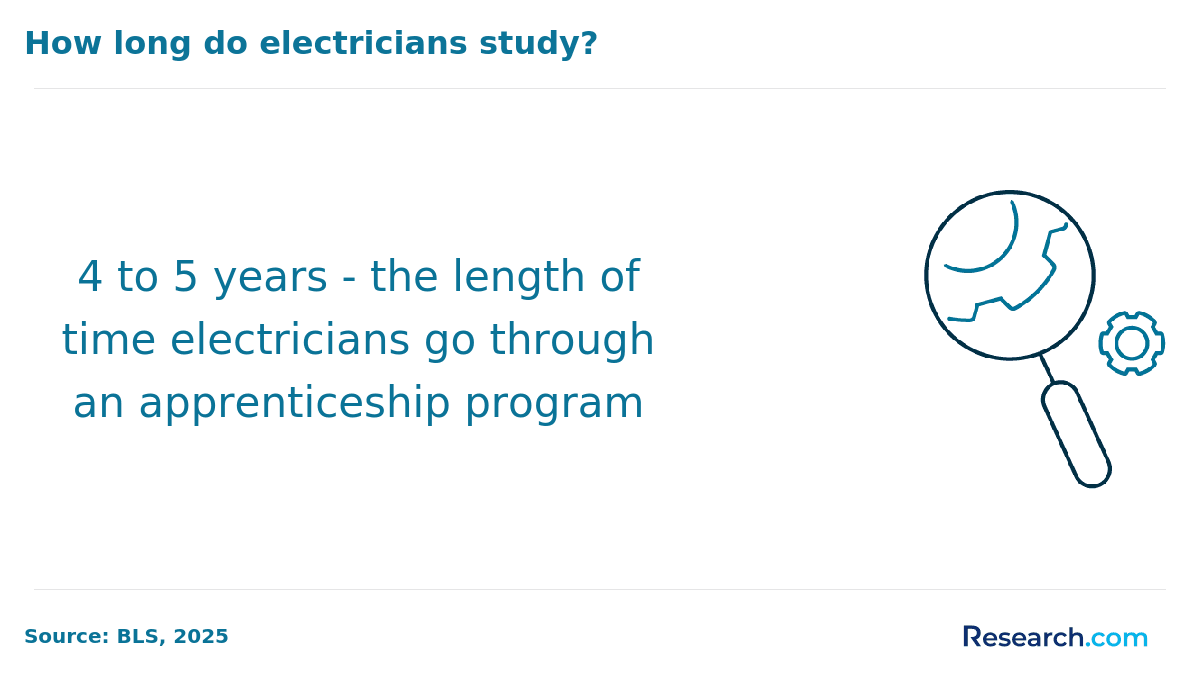
Beyond classroom learning, Michigan mandates the completion of a four- to five-year apprenticeship under the supervision of licensed electricians. This hands-on training is crucial, offering real-world experience with residential, commercial, and industrial electrical work. The apprenticeship not only reinforces technical skills but also enhances problem-solving abilities and familiarity with evolving electrical codes and technologies.
For those looking to enroll in top programs, the Michigan Technical Education Center (M-TEC), the Washtenaw Community College Electrical Technology Program, and the Henry Ford College Electrical Technology Department stand out. These institutions combine classroom instruction with practical labs and provide support in securing apprenticeships, positioning students effectively for career success.
How do you get into an electrician apprenticeship program in Michigan?
Prospective apprentices usually need to be at least 18 years old, have a high school diploma or GED, and pass an aptitude test focusing on math and reading comprehension. Some programs might also include background checks and drug screenings, underscoring the profession’s emphasis on safety and reliability.
Several reputable organizations offer electrician apprenticeship programs in Michigan, including the Michigan Electrical Industry Training Center (MEITC), the International Brotherhood of Electrical Workers (IBEW) Local 58, and the Michigan Chapter of the National Electrical Contractors Association (NECA). These programs combine extensive on-the-job training with classroom instruction, aligning with Michigan’s licensing requirements, which mandate 8,000 hours of practical experience and 576 hours of classroom education.
To succeed in an apprenticeship, it’s vital to engage with supplemental resources such as review classes hosted by IBEW Local 58 and continuing education workshops offered through NECA. These opportunities enhance knowledge of evolving electrical codes and industry standards, positioning apprentices at the forefront of their trade. For those curious about career outcomes, exploring what are highest paying trade school jobs can provide valuable insights into the economic benefits of this career path.
How much do electricians make in Michigan?
Electricians in Michigan currently earn an average annual salary of around $62,000, translating to roughly $5,160 per month. Entry-level electricians typically start between $35,000 and $42,000 annually, with wages varying depending on location and employer size. Salary progression is structured, generally beginning with apprenticeship wages between $15 and $22 per hour, advancing to journeyman rates of about $25 to $35 per hour, and eventually reaching master electrician status or specialized roles that can command more than $40 per hour.
Among Michigan’s cities, Detroit stands out as the highest-paying market, where experienced electricians can earn up to $70,000 annually. Ann Arbor and Grand Rapids also offer competitive salaries, averaging around $65,000 and between $60,000 to $68,000 respectively. These variations reflect differing economic conditions, union presence, and regional demand for specialized skills.
The future holds promising opportunities for electricians in Michigan, particularly as construction employment grows and infrastructure upgrades increase demand. Aspiring electricians should consider leveraging local resources and certification prep programs similar to those offered for medical billers and coders in Michigan, who adopt a structured approach to certification exams. Moreover, those interested in advancing their expertise might explore continuing education paths, such as part-time Ph.D. in economics, which demonstrate how diverse educational routes can enhance career prospects in evolving fields.
What certifications do electricians need in Michigan?
The electrician certification requirements begin with the Apprentice Electrician License, which allows individuals to gain practical experience while working under licensed electricians. This foundational stage typically involves completing thousands of hours of supervised work alongside classroom instruction. Institutions such as the Michigan Technical Education Center (M-TEC) and Washtenaw Community College offer apprenticeship programs that combine hands-on training with essential theoretical knowledge, preparing candidates for the next certification level.
Progressing from apprentice to journeyman requires meeting specific criteria, including approximately 8,000 hours of work experience and 576 hours of classroom education. The Journeyman Electrician License authorizes electricians to operate independently, significantly enhancing career prospects and earning potential.
The highest level of certification is the Master Electrician License, often pursued by those aiming to supervise teams or launch their own businesses. Achieving this license requires additional years of journeyman experience and passing a comprehensive exam covering electrical codes and state regulations. Master electricians in Michigan enjoy some of the highest salaries in the trade and are increasingly vital in cutting-edge sectors such as renewable energy and industrial automation.
To stay competitive, electricians should consider broader educational opportunities, including the best HVAC trade schools and certifications online, which can offer complementary skills and certifications that enhance versatility and marketability in Michigan’s dynamic job market.
How long does an electrician apprenticeship take in Michigan?
The apprenticeship typically takes between four to five years to complete, equating to roughly 8,000 hours of combined on-the-job training and classroom instruction. This duration aligns with state requirements and national standards, ensuring apprentices acquire the comprehensive skills necessary for licensure. However, the actual timeframe can vary depending on factors like the sponsoring organization and the apprentice’s learning pace.
Union programs, such as those offered by the International Brotherhood of Electrical Workers (IBEW) Local 58, usually provide structured timelines and clear pathways to licensure, often adhering closely to the five-year period. Independent or non-union programs may offer more flexibility, which can lead to longer or shorter completion times depending on the apprentice’s availability and dedication. Certain technical colleges and private training centers in Michigan now offer accelerated apprenticeship programs that condense classroom hours and increase on-site training frequency, enabling completion in as little as three years for highly motivated candidates.
Those interested in the differences between trade school and vocational program can gain additional insight into effective training pathways for electricians in the state.
How much does electrician training cost in Michigan?
The training generally ranges from $5,000 to $20,000 depending on the training path chosen. Factors influencing electrician training cost in Michigan include the type of program—certificate, associate degree, or apprenticeship—and its duration. Community colleges typically charge between $4,000 and $12,000 for tuition over one to two years, while private trade schools may exceed $15,000 due to specialized instruction and smaller class sizes.
Program length plays a crucial role; longer programs often incur higher tuition but may provide deeper knowledge and better credentials, whereas shorter certificate programs offer quicker workforce entry at a lower initial cost. Additionally, students must budget for essential tools and equipment, which can add $1,000 or more depending on quality and quantity needed.
Michigan electrician school tuition fees can be offset through apprenticeships, where trainees earn wages while gaining hands-on experience. Apprenticeships involve lower tuition costs, typically $1,000 to $5,000 annually for related technical instruction, making this a more affordable option.
Financial aid is widely available, including federal and state grants, scholarships, and loans. The Michigan Department of Labor and Economic Opportunity offers workforce development programs with potential funding or vouchers. Many institutions participate in the Federal Pell Grant program, and veterans may utilize the GI Bill. Scholarships from organizations like the IEC Michigan Chapter and NECA provide additional support.
For those researching education choices, resources detailing what are the best online vocational trade schools can be valuable in finding affordable and flexible electrician programs tailored to diverse needs.
Could Supplementary Trade Certifications Enhance Your Electrical Career in Michigan?
Diversifying technical skills with complementary certifications can strategically position electricians to meet the evolving demands of modern building systems and sustainable technologies. For professionals seeking to broaden their expertise, supplemental training not only increases marketability but also provides flexibility in a competitive labor market. Exploring related fields—such as how to become an HVAC technician in Michigan—can offer practical insights into integrated system operations and diversified service offerings, ultimately enhancing career longevity and competitive advantage in Michigan’s dynamic industry.
Can I Transition to Independent Contracting or Related Technical Fields in Michigan?
Experienced electricians seeking to diversify their careers may consider transitioning into independent contracting or other technical fields. In Michigan, this shift often requires an understanding of additional business licensing requirements, state permits, and compliance with local regulations. Entrepreneurs should evaluate opportunities for enhancing business management skills and obtaining targeted training that strengthens both technical and administrative acumen. Furthermore, exploring complementary trades, such as by learning how to become a mechanic in Michigan, may offer valuable insights into diversified service offerings and career growth.
How can electricians in Michigan enhance their business acumen?
Electricians who aim to transition into independent contracting or launch their own operations benefit from a strong foundation in business management. Developing business acumen involves mastering financial planning, client relationship management, and regulatory compliance specific to operating a trade business. Leveraging targeted courses and industry workshops can help professionals understand budgeting, marketing strategies, and risk management—all essential for sustainable growth. Engaging with structured programs available through community colleges or specialized training institutions, and exploring opportunities at top business schools in Michigan, provides practical insights to streamline business operations and enhance profitability without compromising technical expertise.
Can electricians in Michigan transition to other technical fields?
Electricians in Michigan develop a robust set of technical, analytical, and safety skills that can be applicable in various specialized industries. Their expertise in troubleshooting, system diagnostics, and adherence to strict regulatory standards provides a foundation for branching into fields that demand precision and technical know‐how. For example, professionals seeking a technical pivot may explore roles in industry-specific sectors, where similar problem-solving skills are valued. Additionally, cross-training in alternative technical careers—such as by learning how to become a radiology technician in Michigan—can offer fresh opportunities for career advancement without completely stepping away from their core competencies.
What are the liability and insurance requirements for electricians in Michigan?
Electricians in Michigan must address risk management beyond technical skills and licensure. Securing comprehensive general liability insurance, workers’ compensation, and professional liability coverage is essential to protect against workplace hazards and potential claims. Adhering to evolving state regulations and industry standards can help in selecting appropriate policies and mitigating financial risks. For professionals exploring alternative technical fields, consider how to become an ultrasound technician in Michigan as a pathway to diversify career opportunities.
What license do you need to be an electrician in Michigan?
Aspiring electricians must obtain either a journeyman electrician or master electrician license, both regulated by the Michigan Department of Licensing and Regulatory Affairs (LARA). These licenses certify that electricians meet the state’s stringent standards for safety and expertise.
For the journeyman electrician license, candidates need at least 8,000 hours of supervised on-the-job training—typically over four years—along with 400 hours of approved classroom instruction or an equivalent apprenticeship program. Passing the Michigan Journeyman Electrician Examination, which covers the National Electrical Code (NEC), state laws, and safety protocols, is mandatory.
Advancing to a master electrician license requires holding a journeyman license for at least one year and accumulating 12,000 hours of electrical work experience, including supervisory roles. Master electricians must pass a more advanced exam focusing on complex electrical theory, code interpretation, and business practices.
Maintaining detailed records of work experience and continuing education credits simplifies renewals and audits. Networking with licensed electricians can also provide valuable mentorship and industry insights. Staying informed about regulatory changes through LARA and MEAB will help candidates adapt to future trends, such as integration of smart electrical systems and sustainability standards, positioning them ahead in a rapidly advancing field.
How often do you need to renew your electrician license in Michigan
Licenses must be renewed every three years, reflecting the state's commitment to ensuring electricians remain knowledgeable about current safety codes and industry standards. Key requirements for renewal include completing at least 24 hours of continuing education within the renewal period. These educational hours must cover critical topics such as updates to the National Electrical Code (NEC), electrical safety practices, and relevant technical skills.
The renewal steps are clearly defined:
- Complete the required continuing education hours from LARA-approved providers.
- Submit a renewal application to LARA prior to the license expiration date.
- Pay the mandated renewal fees set by the state.
- Verify that all submitted professional information is accurate and current.
Looking ahead, the renewal process may increasingly incorporate digital verification and online education platforms, making compliance more accessible. As Michigan’s construction and manufacturing sectors grow, staying current with licensure requirements will remain critical for electricians seeking to capitalize on expanding job opportunities.
What are the essential skills needed to be a successful electrician in Michigan?
Electricians in Michigan must cultivate a combination of hard and soft skills to thrive in an evolving industry shaped by advancing technology and stringent safety standards.
- Technical Proficiency: Mastery of electrical theory, circuitry, and compliance with the National Electrical Code (NEC) and Michigan-specific regulations is foundational. Practical experience in wiring and system installation ensures accuracy and safety on the job.
- Technology Adaptability: As smart home systems and digital diagnostic tools become standard, electricians need to stay current with emerging technologies, enhancing troubleshooting efficiency and precision.
- Problem-Solving Skills: On-site challenges require quick, innovative solutions. Developing analytical thinking helps reduce downtime and improves project outcomes.
- Communication Skills: Clear interaction with clients and teams facilitates understanding of complex technical details, promoting collaboration and successful project completion.
- Attention to Detail: Precision in measurements, installation, and adherence to safety protocols prevents costly mistakes and ensures high-quality workmanship.
- Physical Stamina and Dexterity: The role demands physical endurance and fine motor skills to handle equipment and work in varied environments safely.
Engagement with trade associations, such as the Independent Electrical Contractors (IEC) of Michigan, offers workshops and networking opportunities that foster skill development and industry insight.
What is the job outlook for electricians over the next 10 years in Michigan?
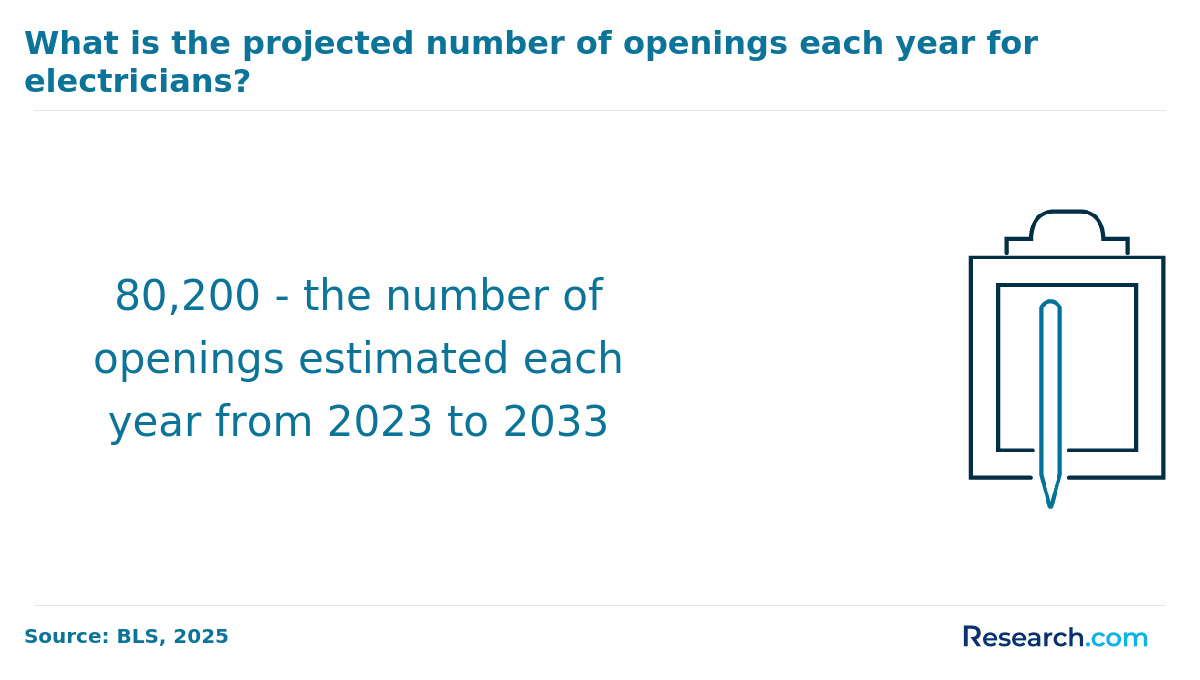
The job outlook for electricians in Michigan is promising, with employment expected to grow by about 7% through 2033, according to the U.S. Bureau of Labor Statistics data from 2023. This growth rate surpasses the national average of 6%, reflecting strong demand fueled by construction, infrastructure upgrades, and expanding industrial activities. Aspiring electricians can anticipate stable opportunities supported by Michigan’s diverse economy.
Key cities driving this demand include Detroit and Warren, where the automotive manufacturing sector heavily employs electricians for industrial maintenance and automation roles. In addition, metropolitan areas such as Grand Rapids and Lansing are seeing growth due to urban development and population increases, which require new electrical installations in residential, commercial, and public infrastructure projects.
Emerging trends are reshaping the electrician profession in Michigan. The rise of green energy initiatives, including solar panel installation and electric vehicle (EV) charging infrastructure, presents new specialization opportunities. Additionally, an aging workforce in the trades creates ongoing demand for apprentices and newly licensed electricians, ensuring a steady influx of career openings. Michigan’s strategic focus on modernizing electrical systems and embracing clean energy will likely continue to make this a robust and adaptable career choice for the next decade.
What Electricians in Michigan Say About Their Careers
I love that my work directly improves community safety and helps preserve the character of our neighborhoods. Every day brings new projects and opportunities to grow my skills, and I’m proud to contribute to Detroit’s revitalization. — Timothy
Attending Grand Rapids Community College’s electrical program gave me a solid foundation and opened doors I hadn’t imagined. The best part about being an electrician here is the steady demand driven by the state’s evolving energy needs and seasonal weather extremes. It’s rewarding to know my work supports both residential comfort and industrial reliability. — Carl
Michigan’s focus on sustainable power sources offers unique opportunities that keep my job exciting and future-oriented. The professional development possibilities here are impressive, and I appreciate the balance of technical challenges and team collaboration. — Liam
Related Articles for Nearby States
- 2027 How to Become an Electrician in Ohio
- 2027 How to Become an Electrician in Indiana
- 2027 How to Become an Electrician in Wisconsin
- 2027 How to Become an Electrician in Illinois
- 2027 How to Become an Electrician in Minnesota
- 2027 How to Become an Electrician in Pennsylvania
- 2027 How to Become an Electrician in Kentucky
- 2027 How to Become an Electrician in West Virginia
- 2027 How to Become an Electrician in Iowa
- 2027 How to Become an Electrician in Missouri
References:
- CareerExplorer. (n.d.). Electrician salary in Michigan.
- Electrician School EDU. (n.d.). Electrician salary in Michigan – MI.
- Electrician Information Resource. (n.d.). Electrician salary in Michigan: Is it worth it?
- Faraday Careers. (n.d.). Electrician job outlook for 2022.
- Prairie Electric. (2024, December). Electrician job outlook in 2025 and beyond.
- CareerExplorer. (n.d.). The job market for electricians in the United States.
- Bureau of Labor Statistics. (2025, April 18). Electricians. U.S. Department of Labor.
- Bureau of Labor Statistics. (n.d.). Occupational employment and wage statistics: Electricians. U.S. Department of Labor.
Other Things You Should Know About Becoming an Electrician in Michigan
To become an electrician in Michigan in 2027, start with a high school diploma or GED. Enroll in an apprenticeship program for experience and classroom training. Pass the state exam to become a journeyman electrician. Once qualified, maintain your license through continuing education as required by Michigan law.
To become a licensed electrician in Michigan in 2027, start with a high school diploma or GED. Complete an apprenticeship program, which typically lasts four years, to gain required practical experience. Pass the journeyman electrician exam and acquire your license from the State of Michigan’s Department of Licensing and Regulatory Affairs.
Electricians in Michigan must complete 15 hours of continuing education every licensing cycle to renew their license in 2027. This includes updates on Michigan Electrical Code, safety measures, and industry advancements. Approved courses are provided by Michigan's Department of Licensing and Regulatory Affairs.


