
2027 How to Become an Ultrasound Technician in Michigan

Co-Founder and Chief Data Scientist
Many aspiring healthcare professionals in Michigan face uncertainty about how to begin a career as an ultrasound technician. With Michigan projected to see a 14% growth in diagnostic medical sonographers by 2030, the demand for skilled technicians is rising significantly.
This trend reflects expanding healthcare needs and technological advances in medical imaging within the state. Pursuing this career promises competitive salaries and strong job security in diverse clinical settings.
This article, crafted by career planning experts, outlines essential steps, credentialing requirements, and emerging opportunities to help readers navigate the path effectively and capitalize on Michigan’s growing healthcare landscape.
Key Things to Know About Becoming an Ultrasound Technician in Michigan
- Complete an accredited diagnostic medical sonography program, typically 2 years for an associate degree, ensuring eligibility for ARDMS certification favored in Michigan.
- Gain clinical experience through internships or hospital partnerships, crucial as Michigan healthcare providers increasingly value hands-on skills amid a growing ultrasound technician demand projected to rise 14% by 2030.
- Stay updated with emerging ultrasound technologies like AI-assisted imaging, positioning yourself competitively in Michigan’s evolving medical landscape with expanding outpatient and telehealth services.
- What education is required to become an ultrasound technician in Michigan?
- What specialties can ultrasound technicians choose from in Michigan?
- Which certification exams are required to become an ultrasound technician in Michigan?
- Is a license required to practice as an ultrasound technician in Michigan?
- What to expect during ultrasound technician clinical training in Michigan?
- How much does it cost to become an ultrasound technician in Michigan?
- What is the average salary for ultrasound technicians in Michigan?
- What is the job outlook and demand for ultrasound technicians in Michigan?
- Can exploring related healthcare careers benefit ultrasound technicians in Michigan?
- What are the career advancement steps for ultrasound technicians in Michigan?
- What are the common challenges ultrasound technicians face in Michigan?
- What ongoing professional development opportunities exist for ultrasound technicians in Michigan?
What education is required to become an ultrasound technician in Michigan?
The pathway to becoming an ultrasound technician in Michigan centers around completing rigorous education and practical training. Emerging trends suggest increasing emphasis on accredited ultrasound technician programs in Michigan to meet evolving healthcare standards.
- Minimum Education Requirement: Candidates must hold at least a high school diploma or GED before enrolling in any program.
- Degree Requirement: An associate degree in diagnostic medical sonography Michigan is typically the minimum credential required, although some programs may prefer candidates with a bachelor’s degree for advanced opportunities.
- Accredited Program Completion: Graduation from a program accredited by the Commission on Accreditation of Allied Health Education Programs (CAAHEP) is essential to ensure quality education and eligibility for certification.
- Clinical/Practicum Hours: Students must complete supervised clinical hours in healthcare settings, providing crucial hands-on experience; the exact number varies by institution.
- Academic Standards: Many programs require maintaining a minimum GPA of 3.0 and consistent competency in coursework and evaluations.
- Admission Requirements: Submission of official transcripts, letters of reference, and documentation of healthcare observation or volunteer hours may be required.
- Certification Eligibility: Most employers prefer certification from the American Registry for Diagnostic Medical Sonography (ARDMS), attainable only after graduating from an accredited program and passing the national exam, reflecting high industry standards.
- Program Duration: Associate degree programs typically span about two years, while bachelor’s programs last approximately four years.
As healthcare technology advances, prospective students might also explore related pathways detailed in resources such as how to become a radiologist for a broader clinical perspective.
What specialties can ultrasound technicians choose from in Michigan?
Ultrasound technicians in Michigan can specialize in several focused areas within diagnostic medical sonography, each offering unique career pathways and growth opportunities. These specialties address different patient needs and imaging techniques, reflecting evolving demands in healthcare.
Below is an overview of key ultrasound specialties technicians can pursue, highlighting emerging trends in the field.
- Abdominal Sonography: This specialty centers on imaging organs like the liver and kidneys, with Michigan programs preparing technicians for certifications such as the ARDMS Abdomen exam. Ongoing advances in imaging technology may enhance diagnostic precision in this area.
- Obstetric and Gynecologic Sonography: Focused on fetal development and female reproductive health, this specialty remains vital in Michigan healthcare, with future trends leaning toward 3D imaging and enhanced prenatal diagnostics.
- Musculoskeletal Sonography: With growing demand for non-invasive injury assessments, this specialty is expanding in Michigan, exemplified by programs like Henry Ford Hospital’s, likely to integrate more AI-assisted analysis.
- Pediatric Sonography: This niche involves imaging children and congenital conditions, with potential growth linked to improved portable ultrasound devices facilitating more community-based diagnoses.
- Cardiovascular Sonography (Echocardiography): Technicians here image the heart and vessels, often requiring additional certification; upcoming techniques may include advanced hemodynamic assessment tools.
- Breast Sonography: Increasingly important due to cancer screening initiatives in Michigan, this specialty may see growth through integration with molecular imaging and personalized patient care strategies.
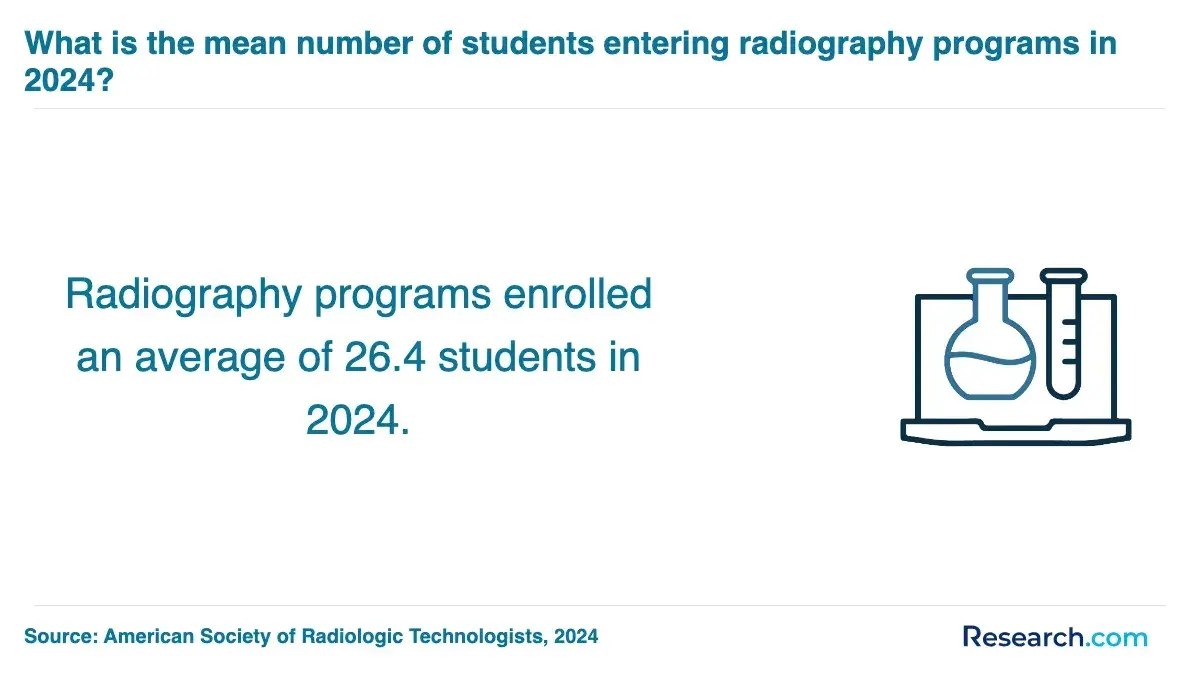
For those considering sonography careers in Michigan, staying informed about these evolving specialties will be critical. More detailed information about diagnostic imaging and future opportunities can be found in the radiology career resource. To better understand the educational landscape, the image below highlights the average enrollment of radiography programs.
Which certification exams are required to become an ultrasound technician in Michigan?
Certification exams serve as a critical benchmark for ultrasound technicians in Michigan, ensuring candidates meet rigorous professional standards and are prepared for clinical responsibilities.
Although Michigan does not mandate state licensure, most employers require nationally recognized credentials to maintain quality and safety in sonographic practice. These exams validate expertise and often shape the career trajectory within the state’s healthcare environment.
- Sonography Principles & Instrumentation (SPI) Examination: This foundational exam assesses knowledge of sonographic physics, instrumentation, and patient safety protocols. Administered by ARDMS, it is typically required before pursuing specialty certification. Candidates enrolled in accredited allied health programs in Michigan, such as those at Henry Ford Hospital or Delta College, may take this exam before graduation, provided they document clinical experience.
- Specialty Certification Examinations: Following the SPI, candidates select a specialty such as Abdomen, Obstetrics and Gynecology (OB/GYN), or Vascular Technology. These specialty exams focus on anatomy, pathology, scanning protocols, and patient care relevant to the area of practice. Passing at least one specialty exam is standard in Michigan training programs, and applicants must submit transcripts and clinical documentation for ARDMS eligibility.
- Registered Diagnostic Medical Sonographer (RDMS), Registered Vascular Technologist (RVT), and Registered Diagnostic Cardiac Sonographer (RDCS) Certifications: These credentials represent comprehensive qualifications earned by passing both the SPI and relevant specialty exams. They are nationally recognized and strongly preferred by Michigan employers, often enhancing employability and advancement prospects.
- American Registry of Radiologic Technologists (ARRT) Sonography Certification: ARRT offers an alternative sonography certification, focusing on patient care, imaging, and physics. Though less common than ARDMS in Michigan, it is recognized especially in multi-modality imaging centers. Eligibility requires graduation from an ARRT-approved educational program.
- Cardiovascular Credentialing International (CCI) Exams: CCI certifications like Registered Cardiac Sonographer (RCS) and Registered Vascular Specialist (RVS) cater to cardiovascular sonography specialists. These exams emphasize cardiac and vascular physiology and imaging, with some Michigan employers valuing these credentials in specialized cardiovascular labs.
Obtaining these certifications not only enhances professional credibility but also aligns ultrasound technicians with evolving industry standards and employer expectations across Michigan. As healthcare technologies advance, holding recognized credentials will remain essential to accessing diverse job opportunities and ensuring compliance with best practices in sonographic care.
Is a license required to practice as an ultrasound technician in Michigan?
No state license is required to practice as an ultrasound technician in Michigan, which simplifies entry into the field compared to states with legal licensing mandates. This absence of licensure allows qualified individuals to begin work more quickly but does not lower the professional standards expected. Employers and educational institutions still ensure that sonographers meet high competency requirements.
Michigan depends on voluntary national certification rather than state licensure to regulate ultrasound technicians. There are no state laws or agencies enforcing a license, but most employers strongly prefer credentials from bodies such as ARDMS, ARRT, or CCI.
Candidates typically complete accredited Associate or Bachelor’s degree programs and pass certification exams like the ARDMS Sonography Principles and Instrumentation (SPI) plus a specialty exam. The state offers no provisional practice licenses; new graduates practice only under employer permission, not by state rule.
Certification exams remain central to career progress and professional recognition throughout Michigan’s healthcare system. Meeting these standards is often essential for job offers and helps ensure legal, ethical practice, along with stronger employment prospects and earning potential. Compliance signals a commitment to quality care and supports the evolving demands of this dynamic healthcare role.
When I spoke with an ultrasound technician from Michigan, he explained that the absence of state licensure allowed him to focus on passing the ARDMS exams and gaining hands-on experience. Employers made certification expectations clear, and while the process was challenging, he viewed it as a valuable milestone that boosted his confidence when starting his first job. His experience highlights how Michigan technicians build careers through national certification and employer standards rather than state licensing.
What to expect during ultrasound technician clinical training in Michigan?
Clinical training in Michigan is designed to provide ultrasound technician students with essential hands-on experience that bridges the gap between classroom learning and professional healthcare environments. This supervised real-world exposure is critical for certification readiness and developing the practical skills needed in the field.
- Direct Patient Care: Students perform diagnostic imaging procedures while learning essential skills in patient interaction, safety, and comfort management.
- Supervised Use of Imaging Equipment: Trainees operate ultrasound machines under expert guidance, honing their ability to acquire, optimize, and interpret images accurately.
- Specialty Rotations: Clinical programs expose students to diverse areas such as OB/GYN, vascular, abdominal, musculoskeletal, pediatric, and cardiac sonography for comprehensive skill development.
- Mentorship from Licensed Professionals: Experienced sonographers and clinical instructors provide continuous feedback and professional guidance, fostering both technical expertise and interpersonal skills.
- Competency Evaluations: Formal assessments ensure students meet required standards in technical ability and patient care before progressing or graduating.
- Required Clinical Hours: Accredited programs mandate completion of extensive clinical hours, often lasting up to 20 months with multiple placements, to guarantee adequate practical experience.
- State and Program-Specific Health Requirements: Students must maintain up-to-date immunizations, physicals, and Basic Life Support certification in compliance with institutional and clinical site policies.
- Academic Standards: Maintaining a minimum GPA—typically a “B” average—is necessary to demonstrate consistent competence in both theory and practice.
- Professional Conduct: Emphasis on HIPAA compliance, ethical behavior, teamwork, and effective communication ensures preparation for real-world healthcare settings.
- Travel and Flexibility: Assignments across various clinical sites require adaptability and reliable transportation to gain diverse clinical exposure.
These structured clinical experiences not only prepare students for national certification exams but also enhance their clinical capabilities and professional confidence, making them ready for entry-level positions in Michigan’s evolving healthcare landscape. To further understand the academic preparation of future sonographers, the chart below highlights the most common college majors pursued by ultrasound technicians.
How much does it cost to become an ultrasound technician in Michigan?
Becoming an ultrasound technician, or a diagnostic medical sonographer, in Michigan involves a significant educational investment, with costs varying based on program type and institution. Typically, pursuing an associate degree in sonography costs anywhere from $5,180 to $38,890, depending on whether you attend a community college or a university-affiliated program, and usually takes around two years to complete.
Bachelor’s degree programs, which offer more extensive training, range from $23,060 to $85,080 and typically span four years. Short-term certificate programs for those who already have health-related degrees cost between $2,680 and $24,690 and can be completed in 10 to 18 months. These figures generally cover tuition, but prospective students should also budget for additional expenses such as textbooks, uniforms, clinical fees, and certification exams..
What is the average salary for ultrasound technicians in Michigan?
The average annual salary for ultrasound technicians in Michigan, as well as the average pay radiology tech receives, is around $85,654, slightly higher than the national average of $84,470 reported in 2023. Hourly wages, however, remain about 55% lower than the U.S. average, reflecting regional economic factors.
- Experience Level: Entry-level sonographers earn less compared to senior technicians who leverage years of expertise to command higher wages.
- Education and Certifications: Advanced degrees and credentials like ARDMS increase earning potential by highlighting specialized skills.
- Work Setting: Hospitals tend to offer higher salaries than outpatient centers or physician offices due to complexity and shift demands.
- Geographic Location: Urban centers such as Detroit provide better pay than rural areas, driven by healthcare demand and cost of living.
- Specialization: Focusing on OB/GYN, cardiovascular, or abdominal sonography can lead to elevated income thanks to niche expertise.
What is the job outlook and demand for ultrasound technicians in Michigan?
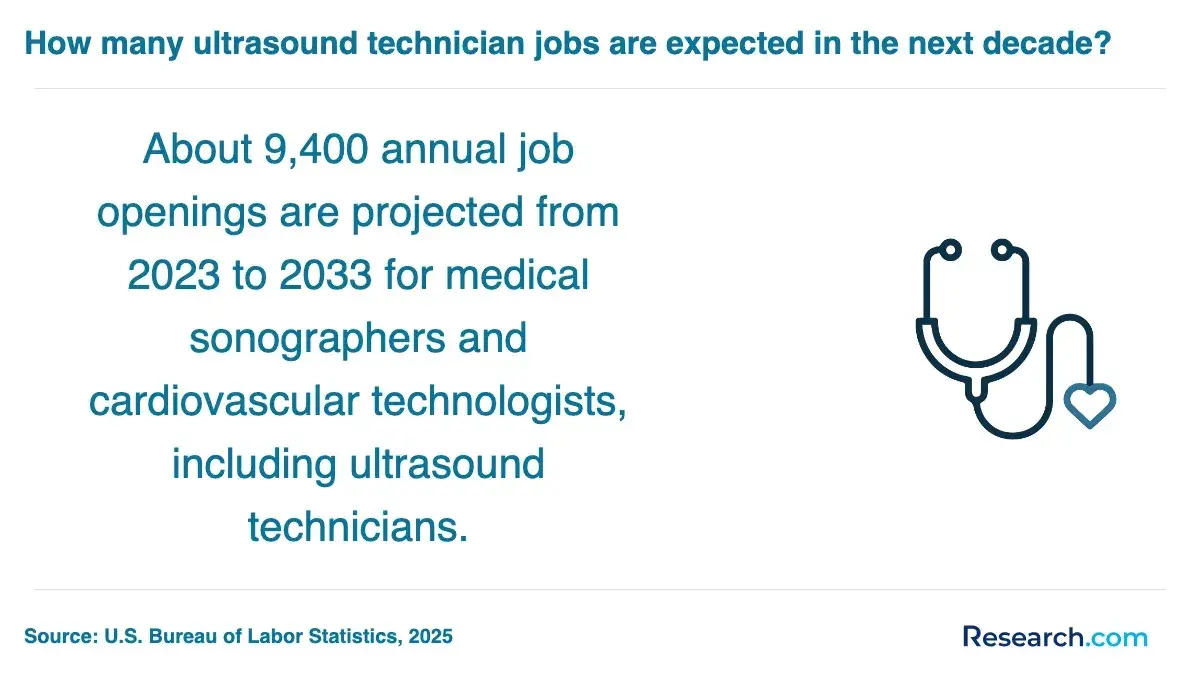
Employment for ultrasound technicians in Michigan is expected to grow by 19.2% through 2026, slightly below the national average of 23.2%. This trajectory suggests steady opportunities despite the competitive landscape nationally.
- Population Growth and Aging: Michigan’s older population increases demand for frequent ultrasound exams, particularly for chronic disease management and preventive care.
- Healthcare Expansion: New clinics, hospitals, and outpatient centers emerging across the state are creating fresh openings and diversifying work settings for sonographers.
- Technological Advancements: Cutting-edge ultrasound technology is fostering specialization in areas like vascular and pediatric imaging, requiring technicians to develop deeper expertise.
- Preventive Care Trends: Increased focus on early diagnosis through non-invasive ultrasound procedures is driving demand in both primary care and specialty practices.
- Regional Demand Variations: Urban centers offer more jobs and competitive salaries, while rural areas emphasize the critical need for skilled technicians willing to serve underserved populations.
When I spoke with an ultrasound technician from Michigan who graduated from a local school, she shared that the job market felt “quite dynamic” yet “stable enough to plan a long-term career.” She emphasized that adapting to new technology and gaining certifications in specialized imaging opened doors, especially in urban hospitals where patient volume and case variety are higher.
However, she also noted the emotional rewards and challenges of working in rural clinics where her skills directly impacted underserved communities. “It’s fulfilling but requires flexibility and strong clinical skills because resources aren’t always the same as in big cities,” she explained. This balance of opportunity and meaningful service captured the optimistic yet real nature of working as an ultrasound technician in Michigan today.
Can exploring related healthcare careers benefit ultrasound technicians in Michigan?
Ultrasound technicians may enhance their clinical expertise and broaden their perspectives by examining the practices and protocols of related healthcare roles. This comparative insight supports the adoption of interdisciplinary techniques and improves patient care through shared best practices. By exploring adjacent fields, professionals can identify transferable skills and innovative approaches that enrich daily practice and support long-term career diversification. For instance, understanding the care model and responsibilities in other allied areas—such as how to become a nurse midwife in Michigan—can provide valuable context for enhancing workflow, communication, and holistic patient management.
What are the career advancement steps for ultrasound technicians in Michigan?
Ultrasound technicians in Michigan can grow their careers by focusing on specialization, earning additional certifications, or stepping into leadership roles. These paths allow sonographers to enhance their skills and take on more influential positions within the healthcare sector. Exploring career advancement opportunities for ultrasound technicians in Michigan reveals a variety of practical steps to increase expertise and responsibility.
- Specialization: Concentrating on fields such as OB/GYN, vascular, or cardiac sonography enables technicians to perform complex imaging tasks and become essential in specialized departments. Notably, OB/GYN sonographers are highly sought after in maternal-fetal medicine units throughout Michigan.
- Advanced Certifications: Obtaining credentials from organizations like ARDMS, CCI, or ARRT opens doors to senior roles and niche practices. Many Michigan employers prefer or require RDMS certification for advanced sonography positions.
- Higher Education: Pursuing bachelor’s or master’s degrees broadens career possibilities, including healthcare management and advanced clinical roles. Institutions such as Oakland University and Wayne State University offer pathways that support this growth, facilitating how to become a lead sonographer in Michigan.
- Leadership Roles: Experienced sonographers often ascend to supervisory or administrative positions, overseeing diagnostic units and enhancing departmental operations. These roles demand both clinical expertise and strong organizational skills.
- Education and Training: Skilled technicians can transition into instructors or clinical trainers within Michigan’s accredited sonography programs, helping shape future professionals. This is a critical step in maintaining high standards across the industry.
- Research or Technology Development: Participation in research projects or collaboration with medical device companies allows sonographers to drive innovation in ultrasound technology. These contributions help push the boundaries of medical imaging techniques.
Career advancement not only boosts earning potential but also broadens a sonographer’s professional impact across Michigan’s evolving healthcare landscape. For those who want to become an Xray technician, exploring the best Xray technician certification programs, understanding these steps is essential for long-term growth and success. Examining the average tenure of ultrasound technicians further illustrates how career stability supports advancement opportunities over time.
What are the common challenges ultrasound technicians face in Michigan?
Facing the challenges for ultrasound technicians in Michigan prepares professionals to navigate a demanding healthcare landscape with resilience and skill. Awareness of workplace stress for sonographers in Michigan can reveal strategies to maintain physical health and emotional balance. Future technicians who anticipate these realities can position themselves for career longevity and growth.
- Physical Strain and Ergonomics: Repetitive scanning motions and prolonged awkward postures often cause musculoskeletal issues, requiring vigilant ergonomic practices to avoid chronic pain.
- Emotional Stress: Managing patient care in sensitive medical situations demands emotional strength and empathy amid high-pressure settings.
- Workload and Staffing Shortages: Heavy caseloads and limited staffing intensify job demands, increasing risks of fatigue and burnout during shifts.
- Certification and Continuing Education Requirements: Balancing the requirements to become a medical sonographer with ongoing education challenges technicians to stay current despite busy schedules.
- Technology Adaptation: Rapid advances in ultrasound equipment and digital systems necessitate continuous training to maintain proficiency.
- Job Market Competition: Regional disparities in job availability, especially in metropolitan areas like Detroit, create competitive environments for career advancement.
Understanding these challenges fosters preparedness, enabling ultrasound technicians in Michigan to develop effective coping strategies while advancing their professional skills.
What ongoing professional development opportunities exist for ultrasound technicians in Michigan?
Ultrasound technicians in Michigan are encouraged to engage in continuing education to keep pace with evolving imaging technologies and updated clinical practices. Accredited courses, hands-on workshops, and online modules provide the necessary continuing education units (CEUs) that ensure sustained certification and enhance diagnostic proficiency. Local professional associations and healthcare institutions offer structured programs that align with industry standards while addressing emerging trends in sonographic technology. Professionals can also explore multidisciplinary training opportunities, such as how to become a radiology technician in Michigan, which further broadens skill sets and supports career longevity.
What do ultrasound technicians in Michigan say about their career?
The program I completed at Lansing Community College provided an excellent foundation for my career as an ultrasound technician. Starting my role at a local school has been rewarding because I get to support the health and development of students every day. Michigan’s strong educational system and healthcare focus really enhance job stability here. Plus, I love how my work feels connected to the community, making a tangible difference in young people’s well-being. The experience has truly deepened my passion for helping others through healthcare. - Damian
After finishing my training at Oakland University, I began working as an ultrasound technician in an academic setting, which has been a unique journey. Michigan’s diverse population and access to advanced medical resources allowed me to grow professionally much faster than I expected. I appreciate how the career offers continuous learning and opportunities for specialization, especially with local research initiatives. Working in this field here feels like being part of a larger mission to improve public health across various communities. It’s been fulfilling both intellectually and personally. - Keisha
My experience completing the ultrasound technician program at Grand Rapids Community College went beyond just education; it transformed how I view the impact of healthcare in a community. Being able to serve in a local school setting, I’ve realized how crucial early detection and health monitoring are for students’ success. Michigan’s natural environment and emphasis on wellness have influenced my approach to patient care, encouraging a holistic perspective. Professionally, the state offers many avenues for advancement, and I am excited about the potential paths ahead. This career has given me a purpose and a strong connection to my community. - Ralf
Related Articles for Nearby States
- 2027 How to Become an Ultrasound Technician in Ohio
- 2027 How to Become an Ultrasound Technician in Indiana
- 2027 How to Become an Ultrasound Technician in Wisconsin
- 2027 How to Become an Ultrasound Technician in Illinois
- 2027 How to Become an Ultrasound Technician in Minnesota
- 2027 How to Become an Ultrasound Technician in Pennsylvania
- 2027 How to Become an Ultrasound Technician in Kentucky
- 2027 How to Become an Ultrasound Technician in West Virginia
- 2027 How to Become an Ultrasound Technician in Iowa
- 2027 How to Become an Ultrasound Technician in Missouri
References:
- AMN Healthcare. (n.d.). Sonographer Travel Jobs in Michigan. AMN Healthcare
- ASO Staff Writers. (2023). Advance Your Ultrasound Technology Career. Accredited Schools Online
- CareerExplorer by Sokanu. (n.d.). Diagnostic medical sonographer salary in Michigan. CareerExplorer.com
- Diagnostic Medical Sonography Ultrasound School Info. (n.d.). Sonography Career Paths. USI
- HealthJob. (2024). How to Become an Ultrasound Technician in Michigan. HealthJob
- Reynolds, M. (n.d.). Ultrasound Technician Schools and Salary Michigan. HealthcareGraduate
- Salary.com. (2025). Ultrasound Tech Salary in Michigan. Salary.com
- Talent.com. (2025). Salary in United States of America. Talent.com
- U.S. Bureau of Labor Statistics. (2025). Occupational Outlook Handbook: Diagnostic Medical Sonographers and Cardiovascular Technologists and Technicians. U.S. BLS
- Zippia. (2025). Ultrasound technologist demographics and statistics in the US. Zippia
- Zippia Team. (2025). Ultrasound technologist education requirements. Zippia
Other Things You Should Know About Becoming an Ultrasound Technician in Michigan
To become an ultrasound technician in Michigan in 2027, you typically need to complete an accredited diagnostic medical sonography program, which includes both coursework and hands-on clinical experience. After graduation, obtaining certification through the American Registry for Diagnostic Medical Sonography (ARDMS) is highly recommended for better job prospects.
Completing an online ultrasound technician program can be a viable pathway to becoming an ultrasound technician in Michigan, provided the program is accredited and includes essential clinical training components. Since hands-on experience is crucial in this field, reputable online programs typically combine remote coursework with in-person clinical internships or externships to meet state certification requirements.
Additionally, graduates must obtain certification from recognized bodies, such as the American Registry for Diagnostic Medical Sonography (ARDMS), which often requires both educational credentials and practical experience. Therefore, while an online program can offer flexibility, prospective students should ensure it meets Michigan’s licensure standards and adequately prepares them for both the certification process and real-world clinical practice.
In Michigan, becoming a certified ultrasound technician typically requires 2 to 4 years. This includes completing an accredited associate's or bachelor's degree in diagnostic medical sonography, followed by passing a certification exam from ARDMS or a similar credentialing organization.


