
2027 How to Become an Electrician in New Hampshire

Co-Founder and Chief Data Scientist
Becoming an electrician in New Hampshire offers a promising career path with stable demand and competitive wages. As of 2023, the state employs approximately 2,500 electricians, with a projected growth rate of 8% over the next decade, which is higher than the national average. This growth is driven by ongoing construction and the need for skilled workers to maintain and upgrade electrical systems.
The average annual salary for electricians in New Hampshire is around $62,000, reflecting the value placed on this trade. For those interested in a practical and well-compensated profession, pursuing electrician training in New Hampshire is a worthwhile investment.
Key Things to Know About Becoming an Electrician in New Hampshire
- Electricians in New Hampshire must complete a state-approved apprenticeship program, typically lasting four to five years, combining on-the-job training with classroom instruction.
- The job outlook for electricians in New Hampshire is positive, with steady demand driven by residential growth and infrastructure maintenance projects.
- The average annual salary for electricians in New Hampshire is approximately $58,000, slightly above the national average due to regional economic factors.
- Licensing requires passing a state exam, ensuring electricians meet safety standards and technical knowledge specific to New Hampshire regulations.
- What education is required to become an electrician in New Hampshire
- How do you get into an electrician apprenticeship program in New Hampshire?
- How much do electricians make in New Hampshire?
- What certifications do electricians need in New Hampshire?
- How long does an electrician apprenticeship take in New Hampshire?
- How much does electrician training cost in New Hampshire?
- What license do you need to be an electrician in New Hampshire?
- Can pursuing cross-disciplinary training improve career growth for New Hampshire electricians?
- How often do you need to renew your electrician license in New Hampshire
- How can exploring complementary technical careers boost your overall career success in New Hampshire?
- Could evolving technology redefine electrical work in New Hampshire?
- What are the essential skills needed to be a successful electrician in New Hampshire?
- What is the job outlook for electricians over the next 10 years in New Hampshire?
- What challenges do electricians face in New Hampshire?
- How can business skills boost your electrician career in New Hampshire?
- What Electricians in New Hampshire Say About Their Careers
What education is required to become an electrician in New Hampshire
Embarking on the journey to become an electrician in New Hampshire is an exciting adventure that begins with solid educational foundations. Aspiring electricians typically enroll in technical or trade schools where they dive into courses like electrical mathematics, blueprint reading, wiring methods, and electrical systems design. These classes not only build essential knowledge in electrical theory and circuitry but also immerse students in safety protocols and the National Electrical Code (NEC), which is vital for their future careers.
Hands-on learning is just as crucial. Apprenticeships in New Hampshire blend classroom instruction with paid, supervised work experience, usually spanning 8,000 to 10,000 hours over four to five years. During this time, apprentices tackle subjects such as motor controls, transformers, and electrical safety regulations, gaining the practical skills necessary to excel. This combination of study and real-world practice is required by the New Hampshire Office of Professional Licensure and Certification to ensure readiness for licensing exams.
For those curious about where to start, we discovered three standout programs in New Hampshire that offer excellent preparation: Manchester Community College’s Electrical Technology program, River Valley Community College’s Electrical Construction and Maintenance program, and New Hampshire Technical Institute, known for its focus on electrical systems and industry certifications. Each provides a unique blend of coursework and hands-on training, setting students on the right path.
Mastering the licensing exams demands more than just classroom knowledge. Many candidates find success by attending review seminars and exam prep classes, often hosted by trade unions or community colleges. These sessions focus heavily on the NEC, local electrical codes, and practical applications, boosting confidence and readiness. Additionally, the New Hampshire Electricians Board’s website offers valuable sample questions and study guides tailored specifically to state requirements, making it an indispensable resource for exam preparation.
How do you get into an electrician apprenticeship program in New Hampshire?
Getting into an electrician apprenticeship program in New Hampshire involves meeting specific requirements and connecting with reputable organizations that offer these hands-on training opportunities. Key providers include the International Brotherhood of Electrical Workers (IBEW) Local 490 and the New Hampshire Electrical Contractors Association (NHECA). These groups deliver comprehensive programs combining on-the-job experience and classroom instruction, typically lasting four to five years. To meet electrician apprenticeship requirements nh, applicants usually need to be at least 18 years old, have a high school diploma or GED, and pass an aptitude test focusing on math and reading skills. A unique requirement in New Hampshire is registering with the state’s Electrician's Licensing Board, as well as maintaining a clean driving record, since many apprenticeship jobs involve traveling to various work sites.
Electrician apprenticeships in New Hampshire are more than just training—they are gateways to building vital skills and professional connections. Apprentices gain practical knowledge by working alongside seasoned electricians and deepen their understanding through technical education. Networking within these programs often leads to job placements and career advancement, especially in a state where construction trades are growing steadily. According to data, the demand for skilled electricians in New Hampshire is expected to rise, making these apprenticeships a smart step toward a stable future.
To ace an apprenticeship, it helps to leverage additional resources available across the state. For instance, community colleges like Manchester Community College offer review classes tailored to licensing exam preparation. The NHECA also hosts specialized seminars that sharpen safety awareness and technical skills. Joining study groups or seeking mentorship from journeyman electricians can provide insider tips and moral support, enhancing the learning journey. Staying updated through the New Hampshire Electrician Licensing Board’s website ensures apprentices remain compliant with evolving regulations.
Recently, I spoke with an electrician from New Hampshire who shared their apprenticeship experience. They described the early days as a challenging mix of excitement and hard work, especially juggling classroom studies with demanding site visits. The rigorous registration process with the state board initially felt daunting, but it instilled a strong sense of professionalism. Traveling between multiple job sites across rural and urban areas taught adaptability and time management, skills the electrician credits with their success. They also highlighted how the mentorship received through IBEW Local 490 was invaluable, offering guidance during tough projects and helping build a network that opened doors to better job opportunities. Their journey exemplifies how apprenticeships in New Hampshire do more than teach technical skills—they shape resilient and connected professionals ready for the evolving electrical trade.
For those curious about career options that don’t require a traditional four-year degree, we advise exploring the best jobs for trade school graduates can provide additional motivation and insight into the potential of an electrician apprenticeship pathway.
How much do electricians make in New Hampshire?
Electricians in New Hampshire enjoy competitive salaries that reflect both their skill level and the state’s robust construction industry. As of the 2023 data we gathered, the average annual salary is around $62,000, which breaks down to about $5,150 per month. Entry-level electricians typically start with wages between $35,000 and $42,000 annually, depending on their apprenticeship progress and certifications. With experience, electricians can expect steady growth, often reaching salaries between $60,000 and $75,000 in mid-career.
The highest-paying cities include Manchester, Nashua, and Concord, where electricians can earn 10–15% above the state average. In these urban hubs, seasoned professionals sometimes make over $80,000 annually, thanks to ongoing construction projects and infrastructure upgrades. This salary progression mirrors the demand for electricians who continuously expand their skills and certifications, similar to how aspiring medical billers and coders in New Hampshire focus on certifications like the Certified Professional Coder (CPC) to advance their careers.
An electrician from New Hampshire I spoke with shared a vivid picture of their journey. They described starting as an apprentice in a small town and gradually moving to Manchester, where the pace and pay were higher. They recalled long hours balancing on-site work with studying for their journeyman license, often relying on community college courses and hands-on training. What stood out was the pride they took in mastering new technologies like smart home systems, which boosted their income and job satisfaction. While the work was physically demanding, the electrician emphasized the rewarding feeling of contributing to the state’s growth and the steady wage increases that followed their certifications and experience.
The chart below shows that the salary increase for electricians depends on the obtained credentials.
What certifications do electricians need in New Hampshire?
Electricians aiming to work in New Hampshire must navigate a clear certification pathway that starts with the Apprentice Electrician license, progresses through the Journeyman Electrician license, and culminates in the Master Electrician license. Each stage requires a combination of classroom education and hands-on experience, which ensures that candidates gain both theoretical knowledge and practical skills. Understanding electrician certification requirements in New Hampshire is essential for planning your journey through these levels.
The apprentice level focuses on supervised training, combining required classroom hours with on-the-job learning under licensed electricians. Schools like New Hampshire Technical Institute (NHTI) in Concord, Manchester Community College, and Lakes Region Community College offer tailored programs that blend electrical theory, code compliance, and safety with practical labs and apprenticeship placements. These programs prepare students for the rigorous standards of the state licensing exams.
For those curious about the New Hampshire journeyman electrician license process, the requirements include completing at least 8,000 hours of work experience alongside 576 hours of formal classroom training. Achieving this license allows electricians to work independently without supervision, opening doors to more diverse and higher-paying job opportunities. We believe that pursuing this credential from reputable institutions sets a solid foundation for career advancement.
Master electricians, who have surpassed journeyman status by gaining additional experience and passing an advanced exam, qualify for supervisory roles and project management positions. This license is crucial for those looking to engage in contracting or manage complex electrical projects across the state.
Beyond traditional certifications, electricians in New Hampshire can enhance their expertise by exploring emerging fields such as renewable energy and smart home technologies. For those seeking further education, exploring the best-rated online HVAC trade schools and certifications can provide flexible learning paths that complement state certification requirements and broaden career prospects.
How long does an electrician apprenticeship take in New Hampshire?
In New Hampshire, completing an electrician apprenticeship typically takes between 4 and 5 years. This timeframe aligns with national standards and includes around 8,000 hours of hands-on work combined with 576 hours of classroom instruction. However, this duration is not set in stone; the journey can be shorter or longer depending on multiple factors such as the apprenticeship program’s design, the sponsoring organization, and the apprentice’s dedication and progress.
Some programs at the best electrician trade schools offer accelerated formats that allow ambitious apprentices to finish in as little as 3 to 4 years. These fast-track options often require a greater weekly commitment and are commonly found in union-sponsored apprenticeships or private contractors eager to fill workforce gaps quickly. Conversely, apprentices who juggle part-time work or face personal challenges might extend their training beyond five years.
Factors influencing how long an apprentice takes include the specific curriculum intensity, prior experience that might grant advanced standing, availability of varied work assignments, and the apprentice’s ability to pass exams promptly. For those navigating the new hampshire electrician license process, choosing the right apprenticeship program can be crucial to meeting certification requirements for electricians in New Hampshire efficiently.
To speed up apprenticeship completion, actively engage in both classroom and on-the-job learning, seek overtime opportunities, and build strong mentorship relationships. Preparing well for licensing exams and considering accelerated training modules also help. Additionally, exploring specialized certifications, such as in solar photovoltaic systems or industrial electrical work, can enhance career prospects.
For those weighing educational paths, we recommend knowing the trade school vs vocational program difference can clarify which route best suits your goals before entering an apprenticeship.
How much does electrician training cost in New Hampshire?
The cost of electrician training in New Hampshire varies widely depending on the educational path chosen. We found that certificate programs and technical courses typically cost between $5,000 and $15,000 and last from a few months up to a year. For those pursuing an associate degree, tuition fees can range from $10,000 to $25,000 over two years, offering a more comprehensive education that blends general studies with electrical training. These variations in cost reflect different levels of depth and duration, which are important factors to consider when evaluating New Hampshire electrician school tuition fees.
Apprenticeships offer a unique, cost-effective route where trainees earn wages while learning on the job, significantly reducing upfront expenses. However, apprentices should budget several hundred to a few thousand dollars for essential tools, textbooks, and registration fees. Additionally, purchasing personal tools and safety equipment can add $500 to $1,500 to the total investment, depending on the quality of the gear selected. These costs are crucial for hands-on training and professional readiness.
Location within New Hampshire also influences pricing. Urban centers like Manchester and Nashua tend to have higher tuition and living expenses compared to rural areas. The state's growing construction industry, which saw a 3% employment increase recently, may affect demand and pricing for training programs, making timing and place key factors for prospective students. To explore a wider range of options, consider checking out online trade schools that might offer flexible and affordable alternatives.
Financial aid plays a vital role in making electrician training more affordable in New Hampshire. Many community colleges and technical schools participate in federal and state aid programs such as Pell Grants, student loans, and work-study opportunities. Apprenticeship programs often offer stipends or wages to help with living costs during training. Additionally, scholarships targeted at trades and technical education can provide further financial support, easing the path toward certification and employment.
What license do you need to be an electrician in New Hampshire?
To become a licensed electrician in New Hampshire, you must pursue one of two main licenses: the Journeyman Electrician license or the Master Electrician license. These licenses are carefully regulated by the state to guarantee safety, skill, and adherence to electrical codes.
The journey begins with gaining substantial practical experience, typically through an approved apprenticeship or equivalent work. For the journeyman license, you’ll need to complete at least 8,000 hours (around four years) of supervised electrical work. Then, you submit an application to the New Hampshire Joint Board of Electrical Examiners, the governing body responsible for licensing, examinations, and renewal oversight.
- Complete an approved apprenticeship or document equivalent work experience (8,000 hours for journeyman).
- Apply to the New Hampshire Joint Board of Electrical Examiners with proof of experience and education.
- Pass the journeyman electrician exam covering the National Electrical Code, state laws, and electrical theory.
- For master electrician licensure, have at least two years as a licensed journeyman and pass a more advanced exam focused on planning and supervisory skills.
What sets New Hampshire apart is its strong emphasis on hands-on experience coupled with rigorous testing. Unlike some states where less practical work might suffice, New Hampshire demands substantial, documented supervised hours before allowing candidates to test. The state also requires continuing education every three years to renew licenses, ensuring electricians stay updated on the latest safety practices and code changes.
To navigate this process smoothly, consider these tips we listed for you:
- Enroll early in a state-approved apprenticeship to gain supervised experience under licensed electricians.
- Keep meticulous records of your work hours and training activities to support your application.
- Study the latest National Electrical Code and state regulations thoroughly before exams.
- Engage in continuing education consistently to avoid last-minute renewal issues.
- Utilize resources from the New Hampshire Joint Board of Electrical Examiners, including sample exams and code updates.
This structured path ensures that electricians in New Hampshire are well-prepared and maintain high standards of safety and expertise throughout their careers.
Can pursuing cross-disciplinary training improve career growth for New Hampshire electricians?
Expanding your skill set beyond traditional electrical training can create new opportunities and boost career advancement. Electricians who supplement their expertise with cross-disciplinary training gain a broader perspective on integrated technical systems, positioning themselves to handle more complex projects and leadership roles. Such professionals might explore courses or certifications in mechanical and related fields, which can provide a competitive edge in diverse work environments. For instance, learning how to become a mechanic in New Hampshire can equip electricians with insights into complementary systems and maintenance practices, further enhancing their adaptability and marketability in a rapidly evolving industry.
How often do you need to renew your electrician license in New Hampshire
Renewing an electrician license in New Hampshire is an essential journey that ensures you stay aligned with evolving safety standards and electrical codes. The process is overseen by the New Hampshire Electricians’ Board, which operates under the Department of Safety. This board plays a pivotal role in maintaining professional integrity and public safety by regulating licensure and renewal.
Every two years, licensed electricians must embark on the renewal adventure by submitting their applications before their license expires. But there’s more to this quest than paperwork. A key requirement is completing at least 24 hours of approved continuing education. These courses are not just any classes—they include vital updates on the National Electrical Code (NEC) and New Hampshire-specific electrical laws, making sure you’re equipped to handle the unique demands of the state’s climate and infrastructure.
- Submit your renewal application to the New Hampshire Electricians’ Board before the expiration date to avoid penalties.
- Complete a mandatory 24 hours of continuing education within the two-year cycle.
- Include proof of your completed education with your renewal application.
- Understand that late renewal might lead to penalties or even the need to reapply for your license.
- Pay the renewal fees, which vary depending on whether you hold a journeyman, master, or specialty electrician license.
What truly sets New Hampshire’s renewal process apart is its focus on continuing education tailored to state-specific regulations alongside the national code. This dual emphasis helps electricians stay agile in their knowledge, prepared for the state’s particular electrical challenges.
For those new to this path, our helpful tip for you is to keep meticulous records of your continuing education and start your renewal application early. This proactive approach not only prevents any lapse in licensure but also opens doors to professional growth in a thriving construction market, where electrician jobs are expected to increase by about 7% over the next decade.
How can exploring complementary technical careers boost your overall career success in New Hampshire?
Expanding your professional horizons by considering adjacent technical fields can foster innovation and adaptability. Recognizing parallels in precision, regulatory standards, and system troubleshooting across industries can sharpen your problem-solving skills. Exposure to complementary disciplines encourages learning new technologies and operational frameworks that may enhance your approach to complex projects.
Examining alternative career paths, such as through learning how to become a radiology technician in New Hampshire, offers insights into structured technical training and strict compliance practices. This broader perspective can lead to diversified skill sets, improved management of intricate systems, and an overall competitive advantage in a dynamic job market.
Could evolving technology redefine electrical work in New Hampshire?
Innovations in digital control systems, smart grids, and automation are reshaping the electrician’s role by introducing new technical demands and streamlined workflows. Electricians must now integrate advanced digital tools, such as building management software and sensor networks, to enhance project efficiency and safety. Staying ahead requires proactive pursuit of specialized training and certifications addressing emerging technologies and cybersecurity needs. Moreover, exploring cross-disciplinary insights—for example, learning how to become an ultrasound technician in New Hampshire—can further broaden the technical expertise necessary for today’s dynamic work environment.
What are the essential skills needed to be a successful electrician in New Hampshire?
Electricians in New Hampshire need a diverse mix of skills to navigate the evolving landscape of construction and renewable energy. Mastering both hard and soft skills opens doors to exciting opportunities in this growing field.
Here's our summary of what every electrician should cultivate:
- Technical proficiency: Understanding electrical systems, wiring, and safety codes is the backbone of the trade. With smart home technology and renewable energy gaining ground, staying current with the latest advancements is crucial.
- Problem-solving abilities: Electricians often face unexpected challenges. Sharp analytical thinking helps diagnose issues quickly and find effective solutions.
- Physical dexterity and stamina: The job demands manual skill and endurance, often in physically demanding environments.
- Excellent communication skills: Clear dialogue with clients and contractors ensures projects run smoothly and safely, minimizing misunderstandings.
- Attention to detail: Precision during installations and repairs prevents hazards and ensures compliance with New Hampshire’s electrical codes.
- Time management: Meeting project deadlines requires skillful scheduling and workload organization.
- Adaptability: The industry evolves constantly; electricians must embrace continuous learning and flexibility.
So, how can you develop these skills? Enrolling in accredited programs at institutions like Manchester Community College or the New Hampshire Technical Institute offers hands-on training and up-to-date knowledge.
Apprenticeships provide real-world experience under seasoned professionals, which is invaluable. They’re also a requirement for licensing, bridging classroom learning with practical application.
To sharpen soft skills like communication and time management, consider workshops offered by groups such as the New Hampshire Home Builders Association. Joining local unions or trade organizations can also provide mentorship and networking opportunities that accelerate growth.
Embarking on this journey with an open mind and eagerness to learn will prepare you to thrive as an electrician in New Hampshire’s dynamic market.
The common age of electricians is 49+.
What is the job outlook for electricians over the next 10 years in New Hampshire?
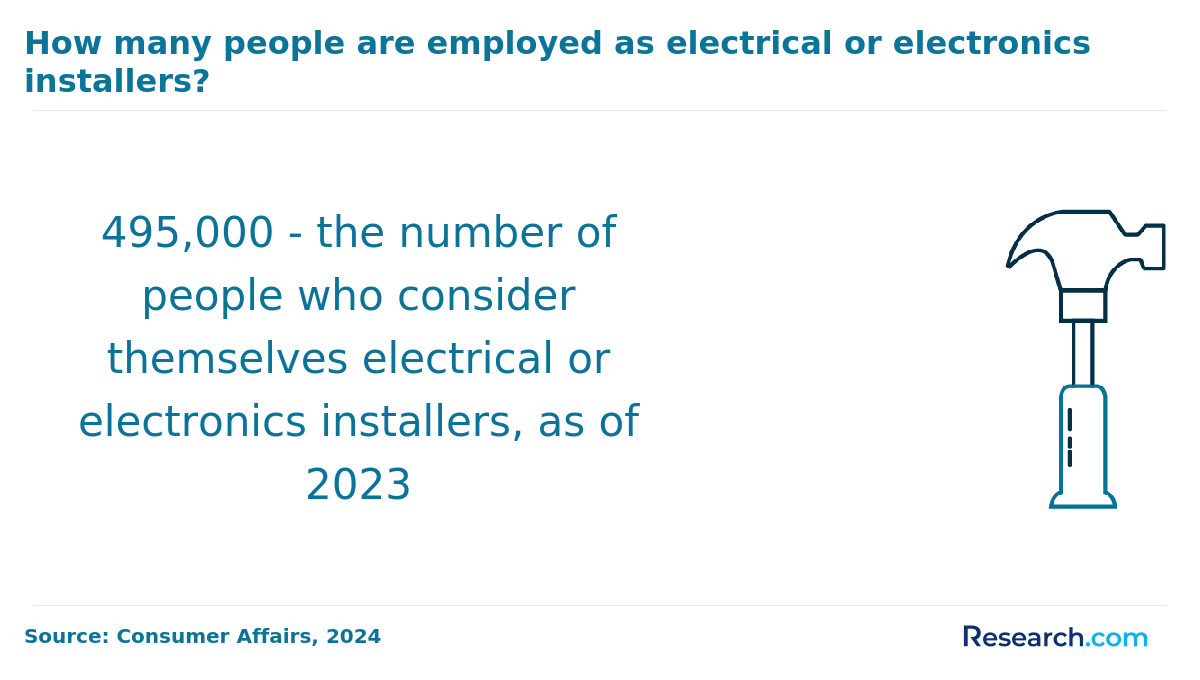
The job outlook for electricians in New Hampshire over the next decade is bright, with a projected growth rate of approximately 7% through 2033, according to the U.S. Bureau of Labor Statistics (BLS) 2023 data. This rate slightly surpasses the national average of 6%, reflecting steady demand fueled by ongoing construction, infrastructure upgrades, and the expanding renewable energy sector. For those curious about a career as an electrician, this growth signals abundant opportunities to explore diverse work environments and industries.
Major cities like Manchester, Nashua, and Concord serve as hubs for electrician employment, thanks to their active construction markets and infrastructure investments. Manchester, notably, boasts a significant share of the state’s electrical workforce, making it an appealing destination for job seekers eager to dive into a dynamic urban setting. Industries leading the hiring include construction, manufacturing, and utilities, with construction alone accounting for nearly 60% of electrician roles in 2023.
Understanding wages is essential for anyone considering this path. The median annual wage for electricians in New Hampshire stood around $65,000 in 2023, a competitive figure especially when paired with the state’s moderate cost of living. Compared to larger metropolitan areas, New Hampshire offers a more affordable lifestyle, making it easier for electricians to sustain a comfortable standard of living while building their careers.
We're seeing exciting trends that are reshaping the electrician profession in the state. The rise of smart home technologies and the growing electric vehicle infrastructure demand constant skill updates. This evolving landscape encourages electricians to pursue ongoing training and certifications, opening doors to specialization and advancement. For adventurous learners ready to keep pace with technology, New Hampshire’s electrical field presents a stimulating and rewarding journey.
What challenges do electricians face in New Hampshire?
Electricians in New Hampshire must adapt to rapid regulatory changes and technological advancements, which demand continuous skill enhancement and adherence to updated safety protocols. Navigating stringent local codes while integrating innovative systems, such as solar or smart home technologies, requires a proactive approach to learning and training. Additionally, electricians often contend with site-specific challenges that can affect project timelines and labor efficiency. Exploring specialized educational resources—like information on how to become an HVAC technician in New Hampshire—can help professionals broaden their technical expertise and better manage evolving industry demands.
How can business skills boost your electrician career in New Hampshire?
Electricians who acquire business management proficiency often leverage their technical expertise into successful independent practices and leadership roles. Mastering financial planning, contract negotiation, and project management enables professionals to secure competitive bids and handle complex project demands efficiently. This integrated approach can open up opportunities for advancing into supervisory positions or launching a profitable electrical contracting firm. For insights on aligning business acumen with technical training, consider exploring the top business schools in New Hampshire.
What Electricians in New Hampshire Say About Their Careers
- Completing my apprenticeship through the New Hampshire Technical Institute gave me the hands-on experience I needed to thrive in this field. The blend of classroom learning and real-world projects helped me build confidence quickly. I love that my work directly contributes to the safety and comfort of families across the state, especially during harsh winters. Being part of a growing industry here means steady job opportunities and a chance to keep learning every day. - Mark
- Attending Plymouth State University’s electrical program was a turning point in my life. It wasn’t just about gaining technical skills; it was about growing as a professional and giving back to my community. I’ve been involved in several local projects that improve energy efficiency and sustainability, which is vital for New Hampshire’s environment. This career has allowed me to combine my passion for green technology with meaningful work that helps my neighbors. - Tyler
- New Hampshire’s unique mix of rural and urban areas presents both exciting challenges and opportunities as an electrician. Training at the Granite State College program prepared me to adapt to diverse job sites, from historic homes to modern commercial buildings. The stability in this trade is reassuring, and I appreciate the clear paths for advancement and specialization. It’s rewarding to know my skills are in demand and that I can continue to grow professionally while supporting local industries. - Derek
Related Articles for Nearby States
- 2027 How to Become an Electrician in Vermont
- 2027 How to Become an Electrician in Massachusetts
- 2027 How to Become an Electrician in Maine
- 2027 How to Become an Electrician in New York
- 2027 How to Become an Electrician in Connecticut
- 2027 How to Become an Electrician in Rhode Island
- 2027 How to Become an Electrician in New Jersey
- 2027 How to Become an Electrician in Pennsylvania
- 2027 How to Become an Electrician in Delaware
- 2027 How to Become an Electricician in Maryland
References:
- Department of Energy. Career Map: Electrician. Department of Energy.
- EGT. Types of Electricians & Electrical Career Paths. EGT.
- InterCoast Colleges. Light Up Your Life: Electrician Career Path Steps and Options. InterCoast Colleges.
- Rosendin Electric. Certified Electrician vs. Licensed Electrician.Rosendin Electric
Other Things You Should Know About Becoming an Electrician in New Hampshire
In 2027, to become an electrician in New Hampshire, you must complete a state-approved apprenticeship, pass a journeyman exam, and acquire a journeyman license. Continuing education is required to maintain the license.
In 2027, to become an electrician in New Hampshire, start by enrolling in an accredited electrical apprenticeship program, which combines work experience and classroom instruction. After completing it, gain 8,000 hours of practical work under a licensed electrician, then pass the journeyman electrician exam to receive your license.


