
2027 How to Become an HVAC Tech in New Hampshire

Co-Founder and Chief Data Scientist
Becoming an HVAC technician in New Hampshire offers a promising career. Given the state's varied climate, from cold winters to hot summers, there's a consistent and increasing need for skilled HVAC professionals. New Hampshire provides excellent opportunities for practical experience and competitive pay, making it an attractive option if you're looking to enter a crucial industry. This article will walk you through the necessary steps, requirements, and local insights to help you become an HVAC tech in this dynamic state.
Key Points About Becoming an HVAC Tech in New Hampshire
- New Hampshire’s HVAC job outlook is promising, with steady demand driven by climate needs and energy efficiency upgrades across residential and commercial sectors.
- The average HVAC technician salary in New Hampshire hovers around $50,000 to $55,000 annually, reflecting competitive wages in the New England region.
- With accessible apprenticeships and a supportive local industry, New Hampshire offers a welcoming environment to launch an adventurous HVAC career.
- What are the educational requirements to become an HVAC Tech in New Hampshire?
- Which schools in New Hampshire offer HVAC programs?
- What skills do you need to become an HVAC Tech in New Hampshire?
- What are the requirements for HVAC licensure in New Hampshire?
- What is the licensing process for HVAC technicians in New Hampshire?
- How long does it take to become an HVAC tech in New Hampshire?
- Will an HVAC license from New Hampshire allow you to work in other states?
- Can cross-training with other technical trades boost an HVAC career in New Hampshire?
- How much do New Hampshire HVAC technicians earn?
- Is there a demand for HVAC technicians in New Hampshire?
- Is New Hampshire a good place to work as an HVAC tech?
- How Can HVAC Technicians Expand Their Skills and Career Opportunities in New Hampshire?
- Can Business Acumen Enhance HVAC Career Success in New Hampshire?
- Could Expanding Technical Training Beyond HVAC Benefit Your Career in New Hampshire?
- How Can HVAC Skills Propel Your Transition into Other Technical Careers in New Hampshire?
What are the educational requirements to become an HVAC Tech in New Hampshire?
Embarking on the journey to become an HVAC technician in New Hampshire combines structured education with valuable hands-on experience. For those curious about this career path, understanding the steps involved in HVAC training programs in New Hampshire is an essential first adventure.
The path begins with foundational academic achievement and progresses through specialized instruction and practical work. Here are the key steps to enter the field:
- Hold a high school diploma or GED: This basic educational credential is necessary to begin specialized HVAC training.
- Complete an HVAC training program at a technical school or community college: These programs cover crucial topics such as electrical systems, refrigeration principles, and safety protocols, providing the technical knowledge required for the job.
- Engage in an apprenticeship for practical experience: New Hampshire emphasizes on-the-job training under the supervision of skilled HVAC professionals, allowing trainees to apply classroom theory in real-world settings.
- Obtain necessary certifications such as EPA Section 608: Certification is required for handling refrigerants, aligning with federal regulations.
Unlike some states that mandate formal licensing before employment, New Hampshire offers more flexibility by focusing on apprenticeships and certifications. This approach encourages a blend of education and experience that prepares candidates well for the challenges of the trade. For those exploring career options, HVAC technician education requirements in New Hampshire present a clear, accessible path into a field noted among popular high demand trades nationwide.
Which schools in New Hampshire offer HVAC programs?
Exploring HVAC training programs in New Hampshire reveals a variety of educational paths tailored to different career goals. Aspiring technicians can find specialized programs that combine practical skills with industry knowledge, setting the stage for a successful career in this growing field.
- Manchester Community College: This program dives deep into refrigeration, heating, air conditioning, and electrical systems. It offers a balanced mix of hands-on training and theoretical study, preparing students for industry-standard certifications. Tuition typically runs around $5,000 for in-state students, making it an accessible option for many.
- New Hampshire Technical Institute (Concord): Their curriculum emphasizes system design, installation, and maintenance, with a strong focus on energy efficiency and sustainable practices—important as New Hampshire moves toward greener technologies. Tuition is approximately $7,000, reflecting the program’s comprehensive scope.
- Seacoast School of Technology: Ideal for those seeking a shorter, focused experience, this school highlights troubleshooting and repair skills vital for the local climate. Its strong connections with industry professionals enhance job placement opportunities, and pricing remains competitive within the region.
For those curious about the broader career landscape, understanding HVAC technician how to become pathways can provide valuable insight into emerging opportunities and salary expectations.
As you delve into the best HVAC schools in New Hampshire, consider how each program’s unique strengths align with your personal ambitions and the evolving demands of the industry.
What skills do you need to become an HVAC Tech in New Hampshire?
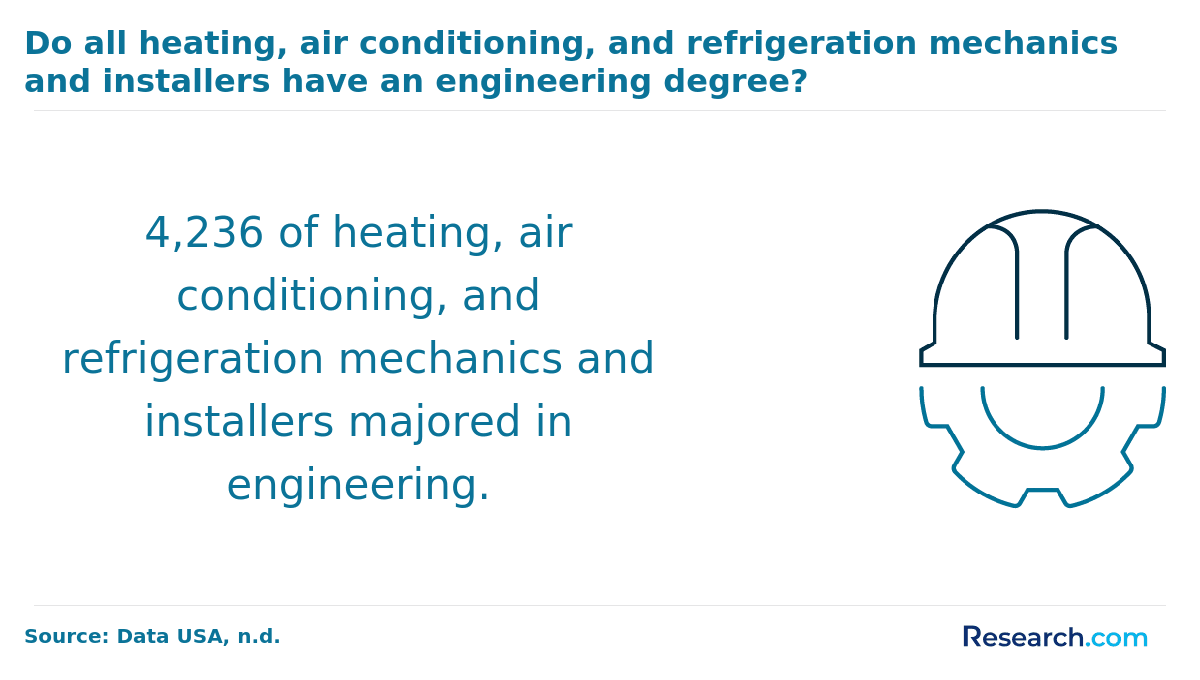
Embarking on a career as an HVAC technician in New Hampshire invites you to master a diverse set of technical skills essential for thriving in this ever-evolving field. The region’s fluctuating climate calls for experts who can skillfully manage heating and cooling systems with precision and safety.
To excel, you’ll need a strong grasp of electrical systems, enabling you to effectively diagnose and repair wiring and circuits within HVAC units. A solid understanding of refrigeration is also vital, as many systems rely on coolant cycles to regulate temperature efficiently. Mechanical proficiency is key for handling tools and maintaining or replacing various equipment parts, ensuring smooth operation.
Ventilation knowledge plays a crucial role too, as it impacts air quality and system performance in homes and businesses alike. Moreover, being well-versed in New Hampshire’s building codes and safety standards ensures your work meets legal requirements and protects occupants.
- Electrical System Expertise: Ability to troubleshoot and fix wiring and circuit issues crucial for HVAC functionality.
- Refrigeration Knowledge: Understanding coolant cycles that control temperature regulation in HVAC equipment.
- Mechanical Aptitude: Skilled use of tools for repair and maintenance of complex HVAC components.
- Ventilation and Airflow Understanding: Ensuring efficient air distribution and maintaining indoor air quality.
- Compliance Awareness: Familiarity with local building codes and safety regulations to guarantee safe and legal installations.
What are the requirements for HVAC licensure in New Hampshire?
Becoming an HVAC technician in New Hampshire requires fulfilling a few essential requirements for licensure, blending hands-on experience with formal assessments. Understanding these steps opens the door to a rewarding career tailored to the state's unique climate and building standards.
To meet the HVAC license requirements New Hampshire sets, candidates must:
- Accumulate at least two years of verifiable HVAC work experience: This ensures practical skills are developed through real-world challenges before licensure.
- Pass the New Hampshire HVAC Journeyman examination: A rigorous test focusing on local codes, safety regulations, and technical knowledge specific to New Hampshire’s environment.
- Complete a criminal background check: This step promotes safety and professional integrity within the HVAC workforce.
This process highlights how to become licensed HVAC technician NH by emphasizing demonstrated competency and public trust rather than just classroom instruction. Unlike some states that prioritize formal schooling, New Hampshire’s path encourages a balance of experience and knowledge.
For those eager to enhance their qualifications further, exploring 12 month certificate programs that pay well can offer valuable credentials and career advancement opportunities. These programs complement the state’s requirements by providing focused education that supports practical skills.
What is the licensing process for HVAC technicians in New Hampshire?
Becoming a licensed HVAC technician in New Hampshire is an exciting path that blends technical skill with regulatory know-how. The process is carefully designed to prepare you for the responsibilities and challenges unique to this field in the Granite State.
- Application Submission: Begin by applying for your HVAC license through the New Hampshire Division of Fire Safety, the agency responsible for overseeing licensing and ensuring compliance with safety standards.
- Examination: Pass a detailed exam that covers HVAC codes, safety practices, and hands-on knowledge tailored to New Hampshire’s climate and industry expectations.
- Work Experience Verification: Provide documentation proving you’ve completed the required supervised work hours or years, demonstrating practical experience under a licensed professional.
- License Issuance: Once you’ve met all prerequisites and paid the necessary fees, you’ll receive your official license, allowing you to operate independently across the state.
This structured approach not only confirms your technical competence but also supports public safety and professionalism within New Hampshire’s HVAC community.
When I spoke with an HVAC tech from New Hampshire about her journey, she reflected on the challenges and rewards of the licensing process. “The exam was daunting at first,” she admitted, “especially because it tested not just theory but real-world applications specific to New Hampshire’s harsh winters.” She recalled evenings spent reviewing codebooks and practicing troubleshooting scenarios. Yet, the experience of working under a seasoned technician proved invaluable, offering insights far beyond textbooks. “That hands-on mentorship was crucial,” she explained. “It wasn’t just about passing the test; it was about understanding how to keep homes safe and comfortable.” Receiving her license felt like a milestone, a moment when years of effort crystallized into professional freedom. “It was overwhelming but deeply rewarding,” she said, “knowing I was ready to contribute to the community’s wellbeing in a meaningful way.”
How long does it take to become an HVAC tech in New Hampshire?
Becoming an HVAC technician in New Hampshire is an exciting journey that combines education, hands-on training, and certification. Whether you're just starting out or considering a career change, understanding the HVAC tech training duration in New Hampshire helps set clear expectations.
Here’s what the process typically involves:
- 6 months to 2 years of education: Aspiring HVAC techs enroll in formal programs offering certificates or associate degrees covering refrigeration, electrical systems, and heating technologies.
- Approximately 2,000 hours (1 year) of practical experience: This supervised apprenticeship phase lets candidates apply classroom knowledge to real-world HVAC systems and troubleshooting, building essential skills.
- Passing the state licensing exam: After education and hands-on training, candidates must pass New Hampshire’s HVAC exam to demonstrate technical competence and earn licensure.
For those curious about related opportunities, exploring online certifications that pay well can offer additional career flexibility and growth. Understanding the time to become HVAC technician New Hampshire residents face inspires a thoughtful approach to entering this rewarding field.
Will an HVAC license from New Hampshire allow you to work in other states?
Wondering if a New Hampshire HVAC license allows you to work in other states? Currently, New Hampshire does not provide formal reciprocity for HVAC licenses from other states. This means that if you’re licensed in New Hampshire and want to practice elsewhere, you’ll need to meet each state's individual licensing rules. Typically, this process includes:
- Applying to the licensing authority of the new state
- Passing that state’s specific exams or fulfilling their experience requirements
- Completing any necessary additional training or background screenings
This journey, while challenging, offers a unique opportunity to broaden your skills and adapt to different regional standards. Working across state lines encourages flexibility and a deeper understanding of the HVAC field’s diverse regulations, enriching your professional path with new knowledge and experience.
Can cross-training with other technical trades boost an HVAC career in New Hampshire?
Expanding professional skillsets through cross-training can position HVAC technicians to meet the evolving needs of New Hampshire’s diverse market. Acquiring complementary certifications provides technicians the ability to address a wider range of technical challenges and improves versatility in both residential and commercial projects. This broadened expertise can lead to enhanced job security, opportunities for higher earnings, and a stronger competitive edge when employers seek multifaceted professionals. For individuals interested in diversifying their credentials, learning how to get electrician license in New Hampshire can be a strategic addition to their career portfolio.
How much do New Hampshire HVAC technicians earn?
Diving into the HVAC field in New Hampshire reveals a promising financial outlook, with average earnings typically ranging from $50,000 to $60,000 per year. However, these numbers are flexible and tend to increase as technicians gain experience and develop specialized skills within the industry.
Entry-level professionals usually begin at the lower end of the pay scale, but with time, education, and hands-on training, their compensation can rise significantly. Experienced HVAC technicians, particularly those who focus on specialized areas such as refrigeration or industrial HVAC systems, often earn upwards of $65,000 annually. These specialties demand advanced knowledge and certifications, but they also provide enhanced salary opportunities.
Key elements that impact pay in this sector include:
- Accumulated experience and proficiency with advanced HVAC technologies
- Focus areas like geothermal systems or commercial HVAC applications
- Professional certifications and ongoing education that demonstrate expertise
The salary dynamics within New Hampshire’s HVAC industry offer a landscape full of potential, incentivizing newcomers to deepen their technical abilities and pursue career paths aligned with their passions and strengths.
Is there a demand for HVAC technicians in New Hampshire?
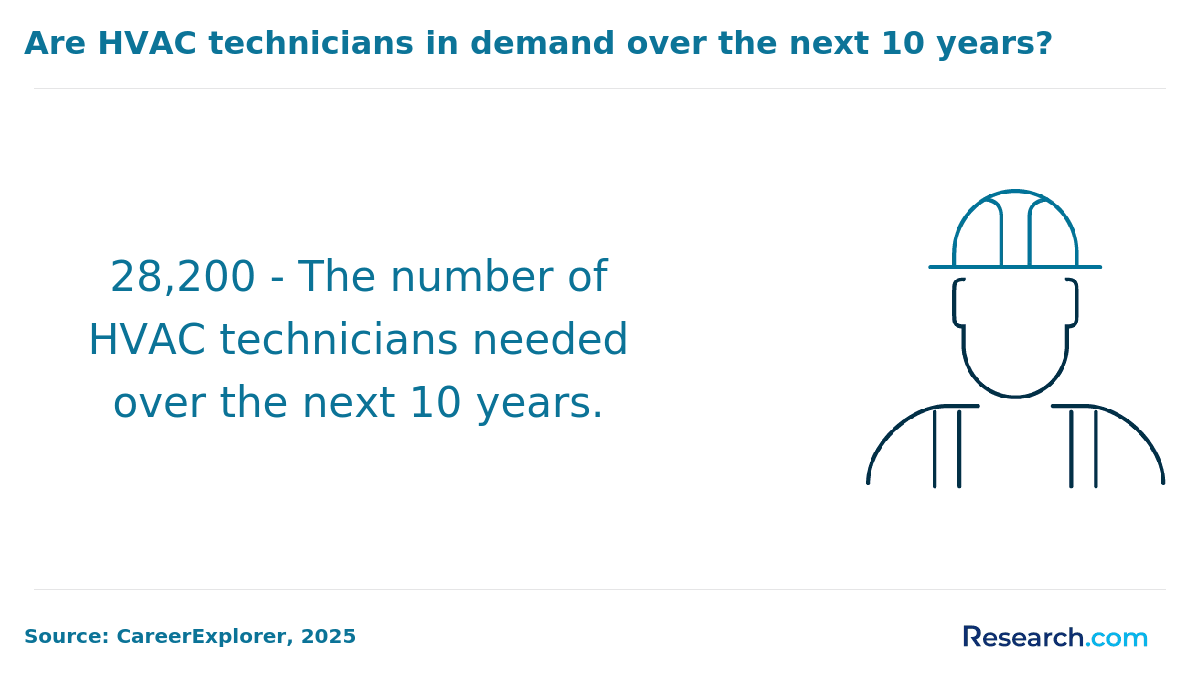
Is there a demand for HVAC technicians in New Hampshire? Absolutely. The HVAC technician job demand New Hampshire reflects a notably positive outlook, fueled by steady growth in both residential and commercial sectors. Labor projections show the HVAC industry growth aligns closely with the national average of 5% to 7% over the next decade, signaling a healthy market for new professionals eager to explore this field.
Looking closer, demand varies among HVAC specialties. Installation and repair technicians remain highly sought after in urban areas where older buildings require modernization. At the same time, specialists in environmentally friendly systems, such as geothermal heating and cooling, find expanding opportunities as New Hampshire embraces sustainable energy trends. This evolving landscape encourages adaptability and exploration for those entering the trade.
Overall, the diversity of HVAC roles combined with ongoing construction and renovation projects across the state means aspiring techs can expect a variety of job openings. For those curious about pathways into this career, exploring certificate programs that pay well can be a smart way to start and gain a foothold in the growing New Hampshire HVAC industry growth.
Is New Hampshire a good place to work as an HVAC tech?
Considering a career as an HVAC technician in New Hampshire? This state offers a compelling mix of opportunity and challenge for those interested in heating, ventilation, and air conditioning professions. Its moderate cost of living compared to neighboring states can be a welcoming factor for newcomers starting out in the field.
The demand for HVAC skills remains relatively steady throughout the year, thanks to New Hampshire’s distinct seasonal shifts. Cold winters and warm summers drive continuous need for installation, repair, and maintenance services. Moreover, the state’s emphasis on energy-efficient systems and updated building codes supports ongoing work for HVAC professionals.
- Affordable Living: New Hampshire’s cost of living is more manageable than in nearby states like Massachusetts, making it easier for HVAC technicians to build financial stability early in their careers.
- Year-Round Demand: The climate requires consistent HVAC services across all seasons, ensuring technicians have a steady stream of job opportunities.
- Accessible Training: Several technical schools and apprenticeship programs provide clear pathways into the HVAC industry, though competition may be higher in urban areas.
- Licensing Made Clear: Requirements include EPA certification and sometimes a state license for specific tasks, keeping the profession regulated yet accessible.
- Career Growth Networks: Local trade unions and industry groups offer valuable support and connections for advancing within the field.
What HVAC Technicians in New Hampshire Say About Their Careers
- Working as an HVAC technician in New Hampshire has given me incredible job stability—especially with the growing demand for energy-efficient heating solutions in our cold climate. The average salary here is competitive, making it easier to support my family while doing work I truly enjoy. I feel proud to be part of a field that’s essential year-round. Mark
- The unique challenges of New Hampshire’s weather have pushed me to constantly improve my skills and adapt to new technologies. From managing complex heating systems in historic homes to navigating sudden cold snaps, every day offers something new. This career keeps me engaged and always learning. Sophia
- New Hampshire offers fantastic professional development programs for HVAC technicians, like apprenticeships and certifications through local trade schools. Taking advantage of these resources has helped me advance quickly and gain confidence in specialized areas like refrigeration and geothermal systems. It’s rewarding to grow in a community that values skilled trades. Jamal
How Can HVAC Technicians Expand Their Skills and Career Opportunities in New Hampshire?
Continuing professional development is essential for staying current with emerging HVAC technologies and evolving industry standards. Technicians can pursue advanced training programs, specialized certification courses, and industry workshops to enhance their expertise in areas such as energy-efficient systems and smart climate control technologies. Additionally, cross-training in related trades—for example, learning how to become a mechanic in New Hampshire—can broaden technical skills and open doors to diversified career paths. Consistent engagement in continuing education not only supports compliance with updated regulatory requirements but also positions professionals for leadership roles and long-term career growth.
Can Business Acumen Enhance HVAC Career Success in New Hampshire?
HVAC professionals who combine technical expertise with strong business skills may unlock new career avenues in management and entrepreneurship. By integrating sound financial planning, marketing strategies, and operational leadership, technicians can transition to roles such as project managers or even business owners. Enhancing these competencies not only elevates career prospects but also improves the ability to establish and grow successful service operations. For those interested in formal business training, exploring the best business schools in New Hampshire can provide targeted knowledge to complement their technical background.
Could Expanding Technical Training Beyond HVAC Benefit Your Career in New Hampshire?
Diversifying your technical expertise can open avenues beyond core HVAC competencies, fostering enhanced problem-solving capabilities and adaptability to evolving industry standards. Integrating complementary training from other regulated technical fields may strengthen job security and prepare you for cross-functional challenges. For instance, reviewing New Hampshire education requirements for radiologic technologist provides insight into rigorous educational frameworks that can elevate professional standards and encourage continuous learning.
How Can HVAC Skills Propel Your Transition into Other Technical Careers in New Hampshire?
HVAC expertise builds a robust foundation for tackling technical challenges in diverse industries. The precision, safety compliance, and problem-solving skills honed through HVAC work are highly transferrable, enabling professionals to explore alternative technical fields that promise growth and stability. For example, leveraging these competencies can facilitate entry into healthcare technology sectors where technical aptitude is equally valued; consider exploring how to become an ultrasound technician in New Hampshire as a pathway into a related, high-demand field. This strategic diversification can enrich one’s career trajectory without necessitating a complete restart in training or professional development.
Key Findings
- Licensure applicants need at least two years of verifiable HVAC work experience. This hands-on time ensures applicants have developed practical skills by tackling real-world challenges before licensure.
- Labor projections show the HVAC industry growth aligns closely with the national average of 5% to 7% over the next decade, signaling a healthy market for new professionals eager to explore this field.
- Aspiring HVAC techs enroll in formal programs offering certificates or associate degrees covering refrigeration, electrical systems, and heating technologies.
- This supervised 2,000-hour apprenticeship lets candidates apply classroom knowledge to real-world HVAC systems and troubleshooting, building essential skills.
- Average earnings typically ranging from $50,000 to $60,000 per year. Experienced HVAC technicians often earn upwards of $65,000 annually.
Related Articles for Nearby States
- 2027 How to Become an HVAC Tech in Vermont
- 2027 How to Become an HVAC Tech in Massachusetts
- 2027 How to Become an HVAC Tech in Maine
- 2027 How to Become an HVAC Tech in New York
- 2027 How to Become an HVAC Tech in Connecticut
- 2027 How to Become an HVAC Tech in Rhode Island
- 2027 How to Become an HVAC Tech in New Jersey
- 2027 How to Become an HVAC Tech in Pennsylvania
- 2027 How to Become an HVAC Tech in Delaware
- 2027 How to Become an HVAC Tech in Maryland
References
- Aerotek. (n.d.). Put these 8 essential HVAC technician skills to work.
- Charter College. (n.d.). 10 HVAC technician skills for your resume.
- FieldEdge. (n.d.). HVAC basics every technician should know.
- Genesis Career College. (n.d.). Top 5 skills for HVAC technicians.
- JTech. (n.d.). Top 5 skills for HVAC technicians in 2025.
- National Energy Technical Training School (NETTTS). (n.d.). Is an HVAC career hard?
- New England Institute of Technology (NEIT). (n.d.). Is HVAC a good career in 2025 - Find out here!
- NH School of Mechanical Trades. (n.d.). Heating and air conditioning.
- ServiceWorks Academy. (n.d.). New Hampshire HVAC license: How to get certified as an HVAC contractor in NH.
- ServiceTitan. (n.d.). New Hampshire is the #8 highest paying state for plumbers, HVAC technicians, and electricians. Stacker.
Other Things You Should Know About Becoming an HVAC Tech in New Hampshire
Becoming an HVAC tech in New Hampshire typically takes 6 months to 2 years. This includes completing a certificate or associate degree program and acquiring the necessary hands-on experience through apprenticeships or entry-level positions to meet state requirements.
In 2027, becoming an HVAC tech in New Hampshire requires completing a high school diploma or GED, enrolling in an accredited HVAC program, gaining hands-on apprenticeship experience, and obtaining necessary certifications like the EPA Section 608. This path ensures you have the skills and knowledge needed for the field.
Curious about the profitability of HVAC work in New Hampshire? HVAC technicians here earn a competitive average wage of around $53,000 annually, which is slightly above the national average of approximately $50,000. This suggests that the profession can be quite rewarding financially, especially for those willing to gain experience and certifications.
Several factors contribute to this profitability, including New Hampshire’s cold climate, which drives consistent demand for heating system installation and repair. Additionally, the state's steady economic growth and increasing construction projects provide ample job opportunities for skilled technicians. Compared to states with milder climates, New Hampshire’s HVAC techs often benefit from year-round work, enhancing their earning potential.


