
2027 How to Become an Occupational Therapist in Florida

Co-Founder and Chief Data Scientist
Florida shows increasing demand for occupational therapists, with the Bureau of Labor Statistics projecting a 17% job growth rate by 2030, outpacing the national average. This growth, fueled by an aging population and expanded healthcare services, makes Florida a strategic location for launching a career in occupational therapy. Competitive salaries combined with diverse work environments, including hospitals, schools, and rehabilitation centers, enhance the profession’s appeal.
This article explores the steps to becoming an occupational therapist in Florida. Prepared by career planning experts, it guides readers through educational requirements, licensure, and emerging industry trends. This resource equips aspirants with essential knowledge to navigate their professional journey efficiently and successfully.
Key Things to Know About Becoming an Occupational Therapist in Florida
- Complete a master's or doctoral degree in occupational therapy from a CAPTE-accredited program; Florida has several top programs emphasizing advanced neurorehabilitation techniques expected to grow by 15% in demand through 2030.
- Pass the National Board for Certification in Occupational Therapy (NBCOT) exam; certification is mandatory for licensure in Florida and is backed by a statewide employment rate above 90% for new grads.
- Obtain Florida state licensure by meeting continuing education requirements; the state mandates 24 hours every two years to stay updated on cutting-edge therapy technologies and aging population care trends.
- What are the education requirements to become an occupational therapist in Florida?
- How do you get a state license to practice occupational therapy in Florida?
- How often do you need to renew an OT license in Florida?
- What continuing education is required for OT license renewal in Florida?
- How much does it cost to become an occupational therapist in Florida?
- What financial aid options are available for OT students in Florida?
- Can out-of-state occupational therapists work in Florida?
- How can you advance your career in occupational therapy in Florida?
- What skills do you need to be a successful occupational therapist in Florida?
- What specializations are available for occupational therapists in Florida?
- What is the average salary of an occupational therapist in Florida?
What are the education requirements to become an occupational therapist in Florida?
Formal education is vital for occupational therapists as it equips them with the specialized knowledge and practical skills needed to support patients’ physical, emotional, and developmental needs effectively. As healthcare evolves, the emphasis on evidence-based and ethical care continues to grow, shaping the future of occupational therapy education in Florida. Below are the essential education requirements to meet these advancing standards.
- Bachelor’s Degree (Pre-Professional Preparation): Students typically begin with a bachelor’s degree in fields like biology, psychology, sociology, or kinesiology. This foundational step prepares candidates by covering important prerequisites and setting the stage for graduate study, reflecting growing interdisciplinary influences in the profession.
- Graduate Degree from an Accredited Program: Completion of a master’s or doctoral degree accredited by the Accreditation Council for Occupational Therapy Education (ACOTE) is mandatory. The trend is moving toward doctoral-level education, with programs offering over 100 graduate credits, comprehensive coursework, and rigorous capstone projects, aligning with increasing demands for advanced clinical and research competencies.
- Supervised Fieldwork Experience: At least six months of supervised practical experience is required, including Level I and Level II placements. This immersive training bridges theory and patient care, and emerging models may integrate innovative clinical simulation technologies to enhance learning outcomes.
- National Certification Exam Eligibility: Graduates who complete academic and fieldwork prerequisites become eligible for the National Board for Certification in Occupational Therapy (NBCOT) exam, a critical step for securing licensure in Florida.
As these standards evolve, aspiring therapists should also explore related opportunities, such as learning about medical coder jobs near me, which complement healthcare knowledge and expand career versatility in the broader medical field.
How do you get a state license to practice occupational therapy in Florida?
Obtaining state licensure is a vital milestone for occupational therapists seeking to practice in Florida, as it confirms their legal authority and professional credibility within the field. Meeting Florida occupational therapy licensure requirements ensures that practitioners are qualified and adhere to the standards necessary for safe, effective patient care.
The following points outline the core steps involved in how to apply for an occupational therapy license in Florida.
- Graduate from an ACOTE-Accredited Occupational Therapy Program: Completion of a program accredited by the Accreditation Council for Occupational Therapy Education is essential. These programs combine rigorous academic coursework with supervised fieldwork, preparing candidates with the foundational knowledge and practical skills required for licensure.
- Complete Fieldwork Requirements: Hands-on fieldwork experiences mandated by ACOTE provide real-world clinical exposure, reinforcing the candidate’s ability to deliver occupational therapy services effectively. These placements are critical steps before graduation and licensing.
- Pass the NBCOT Certification Examination: Successfully passing the National Board for Certification in Occupational Therapy exam grants eligibility to use the Registered Occupational Therapist credential, which is a prerequisite for licensure in Florida.
- Submit the Florida State License Application: Applying through the Florida Board of Occupational Therapy Practice involves providing official transcripts, NBCOT exam results, and payment of relevant fees. The application process is now managed by the Florida Department of Health, which streamlines submissions through an online portal.
- Complete a Criminal Background Check: Florida law mandates state and federal background checks, including fingerprint submissions, to ensure applicants meet ethical and legal standards. This step safeguards public welfare and maintains the profession’s integrity.
- Demonstrate Good Moral Character: Applicants must declare good moral character, typically meaning no felony convictions or serious ethical breaches. This is verified through background screening and declarations on the application form.
- Provide Additional Documentation (If Applicable): This may include verification of occupational therapy licenses from other states or completion of state jurisprudence examinations when requested by the Board. Official final transcripts are also commonly required.
- Await Review and Issuance of License: After submission and verification of all materials, the Florida Board assesses the application. Upon approval, a license is issued authorizing legal practice within the state.
As the occupational therapy profession evolves, future licensure processes may incorporate advanced technologies like blockchain for credential verification or more integrated online systems for application and renewal.
Meanwhile, those exploring allied health fields might also find value in understanding how to become a certified medical biller and coder, which shares parallels in certification pathways and regulatory compliance.
How often do you need to renew an OT license in Florida?
Maintaining a valid license through regular renewal is a fundamental part of professional practice for occupational therapists in Florida. This process helps ensure therapists remain knowledgeable of current standards, comply with evolving regulations, and uphold accountability within the healthcare system.
By regularly updating their credentials, occupational therapists can consistently provide high-quality care aligned with the latest best practices and legal requirements.
In Florida, occupational therapists must renew their licenses every two years, with renewal deadlines falling on February 28 of odd-numbered years. The state does not provide a formal grace period, so failure to renew on time can lead to license expiration, suspending legal authorization to practice until reinstatement is completed.
Late renewal often incurs additional fees and may trigger disciplinary actions, depending on the delay length and circumstances. This structured schedule encourages therapists to stay current with continuing education and state regulations, thereby ensuring uninterrupted eligibility and enhancing public safety through professional vigilance.
An occupational therapist from Florida who graduated locally shared his experience with the renewal process. He described it as “a steady reminder to stay sharp and engaged,” noting that while managing continuing education requirements alongside a busy caseload can be challenging, the absence of a grace period “adds a layer of urgency that keeps me disciplined.”
He recounted feeling a mix of pressure and pride during his first renewal, recognizing it as an important milestone that reinforced his commitment to lifelong learning and professional growth. For him, the structured cycle “serves as both a checkpoint and a motivation to stay connected with the field’s evolving standards.”
What continuing education is required for OT license renewal in Florida?
Continuing education is vital for occupational therapists in Florida to sustain their professional competence, fulfill state regulatory standards, and keep pace with evolving therapeutic methods and legal requirements.
As healthcare advances rapidly, ongoing learning ensures practitioners remain at the forefront of patient care and rehabilitation innovation. Embracing emerging trends in continuing education will likely enhance how Florida’s workforce adapts to new healthcare challenges and technologies.
- Total Continuing Education Hours: Florida occupational therapist CE requirements call for 26 continuing education (CE) hours to be completed every two years. This biennial mandate guarantees that therapists consistently update their knowledge and skills to align with current standards of practice.
- In-Person or Interactive Learning Requirement: Of the 26 hours, at least 14 must be earned through live or interactive, real-time courses such as webinars or workshops. This interactive element encourages active engagement and fosters deeper understanding, which is essential as collaborative learning methods evolve.
- Mandatory Course Topics: Licensees must complete specific courses including 2 hours on Prevention of Medical Errors, 2 hours on Florida Laws and Rules, and a one-time 1-hour HIV/AIDS course for initial renewal. These targeted topics address critical areas that underpin safe and compliant occupational therapy practice in Florida.
- Elective Course Options: The remaining 21 hours can be selected from clinically relevant subjects like new intervention techniques or technology in rehabilitation. This flexibility allows licensees to tailor their education toward areas that support future professional growth and the changing landscape of therapy services.
- Documentation and Reporting Procedures: Practitioners must keep CE records for four years and report them through the Florida Health Source portal during renewal. Accurate documentation is crucial since audits verify compliance and help maintain the integrity of ongoing professional development.
- Requirements for Occupational Therapy Assistants (OTAs): OTAs follow the same CE requirements as occupational therapists, ensuring parity in professional development across roles within the field.
- Renewal Deadlines: The CE compliance and license renewal deadline is February 28 of odd-numbered years, a schedule that allows practitioners to plan their education within a predictable timeframe.
Looking ahead, continuing education for Florida OT license renewal may increasingly incorporate advanced digital platforms and customizable learning paths that account for emerging healthcare technologies and interdisciplinary approaches. Professionals curious about broader healthcare roles might find value in exploring related fields such as what is the job of medical billing and coding, offering insights into healthcare administration and support services connected to therapy practice.
How much does it cost to become an occupational therapist in Florida?
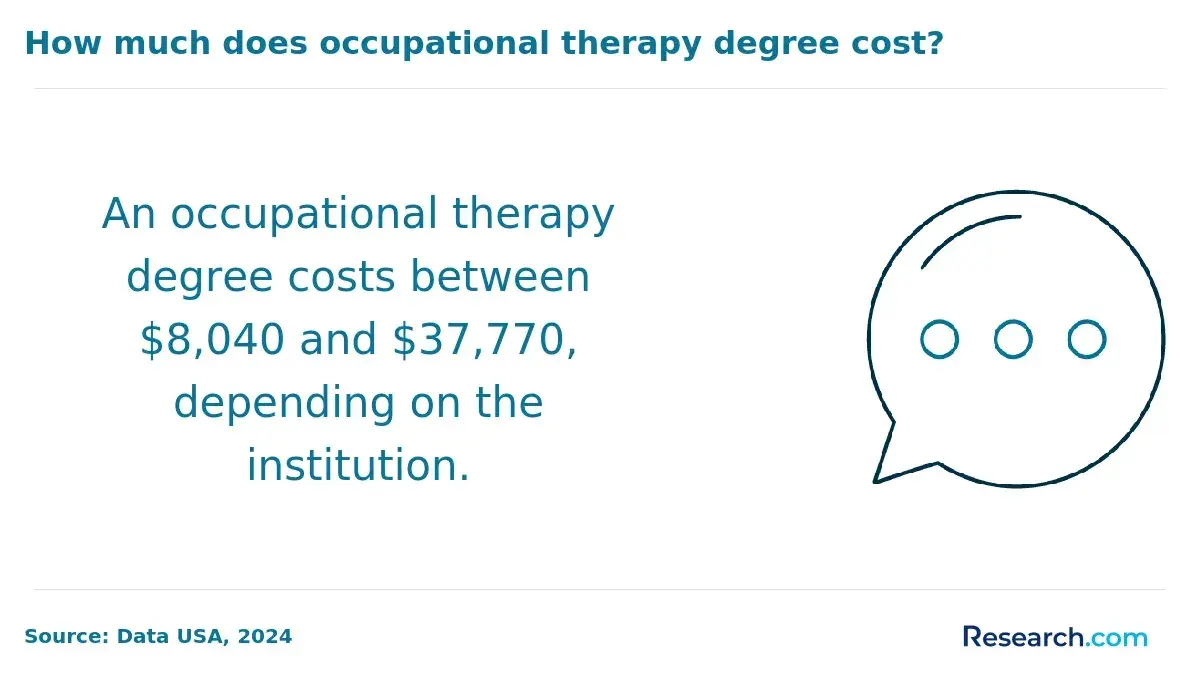
The total cost of becoming an occupational therapist in Florida depends on several variables including the choice of educational program, exam fees, and state licensure requirements. As education models evolve, future students may see shifts in these expenses influenced by technological advances and changing regulations. Keeping track of typical costs helps in crafting a clear financial strategy.
- Tuition and Program Fees: Accredited OT programs vary widely, with in-state public MOT programs averaging around $16,000, while private OTD degrees can exceed $100,000. Emerging hybrid and online formats may alter these figures by reducing some on-campus expenses.
- NBCOT Certification Exam: The National Board for Certification in Occupational Therapy exam fee generally falls between $500 and $600. As testing moves toward more digital and remote options, these costs could fluctuate slightly.
- Florida Licensure Application: Applying for state licensure includes fees typically ranging from $200 to $400, covering background checks and fingerprinting. Potential policy changes might affect these fees in the future, so staying informed is key.
- Additional Expenses: Budgeting for textbooks, lab kits, professional memberships like AOTA, and sometimes health or liability insurance adds several hundred to a few thousand dollars. With increasing emphasis on professional development, some of these fees may become recurring rather than one-time costs.
What financial aid options are available for OT students in Florida?
Financial aid plays a crucial role in helping occupational therapy students in Florida manage the costs associated with graduate-level education and training. As the field grows and demand for qualified therapists increases, access to diverse funding options becomes essential to support a broad range of students. Exploring various financial aid opportunities can open doors to quality education without overwhelming debt.
Below are key financial aid options available to occupational therapy students in Florida:
- Federal Loans and Grants: Most students qualify for federal aid through FAFSA, including unsubsidized loans, PLUS loans, and Pell Grants for those with high financial need. These funds can cover tuition, fees, and living costs, making them a foundational resource for many.
- State Grants and Scholarships: Florida offers state-specific scholarships and grants administered by the Office of Student Financial Assistance. Eligibility depends on residency, academic merit, and financial status, providing supplemental support particularly for residents.
- University-Based Scholarships: Many Florida universities with occupational therapy programs provide specialized scholarships, like those supporting first-generation students, LGBTQ+ individuals, or those with military backgrounds. These awards often require separate applications and reflect the institution’s commitment to diversity and inclusion.
- Professional and Association Awards: National and state organizations, including the American Occupational Therapy Foundation and the Florida Occupational Therapy Association, offer scholarships that reward academic achievement and professional promise. Membership and program enrollment criteria usually apply.
- Employer Tuition Assistance and Private Loans: Some healthcare employers offer tuition reimbursement for employees advancing their OT credentials. Alternatively, private loans are an option when other aid falls short, though with higher costs and less flexibility.
Can out-of-state occupational therapists work in Florida?
Out-of-state occupational therapists cannot practice in Florida based solely on their existing licenses. They must obtain a Florida occupational therapy license through a detailed application process.
Since Florida does not participate in the Occupational Therapy Licensure Compact, reciprocity is unavailable, meaning each applicant must meet all Florida-specific requirements. This includes verifying credentials, passing the Florida jurisprudence exam, and demonstrating good standing in their current state.
The state emphasizes thorough review and documentation, so out-of-state therapists should be prepared for a comprehensive approval process that goes beyond simply transferring a license.
An occupational therapist from Florida, who graduated locally, shared insights about this process. She reflected on how out-of-state colleagues felt navigating the endorsement process, describing it as “demanding but fair.”
She mentioned hearing that many found the requirement to prove good moral character and meet continuing education expectations notably rigorous. Her experience reinforced that while the pathway requires patience and effort, the state’s standards support a high level of professional quality and safety for practitioners and clients alike.
How can you advance your career in occupational therapy in Florida?
Advanced career growth in Florida’s occupational therapy field relies on targeted skill enhancement, strategic mentorship, and the cultivation of leadership competencies. Pursuing specialty certifications, engaging in continuous professional development, and actively participating in professional associations are proven methods to transition into supervisory or educational roles. Networking with industry peers and exploring related care roles—learn more about how to become a caregiver in Florida—can broaden your professional perspective and open avenues to collaboration and innovative practice models.
What skills do you need to be a successful occupational therapist in Florida?
Occupational therapists in Florida are essential in helping clients regain independence and enhancing their quality of life, while also supporting multidisciplinary healthcare teams.
As the state’s population grows increasingly diverse and healthcare environments evolve, possessing a broad set of skills becomes crucial for delivering effective, personalized therapy. These core competencies enable therapists to navigate complex clinical settings and meet the unique needs of Floridians across all age groups.
Key skills that contribute to success in Florida’s occupational therapy field include:
- Advanced Communication Skills: Clear and empathetic communication ensures clients and families understand therapy goals, while fostering collaboration with diverse healthcare professionals and multicultural communities across Florida.
- Critical Thinking and Problem-Solving: The ability to analyze assessment data and adapt intervention plans is vital to address dynamic client challenges in settings ranging from rehabilitation centers to schools and hospitals.
- Cultural Competence and Empathy: Understanding cultural nuances and demonstrating genuine empathy build strong therapeutic alliances, improving engagement and outcomes in Florida’s multilingual population.
- Adaptability and Technological Proficiency: Embracing new health technologies and evolving therapeutic methods allows therapists to remain effective amid Florida’s rapidly changing healthcare landscape.
- Ethical Integrity and Professionalism: Upholding stringent ethical standards fosters trust, ensures regulatory compliance, and safeguards client confidentiality, critical for licensure and public confidence in Florida.
What specializations are available for occupational therapists in Florida?
Specialization allows occupational therapists in Florida to develop focused expertise in particular populations, conditions, or treatment approaches, positioning them to make a significant impact in their chosen fields.
By honing skills in targeted practice areas, occupational therapy professionals can access advanced career opportunities and stay at the forefront of evolving healthcare trends. The following are key occupational therapy specialties in Florida that illustrate this diverse potential.
- Pediatrics: This area involves working with children from infancy through adolescence who face developmental, physical, or sensory challenges. Pediatric occupational therapists often practice in schools, outpatient clinics, and early intervention programs, and pursuing pediatric occupational therapy certification Florida is a growing trend that supports deeper clinical knowledge.
- Gerontology: Focused on older adults, this specialization helps patients maintain independence and manage cognitive or physical changes related to aging. Professionals typically work in nursing homes, assisted living, home health services, and geriatric hospital units.
- Mental Health: Specialists support individuals with psychiatric or behavioral conditions by fostering coping strategies and meaningful daily engagement. Work settings include psychiatric hospitals, community mental health centers, and integrated behavioral health clinics.
- Hand Therapy: Targeting upper extremity injuries and rehabilitation, this specialization requires additional training and offers a niche skill set. Florida's opportunities include fellowship programs at institutions like the Mayo Clinic for advanced hand therapy expertise.
- Physical Rehabilitation: Therapists in this specialization assist patients recovering from strokes, injuries, or surgeries, working primarily in hospitals and outpatient rehab centers. Emerging technologies and collaborative care models are shaping the future of rehabilitation practice.
For those also exploring complementary healthcare education options, numerous medical billing and coding online schools offer accessible pathways to expand one’s skill set and adaptability in health services administration.

What is the average salary of an occupational therapist in Florida?
Several factors contribute to the variability in the average occupational therapist salary in Florida, including the therapist’s experience level, the type of employer, and the geographic location within the state.
These elements combine to shape occupational therapist annual pay Florida, creating a dynamic earnings landscape across different settings and regions. Key factors influencing salaries include:
- Years of Experience Newly licensed occupational therapists usually start with lower salaries, around $68,000 annually. Salaries tend to rise considerably with years of professional experience, reaching over $100,000 for therapists who have advanced skills and clinical expertise.
- Type of Employer Work setting plays a crucial role. Occupational therapists employed by hospitals or private practices often earn higher wages compared to those working in schools or non-profits. Hospital jobs may offer overtime pay and better benefits, while educational roles provide more stable schedules.
- Geographic Location within Florida Salary levels vary widely depending on the region. Urban and coastal cities like Miami Beach and Port St. Lucie generally offer higher wages, sometimes up to the mid-$90,000s annually, although these areas often have higher living costs. Rural areas tend to offer lower salaries but often a more affordable cost of living.
- Education and Specialization Higher degrees such as master’s or doctorates, along with specialized credentials, can lead to better pay and more opportunities. Specializing in areas such as pediatrics or hand therapy is increasingly important for boosting compensation.
- Flexible Work Schedules and Employment Type Full-time occupational therapists receive better pay and benefits, but travel therapists or those in temporary roles can sometimes earn premium wages due to demand and staffing needs.
For those exploring pathways to become an occupational therapist in Florida while managing education costs, it’s beneficial to also consider programs in allied health fields, such as medical billing and coding online financial aid, which can provide alternative career options or income streams during training.
What Do Occupational Therapists in Florida Say About Their Career?
- Hayden: "Completing my occupational therapy program at Sunshine State Academy gave me a strong foundation to start my career in a local Florida school. The diverse student population here challenged me to develop creative and individualized therapeutic approaches, which has been incredibly rewarding. I love seeing the progress my students make and knowing that I contribute directly to their success and happiness. Florida’s vibrant communities make each day unique and inspiring. "
- Mikaela: "Finishing my studies at Coastal Health University was only the beginning of a fulfilling journey in occupational therapy. Working in a local academic setting has allowed me to grow both professionally and personally, especially by supporting children with developmental needs. Florida’s multicultural environment enriches my practice, exposing me to a variety of cultural backgrounds and health perspectives. This career has given me a genuine sense of purpose and constant opportunities for advancement. "
- Satoshi: "My training at Palm Harbor Institute prepared me well for the challenges of being an occupational therapist in Florida’s schools. The tropical climate and active lifestyle here create unique opportunities for adaptive therapy that incorporates outdoor activities and community engagement. Helping young people achieve independence and confidence motivates me every day. I appreciate the professional stability in Florida and the chance to make a meaningful impact on families and communities. "
Related Articles for Nearby States
- 2027 How to Become an Occupational Therapist in Georgia
- 2027 How to Become an Occupational Therapist in Alabama
- 2027 How to Become an Occupational Therapist in South Carolina
- 2027 How to Become an Occupational Therapist in Mississippi
- 2027 How to Become an Occupational Therapist in Tennessee
- 2027 How to Become an Occupational Therapist in North Carolina
- 2027 How to Become an Occupational Therapist in Louisiana
- 2027 How to Become an Occupational Therapist in Kentucky
- 2027 How to Become an Occupational Therapist in Arkansas
- 2027 How to Become an Occupational Therapist in Virginia
References:
- Fees Archives - Florida Board of Occupational Therapy https://floridasoccupationaltherapy.gov/category/post-template-toggle/fees/
- Tuition and Scholarships » College of Public Health & Health Professions » University of Florida https://phhp.ufl.edu/academics/combined-degrees/combined-bhs-otd/tuition-and-scholarships/
- Occupational Therapy, M.S. https://www.famu.edu/academics/all-programs/ahealth/occupational-therapy-ms.php
- How To Transfer Occupational Therapy License to Another State https://careoptionsforkids.com/blog/how-to-transfer-occupational-therapy-license-to-another-state/
- 30+ OT Certifications and Specialties • OT Potential https://otpotential.com/blog/where-to-go-ot-degree
- Florida CEU Requirements for PT, OT, SLP & RN – Medbridge Help Center https://support.medbridge.com/hc/en-us/articles/17430956302867-Florida-CEU-Requirements-for-PT-OT-SLP-RN
- Renewal Process | Florida Department of Health https://www.floridahealth.gov/licensing-and-regulation/school-psychology/renewal/process.html
- Occupational Therapy Licensure Guide - Trusted Health https://www.trustedhealth.com/allied-career-guide/occupational-therapy/licensure-guide
- Occupational Therapy Assistant | State College of Florida, Manatee - Sarasota https://www.scf.edu/academics/academic-departments/nursing-and-health-professions/occupational-therapy-assistant/
- How Much Is Occupational Therapy School? | USAHS https://www.usa.edu/blog/how-much-is-occupational-therapy-school/
Other Things You Need to Know About Becoming an Occupational Therapist in Florida
To become an occupational therapist in Florida in 2027, you need a master's or doctoral degree in occupational therapy from an accredited program. After completing your degree, you must pass the NBCOT exam and obtain licensure from the Florida Board of Occupational Therapy.
Occupational therapists in Florida must complete 24 continuing education units every two years to renew their license. This includes a mandatory 2-hour course on medical errors and a course on Florida laws and rules. Compliance is monitored by the Florida Board of Occupational Therapy.


