
2027 How to Become a Mechanic in North Carolina: Requirements & Certification

Co-Founder and Chief Data Scientist
North Carolina’s demand for automotive mechanics is rising, with a projected 10.9% job growth across the state through 2032. As more vehicles hit the road and technology advances, skilled mechanics are becoming essential to keeping transportation systems running smoothly.
Whether exploring a hands-on career or making a professional shift, understanding the qualifications, certifications, and training options is key. This guide outlines the steps needed to start a mechanic career in North Carolina, from education and hands-on experience to industry-recognized certifications.
Key Things to Know About Becoming a Mechanic in North Carolina
- The mechanic job market in North Carolina is projected to grow by 10.9% over the next decade, reflecting a steady demand for skilled professionals in the automotive repair sector.
- The annual mean wage for mechanics in North Carolina is approximately $49,260, which is slightly below the national median but competitive within the regional job market.
- Most accredited automotive technician programs in North Carolina require 12 to 24 months of study, combining hands-on training with classroom instruction to meet industry standards.
- What are the steps to become a mechanic in North Carolina?
- What training and education options are available in North Carolina?
- Do you need certifications to work as a mechanic in North Carolina?
- How long does it take to become a mechanic in North Carolina?
- How much does it cost to become a mechanic in North Carolina?
- What job opportunities are available for mechanics in North Carolina?
- How much do mechanics make in North Carolina?
- Can developing business skills accelerate a mechanic's career advancement?
- Could expanding into radiologic technology broaden your technical expertise?
- What are the career growth opportunities for mechanics in North Carolina?
- What are the pros and cons of becoming a mechanic in North Carolina?
- Should mechanics consider diversifying into HVAC technology?
- Can transferring technical skills to diagnostic healthcare broaden career opportunities?
What are the steps to become a mechanic in North Carolina?
Starting a career as an automotive mechanic in North Carolina involves more than a passion for cars—it requires technical training, practical experience, and a commitment to professional development. With demand for qualified mechanics growing steadily across the state, now is an ideal time to begin building the skills employers are looking for.
Build a Strong Educational Foundation
Starting with a solid high school education, focus on courses that enhance your understanding of math, science, and technology. These subjects create the base needed to grasp complex mechanical systems and diagnostics.
Enroll in Accredited Post-Secondary Programs
Opt for community colleges or technical schools with NATEF-accredited automotive technology programs. Institutions like Central Piedmont Community College and Forsyth Technical Community College offer degrees and certificates that are recognized by employers. Specialized programs such as GM ASEP or Toyota T-Ten provide targeted training aligned with industry standards.
Gain Hands-On Experience
Practical skills are indispensable in automotive careers. Seek programs that include real-world workshop training to develop proficiency with transmissions, climate control, engine diagnostics, and vehicle electronics. This experience bridges theory with the demands of modern automotive repair.
Understand Licensing and Certification Requirements
While a general mechanic license is not mandatory in North Carolina, certain specialties require Automotive Service Technician licensing. Pursuing ASE certification, though voluntary, is highly beneficial. It signals professionalism and can open doors to advanced roles, especially in competitive markets.
Commit to Lifelong Learning
The automotive industry evolves rapidly with new technologies such as hybrids and electric vehicles. Engage in continuing education through community colleges or specialized institutes to stay current. This ongoing investment ensures your skills remain relevant and valued.
Leverage Local Industry Connections
North Carolina’s strong automotive and motorsports sectors offer unique opportunities. Building networks through local events and programs linked with NASCAR or major manufacturers can accelerate career growth and expose you to cutting-edge advancements.
Whether you're starting from scratch or transitioning from another trade, following these steps can set you on a clear path toward a successful automotive career in North Carolina. Strong training, the right certifications, and a connection to the local industry can help you stand out in a growing job market.
What training and education options are available in North Carolina?
Choosing the right educational path requires understanding the variety of programs available and how they align with career goals. North Carolina offers a range of options that combine practical skills with industry-recognized certifications, essential for entering this competitive field.
Automotive technician schools in North Carolina include:
- Wake Tech and Central Piedmont Community College – Offer NATEF-accredited associate degrees and certificates that combine classroom instruction with hands-on training in core automotive systems.
- Forsyth Technical Community College – Features manufacturer-specific programs like GM ASEP and Toyota T-Ten, providing direct pathways into dealership and factory service roles.
- Wayne Community College – Offers an Automotive Systems Technology program with industry partnerships and opportunities to earn ASE Student Certification.
- Universal Technical Institute (UTI), Mooresville – Delivers accelerated, NASCAR-endorsed training programs designed to prepare students for fast-track entry into the workforce.
North Carolina automotive certification programs are vital for technicians aiming to specialize or advance. Licensing through the state DMV is required for certain specialty areas, and ASE certifications are widely respected by employers. Programs like those at UTI and Wayne Community College prepare students to meet these requirements effectively.
With demand for skilled technicians growing rapidly across the state’s 700+ dealerships, exploring these options carefully can position students for success. For those considering this career, understanding the landscape of high-demand trade jobs helps highlight the value of vocational training in this industry.
Do you need certifications to work as a mechanic in North Carolina?
North Carolina does not require a general state license to work as an automotive mechanic, but certain specialties and tasks involve mandatory credentials. Employers also strongly favor industry-recognized certifications that validate technical skills and boost job prospects.
Certifications and licensing requirements include:
- North Carolina Automotive Service Technician License – Required for specific specialties such as air conditioning or brake system repairs, issued through the NC Division of Motor Vehicles.
- State Safety Inspector Certification – Mandatory for anyone performing vehicle safety inspections. Applicants must pass a written exam with a minimum score of 80%.
- ASE (Automotive Service Excellence) Certification – Not required by law but widely respected in the industry. Many employers prioritize ASE-certified technicians for roles involving engine performance, electrical systems, suspension, and more.
ASE certification requires a mix of education, hands-on experience, and passing subject-specific exams. Most community college programs in North Carolina are designed to prepare students for ASE testing and practical shop work.
For those interested in related technical fields, an HVAC technician career may offer a parallel path. These roles also demand certification and hands-on training, making them a viable alternative or addition to automotive work.
While North Carolina’s licensing rules are minimal for general mechanic work, earning professional certifications remains a key step toward credibility, advancement, and long-term success in the field.
How long does it take to become a mechanic in North Carolina?
The time it takes to become a mechanic in North Carolina depends on the educational path, level of hands-on experience, and whether the individual pursues industry certifications. Most students can expect to complete their training and begin working in 1.5 to 3 years.
Typical timeline:
- High school diploma or GED – 4 years (or equivalent preparation for adult learners)
- Post-secondary training:
- Certificate programs: 6 to 12 months
- Associate degree programs: 18 to 24 months
- Hands-on experience: 1 to 2 years (often overlaps with schooling)
- ASE certification preparation and exams: Timeline varies; can begin once experience and education requirements are met
Ways to accelerate training:
- Enroll in full-time certificate or associate programs with embedded internship or co-op options
- Work part-time at repair shops while studying to build experience faster
- Take ASE practice exams early to prepare for certification requirements during school
Factors that may delay progress:
- Part-time enrollment due to work or family obligations
- Limited access to tools or vehicles for practice
- Gaps in employment that slow down accumulation of qualifying work experience
With a clear plan and consistent effort, students can move from entry-level training to certified mechanic in under three years, especially by choosing accredited programs and gaining hands-on experience early.
One mechanic recalls the challenge of balancing night classes with a demanding apprenticeship. Despite the exhaustion, the hands-on work made concepts click in ways textbooks never could, turning frustration into a sense of accomplishment and accelerating both skill development and confidence.
For those balancing school, work, and life responsibilities, a flexible path still leads to a strong future in automotive repair.
How much does it cost to become a mechanic in North Carolina?
The cost of becoming a mechanic in North Carolina varies based on the type of program, duration, and additional expenses such as tools and certification fees. Understanding these costs is essential for planning your educational and career path.
Tuition Costs
Tuition rates for in-state students at North Carolina community colleges are generally standardized at $76 per credit hour. For instance, Wake Technical Community College's Automotive Systems Technology Associate Degree program lists an estimated tuition and fees total of $4,940 for in-state students.
Here's an overview of estimated tuition costs for various programs:
- Certificate Programs: Typically span 2 semesters, totaling approximately 32 credit hours. Estimated tuition is around $2,432.
- Diploma Programs: Usually cover 3 semesters, amounting to about 48 credit hours. Estimated tuition is approximately $3,648.
- Associate Degree Programs: Often extend over 5 semesters, comprising roughly 65 credit hours. Estimated tuition is about $4,940.
Additional Expenses
Beyond tuition, students should anticipate the following costs:
- Tools: Essential for hands-on training, toolkits can range from $500 to $1,000. Some programs may offer tool rental options or discounts.
- Textbooks and Materials: Depending on the program, expect to spend between $150 and $1,000.
- Certification Exam Fees: For example, the ASE certification exams have fees that vary per test.
- Uniforms and Safety Gear: Including items like gloves, safety glasses, and work attire, these can add up to $200 to $500.
- Miscellaneous Fees: Lab fees, parking permits, and other institutional charges may total $100 to $300 per semester.
Short-Term and Continuing Education Programs
For those seeking quicker entry into the workforce, short-term certification courses are available:
- Robeson Community College: Offers a Basic Automotive course for $182.60, preparing individuals for entry-level technician roles.
- Wake Technical Community College: Provides an Advanced Automotive Technician Training with NCSI/OBD course for $250, which includes preparation for ASE A6 & A7 certifications.
Financial Aid and Scholarships
Many institutions offer financial assistance to eligible students:
- Federal and State Financial Aid: Completing the FAFSA can determine eligibility for grants and loans.
- Institutional Scholarships: Colleges often have scholarships based on merit, need, or specific programs.
- Workforce Development Grants: Some programs, especially short-term courses, may be covered by workforce development funds or grants.
Exploring Related Fields
For students interested in broader technical careers, understanding mechanical engineering job requirements can provide insights into alternative or advanced career paths. Mechanical engineering roles typically require a bachelor's degree and offer opportunities in design, analysis, and manufacturing sectors.
What job opportunities are available for mechanics in North Carolina?
North Carolina’s automotive industry is evolving rapidly, creating a wide spectrum of job opportunities for skilled mechanics. From traditional roles in repair shops to advanced positions in diagnostics and electric vehicles, the state’s economy supports a strong demand for both entry-level technicians and seasoned specialists. Understanding these career options can help individuals align their training with sectors that match their interests and offer long-term growth.
Automotive Technicians and Mechanics
Automotive mechanic jobs in North Carolina hiring now often promise competitive pay and sign-on bonuses, reflecting the strong demand in dealerships and repair shops. These positions range from entry-level roles to highly skilled master mechanics, with some professionals earning up to $100,000 annually. A mechanic once shared how navigating multiple interviews and certifications was taxing, but persistence and networking in local job fairs eventually led to a rewarding role at a prominent dealership.
Diesel and Tractor Mechanics
Diesel and tractor mechanics are highly sought after due to North Carolina’s agricultural and logistics industries. These roles require specialized skills in diesel engine repair and hydraulic systems, often found in rural areas where demand is steady. For those focusing on these careers, understanding the nuances of large equipment maintenance can open doors to stable employment and regional growth.
Aircraft and Composite Mechanics
North Carolina’s aviation sector needs aircraft and composite mechanics skilled in FAA-certified repairs and advanced materials. These jobs, mostly centered near major airports, combine technical expertise with strict safety standards. Professionals in this field often highlight the satisfaction of working on cutting-edge aircraft technology while contributing to public safety.
Government and Municipal Mechanics
Government mechanic positions offer reliable employment with benefits and pension plans, including roles maintaining fleets of municipal vehicles. Although starting salaries may be lower, the stability and comprehensive benefits attract many seeking long-term career security. These jobs require versatility and a commitment to public service, which appeals to mechanics valuing community involvement.
Emerging Fields: Hybrid and Electric Vehicle Technicians
As electric vehicles gain popularity, mechanics knowledgeable about battery systems and high-voltage safety are increasingly in demand. This emerging specialty requires ongoing education and adaptability, opening paths in urban centers and dealerships focused on sustainable technology. For those interested, pursuing an automotive technology degree cost can be a wise investment to develop these skills.
Diagnostic and Advanced Technology Specialists
Modern vehicles rely heavily on computerized diagnostics, creating opportunities for specialists who can interpret complex systems and perform software updates. These roles blend mechanical skills with digital proficiency, making them essential in today’s automotive landscape. Technicians often emphasize that mastering these tools distinguishes them in the competitive market of North Carolina automotive technician career opportunities and salaries.
Whether maintaining city fleets, repairing diesel engines, or working with the latest electric vehicle technologies, mechanics in North Carolina can find meaningful, well-paying roles across industries. Specializing in a high-demand area or pursuing ongoing certification can significantly boost job prospects. With the right combination of skills and experience, mechanics can build rewarding careers in a state where automotive expertise remains a valuable and versatile asset.
How much do mechanics make in North Carolina?
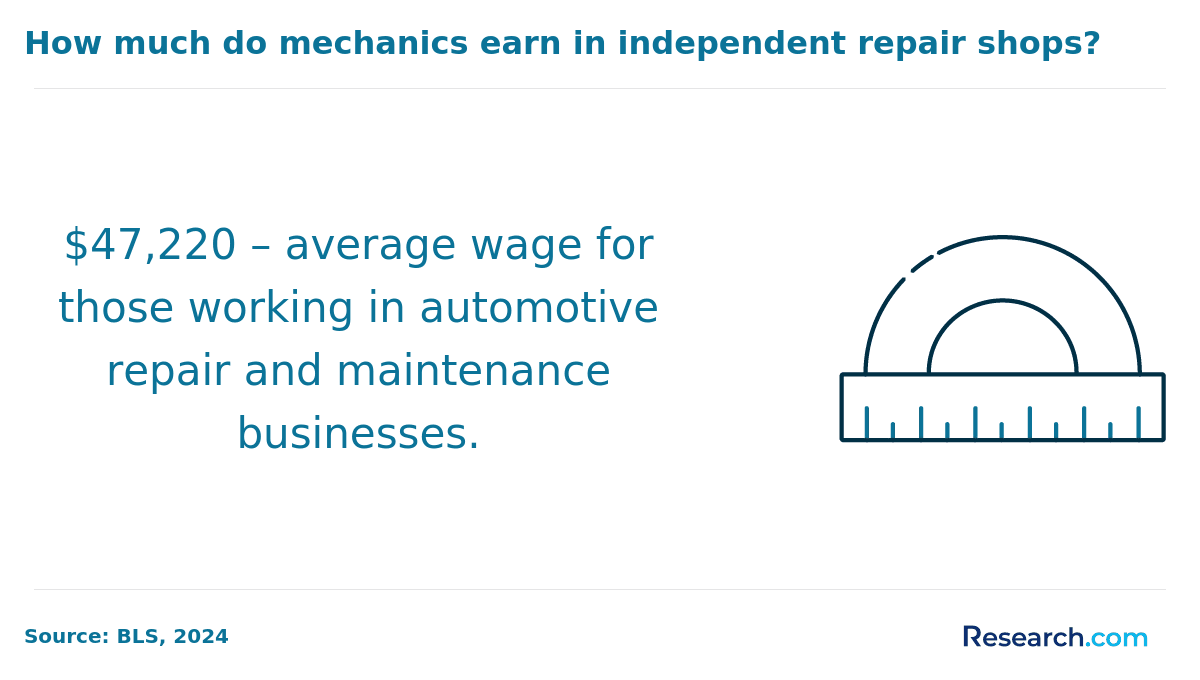
Mechanics in North Carolina earn competitive wages that reflect their experience, certifications, and areas of specialization. According to the US Bureau of Labor Statistics, the annual mean wage for automotive service technicians and mechanics in the state was $49,260 as of May 2023. However, salaries can vary based on several factors, including location, employer, and skill set.
Salary Overview
- Entry-Level Mechanics: Typically start with salaries around $45,410 per year, depending on education and hands-on experience.
- Mid-Career Professionals: Average annual salaries are approximately $49,260, aligning with the state's mean wage.
- Experienced Mechanics: Can earn up to $63,632 annually, especially those with advanced certifications and specialized skills.
- Hourly Rates: Range from $15.32 to $43.07, with an average of $25.69 per hour.
- Overtime Compensation: Many employers offer overtime opportunities, potentially adding approximately $5,712 to annual earnings.
Factors Influencing Salary
Several elements can impact a mechanic's earning potential:
- Certifications: Holding ASE or manufacturer-specific certifications often leads to higher wages.
- Location: Urban areas like Charlotte and Raleigh tend to offer higher salaries due to increased demand and cost of living.
- Employer Type: Dealerships and specialty shops generally provide more competitive pay compared to independent garages.
- Specialized Skills: Expertise in areas such as hybrid and electric vehicle repair or advanced diagnostics can command premium wages.
Career Advancement
Mechanics aiming to enhance their career prospects might consider further education. Exploring what can you do with an engineering degree can open pathways to roles in mechanical engineering, automotive design, or technical instruction. Such qualifications not only broaden job opportunities but also have the potential to significantly increase earning capacity.
Overall, the automotive industry in North Carolina offers a range of opportunities for mechanics, with salaries reflecting the diversity of roles and specializations within the field.
Can developing business skills accelerate a mechanic's career advancement?
Mechanics who couple technical expertise with business acumen are better positioned to manage repair shop operations, optimize service delivery, and oversee financial planning. Acquiring skills in strategic management, budgeting, and customer relations can facilitate a smooth transition into leadership or entrepreneurial roles. Investing in focused business education can provide essential insights into market analysis, operational efficiency, and revenue growth without detracting from core mechanical skills. Consider enrolling in programs offered by top business schools in North Carolina to gain a competitive edge in managing modern automotive enterprises.
Success in the automotive mechanic field requires more than technical know-how; it demands a blend of practical skills, continuous learning, and professional habits that ensure quality and reliability. Mastery of essential tools and the development of key competencies lay the foundation for a lasting career.
Here are the critical tools and skills every mechanic should cultivate:
- Diagnostic proficiency to accurately identify vehicle issues using advanced testing equipment
- Problem-solving abilities to troubleshoot complex mechanical and electrical systems effectively
- Tool expertise in using hand and power tools safely, precisely, and efficiently
- Technical knowledge of automotive electronics and computerized systems as vehicles become more tech-driven
- Attention to detail to ensure all repairs align with manufacturer standards and safety regulations
- Communication skills to clearly explain issues and repair options to customers
- Lifelong learning mindset to stay current with evolving automotive technologies and repair techniques
- Time management to juggle multiple repair tasks without sacrificing quality
- Physical endurance and dexterity for performing hands-on work in varied and sometimes strenuous environments
- Safety awareness to consistently follow protocols and maintain a secure workshop for everyone
Developing these capabilities alongside formal training and certification not only enhances employability but also builds a reputation for reliability and professionalism that customers and employers value deeply.
Could expanding into radiologic technology broaden your technical expertise?
Mechanics can strengthen their technical portfolio by exploring allied fields like radiologic technology. This approach diversifies skill sets and increases marketability in industries that demand precision and adaptability. For those considering an alternative pathway that leverages technical expertise without deviating far from a hands-on career, learning about how to become a radiology technician in North Carolina offers targeted insights. Cross-training in such certifications may serve as a strategic advantage in adapting to evolving industry trends and securing long-term career resilience.
What are the career growth opportunities for mechanics in North Carolina?
Careers in automotive mechanics in North Carolina offer a blend of steady demand and evolving opportunities, shaped by industry trends and regional needs. Knowing where growth is strongest can help you focus your training and sharpen your skills effectively.
Industry Demand and Job Growth
The automotive repair sector in North Carolina is expanding moderately, driven by a growing population and increasing vehicle ownership. Technicians skilled in emerging automotive technologies, such as electric and hybrid vehicles, will find a competitive edge as dealerships and independent shops update their service offerings. The need for qualified mechanics is steady, with rural and urban areas alike showing demand for reliable service providers.
Specialization and Skill Development
Mechanics who focus on advanced diagnostics, computer systems, and alternative fuel vehicles tend to experience better job stability and higher wages. North Carolina employers often seek candidates with certifications from recognized bodies like the National Institute for Automotive Service Excellence (ASE). Developing expertise in areas such as brake systems, engine repair, and electrical diagnostics can open doors to supervisory roles or specialty shops.
Education and Training Pathways
Technical colleges and trade schools across the state offer programs tailored to automotive service careers. These programs typically combine classroom instruction with hands-on training, preparing students to meet industry standards. Apprenticeships and internships with local repair shops provide invaluable real-world experience, reinforcing skills learned in the classroom and enhancing employability.
Local Industry Trends and Networking
Building relationships within the local automotive community can lead to job leads and ongoing professional development. Attending trade fairs, workshops, and manufacturer training sessions helps mechanics stay current on technology and best practices. Awareness of regional economic shifts, such as growth in commercial fleets or changes in consumer vehicle preferences, allows mechanics to anticipate service demands and adapt their expertise accordingly.
What are the pros and cons of becoming a mechanic in North Carolina?
Choosing to become a mechanic in North Carolina involves weighing practical benefits against some common challenges. The state’s diverse economy and growing population create steady demand for skilled automotive professionals.
Pros
- Strong job availability across urban and rural areas, benefiting from North Carolina’s expanding transportation needs.
- Opportunities to work with a variety of vehicles, from personal cars to commercial fleets, which can broaden skills and experience.
- Potential for steady income, with mechanics often earning competitive wages compared to other technical trades in the state.
- Access to vocational training programs and community colleges that offer affordable, focused education to enter the field quickly.
- Possibility to specialize in emerging automotive technologies, such as electric and hybrid vehicles, increasing future job security.
Cons
- Work can be physically demanding, requiring stamina and the ability to handle heavy parts and tools regularly.
- Income growth may plateau without additional certifications or moving into supervisory roles, limiting long-term earnings for some.
- Exposure to hazardous materials and noisy environments requires strict adherence to safety protocols.
- Some rural areas may offer fewer career advancement opportunities or specialized work compared to larger cities.
- Continuous learning is necessary to keep up with rapidly evolving automotive technologies, which can be time-consuming and costly.
Should mechanics consider diversifying into HVAC technology?
Expanding technical expertise by pursuing additional certifications can offer mechanics broader career stability and diverse job opportunities. Diversification into related fields, such as HVAC, equips professionals with complementary skills that can enhance problem-solving capabilities and resilience in dynamic markets. For those interested in cross-training, understanding the additional credentials required can be a strategic move to stay ahead as industry demands evolve. Consider reading our guide on how to get HVAC license in North Carolina for detailed guidance on gaining relevant certification.
Can transferring technical skills to diagnostic healthcare broaden career opportunities?
Mechanics possess valuable technical problem-solving skills, manual dexterity, and an aptitude for technology that can open pathways into related high-demand fields, such as diagnostic healthcare. Transitioning into roles like ultrasound technician leverages a similar attention to detail and practical knowledge of complex systems. For professionals considering diversification, acquiring targeted training and certification can facilitate a smooth pivot into healthcare technology—a field known for its robust job growth and comprehensive benefits. For detailed guidance on moving into this field, see North Carolina ultrasound technician requirements.
What do mechanics say about their careers in North Carolina?
Joining the vocational program at Central Carolina Community College gave me hands-on experience that textbooks alone can't provide. Working directly on engines and transmissions every day built my confidence and skills steadily. The practical training made me feel ready for real-world challenges. – Tony
The North Carolina State Apprenticeship Program connected me with experienced mechanics who taught me the nuances of the trade on the job. I appreciated how the program balanced classroom learning with actual repair work, making each day engaging and productive. It’s rewarding to see my progress reflected in the cars I help maintain. – Ian
Participating in a nonprofit automotive training initiative in Raleigh introduced me to a supportive community focused on skill-building and career growth. Practicing diagnostics and repairs in a real shop environment helped me develop both technical expertise and a strong work ethic. This experience has made me proud to contribute to keeping vehicles safe on the road. – Gino
Related Articles for Nearby States
- 2027 How to Become a Mechanic in South Carolina: Requirements & Certification
- 2027 How to Become a Mechanic in Virginia: Requirements & Certification
- 2027 How to Become a Mechanic in Georgia: Requirements & Certification
- 2027 How to Become a Mechanic in Tennessee: Requirements & Certification
- 2027 How to Become a Mechanic in West Virginia: Requirements & Certification
- 2027 How to Become a Mechanic in Kentucky: Requirements & Certification
- 2027 How to Become a Mechanic in Florida: Requirements & Certification
- 2027 How to Become a Mechanic in Maryland: Requirements & Certification
- 2027 How to Become a Mechanic in Alabama: Requirements & Certification
- 2027 How to Become a Mechanic in Pennsylvania: Requirements & Certification
References:
- Durham Technical Community College. (n.d.). Automotive technician. durhamtech.edu
- Guilford Apprenticeship Partners. (n.d.). Auto mechanic youth apprenticeship in Guilford County, NC. gapnc.org
- NC Automotive Apprenticeship Program. (n.d.). Home - NC automotive apprenticeship program. ncautoapprentice.com
- NC Careers.org. (n.d.). Occupation profile: Automotive service technicians and mechanics (49-3023). nccareers.org
- North Carolina Department of Health and Human Services. (n.d.). Training programs | WorkSource East. ncdhhs.gov
- Universal Technical Institute (UTI). (n.d.). Auto mechanic school in North Carolina | UTI Mooresville. uti.edu
- Wake Technical Community College. (n.d.). Automotive technician. waketech.edu
Other Things You Should Know About Becoming a Mechanic in North Carolina
To start a career as a mechanic in North Carolina in 2027, you should complete a high school diploma or GED, enroll in a recognized auto mechanic program, gain practical experience through internships or on-the-job training, and obtain ASE certification for better job opportunities.
To become a certified mechanic in North Carolina in 2027, you typically need to complete a relevant training program or apprenticeship, pass certifying exams like ASE tests, and apply for state certification. Staying updated on the latest industry practices and ongoing education can enhance career prospects.
In North Carolina, prior experience in automotive work can potentially reduce the time needed for formal mechanic training. Candidates with relevant skills or work history may qualify for advanced standing or shorter programs, depending on the training institution’s policies.
An apprenticeship is not a mandatory requirement to become a mechanic in North Carolina. However, gaining hands-on experience through an apprenticeship can enhance skills and improve job prospects. Aspiring mechanics are typically encouraged to pursue formal training programs and seek ASE certification to advance their careers.


