
2027 How to Become an HVAC Tech in North Carolina

Co-Founder and Chief Data Scientist
HVAC careers in North Carolina present promising opportunities fueled by a strong job outlook, with employment projected to grow 13% from 2022 to 2032. This growth reflects the increasing demand for skilled technicians across residential, commercial, and industrial sectors. Despite these prospects, many aspiring HVAC professionals may find the path to certification and licensure confusing without clear guidance.
This article, prepared by career planning experts, will walk you through the essential steps to become an HVAC technician in North Carolina. It covers educational prerequisites, practical training, and licensure procedures necessary to navigate the pathway with clarity and confidence.
Key Things You Should Know About Becoming an HVAC Tech in North Carolina
- The job outlook for HVAC professionals in North Carolina is strong, with a projected 13% growth and about 1,580 job openings expected annually through 2032.
- HVAC technicians in North Carolina earn an average annual salary of around $61,120, with wages increasing based on experience and role.
- Educational requirements include a high school diploma or GED, completion of HVAC training programs, approximately one year of supervised work experience, and passing a state licensure exam.
- What are the educational requirements to become an HVAC Tech in North Carolina?
- Which schools in North Carolina offer HVAC programs?
- What skills do you need to become an HVAC Tech in North Carolina?
- What are the requirements for HVAC licensure in North Carolina?
- What is the licensing process for HVAC technicians in North Carolina?
- How long does it take to become an HVAC tech in North Carolina?
- How can HVAC technicians advance their careers in North Carolina?
- What are the ongoing license renewal and continuing education requirements for HVAC technicians in North Carolina?
- How Can Business Education Enhance Your HVAC Career in North Carolina?
- Can Cross-Industry Certifications Enhance Your HVAC Career?
- Are there financial assistance options available for HVAC training and certification?
- Will an HVAC license from North Carolina allow you to work in other states?
- How much do North Carolina HVAC technicians earn?
- Is there a demand for HVAC technicians in North Carolina?
- Is North Carolina a good place to work as an HVAC tech?
What are the educational requirements to become an HVAC Tech in North Carolina?
Becoming an HVAC technician in North Carolina involves a structured approach focused on skill development, certification, and hands-on training. Below are the key educational steps necessary to enter the field:
- High School Diploma or GED: This is the minimum academic requirement. A basic understanding of math, science, and technical subjects forms a foundation for further training.
- HVAC Technical Training Program: Offered by community colleges, trade schools, or through online trade school programs, these courses teach essential skills in refrigeration, heating systems, electrical controls, and safety standards.
- Apprenticeship: Apprenticeships blend classroom learning with real-world experience under licensed HVAC professionals, typically lasting 3–5 years.
- EPA Certification: Required for working with refrigerants, this federal certification is mandatory and typically obtained during or after technical training.
- State Licensing Preparation: While North Carolina doesn't mandate a license for all HVAC workers, those operating as contractors must pass state exams and fulfill continuing education requirements.
Which schools in North Carolina offer HVAC programs?
North Carolina offers a variety of HVAC programs through its community colleges and technical institutes. Below are five notable schools in North Carolina offering HVAC programs:
- Pitt Community College (Winterville, NC): Offers the state's only PAHRA-accredited HVAC program, providing an Associate in Applied Science (AAS) degree, diploma, and certificates.
- Wake Technical Community College (Raleigh, NC): Provides an AAS degree in Air Conditioning, Heating, and Refrigeration Technology with specializations in Commercial A/C, Building Automation, and Commercial Refrigeration.
- Guilford Technical Community College (Jamestown, NC): Offers an AAS degree, diploma, and certificates in Air Conditioning, Heating, and Refrigeration Technology.
- Miller-Motte College: Provides an HVAC and Basic Refrigeration program that can be completed in as little as 10 months. The curriculum prepares students for the EPA Section 608 certification and covers installation, maintenance, and repair of HVAC systems.
- Universal Technical Institute (Mooresville, NC): Offers an HVACR Technician training program designed to be completed in approximately 39 weeks. The program prepares students for entry-level careers in HVAC, focusing on installation, maintenance, and repair skills.
What skills do you need to become an HVAC Tech in North Carolina?
Becoming an HVAC technician in North Carolina requires a blend of technical knowledge and practical skills. Developing these skills ensures you can efficiently manage a variety of heating and cooling systems while adhering to local standards. Key skills include:
- Electrical Expertise: A solid grasp of electrical principles and circuitry is crucial, given the complexity of modern HVAC equipment.
- Blueprint Literacy: The ability to accurately read and interpret technical drawings and manuals helps ensure precise installation and repair of systems.
- Refrigeration Knowledge: Understanding how refrigeration cycles work and the components involved is essential for maintaining system performance and indoor air quality.
- Regulatory Awareness: Familiarity with North Carolina’s building codes and safety guidelines guarantees that all work meets legal and safety requirements.
- Diagnostic Proficiency: Skill in using specialized tools and software allows for effective troubleshooting and optimization of HVAC systems.
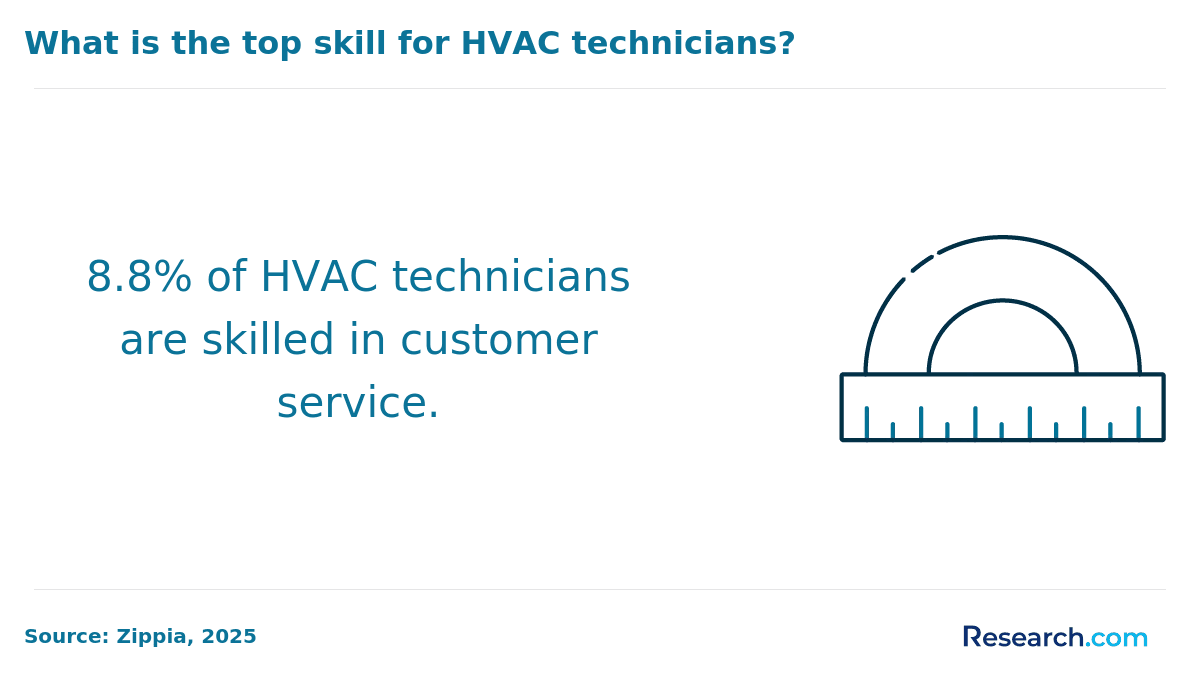
- Equipment Versatility: Competence in handling a range of HVAC units, especially energy-efficient models common in the area, is increasingly important for techs working in this field.
What are the requirements for HVAC licensure in North Carolina?
To become a licensed HVAC professional in North Carolina, candidates must meet specific educational, experiential, and regulatory criteria set by the State Board of Examiners of Plumbing, Heating, and Fire Sprinkler Contractors. Key Requirements:
- Educational Foundation: A high school diploma or GED is mandatory. While not required, completing an accredited HVAC training program can enhance knowledge and skills.
- Work Experience: For a technician license, applicants must have 18 months (3,000 hours) of on-site, full-time experience in HVAC system installation, maintenance, service, or repair. For a contractor license, 2 years (4,000 hours) of experience are required. Up to half of this experience can be substituted with relevant academic or technical training.
- Examination: Candidates must pass a comprehensive written examination administered by PSI Services, covering technical knowledge and business practices. A minimum passing score of 70% is required.
- Insurance and Bonding: Contractors must provide proof of general liability insurance and a surety bond, typically around $2,000, to ensure financial responsibility.
- Application and Fees: Submit a completed application to the Board, along with the appropriate fees. Technician exam applications cost $100, and license activation fees are $75, while contractor licenses have a $150 activation fee.
What is the licensing process for HVAC technicians in North Carolina?
Becoming a licensed HVAC technician in North Carolina involves a structured process that combines education, hands-on experience, examinations, and compliance with state regulations. Below are the key steps in the licensing process:
- Obtain Required Education and Training: Enroll in an accredited HVAC training program, such as those offered by Guilford Technical Community College or Pitt Community College. These programs typically last between six months and two years and provide foundational knowledge in HVAC systems.
- Gain Practical Work Experience: Accumulate the necessary on-site experience. For a technician license, this involves 3,000 hours (approximately 18 months) of full-time work under the supervision of a licensed HVAC professional. For a contractor license, 4,000 hours are required.
- Submit Application and Background Check: Complete and submit the application form to the North Carolina State Board of Examiners of Plumbing, Heating, and Fire Sprinkler Contractors, along with the required fee. A criminal background check is also mandatory.
- Schedule and Pass the Examination: Upon approval, schedule the examination with the designated provider. The exam assesses knowledge in HVAC systems, safety protocols, and relevant codes. A passing score is required to proceed.
- Activate and Maintain Your License: After passing the exam, submit the license activation form and fee to the Board. Licenses must be renewed periodically, and continuing education may be required to stay current with industry standards.
How long does it take to become an HVAC tech in North Carolina?
Becoming an HVAC technician in North Carolina typically takes between two to four years, combining formal education, practical training, and licensure requirements. The initial educational phase usually lasts from six months to two years, where students complete certificate or associate degree programs that teach essential HVAC theory, system design, and technical skills. Some obtain quick certifications that pay well to begin working early, while continuing their training.
After education, candidates must complete approximately 2,000 hours (about one year) of supervised work experience or apprenticeship to gain hands-on expertise in installation, maintenance, and repair. Following this, they must pass the state licensure exam to work independently as a certified HVAC technician. Those pursuing this career should also consider additional certifications and online training options to further enhance their qualifications and job prospects in North Carolina’s evolving HVAC industry.
How can HVAC technicians advance their careers in North Carolina?
HVAC professionals can elevate their career trajectories by pursuing continuing education, advanced certifications, and specialized training that align with emerging technologies and industry standards. By enrolling in industry-accredited courses, technicians can gain expertise in areas such as energy-efficient systems, smart HVAC controls, and environmental maintenance protocols. Expanding skill sets through targeted programs and manufacturer-specific training helps build a competitive profile for leadership and supervisory roles. Furthermore, cross-training in related fields is beneficial; for example, learning how to get electrician license in North Carolina can open opportunities for integrated roles and diversified project responsibilities. Professionals are encouraged to engage with industry associations to stay informed about regulatory updates and network with peers, ultimately supporting career longevity and growth in North Carolina’s evolving HVAC landscape.
What are the ongoing license renewal and continuing education requirements for HVAC technicians in North Carolina?
HVAC technicians in North Carolina must adhere to periodic license renewal protocols that include completing defined continuing education units. These courses cover updates in building codes, safety regulations, and technological innovations, ensuring professionals maintain current competency standards and regulatory compliance. Failure to meet these ongoing requirements may result in delayed renewals or additional remedial training. Moreover, broadening technical skills through related vocational training—such as how to become a mechanic in North Carolina—can further enhance a technician’s overall proficiency and career resilience.
How Can Business Education Enhance Your HVAC Career in North Carolina?
Integrating business education with technical HVAC expertise can provide a distinctive edge in career advancement. Acquiring skills in strategic management, financial planning, and operational oversight supports technicians in transitioning into supervisory roles or launching their own enterprises. Focused business training not only enhances leadership potential but also equips professionals to address market challenges, negotiate contracts, and optimize project management. For those interested in complementing their technical background with business acumen, exploring programs at the best business schools in North Carolina is a strategic step that aligns with long-term career growth.
Can Cross-Industry Certifications Enhance Your HVAC Career?
Expanding your professional expertise through complementary certifications can provide a competitive edge and open up additional career pathways. Advanced training in building automation, energy efficiency, and environmental sustainability introduces new technical competencies that enrich your HVAC skill set. Investigating curricula in related fields offers alternative perspectives on regulated technical education, which can be pivotal for career diversification. For example, reviewing the North Carolina education requirements for radiologic technologist demonstrates how structured educational standards in adjacent sectors may inspire innovative approaches for enhancing industry-specific expertise.
Are there financial assistance options available for HVAC training and certification?
Prospective HVAC technicians should consider various financial support options to mitigate the costs of education and certification. Many community colleges and technical institutes in North Carolina offer scholarships, grants, and low-interest loan programs dedicated to vocational training in the trades. Additionally, industry associations and local workforce development programs often sponsor tuition reimbursement initiatives and financial aid packages for students pursuing technical careers. Candidates are encouraged to research eligibility criteria and application deadlines to maximize available resources. For a comparative look at alternative technical career paths and funding opportunities, explore how to become an ultrasound technician in North Carolina.
Will an HVAC license from North Carolina allow you to work in other states?
An HVAC license from North Carolina does not automatically grant the holder the right to work in other states. Each state has its licensing requirements, and North Carolina does not have reciprocity agreements with other states for HVAC licensure.
Here are the steps to work as an HVAC technician in another state:
- Research State-Specific Requirements: Each state has its licensing criteria, which may include education, experience, and examinations.
- Obtain Necessary Certifications: Some states require specific certifications, such as EPA 608, to handle refrigerants.
- Apply for Reciprocity or Endorsement: Some states may offer reciprocity or endorsement for out-of-state license holders, allowing them to work without retaking exams.
- Complete Required Examinations: If reciprocity is not available, you may need to pass state-specific exams to qualify for licensure.
- Submit Application and Fees: After meeting all requirements, apply along with any required fees to the appropriate licensing authority.
How much do North Carolina HVAC technicians earn?
In North Carolina, the HVAC technician career salary is competitive and varies based on experience and role. The average hourly wage is approximately $29.41, equating to an annual salary of around $61,120. Entry-level positions typically start at $18.74 per hour, while experienced professionals can earn up to $46.14 per hour. Additionally, many technicians receive overtime compensation, averaging about $6,750 annually.
Salaries can differ significantly based on experience levels. Entry-level technicians earn between $30,290 and $37,360 per year, while mid-level professionals make between $47,330 and $56,190 annually. Senior technicians with extensive experience can earn between $63,740 and $77,200 per year. These figures reflect the state's commitment to fair compensation for skilled tradespeople in the HVAC industry.
Is there a demand for HVAC technicians in North Carolina?
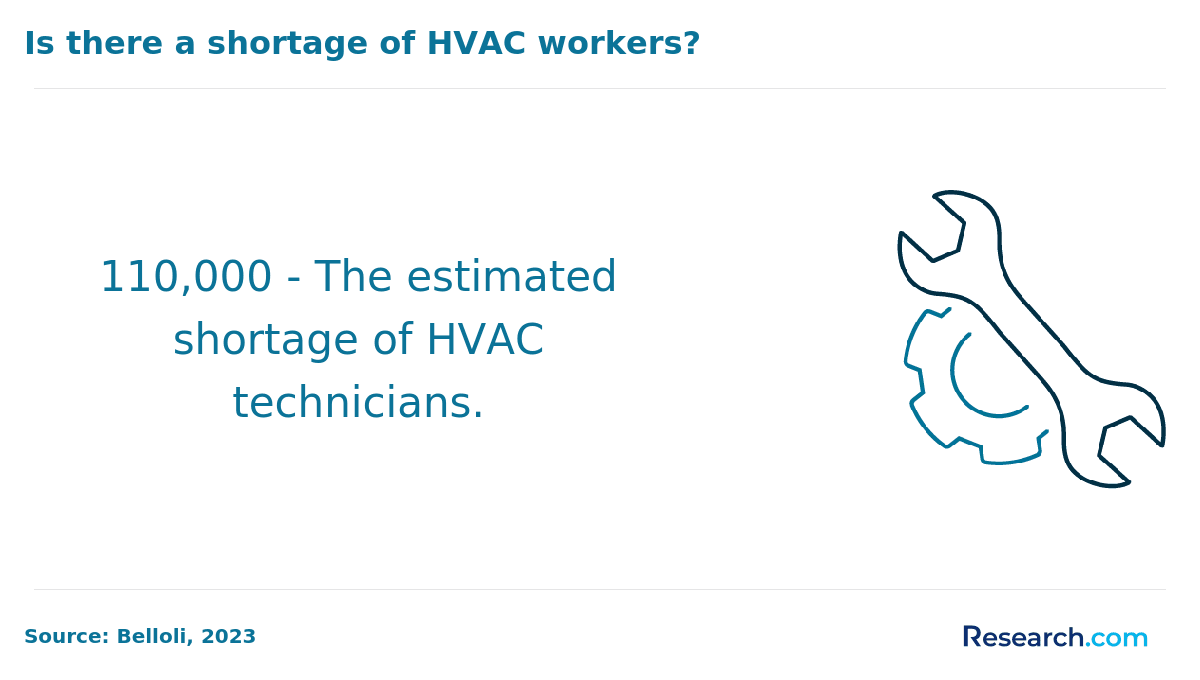
North Carolina's HVAC industry is experiencing notable growth, driven by factors such as urban development, infrastructure expansion, and a heightened focus on energy efficiency. The state's employment projections indicate a 13% increase in HVAC technician positions from 2022 to 2032, surpassing the national average. This growth highlights HVAC work as one of the best jobs for trade school graduates in the region, reflecting the state’s commitment to modernizing infrastructure and adopting sustainable building practices.
The demand for HVAC professionals is further underscored by the number of job openings, with approximately 1,580 positions expected annually during the same period. This consistent influx of opportunities highlights the essential role HVAC technicians play in maintaining and enhancing the state's building systems. As North Carolina continues to prioritize sustainable development and energy-efficient solutions, the need for skilled HVAC technicians is poised to remain strong.
Is North Carolina a good place to work as an HVAC tech?
North Carolina offers a dynamic environment for HVAC technicians, characterized by a blend of industry demand, regulatory standards, and regional opportunities. Here are key aspects to consider:
- Diverse Work Environments: Technicians in North Carolina engage in a variety of settings, including residential homes, commercial buildings, and industrial facilities. This diversity allows professionals to gain experience across different systems and challenges.
- Access to State Employment Benefits: Working for state institutions, such as the North Carolina Department of Administration, provides access to comprehensive benefits, including health insurance, retirement plans, and paid holidays.
- Opportunities for Career Advancement: The HVAC industry in North Carolina supports career growth through various paths, such as moving into supervisory roles, specializing in commercial systems, or starting one's own business, reflecting a strong trades career outlook.
- Community and Professional Support: The presence of professional organizations and a network of experienced technicians fosters a collaborative environment, offering mentorship and support for career development.
Here’s What Graduates Have to Say about Becoming an HVAC Tech in North Carolina
Becoming an HVAC technician in North Carolina gave me the hands-on skills I needed to confidently troubleshoot and repair complex systems. The blend of classroom learning and real-world practice made every day an opportunity to grow both technically and personally. I truly feel prepared for a rewarding career that keeps me engaged and constantly learning. Mads
Starting in the HVAC field, I quickly realized how much practical experience matters, and working alongside seasoned technicians taught me more than I ever expected. After fixing a system and knowing it improves someone’s comfort, the sense of accomplishment is incredibly fulfilling. This career path opened doors to steady work and financial independence that I didn’t have before. Luke
Transitioning into HVAC was one of the best decisions I’ve made because it combined my interest in technology with a clear path to employment. The demand for skilled technicians in North Carolina meant I found a job faster than I thought possible, and I feel proud contributing to a vital industry. This career has given me confidence and a sense of purpose every day. Jake
Related Articles for Nearby States
- 2027 How to Become an HVAC Tech in South Carolina
- 2027 How to Become an HVAC Tech in Virginia
- 2027 How to Become an HVAC Tech in Georgia
- 2027 How to Become an HVAC Tech in Tennessee
- 2027 How to Become an HVAC Tech in West Virginia
- 2027 How to Become an HVAC Tech in Kentucky
- 2027 How to Become an HVAC Tech in Florida
- 2027 How to Become an HVAC Tech in Maryland
- 2027 How to Become an HVAC Tech in Alabama
- 2027 How to Become an HVAC Tech in Pennsylvania
References:
- BlueRecruit. (n.d.). North Carolina HVAC license: How to become an HVAC technician. Retrieved from BlueRecruit.
- FieldPulse. (n.d.). HVAC technician salaries by state. Retrieved from FieldPulse.
- Guilford Technical Community College. (n.d.). Air conditioning, heating, and refrigeration technology. Retrieved from GTCC.
- HVACClasses.org. (n.d.). HVAC schools in North Carolina - Accredited programs & certifications. Retrieved from HVACClasses.org.
- Jobber. (n.d.). NC HVAC license: How to become a licensed HVAC technician. Retrieved from Jobber.
- Miller-Motte College. (n.d.). How to become an HVAC technician in North Carolina. Retrieved from Miller-Motte College.
- North Carolina Central University. (n.d.). Online certified HVAC/R technician training. Retrieved from North Carolina Central University.
- University of North Carolina Wilmington. (n.d.). Online HVAC/R technician (voucher included). Retrieved from University of North Carolina Wilmington.
- Universal Technical Institute. (n.d.). HVAC technician school & training in Mooresville, NC. Retrieved from UTI.
- Wake Technical Community College. (n.d.). Online certified HVAC/R technician training. Retrieved from Wake Tech.
Other Things You Should Know About Becoming an HVAC Tech in North Carolina
In 2027, aspiring HVAC techs in North Carolina must complete a relevant post-secondary program or apprenticeship and pass the NATE certification or the competency exam by North Carolina's Board of Refrigeration Examiners. Additionally, obtaining an HVAC license from the North Carolina State Board of Examiners of Plumbing, Heating, and Fire Sprinkler Contractors is mandatory.
To become an HVAC tech in North Carolina in 2027, complete a state-approved training program, typically available through community colleges or trade schools, lasting 6-24 months. Pass the EPA Section 608 Certification. Gain hands-on experience via apprenticeships or fieldwork. Finally, apply for state licensing, requiring 1,500 hours of work under a licensed technician.
HVAC work in North Carolina is considered profitable, especially when factoring in the state’s relatively low cost of living. Technicians earn an average of around $45,000 annually, which may be slightly below the national average but remains competitive within the local economy. Profitability increases with certifications, years of experience, and specialization in areas like energy-efficient systems. Technicians working in urban centers such as Charlotte or Raleigh tend to earn more.


