
2027 How to Become an Electrician in North Carolina

Co-Founder and Chief Data Scientist
Many people mistakenly believe that becoming an electrician in North Carolina is a quick and informal process—just pick up some tools and start wiring. But this misconception can lead to wasted time, failed licensing attempts, and safety risks on the job.
In reality, North Carolina has structured training and licensing requirements, with electricians in the state earning an average annual wage of $51,400. This guide will walk through the exact steps to become a licensed electrician in 2027, including education, exams, and certification paths. Prepared by career planning experts, it offers clear guidance to help readers start—and succeed in—this high-demand trade.
Key Things to Know About Becoming an Electrician in North Carolina
- North Carolina requires electricians to complete an apprenticeship of 8,000 hours and pass a licensing exam to work independently.
- The job outlook for electricians in North Carolina is positive, with steady growth due to expanding construction and infrastructure projects.
- The average annual salary for electricians in North Carolina is approximately $50,000, varying by experience and location within the state.
- What education is required to become an electrician in North Carolina?
- How do you get into an electrician apprenticeship program in North Carolina?
- How much do electricians make in North Carolina?
- What certifications do electricians need in North Carolina?
- How long does an electrician apprenticeship take in North Carolina?
- How much does electrician training cost in North Carolina?
- What license do you need to be an electrician in North Carolina?
- How are technological advancements influencing electrician practices in North Carolina?
- How can business education accelerate your career as an electrician in North Carolina?
- What challenges might you encounter during the electrician licensing process in North Carolina?
- Can advanced technical credentials reduce apprenticeship requirements in North Carolina?
- How often do you need to renew your electrician license in North Carolina?
- What are the essential skills needed to be a successful electrician in North Carolina?
- What is the job outlook for electricians over the next 10 years in North Carolina?
- How can experienced electricians transition into successful electrical contractors in North Carolina?
What education is required to become an electrician in North Carolina?
Typically, aspiring electricians start by enrolling in technical or community college programs where they study courses such as electrical theory, blueprint reading, electrical code, and safety practices. These programs usually last one to two years and lead to a certificate or associate degree, preparing students for the next step: an apprenticeship.
Apprenticeships are essential for hands-on experience and are regulated by the North Carolina Department of Labor. Apprentices must complete at least 8,000 hours of supervised work over four to five years along with 576 hours of classroom training annually. This combination ensures exposure to residential, commercial, and industrial electrical systems while reinforcing knowledge of the National Electrical Code and local regulations.
Among the top institutions offering electrician training in North Carolina are Central Piedmont Community College, Wake Technical Community College, and Guilford Technical Community College. These schools are noted for their comprehensive curricula, experienced instructors, and strong ties to local unions and contractors, which can facilitate smoother transitions into apprenticeships.
With a steady demand for electricians in the state, investing time in rigorous coursework, completing a structured apprenticeship, and accessing targeted exam preparation resources are wise strategies. These steps not only build competence but also position candidates for long-term success in a growing industry.
How do you get into an electrician apprenticeship program in North Carolina?
To get started on how to apply for electrician apprenticeship in North Carolina, aspiring electricians should look to reputable organizations such as the North Carolina Independent Electrical Contractors (NCI) and the International Brotherhood of Electrical Workers (IBEW) Local 379. These programs provide a structured path combining paid on-the-job training with classroom instruction. Applicants typically need to be at least 18 years old, possess a high school diploma or GED, and pass a basic aptitude test focused on math and reading comprehension. These requirements ensure candidates have the foundational skills necessary for success in the trade.
A unique aspect of North Carolina electrician apprenticeship requirements is the mandate to register as an electrical apprentice with the North Carolina State Board of Examiners of Electrical Contractors before beginning any work. This registration helps maintain oversight and guarantees apprentices receive appropriate supervision. Additionally, apprentices must complete at least 8,000 hours of hands-on experience alongside 600 hours of classroom instruction to become eligible for journeyman licensure, reflecting the state’s commitment to thorough training and competency.
Apprenticeships are invaluable for skills development and networking. Beyond technical training, apprentices gain mentorship from seasoned electricians, learning the nuances of installation, maintenance, and troubleshooting electrical systems while adhering to safety protocols. Many programs also connect apprentices with industry seminars and review classes available through the North Carolina Contractors Licensing Board or local community colleges, which are excellent resources to prepare for licensing exams and stay current with evolving standards.
From my conversations with a North Carolina electrician, I learned that the apprenticeship journey is as much about personal growth as it is about technical skills. This electrician shared how early challenges included balancing classroom theory with unpredictable job site conditions, but over time, the mentorship and hands-on experience built confidence and professionalism. They emphasized that showing eagerness to learn and maintaining clear communication with supervisors opened doors to advanced projects and valuable networking opportunities. Attending local seminars and review sessions helped them stay ahead, making the licensing exams feel less daunting.
For those considering this path, cultivating reliability, strong communication, and a proactive attitude is crucial. Supplementing on-the-job experience with continuing education not only improves readiness for licensure but also positions apprentices for long-term career growth in a state where electrician demand is rising steadily. Exploring what is highest paying trade school job options can also provide perspective on the value of this career path in North Carolina’s growing construction industry.
How much do electricians make in North Carolina?
Electricians in North Carolina earn a range of salaries influenced by experience, location, and specialization. On average, annual wages fall between $53,000 and $58,000, translating to monthly earnings from about $4,400 to $4,800. Entry-level electricians often start at $30,000 to $35,000 per year, or roughly $2,500 to $2,900 monthly. This early stage can feel challenging as apprentices typically earn 40% to 60% of a fully licensed electrician’s wage, but steady growth follows with experience and licensing.
Salary progression is a journey marked by milestones. As electricians move from apprentice to journeyman status, they unlock higher pay scales. Those who advance to master electrician or acquire specialized certifications, such as for HVAC or solar energy systems, often see salaries exceeding $70,000 annually. This reflects the value of continuous learning and adapting to evolving industry demands, which aligns with the importance of disciplined study and staying updated with industry changes highlighted in medical billing and coding certification strategies.
The highest-paying cities for electricians in North Carolina include Charlotte, Raleigh, and Durham, where wages can be about 10% higher than the state average. Charlotte’s thriving construction sector pushes salaries closer to $60,000 or more annually, supported by a robust market for residential and commercial projects. This urban demand mirrors the growth trends seen in other technical professions within the state, emphasizing the benefits of leveraging local educational resources for career advancement.
An electrician from North Carolina I spoke with shared a reflective account of their career path. Early on, they faced the challenge of balancing long hours on construction sites with evening classes to earn relevant certifications. Despite the physical demands, the satisfaction of mastering complex electrical systems and progressively commanding higher rates was rewarding. They noted that becoming a licensed contractor opened doors to managing larger projects and significantly improving their income. This journey required persistence, adaptability, and a commitment to ongoing education, much like the dedication needed for pursuing an anchors part-time Ph.D. in economics to deepen expertise in another field.
What certifications do electricians need in North Carolina?
To meet electrician certification requirements in North Carolina, aspiring electricians must first obtain state licenses issued by the North Carolina State Board of Examiners of Electrical Contractors. The key credentials include the Electrical Contractor License and the Electrical Contractor Limited License, which require a blend of formal education, hands-on experience, and passing a state exam. For those starting out, the Electrical Apprenticeship Certificate is essential, enabling on-the-job training under a licensed electrician while progressing toward journeyman status.
Beyond these foundational licenses, electricians can enhance their qualifications with additional certifications that improve job prospects and specialization. The National Electrical Code (NEC) Certification is particularly valuable for demonstrating expertise in compliance and safety standards. OSHA Safety Certifications, especially the 10-hour or 30-hour construction safety courses, are highly regarded by employers and often mandatory on North Carolina job sites. Specialized certifications in areas like solar photovoltaic systems or industrial electrical work open pathways to niche sectors experiencing growth.
Several respected institutions offer training and certification programs tailored to North Carolina’s standards. Central Piedmont Community College in Charlotte delivers electrical technology courses aligned with state licensing, while Wake Technical Community College in Raleigh provides comprehensive apprenticeship training alongside NEC code classes. Additionally, the North Carolina Independent Electrical Contractors (NCI Electrical) organization offers both apprenticeship opportunities and continuing education designed specifically for electricians working within the state.
Investing in these certifications can significantly impact career advancement. Licensed electricians in North Carolina earn median wages about 15–20% higher than their non-licensed counterparts. Furthermore, specialized certifications improve employability and open doors to complex projects in the state’s expanding construction and renewable energy markets. For those exploring complementary career paths, exploring the best online HVAC trade schools and certifications can also be beneficial.
How long does an electrician apprenticeship take in North Carolina?
The typical electrician apprenticeship in North Carolina usually takes about 4 to 5 years to complete, which equates to roughly 8,000 hours of on-the-job training combined with around 576 hours of classroom instruction. This timeline aligns with state standards and ensures apprentices gain both practical experience and theoretical knowledge necessary for the trade. However, the duration is not fixed and can vary significantly based on individual circumstances and the program chosen.
Some apprenticeships offer accelerated tracks for those who come in with prior experience or relevant technical education. These programs can shorten the completion time to as little as 3 years. Conversely, apprentices balancing work, personal commitments, or education may take longer than 5 years to finish. The organization administering the apprenticeship also matters. For example, the International Brotherhood of Electrical Workers (IBEW) Local 379 provides a structured 5-year program, but with options for additional classroom hours, which can extend the duration. Private or non-union programs may offer more flexible or faster-paced formats depending on the apprentice’s dedication and skill level.
To make the most of an apprenticeship and possibly speed up the process, electricians should consistently attend and excel in classroom instruction, seek extra on-the-job training opportunities, and maintain open communication with mentors to demonstrate readiness for advancement. Taking supplemental technical courses or certifications can also help fulfill requirements faster and deepen skills. Understanding the electrician certification requirements in North Carolina is vital when planning this journey.
Those interested in the difference between trade school and vocational program might find that investing time in specialized training can accelerate their apprenticeship progress and career growth. Knowing the North Carolina electrician license process early on also helps apprentices align their training with licensing criteria efficiently.
How much does electrician training cost in North Carolina?
The cost of electrician training in North Carolina varies significantly depending on the chosen educational path. Certificate and diploma programs typically range from $3,000 to $10,000, making them a more affordable option for those seeking quicker entry into the field. For those pursuing a more comprehensive education, associate degree programs at community colleges generally cost between $5,000 and $15,000 for in-state students. These programs often include general education courses alongside technical training, potentially enhancing long-term career prospects. When considering the electrician training cost in North Carolina, it’s important to factor in additional expenses such as tools and equipment, which can add $500 to $1,500 to the overall cost.
Program duration is another key factor influencing expenses. Shorter certificate programs may seem less expensive upfront, but longer apprenticeships and associate degrees provide extensive hands-on experience and education, which can lead to better job opportunities. Apprenticeships, in particular, offer a cost-effective path because they combine paid work with training, though they require a commitment of four to five years to complete the necessary hours for licensure.
Several factors can affect the cost of electrician school in NC. Residency status plays a crucial role since in-state tuition rates at community colleges are substantially lower than out-of-state fees. Additionally, the demand for electricians in North Carolina’s growing construction industry supports competitive wages, which can help offset training costs over time. Aspiring electricians should also explore financial aid options, including federal Pell Grants, student loans, and scholarships offered by the North Carolina Department of Commerce and local workforce boards. For those unsure about where to begin, resources such as what is the best online vocational trade school can provide valuable guidance in selecting affordable and reputable programs.
What license do you need to be an electrician in North Carolina?
To become a licensed electrician in North Carolina, candidates must obtain one of two primary licenses issued by the state: the Electrical Contractor License or the Electrical Tradesman License. These licenses regulate who may legally perform electrical work and ensure adherence to strict safety and competency standards.
The licensing process involves several key steps and requirements that vary by license type. For the Electrical Contractor License, applicants need at least four years of experience in the electrical trade or a comparable combination of education and practical work. This license permits individuals or companies to contract electrical work independently.
The Electrical Tradesman License is designed for electricians who perform work under the supervision of a licensed contractor. It requires a minimum of two years of documented electrical work experience, making it more accessible for those earlier in their careers.
- Both licenses require passing a comprehensive state exam covering the National Electrical Code (NEC), local codes, and safe work practices.
- Applicants must submit their applications and fees to the North Carolina State Board of Examiners of Electrical Contractors, with exam fees around $75 as of 2023.
- Electrical contractors must provide proof of liability insurance and a surety bond to demonstrate financial responsibility.
The licensure process is overseen by the North Carolina State Board of Examiners of Electrical Contractors, which administers exams, issues licenses, and enforces compliance. The North Carolina Department of Insurance also monitors insurance requirements, adding an additional layer of oversight.
What sets North Carolina apart is its structured tier system that clearly distinguishes contractors from other trades career options. Additionally, the state mandates 12 hours of continuing education annually for license renewal, ensuring electricians stay updated on evolving codes and technologies.
How are technological advancements influencing electrician practices in North Carolina?
Technological innovations are rapidly transforming traditional electrical work in North Carolina. Electricians are increasingly expected to integrate smart grid systems, automated diagnostics, and IoT-based home automation into their daily practices. This shift calls for targeted training that covers modern tools and software, ensuring work is both efficient and compliant with evolving safety standards. Upgrading skills through specialized courses and certifications can help professionals stay competitive while adapting to these digital advances. For additional insights on complementary technical skills, review our article on how to become a mechanic in North Carolina.
How can business education accelerate your career as an electrician in North Carolina?
Integrating business education with technical expertise can create significant advantages for electricians aiming to step into leadership or independent contracting roles. A solid understanding of project management, financial planning, and marketing strategies enables professionals to streamline operations, improve client relations, and drive business growth. By developing these competencies, electricians can better navigate contractual negotiations and optimize operational efficiency. Many industry leaders pursue courses at the top business schools in North Carolina to build the essential skills necessary for managing complex projects and making strategic decisions in a competitive market.
What challenges might you encounter during the electrician licensing process in North Carolina?
Navigating the licensing journey can involve intricate administrative demands, from verifying precise documentation to aligning practical experience with stringent exam criteria. Candidates often face challenges such as scheduling conflicts between work and exam preparation, adapting to continuous updates in state electrical codes, and managing the pressure of demonstrating competency in both theoretical and applied scenarios.
Additionally, meeting the rigorous apprenticeship hour requirements and mastering nuanced safety standards may extend preparation time and require strategic planning. For professionals comparing diverse technical fields, consider exploring our guide on how to become a radiology technician in North Carolina to gain insights into parallel licensure challenges and training frameworks.
Can advanced technical credentials reduce apprenticeship requirements in North Carolina?
In North Carolina, the standard apprenticeship pathway requires completion of set on‐the-job and classroom instruction hours. In certain cases, candidates holding advanced technical education, specialized industry certifications, or relevant military electrical training may be considered for partial credit toward these apprenticeship requirements. This evaluation is performed by the North Carolina State Board of Examiners of Electrical Contractors based on documented evidence and established guidelines. Applicants interested in leveraging their prior technical experience should consult official resources and apprenticeship coordinators to determine eligibility for such exemptions. For insights into alternative career pathways, explore how to become an ultrasound technician in North Carolina.
How often do you need to renew your electrician license in North Carolina?
Renewing an electrician license in North Carolina is a structured process managed by the North Carolina State Board of Examiners of Electrical Contractors (NCBEE). This board ensures that licensed electricians stay current with evolving industry standards, safety protocols, and electrical codes. Licenses must be renewed every two years, striking a balance between professional upkeep and practical workload.
The renewal process requires electricians to complete several important steps, including:
- Accumulating a minimum of 8 hours of continuing education (CE) credits approved by the NCBEE every two years. These courses emphasize updates to the National Electrical Code (NEC), key safety measures, and emerging electrical technologies.
- Submitting a renewal application online to the NCBEE before the license expiration date to avoid any lapse in authorization.
- Paying the applicable renewal fee, generally ranging from $40 to $100 depending on the license classification.
- Confirming adherence to any additional requirements imposed by local jurisdictions within North Carolina, as some municipalities may have specific rules for renewal.
A distinctive feature of North Carolina’s renewal process is its strong focus on continuing education. This ensures electricians are not only compliant but also competitive in a growing market where employment opportunities are expected to increase by approximately 8% through 2030. The NCBEE facilitates access to approved training providers and maintains CE credit records, which helps electricians monitor their progress and plan ahead.
For aspiring and practicing electricians, the key to a smooth renewal lies in early and consistent engagement with continuing education. Keeping detailed records of completed courses and staying informed about any regulatory updates from the NCBEE can prevent last-minute hurdles and potential fines. Proactivity in meeting requirements reflects professionalism and supports long-term career success in North Carolina’s dynamic electrical industry.
What are the essential skills needed to be a successful electrician in North Carolina?
Success as an electrician in North Carolina hinges on mastering a blend of hard and soft skills that meet the evolving demands of the industry. Technical knowledge remains the foundation, but equally important are the interpersonal and organizational abilities that enable electricians to navigate complex work environments efficiently.
Key skills essential for electricians in North Carolina include:
- Technical proficiency: Understanding electrical systems, circuitry, and the National Electrical Code (NEC) is crucial. Familiarity with modern diagnostic tools like digital multimeters and smart wiring technologies enhances effectiveness and keeps electricians competitive.
- Problem-solving abilities: Electricians often face unexpected issues on site. The ability to think critically and adapt solutions quickly, developed through hands-on training and apprenticeships, is invaluable.
- Attention to detail: Precise measurements and strict adherence to safety standards prevent costly mistakes and hazards. This skill is honed through rigorous practice and real-world experience.
- Communication skills: Clear verbal and written communication improves collaboration with clients, contractors, and team members. It also helps in explaining complex technical issues in an understandable way.
- Physical stamina and dexterity: The trade demands working in tight spaces, at heights, and handling heavy equipment. Maintaining physical fitness and manual dexterity supports long-term career viability.
- Time management: Managing multiple projects and deadlines requires strong organizational skills. Apprenticeships and vocational programs often teach effective scheduling and prioritization techniques.
To develop these skills, aspiring electricians should seek out comprehensive apprenticeship programs that combine classroom instruction with paid on-the-job training. Community colleges in North Carolina offer accredited courses that blend theory with practical application, crucial for building a solid foundation. Additionally, engaging with professional organizations and continuing education workshops helps stay current with industry standards and innovations.
Regularly working with local workforce development centers for career counseling and skill assessment can provide tailored guidance, ensuring skill development aligns with individual career goals. Investing effort in these areas not only improves job readiness but also positions electricians to benefit from North Carolina’s growing construction sector.
What is the job outlook for electricians over the next 10 years in North Carolina?
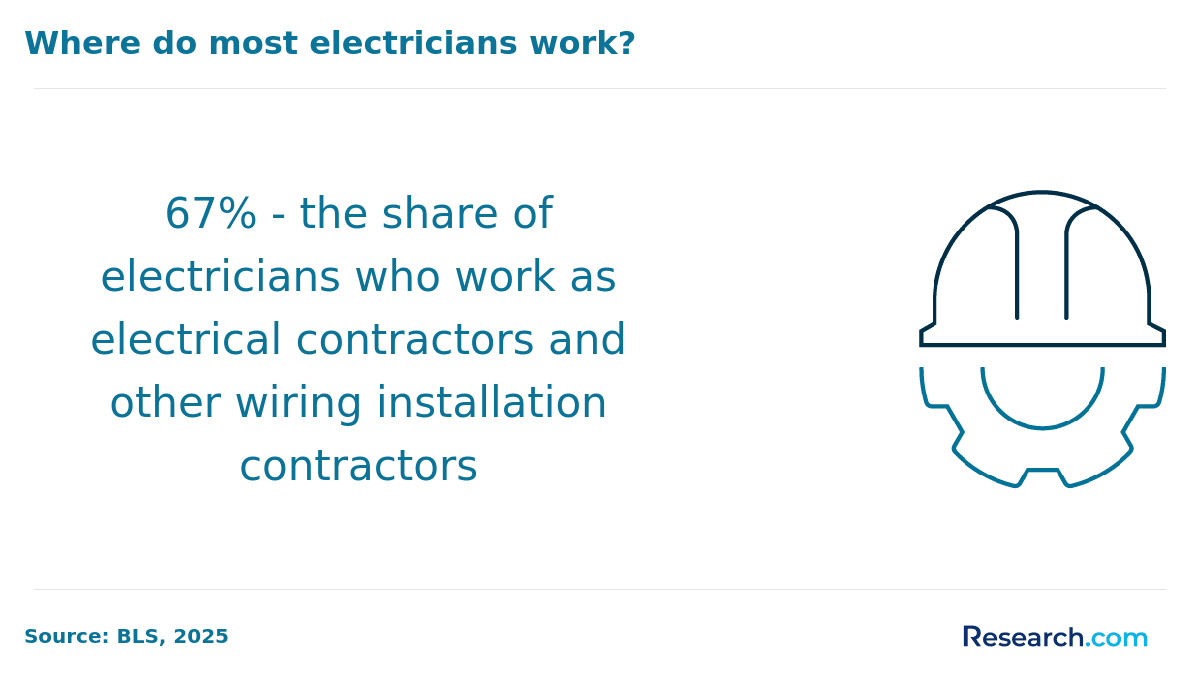
The job outlook for electricians in North Carolina over the next decade is notably positive, with projections from the U.S. Bureau of Labor Statistics indicating an 8% growth rate from 2023 to 2033. This rate slightly surpasses the national average of 7%, reflecting steady demand fueled by ongoing construction, infrastructure improvements, and the state's increasing investment in renewable energy systems.
Key metropolitan areas such as Charlotte, Raleigh, and Greensboro stand out as major employment hubs for electricians. Charlotte, in particular, leads due to its dynamic financial and technology sectors, which require extensive electrical installations and ongoing maintenance. These cities are experiencing population growth and urbanization, driving demand in residential, commercial, and industrial construction, thereby creating numerous opportunities for electricians.
Industries employing the highest numbers of electricians include residential and commercial construction, manufacturing, and utility companies. Notably, the shift toward energy-efficient buildings and smart technologies is expanding the skillsets required, encouraging electricians to pursue certifications in these emerging areas. Specialization in grid modernization and renewable energy infrastructure, such as solar and wind, is increasingly valuable for career advancement.
From an earnings perspective, electricians in North Carolina earn a median annual wage of around $52,000 as of 2023. This wage is competitive, especially when paired with the state’s moderate cost of living, which remains below the national average. For aspiring electricians, this combination offers a viable pathway to a stable, middle-class income. While apprentices may start at lower wages, experienced electricians benefit from incremental increases tied to certifications and technical expertise.
For those considering this career, the steady job growth, diversity of sectors, and a favorable cost of living make North Carolina a compelling choice. Pursuing relevant certifications aligned with modern electrical systems and renewable energy technologies will further enhance job prospects and earning potential in this evolving field.
How can experienced electricians transition into successful electrical contractors in North Carolina?
Experienced electricians aiming to advance their careers should focus on developing robust business management and legal compliance skills essential for operating as independent electrical contractors. Strategies include gaining comprehensive knowledge of contract negotiation, project costing, and risk management, while also staying updated on regulatory changes and evolving safety standards. Expanding professional networks and engaging in targeted continuing education—particularly in areas such as emerging technologies and specialized systems—can further support the transition. Diversifying expertise by acquiring complementary skills, such as how to become an HVAC technician in North Carolina, may also open additional revenue streams and solidify market positioning.
What Electricians in North Carolina Say About Their Careers
Completing my apprenticeship through Wake Technical Community College was a turning point in my life. The hands-on training combined with knowledgeable instructors prepared me not just for the job, but for a fulfilling career. I love how being an electrician here allows me to contribute directly to my community’s growth by ensuring safe and reliable electrical systems in homes and businesses. Cliff
Attending Appalachian State University’s electrical program gave me a solid foundation and opened doors to unique projects that connect with North Carolina’s natural environment. Working on renewable energy installations and smart grid technology in the region has been both challenging and rewarding. James
After finishing trade school at Central Piedmont Community College, I quickly realized the potential for career advancement in North Carolina’s robust electrical industry. The demand for skilled electricians here is strong, providing job stability and opportunities to specialize in areas like industrial automation and commercial wiring. Kyle
Related Articles for Nearby States
- 2027 How to Become an Electrician in South Carolina
- 2027 How to Become an Electrician in Virginia
- 2027 How to Become an Electrician in Georgia
- 2027 How to Become an Electrician in Tennessee
- 2027 How to Become an Electrician in West Virginia
- 2027 How to Become an Electrician in Kentucky
- 2027 How to Become an Electrician in Florida
- 2027 How to Become an Electricician in Maryland
- 2027 How to Become an Electrician in Alabama
- 2027 How to Become an Electrician in Pennsylvania
References:
- Herzing University. (2025). Medical billing and coding programs for residents of North Carolina. Herzing University.
- Wake Technical Community College. (2025). Medical billing & coding. Wake Technical Community College.
- Department of Energy. (n.d.). Career map: Electrician. Department of Energy.
- InterCoast Colleges. (n.d.). Light up your life: Electrician career path steps and options. InterCoast Colleges.
Other Things You Should Know About Becoming an Electrician in North Carolina
To become an electrician in North Carolina in 2027, candidates must typically complete a high school diploma or GED, followed by an apprenticeship program involving at least 576 hours of classroom instruction and 8,000 hours of supervised work experience to qualify for the licensing exam.
Obtaining an electrician's license in North Carolina in 2027 involves fees such as a $75 licensing fee and potential costs for exam preparation materials and courses. Additionally, there might be a $100 exam fee, depending on the type of license pursued.
In North Carolina, aspiring electricians must complete a state-approved apprenticeship, gain 8,000 hours of work experience, and pass a licensing exam. Other routes include completing a technical training program, followed by additional work hours and passing the exam.


