
2027 How to Become an Ultrasound Technician in North Carolina

Co-Founder and Chief Data Scientist
North Carolina’s growing healthcare system continues to expand, with 550 projected annual job openings for radiologic technologists from 2022 to 2032. This trend reflects the state’s rising demand for skilled diagnostic professionals, particularly ultrasound technicians, who play a crucial role in preventive and advanced medical care. With major healthcare hubs in Charlotte, Raleigh, and Durham, opportunities are increasing for those entering this rewarding field.
In this guide, I will walk you through the essential steps to becoming an ultrasound technician in North Carolina. I will also include education, certification, clinical training, and salary expectations to help you plan a successful career path.
Key Things to Know About Becoming an Ultrasound Technician in North Carolina
- In North Carolina, you must complete an accredited diagnostic medical sonography program, typically lasting two years, to qualify for entry into the field.
- Certification through the American Registry for Diagnostic Medical Sonography (ARDMS) is strongly recommended, as it improves job opportunities in the state’s competitive healthcare market.
- Hands-on training through clinical internships or externships in local hospitals and clinics is essential to meet employment requirements and build practical skills.
- What education is required to become an ultrasound technician in North Carolina?
- What specialties can ultrasound technicians choose from in North Carolina?
- Which certification exams are required to become an ultrasound technician in North Carolina?
- Is a license required to practice as an ultrasound technician in North Carolina?
- What to expect during ultrasound technician clinical training in North Carolina?
- How much does it cost to become an ultrasound technician in North Carolina?
- What are the legal and regulatory considerations for ultrasound technicians in North Carolina?
- What are the continuing education and professional development opportunities for ultrasound technicians in North Carolina?
- What is the average salary for ultrasound technicians in North Carolina?
- What is the job outlook and demand for ultrasound technicians in North Carolina?
- What are the career advancement steps for ultrasound technicians in North Carolina?
- What are the common challenges ultrasound technicians face in North Carolina?
What education is required to become an ultrasound technician in North Carolina?
The path to becoming a proficient ultrasound technician in North Carolina demands both academic rigor and practical training, ensuring candidates meet the state's high standards. Completing one of the accredited ultrasound technician programs in North Carolina lays a crucial foundation for success in this field.
- Minimum Degree Requirement: Most programs require an Associate of Applied Science (AAS) or Associate of Science in Diagnostic Medical Sonography, typically completed over five semesters.
- High School Prerequisites: A diploma or GED is mandatory, with emphasis on biology, English, and math readiness demonstrated through tests or equivalent coursework.
- Program Accreditation: Degrees must come from CAAHEP-accredited programs that meet North Carolina sonography degree requirements and allow graduates to pursue professional certification.
- Clinical Internship/Practicum Hours: Extensive supervised clinical experience is essential; rotations in healthcare facilities prepare students for real-world challenges, including varied shift schedules.
- Credentialing Exam Eligibility: Graduating from an accredited program enables students to sit for the ARDMS certification exams, often a hiring requirement in North Carolina.
- Additional Admission Criteria: Many programs expect a qualifying score on the ATI TEAS test and completion of some college-level courses before enrolling.
- Licensure and Registration: Although the state does not mandate licensure, professional registration with ARDMS or a similar body is necessary for employment.
- Estimated Program Credits: Most programs consist of 70 to 74 credits covering sonography principles, anatomy, patient care, and specialty imaging courses.
Choosing an accredited path not only fulfills education requirements but also correlates with positive job placement outcomes and competitive radiology tech salary prospects throughout the state.
What specialties can ultrasound technicians choose from in North Carolina?
Ultrasound technicians in North Carolina have access to diverse ultrasound specialties in North Carolina, allowing them to tailor their careers in diagnostic medical sonography concentrations in North Carolina to specific patient needs and medical fields. Each specialty offers unique skills and challenges, enhancing professional growth and adaptability within healthcare.
The following list outlines key specialties available to ultrasound technicians in the state.
- Abdominal Sonography: Centers on imaging abdominal organs, blood vessels, and soft tissues like the liver and kidneys, providing foundational training essential for many sonographers.
- Obstetrics and Gynecology (OB/GYN) Sonography: Focuses on pregnancy monitoring and female reproductive health, often serving as an entry point for students into clinical sonography practice.
- Vascular Sonography: Specializes in assessing blood flow and detecting vascular abnormalities, with certification opportunities through the ARDMS examination, enhancing career prospects.
- Cardiac (Echocardiography) Sonography: Involves heart imaging to identify structural and functional issues, crucial for supporting cardiac care in diverse patient populations.
- Breast Sonography: Dedicated to imaging breast tissue, assisting in early cancer detection and biopsy guidance, often in collaboration with radiologists.
- Musculoskeletal (MSK) Sonography: Focuses on imaging muscles, joints, and tendons, expanding sonographers’ roles into orthopedics and sports medicine.
For those exploring diagnostic medical sonography concentrations in North Carolina, understanding these specialties is crucial to aligning education and career objectives effectively. If you are considering allied health but wonder about different entry paths, learning how can you become an X ray tech without a degree provides a broader view of related career routes.
Which certification exams are required to become an ultrasound technician in North Carolina?
Certification exams serve as a vital benchmark of knowledge and skill for ultrasound technicians in North Carolina, even though the state does not mandate licensure. Employers widely expect candidates to hold recognized credentials to ensure quality patient care and maintain the high standards of healthcare institutions. Successfully passing these exams enhances your employability while demonstrating commitment to clinical excellence.
- Sonography Principles & Instrumentation (SPI) Exam: This exam covers essential ultrasound physics and instrumentation knowledge. Administered by the American Registry for Diagnostic Medical Sonography (ARDMS), it is a core requirement for most ARDMS credentials. Eligibility generally requires completing a CAAHEP-accredited sonography program, which aligns with the educational pathways available in North Carolina.
- ARDMS Specialty Examinations (e.g., Abdomen, Obstetrics & Gynecology, Vascular Technology): After passing the SPI, candidates must clear at least one specialty exam focusing on a specific area of sonography. These exams evaluate specialized skills and knowledge, with eligibility typically tied to accredited program completion. North Carolina institutions like Wake Tech and UNC prepare students to meet these criteria.
- Registered Diagnostic Medical Sonographer (RDMS): This credential is obtained by passing the SPI plus one specialty exam, signaling proficiency in general diagnostic medical sonography. It is highly regarded by North Carolina employers and often a de facto job requirement, though state licensure is not required.
- Registered Vascular Technologist (RVT) and Registered Diagnostic Cardiac Sonographer (RDCS): These credentials focus on vascular and cardiac sonography, requiring candidates to pass the SPI and corresponding specialty exams. Specific program concentrations in North Carolina support preparation for these designations.
- Sonography Certification: The American Registry of Radiologic Technologists offers post-primary sonography certification requiring prior ARRT credentials and educational prerequisites. Several North Carolina community colleges and universities prepare students for this pathway.
- Certified Cardiographic Technician (CCT) and Registered Cardiac Sonographer (RCS): Administered by Cardiovascular Credentialing International, these credentials target cardiac sonography professionals. Although less common than ARDMS certifications, they hold value for specialized cardiac roles within the state.
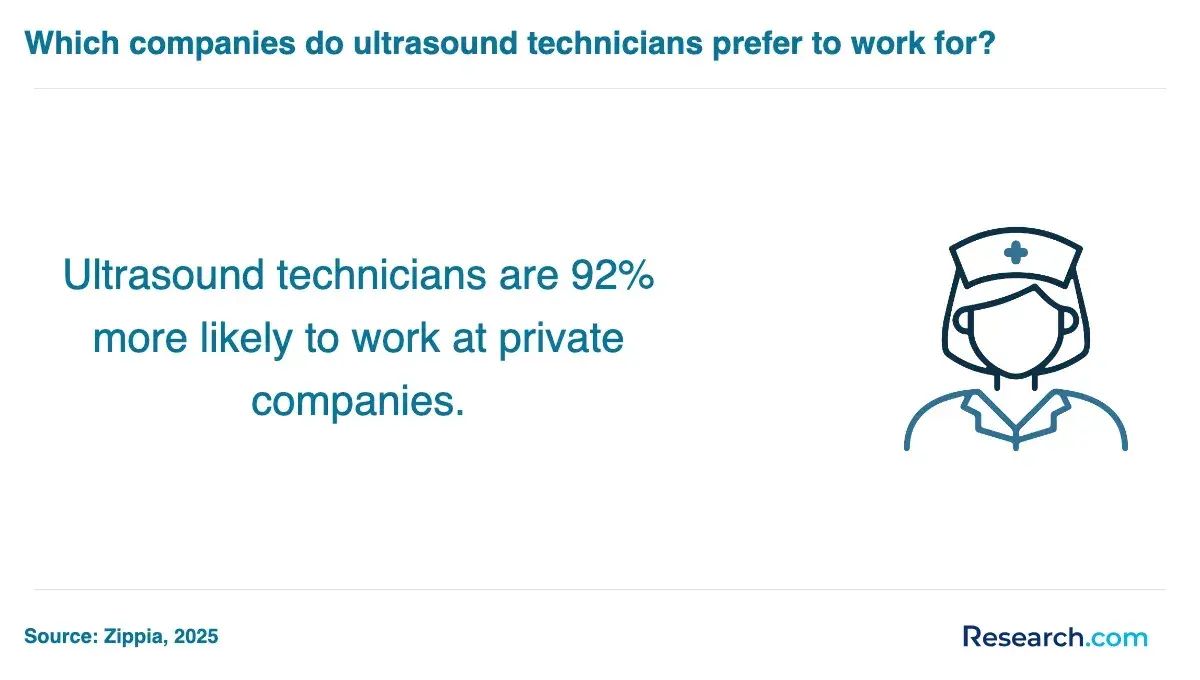
Attaining these certifications not only elevates a sonographer’s professional credibility in North Carolina but also creates access to stronger job prospects and higher wages. They help ensure alignment with the state’s healthcare expectations while reflecting a clear commitment to patient care and professional excellence. To show how these credentials translate into real opportunities, the chart from Zippia below outlines the distribution of ultrasound technician jobs by sector.
Is a license required to practice as an ultrasound technician in North Carolina?
North Carolina does not require a state license to practice as an ultrasound technician. Instead, the state relies on nationally recognized certification standards to maintain professional competency and quality of care. This system streamlines the credentialing process, removing state-level hurdles while still holding sonographers to rigorous benchmarks valued by employers. For aspiring professionals, understanding these national requirements is crucial to building a competitive career in the field.
The state has no dedicated licensing board or laws mandating registration for diagnostic medical sonographers. However, most employers expect applicants to hold certifications from respected national bodies such as ARDMS, ARRT, or CCI. With no option for provisional licenses or supervised practice exceptions, meeting national certification standards becomes the sole pathway to qualification in North Carolina.
To achieve certification, candidates typically complete a CAAHEP-accredited associate degree program, preparing them for the Sonography Principles & Instrumentation (SPI) exam and a relevant ARDMS specialty test. Passing these exams earns the Registered Diagnostic Medical Sonographer (RDMS) credential, a widely recognized requirement for employment.
As one North Carolina sonographer shared, the lack of state licensure initially caused confusion, but focusing on the ARDMS exams provided clarity and opened multiple job opportunities. His experience highlights how the national certification framework, though demanding, offers a clear and respected route to practice across the state.
What to expect during ultrasound technician clinical training in North Carolina?
Clinical training plays a crucial role in preparing ultrasound technicians in North Carolina by combining hands‑on practice with expert supervision to build confidence and competence. This phase bridges classroom learning and real-world application, ensuring readiness for professional certification and effective patient care.
- Hands-On Patient Care: Students engage directly with patients, mastering assessments, positioning, and preparation under real clinical conditions.
- Supervised Use of Imaging Equipment: Trainees operate sonography machines while licensed professionals oversee their work to guarantee accuracy and safety.
- Specialty Rotations: Clinical experiences cover diverse fields such as OB/GYN, vascular, abdominal, and cardiac sonography to broaden skill sets.
- Mentorship from Licensed Professionals: Certified sonographers and instructors provide continuous guidance, feedback, and support throughout clinical rotations.
- Competency Evaluations: Programs regularly assess student proficiency in imaging techniques and patient care to ensure clinical readiness.
- Required Clinical Hours: Completing a designated number of clinical hours is mandatory for eligibility to sit for credentialing exams.
- Onboarding and Compliance: Students must meet health, background, and drug screening requirements before beginning training.
- Travel and Scheduling: Clinical sites may be distant and involve variable shifts, requiring flexibility and commitment.
- Accreditation Standards: Most programs follow CAAHEP guidelines to maintain high educational and clinical quality.
These comprehensive clinical experiences are designed not only to prepare students for ARDMS certification exams but also to enhance technical skills and professional confidence, fostering readiness for diverse healthcare environments.
How much does it cost to become an ultrasound technician in North Carolina?
The average total cost to become an ultrasound technician in North Carolina typically ranges from $12,000 to $54,000, depending on program type, school choice, and personal expenses. Careful financial planning is key, as costs can vary significantly between public institutions, private colleges, and online options.
- Tuition and Fees: Programs in North Carolina vary by credential, with community colleges generally offering more affordable tuition than universities or private schools. Certificate and associate programs are usually less expensive than bachelor’s degrees.
- Clinical Training Expenses: Students should anticipate costs for scrubs, lab fees, liability insurance, immunizations, and transportation to clinical sites, which can total several hundred to a few thousand dollars.
- Certification and Exam Fees: The ARDMS exam costs about $225 per specialty, with possible additional charges for retesting or optional certifications.
- Licensing or State Fees: North Carolina does not currently require a state license for ultrasound technicians, so there are no state licensure costs.
- Books and Materials: Textbooks, lab manuals, and digital resources generally add $500 to $1,500 across the program.
- Living Expenses: Housing, food, transportation, and personal costs can significantly affect the overall budget, especially for students relocating or studying in larger cities like Raleigh, Charlotte, or Durham.
The final expense depends on your chosen program and lifestyle, but options like financial aid, scholarships, and employer tuition reimbursement can make the path more affordable.
What are the legal and regulatory considerations for ultrasound technicians in North Carolina?
Ultrasound technicians in North Carolina must navigate a regulatory landscape that emphasizes adherence to federal privacy standards and workplace safety guidelines. Although state licensure is not required, professionals are expected to comply with national certification requirements and consistently update their credentials. They must also follow HIPAA regulations for patient confidentiality and adhere to OSHA standards that ensure safe imaging environments. Additionally, staying informed about legal changes and best practices through continuing education is essential for maintaining professional integrity and operational compliance. For guidance on educational pathways that support these standards, consult how to become a radiology technician in North Carolina.
What are the continuing education and professional development opportunities for ultrasound technicians in North Carolina?
Staying current with evolving imaging technologies and best practices is essential for ultrasound technicians seeking long-term career growth in North Carolina. Accredited institutions and specialized training centers offer targeted courses in advanced diagnostic techniques, patient care protocols, and new ultrasound technologies. Moreover, participation in workshops, conferences, and certification renewal courses can expand technical expertise while opening pathways to supervisory and mentoring roles within healthcare teams. For professionals interested in exploring related healthcare disciplines to further diversify their skills, consider exploring how to become a nurse midwife in North Carolina.
What is the average salary for ultrasound technicians in North Carolina?
The average annual ultrasound technician salary in North Carolina is approximately $89,311 per year, reflecting the state’s steady demand for skilled professionals in diagnostic medical sonography. Weekly earnings typically range from about $1,109 at the 25th percentile to $2,219 at the 75th percentile, though the spectrum is broader, with some technicians earning as low as $647 per week and others reaching as high as $2,718 per week. These variations depend on experience level, specialization, and the type of healthcare facility, with senior or highly specialized sonographers often commanding higher wages.
Geography also has a notable impact on salary levels within North Carolina. For example, ultrasound technicians in Kannapolis earn roughly 8.3% above the state average, while those in Saluda report salaries about 18.3% higher, making it one of the most lucrative locations for this profession in the state.
Urban medical centers tend to offer more competitive pay due to higher patient volumes and advanced imaging needs, while rural areas may provide fewer opportunities but sometimes offer retention bonuses or broader clinical responsibilities.
These differences highlight the importance of both location and career choices when considering salary potential in North Carolina.
What is the job outlook and demand for ultrasound technicians in North Carolina?
In North Carolina, employment for radiologic technologists stood at 7,600 in 2022 and is projected to reach 8,830 by 2032, reflecting a 16% growth rate. This steady expansion highlights strong demand for skilled imaging professionals and underscores the healthcare sector’s continued investment in diagnostic services across the state.
- Population Growth and Aging: North Carolina’s rising and aging population increases the need for diagnostic imaging, particularly ultrasounds used in routine and preventive care for older adults.
- Healthcare Expansion: New clinics, hospitals, and outpatient centers opening statewide are steadily generating fresh job opportunities for sonographers.
- Technological Advancements: Innovations in ultrasound tech foster specialized roles, helping technicians to develop expertise in cardiac, vascular, or OB/GYN imaging fields.
- Preventive Care Trends: With early diagnosis gaining priority, ultrasound procedures are pivotal for identifying health conditions sooner and improving patient outcomes.
- Regional Demand Variations: While urban areas offer more part-time and contract positions, rural regions face shortages and actively recruit qualified professionals through educational outreach.
These converging factors create a stable, growing environment for ultrasound technicians in North Carolina, presenting both secure employment prospects and competitive compensation.
When I spoke with an ultrasound technician who graduated from a local North Carolina program, she described the transitioning landscape firsthand. “At first, it was overwhelming adjusting to the pace and the variety of cases,” she shared. “But knowing that each scan could lead to early, life-saving diagnoses gave me purpose.” She recounted how job openings appeared steadily after graduation, especially in smaller clinics expanding their imaging services.
Aware of looming retirements among current staff, her facility welcomed new technicians with open arms and invested in their continuous training. Her experience illustrates that responsiveness to evolving healthcare demands and community needs truly shapes the ultrasound field here, making it a career grounded in meaningful work and steady growth.”
What are the career advancement steps for ultrasound technicians in North Carolina?
Ultrasound technicians in North Carolina can enhance their careers by focusing on specialized fields, acquiring advanced certifications, or stepping into leadership roles. These pathways not only deepen professional skills but also open doors to greater responsibilities and improved financial rewards. Careful planning and continuous learning play a vital role in career advancement for ultrasound technicians in North Carolina.
- Specialization: Concentrating on areas such as OB/GYN, vascular, or cardiac sonography allows technicians to become in-demand experts, offering higher salaries and more job options.
- Advanced Certifications: Obtaining credentials like Registered Vascular Technologist (RVT) or Registered Diagnostic Cardiac Sonographer (RDCS) from bodies such as ARDMS, CCI, or ARRT expands career opportunities and increases earning potential.
- Higher Education: Earning a bachelor’s or master’s degree in medical imaging or related disciplines opens doors to clinical advancement, educational roles, and administrative leadership within healthcare.
- Leadership Roles: Moving into supervisory or administrative positions enables experienced sonographers to manage teams, influence clinical standards, and often benefit from higher compensation, reflecting the importance of ultrasound technician leadership roles in North Carolina.
- Education and Training: Serving as instructors or clinical trainers in accredited programs allows sonographers to guide new professionals and contribute to the field’s development.
- Research or Technology Development: Participating in research efforts or collaborating with technology developers helps ultrasound technicians drive innovation and improve diagnostic tools.
Exploring career advancement for ultrasound technicians in North Carolina can substantially increase both wages and professional influence. For those seeking structured pathways, reviewing a list of the best ultrasound technician certification programs provides valuable insight into credentials that strengthen expertise and open doors to higher-level opportunities.
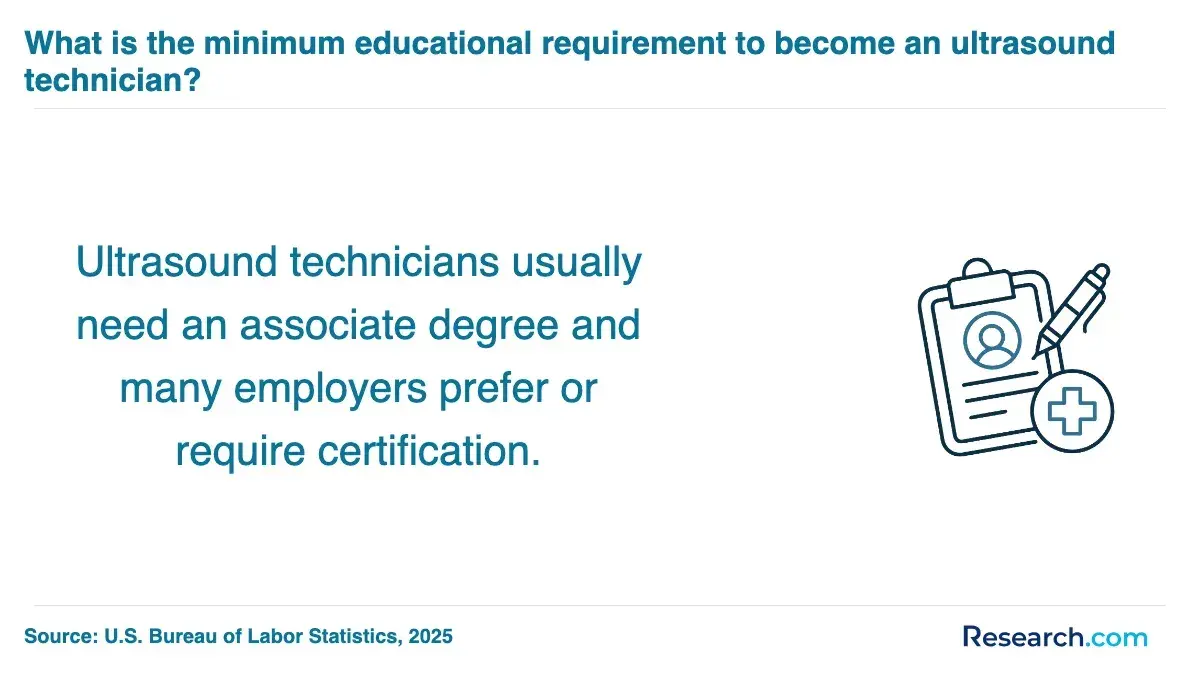
Building on this, understanding the educational background of professionals in the field adds context to how training impacts career growth. This chart from Zippia illustrates the educational attainment of ultrasound technicians.
What are the common challenges ultrasound technicians face in North Carolina?
Recognizing the challenges faced by ultrasound technicians in North Carolina allows aspiring sonographers to prepare effectively for their careers. Addressing these obstacles thoughtfully can improve job satisfaction and long-term success in this demanding field.
- Physical Strain and Ergonomics: Repetitive scanning and long hours often lead to musculoskeletal issues, making it essential to adopt proper techniques to prevent workplace injuries for sonographers in North Carolina.
- Emotional Stress: Working closely with patients facing sensitive medical situations demands emotional resilience, as technicians frequently handle difficult conversations and patient distress.
- Workload and Staffing Shortages: Heavy caseloads and limited staff create pressure to manage time efficiently while maintaining quality care.
- Certification and Continuing Education Requirements: Sonographers must balance maintaining credentials, such as RDMS certification, with the practical demands of their daily workload, staying current through ongoing learning.
- Technology Adaptation: Rapid advances in ultrasound equipment require continuous learning to stay proficient with new digital systems.
- Job Market Competition: Regional variations in job demand mean that flexibility and strong credentials play a key role in career growth and employment opportunities.
Being aware of the physical demands for ultrasound technicians in North Carolina and preparing for these realities helps professionals navigate challenges proactively. For those interested in meeting the qualifications, understanding the requirements to become a medical sonographer is a vital first step.
What do ultrasound technicians in North Carolina say about their careers?
- Completing my ultrasound technician program at Central Carolina Community College was a transformative experience that prepared me thoroughly for the workforce. Starting my career at a local school in North Carolina allowed me to connect deeply with the community and offer essential support to students needing diagnostic imaging services. I love that my job combines cutting-edge technology with the ability to make a real difference in young people's health and futures. North Carolina's investment in healthcare education made it possible for me to grow professionally and personally every day. - Issa
- Graduating from Wake Technical Community College gave me practical skills and confidence to enter the ultrasound field. I began working in a local academic institution where I quickly realized how vital ultrasound imaging is for early detection and preventive care. The diversity of patients and the vibrant medical community here in North Carolina challenge me positively while offering unique opportunities for professional advancement. Every day, I feel like I’m contributing to the well-being of students and strengthening my expertise in an environment that values continual learning. - Clara
- Pursuing my ultrasound technician education at Cape Fear Community College helped me embrace a fulfilling career path aligned with my passion for healthcare and community service. North Carolina’s focus on expanding healthcare access allowed me to engage with populations who truly benefit from reliable diagnostics. This role has fostered my personal growth and deepened my commitment to promoting health and wellness across diverse communities. Working in this state also exposed me to unique coastal health challenges, making my work both exciting and impactful. - Raja
Related Articles for Nearby States
- 2027 How to Become an Ultrasound Technician in South Carolina
- 2027 How to Become an Ultrasound Technician in Virginia
- 2027 How to Become an Ultrasound Technician in Georgia
- 2027 How to Become an Ultrasound Technician in Tennessee
- 2027 How to Become an Ultrasound Technician in West Virginia
- 2027 How to Become an Ultrasound Technician in Kentucky
- 2027 How to Become an Ultrasound Technician in Florida
- 2027 How to Become an Ultrasound Technician in Maryland
- 2027 How to Become an Ultrasound Technician in Alabama
- 2027 How to Become an Ultrasound Technician in Pennsylvania
References:
- Data USA (n.d.). Diagnostic Medical Sonographers. Retrieved from https://datausa.io/profile/soc/diagnostic-medical-sonographers?redirect=true
- O*NET OnLine (n.d.). North Carolina Employment Trends 29-2034.00 - Radiologic Technologists and Technicians. Retrieved from https://www.onetonline.org/link/localtrends/29-2034.00?st=NC
- Zippia (2025). Ultrasound technologist demographics and statistics in the US. Retrieved from https://www.zippia.com/ultrasound-technologist-jobs/demographics/
- ZipRecruiter (2025). Ultrasound Technician Salary in North Carolina. Retrieved from https://www.ziprecruiter.com/Salaries/Ultrasound-Technician-Salary--in-North-Carolina#Yearly
Other Things You Should Know About Being an Ultrasound Technician in North Carolina
In 2027, ultrasound technicians in North Carolina can explore career opportunities in hospitals, outpatient care centers, and private practices. There are also roles in mobile imaging companies, which may offer travel and freelance opportunities throughout the state.
To become an ultrasound technician in North Carolina in 2027, you must complete a program accredited by the Commission on Accreditation of Allied Health Education Programs (CAAHEP). Programs typically result in an associate degree and include coursework in anatomy, physiology, and ultrasound physics. Passing a certification exam, such as the ARDMS, is also required.


