
2027 Art and Design Careers: Guide to Career Paths, Options & Salary

Co-Founder and Chief Data Scientist
Choosing an art and design career is really a decision about how you want to work, what kind of work you want to make, and how much income stability you need. Some paths are centered on expression and originality. Others are built around solving business, product, media, or communication problems with visual thinking.
This guide is for students, career changers, and working creatives who want a realistic way to evaluate a career in arts and design. You will learn which roles are in demand, what education options make sense, how salaries differ by specialization, what employers look for in portfolios, and how to choose a path that fits your goals instead of guessing your way into one.
Art and design careers can be rewarding, but they are rarely “set and forget.” In most cases, success depends on a combination of craft, software fluency, taste, communication, adaptability, and proof that you can deliver finished work. A degree can help build structure and credibility, but employers and clients usually want to see your portfolio, process, and ability to work within real constraints.
Quick answer: Is art and design a good career path?
Yes, if you want work that combines creativity with problem-solving and you are willing to keep learning. Art and design includes traditional roles such as fine artist, photographer, interior designer, and art director, as well as digital careers like UX designer, animator, product designer, video game designer, and digital designer.
The strongest opportunities today are often tied to technology, digital media, user experience, gaming, animation, branding, and product development. The U.S. Bureau of Labor Statistics reports median pay of $111,040 for art directors, but pay can vary significantly depending on specialization, location, experience, employer type, and whether you work as an employee, freelancer, or business owner.
Education requirements also vary. Some entry-level creative jobs may be accessible with an associate degree or certificate, while many competitive design, animation, industrial design, and media roles usually expect a bachelor’s degree. Graduate study is most useful for teaching, curation, art history, leadership, or highly specialized practice.
What this guide covers
- What art and design professionals actually do
- Which careers tend to have stronger outlooks
- What skills matter most for hiring
- How to choose between certificates, associate, bachelor’s, and graduate degrees
- How to build a portfolio that employers can quickly evaluate
- Common mistakes that can slow down a creative career
Why pursue a career in art and design?
Art and design matter because visual communication shapes how people shop, learn, use technology, experience culture, and make decisions. The National Endowment for the Arts reports that the arts and culture industry contributed 4.2% of the nation's GDP, valued at $1.2 trillion.
Art and design are related, but they are not the same. Art tends to focus on expression, interpretation, and aesthetic experience. Design usually starts with a user, audience, client, product, space, or communication challenge. Many careers blend the two. Designers need artistic judgment, and artists often need design thinking, digital tools, and business awareness.
Professionals in this field often work with color, composition, typography, shape, movement, materials, brand identity, spatial planning, or user behavior. Some work independently. Others work in agencies, studios, schools, museums, entertainment companies, tech teams, fashion houses, architecture firms, or media organizations.
Creative work also supports transferable problem-solving skills. In Simulation and Gaming, Hewett et al. (2020) studied learning through video games and found that Minecraft-based design activities can support problem-solving, research, resourcefulness, multitasking, teamwork, critical thinking, creativity, communication, and collaboration.
Those same skills matter in real work settings, including design critiques, creative briefs, client presentations, exhibit planning, production pipelines, and game development teams. Strong art and design professionals do more than create attractive visuals. They clarify ideas, improve experiences, and help audiences understand what matters.
Art and design career outlook: what to expect in 2026
Career outlook varies widely by specialization. Some fine art and craft paths can be competitive and income can be uneven, while digital design, interface design, animation, game-related work, and creative technology continue to open new opportunities.
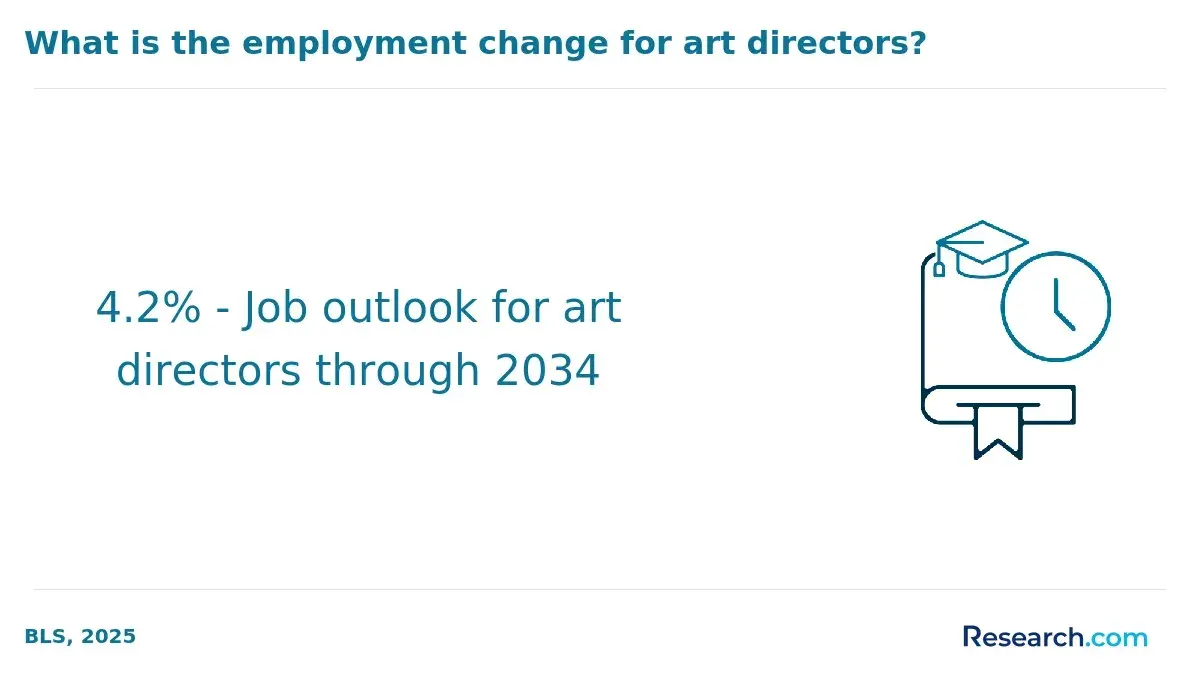
The graphic design market predicts 7.6% annual growth between 2026 and 2031, reaching $85.53 billion by 2031. The BLS projects 2.3% employment growth for art and design workers through 2034, with 84,900 annual openings throughout the decade.
If you are asking what is the 4th industrial revolution, the short answer is that creativity is increasingly connected to automation, AI, immersive media, 3D modeling, and digital fabrication. These tools may reduce some routine production tasks, but they also increase demand for people who can combine visual judgment, technical skill, and ethical decision-making.
| Career area | What the outlook usually depends on | Best fit for |
| Fine art and craft | Income often comes from sales, commissions, teaching, grants, exhibitions, or self-employment, so earnings may fluctuate. | People who value personal expression, independent practice, and long-term body-of-work development. |
| Graphic and digital design | Demand is tied to branding, advertising, websites, apps, social media, and digital content creation. | Visual communicators who can work with deadlines, client feedback, typography, and production tools. |
| UX, product, and interface design | Employers often expect research, prototyping, usability testing, accessibility awareness, and cross-functional collaboration. | Designers who enjoy solving user problems with evidence, iteration, and systems thinking. |
| Animation, game, and interactive media | These roles often require specialized software, storytelling skill, teamwork, and production discipline. | Creatives who enjoy motion, narrative, character work, environments, and digital entertainment. |
| Art direction and creative leadership | Advancement usually depends on portfolio strength, leadership experience, brand judgment, and strategic thinking. | Experienced professionals who can guide teams and connect visual choices to business goals. |
Skills art and design professionals need
Employers and clients are not hiring imagination alone. They want someone who can interpret a brief, generate ideas, use the right tools, respond to feedback, revise efficiently, and finish work on time. The strongest candidates combine creative range with dependable execution.
Core creative and technical skills
- Visual judgment: A good artist or designer understands color, contrast, composition, scale, texture, framing, form, typography, and visual hierarchy.
- Technical production: Depending on the role, this may include photography gear, illustration tools, 3D software, animation platforms, CAD, prototyping tools, or print production methods.
- Concept development: You need to turn broad ideas into sketches, layouts, models, storyboards, campaigns, products, or experiences.
- Research and analysis: Strong creative work often begins with audience needs, user behavior, cultural context, competitor review, or material limits.
- Iteration: Most successful projects improve through critique, testing, and revision, not through a single first draft.
Professional skills that affect employability
- Communication: You must explain decisions, present ideas, write project descriptions, and manage expectations with clients or teammates.
- Collaboration: Many projects involve marketers, developers, writers, engineers, educators, fabricators, curators, or producers.
- Organization: File management, scheduling, budgeting, version control, and delivery tracking all matter in creative work.
- Business awareness: Freelancers and studio owners need pricing, invoicing, licensing knowledge, scoping, and basic marketing skills.
- Adaptability: Tools and workflows change fast, so continuous learning is part of the job.
| Skill | Why it matters | How to show it |
| Design thinking | Shows that you solve problems, not just make attractive visuals. | Include research, sketches, prototypes, and revisions in your portfolio. |
| Software fluency | Many jobs expect you to work productively with industry tools right away. | List tools honestly and show completed projects that prove your level. |
| Client communication | Miscommunication can damage timelines, budgets, and relationships. | Use case studies that explain the brief, constraints, feedback, and outcome. |
| Portfolio curation | Hiring managers usually scan a small sample of work before deciding whether to continue. | Lead with your strongest and most relevant projects. |
| Creative resilience | Critique and revision are part of professional creative work. | Show how feedback improved the final piece and how you worked under constraints. |
How to start a career in art and design
The right starting point depends on the role you want. A museum curator, UX designer, animator, photographer, graphic designer, and fashion designer may all study art or design, but they need different coursework, portfolios, tools, and experience.
Many students begin with a certificate, associate degree, or bachelor’s degree. A certificate can help you learn a specific tool or build a focused body of work. An associate degree may support entry-level production roles or transfer into a four-year program. A bachelor’s degree is commonly expected for design, film, animation, digital media, industrial design, and many competitive studio roles. Students who need a flexible format may want to review a graphic design online degree if remote study and portfolio building matter most.
Before choosing a program, decide whether your goal is full-time employment, freelance work, graduate study, teaching, licensure-related practice, or a specialized creative industry. Then compare curriculum, software access, portfolio requirements, internship support, faculty experience, graduate outcomes, transfer policies, and total cost.
| Education path | Best use | Example careers | What to watch for |
| Certificate | Learn a focused skill quickly or add a software specialty. | Digital production assistant, junior designer support, portfolio-building roles. | By itself, it may not be enough for competitive jobs unless the portfolio is strong. |
| Associate degree | Prepare for some entry-level work or transfer into a bachelor’s program. | Photographer, digital designer, interior design assistant, graphic production roles. | Check transferability early if you plan to continue your education. |
| Bachelor’s degree | Build a wider foundation, do studio work, and qualify for many professional roles. | UX designer, animator, video game designer, product designer, graphic designer. | The degree is most valuable when paired with internships and real projects. |
| Master’s degree | Specialize, prepare for teaching, or move into leadership or research-oriented work. | Postsecondary teacher, curator-related roles, lead animator, art director. | Graduate school should align with a specific outcome because it can be expensive. |
| Doctorate | Pursue academic leadership, advanced research, or high-level specialization. | Senior UX designer, visual merchandising director, advertising design director. | Industry leadership roles often value experience and portfolio more than the doctorate itself. |
What can I do with an Associate’s Degree in Art and Design?
An associate degree can help you build foundational skills in studio practice, digital tools, and visual communication. It may be enough for some entry-level roles if your portfolio is polished and your software skills are solid. It can also be a lower-cost starting point before transferring to a four-year degree.
| Role | What the work involves | Median salary |
| Digital Designer | Builds and tests interface layouts, navigation systems, usability elements, and digital assets for multimedia work. | $98,090 |
| Photographer | Creates and edits images for fashion, commercial, journalism, film, events, portraits, or products. | $42,520 |
| Interior Designer | Plans functional and safe indoor spaces using color, light, furniture, finishes, and decorative elements. Learn more about interior designer career paths. | $63,490 |
| Fine Artist | Creates original work for exhibition, sale, commission, or personal practice using visual techniques and materials. | $60,560 |
What can I do with a Bachelor’s Degree in Art and Design?
A bachelor’s degree is often the most practical baseline for competitive design and media roles. It gives students time to build studio discipline, critique habits, technical confidence, and a portfolio that can support internships and networking.
| Role | What the work involves | Median salary |
| Video Game Designer | Works with programmers, artists, engineers, and producers to shape mechanics, characters, environments, levels, systems, or visual concepts. | $67,300 |
| Product Designer | Moves from research and sketching to prototyping, testing, illustration, and production support to improve product concepts. | $144,360 |
| User Experience (UX) Designer | Builds usable digital experiences by working with developers, researchers, product managers, and visual designers. | $106,224 |
| Animator | Creates storyboards, models, backgrounds, characters, objects, and motion sequences for studios, production companies, or game teams. Explore related animation careers. | $99,800 |
Can you get an art and design job with just a certificate?
Yes, in some cases. A certificate can be valuable when it teaches a specific skill employers want, such as UX/UI fundamentals, 3D modeling, animation tools, digital design, photography, or portfolio development. It is less likely to replace a degree for roles that require broader training or more advanced studio practice.
Many certificate programs end with a portfolio review or a focused final project. If you choose this path, look closely at student work, software access, instructor background, completion requirements, and transfer options. A short program is most useful when it helps you produce stronger work, not just collect a credential.
Step-by-step plan for entering art and design
- Choose a target role first. “Art and design” is too broad. Decide whether you want UX, animation, photography, illustration, interiors, game design, branding, product design, or fine art.
- Study current job listings. Look for repeated requirements such as degree level, software, portfolio format, industry experience, writing ability, or teamwork.
- Build work around real problems. Redesign an app flow, develop a brand system, create a campaign, photograph a product set, or design an exhibit concept.
- Ask for critique early. Faculty, mentors, peers, and working professionals can spot gaps before employers do.
- Document the process. Hiring teams want to see how you think, not only the final result.
- Get real experience. Internships, freelance projects, assistant roles, and volunteer creative work help prove that you can handle deadlines and feedback.
How can you advance in art and design?
Advancement usually comes from stronger portfolios, more responsibility, a clearer specialty, and a reputation for delivering good work. Graduate school can help, but it is only one path. In many creative fields, promotions depend on whether you can lead projects, defend ideas, understand audiences, manage feedback, and connect creative decisions to a real outcome.
Graduate education matters more for museum work, art history, curation, teaching, research, and cultural leadership. Students interested in art history careers often pursue advanced study and internships in museums, galleries, archives, or related institutions.
In studio and commercial settings, roles such as art director, creative director, lead animator, executive producer, animation supervisor, or gallery director may benefit from graduate study, but employers usually weigh experience, references, leadership, and portfolio quality very heavily.
| Goal | Best way to grow | What employers or clients want to see |
| Move from junior to mid-level designer | Increase speed, take on larger projects, and improve case studies. | Reliable execution, stronger ideas, fewer revisions, and more independence. |
| Become a senior designer or lead artist | Build specialization, mentor others, and contribute to creative direction. | Complex work, team collaboration, strong judgment, and polished presentation. |
| Move into management or art direction | Learn budgeting, presentation, brand strategy, critique facilitation, and team leadership. | Campaign-level thinking and successful coordination of creative teams. |
| Enter teaching or museum work | Consider graduate study, internships, exhibitions, publications, or research. | Academic preparation, subject expertise, and relevant institutional experience. |
| Build a freelance or studio business | Learn contracts, pricing, marketing, client management, and intellectual property basics. | Client testimonials, repeat work, clear service packages, and organized systems. |
What can I do with a Master’s in Art and Design?
A master’s degree can deepen your practice, support teaching, prepare you for leadership, or help you specialize in areas such as art history, digital media, animation, curation, design strategy, or studio art. Whether it is worth it depends on cost, time, and how directly the program supports your goal.
| Role | What the work involves | Median salary |
| Postsecondary Teacher | Teaches art and design students, supports projects or installations, and connects theory with studio practice. | $80,190 |
| Lead Animator | Supervises animators and helps ensure 3D animation meets client expectations for quality, timing, and execution. | $174,630 |
| Art Director | Shapes visual style for publications, campaigns, packaging, film, television, or other media while leading artists and designers. | $111,040 |
| Senior Fashion Designer | Researches fabrics, materials, trends, and markets while guiding new design development. | $169,620 |
| Creative Director | Leads creative strategy and execution across advertising, design, branding, media, entertainment, or music. | 111,040 |
What kind of job can I get with a Doctorate in Art and Design?
A doctorate is most useful if your goals involve advanced research, university-level scholarship, academic leadership, or specialized interdisciplinary work. In industry, it may strengthen credibility, but it usually does not replace the need for a strong portfolio, management experience, or a track record of completed projects.
| Role | What the work involves | Median salary |
| Senior User Experience (UX) Designer | Applies knowledge of cognition, behavior, and interface structure to improve products and guide teams. | $107,729 |
| Visual Merchandising Director | Shapes the look of storefronts, displays, and sales floors while creating brand-consistent guidelines. | $123,245 |
| Advertising Design Director | Oversees advertising campaign design, manages creative teams, and uses feedback to refine output. | $154,839 |
| Art Auction Creative Director | Aligns campaigns, exhibits, and stakeholder communications with brand and creative standards. | $164,798 |
Which certification is best for art and design?
The best certification is the one that closes a real gap between your current work and your target role. A broad credential is usually less useful than a focused program that helps you master a required tool, build stronger portfolio work, or enter a specific niche.
Examples of postgraduate certificate options include:
- Postgraduate Certificate in Asian Art
- Postgraduate Certificate on Digital Design Game Design
- Post-baccalaureate in Studio Art
- Graduate Certificate in 3D Animation and Character Design
- Post-bachelor’s Certificate in Digital Curation
Many creatives keep learning while working part time, freelancing, or assisting in studios. Business knowledge matters too. Marketing, copyright, contracts, pricing, licensing, client communication, and project management can all affect whether your career is sustainable.
Common mistakes to avoid when choosing an art and design path
| Mistake | Why it causes problems | Better approach |
| Picking a program only because of the degree title | Programs with the same name can differ widely in portfolio quality, faculty, tools, and industry connections. | Review student work, course sequences, internship options, software access, and outcomes. |
| Assuming creativity is enough | Employers also care about reliability, communication, technical skill, and revision skills. | Build case studies that show process, constraints, and results. |
| Ignoring total cost | Supplies, software, hardware, studio fees, printing, and unpaid internships can add up quickly. | Estimate all expenses, not just tuition. |
| Including too many weak portfolio pieces | A crowded portfolio can weaken your best work. | Use fewer, stronger, role-specific projects. |
| Choosing a school based only on rankings | A highly ranked school is not always the best fit for your goals, finances, or location. | Use rankings as one factor, then compare curriculum, support, and cost. |
| Skipping business skills | Freelancers and independent artists can lose income through vague contracts or underpricing. | Learn pricing, contracts, invoicing, licensing, and client onboarding early. |
Graphic design career path and future trends
Graphic design is one of the most practical and competitive art and design paths because nearly every organization needs visual communication. Designers create brand systems, marketing materials, publication layouts, packaging, social media graphics, presentations, websites, app assets, and motion graphics.
Career path in graphic design
A common graphic design path begins with typography, layout, color, image editing, visual hierarchy, and production software. Entry-level jobs may include junior graphic designer, production artist, marketing designer, or design assistant. These roles help new professionals learn brand standards, deadlines, feedback cycles, file preparation, and communication with clients or stakeholders.
With experience, designers often move into brand designer, visual designer, packaging designer, motion graphics designer, or graphic design specialist roles. At the senior level, many become art directors or creative directors, where the focus shifts from producing individual assets to guiding visual strategy and managing teams.
Specialized paths are also expanding. UI design, UX-adjacent visual design, motion design, environmental graphics, product visuals, and interactive media can widen career options. For a broader picture, see the graphic design career path.
Emerging trends in graphic design
- AI-assisted workflows: AI tools can speed up image generation, layout exploration, resizing, background removal, and repetitive production. Designers still need judgment, originality, and ethical awareness.
- Interactive and immersive media: AR, VR, gaming, retail, and experiential campaigns are creating more demand for motion, spatial, and interaction design.
- Sustainability: Designers are being asked to think about waste, materials, lifecycle, packaging choices, and digital alternatives.
- Remote and freelance work: Digital tools make it easier to work beyond your local area, but competition is broader and personal branding matters more.
Why choose graphic design?
Graphic design can be a strong choice if you enjoy visual problem-solving, brand communication, technology, and structured feedback. It may be less satisfying if you want total artistic freedom on every project, because design work often follows client goals, brand rules, deadlines, and performance expectations.
How to handle emerging challenges in art and design
The biggest challenges in art and design include competition, software change, AI-assisted production, shifting client expectations, and the need to prove business value. Staying competitive usually means updating your skills, getting feedback from working professionals, and revising your portfolio to reflect current market needs rather than only personal taste.
Cross-disciplinary learning can also help. For example, artists interested in interactive entertainment may compare game design schools online to better understand how visual art, storytelling, programming, testing, and project management fit together.
How continuing education and specialization can help
Continuing education is most valuable when it serves a specific next step. A short course, certificate, or degree can be worthwhile if it helps you learn a needed tool, enter a niche, strengthen your portfolio, or qualify for a role with formal training expectations.
For example, a video game design degree online can make sense for someone who wants structured training in mechanics, 3D environments, animation, interactive storytelling, and production pipelines. A working graphic designer, on the other hand, may get more immediate value from a focused UX, motion design, or brand strategy certificate.
Should art and design professionals consider an advanced creative writing degree?
An advanced creative writing degree can be useful when your work depends on narrative, concept development, scripts, exhibit text, brand voice, or audience engagement. It is not required for every creative role, but it can strengthen storytelling and help visual professionals communicate ideas more clearly.
This path may be especially relevant for illustrators, game designers, art directors, brand strategists, creative directors, educators, and interdisciplinary artists. Those who want a lower-cost graduate option can explore MFA creative writing online programs, but the decision should be based on career fit, not just the degree title.
How can you handle the business side of your art and design career?
Business skills are essential for freelancers, studio owners, independent artists, and many senior creatives. Talent may get attention, but contracts, pricing, licensing, budgeting, negotiation, and client communication determine whether the work is sustainable.
Artists and designers should know how to define scope, manage revisions, protect intellectual property, invoice on time, estimate hours, and communicate value. Writing ability can also help with proposals, grants, artist statements, brand narratives, and presentations. Some professionals build that skill through programs such as affordable BA creative writing programs.
How can digital marketing support an art and design career?
Digital marketing helps creative professionals get discovered. A strong website, portfolio, search-friendly project descriptions, intentional social media use, email outreach, and clear service pages can attract employers, clients, collaborators, galleries, and agencies.
Marketing matters even more for freelancers because talent alone does not generate leads. Creative professionals should define a niche, write case studies, collect testimonials, present services clearly, and pay attention to which channels actually produce opportunities. Those who want more structured training in promotion may consider a fast track online master's in social media marketing.
How do communication skills help creative professionals?
Strong communication builds trust. Designers and artists need to explain why a concept works, what audience need it serves, what trade-offs were made, and how revisions changed the outcome. Clear communication also reduces scope confusion and helps prevent missed deadlines or weak presentations.
Communication becomes even more important in leadership roles. Art directors, creative directors, UX leads, teachers, and studio owners all need to guide teams and make creative decisions understandable to non-designers. Some professionals strengthen this area through a quickest communications degree online.
How do sustainability practices shape art and design careers?
Sustainability affects materials, packaging, interiors, fashion, print, digital delivery, and brand strategy. Designers who understand environmental impact can contribute to sustainable architecture, eco-fashion, green product branding, and responsible packaging.
Sustainability also depends on communication. Clients and audiences need to understand why a material or design choice matters. Creative professionals who can explain environmental value clearly may stand out when responsible design is part of the brief. Some may also strengthen written communication through an accelerated online degree creative writing program.
How to build a strong portfolio for art and design jobs
Your portfolio often matters more than your resume. It should show what you can do, how you think, and whether your work fits the role. The best portfolios are selective, clean, current, and easy to review.
- Lead with your strongest work: Don’t make reviewers search for your best piece.
- Tailor it to the role: A UX portfolio should not look like an illustration or photography portfolio. If you want UX roles, include user-centered projects, wireframes, prototypes, and case studies. You may also compare training options such as a cheapest UX design degree online if you need structured preparation.
- Show process, not only the finish: Include research, sketches, constraints, iterations, and results when relevant.
- Clarify your role: If a project was collaborative, explain what you personally did.
- Keep descriptions short and useful: Each case study should explain the problem, audience, tools, choices, and outcome.
- Make navigation simple: A confusing portfolio site can hurt a digital application.
- Update often: Remove older work that no longer reflects your current level or target market.
- Get critique before applying: Mentors, faculty, peers, or professionals can catch gaps in sequencing, clarity, or quality.
| Portfolio check | Why it matters |
| Can someone identify my specialty within 10 seconds? | Hiring teams need to know quickly whether I fit the role. |
| Does each project explain the problem and my contribution? | Context helps reviewers judge thinking, not just visuals. |
| Does my work match current job listings? | A polished portfolio can still miss the mark if it targets the wrong skills. |
| Have I removed weak or outdated work? | One poor piece can lower confidence in my judgment. |
| Does the portfolio work well on mobile and desktop? | Many reviewers open links quickly from email, applications, or social platforms. |
How are emerging technologies changing art and design careers?
Technology is changing both the tools creatives use and the way creative work gets produced. Professionals who benefit most are usually the ones who treat new tools as extensions of judgment rather than replacements for it.
- Artificial intelligence: AI tools can assist with repetitive image editing, layout variations, ideation, pattern generation, and production tasks. Designers still need to judge accuracy, originality, bias, authorship, and brand fit.
- Virtual reality and augmented reality: VR and AR are expanding opportunities in gaming, retail, training, installations, and interactive storytelling.
- Blockchain and NFTs: Blockchain and non-fungible tokens have changed discussions around digital ownership, scarcity, and monetization for some artists.
- 3D printing and modeling: These tools help designers prototype products, fashion objects, interior elements, healthcare-related designs, and custom forms more quickly.
- Sustainability technology: Digital prototyping, material tracking, and waste-reduction tools can reduce costly trial-and-error in production.
As creative projects become more technical and cross-functional, some professionals also benefit from management training. A project management degree can be useful for those who want to coordinate creative, technical, or production teams.
Alternative career options for art and design professionals
Not every art and design graduate becomes a studio artist, animator, or graphic designer. The same skills in composition, storytelling, visual communication, and audience awareness can also support work in events, merchandising, makeup, journalism, marketing, education, retail, and media production.
What else can art and design professionals do?
| Alternative role | How art and design skills apply | Outlook or pay detail |
| Event Stylist | Creates the visual concept for events and coordinates décor, color, layout, mood, and client vision. | This job is projected to grow at 4.8% through 2034. |
| Makeup Artist | Uses color theory, balance, lighting awareness, and character design for film, theater, events, or freelance clients. | This job is estimated to grow by 8.1% throughout 2034, and these professionals earn $50,280 annually. |
| Photojournalist | Uses composition, timing, lighting, and visual storytelling to communicate news and human experience through images. | Demand is affected by crowdsourcing and amateur photography, but trained visual judgment remains valuable. |
What career options are available in game design?
Game design is a strong option for art and design professionals who enjoy interactive storytelling, worldbuilding, character design, systems thinking, animation, user experience, and collaboration with technical teams. The field includes roles in game art, level design, environment design, character design, UI design, animation, visual effects, narrative design, and production support.
Students who want structured preparation can compare game design online degrees. These programs may include coursework in game development, 3D modeling, animation, storytelling, user experience, and production workflows. When comparing schools, review student portfolios, software access, faculty experience, team project opportunities, and whether graduates produce playable or interactive work.
Game design can be rewarding, but it is also highly collaborative and portfolio-driven. Candidates should be ready to show finished assets, prototypes, design documents, and evidence that they can work within technical and creative limits. A love of games helps, but employers also want execution, teamwork, and production discipline.
How to choose the right art and design program
Compare programs based on the job you want, not just the school name. The best fit for a museum-focused art history student may be very different from the best fit for a UX designer, animator, or freelance illustrator.
- Check curriculum depth: Make sure the required courses match the role you want.
- Review portfolio outcomes: Ask to see recent student and graduate work.
- Ask about software and equipment: Confirm access to labs, cameras, printers, studios, fabrication tools, and licensed software.
- Look at faculty background: Prefer instructors with relevant professional, exhibition, research, or industry experience.
- Compare internship and career support: Strong programs help students connect with employers, galleries, studios, agencies, or production teams.
- Calculate total cost: Include tuition, fees, supplies, technology, software, portfolio materials, transportation, and possible lost work time.
- Ask about transfer credits: This matters if you begin with a certificate or associate degree.
- Think about online versus campus learning: Online formats can work well for digital fields, while studio-heavy disciplines may need in-person facilities.
Questions to ask before committing to an art and design career
- Do I prefer independent artistic expression, client-based design, technical production, teaching, research, or leadership?
- Which industries hire for the kind of work I want to do?
- What tools, software, materials, or methods appear most often in job postings?
- Can I build a portfolio that clearly matches my target role?
- Am I comfortable with critique and revision?
- Do I understand the income differences between employment, freelancing, commissions, and entrepreneurship?
- Will the degree or certificate I’m considering improve my portfolio, network, and job readiness enough to justify the cost?
- Do I truly need graduate school, or would experience and a stronger portfolio help more right now?
Move forward with an art and design plan that fits your goals
Art and design careers reward people who combine creativity with discipline. Formal education can provide structure, tools, critique, and professional exposure, but long-term progress depends on what you can show, how clearly you communicate, and whether your work fits a real market need.
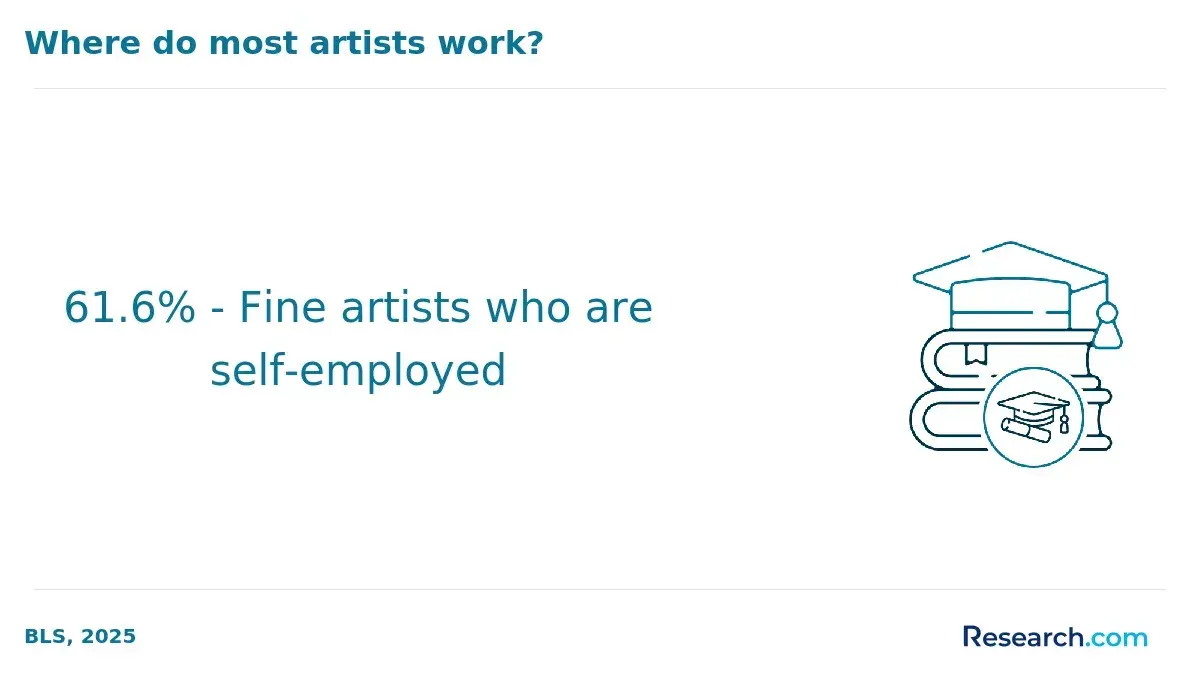
Digital areas such as interface design, animation, game development, product design, and web design continue to create opportunities for creative professionals who can work comfortably with technology. Traditional fine art, photography, craft, and gallery-centered work still offer meaningful paths, but they often require entrepreneurship, networking, and patience.
The smartest next step is to choose one target role, study current job expectations, build a portfolio for that role, and select education or training that closes specific skill gaps. Art and design can be a practical career path, but it works best when creativity is matched with strategy.
Key Insights
- Art and design is not a single career track. It includes fine art, graphic design, UX, product design, interiors, animation, game design, photography, art direction, teaching, and museum-related work.
- Digital and tech-connected roles often offer the strongest opportunity. UX, animation, product design, game design, digital design, and web-related work reward both creativity and technical fluency.
- Pay varies widely by specialization. Art directors have a median pay of $111,040, while other roles in this guide range from photography to senior creative leadership.
- A portfolio is essential. Degrees and certificates can help, but employers and clients want proof of skill, process, judgment, and completed work.
- Education should match the job you want. Certificates can build targeted skills, associate degrees can support entry-level or transfer plans, bachelor’s degrees are common for many professional roles, and graduate study is most useful for teaching, curation, leadership, or specialization.
- Business and communication skills are career multipliers. Pricing, contracts, presentations, client management, writing, and marketing often determine whether creative work becomes sustainable.
- AI and other emerging tools are changing workflows, not removing the need for human judgment. Creative professionals who understand audience needs, ethics, storytelling, usability, and visual quality are better positioned for the long term.
References:
- Hewett, K.J.E., Zeng, G., and Pletcher, B.C. (2020). The Acquisition of 21st-Century Skills Through Video Games: Minecraft Design Process Models and Their Web of Class Roles, Simulation and Gaming. https://doi.org/10.1177/1046878120904976
- Hrynowski, Z. & Marken, S. (2026, February 24). College Students, Grads See Strong Career Value in Degree. Gallup. https://news.gallup.com/poll/702284/college-students-grads-strong-career-value-degree.aspx
- Mordor Intelligence. (2026). Graphic Design Market Size & Share Analysis - Growth Trends and Forecast (2026-2031). https://www.mordorintelligence.com/industry-reports/graphic-design-market
- National Endowment for the Arts. (2025). Arts and Cultural Industries Grew at Twice the Rate of the U.S. Economy, Adding $1.2 Trillion. https://www.arts.gov/news/press-releases/2025/arts-and-cultural-industries-grew-twice-rate-us-economy-adding-12-trillion
- National Student Clearinghouse Research Center. (2026, January 15). Final Fall Enrollment Trends. https://nscresearchcenter.org/final-fall-enrollment-trends
- Resume Genius. (2025). 2025 Gen Z Career Prospects Report: What They Really Think About Their Future. https://resumegenius.com/blog/career-advice/gen-z-career-prospects
- U.S. Bureau of Labor Statistics. (2025, August 28). Occupational projections, 2024–2034, and worker characteristics. Retrieved March 2026, from https://www.bls.gov/emp/tables/occupational-projections-and-characteristics.htm
Other Things You Should Know About Art and Design Careers
In 2027, emerging technologies like augmented reality (AR) and artificial intelligence (AI) are significantly shaping art and design careers. Professionals must adapt to using AI-driven tools for graphic design innovations and AR platforms for immersive experiences in digital and physical spaces.
In 2027, the highest-paying careers in art and design include Art Directors, Creative Directors, and Industrial Designers. These roles offer competitive salaries due to the demand for creative leadership and innovative product design in industries like advertising, film, and technology.
Essential skills for a successful career in art and design include creativity, visual communication, and a strong understanding of design principles such as color, typography, and composition. Technical proficiency with industry-standard tools, along with problem-solving, adaptability, and collaboration skills, is also important for meeting client and project demands.


