
2027 What Can You Do With an Architecture Degree?

Co-Founder and Chief Data Scientist
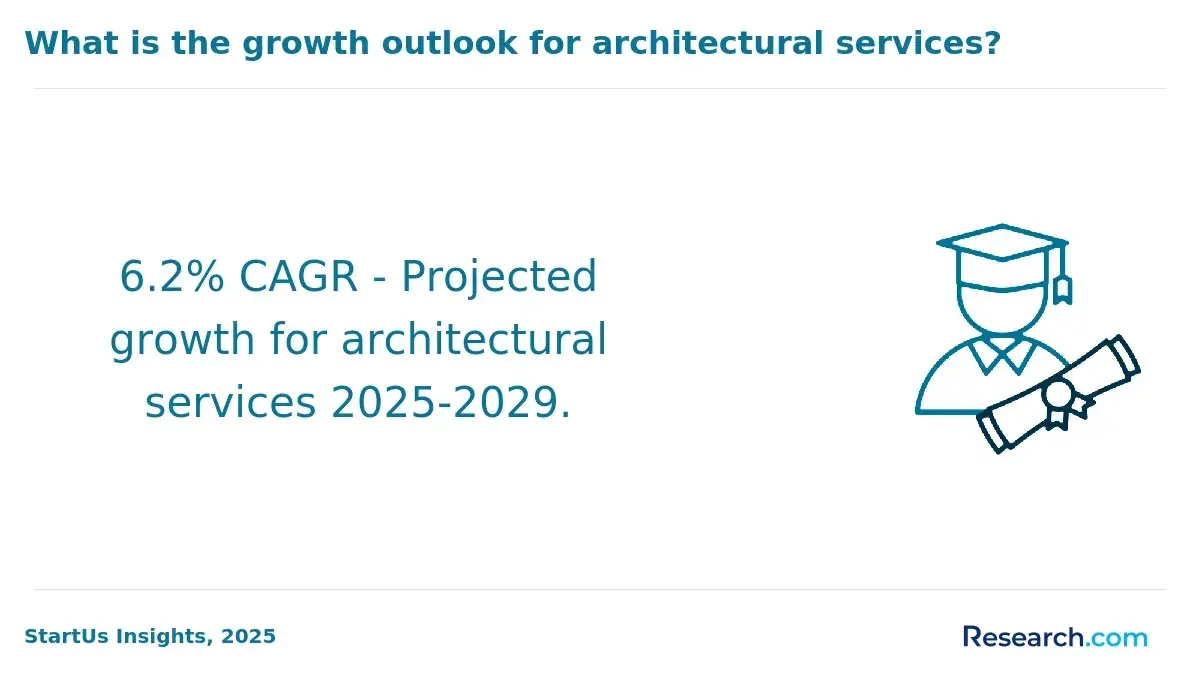
A graduate holding an architecture degree in 2027 risks overlooking lucrative roles in design, sustainability, and urban innovation if they fail to adapt to the industry’s evolving demands. With the U.S. Bureau of Labor Statistics projecting a 5% job growth for architects by 2032, opportunities are shifting toward those who embrace emerging technologies and interdisciplinary skills.
This article explores the most relevant and rewarding paths available with an architecture degree today. Prepared by experts in career planning, it offers strategic insights to help navigate current trends and seize opportunities before they pass.
Key Benefits of an Architecture Degree
- Qualifies you for careers in architectural design, urban planning, construction management, and related creative industries.
- Median annual salary for architects is around $82,000, with potential for higher earnings in specialized or leadership roles.
- Equips you with technical, creative, and problem-solving skills that are in demand across multiple industries.
- What are the best career options for architecture graduates in 2027? Career Options
- What technical skills are most in demand for architects in 2027? Technical Skills
- What master’s degrees are best after an architecture bachelor’s? Best Degrees
- Can you work abroad with an architecture degree from the U.S.? Work Abroad
- How do you start your own architecture practice? How do you start your own architecture practice?
- How can architects work in technology companies? How can architects work in technology companies?
- What architecture jobs are available in the public sector? Public Sector Jobs
- How do architects specialize in green building design? How do architects specialize in green building design?
- How can architects work in property development? How can architects work in property development?
- How do architects transition into product design careers? How do architects transition into product design careers?
What are the best career options for architecture graduates in 2027?
Architecture graduates have a surprisingly wide range of career paths—both within traditional architecture and in related industries where design, technical skills, and problem-solving are valued. Just as students look for the fastest online economics degree programs to quickly enter dynamic job markets, architecture graduates can also find efficient paths to rewarding careers. Here are some of the best options:
- Architect (Licensed Practice). The most direct path is becoming a licensed architect, working on designing buildings, urban spaces, or infrastructure. This requires passing licensure exams (e.g., ARE in the U.S.) after gaining practical experience.
- Urban or Regional Planner. Focuses on designing and managing land use, zoning, and urban growth strategies. Many architecture graduates transition into planning roles for governments or private firms.
- Interior Designer. Specializes in functional and aesthetic interior spaces, blending architectural knowledge with creativity and user experience design.
- Landscape Architect. Designs outdoor spaces like parks, gardens, and plazas, often integrating environmental sustainability principles.
- Construction Project Manager. Oversees building projects from start to finish, managing budgets, timelines, contractors, and safety compliance.
- Sustainable Design Consultant. Advises on green building strategies, energy efficiency, and LEED certification projects.
- 3D Visualization / BIM Specialist. Uses software like Revit, Rhino, or Blender to create detailed 3D models, renderings, and VR walkthroughs.
- Set & Exhibition Designer. Designs physical spaces for film, TV, theater, or museum exhibitions—merging art, architecture, and storytelling.
- Real Estate Development. Applies design and market insight to property development, balancing creative vision with investment goals.
Recent industry data shows that most architects—about 75%—work in architectural, engineering, and related services, which fits closely with licensed practice and firm-based design roles.
Another 13% work independently, often in consulting, freelance design, or their own firms, while 3% each are employed in construction and government, reflecting opportunities in project management, urban planning, and heritage preservation. This spread highlights that while the majority follow the traditional firm route, architecture graduates also thrive in entrepreneurship, public service, and construction leadership.
What technical skills are most in demand for architects in 2027?
An architecture degree in 2027 is no longer just about designing visually appealing spaces—it’s about blending creativity with cutting-edge technology and sustainable practices. Just as professionals seek the fastest online master's degree in public administration to efficiently gain leadership skills for complex governance challenges, architects today must develop a versatile skill set to manage multifaceted projects.
Employers are seeking architects who can navigate complex projects with a mix of design expertise, digital proficiency, and environmental awareness. Here are the most sought-after technical skills right now:
Building Information Modeling (BIM) & CAD
Proficiency in BIM tools like Revit, ArchiCAD, and Vectorworks is essential for creating detailed, data-rich 3D models that improve collaboration and accuracy. Traditional CAD skills in AutoCAD and SketchUp remain foundational for precise drafting and design work.
3D Modeling, Rendering & Visualization
Software such as Rhino, V-Ray, Enscape, Lumion, and Twinmotion allows architects to produce realistic images and immersive walkthroughs, helping clients and stakeholders visualize projects before construction begins.
Parametric & Computational Design
Tools like Grasshopper, Dynamo, and Python scripting empower architects to design complex forms and optimize projects for performance and efficiency—skills that are increasingly valued in high-end and experimental architecture.
VR/AR & Immersive Technologies
Virtual Reality and Augmented Reality are being used to present designs in an interactive way, allowing clients to explore spaces virtually and make informed decisions before any physical work starts.
Smart Building Systems & Data Analysis
Understanding IoT-enabled building systems, automated controls, and performance analytics helps architects design smarter, more responsive environments. GIS tools also play a role in site planning and sustainable design.
Sustainability & Green Design
With sustainability now a global priority, architects benefit from expertise in passive design strategies, eco-friendly materials, and certification systems like LEED, BREEAM, or WELL.
AI & Automation Tools
Artificial intelligence is becoming a valuable asset for generating design concepts, analyzing project feasibility, and automating repetitive workflows—freeing architects to focus on innovation and problem-solving.
What master’s degrees are best after an architecture bachelor’s?
Earning a master’s degree after a bachelor’s in architecture can open doors to specialized career paths, leadership roles, and higher earning potential. The right choice depends on whether you want to deepen your architectural expertise, branch into related fields, or move into management. Here are some of the most valuable options:
Master of Architecture (M.Arch)
Ideal for those who want to become licensed architects or advance in architectural design and practice. It offers advanced training in design theory, building technology, and professional practice. Similar to how students seek the fastest online public safety degree programs to quickly gain critical skills for urgent roles, the M.Arch provides a focused path to professional licensure and career advancement.
Master’s in Urban Design or Urban Planning
Perfect for graduates interested in shaping cities and public spaces. These programs focus on large-scale planning, community development, and sustainable urban growth.
Master’s in Landscape Architecture
For those drawn to outdoor spaces, this degree focuses on environmental design, ecological restoration, and public space planning.
Master’s in Construction Management
Great for architects wanting to lead projects from conception to completion. It blends technical knowledge with budgeting, scheduling, and leadership skills.
Master’s in Sustainable Design
Targets the growing demand for eco-conscious building. You’ll learn about green materials, energy-efficient systems, and sustainable project certification processes.
Master’s in Real Estate Development
Prepares graduates to bridge design and business, equipping them to manage investments, property development, and market analysis.
Master’s in Architectural Engineering
Best for those interested in the technical side of building systems, integrating structural, mechanical, and electrical considerations into design.
Can you work abroad with an architecture degree from the U.S.?
Yes, you can work abroad with an architecture degree from the U.S., but the process isn’t always straightforward. Just as students pursue the fastest online natural sciences degrees to quickly gain credentials recognized internationally, architects often face additional steps to practice overseas.
Most countries require architects to be licensed locally, meaning your U.S. degree alone might not be enough to practice independently. You may need to meet extra requirements such as completing additional coursework, passing local licensing exams, or demonstrating relevant professional experience.
However, a U.S. architecture degree is widely respected and can still open doors to roles in design firms, multinational companies, construction management, and urban planning abroad. Many employers value the rigorous design education and technical skills taught in U.S. programs, especially if you also have proficiency in globally used software like AutoCAD, Revit, and Rhino. In some cases, you may work under a locally licensed architect while you complete the necessary certification steps.
Working abroad also depends on visa regulations and language proficiency in your target country. Some regions, such as parts of the Middle East and Asia, may have more flexible licensing requirements for foreign-trained architects, focusing instead on your portfolio and work experience. Networking with international firms, joining professional organizations like the AIA International Region, and gaining experience on global projects can significantly improve your chances of building an architectural career overseas.
Given that the average salary for workers in architecture and engineering occupations is around $128,756, pursuing an international career can be both professionally rewarding and financially attractive.
How do you start your own architecture practice?
Launching your own architecture firm can be an exciting way to take creative control of your projects and build a personal brand. It’s also a major step that requires more than just design talent—you’ll need to navigate licensing, business setup, marketing, and client relationships. Here are the key steps to get started:
- Get licensed – Complete your accredited degree, fulfill the Architectural Experience Program (AXP) requirements, and pass the Architect Registration Examination (ARE) to legally practice and sign off on projects.
- Create a business plan – Define your target market, services, pricing, marketing strategy, and financial projections.
- Choose a business structure – Register as a sole proprietorship, partnership, or LLC, and make sure you understand the tax implications.
- Obtain professional liability insurance – Protect your business from potential legal claims.
- Set up systems early – Implement reliable accounting, invoicing, and project management tools from the start.
- Build your brand and portfolio – Showcase your best work online and in print to attract potential clients.
- Start with small projects – Residential remodels or smaller design jobs can help you establish credibility and a track record.
- Leverage your network – Use professional connections, social media, and local organizations to spread the word about your services.
- Deliver quality work – Stay on time, on budget, and maintain excellent communication to encourage repeat business and referrals.
Data from the U.S. small business landscape shows that industries like retail trade (72.11%), manufacturing (70.61%), and real estate and rental/leasing (70.46%) achieve the highest three-year survival rates.
While architecture isn’t broken out separately, it shares traits with these resilient sectors—particularly real estate and construction, both of which remain above 68%. This suggests that with a strong business plan, consistent marketing, and quality client service, a new architecture practice can thrive well beyond the critical early years.
How can architects work in technology companies?
Architects can work in technology companies by applying their design thinking, problem-solving, and spatial planning skills to digital products and environments. Just as students seek the best online Master's in Mathematics programs to gain strong analytical and computational skills, architects bring similar expertise in visualizing complex systems and structuring data.
Many tech firms hire architects for roles in UX/UI design, virtual and augmented reality (VR/AR) environments, and digital twin development. Their training in visualizing complex systems and creating user-friendly spaces translates well to designing intuitive, functional digital interfaces.
In addition to design-focused roles, architects can contribute to technology-driven industries like building information modeling (BIM) software development, smart city planning, and 3D modeling platforms. They can work alongside engineers, data scientists, and software developers to create tools that improve construction efficiency, sustainability, and user experience. Understanding how buildings work in the real world allows architects to create more accurate and practical digital solutions.
To succeed in tech companies, architects often need to develop additional technical skills, such as coding basics, proficiency in game engines like Unity or Unreal Engine, or expertise in data visualization tools. Combining architectural knowledge with these digital competencies enables them to bridge the gap between physical and virtual design, making them valuable contributors in the evolving intersection of architecture and technology.
What architecture jobs are available in the public sector?
Working in the public sector offers architects the chance to design and manage projects that directly serve communities while contributing to long-term social impact. These roles can range from hands-on design work to policy-making and project oversight, often providing greater job stability and predictable hours compared to private practice.
Here are some common public sector architecture jobs:
- Urban Planner – Develops land use plans, zoning policies, and community design strategies.
- Government Architect – Designs public buildings such as schools, libraries, and municipal offices.
- Historic Preservation Specialist – Restores and protects culturally significant structures and landmarks.
- Transportation Infrastructure Designer – Works on transit hubs, bridges, and other public mobility projects.
- Sustainability Coordinator – Implements green building standards for public facilities.
- Project Manager for Public Works – Oversees budgets, timelines, and compliance for public construction projects.
- Policy and Code Specialist – Shapes building codes, accessibility standards, and environmental regulations.
- Campus Architect – Designs and manages facilities for public universities and research institutions.
How do architects specialize in green building design?
Architects can specialize in green building design by focusing their education and training on sustainable architecture principles. Similar to how professionals seek the fastest online energy policy degree programs to quickly gain expertise in shaping energy regulations and strategies, architects often pursue additional coursework or certifications in environmental design, energy efficiency, and renewable materials.
Many choose credentials such as LEED (Leadership in Energy and Environmental Design) accreditation, which signals expertise in sustainable building practices and is widely recognized in the industry.
In practice, specializing in green building means integrating eco-friendly strategies into all phases of a project, from site selection and passive design to material choice and energy systems. Architects may work closely with engineers and sustainability consultants to ensure buildings meet strict performance benchmarks, such as net-zero energy or low carbon footprint goals. This approach not only reduces environmental impact but can also lower long-term operating costs for clients.
Experience plays a key role, so architects often build their portfolios with projects that highlight sustainable features like rainwater harvesting systems, natural ventilation, or solar panel integration. Staying updated on evolving green technologies, building codes, and environmental policies helps them remain competitive and effective in this growing field. Ultimately, the demand for architects with expertise in sustainable and resilient design is likely to rise alongside it.
How can architects work in property development?
Architects can work in property development by combining their design expertise with business and project management skills to oversee projects from concept to completion. This path allows them to influence not just the aesthetics of a building but also its financial viability, market appeal, and long-term value. Many architects enter this field to gain greater control over the development process and expand their career opportunities beyond traditional design roles.
Ways architects can work in property development include:
- Becoming a Design-Developer – Leading both the creative and investment sides of a project.
- Working as a Development Project Manager – Coordinating timelines, budgets, and stakeholder communication.
- Joining a Real Estate Development Firm – Applying design insight to site selection, feasibility studies, and planning.
- Specializing in Adaptive Reuse – Transforming old or underutilized buildings into profitable new spaces.
- Consulting on Design Value – Advising developers on how design choices impact property value and marketability.
- Investing in Personal Development Projects – Using professional expertise to fund and design self-owned properties.
- Overseeing Sustainable Development – Ensuring projects meet environmental standards while staying profitable.
The growing housing demand in many urban areas is creating fresh opportunities for architects involved in property development. For example, cities like Denver (+36.8%), El Paso (+33.1%), and Dallas (+32.1%) have seen some of the largest increases in housing inventory, signaling a strong market for new developments. This expansion means architects with skills in development and design are increasingly valuable for shaping these growing communities while maximizing project returns.
How do architects transition into product design careers?
Architects interested in diversifying their careers can successfully move into product design by adapting their existing design expertise to smaller-scale, consumer-focused creations. This shift offers faster project cycles, more creative variety, and opportunities to work directly with brands and manufacturers. Here’s how architects can make the transition effectively.
Leveraging transferable skills Architects already possess a strong base in spatial reasoning, materials science, and problem-solving, which are core to product design. The same design principles—form, function, ergonomics, and aesthetics—apply to both buildings and consumer products. This makes it easier for architects to pivot into designing items like furniture, lighting, or industrial products while maintaining their creative identity.
Learning industry-specific tools and processes Moving into product design often requires mastering new skills such as rapid prototyping, manufacturing processes, and user-centered design. Many architects take short courses in industrial design, 3D modeling software tailored for product creation, or fabrication techniques. This helps them adapt their large-scale design approach to smaller, faster-moving projects.
Building a product-focused portfolio A strong portfolio is crucial for breaking into the product design field. Architects can start by designing and producing smaller items—custom furniture, fixtures, or accessories—and collaborating with manufacturers or brands. Over time, this body of work demonstrates their ability to merge architectural precision with consumer-focused innovation.
Here’s What Graduates Have to Say About Their Architecture Degree
- Jessica: "Earning my architecture degree gave me the tools to turn creative ideas into real, functional spaces. The blend of technical training and artistic design skills has opened doors to projects I never imagined working on, from urban parks to sustainable housing. "
- Matt: "Studying architecture taught me how to think critically about every detail of a building, from structure to aesthetics. Now, I have the confidence and qualifications to work with diverse teams on large-scale projects that make a lasting impact. "
- Natalie: "With my architecture degree, I learned how to balance creative vision with practical constraints, which has been invaluable in my career. Seeing my designs come to life and knowing they will serve communities for decades is the most rewarding part."
Key Findings
- Seventy-five percent of architects work in architectural and engineering services, with 13% self-employed.
- The average salary for architecture and engineering workers is $107,736 per year.
- Retail trade has the highest new business survival rate after three years at 72.11%.
- Denver, CO has the largest increase in housing inventory at 36.8%, followed by El Paso, Dallas, Omaha, and Tulsa.
References:
- Bookipi. (2025, June). Study: Top industries to start a new business in 2025. Bookipi.
- Bureau of Labor Statistics. (2024, May). Architects: Occupational Outlook Handbook. U.S. Bureau of Labor Statistics.
- Construction Coverage. (2025, June). U.S. cities with the biggest increase in housing inventory. Construction Coverage.
- National Council of Architectural Registration Boards. (2025). NCARB by the numbers: 2025 edition. https://www.ncarb.org/sites/default/files/NBTN-2025.pdf
- Precedence Research. (2025, April). Architectural services market size to worth USD 597.97 Bn by 2034. Precedence Research.
- ZipRecruiter. (2025). Architect salary in the United States. https://www.ziprecruiter.com/Salaries/Architect-Salary
Other Things You Should Know About Architecture Degrees
In 2027, to become a licensed architect, graduates must complete the Architectural Experience Program (AXP), pass the Architect Registration Examination (ARE), and meet state-specific requirements. Licensing bodies like NCARB oversee these processes. Check local regulations as they may vary by state.
As of 2027, tech advancements such as AI, virtual reality, and BIM (Building Information Modeling) are transforming architecture careers, providing innovative tools for design, visualization, and project management, thus requiring professionals to adapt and embrace these technologies for success.
In 2027, an advanced qualification such as a Master of Architecture (M.Arch) or certification in sustainable design can enhance an architecture degree. These credentials improve career prospects and expand opportunities in specialized fields like urban planning and environmental design.


