
2027 How to Become an HVAC Tech in Alabama

Co-Founder and Chief Data Scientist
Alabama's climate demands the use of HVAC units to bring relief during particularly warm and cool days. To ensure that those units are working optimally, households and organizations rely on HVAC technicians, professionals trained to repair and maintain units. The state employs 6,900 of these techs, and aspirants can become part of this community if they obtain all the necessary credentials.
As such, this guide helps learners become HVAC techs by presenting the general steps of the certification process and the schools that offer notable HVAC tech programs. It also navigates various facets of the role, such as the job outlook, projected salary, and relevant skills to develop, to help aspirants make informed decisions when thinking of pursuing this career path.
Key Points About Becoming an HVAC Tech in Alabama
- Alabama offers a strong job outlook for HVAC technicians, with steady demand driven by its growing construction and maintenance sectors.
- The average salary for HVAC techs in Alabama is around $45,000 annually, reflecting competitive wages in the region.
- Alabama’s mild climate and expanding economy make it an ideal location to launch a rewarding HVAC career with ample training opportunities.
- What are the educational requirements to become an HVAC Tech in Alabama?
- Which schools in Alabama offer HVAC programs?
- What skills do you need to become an HVAC Tech in Alabama?
- What are the requirements for HVAC licensure in Alabama?
- What is the licensing process for HVAC technicians in Alabama?
- How long does it take to become an HVAC tech in Alabama?
- What Are the Opportunities for Career Advancement in HVAC in Alabama?
- Do HVAC technicians need ongoing training to maintain their credentials in Alabama?
- Should HVAC Technicians Consider Business Education for Career Advancement?
- Can cross-training in complementary technical fields enhance career growth?
- Are complementary certifications beneficial for HVAC career advancement in Alabama?
- Will an HVAC license from Alabama allow you to work in other states?
- How much do Alabama HVAC technicians earn?
- Is there a demand for HVAC technicians in Alabama?
- Is Alabama a good place to work as an HVAC tech?
What are the educational requirements to become an HVAC Tech in Alabama?
The journey to becoming an HVAC tech in Alabama emphasizes hands-on experience combined with foundational knowledge, essential for thriving in this skilled trade. Here is an overview of the key educational requirements:
- High school diploma or GED is the minimum academic requirement: This credential ensures you have the basic skills in math, science, and communication necessary for HVAC work.
- Enrollment in an accredited HVAC training program is strongly advised: These programs, often found at technical schools or community colleges, provide practical and theoretical instruction in heating, ventilation, air conditioning, and refrigeration systems, typically lasting from six months to two years.
- Completion of a 3–5 year apprenticeship is key for hands-on experience: Apprenticeships combine on-the-job learning with classroom instruction under the supervision of experienced professionals, aligning with Alabama’s focus on practical training.
Prior to picking a program, aspirants should understand HVAC certification vs apprenticeship which is better to determine the educational path that aligns with their preferences and goals.
The chart below shows the ages of the HVAC techs in the United States.
Which schools in Alabama offer HVAC programs?
Several reputable institutions in Alabama provide robust training designed to prepare you for a rewarding career as an HVAC technician. These programs combine technical knowledge with practical skills, essential for success in this growing field.
- Alabama Industrial Electronics Center: This program covers system installation, maintenance, and troubleshooting, with a focus on hands-on experience using modern HVAC technologies. Tuition is typically around $4,500 for complete certificate programs.
- Auburn Career Center: Offering training in refrigeration, heating systems, and electrical components, this program balances classroom theory with real-world labs, making it an affordable choice at approximately $3,000.
- Jefferson State Community College: Providing an associate degree in HVAC technology, this program explores advanced topics such as energy efficiency and environmental regulations. Tuition costs about $180 per credit hour for in-state students.
Aspirants who aim to maximize their earning potential can explore the list of highest paying trade school jobs, particularly those for HVAC technicians, and find lucrative opportunities.
What skills do you need to become an HVAC Tech in Alabama?
To thrive as an HVAC technician in Alabama, you must develop a range of specialized skills, from technical knowledge to problem-solving, tailored to ensure reliable and efficient heating and cooling systems. These skills include the following:
- Electrical Systems Expertise: Understanding electrical circuits and controls is fundamental for installing and maintaining HVAC equipment safely and effectively.
- Blueprint and Manual Interpretation: The ability to read technical diagrams and manuals allows you to accurately follow installation and repair guidelines.
- Diagnostic Proficiency: Skilled use of testing tools is necessary to quickly identify and resolve system malfunctions, especially in Alabama’s variable weather.
- Refrigerant Handling Knowledge: Familiarity with refrigerant types and EPA certification requirements ensures compliance with environmental regulations.
- Maintenance and Repair Skills: Competence in performing routine upkeep and emergency fixes keeps HVAC systems operating smoothly year-round.
What are the requirements for HVAC licensure in Alabama?
To become a licensed HVAC technician in Alabama, you need to fulfill a few important requirements that demonstrate your skills and reliability. These requirements ensure that each technician is well-prepared and qualified to handle the demands of the trade.
- Work Experience: Accumulate at least four years of verifiable on-the-job experience in heating, ventilation, air conditioning, and refrigeration work to build essential hands-on skills.
- Licensing Exam: Pass the Alabama HVAC license exam, which assesses your knowledge of system installation, repair, safety protocols, and state-specific codes, reflecting the unique climate challenges of Alabama.
- Background Check: Complete a criminal background check to ensure public safety and maintain high industry standards, a requirement that is more rigorous than in many other states.
HVAC techs who want to broaden their competencies can navigate the available trades career options and find one that can complement their knowledge of handling HVAC systems.
What is the licensing process for HVAC technicians in Alabama?
Obtaining your HVAC technician license in Alabama is a crucial step to ensure you are fully qualified and compliant with state standards. A license serves as proof of expertise and commitment to safety. Here are the general steps of the licensure process:
- Application Submission: Begin by completing and sending your application to the Alabama Board of Heating, Air Conditioning, and Refrigeration Contractors, including detailed records of your work experience.
- Background Verification: Undergo a thorough criminal background check to meet the state’s eligibility criteria.
- Licensing Exam: Prepare for and pass the state’s comprehensive exam, which evaluates your knowledge of HVAC systems, safety protocols, and regulatory requirements.
- Proof of Insurance: Provide evidence of liability insurance as required by Alabama law to protect both yourself and your clients.
- Fee Payment: Complete the process by paying all necessary licensing fees, officially authorizing you to practice as a licensed HVAC technician in the state.
When I spoke with an HVAC tech from Alabama about her licensing journey, she described it as both challenging and rewarding. “The exam was tough, especially the safety regulations section, but it made me realize how vital the knowledge is for real-world work,” she shared. She also highlighted the importance of patience during the application review, as waiting for approval tested her resolve. However, once licensed, she felt a deep sense of accomplishment and confidence. “Knowing that I’m meeting state standards gives me pride every time I step on a job site,” she reflected.
How long does it take to become an HVAC tech in Alabama?
Aspirants can become an HVAC technician in Alabama in around two years. This career path combines education, hands-on experience, and licensure to ensure you are fully prepared for the field. Here is a quick breakdown of the duration for each stage:
- 6 to 12 months of formal HVAC training: Typically completed at technical schools or community colleges, this phase covers essential HVAC principles, safety protocols, and system maintenance.
- About 2,000 hours (1 year) of supervised work experience: Gaining practical skills through an internship or apprenticeship under a licensed technician is crucial for mastering real-world HVAC systems.
- Additional time for exam preparation and licensure: Passing the Alabama HVAC licensing exam is mandatory for legal practice and may take a few months of study and scheduling.
Not sure which educational institution to attend? Aspirants can explore the ranking of the best online trade schools and find ones that offer HVAC tech programs. From there, they can start their journey to become technicians.
The visual below shows the industries that employ the most HVAC techs in the country.
What Are the Opportunities for Career Advancement in HVAC in Alabama?
Specialized training programs and additional certifications can open pathways for experienced HVAC technicians in Alabama to transition into supervisory roles, technical consulting, or entrepreneurship. Pursuing advanced certifications and cross-training—such as how to get electrician license in Alabama—can broaden skill sets and make professionals more competitive. Many employers also offer structured mentorship programs and targeted career development initiatives that focus on leadership, project management, and emerging HVAC technologies, ensuring technicians remain at the forefront of industry standards.
Do HVAC technicians need ongoing training to maintain their credentials in Alabama?
Staying current with industry standards and technological advances is essential for HVAC professionals in Alabama. Regular participation in continuing education programs not only reinforces safety and compliance but also enhances practical skills, ensuring technicians remain competitive. These training sessions cover updates to codes, emerging technologies, and advanced troubleshooting techniques, supporting both career growth and recertification efforts. For professionals interested in diversifying their technical expertise, consider reviewing how to become a mechanic in Alabama.
Should HVAC Technicians Consider Business Education for Career Advancement?
HVAC technicians aspiring to lead or launch their own businesses must develop robust business skills. Advanced knowledge in strategic planning, financial management, and marketing can empower professionals to transition smoothly from technical roles to management or entrepreneurship. Pursuing targeted education in business can also facilitate access to capital, streamlined operations, and competitive market positioning. For more detailed options regarding institutional choices, refer to the best business schools in Alabama.
Can cross-training in complementary technical fields enhance career growth?
Expanding your technical expertise through cross-training can open doors to adjacent career opportunities and provide a competitive edge in evolving markets. By supplementing HVAC skills with certifications in related fields—such as energy management, smart building technology, or even specialized healthcare technical roles—technicians can diversify their credentials and adapt to fluctuating industry demands. In some cases, professionals may explore parallel career paths where rigorous training is equally valued. For example, understanding the Alabama education requirements for radiologic technologist illustrates the commitment needed for roles that require precision and ongoing learning. This cross-disciplinary approach not only enhances your marketability but also encourages innovative problem-solving across technical domains.
Are complementary certifications beneficial for HVAC career advancement in Alabama?
Expanding your skill set with complementary technical certifications can provide HVAC technicians a competitive edge in a dynamic market. Obtaining additional specialized credentials may open pathways to roles that require dual expertise, enhance troubleshooting capabilities, and support leadership in diversified project environments. Furthermore, exploring training in related fields can offer practical insights into emerging technologies and interdisciplinary practices. For instance, professionals can evaluate opportunities that demonstrate transferable skills, such as how to become an ultrasound technician in Alabama, which illustrate the broader impact of cross-industry learning on career advancement.
Will an HVAC license from Alabama allow you to work in other states?
Holding an HVAC license in Alabama doesn’t automatically allow you to work in other states, as Alabama lacks formal reciprocity agreements with most regions. If you plan to expand your career beyond Alabama, you’ll need to fulfill each state’s unique licensing criteria. This typically involves proving your work experience, passing that state’s HVAC certification exams, and paying any necessary fees. For instance, neighboring states like Florida and Georgia require separate licensing despite their close location.
To prepare for this, focus on gaining strong skills and keeping thorough records during your training in Alabama. When thinking about working in a new state, reach out early to their HVAC licensing board to understand their requirements. Be ready to:
- Provide detailed documentation of your education and professional experience
- Successfully complete state-specific trade examinations
- Meet any continuing education mandates or background screenings
Taking these steps will help you stay competitive and open doors to opportunities across the country.
How much do Alabama HVAC technicians earn?
Pursuing a career as an HVAC technician in Alabama offers promising financial rewards that align with your expertise and dedication. Typically, salaries range from approximately $30,600 to $68,690 annually, though new entrants often begin earning closer to the mid-$30,000 mark. With experience and specialized skills, your income can rise beyond $49,000.
Focusing on specific areas within HVAC, such as refrigeration, commercial systems, or eco-friendly technologies, can significantly increase your market value. Additionally, earning certifications like EPA Section 608 or NATE (North American Technician Excellence) not only enhances your credibility but also opens doors to better job opportunities and higher pay.
Is there a demand for HVAC technicians in Alabama?
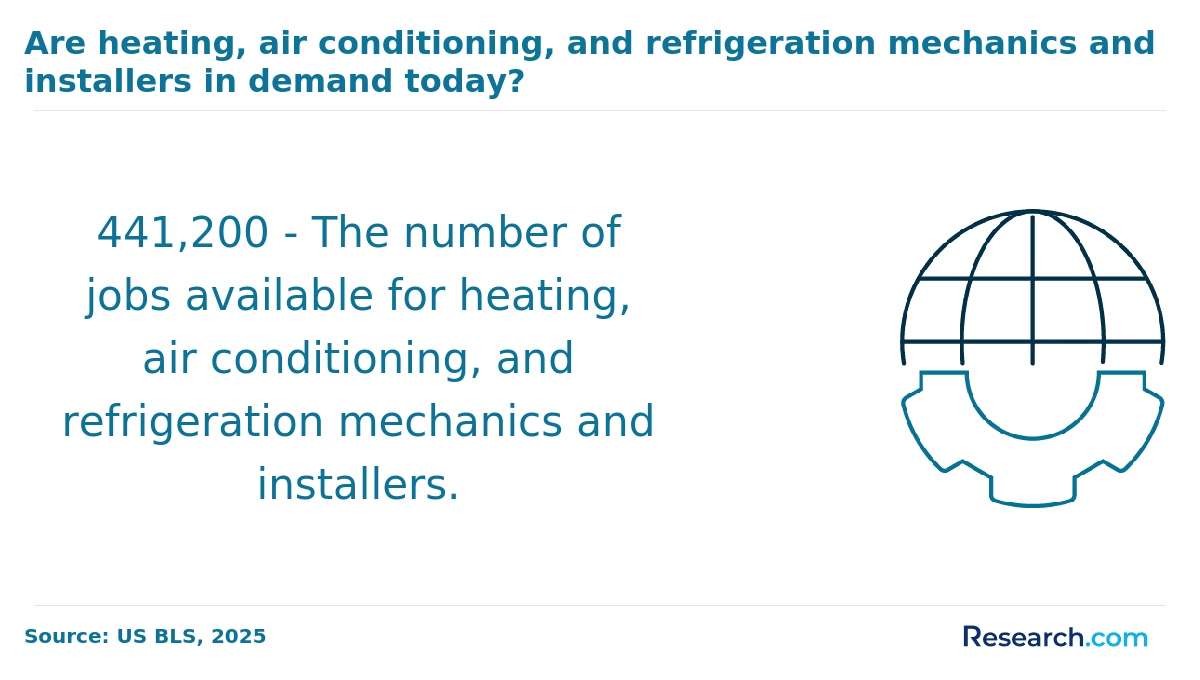
The demand for HVAC technicians in Alabama remains strong, with steady job growth projected over the coming decade. According to recent labor statistics, the HVAC field in Alabama is expected to grow at a rate slightly above the national average, driven by continuous construction, maintenance, and repair needs in both residential and commercial sectors. This positive outlook signals numerous job opportunities for those entering the profession, making HVAC technician job demand Alabama a promising career consideration.
Alabama’s warm climate increases the need for skilled air conditioning technicians, making expertise in cooling systems particularly valuable. However, heating specialists and those knowledgeable in refrigeration systems also find consistent demand, especially in industrial and agricultural applications. Aspiring HVAC technicians should consider developing a broad skill set to enhance employability and adapt to the diverse needs within Alabama’s market.
Investing time in education through reputable online trades schools can help aspirants build the expertise needed to thrive. Alabama has its share of notable HVAC tech programs.
Is Alabama a good place to work as an HVAC tech?
Alabama's economic and climatic conditions create a favorable environment for growth for HVAC technicians. Here are the reasons why practicing in Alabama is worth considering:
- Affordable Living: The cost of living in Alabama is relatively low, allowing your salary to go further and improving your overall quality of life.
- Year-Round Demand: With hot summers and mild winters, there’s consistent need for HVAC maintenance and installation services throughout the year.
- Accessible Training: The state provides many technical schools and apprenticeship programs, making it easier to gain the hands-on experience and certifications required, such as the EPA Section 608.
- Growing Job Market: Driven by residential expansion and commercial development, Alabama’s HVAC sector is experiencing steady job growth, increasing your chances of employment.
- Specialization Opportunities: Technicians can focus on niche areas like refrigeration or energy-efficient systems, enhancing their expertise and marketability.
What HVAC Technicians in Alabama Say About Their Careers
Working as an HVAC technician in Alabama has given me incredible job stability thanks to the region's growing demand for efficient heating and cooling solutions. The competitive salaries here make it even more rewarding, and I feel proud knowing my skills keep homes comfortable year-round. This career truly offers both security and satisfaction. Seth
The unique climate in Alabama presents some interesting challenges that keep my workday engaging and constantly evolving. From high humidity to fluctuating temperatures, every job teaches me something new about advanced HVAC systems. It’s exciting to tackle these issues head-on and grow my expertise. Phil
Alabama’s technical colleges and apprenticeship programs have been instrumental in my professional growth as an HVAC technician. The access to specialized training and certifications here has boosted my confidence and career prospects significantly. I appreciate how the state supports ongoing learning in our field. Roman
Related Articles for Nearby States
- 2027 How to Become an HVAC Tech in Mississippi
- 2027 How to Become an HVAC Tech in Tennessee
- 2027 How to Become an HVAC Tech in Georgia
- 2027 How to Become an HVAC Tech in Florida
- 2027 How to Become an HVAC Tech in Louisiana
- 2027 How to Become an HVAC Tech in Arkansas
- 2027 How to Become an HVAC Tech in Kentucky
- 2027 How to Become an HVAC Tech in South Carolina
- 2027 How to Become an HVAC Tech in North Carolina
- 2027 How to Become an HVAC Tech in Missouri
References:
- 7 Reasons Why Becoming an HVAC Technician Is a Promising Career Choice - InterCoast Colleges https://intercoast.edu/articles/hvac-technician-career/
- Alabama HVAC License, How to get Your HVAC License in Alabama https://www.hvaccertification.org/alabama-hvac-license/
- Home - BTrained HVAC Training https://btrained.net/
- HVAC Fast Track | Bevill State Community College https://www.bscc.edu/hvac-fast-track
- Reciprocity Application – Alabama Board of Heating, Air Conditioning & Refrigeration Contractors https://hacr.alabama.gov/reciprocity-application/
- HVAC License Guide for Every State in 2025 - FieldEdge https://fieldedge.com/blog/hvac-license-requirements-by-state/
- HVAC License Reciprocity By State | FieldPulse https://www.fieldpulse.com/resources/blog/hvac-license-reciprocity-by-state
- HVAC Training Center https://www.alabamapower.com/business/business-customers-and-services/hvac/hvac-training.html
- Is Alabama the Best State to Own or Buy an HVAC Company? - HVAC Insider https://hvacinsider.com/is-alabama-the-best-state-to-own-or-buy-an-hvac-company/
- Reciprocity - MSBOC https://www.msboc.us/contractors/reciprocity/
Other Things You Should Know About Becoming an HVAC Tech in Alabama
In 2027, to become a licensed HVAC technician in Alabama, you must complete either an apprenticeship program or attend a technical school. Next, you need to obtain a state certification by passing the HVAC exam administered by the Alabama Board of Heating, Air Conditioning, and Refrigeration Contractors.
To become an HVAC tech in Alabama in 2027, you need a high school diploma or GED. Graduating from a technical school or community college with an HVAC program is beneficial. After education, you must complete an apprenticeship, combining hands-on experience with classroom learning, to qualify for licensing.


