
2027 How to Become an HVAC Tech in Tennessee

Co-Founder and Chief Data Scientist
Tennessee offers a strong and steady job outlook for HVAC technicians, with employment projected to grow by about 8% over the next decade. This growth is fueled by increasing demand in both residential and commercial sectors, making it a promising career choice. However, many aspiring HVAC technicians miss out on these opportunities because they are unsure about the steps needed to enter the field and obtain the necessary certifications and licenses.
This guide, prepared by career planning experts, will walk you through the essential steps to become an HVAC technician in Tennessee. From educational requirements to certification pathways and licensing procedures, you'll gain a clear roadmap to start your career in this high-demand industry.
Key Points About Becoming an HVAC Tech in Tennessee
- HVAC technician jobs in Tennessee are expected to grow steadily by about 8% over the next decade, reflecting strong demand in both residential and commercial sectors.
- HVAC technicians in Tennessee earn an average annual salary of around $46,640, with wages varying by experience, location, and specialization.
- Becoming an HVAC tech requires a high school diploma or GED, completion of an accredited HVAC program, EPA Section 608 certification, and often hands-on training or apprenticeships.
- What are the educational requirements to become an HVAC Tech in Tennessee?
- Which schools in Tennessee offer HVAC programs?
- What skills do you need to become an HVAC Tech in Tennessee?
- What are the requirements for HVAC licensure in Tennessee?
- What is the licensing process for HVAC technicians in Tennessee?
- How long does it take to become an HVAC tech in Tennessee?
- Can Dual Licensing in HVAC and Electrical Services Enhance Your Career Prospects?
- Can Complementary Mechanical Skills Benefit Your HVAC Career in Tennessee?
- Can Developing Business Skills Enhance Your HVAC Career in Tennessee?
- What professional development resources are available to HVAC technicians in Tennessee?
- What financing options are available for HVAC training in Tennessee?
- Will an HVAC license from Tennessee allow you to work in other states?
- How much do Tennessee HVAC technicians earn?
- Is there a demand for HVAC technicians in Tennessee?
- Is Tennessee a good place to work as an HVAC tech?
What are the educational requirements to become an HVAC Tech in Tennessee?
To become an HVAC technician in Tennessee, individuals must complete specific educational steps to gain the foundational knowledge and technical skills required in the field. Here are the key educational requirements:
- High School Diploma or GED: A high school education or equivalent is the minimum requirement for entry into HVAC training programs.
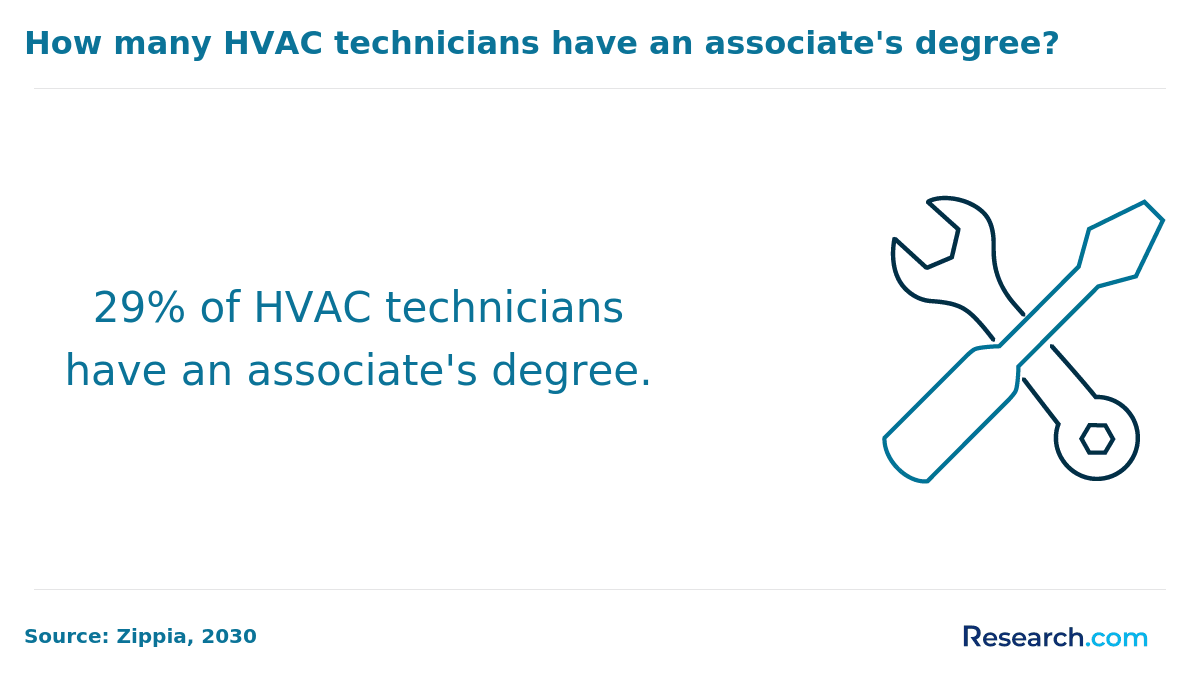
- Enroll in an Accredited HVAC Program: Prospective technicians should complete a certificate or associate degree program from a technical school or community college approved by the Tennessee Higher Education Commission.
- Complete Classroom and Hands-On Training: HVAC programs include coursework in refrigeration, electrical systems, and climate control, along with practical lab experience.
- Earn EPA Section 608 Certification: Federal law requires all HVAC technicians handling refrigerants to pass the EPA Section 608 exam, typically offered during or after formal training.
- Consider Additional Certifications: While not mandatory, certifications like HVAC Excellence or NATE (North American Technician Excellence) can enhance job prospects and validate specialized knowledge. Additionally, completing relevant online certificate programs can provide flexible learning opportunities to further develop your expertise.
Which schools in Tennessee offer HVAC programs?
Tennessee offers a variety of HVAC programs designed to equip students with the necessary skills and certifications for a successful career in heating, ventilation, air conditioning, and refrigeration. Many online trade schools also provide flexible HVAC training options, allowing students to learn at their own pace while gaining practical knowledge.
Below are some institutions providing comprehensive HVAC training:
- Tennessee College of Applied Technology (TCAT): TCAT offers a 16-month full-time HVAC program culminating in a diploma. The curriculum includes hands-on training in refrigeration fundamentals, electricity and controls, and system installation.
- Chattanooga State Community College: This institution provides a 12-month HVAC/R Technician program accredited by HVAC Excellence. The program encompasses 1,290 hours of training, covering system diagnostics, repair, and maintenance, preparing students for various certifications.
- Remington College: With campuses in Nashville and Memphis, Remington offers both diploma and associate degree programs in HVAC. The coursework aligns with national skill standards and prepares students for EPA certification exams.
- Lincoln Tech (Nashville Auto-Diesel College): Lincoln Tech provides a 1,200-hour diploma program and a 1,425-hour associate degree program in HVAC. The training includes classroom instruction and hands-on experience with modern HVAC systems, focusing on energy efficiency and system diagnostics.
- William Moore College of Technology: Located in Memphis, this college offers a two-year program in Air Conditioning, Refrigeration, and Heating. Graduates receive a diploma, associate degree, or certificate, with training that prepares them for immediate employment in the HVAC field.
What skills do you need to become an HVAC Tech in Tennessee?
Stepping into the HVAC field in Tennessee requires a solid blend of practical skills and technical knowledge to effectively install, maintain, and repair complex climate control systems. Here are the key skills aspiring HVAC technicians should develop:
- Electrical Knowledge: Understanding wiring and electrical components that power HVAC systems is essential for safe and effective work.
- Blueprint Literacy: The ability to decode blueprints, technical schematics, and manufacturer guides helps ensure proper installation and repairs.
- Diagnostic Expertise: Using specialized tools to identify and solve system issues guarantees system reliability and efficiency.
- Refrigerant Handling: Skillful and compliant management of refrigerants, following EPA regulations, is critical for environmental safety.
- Code Compliance: Familiarity with Tennessee’s building codes and energy standards ensures that all work meets legal and performance requirements.
- Mechanical Aptitude: Strong mechanical skills help technicians work with HVAC system components such as compressors, fans, and motors.
- Customer Service: Effective communication and problem-solving skills allow technicians to explain issues and solutions clearly to clients, enhancing customer satisfaction.
What are the requirements for HVAC licensure in Tennessee?
To legally operate as an HVAC contractor in Tennessee, professionals must meet specific state and local licensing requirements. These criteria ensure that technicians possess the necessary skills and knowledge to perform HVAC work safely and effectively.
Below are the key requirements for obtaining HVAC licensure in Tennessee:
- Minimum Age and Education: Applicants must be at least 18 years old and possess a high school diploma or GED.
- Work Experience: A minimum of four years of practical experience in HVAC installation or maintenance is required.
- Examinations: Candidates must pass two exams: the HVAC/R Contractor Exam and the Tennessee Business and Law Exam, each with a passing score of 73%.
- Insurance Requirements: Proof of general liability insurance and workers' compensation insurance is mandatory.
- Financial Documentation: Submission of a financial statement, reviewed or audited by a certified public accountant, is necessary.
- Application Submission: Completion and submission of a notarized application package to the Tennessee Board for Licensing Contractors are required.
- License Fees: Payment of applicable licensing fees, including application and examination fees, is required.
What is the licensing process for HVAC technicians in Tennessee?
Becoming a licensed HVAC technician in Tennessee requires meeting specific state requirements designed to ensure competence and safety in the trade. Below is an overview of the licensing process:
- License Application: Choose the appropriate license class—Class I, II, or III—based on your experience and the scope of work you intend to perform. Documenting hands-on experience under a licensed contractor is essential before moving forward.
- Examination: Prepare for and pass a comprehensive exam that tests your understanding of HVAC systems, safety standards, state codes, and technical expertise required for Tennessee’s unique climate conditions.
- Insurance and Fees: After passing the exam, submit proof of liability insurance and pay the licensing fees to finalize your legal ability to practice.
- Renewal and Education: Maintain your license by completing ongoing education and renewing it periodically, ensuring you stay current with technological advances and regulatory updates.
How long does it take to become an HVAC tech in Tennessee?
Becoming a licensed HVAC technician in Tennessee typically requires three to five years of combined education and hands-on experience. This includes completing an apprenticeship or an approved training program that encompasses both classroom instruction and on-the-job training. After accumulating the necessary hours, candidates must pass two exams, including the statewide Business and Law exam and the HVAC/Refrigeration trade exam. Upon successful completion, applicants can apply for licensure through the Tennessee Department of Commerce and Insurance.
Once licensed, HVAC technicians in Tennessee must renew their licenses every two years. Renewal requires completing eight hours of continuing education and submitting proof of liability insurance. The renewal process ensures that technicians stay current with industry standards and regulations, maintaining their qualifications to perform HVAC work legally and safely within the state.
Can Dual Licensing in HVAC and Electrical Services Enhance Your Career Prospects?
Integrating electrical certification with HVAC expertise can broaden your professional skill set and open additional career pathways. By acquiring complementary electrical credentials, technicians can handle complex system integrations and troubleshoot multifaceted issues more effectively. This dual capability not only increases employability but may also lead to enhanced compensation and leadership roles in multidisciplinary projects. For those interested in widening their scope, explore our guide on how to get electrician license in Tennessee to strategically position yourself in a competitive market.
Can Complementary Mechanical Skills Benefit Your HVAC Career in Tennessee?
HVAC professionals who integrate mechanical skills into their repertoire can accelerate career advancement and expand service offerings without duplicating state licensing processes. Expanding technical know-how beyond core HVAC competencies enhances troubleshooting capabilities, improves diagnostic accuracy, and prepares technicians for diverse system integrations in both residential and commercial settings. Additionally, the adoption of mechanical skill sets positions technicians favorably for cross-disciplinary roles and leadership responsibilities. Discover effective pathways to diversify your expertise by exploring how to become a mechanic in Tennessee.
Can Developing Business Skills Enhance Your HVAC Career in Tennessee?
HVAC professionals looking to broaden their career opportunities can benefit significantly from integrating business acumen with technical skills. Strengthening expertise in areas such as financial planning, strategic marketing, and operational management paves the way for launching independent contracting ventures and managing complex projects. Acquiring these skills enables technicians to efficiently negotiate contracts, optimize resource allocation, and build sustainable client relationships. Practical pathways include targeted business courses and training that complement technical credentials, such as those offered by the best business schools in Tennessee.
What professional development resources are available to HVAC technicians in Tennessee?
Professional organizations and targeted training programs can significantly enhance career growth by offering industry insights, technical updates, and networking opportunities. Membership in associations such as the Air Conditioning Contractors of America (ACCA) or state-specific trade groups provides access to specialized workshops, seminars, and advanced certification courses. These platforms also help technicians stay informed about evolving safety standards and emerging technologies, thereby supporting long-term career sustainability. Furthermore, exploring educational parallels in related technical fields can broaden professional perspectives. For example, refer to Tennessee education requirements for radiologic technologist to understand how rigorous educational frameworks can benefit career advancement.
What financing options are available for HVAC training in Tennessee?
Tennessee candidates can explore a variety of financial solutions to manage training costs while gaining industry-relevant skills. Options include state grants, federal student aid, scholarships from trade organizations, and low-interest loans specifically designed for technical education. Some programs may also offer tuition reimbursement or apprenticeship stipends in partnership with local unions and employers. Evaluating these alternatives can help streamline the pathway into the HVAC field without undue financial strain. For those considering alternative technical careers that may complement HVAC expertise, review how to become an ultrasound technician in Tennessee for additional funding and career diversification opportunities.
Will an HVAC license from Tennessee allow you to work in other states?
In Tennessee, HVAC license won’t automatically grant you permission to work elsewhere. However, this opens the door to learning and meeting other states’ licensing requirements, allowing you to expand your career across different regions.
Here are five key points to consider:
- Apply for a License in the New State: You must submit a new license application according to the state where you want to work, following its specific procedures.
- Pass State-Specific Exams: Many states require passing exams that test knowledge of local codes, safety regulations, and technical standards unique to that region.
- Provide Proof of Experience and Education: You’ll need to submit documentation verifying your work experience and training to meet the new state’s licensing criteria.
- Comply with Insurance and Fee Requirements: Each state has its own rules about liability insurance and licensing fees you must fulfill before practicing.
- Stay Updated on Continuing Education: Maintaining licenses in multiple states may require ongoing education to stay current with evolving industry standards and regulations.
How much do Tennessee HVAC technicians earn?
In Tennessee, HVAC technicians earn competitive wages that vary based on experience, location, and specialization. The average annual salary for an HVAC technician in the state is approximately $46,640, equating to about $22.42 per hour. Entry-level positions typically start around $29,830 annually, while experienced professionals can earn up to $72,530 per year.
Salaries can be influenced by factors such as geographic location, with urban areas like Nashville offering higher wages due to increased demand and cost of living. Specialization in areas like commercial HVAC systems or obtaining some of the best certifications for jobs, such as NATE or EPA 608, can also lead to higher earnings. Additionally, union membership may provide access to better pay scales and benefits.
Is there a demand for HVAC technicians in Tennessee?
The demand for HVAC technicians in Tennessee is strong, with a job growth rate of about 8% over the next decade. This steady increase reflects expanding construction, rising use of energy-efficient systems, and the need to replace retiring workers. Urban centers like Nashville and Memphis show higher demand for technicians skilled in commercial HVAC and refrigeration systems, while residential HVAC specialists remain essential in suburban and rural areas due to ongoing home building and maintenance.
This trend highlights diverse career opportunities within Tennessee’s HVAC industry. As one of the best trade careers in high demand, HVAC offers strong job security and growth potential. For those considering this career, pursuing training through online trade programs can be a practical way to gain the necessary skills and enter a promising, hands-on profession.
Is Tennessee a good place to work as an HVAC tech?
Considering a trades career as an HVAC technician in Tennessee opens a door to a mix of practical advantages and steady opportunities. Here are some reasons Tennessee stands out for HVAC professionals:
- Cost-Effective Living: The lower expenses for housing, transportation, and daily needs stretch your earnings further compared to many other states.
- Year-Round Demand: Tennessee’s hot summers and cold winters create a constant need for skilled HVAC technicians to maintain comfortable indoor environments.
- Growing Job Market: Population growth and ongoing construction projects fuel steady employment prospects in both residential and commercial HVAC sectors.
- Accessible Training Paths: The state encourages technical education and apprenticeships, providing solid hands-on learning opportunities essential for certification and career entry.
- Competitive Compensation: Wages align well with regional standards, offering a reasonable income that reflects the cost of living and skill requirements.
Here’s What Graduates Have to Say about Becoming an HVAC Tech in Tennessee
I was nervous about switching careers, but HVAC training in Tennessee gave me practical skills fast and led to my first job within months. The hands-on experience made everything click, and now I’m working full-time and am proud of my chosen path. The demand for HVAC techs here is real, and it feels good knowing my work matters. — Myron
Becoming an HVAC tech in Tennessee was one of the best decisions I’ve made, a job that challenges me and pays well. I didn’t want to spend years in school, and the training programs here helped me start earning quickly. I love knowing I’ll always have steady work in a field that’s only growing. — John
I’ve always enjoyed fixing things, and the HVAC route gave me a career where I use that passion every day. The variety of work, from residential homes to big commercial systems, keeps things interesting, and I’ve already built a strong client base. It’s empowering to have a skill that’s respected and always in demand in Tennessee. — Daniel
Related Articles for Nearby States
- 2027 How to Become an HVAC Tech in Kentucky
- 2027 How to Become an HVAC Tech in Mississippi
- 2027 How to Become an HVAC Tech in Alabama
- 2027 How to Become an HVAC Tech in Georgia
- 2027 How to Become an HVAC Tech in North Carolina
- 2027 How to Become an HVAC Tech in Missouri
- 2027 How to Become an HVAC Tech in Arkansas
- 2027 How to Become an HVAC Tech in Virginia
- 2027 How to Become an HVAC Tech in Indiana
- 2027 How to Become an HVAC Tech in South Carolina
References:
- Aerotek. (n.d.). Put These 8 Essential HVAC Technician Skills to Work. Retrieved May 22, 2025, from Aerotek.
- Charter College. (n.d.). 10 HVAC Technician Skills for Your Resume. Retrieved May 22, 2025, from CharterCollege.
- FieldAx. (n.d.). Top 10 Key HVAC Skills Every Technician Should Have. Retrieved May 22, 2025, from FieldAx.
- FieldEdge. (n.d.). HVAC Basics Every Technician Should Know. Retrieved May 22, 2025, from FieldEdge.
- Fortis. (n.d.). HVAC Technician: Job Description, Requirements, and Outlook. Retrieved May 22, 2025, from Fortis.
- HVAC Certification. (n.d.). Tennessee HVAC License, How to Get a HVAC Journeyman License in TN. Retrieved May 22, 2025, from HVACCertification.
- JTech. (n.d.). Top 5 Skills for HVAC Technicians in 2025. Retrieved May 22, 2025, from JTech.
- University of Tennessee at Chattanooga. (n.d.). HVAC/R Technician. Retrieved May 22, 2025, from UTC.
- University of Tennessee at Knoxville. (n.d.). Online HVAC/R Technician (Voucher Included). Retrieved May 22, 2025, from UTK.
Other Things You Should Know About Becoming an HVAC Tech in Tennessee
The fastest way to become an HVAC technician in Tennessee is to complete an accelerated training program. Many technical schools offer programs that can be finished in less than a year, allowing individuals to quickly earn the necessary certifications and enter the workforce.
To become an HVAC technician in Tennessee in 2027, you must complete a high school diploma or GED, enroll in an accredited HVAC training program, gain apprenticeship experience, and pass the EPA Section 608 Certification exam. Licensing from the Tennessee Department of Commerce and Insurance is also necessary.


