
2027 How to Become an Ultrasound Technician in Tennessee

Co-Founder and Chief Data Scientist
Many aspiring healthcare professionals struggle to find clear guidance on becoming ultrasound technicians in Tennessee. With over 3,200 ultrasound techs employed statewide and a job growth rate poised to outpace the national average, the demand in Tennessee is robust and growing. This career promises a blend of technical skill and patient interaction, coupled with competitive salaries and regional job security.
Navigating education requirements, certification, and local job markets can be daunting. This article, crafted by seasoned career planning experts, unpacks each step, ensuring a clear, actionable path to launching a rewarding ultrasound technician career in Tennessee.
Key Things to Know About Becoming an Ultrasound Technician in Tennessee
- Complete an accredited diagnostic medical sonography program, typically lasting 1-2 years, to meet Tennessee’s certification requirements.
- Obtain ARDMS certification, which is highly recognized and often required for employment, boosting job prospects in hospitals and clinics.
- Explore Tennessee’s growing healthcare market where ultrasound technician jobs are expanding, with an average annual salary of around $65,000, reflecting solid career potential.
- What education is required to become an ultrasound technician in Tennessee?
- What specialties can ultrasound technicians choose from in Tennessee?
- Which certification exams are required to become an ultrasound technician in Tennessee?
- Is a license required to practice as an ultrasound technician in Tennessee?
- What to expect during ultrasound technician clinical training in Tennessee?
- How much does it cost to become an ultrasound technician in Tennessee?
- What is the average salary for ultrasound technicians in Tennessee?
- What is the job outlook and demand for ultrasound technicians in Tennessee?
- Which Professional Associations and Networks Can Boost Your Ultrasound Technician Career in Tennessee?
- What are the career advancement steps for ultrasound technicians in Tennessee?
- What are the common challenges ultrasound technicians face in Tennessee?
- How Can Ultrasound Technicians Stay Updated with Emerging Diagnostic Technologies in Tennessee?
What education is required to become an ultrasound technician in Tennessee?
Exploring the pathway to join accredited ultrasound technician programs in Tennessee reveals a blend of academic rigor and hands-on practice. Each step is designed to build the solid foundation required for a successful career in sonography.
- Minimum Degree Requirement: Candidates must hold an associate degree requirements for sonographers in Tennessee or a bachelor’s degree in any field before applying to most diagnostic medical sonography programs. Direct entry from high school is not typically allowed.
- Accredited Program Completion: Students must graduate from a Commission on Accreditation of Allied Health Education Programs (CAAHEP)-accredited program, ensuring that education meets professional standards.
- Prerequisite Courses: These include Human Anatomy & Physiology I and II, Medical Terminology, Physics, and College Algebra or equivalents, each completed with at least a C grade.
- Clinical Rotations / Practicum Hours: Extensive clinical training is mandatory, allowing students to apply classroom knowledge in real healthcare settings before graduation.
- Application and Documentation: Submission of a completed application with all required documents is necessary by deadlines, with acceptance contingent on meeting all prerequisites.
- Certification Exam Eligibility: Graduates from accredited ultrasound technician programs in Tennessee can sit for the ARDMS certification exams, a key step to work officially in the field.
- Program Duration: Associate degree programs usually take about 2 years, while bachelor’s degree tracks can extend to 4 years.
For those curious about career prospects and more, details about ultrasound technician job requirements provide further insights into the profession’s demands and rewards.
What specialties can ultrasound technicians choose from in Tennessee?
Ultrasound technicians in Tennessee have a variety of options when choosing their career focus, allowing them to tailor their expertise to specific patient needs or diagnostic procedures. These ultrasound technician specialties in Tennessee provide pathways into different clinical environments, from pediatric clinics to vascular labs.
Below is a list showcasing some of the most sought-after diagnostic medical sonography concentrations Tennessee offers.
- Abdominal Sonography: Centers on imaging organs like the liver and kidneys, a core skill taught in Tennessee programs due to steady demand in hospitals and diagnostic centers.
- Obstetric and Gynecological (OB/GYN) Sonography: Focuses on female reproductive health and fetal development, reflecting the state’s high birth rates and need for skilled sonographers in clinics.
- Breast Sonography: Assists in cancer screening through breast tissue imaging, often complementing mammography for early detection.
- Pediatric Sonography: Tailors diagnostic skills to infants and children, requiring knowledge of pediatric anatomy and specific conditions.
- Vascular Sonography: Specializes in vascular imaging to identify clots, blockages, and other circulatory issues.
- Adult and Fetal Echocardiography: Concentrates on heart imaging for both adults and fetuses, playing a vital role in cardiac diagnosis across age groups.
For those considering this career, understanding these focused areas can guide professional growth and specialization. The growing healthcare industry in Tennessee supports these diverse roles, and for additional insights into salary expectations within such fields, reviewing resources like the radiology career salary reports can be helpful.
The chart below highlights the most common skills ultrasound technicians rely on in 2025. These core competencies—ranging from vascular ultrasound to patient care—support Tennessee’s diverse specialty paths, showing how technical expertise and clinical practice intersect in real-world sonography careers.
Which certification exams are required to become an ultrasound technician in Tennessee?
Certification exams are essential for ultrasound technicians in Tennessee to validate their knowledge and skills, ensuring safe and accurate diagnostic care. Although the state does not require a separate license, most employers expect nationally recognized credentials. These certifications signal that candidates meet high professional standards and are ready for clinical practice.
- American Registry for Diagnostic Medical Sonography (ARDMS) Certification Exams: The American Registry for Diagnostic Medical Sonography (ARDMS) offers core exams like the Sonography Principles and Instrumentation (SPI) and specialty exams in fields such as Abdomen, Obstetrics & Gynecology, and Vascular Technology. These tests cover ultrasound physics, instrumentation, and clinical skills. Candidates must typically complete a CAAHEP-accredited program or meet equivalent requirements. ARDMS certification is widely accepted across Tennessee and serves as the primary credential for diagnostic medical sonographers.
- Cardiovascular Credentialing International (CCI) Certification Exams: CCI provides certifications like Registered Cardiac Sonographer (RCS) and Registered Vascular Specialist (RVS), focusing on cardiac and vascular ultrasound expertise. These exams evaluate technical abilities and clinical knowledge. Eligibility often requires an accredited education or professional experience. Many hospitals and clinics in Tennessee recognize CCI credentials, especially for specialized cardiac or vascular roles.
- American Registry of Radiologic Technologists (ARRT) Sonography Exam: The ARRT sonography credential is ideal for professionals transitioning from other imaging areas. Its exam covers patient care, ultrasound physics, and clinical procedures. Applicants need to complete an ARRT-approved educational program. While less common than ARDMS, ARRT certification is respected and accepted within Tennessee’s healthcare facilities.
Obtaining one or more of these certifications enhances an ultrasound technician’s professional credibility and significantly improves employment opportunities. Passing these exams aligns candidates with Tennessee’s healthcare standards, opening doors to trusted and rewarding ultrasound careers statewide.
Is a license required to practice as an ultrasound technician in Tennessee?
No state license is required to practice as an ultrasound technician in Tennessee, which makes this state’s pathway uniquely reliant on national certification. This distinction means that instead of navigating potentially complex state licensing boards, aspiring sonographers focus on meeting established educational and certification standards recognized nationwide. Knowing this clears up confusion for those eager to start their career without unexpected regulatory hurdles.
Tennessee does not have specific licensure laws or a dedicated state board for ultrasound technicians. Instead, the state depends on national organizations like ARDMS, ARRT, and CCI to set professional benchmarks. No local agency issues a license, and there are no provisions for provisional work under supervision, so full certification is typically mandatory before employment.
The route to certification usually begins with graduating from an accredited program, preferably one endorsed by CAAHEP. Following this, candidates take exams such as the ARDMS’s Sonography Principles and Instrumentation test, along with a specialty exam. Achieving certification is critical, as it opens doors to legal practice, job opportunities, and ongoing professional respect within Tennessee’s healthcare community.
When I spoke with an ultrasound technician from Tennessee who completed a local accredited program, he shared that navigating certification was both challenging and rewarding. “Knowing there’s no state license meant I focused all my energy on passing the national exams,” he explained.
The technician recalled moments of doubt preparing for the SPI and specialty tests, but felt confident that meeting these requirements fully qualified him to work statewide. His experience highlights how, even without a state license, rigorous certification standards effectively prepare professionals to provide quality care while assuring employers of competency.
What to expect during ultrasound technician clinical training in Tennessee?
Clinical training in Tennessee transforms theoretical knowledge into practical skills, bridging classroom learning with hands-on patient care. This phase is essential for mastering ultrasound technology and preparing for certification exams, ensuring students gain confidence in real clinical settings.
- Hands-On Patient Care: Students actively perform ultrasound exams, developing patient interaction skills marked by professionalism and compassion.
- Supervised Use of Imaging Equipment: Trainees operate diagnostic machines under expert guidance, building technical expertise with current ultrasound technologies.
- Specialty Rotations: Clinical experiences span OB/GYN, vascular, abdominal, and cardiac sonography, exposing students to diverse diagnostic cases.
- Mentorship from Licensed Professionals: Experienced sonographers provide continuous feedback and support to help refine skills and professional behavior.
- Competency Evaluations: Structured assessments ensure students demonstrate core clinical abilities necessary for independent practice.
- Clinical Hours Requirements: Completion of several hundred supervised clinical hours is mandatory to meet graduation and certification standards.
- Professional and Ethical Conduct: Students uphold strict confidentiality and ethics in line with institutional and accrediting bodies’ guidelines.
- Communication Skills Development: Emphasis on effective communication enhances patient education and teamwork within healthcare settings.
- State and Program-Specific Prerequisites: Entry into clinical rotations requires prerequisite coursework and often an associate’s or bachelor’s degree in a relevant field.
- Accreditation and Oversight: Training programs follow standards set by CAAHEP and JRCDMS, ensuring national certification eligibility.
These clinical experiences are vital for passing national exams, sharpening practical skills, and ensuring graduates are industry-ready for the dynamic healthcare environment in Tennessee and beyond. Furthermore, while clinical training equips students with essential skills, it also comes with challenges.
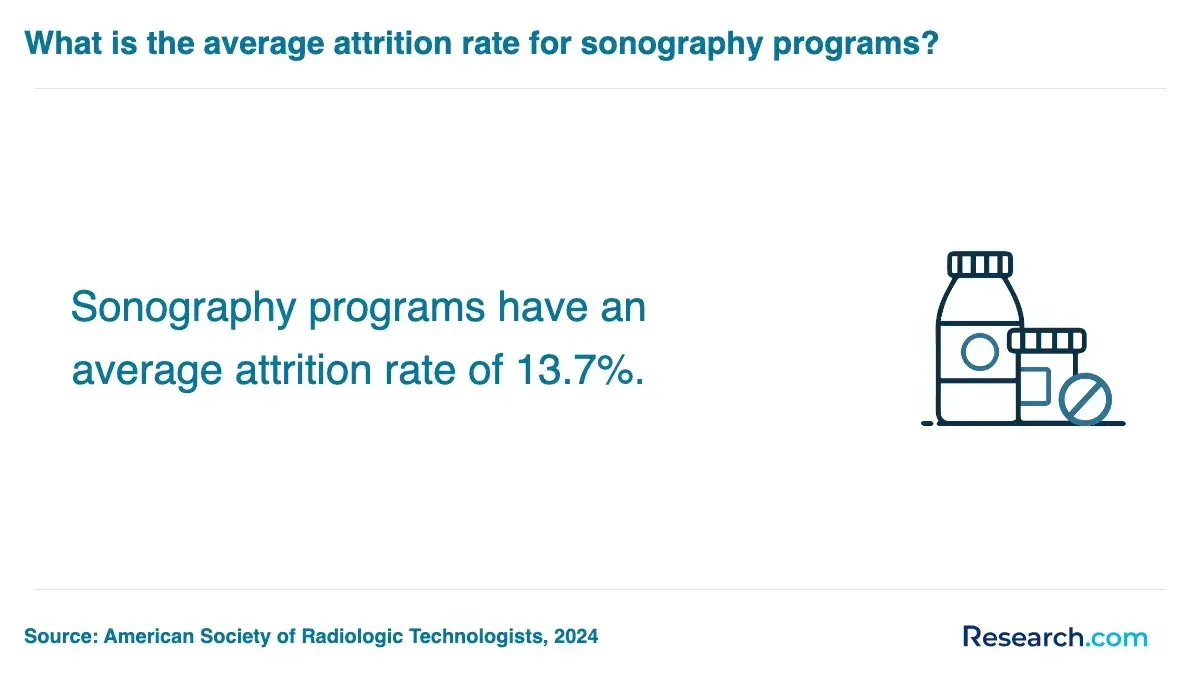
As shown below, sonography programs report an average attrition rate of 13.7%, highlighting the importance of persistence and support throughout this demanding stage.
How much does it cost to become an ultrasound technician in Tennessee?
Estimated tuition for sonography training varies widely by program type and credential level. Certificate programs generally cost $5,000 to $25,000, while associate degrees fall in the $6,000 to $40,000 range. If you're aiming for a bachelor’s degree, expect to pay $30,000 to $48,000 overall.
On a per‑year basis, costs usually land between $4,000 and $20,000, depending on where and how long you study. Those additional expenses—think textbooks, lab fees, uniforms, background checks, and ARDMS exam costs—can easily tack on several hundred to a few thousand extra dollars.
If you're exploring remote study options, searching for a list of best online sonography programs can uncover flexible and often more affordable paths—just double-check that they’re CAAHEP-accredited to ensure eligibility for ARDMS certification.
While training costs can be significant, the investment often pays off. The chart below shows how ultrasound technician salaries in Tennessee increase with higher education levels, highlighting the long-term financial benefits of pursuing advanced degrees alongside initial program expenses.
What is the average salary for ultrasound technicians in Tennessee?
Ultrasound technicians in Tennessee earn an average annual salary of around $50,350, which is noticeably lower than the national average exceeding $70,000. Hourly rates here run about 43% below the U.S. mean, revealing a unique pay landscape shaped by several key factors.
- Experience Level: Entry-level technicians start near $38,610, while seasoned sonographers with extensive experience can earn up to $80,666 annually.
- Education and Certifications: Holding advanced credentials like RDMS often leads to better pay, as employers prize specialized knowledge.
- Work Setting: Larger hospitals and outpatient centers typically offer higher wages than smaller physician offices.
- Geographic Location: Urban hubs such as Nashville and Memphis provide superior salaries compared to rural areas.
- Specialization: Expertise in OB/GYN, cardiovascular, or abdominal sonography usually commands a salary premium.
Salaries in Tennessee echo local healthcare demands and economic conditions, creating a diverse and dynamic compensation environment for ultrasound technicians.
What is the job outlook and demand for ultrasound technicians in Tennessee?
The employment outlook for ultrasound technicians in Tennessee shines brightly, with a projected growth rate of 10% through 2031—keeping pace with the nation’s fastest-growing healthcare careers. This rising wave opens a realm of opportunities for those eager to step into a field that combines cutting-edge technology and compassionate patient care.
- Population Growth and Aging: Tennessee’s expanding and aging population heightens the need for frequent imaging, especially for conditions linked to cardiovascular health and cancer screening.
- Healthcare Expansion: Fresh hospitals, clinics, and outpatient centers, especially in vibrant hubs like Nashville, are fueling demand for skilled ultrasound technicians.
- Technological Advancements: Breakthroughs in ultrasound tools unlock specialized imaging roles, inviting technicians to master sophisticated procedures and new equipment.
- Preventive Care Trends: A growing focus on early detection means ultrasounds are increasingly vital in routine exams and diagnostic processes.
- Regional Demand Variations: Opportunities cluster in urban areas such as Nashville, where technician numbers are higher, contrasting with sparse availability in rural parts of Tennessee.
Together, these forces craft a dynamic and reliable career trajectory for those entering ultrasound technology in Tennessee’s evolving healthcare landscape. One ultrasound technician from Tennessee, who graduated from a local program, shared her reflections when asked about job demand: "Coming out of school, I was surprised by how quickly opportunities emerged.
The hospitals here are expanding, and they really value technicians who can handle the newer, more complex machines. Early on, I faced challenges balancing learning these technologies with patient interaction, but it’s rewarding to see how much the role directly impacts patient outcomes. It feels like I’m part of something vital and growing every day."
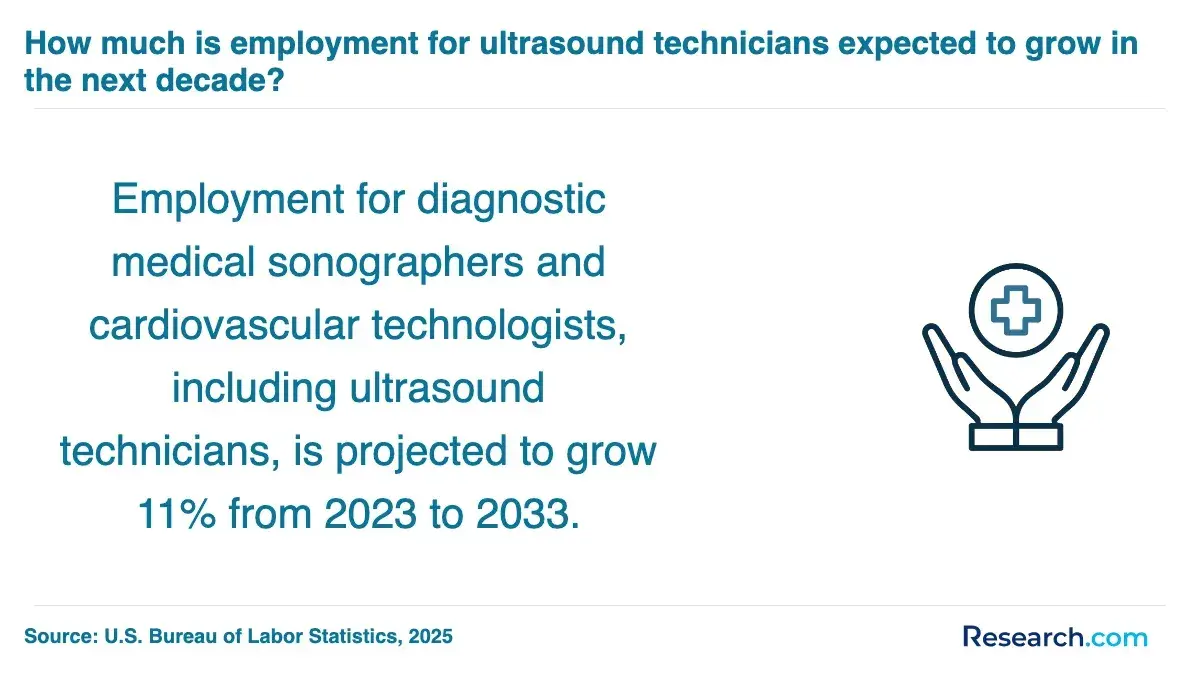
National data echoes this trend. As shown below, employment for diagnostic medical sonographers, including ultrasound technicians, is projected to grow 11% from 2023 to 2033, underscoring a strong and sustained demand for professionals entering Tennessee’s expanding healthcare workforce.
Which Professional Associations and Networks Can Boost Your Ultrasound Technician Career in Tennessee?
Ultrasound technicians can further enhance their careers by engaging with professional associations and specialized networking groups. These organizations offer access to mentorship programs, targeted continuing education, and industry-specific events that provide practical insights into best practices and emerging regulatory standards. Many associations also highlight opportunities to diversify skill sets by exploring crossover roles, such as exploring how to become a nurse midwife in Tennessee, which can refine interdisciplinary collaboration and leadership competencies.
What are the career advancement steps for ultrasound technicians in Tennessee?
Ultrasound technicians in Tennessee can explore various exciting paths to grow professionally, whether through specializing in specific sonography fields, gaining advanced certifications, or stepping into leadership roles. These opportunities create avenues for expanding skills and influence within healthcare environments. Pursuing continuous growth also strengthens chances for moving into management positions for sonographers in Tennessee.
- Specialization: Diving into focused areas like OB/GYN, vascular, or cardiac sonography helps technicians develop expert-level skills tailored to rising demands, especially as cardiovascular health needs grow in the state.
- Advanced Certifications: Obtaining credentials from organizations such as ARDMS, CCI, or ARRT sets sonographers apart, often serving as prerequisites for higher-level or specialized job roles.
- Higher Education: Earning a bachelor’s or master’s degree in fields related to medical imaging or healthcare management opens doors to broader career options, including administrative and advanced clinical positions.
- Leadership Roles: Seasoned sonographers can advance into supervisory or department management positions, guiding operations and teams to enhance patient care quality across Tennessee’s healthcare facilities.
- Education and Training: Teaching roles as program instructors or clinical trainers provide opportunities to shape future ultrasound professionals within the state's accredited programs and institutions.
- Research or Technology Development: Participation in research projects or collaboration with technology firms allows technicians to contribute to innovations that improve ultrasound equipment and clinical protocols.
Career advancement for ultrasound technicians in Tennessee not only elevates earning potential but also magnifies their capacity to influence patient care and healthcare progress. For those seeking flexible educational paths, exploring radiology programs can be a valuable step toward such professional growth.
What are the common challenges ultrasound technicians face in Tennessee?
Exploring the challenges for ultrasound technicians in Tennessee reveals a landscape where physical demands meet emotional resilience. Facing these hurdles head-on prepares sonographers for a lasting and rewarding career amid a rapidly evolving healthcare environment. Recognizing burnout among sonographers in Tennessee is key to fostering both personal wellbeing and professional success.
- Physical Strain and Ergonomics: Constant scanning and prolonged awkward postures often lead to musculoskeletal issues, requiring careful attention to ergonomic practices.
- Emotional Stress: Working closely with patients facing difficult diagnoses can create emotional pressures that add to job fatigue and burnout.
- Workload and Staffing Shortages: Limited sonographer numbers in Tennessee mean heavier caseloads and less downtime, especially in urban centers.
- Certification and Continuing Education Requirements: Balancing work while maintaining credentials involves ongoing learning and scheduling challenges.
- Technology Adaptation: Rapid advances in ultrasound equipment demand continual skill updates to stay proficient and competitive.
- Job Market Competition: Regional variations influence job availability and salaries, making strategic career moves essential.
By understanding these obstacles, ultrasound technicians can better navigate the profession’s demands and leverage resources like the ranking of most affordable associates degrees in radiology online to enhance their qualifications and resilience.
How Can Ultrasound Technicians Stay Updated with Emerging Diagnostic Technologies in Tennessee?
Remaining current in a rapidly evolving diagnostic field is essential for ultrasound technicians. In Tennessee, professionals benefit from engaging with continuing education courses, targeted workshops, and industry-specific conferences that focus on the latest imaging modalities and technological innovations. Many accredited training programs and local healthcare institutions provide regular sessions and hands-on experiences with advanced ultrasound equipment. Additionally, pursuing cross-disciplinary learning opportunities—such as exploring related fields—can enhance technical proficiency and career versatility. For further guidance on expanding professional expertise, review how to become a radiology technician in Tennessee.
What do ultrasound technicians in Tennessee say about their career?
- Completing my ultrasound technician program at Volunteer State Community College was truly the start of a fulfilling journey. The hands-on training combined with supportive instructors gave me the confidence I needed to step into a career at a local high school. It’s incredibly rewarding to watch young students grasp complex health concepts, and knowing I play a part in their well-being keeps me motivated every day. Tennessee’s strong health education focus creates unique opportunities to integrate community resources into learning, which has broadened my impact beyond the classroom. This path has not only shaped my career but also deepened my connection to the community. Alexis
- After graduating from Chattanooga State Community College’s ultrasound program, I began working as an ultrasound technician in a local school with a very diverse student population. The stability of healthcare jobs in Tennessee and the potential for further certifying myself encouraged me to advance my skills continually. I appreciate the professional growth opportunities available here and the chance to educate youth about medical technologies—a field that’s both fascinating and vital. My work feels meaningful, especially knowing that I contribute to healthier communities in an area with rich cultural traditions and evolving healthcare needs. Tanya
- Choosing to pursue my ultrasound technician training at Columbia State Community College was a decision I’ll never regret. Tennessee’s unique blend of rural and urban environments presents both challenges and enriching experiences in healthcare settings. Starting my career at a local school, I found a passion for mentoring students and providing hands-on learning tied closely to real-world applications. Watching students grow and knowing I’m helping to cultivate the next generation of healthcare professionals fills me with pride. This role has been a major catalyst for my personal growth and a testament to the meaningful impact education can have in our communities. Darryl
Related Articles for Nearby States
- 2027 How to Become an Ultrasound Technician in Kentucky
- 2027 How to Become an Ultrasound Technician in Mississippi
- 2027 How to Become an Ultrasound Technician in Alabama
- 2027 How to Become an Ultrasound Technician in Georgia
- 2027 How to Become an Ultrasound Technician in North Carolina
- 2027 How to Become an Ultrasound Technician in Missouri
- 2027 How to Become an Ultrasound Technician in Arkansas
- 2027 How to Become an Ultrasound Technician in Virginia
- 2027 How to Become an Ultrasound Technician in Indiana
- 2027 How to Become an Ultrasound Technician in South Carolina
References:
- Advantis Medical. Travel Ultrasound Tech Jobs in Tennessee Released Hourly.
- CareerExplorer. Diagnostic Medical Sonographer Salary in Tennessee.
- Casa Loma College. How to Become a Sonographer - Casa Loma College Nashville.
- Chattanooga State Community College. Sonography (Ultrasound / Diagnostic Medical) - Certificate.
- Healthcare Degree Search. Diagnostic Medical Sonographers in Tennessee.
- HealthJob. How to Become an Ultrasound Technician in Tennessee.
- Salary.com. Ultrasound Technologist II Salary in Tennessee (August 01, 2025).
- Talent.com. Ultrasound Technician Salary in Tennessee — Average Salary.
- Ultrasound Schools Info. Find Accredited Ultrasound Technician Schools in Tennessee.
- Volunteer State Community College. Diagnostic Medical Sonography.
Other Things You Should Know About How to Become an Ultrasound Technician in Tennessee
To work as an ultrasound technician in Tennessee, one must complete an accredited ultrasound program and pass a national certification exam, such as those offered by the American Registry for Diagnostic Medical Sonography (ARDMS). Certification ensures standardized skill levels and enhances job opportunities. --- **Question** What are the education requirements for becoming an ultrasound technician in Tennessee in 2027? **Answer** To become an ultrasound technician in Tennessee in 2027, you need to complete a program accredited by the Commission on Accreditation of Allied Health Education Programs (CAAHEP). These programs can be either associate or bachelor's degree programs in diagnostic medical sonography. --- **Question** Can you become an ultrasound technician in Tennessee with an online program? **Answer** While some coursework can be completed online, an accredited ultrasound technician program requires hands-on clinical training that cannot be completed fully online. Ensure that any online program you choose has proper accreditation and offers the necessary practical experience. --- **Question** What are the steps to becoming an ultrasound technician in Tennessee in 2027? **Answer** Steps include earning a degree from a CAAHEP-accredited program, completing clinical training, and obtaining certification through passing exams like ARDMS. Continuing education is essential for maintaining certification and staying updated with ultrasound technology.
Becoming an ultrasound technician in Tennessee through an online program is possible, but candidates must ensure the program is accredited and meets state requirements. While many theoretical courses can be completed online, clinical training is mandatory and must be completed in person to gain hands-on experience.
Graduates from accredited online programs will still need to obtain certification, typically through the American Registry for Diagnostic Medical Sonography (ARDMS), which is widely recognized in Tennessee. Overall, online programs can provide a flexible path to qualification, but in-person clinical experience and certification remain essential components for employment in the state.
To become an ultrasound technician in Tennessee in 2027, you need a high school diploma, complete an accredited ultrasound technician program, pass the ARDMS certification exam, and obtain a state license. Continuing education is essential to maintain certification and stay updated on the latest practices.


