
2027 How to Become an Electrician in Connecticut

Co-Founder and Chief Data Scientist
With over 7,570 individuals working in the field, Connecticut has built a solid workforce of licensed electricians who support the state’s infrastructure and energy systems. The demand for reliable, well-trained professionals continues as technology and safety standards evolve.
Working as an electrician in Connecticut means more than just wiring buildings. You could be maintaining critical systems, reading technical blueprints, or managing electrical upgrades on large-scale projects. The job requires both technical knowledge and problem-solving skills.
For individuals interested in skilled trades, pursuing an electrician career in Connecticut combines job security with opportunities for advancement in a well-regulated market.
Key Things to Know About Becoming an Electrician in Connecticut
- Aspiring journeypersons in Connecticut must complete a state-approved apprenticeship, combining 8,000 hours of on-the-job training with 720 hours of classroom instruction.
- The average annual salary for electricians in Connecticut is approximately $74,000, reflecting competitive wages compared to the national average.
- Connecticut's job outlook for electricians is positive, with steady demand driven by construction, maintenance, and renewable energy projects.
- Licensing requires passing the Connecticut journeyman electrician exam after apprenticeship, ensuring professionals meet state safety and technical standards.
- What education is required to become an electrician in Connecticut
- How do you get into an electrician apprenticeship program in Connecticut?
- How much do electricians make in Connecticut?
- What certifications do electricians need in Connecticut?
- How long does an electrician apprenticeship take in Connecticut?
- How much does electrician training cost in Connecticut?
- Are There Opportunities to Diversify Technical Expertise Beyond Electrical Work?
- What continuing education opportunities are available for electricians in Connecticut?
- How can business management skills enhance an electrician's career in Connecticut?
- What are the best resume and interview tips for electricians in Connecticut?
- How can cross-training in related fields benefit your electrician career in Connecticut?
- What license do you need to be an electrician in Connecticut?
- How often do you need to renew your electrician license in Connecticut
- What are the essential skills needed to be a successful electrician in Connecticut?
- What is the job outlook for electricians over the next 10 years in Connecticut?
What education is required to become an electrician in Connecticut
Becoming an electrician in Connecticut demands a strong blend of formal education and hands-on training. Most aspiring electricians begin their journey by enrolling in technical schools or community colleges that offer essential courses such as electrical theory, circuitry, safety protocols, and the National Electrical Code (NEC). Typical coursework often includes blueprint reading, electrical mathematics, and residential and commercial wiring. These foundational classes, usually lasting one to two years, are critical for preparing students for both apprenticeships and licensing exams.
Beyond classroom learning, apprenticeship programs are a vital component of the electrician’s path. Apprenticeships combine real-world electrical work with a specific number of hours of classroom instruction, ensuring that candidates develop not only practical skills but also a strong understanding of safety and code compliance. These programs are frequently sponsored by trade unions, contractors, or industry organizations, providing valuable mentorship and networking opportunities.
To improve exam success rates, candidates should leverage preparatory resources available throughout Connecticut. Regularly offered seminars and review classes focus on critical licensing exam content, including the NEC and local electrical codes. These sessions help sharpen problem-solving skills and test readiness. Additionally, study guides and practice exams designed specifically for Connecticut’s licensing requirements are excellent tools for mastering the material.
Among the top institutions supporting electrician education in Connecticut are the Connecticut Technical Education and Career System (CTECS), CT State Community College Gateway, and Lincoln Tech East Windsor. These schools offer comprehensive programs that integrate classroom study with strong apprenticeship connections, easing the transition into the workforce and enhancing licensure exam preparedness.
How do you get into an electrician apprenticeship program in Connecticut?
To begin how to apply for electrician apprenticeship in Connecticut, candidates typically turn to well-established organizations such as the International Brotherhood of Electrical Workers (IBEW) Local 90 and the Associated Builders and Contractors (ABC) Connecticut Chapter. These institutions provide structured programs blending classroom learning with hands-on experience. Applicants may also apply for apprenticeships through the State Department of Consumer Protection (DCP) where available programs are regularly posted.
Standard requirements usually include being at least 18 years old, holding a high school diploma or GED, and possessing a valid driver’s license. Additionally, applicants must be registered with the State Labor Department as an apprentice.
Apprenticeships are invaluable beyond technical knowledge. They provide a gateway to professional networking. Working closely with seasoned electricians and industry experts opens doors to mentorship and future job opportunities. Many apprentices benefit from additional resources, such as seminars and review classes offered by the Connecticut chapter of the National Electrical Contractors Association (NECA) and local community colleges, which reinforce classroom concepts and help prepare candidates for licensing exams.
Reflecting on a conversation with a Connecticut electrician who recently completed an apprenticeship, they shared how challenging the early months were balancing rigorous hours and mastering complex codes. However, the consistent guidance from mentors and access to targeted seminars made a significant difference.
They emphasized how the apprenticeship not only built their skills but also fostered a sense of community and professional confidence. The electrician noted that staying punctual, actively seeking feedback, and engaging in continuous learning were key strategies that helped them excel in the program and transition smoothly into a licensed career.
For those exploring career options in skilled trades, understanding the best jobs for trade school graduates can provide helpful context when choosing a path like electrical work. Electrician apprenticeships in Connecticut stand out as a solid path for those committed to growth and excellence in a vital industry.
How much do electricians make in Connecticut?
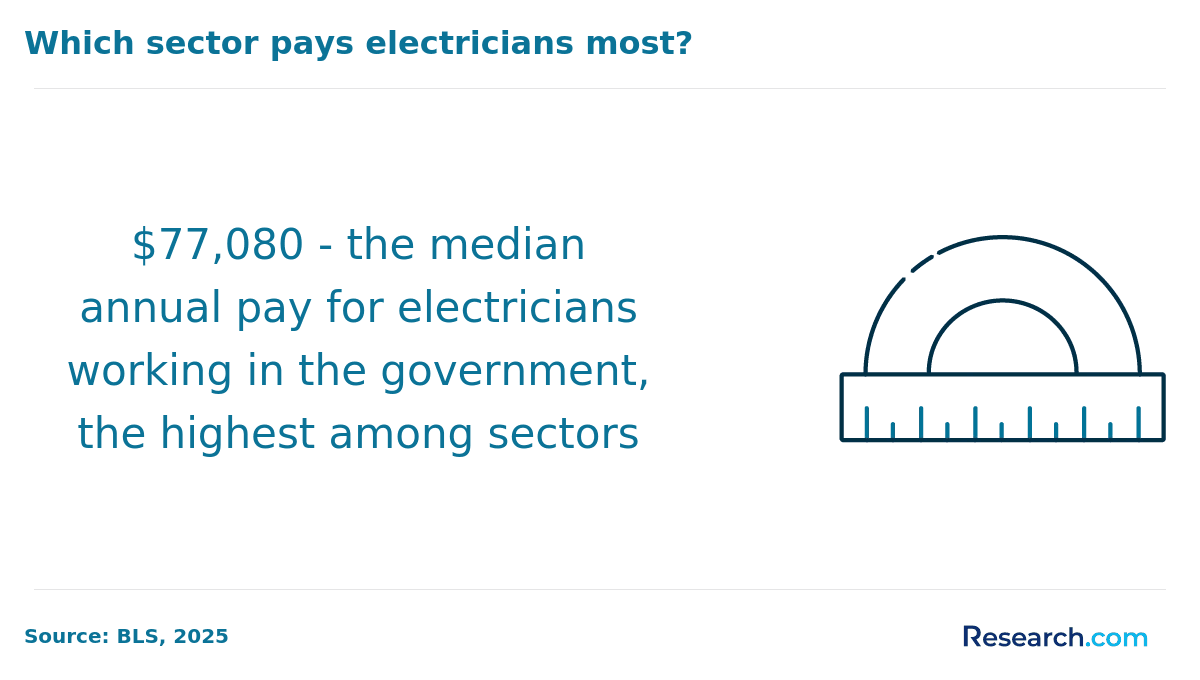
Electricians in Connecticut enjoy competitive salaries that reflect the state's strong demand for skilled tradespeople. Currently, the average annual salary is around $74,170, which breaks down to approximately $35.66 per hour. The usual range is from $46,810 to $99,340, based on data from the U.S. Bureau of Labor Statistics. In comparison, electrician helpers, which are usually apprentices, earn an average salary of $51,870, and the range is from $36,400 to $77,500.
Entry-level electricians usually start at around $45,000 to $52,000, depending on their location and experience. This initial wage offers a solid foundation for those entering the field, especially when combined with opportunities for certification and skill development.
Salary progression in Connecticut is steady, with journeyman electricians typically earning between $62,000 and $77,000 annually as they gain experience and specialized skills. Master electricians and those who take on supervisory roles can exceed $90,000 each year, reflecting the value placed on advanced expertise in the state’s expanding commercial and industrial sectors. The highest-paying locations are Bridgeport-Stamford-Danbury ($75,740), followed by New Haven ($74,700), and Hartford-West Hartford-East Hartford ($74,020).
From a conversation with an electrician from Connecticut, I learned that the journey involves more than just wages. This electrician shared how early years were marked by balancing apprenticeship hours with continuing education and practical on-the-job learning. They emphasized the importance of persistence, describing the challenges of adapting to evolving electrical codes and safety standards while managing personal commitments.
Despite these hurdles, the electrician reflected positively on the benefits, including stable income growth and a strong sense of professional pride. Their experience highlighted that beyond financial rewards, the career offers fulfillment through problem-solving and contributing to essential infrastructure.
With competitive wages and consistent job opportunities, electricians in Connecticut are well-positioned within the list of high demand trades. Understanding salary expectations can help students plan their education and career path with greater confidence.
What certifications do electricians need in Connecticut?
To meet the electrician certification requirements in Connecticut, aspiring electricians typically begin with an electrical apprenticeship. This foundational step combines hands-on work experience with classroom learning, regulated by the Connecticut Department of Labor and the Department of Consumer Protection to ensure alignment with state electrical codes. Completing an apprenticeship is critical for acquiring the practical skills and knowledge necessary to advance in this trade.
Following apprenticeship, the next key milestone is obtaining the journeyman electrician license. This credential requires passing a trade exam and a written business law exam. These open-book exams cover general electrical knowledge, equipment, fire detection, licensing, and environmental and safety procedures. Journeyman electricians must also complete continuing education units to maintain their license.
Electricians pursuing these certifications can explore a variety of trade careers beyond traditional roles, leveraging their skills for higher wages and greater job stability. Choosing programs that integrate current electrical code updates and licensing exam prep will streamline certification and support long-term success in Connecticut’s evolving electrical industry.
How long does an electrician apprenticeship take in Connecticut?
In Connecticut, an electrician apprenticeship typically spans between two to five years, aligning closely with national standards. This period usually involves completing around 2,000 to 8,000 hours of hands-on work, depending on the type of license. For instance, electrical journeypersons with unlimited work scopes typically need 8,000 hours of apprenticeship work and 720 classroom hours. Meanwhile, those working in low-voltage work only need 4,000 hours of apprenticeship and 360 hours of coursework. Electrical sign journeypersons have the shortest training time, with only 2,000 on-the-job and 144 coursework hours.
Other factors influence how long an apprenticeship takes. The sponsoring organization plays a key role. Union apprenticeships often have more structured timelines, while private or non-union programs can be more flexible. An apprentice’s prior experience or related skills may also shorten the duration, as well as the availability of consistent work hours to meet practical requirements. Understanding the Connecticut electrician licensing process can help apprentices plan accordingly.
To make the most of an apprenticeship and potentially speed up completion, aspiring electricians should choose reputable programs recognized by Connecticut’s Department of Labor or unions. Maintaining regular attendance and engagement in both on-the-job training and technical classes is essential.
Additionally, leveraging prior education or military experience can sometimes earn credit toward training hours. Networking within the industry and pursuing additional certifications may further enhance career prospects. For those curious about the difference between trade school and vocational program, exploring these options can provide useful context for selecting the best path forward.
This chart displays the highest educational attainment of electricians.
How much does electrician training cost in Connecticut?
The cost to become an electrician in Connecticut varies significantly based on the type of training pursued. Certificate programs at community colleges or technical schools typically range from $3,000 to $7,000 for a 6- to 12-month course, offering an affordable entry point. Associate degree programs, which provide a more comprehensive education over about two years, can cost between $8,000 and $15,000 in tuition and fees.
Meanwhile, apprenticeship programs differ from traditional schooling by combining paid on-the-job training with classroom instruction, often requiring a commitment of four to five years but with minimal upfront tuition expenses. Understanding these differences is crucial when assessing electrician training cost in Connecticut.
Several factors influence these expenses beyond tuition alone. Students must budget for textbooks, safety equipment, and specialized tools, which can add $500 to $1,500 depending on program requirements. These tools represent a necessary investment, essential for both training and future professional work.
Moreover, programs affiliated with unions or industry organizations may help reduce costs through subsidies or discounts, while private providers or specialized certifications might increase the overall price. The longer duration of associate degrees generally leads to higher costs but may offer a broader skill set.
Financial aid options are available to manage these expenses. Many technical schools and community colleges participate in federal and state financial aid programs, including Pell Grants and workforce development grants. Apprenticeship programs often pay trainees during their training, easing financial burdens. Some employers may also offer tuition reimbursement or sponsorship as part of apprenticeship agreements, making Connecticut electrician apprenticeship expenses more manageable for many candidates.
For those exploring training pathways, researching options on what are the best online vocational trade schools can provide additional insights and potentially more affordable or flexible alternatives tailored to individual needs.
Are There Opportunities to Diversify Technical Expertise Beyond Electrical Work?
Expanding expertise into adjacent trades can offer Connecticut electricians a competitive edge and greater career flexibility. Pursuing additional certifications through cross-training programs enriches skill sets and creates new professional avenues. For example, acquiring specialized training in HVAC systems not only broadens service offerings but also enhances marketability in sectors that increasingly value hybrid technical competencies. Exploring pathways such as how to become an HVAC technician in Connecticut enables electricians to diversify their technical proficiency while meeting evolving industry demands.
What continuing education opportunities are available for electricians in Connecticut?
Continuing education is critical for maintaining licensure and ensuring adherence to evolving electrical codes and industry standards. In Connecticut, licensed electricians are required to complete periodic coursework that covers the latest safety protocols, technological advancements, and regulatory updates. These programs are delivered through accredited institutions, trade associations, and specialized training centers. Staying current not only supports compliance but also enhances practical expertise and career longevity. Additionally, while exploring professional development, individuals may consider insights on how to become a mechanic in Connecticut to broaden their understanding of related technical fields.
How can business management skills enhance an electrician's career in Connecticut?
Electricians who complement their technical expertise with business acumen can access opportunities in project management, financial planning, and strategic marketing. Structured business education equips them to manage operations more efficiently and transition into supervisory or entrepreneurial roles. For instance, acquiring management skills through coursework available from the top business schools in Connecticut offers practical insights into areas such as client negotiation, budgeting, and business growth strategies.
What are the best resume and interview tips for electricians in Connecticut?
Develop a concise resume that emphasizes targeted electrical projects, documented apprenticeship hours, and key technical proficiencies. Highlight specialized competencies such as adherence to safety standards and effective problem-solving in complex environments. In interviews, articulate clear examples of overcoming technical challenges and adapting to evolving electrical codes while demonstrating collaboration and time-management skills. Prepare by reviewing practical case scenarios and safety protocols relevant to Connecticut’s regulated market. For insights into alternative technical careers, see how to become a radiology technician in Connecticut.
How can cross-training in related fields benefit your electrician career in Connecticut?
Expanding technical expertise through cross-training can open additional professional avenues and enhance career resilience. Electricians who acquire complementary skills increase their adaptability in a market that values interdisciplinary proficiency. For example, familiarizing oneself with biomedical equipment protocols and safety procedures can provide a strategic advantage when integrating new technologies into traditional electrical roles. In addition, pursuing alternative technical certifications can diversify skill sets and support career longevity. Consider exploring opportunities such as how to become an ultrasound technician in Connecticut as a means to broaden professional expertise without overlapping core electrical competencies.
What license do you need to be an electrician in Connecticut?
Connecticut offers a wide range of electrician licenses, each tailored to a specific type of electrical work. Consider the following main electrical licenses:
- E-1 Unlimited Electrical Contractor: This allows contractors to handle any type of electrical work permitted by law. Applicants need two years as an E-2 journeyperson or six years of comparable experience and training.
- E-2 Unlimited Electrical Journeyperson: This license lets individuals perform all electrical tasks while employed by an E-1 contractor.
- C-5 Limited Electrical Contractor: This license allows contractors to install and service low-voltage systems like security alarms, sound systems, and intercoms up to 48 volts or 8 amps. Applicants must have two years as a licensed journeyperson or six years of related experience.
- C-6 Limited Electrical Journeyperson: C-6 holders can work on the same low-voltage systems as C-5 licensees but only under a licensed contractor.
- L-5 Limited Electrical Contractor: L-5 contractors can install and maintain low-voltage systems like alarms and audio systems, but not telecom wiring, up to 25 volts and 5 amps. Applicants must have two years as a journeyperson.
- L-6 Limited Electrical Journeyperson: This license permits individuals to work on designated low-voltage systems under an L-5 contractor. Eligibility includes an apprenticeship or four years of related work and training.
There are also separate licenses for electrical signs, electrical lines, telephone lines, and solar and wind power systems contractors and electricians.
For those navigating this process, it’s wise to start gaining hands-on experience early by securing apprenticeships with licensed contractors. Thorough preparation for the licensing exam, focusing on both national and state-specific codes, is essential. Keeping detailed records of work hours and education credits will streamline renewals. Finally, staying engaged with the CT Electrical Board’s updates can prevent unexpected compliance issues.
How often do you need to renew your electrician license in Connecticut
In Connecticut, renewing an electrician license is a structured process governed by the Department of Consumer Protection (DCP), which ensures that practitioners remain qualified and compliant. Licenses must be renewed every year, a timeline that underscores the importance of staying current with industry standards and regulations.
The renewal process involves several critical steps that every electrician must follow carefully:
- Submit a renewal application to the Connecticut Department of Consumer Protection before the license expires.
- Pay the renewal fee, which varies depending on the type of license held.
- Complete at least four credit hours of approved continuing education (CE).
- Provide proof of completed CE courses when submitting the renewal application.
- Ensure that CE courses cover updates, such as the latest National Electrical Code (NEC) revisions, safety regulations, and state-specific electrical laws.
By understanding and respecting Connecticut’s specific renewal requirements and deadlines, electricians can secure uninterrupted licensure and position themselves for ongoing professional growth in a market that continues to expand steadily.
What are the essential skills needed to be a successful electrician in Connecticut?
Electricians in Connecticut require a combination of hard and soft skills to thrive in a competitive and evolving industry. Mastery of technical knowledge remains foundational, but equally important are interpersonal and problem-solving abilities that enhance practical performance and workplace relationships.
- Technical Proficiency: A deep understanding of electrical systems, wiring, and the National Electrical Code is essential. Local expertise, including Connecticut-specific building codes and safety regulations, ensures compliance and effective project execution.
- Technological Competence: Familiarity with modern diagnostic tools, system design software, and programmable logic controllers enables electricians to keep pace with technological advancements. Knowledge of smart home systems can also set professionals apart.
- Problem-Solving Skills: The ability to methodically identify and resolve complex electrical issues is critical. Strong analytical thinking promotes safety and efficiency on the job.
- Communication Skills: Clear and concise communication with clients, contractors, and team members fosters trust and smooth coordination. Translating technical jargon into understandable terms is a valuable skill.
- Physical Dexterity and Stamina: The role demands working in confined spaces, lifting equipment, and maintaining physical endurance. Physical fitness helps sustain performance and reduces injury risk.
- Attention to Detail: Precision in installation and repairs prevents costly mistakes and ensures system reliability and safety.
- Time Management: Effectively scheduling and prioritizing tasks is vital to meet deadlines, especially in Connecticut’s fast-paced construction industry.
Aspiring electricians can cultivate these skills through accredited apprenticeship programs and technical schools. Participating in workshops offered by professional organizations like the Independent Electrical Contractors of New England enhances both technical expertise and soft skills.
Additional learning opportunities exist at community colleges and through specialized online platforms focusing on electrical technology. Networking events and trade associations provide valuable exposure to industry trends and help develop communication and professional abilities.
By combining hands-on experience with continuous education and active professional engagement, prospective electricians position themselves for success in Connecticut’s growing electrical workforce.
This chart represents the industries with the highest electrical fatalities in the U.S.
What is the job outlook for electricians over the next 10 years in Connecticut?
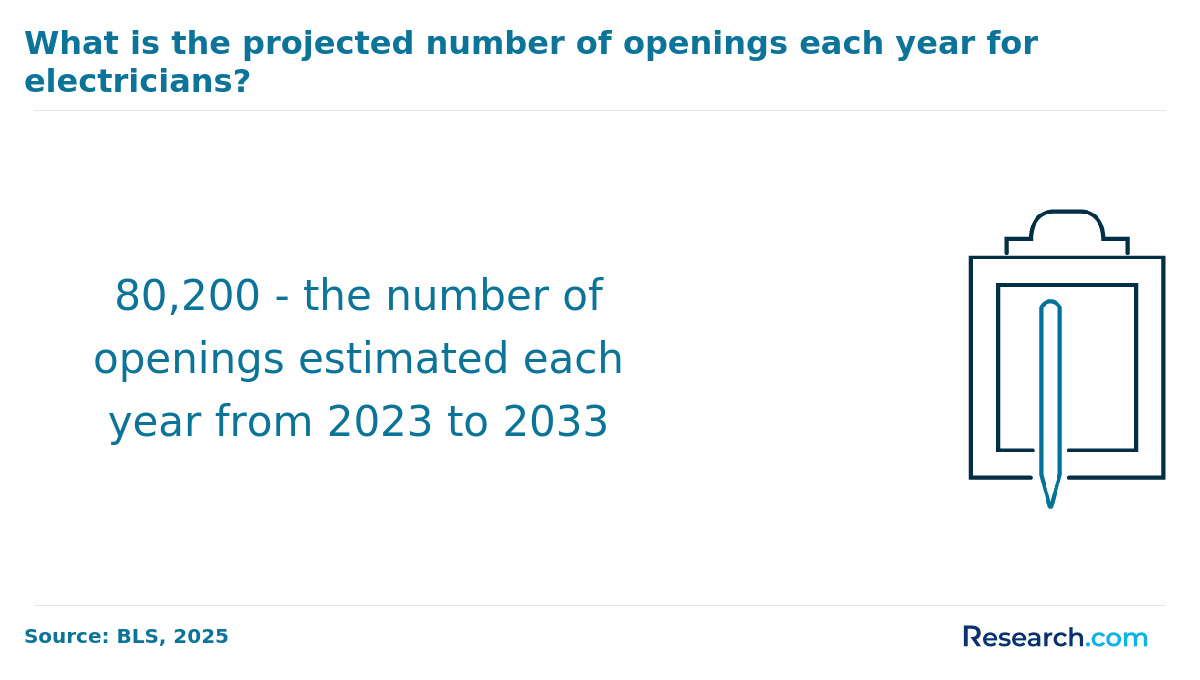
The job outlook for electricians in Connecticut remains encouraging over the next decade, with the State Department of Labor projecting a growth rate of about 13.6% through 2032. This produces around 842 total openings throughout the decade. Moreover, this rate slightly surpasses the national average (10.8%) and reflects ongoing investments in construction, infrastructure upgrades, and renewable energy adoption.
Connecticut’s urban centers—Hartford, Stamford, and New Haven—are key employment hubs for electricians. Hartford leads due to its concentration of public infrastructure projects and healthcare facilities, providing consistent work in public and institutional sectors. Stamford’s growing tech industry and corporate headquarters generate demand for commercial electrical expertise, while New Haven benefits from university expansions and healthcare facility developments. These cities offer a diverse range of projects, allowing electricians to gain valuable experience across multiple industries.
Emerging trends are reshaping the electrician profession in Connecticut. The growing focus on energy efficiency, solar energy installations, and electric vehicle infrastructure expands the traditional scope of electrical work. This shift not only diversifies career opportunities but also aligns electricians with the state’s clean energy goals, promoting long-term career sustainability. For those entering the workforce, investing in related certifications and training will be crucial to tapping into these evolving markets and maintaining a competitive edge.
What Electricians in Connecticut Say About Their Careers
- "Completing my apprenticeship was a game changer. The hands-on experience combined with classroom learning at CT State Community College - Gateway prepared me thoroughly for the realities of the job. I love that I get to contribute to the safety and well-being of my community by ensuring homes and businesses have reliable electrical systems. It’s a rewarding career that challenges me every day and keeps me engaged. The stability and growth opportunities here in Connecticut make me proud to be an electrician." - Jasper
- "Attending the University of New Haven’s electrical engineering program gave me a strong foundation, but it was working in Connecticut’s diverse environments that really shaped my skills. From coastal towns to urban centers, every job presents unique challenges that keep me on my toes. I’ve grown not only professionally but personally, gaining a deep appreciation for how our work impacts the community’s quality of life. Helping to modernize infrastructure while preserving local heritage is incredibly fulfilling." - Raine
- "Starting out at CT State Community College - Tunxis, I never anticipated the range of career advancement options available as an electrician in Connecticut. The state’s focus on renewable energy and smart technologies opens doors I didn’t know existed. I enjoy the professionalism of the trade and the continuous learning involved. It’s not just a job but a long-term career path. Being part of a skilled workforce that adapts to cutting-edge solutions makes me excited for what’s next." - TJ
Related Articles for Nearby States
- 2027 How to Become an Electrician in New York
- 2027 How to Become an Electrician in Rhode Island
- 2027 How to Become an Electrician in Massachusetts
- 2027 How to Become an Electrician in New Jersey
- 2027 How to Become an Electrician in Pennsylvania
- 2027 How to Become an Electrician in Vermont
- 2027 How to Become an Electrician in New Hampshire
- 2027 How to Become an Electrician in Delaware
- 2027 How to Become an Electricician in Maryland
- 2027 How to Become an Electrician in Maine
References:
- Connecticut Department of Consumer Protection. (n.d.). Electrical License. Retrieved May 19, 2025, from https://portal.ct.gov/dcp/license-services-division/all-license-applications/electrical-license?language=en_US
- Connecticut Department of Labor. (2022). State of Connecticut Occupational Projections: 2022-2032. Retrieved May 19, 2025, from https://www1.ctdol.state.ct.us/lmi/projections2022.asp#construct
- Majano, D. (2025, March 23). Workplace Injury & Fatality Statistics. Electrical Safety Foundation International. https://www.esfi.org/workplace-safety/workplace-injury-fatality-statistics
- U.S. Bureau of Labor Statistics. (2025, May 15). Occupational Employment and Wage Statistics - Connecticut, May 2024. Occupational Employment and Wage Statistics Query System. Retrieved May 19, 2025, from https://data.bls.gov/oes/#/area/0900000
Other Things You Should Know About Becoming an Electrician in Connecticut
In Connecticut, aspiring electricians can often receive paid training through apprenticeship programs. These programs usually partner with trade unions or contractors, enabling apprentices to earn a salary while gaining hands-on experience and completing required technical education.
To become an electrician in Connecticut in 2027, start by obtaining a high school diploma or GED. Then, enroll in an apprenticeship program that combines classroom instruction with on-the-job training. Finally, pass the state licensing exam to become a licensed electrician.
Aspiring electricians in Connecticut can enroll in associate degree programs or certificate courses at community colleges such as Gateway Community College and Lincoln Tech. These programs typically include classroom instruction and hands-on training, covering essential topics like Electrical Code and residential wiring techniques.


