
2027 How to Become an HVAC Tech in Connecticut

Co-Founder and Chief Data Scientist
Becoming an HVAC technician in Connecticut offers a rewarding path combining skilled labor with steady demand. This career not only provides a practical skill set but also ensures opportunities in a state experiencing consistent growth in the construction and maintenance sectors.
Connecticut’s climate, with its distinct seasons, creates a year-round need for heating, ventilation, and air conditioning expertise. Additionally, the state’s commitment to energy efficiency and green building practices elevates the importance of knowledgeable HVAC professionals. For those considering this field, understanding the local market and certification requirements is essential. This article aims to guide readers with clear, experience-based insights tailored to Connecticut’s unique landscape.
Key Points About Becoming an HVAC Tech in Connecticut
- Connecticut’s HVAC job market shows steady growth due to increasing demand for energy-efficient systems and regular maintenance in residential and commercial buildings.
- The average salary for HVAC technicians in Connecticut is approximately $55,000 annually, reflecting competitive wages in New England.
- Connecticut offers strong apprenticeship programs and certification pathways, making it an ideal state to gain practical skills and establish a rewarding HVAC career.
- What are the educational requirements to become an HVAC Tech in Connecticut?
- Which schools in Connecticut offer HVAC programs?
- What skills do you need to become an HVAC Tech in Connecticut?
- What are the requirements for HVAC licensure in Connecticut?
- What is the licensing process for HVAC technicians in Connecticut?
- How long does it take to become an HVAC tech in Connecticut?
- How can HVAC technicians advance their careers in Connecticut?
- Can HVAC technicians start their own business in Connecticut?
- Can business education enhance an HVAC technician's career prospects?
- How are emerging technologies reshaping Connecticut's HVAC industry?
- What additional cross-training opportunities can benefit HVAC technicians in Connecticut?
- Will an HVAC license from Connecticut allow you to work in other states?
- How much do Connecticut HVAC technicians earn?
- Is there a demand for HVAC technicians in Connecticut?
- Is Connecticut a good place to work as an HVAC tech?
- What HVAC Technicians in Connecticut Say About Their Careers
What are the educational requirements to become an HVAC Tech in Connecticut?
The journey begins with meeting basic academic standards, which lay the groundwork for all subsequent training and professional growth. Following this, formal instruction and hands-on learning are key components to mastering the technical skills necessary for the trade. Connecticut's approach emphasizes thorough preparation through recognized programs and apprenticeships, reflecting its commitment to quality in HVAC education.
Here's our list of what you should prepare to enter the workforce:
- Minimum academic credential: high school diploma or GED – This establishes essential skills in math, science, and communication, which are critical for understanding HVAC systems.
- Completion of an accredited HVAC training program – Often provided by community colleges or technical schools, these programs cover core subjects such as electrical systems, refrigeration, and heating technologies, aligning with both state and industry standards.
- Mandatory apprenticeship for hands-on experience – Connecticut requires a supervised apprenticeship lasting two to five years, allowing technicians to apply classroom knowledge in real-world environments under licensed professionals’ guidance, enhancing problem-solving and safety skills.
Which schools in Connecticut offer HVAC programs?
Several reputable institutions in Connecticut offer tailored programs that combine theory with practical skills, aligning with the evolving demands of the industry. Exploring Connecticut HVAC training schools reveals options suited for a range of career goals and learning preferences.
- Connecticut Technical Education and Career System (CTECS): With multiple campuses statewide, CTECS delivers hands-on training covering refrigeration, electrical systems, heating technologies, and air conditioning repair. The curriculum prepares students for EPA certification and adheres to industry standards, with tuition typically affordable for in-state learners.
- Tunxis Community College: This program focuses on system design, installation, maintenance, and troubleshooting of HVAC systems. Students benefit from modern labs and internship opportunities, enhancing practical experience. Tuition rates for in-district students remain competitive, making it an accessible choice for many.
- Manchester Community College: Offering an HVAC certificate program, Manchester emphasizes energy-efficient technologies and environmental compliance. This focus addresses Connecticut’s push toward greener standards and sustainability in the HVAC field.
This list of the best HVAC programs in Connecticut reflects the state’s commitment to developing skilled technicians who meet current and future industry needs. For those considering a career in this trade, understanding the options available is key to making an informed decision. Additionally, we suggest exploring the landscape of trade school jobs, which can provide valuable insight into the career prospects that follow completion of these programs.
What skills do you need to become an HVAC Tech in Connecticut?
Future HVAC technicians in Connecticut should develop a diverse set of skills to navigate the challenges posed by the region’s varying climate and strict regulations. Success in this field depends on both technical expertise and a thorough understanding of local standards.
Here's our summary of the key HVAC tech abilities:
- Electrical System Knowledge: A solid grasp of wiring, circuit breakers, and control mechanisms is essential, as modern HVAC units rely heavily on electrical components for operation.
- Refrigeration Fundamentals: Understanding how cooling systems work and managing refrigerants properly, in compliance with EPA regulations, is crucial for safe and efficient service.
- Blueprint and Diagram Interpretation: The capacity to read and analyze technical drawings ensures accurate installation and troubleshooting of complex HVAC setups.
- Diagnostic Proficiency: Familiarity with specialized tools and software helps technicians quickly identify and resolve system issues, minimizing downtime.
- Compliance with Connecticut Codes: Awareness of state-specific licensing requirements and safety standards guarantees that all work meets legal and environmental guidelines.
Building employment contractors have the highest number of HVAC techs.
What are the requirements for HVAC licensure in Connecticut?
HVAC technicians in Connecticut must fulfill several key requirements to obtain licensure, ensuring they possess the necessary skills and integrity to serve the public effectively. These prerequisites reflect the state’s emphasis on practical experience and rigorous evaluation, which together uphold high industry standards.
- Experience: A minimum of four years of documented HVAC work experience is required, emphasizing hands-on proficiency rather than solely formal education.
- Licensing Exam: Candidates must pass a comprehensive state-administered exam that covers heating, ventilation, air conditioning systems, relevant codes, and safety regulations, reflecting Connecticut’s thorough certification process.
- Background Check: A criminal background check is mandatory to ensure professional integrity and public safety within the trade.
Compared to other states, we discovered that Connecticut’s HVAC license requirements are notably stringent, particularly in its insistence on practical experience and a demanding exam. This approach ensures that licensed technicians are well-prepared to handle real-world challenges. For those exploring a career path in this field, understanding these elements is crucial. The Connecticut HVAC technician certification process underscores a commitment to quality and responsibility, making it a respected credential in the trade.
Prospective technicians should also consider exploring related trades careers to broaden their skill set and opportunities. Such awareness can provide a more comprehensive view of the professional landscape and potential pathways within the skilled trades.
What is the licensing process for HVAC technicians in Connecticut?
Candidates in Connecticut should carefully navigate the state-mandated steps designed to ensure competence and safety. The state’s Department of Consumer Protection oversees this process, which balances theoretical knowledge with practical skills.
- Application Submission: Begin by choosing the appropriate license type—contractor or technician—and submit a completed application along with the required fees to the licensing board.
- State Examination: Candidates must pass a comprehensive exam covering HVAC systems, local regulations, and safety standards, which verifies their technical and legal understanding.
- Verified Work Experience: Practical proficiency is demonstrated through documented work hours supervised by a licensed professional, reinforcing the technician’s readiness for on-the-job challenges.
- Liability Insurance Proof: Connecticut law mandates proof of liability insurance, safeguarding both the technician and clients.
- Continuing Education: To maintain licensure, ongoing education is required, ensuring technicians stay current with evolving codes and technologies.
- Compliance with Regulations: Licensed technicians must consistently adhere to state codes and professional standards in their daily work.
Reflecting on this process, an HVAC technician from Connecticut shared with us her journey: “The exam was daunting at first, but it really made me focus on understanding the state’s specific codes rather than just general HVAC knowledge. The biggest challenge was accumulating enough supervised hours, especially balancing work and study.” She emphasized that securing liability insurance felt like a critical milestone, giving her confidence in her professional role. “Continuing education isn’t just a requirement—it’s been a way to stay sharp and adapt to new technology,” she explained. Her story highlights how licensing in Connecticut is more than a formality; it’s a transformative path that builds both skill and professionalism over time.
How long does it take to become an HVAC tech in Connecticut?
Embarking on the path to become an HVAC technician in Connecticut requires dedication and a clear understanding of the necessary steps. Knowing the time to become HVAC technician Connecticut helps set realistic expectations for aspiring professionals.
- 6–12 months of formal HVAC education: Completing a technical school or community college program provides foundational knowledge in heating, ventilation, air conditioning systems, refrigeration, and safety practices.
- Approximately 2,000 hours (1 year) of apprenticeship or internship: Practical experience under a licensed professional is essential for developing hands-on skills and troubleshooting abilities in real-world HVAC scenarios.
- Additional months for licensure exam preparation and testing: Connecticut requires passing a state licensing exam that assesses proficiency in local codes and regulations; this preparation can vary depending on individual readiness.
The entire process of Connecticut HVAC tech training duration typically spans about 2 to 3 years from start to finish. For those seeking to enhance their credentials or explore alternative pathways, we advise pursuing online certifications that can be a valuable complement to traditional training, offering flexibility and increased job prospects in the field.
How can HVAC technicians advance their careers in Connecticut?
HVAC professionals can enhance their career prospects by investing in continuous training and pursuing advanced certifications. Specialized courses in emerging HVAC technologies and management practices help technicians stay up-to-date with industry innovations. Additionally, diversifying skills by exploring complementary trades—such as obtaining a how to get electrician license in Connecticut certification—can open new avenues for career advancement. Engaging in professional organizations and attending industry workshops further supports technical growth and networking, positioning HVAC technicians for leadership and specialized roles within Connecticut’s competitive market.
Can HVAC technicians start their own business in Connecticut?
Many experienced HVAC technicians consider entrepreneurship as a viable career progression to capitalize on their field expertise. Establishing an independent business in Connecticut requires a clear understanding of local permitting requirements, effective business planning, and adherence to state-specific regulations. Successful technicians transitioning into business ownership often benefit from developing strong client relationships, implementing robust marketing strategies, and exploring complementary skill sets – for instance, reviewing how to become a mechanic in Connecticut can provide additional technical insight. Strategic planning and maintaining operational excellence are essential for overcoming challenges associated with competitive markets and regulatory compliance.
Can business education enhance an HVAC technician's career prospects?
HVAC professionals aiming to transition into managerial roles or launch their own ventures benefit significantly from complementary business education. Tailored training in financial management, marketing, and strategic planning enables technicians to navigate the operational and regulatory challenges of entrepreneurship in a competitive market. For those interested in augmenting their technical expertise with business acumen, targeted coursework available through the best business schools in Connecticut offers relevant insights that align with the demands of running a successful HVAC operation.
How are emerging technologies reshaping Connecticut's HVAC industry?
Recent technological advancements are creating a paradigm shift in the HVAC trade across Connecticut. Modern systems increasingly integrate digital controls, IoT sensors, and smart diagnostics to enhance operational efficiency and energy conservation. This evolution not only drives demand for technicians who are adept at handling sophisticated equipment but also necessitates continuous adaptation through specialized training and certifications. Professionals who stay informed about these innovations can leverage enhanced data analytics for precise maintenance and better system performance, ultimately positioning themselves favorably in a competitive market. For insight into structured technical training approaches across disciplines, consider reviewing Connecticut education requirements for radiologic technologist.
What additional cross-training opportunities can benefit HVAC technicians in Connecticut?
Exploring complementary certifications and specialized training can broaden your technical repertoire and improve career flexibility. Targeted programs, modular courses, and hands-on workshops in related technical fields are designed to keep pace with evolving market demands. For example, professionals seeking to diversify their skills may consider exploring opportunities in medical imaging, such as how to become an ultrasound technician in Connecticut, to gain insights on advanced technological applications and innovative industry practices.
Will an HVAC license from Connecticut allow you to work in other states?
Securing an HVAC license in Connecticut marks an important milestone, yet it’s important to recognize that this credential is tailored specifically to Connecticut’s regulatory environment and does not automatically enable work in other states. Because formal reciprocity agreements between Connecticut and other states are generally absent, HVAC professionals looking to expand their practice beyond state lines must navigate each jurisdiction’s unique licensing demands. Typically, this involves:
- Investigating the licensing prerequisites of the destination state, as these can differ substantially.
- Undertaking any required supplementary training or passing state-specific exams.
- Submitting a comprehensive application accompanied by documentation of relevant experience and education per the new state’s standards.
- Keeping certifications current, particularly those like the EPA Section 608, which enjoys broad acceptance nationally.
We believe that approaching this process with thorough research and strategic planning is crucial for HVAC technicians who aspire to enhance their career flexibility and work across multiple states.
How much do Connecticut HVAC technicians earn?
We found that HVAC technicians in Connecticut enjoy a competitive electrician salary that mirrors the expertise required and the local demand for skilled climate control professionals. Typically, earnings range from about $55,000 to $65,000 per year, though this varies widely based on experience and specialty areas.
Those just starting in the field typically earn near the lower boundary while building essential practical skills. With time, experience, and additional certifications, technicians can see their income rise. Specialists in fields such as commercial refrigeration or sophisticated heating technologies often receive higher pay due to the advanced nature of their work.
For individuals considering a career as an HVAC technician in Connecticut, it is important to recognize:
- The benefits of apprenticeships and hands-on learning in enhancing salary prospects.
- How obtaining certifications in specialized HVAC sectors can lead to improved compensation.
- The necessity of ongoing education to remain current with rapidly advancing HVAC systems and technologies.
Those who dedicate themselves to developing their skills in this trade can find a financially stable and fulfilling career path within Connecticut’s HVAC industry.
Other jobs related to HVAC also generate high salaries.
Is there a demand for HVAC technicians in Connecticut?
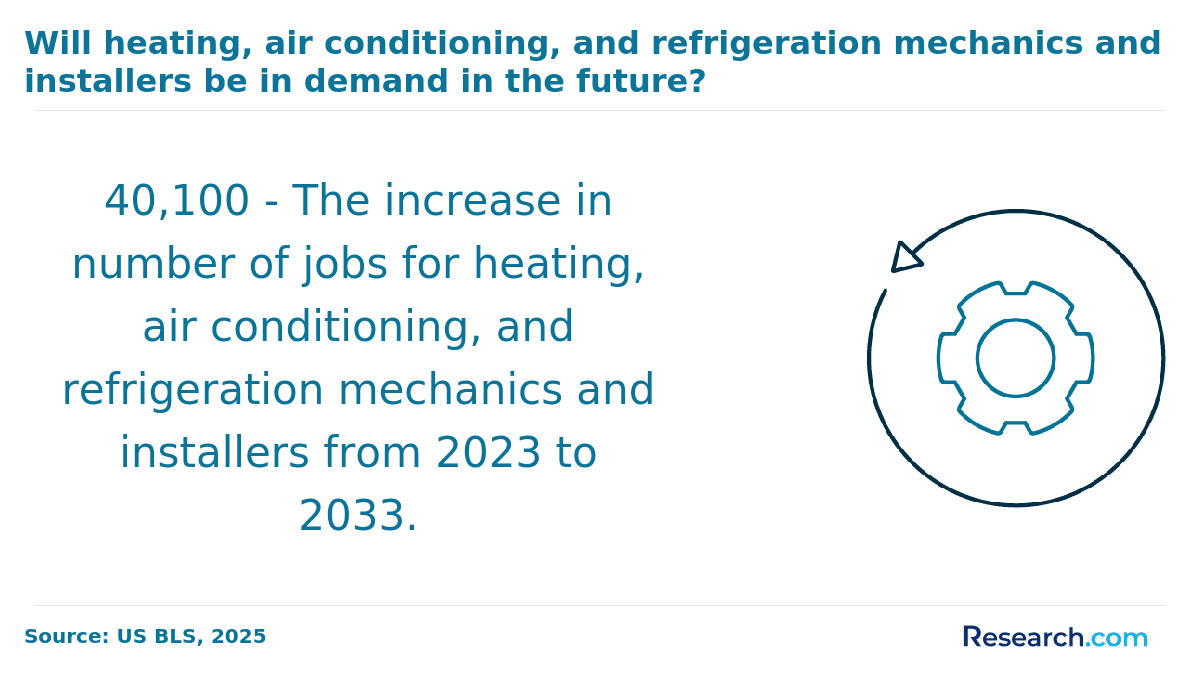
The demand for HVAC technicians in Connecticut remains steady, driven by new construction, renovation projects, and a growing focus on energy-efficient systems. According to labor statistics we gathered, the job growth rate for HVAC technicians in the state is projected to be around 5% over the next decade, closely matching the national average. This moderate growth reflects ongoing maintenance needs and the increasing adoption of advanced HVAC technologies, highlighting the evolving nature of the Connecticut HVAC job market.
Job opportunities vary by specialization, with strong demand for technicians skilled in environmentally friendly and smart HVAC systems. Residential HVAC specialists typically find consistent work, while those focusing on commercial and industrial systems may face fluctuating demand influenced by economic conditions. For those entering the field, gaining experience across multiple HVAC areas can improve employability in Connecticut’s diverse market. Additionally, exploring certificate programs that pay well can provide a practical pathway to entering this stable industry.
Understanding the dynamics of HVAC technician job demand Connecticut is essential for anyone considering this career path, as well as for professionals seeking to adapt to changing market conditions and technologies.
Is Connecticut a good place to work as an HVAC tech?
Choosing to pursue a career as an HVAC technician in Connecticut involves weighing several factors unique to the state’s economic and environmental landscape. The region’s higher living costs are offset by wages that align with these expenses, presenting a balanced financial outlook for professionals in this field. Understanding the local market dynamics can help aspiring HVAC techs make informed decisions about their career path.
Our findings suggest that the climate diversity in Connecticut ensures a constant need for heating and cooling services year-round, supporting sustained job availability. Moreover, the state’s strong commitment to energy conservation and eco-friendly construction methods is fostering new opportunities in specialized HVAC areas, particularly in green technologies.
Becoming an HVAC technician here requires more than basic skills; formal education, apprenticeships, and obtaining state licenses are essential steps. While this process is demanding, it ultimately enhances a technician’s qualifications and marketability, reflecting the state’s dedication to maintaining high professional standards.
- Financial viability: Despite elevated living expenses, HVAC salaries in Connecticut are competitive and generally reflect the cost of living, making it a financially sound career choice.
- Consistent demand: The state’s variable weather patterns create ongoing requirements for HVAC maintenance and installation, ensuring steady employment prospects.
- Focus on sustainability: Connecticut’s push for energy-efficient buildings expands roles in advanced HVAC systems, offering growth potential in emerging green technology sectors.
- Certification rigor: Strict licensing and apprenticeship requirements promote a skilled workforce, providing technicians with a credible professional edge.
What HVAC Technicians in Connecticut Say About Their Careers
- “Working as an HVAC technician in Connecticut has given me incredible job stability. The demand for skilled technicians here is consistently high, and the average salary is competitive, which really motivates me to keep advancing my skills.” – Barry
- “The unique climate challenges in Connecticut mean I get to work on a wide range of systems, from heating to cooling and even energy-efficient upgrades. It keeps every day interesting and pushes me to stay on top of the latest tech trends.” – Ben
- “Connecticut offers excellent professional development programs for HVAC technicians, including apprenticeships and certifications that have helped me grow my career. The support from local trade schools and unions has been invaluable in my journey.” – David
Related Articles for Nearby States
- 2027 How to Become an HVAC Tech in New York
- 2027 How to Become an HVAC Tech in Rhode Island
- 2027 How to Become an HVAC Tech in Massachusetts
- 2027 How to Become an HVAC Tech in New Jersey
- 2027 How to Become an HVAC Tech in Pennsylvania
- 2027 How to Become an HVAC Tech in Vermont
- 2027 How to Become an HVAC Tech in New Hampshire
- 2027 How to Become an HVAC Tech in Delaware
- 2027 How to Become an HVAC Tech in Maryland
- 2027 How to Become an HVAC Tech in Maine
References:
- CareerExplorer. HVAC technician salary in Connecticut. CareerExplorer.
- Connecticut Technical Education and Career System (CTECS). Heating, Ventilation and Air Conditioning (HVAC).CTECS
- CT Gov. Equivalent Experience and Training. CT Gov.
- InterCoast Colleges. 7 Reasons Why Becoming an HVAC Technician Is a Promising Career Choice. InterCoast Colleges.
- Lincoln Tech. HVAC School in Connecticut at Lincoln Tech. Lincoln Tech.
Other Things You Should Know About Becoming an HVAC Tech in Connecticut
In Connecticut, licensed HVAC technicians must complete four hours of approved continuing education annually to renew their license. This ensures they stay updated with the latest industry standards and practices as overseen by the Connecticut Department of Consumer Protection.
To become an HVAC tech in Connecticut in 2027, you need to complete a technical training program or apprenticeship accredited by the Connecticut State Board of Heating, Piping, Cooling, and Sheet Metal Work Examining Board. Afterward, you must pass the licensing exam to become a licensed technician.


