
2027 How to Become an HVAC Tech in Wisconsin

Co-Founder and Chief Data Scientist
Becoming an HVAC technician in Wisconsin offers a stable and rewarding career path due to the state's diverse climate and growing demand for heating and cooling services. Wisconsin’s cold winters and warm summers create consistent work opportunities for skilled technicians who install, maintain, and repair HVAC systems. Additionally, the state’s focus on energy efficiency and evolving building codes increases the need for knowledgeable professionals.
This article provides a clear, step-by-step guide to entering the field, including education, certification, and apprenticeship options. By following this practical advice, readers can better navigate the pathway to a successful HVAC career in Wisconsin’s job market.
Key Points About Becoming an HVAC Tech in Wisconsin
- Complete a technical training program or apprenticeship approved in Wisconsin to meet state licensing requirements for HVAC technicians.
- Wisconsin’s HVAC job market is steady, with growth driven by demand for energy-efficient heating and cooling systems.
- The average HVAC technician salary in Wisconsin is around $52,000 annually, making it a practical career choice with room for advancement.
- What are the educational requirements to become an HVAC Tech in Wisconsin?
- Which schools in Wisconsin offer HVAC programs?
- What skills do you need to become an HVAC Tech in Wisconsin?
- What are the requirements for HVAC licensure in Wisconsin?
- What is the licensing process for HVAC technicians in Wisconsin?
- How long does it take to become an HVAC tech in Wisconsin?
- What are the best paths for continuing education in Wisconsin's HVAC industry?
- Can Expanding Skills to Related Trades Enhance Your HVAC Career in Wisconsin?
- Can HVAC Technicians Successfully Transition to Business Ownership in Wisconsin?
- What Are the Professional Development and Career Advancement Opportunities for HVAC Technicians in Wisconsin?
- What alternative technical careers can HVAC technicians pursue in Wisconsin?
- Will an HVAC license from Wisconsin allow you to work in other states?
- How much do Wisconsin HVAC technicians earn?
- Is there a demand for HVAC technicians in Wisconsin?
- Is Wisconsin a good place to work as an HVAC tech?
What are the educational requirements to become an HVAC Tech in Wisconsin?
Becoming an HVAC technician in Wisconsin involves meeting basic educational standards and gaining practical experience to ensure job readiness. The process typically starts with foundational education and progresses through specialized training and apprenticeships.
Here are the key educational requirements for HVAC training programs in Wisconsin:
- High school diploma or GED: This is the minimum educational credential needed before enrolling in any formal HVAC program.
- Enrollment in an accredited HVAC training program: Candidates should choose reputable technical colleges or trade schools that cover heating, ventilation, air conditioning systems, electrical concepts, and safety protocols.
- Apprenticeship with a licensed HVAC contractor: Hands-on experience gained through registered apprenticeships, which combine paid on-the-job training with classroom instruction, typically lasting three to five years, is highly encouraged.
- EPA Section 608 certification: Required federally for handling refrigerants, this certification is an important credential to obtain during or after training.
Wisconsin does not have strict statewide mandates requiring completion of a specific HVAC certification program before working. However, many employers prefer applicants who have completed at least a one-year technical program or an associate degree in HVAC technology. This approach aligns with Wisconsin HVAC technician education requirements that emphasize both formal instruction and practical experience.
For those weighing options between formal certification and apprenticeship pathways, understanding the benefits of each can be helpful. More detailed information can be found by exploring discussions like "HVAC certification vs. apprenticeship: which is better"?
Which schools in Wisconsin offer HVAC programs?
For those exploring the best HVAC schools in Wisconsin, several institutions offer specialized training programs designed to prepare students for the state's growing workforce needs. These programs focus on practical skills in heating, ventilation, air conditioning, and refrigeration systems, helping graduates meet industry standards.
Consider these HVAC training programs Wisconsin offers:
- Madison Area Technical College: This two-year associate degree program covers system installation, maintenance, troubleshooting, electrical fundamentals, refrigeration cycles, and green technologies. Tuition is about $5,500 per semester for in-state students.
- Milwaukee Area Technical College: Emphasizing hands-on training with modern equipment, this program teaches residential and commercial HVAC systems, energy efficiency, and safety protocols. Tuition averages $4,800 per semester for Wisconsin residents.
- Fox Valley Technical College: Offering a technical diploma focused on air distribution, system controls, and refrigeration principles, this program also prepares students for EPA certification and licensing exams. Tuition is around $4,200 per semester for in-state students.
- Waukesha County Technical College: A two-year program featuring coursework on advanced diagnostics, environmental regulations, and system design. Tuition runs about $5,000 per semester for Wisconsin residents.
Choosing the right program involves evaluating curriculum depth, hands-on experience, and costs to align with your career goals. Understanding what does an electrician do can also offer insights into related trades and opportunities. These schools tailor their training to meet Wisconsin’s HVAC industry standards, ensuring graduates are well-equipped for local job markets.
What skills do you need to become an HVAC Tech in Wisconsin?
To succeed as an HVAC technician in Wisconsin, you must develop a comprehensive skill set tailored to both technical demands and state-specific regulations. Mastery of these skills ensures you can effectively install, maintain, and repair heating and cooling systems while complying with local standards.
Strong electrical knowledge is essential, as HVAC work involves precise wiring and troubleshooting of system components. Understanding refrigeration principles and safely managing refrigerants is critical due to Wisconsin's strict environmental rules. You should also be able to read and interpret blueprints and technical schematics accurately to guide installations and repairs. Familiarity with HVAC control mechanisms, including programmable thermostats and automated systems, is necessary for proper system operation.
Proficiency in using diagnostic tools helps evaluate system performance and identify issues efficiently. Adhering to Wisconsin’s safety codes and certification requirements is mandatory, ensuring all work meets legal and safety guidelines. Finally, clear communication skills are important for explaining technical information to clients and maintaining professional relationships.
- Electrical system expertise: Ability to wire and troubleshoot HVAC components safely and accurately.
- Refrigeration and refrigerant management: Knowledge of refrigeration cycles and compliance with environmental regulations.
- Blueprint and diagram comprehension: Skills to read technical drawings for effective installation and repair.
- Control system proficiency: Understanding of thermostats and automated HVAC controls.
- Diagnostic tool usage: Competence in testing and analyzing system functionality.
- Regulatory compliance: Familiarity with Wisconsin’s safety codes and certification processes.
- Effective communication: Capability to clearly explain issues and solutions to clients.
What are the requirements for HVAC licensure in Wisconsin?
HVAC technicians in Wisconsin must fulfill several key requirements to obtain licensure, ensuring they are qualified and knowledgeable about state-specific standards. These requirements focus on practical experience, examination, and ethical background, providing a clear pathway for those wondering how to get HVAC certification in Wisconsin.
- Four years of verified HVAC work experience under a licensed technician: Candidates must accumulate at least four years of documented hands-on training, emphasizing real-world skills over formal education.
- Passing the Wisconsin-specific HVAC licensing exam: This state-administered exam tests knowledge of HVAC systems, local codes, and safety regulations, which differ in some respects from national standards.
- Successful completion of a criminal background check: Applicants undergo a background check to ensure ethical standards and public safety, with certain convictions potentially affecting eligibility.
This pragmatic approach prioritizes practical expertise and adherence to Wisconsin’s unique regulatory environment. Unlike some states that emphasize classroom hours, Wisconsin’s licensing process stresses proven experience, which aligns well with those pursuing a trades career salary and a hands-on profession. For individuals exploring career options in this field, understanding these requirements is essential. More detailed information about trades career salary and pathways can be found at trades career salary.
What is the licensing process for HVAC technicians in Wisconsin?
Becoming a licensed HVAC technician in Wisconsin involves a structured process overseen by the Wisconsin Department of Safety and Professional Services (DSPS). This ensures technicians are qualified to handle refrigeration and HVAC systems responsibly and safely.
- Application Submission: Begin by applying for the correct license type, such as refrigeration contractor or refrigeration mechanic, based on your intended area of work.
- Passing the Examination: Successfully complete the state-administered exam, which evaluates knowledge of HVAC systems, refrigeration, electrical circuits, and Wisconsin-specific codes.
- Documented Work Experience: Provide proof of hands-on experience, typically between two to four years under a licensed professional, verified by affidavits or employer records.
- Insurance and Fees: Fulfill any insurance obligations and pay licensing fees as part of the final licensing requirements.
- Continuing Education: Engage in ongoing education to maintain your license and stay updated on technological advances and regulatory changes.
When I spoke with an HVAC tech from Wisconsin about her journey through this licensing process, she reflected on the balance of challenge and growth it offered. “The exam was definitely tough, especially the sections on state codes,” she shared, “but preparing with specialized courses made a huge difference.” She also emphasized the value of her work experience, noting that “getting those hours under a seasoned mentor was invaluable—it’s where I learned the real-world troubleshooting that no book can teach.” Navigating the insurance and fee requirements was straightforward, but she found continuing education to be the most rewarding part, stating, “It keeps me sharp and confident that I’m providing the best service in a field that’s always evolving.” Her story highlights the practical steps and dedication required to succeed as an HVAC technician in Wisconsin.
How long does it take to become an HVAC tech in Wisconsin?
Becoming an HVAC technician in Wisconsin involves a clear sequence of education, practical experience, and licensure. Understanding the time to become HVAC technician Wisconsin helps you plan your career path effectively.
- 6 months to 2 years: Formal HVAC education through certificate or associate degree programs that teach essential HVAC concepts, safety protocols, and equipment operation.
- Approximately 1 year (2,000 hours): On-the-job training under a licensed technician’s supervision to gain real-world skills and satisfy state requirements.
- Weeks to months: Exam preparation and licensing process, including scheduling and passing the Wisconsin HVAC licensing exam.
The total HVAC training duration in Wisconsin generally ranges from 1.5 to 3 years, balancing education, hands-on experience, and testing. For those considering alternative or supplemental pathways, exploring certifications that pay well can provide additional credentials and enhance career opportunities within the HVAC field.
What are the best paths for continuing education in Wisconsin's HVAC industry?
Continuing education is imperative to keep pace with evolving technologies and regulatory changes in HVAC systems. Local community colleges, specialized training centers, and industry associations offer advanced courses covering energy-efficient technologies, smart system integration, and updated safety protocols. Accredited online seminars and peer-led workshops also provide practical insights into the latest industry developments. Pursuing cross-training opportunities—for example, learning how to get electrician license in Wisconsin—can further diversify skills and enhance career growth.
Can Expanding Skills to Related Trades Enhance Your HVAC Career in Wisconsin?
HVAC professionals in Wisconsin may benefit from diversifying their skill set to include complementary trades. Cross-training in related fields can open new avenues for addressing complex system installations and repairs, diversify service offerings, and provide additional career security amid industry fluctuations. Technicians can enhance their practical knowledge and adaptability by pursuing specialized training programs that incorporate mechanical and technical competencies. For example, exploring how to become a mechanic in Wisconsin can offer valuable insights and applicable skills to address challenging projects.
Can HVAC Technicians Successfully Transition to Business Ownership in Wisconsin?
HVAC professionals exploring entrepreneurship in Wisconsin should consider strategic business planning, including detailed market analysis, competitive positioning, and financial forecasting. Developing a business mindset complements technical skills and lays the groundwork for sustainable growth. Aspiring business owners may benefit from targeted financial management training, customer relationship management, and marketing strategies tailored to local market conditions. For a structured approach to building business expertise, review the best business schools in Wisconsin to identify programs that provide practical frameworks for transitioning from technician to entrepreneur.
What Are the Professional Development and Career Advancement Opportunities for HVAC Technicians in Wisconsin?
HVAC technicians seeking growth can pursue specialized training and leadership courses that extend their technical competencies into management and innovative systems integration. Advanced certifications and targeted workshops in emerging technologies provide avenues for career diversification and increased earnings. Moreover, exploring complementary career paths can shed light on alternative professional requirements, such as Wisconsin education requirements for radiologic technologist, which may offer valuable insights into evolving industry standards.
What alternative technical careers can HVAC technicians pursue in Wisconsin?
HVAC professionals can leverage their expertise in mechanics, electrical systems, and troubleshooting to transition into adjacent technical fields. Opportunities exist in areas such as building automation, energy management, and industrial maintenance, where precision and adherence to evolving regulations remain paramount. Exploring diverse career paths can broaden skill sets and mitigate market fluctuations. For instance, professionals interested in alternative technical roles may explore how to become an ultrasound technician in Wisconsin to diversify their career portfolio and enhance long-term job security.
Will an HVAC license from Wisconsin allow you to work in other states?
Holding an HVAC license in Wisconsin does not guarantee automatic recognition in other states. Professionals looking to work outside Wisconsin must navigate each state's unique licensing requirements rather than transferring credentials directly. Since Wisconsin lacks formal reciprocity agreements for HVAC certification, you should be prepared for additional steps when relocating.
Generally, these steps involve:
- Applying to the licensing board in the new state
- Submitting documentation of your education, experience, and Wisconsin license
- Taking and passing the state-specific HVAC licensing exam, if applicable
- Completing any required continuing education or specialized training mandated by the new state
Because licensing rules vary widely, it’s important to contact the state’s licensing authority early in your planning process. This proactive approach helps clarify requirements and prevents unexpected delays in starting your HVAC career outside Wisconsin.
How much do Wisconsin HVAC technicians earn?
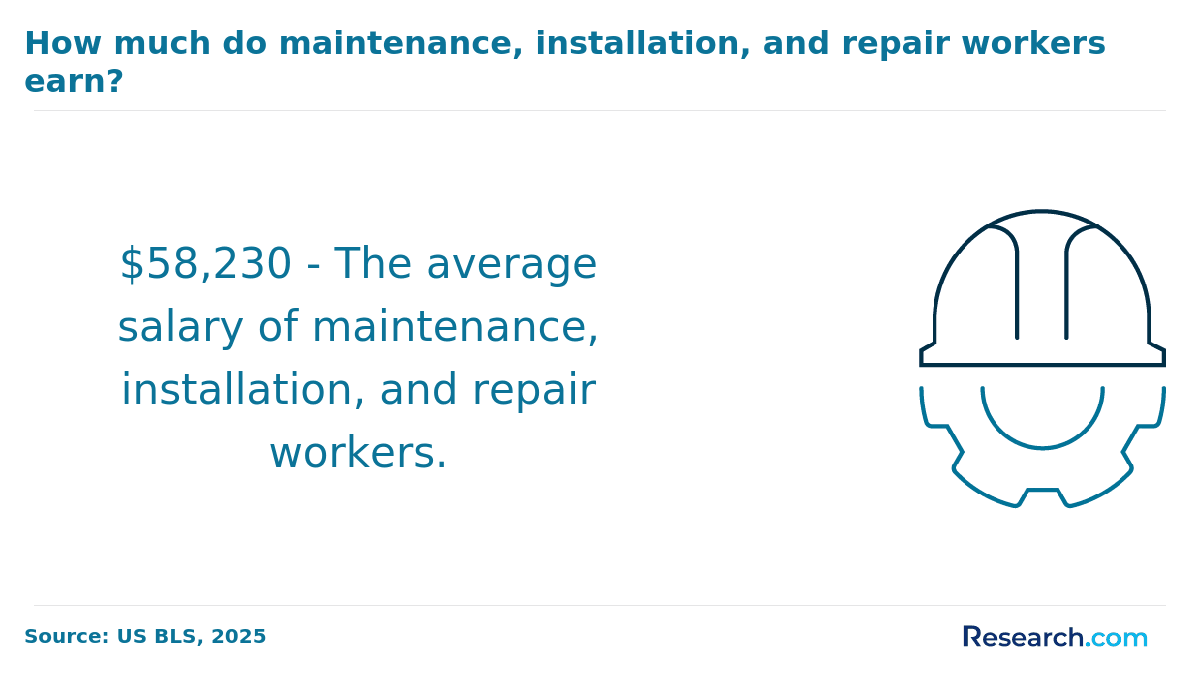
In Wisconsin, HVAC technicians typically earn between $50,000 and $55,000 annually, with starting salaries around $35,000 for beginners. Experienced technicians or those holding advanced certifications can see earnings exceed $65,000. Specialized skills, such as refrigeration or commercial HVAC expertise, usually lead to higher pay because of their technical complexity and demand.
To build a successful HVAC career in Wisconsin, consider these actionable steps:
- Start by gaining practical experience through apprenticeships or entry-level roles to enhance your skill set and income potential.
- Earn relevant certifications like the EPA Section 608 to boost your qualifications and job opportunities.
- Focus on specialized fields such as commercial HVAC systems or environmentally friendly technologies to differentiate yourself in the local job market.
- Engage with local HVAC unions and trade groups to stay informed about salary trends and employment openings.
By prioritizing hands-on training, certifications, and networking, individuals can effectively increase their earning capacity and career prospects as HVAC technicians in Wisconsin.
Is there a demand for HVAC technicians in Wisconsin?
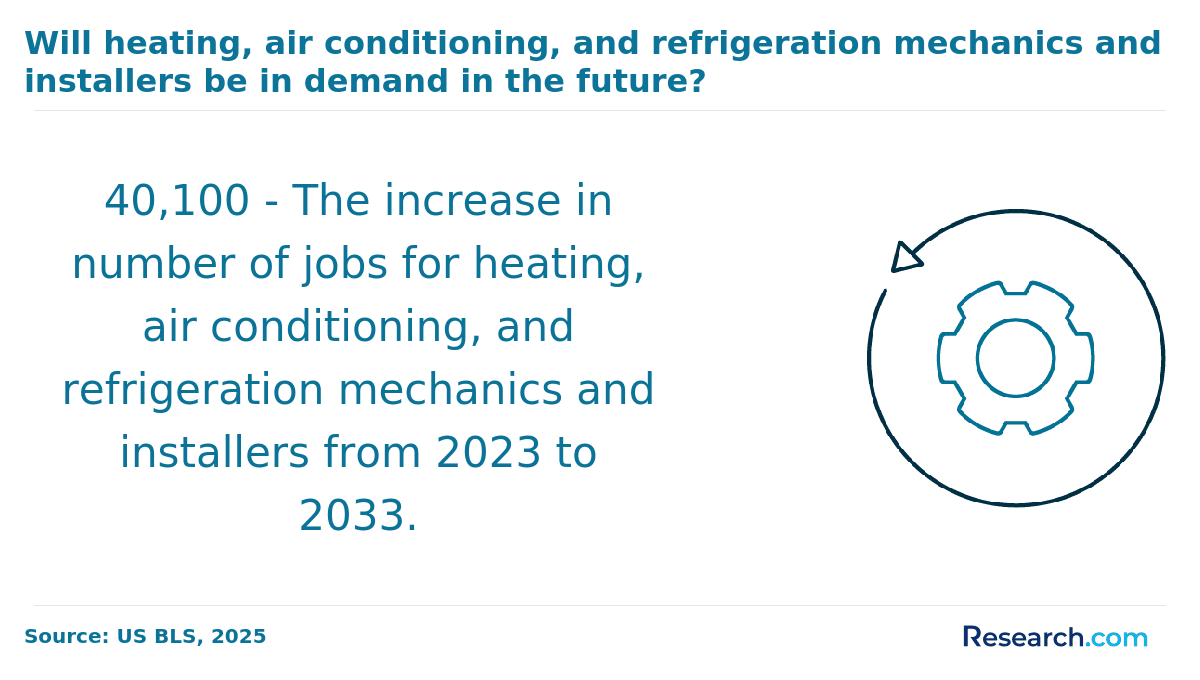
There is a steady demand for HVAC technicians in Wisconsin, driven by the state’s varied climate and aging infrastructure. The job outlook for HVAC professionals in the state is positive, with employment expected to grow at a rate of about 5% over the next decade, closely aligning with the national average. This growth reflects ongoing needs for installation, maintenance, and repair of heating, cooling, and refrigeration systems in both residential and commercial settings. Those researching hvac technician job demand wisconsin will find opportunities expanding steadily as systems are upgraded and replaced.
Job opportunities tend to be stronger for technicians specializing in newer, energy-efficient systems, such as heat pumps and smart HVAC technologies. Residential HVAC service remains a consistent source of employment, but commercial and industrial HVAC specialists may find more openings tied to large-scale projects and system upgrades. Wisconsin HVAC industry growth is supported by investments in infrastructure and energy efficiency initiatives.
For those planning a career in Wisconsin, gaining certifications in multiple HVAC specialties can improve job prospects and adaptability in this evolving field. Exploring easy licenses and certifications to get is a practical step to enhance skills and marketability, helping candidates stand out in a competitive job market.
Is Wisconsin a good place to work as an HVAC tech?
Wisconsin offers a solid setting for those aiming to build a career as HVAC technicians, combining manageable living expenses with reliable job prospects. The state’s climate creates a steady need for heating and cooling services, ensuring consistent work throughout the year.
Entering the HVAC field in Wisconsin requires dedication to proper training and certification. Prospective technicians should expect to complete accredited programs that include both theoretical learning and practical experience, followed by obtaining essential credentials such as EPA Section 608 certification.
Consider these key factors when planning a career as an HVAC technician in Wisconsin:
- Affordable living costs: Wisconsin’s cost of living is moderate compared to many metropolitan coastal areas, helping technicians enjoy a balanced lifestyle without excessive financial strain.
- Year-round demand: The state’s seasonal weather drives ongoing need for HVAC maintenance and repair, supporting stable employment opportunities.
- Certification requirements: Successfully completing recognized training and acquiring state or national licenses are critical steps to enter and advance in the field.
- Apprenticeship and education pathways: Wisconsin provides structured apprenticeship programs and technical college courses, facilitating hands-on learning and skill development.
- Varied employment locations: Opportunities exist not only in larger cities like Milwaukee and Madison but also in smaller communities, broadening potential job markets.
With a pragmatic approach to training and certification, Wisconsin can be a practical choice for HVAC professionals seeking steady work and a reasonable cost of living.
What HVAC Technicians in Wisconsin Say About Their Careers
"Working as an HVAC technician in Wisconsin has given me incredible job stability. With the state’s growing demand for heating and cooling experts, I’ve enjoyed a steady income and solid benefits that keep my family secure. It’s rewarding to know my skills are always in demand." – Mark
"The diverse climate here in Wisconsin presents unique challenges that keep my work interesting and help me grow every day. From freezing winters to humid summers, I’ve learned to master a wide range of systems and technologies. This variety makes every job exciting and truly sharpens my expertise." – Angela
"Wisconsin offers excellent professional development options for HVAC technicians like me. I’ve taken advantage of local apprenticeships and certification programs that have boosted my career and expanded my knowledge significantly. The support from industry groups here makes advancing my skills feel very achievable." – Ravi
Related Articles for Nearby States
- 2027 How to Become an HVAC Tech in Minnesota
- 2027 How to Become an HVAC Tech in Iowa
- 2027 How to Become an HVAC Tech in Illinois
- 2027 How to Become an HVAC Tech in Michigan
- 2027 How to Become an HVAC Tech in Indiana
- 2027 How to Become an HVAC Tech in Missouri
- 2027 How to Become an HVAC Tech in Ohio
- 2027 How to Become an HVAC Tech in South Dakota
- 2027 How to Become an HVAC Tech in Nebraska
- 2027 How to Become an HVAC Tech in Kentucky
References:
- DSPS HVAC Contractor https://dsps.wi.gov/Pages/Professions/HVACContractor/Default.aspx
- HVAC License Reciprocity By State | FieldPulse https://www.fieldpulse.com/resources/blog/hvac-license-reciprocity-by-state
- HVAC License Reciprocity: License Guide for Every State https://www.fieldpromax.com/blog/hvac-license-reciprocity-by-states/
- Contractor License Reciprocity: Working Across State Lines | Procore https://www.procore.com/library/contractor-license-reciprocity
- HVAC License Guide for Every State in 2025 - FieldEdge https://fieldedge.com/blog/hvac-license-guide-for-every-state/
- Plumbers Training Institute | Online Plumber Training - Nationwide https://www.plumberstraininginstitute.com/wisconsin/faq/
- Heating, Air Conditioning, and Refrigeration Mechanics and Installers : Occupational Outlook Handbook: : U.S. Bureau of Labor Statistics https://www.bls.gov/ooh/installation-maintenance-and-repair/heating-air-conditioning-and-refrigeration-mechanics-and-installers.htm
- Environmental Systems Technician and HVAC Installer-Technician Apprenticeship https://dwd.wisconsin.gov/apprenticeship/occupations/environmental-systems-technician.htm
- How HVAC Technician Salaries Compare State-by-State in the U.S. https://www.eds.tech/hvac-technician-salary-in-the-us-comprehensive-state-by-state-guide/
- HVAC technician salary in Wisconsin ‐ CareerExplorer https://www.careerexplorer.com/careers/hvac-technician/salary/wisconsin/
Other Things You Should Know About How to Become an HVAC Tech in Wisconsin
In 2027, to become an HVAC tech in Wisconsin, enroll in an accredited program, complete an apprenticeship, and pass the EPA certification exam. You may also need state licensure if doing refrigeration work. Staying updated on code regulations ensures compliance in your career.
HVAC technicians in Wisconsin earn a competitive wage, typically around $22 to $28 per hour, which is slightly below the national average of approximately $24 to $30 per hour. This difference reflects the state's lower cost of living compared to some regions but still represents a solid income for skilled trade workers. Profitability in HVAC work depends largely on experience, certifications, and specialization, such as refrigeration or commercial systems.
Factors influencing earnings include local demand driven by Wisconsin’s distinct seasonal climate, union membership, and opportunities for overtime. Technicians who pursue additional licenses or work in metropolitan areas like Milwaukee or Madison often see higher pay. For those planning a career here, focusing on certifications and gaining field experience can enhance profitability.
It can be moderately difficult to become and work as an HVAC technician in Wisconsin due to specific licensing requirements and the state's varied climate. Success requires careful planning to meet educational and practical experience standards. The challenges are manageable with proper preparation and an understanding of the local industry.
- Licensing: Wisconsin requires HVAC technicians to obtain a Refrigeration Mechanic license, which involves passing exams and meeting experience criteria.
- Apprenticeship: Gaining hands-on experience through an apprenticeship or similar program is essential but can be competitive and time-consuming.
- Climate challenges: Wisconsin’s cold winters demand skills in heating systems, requiring technicians to be proficient in multiple HVAC specialties.
- Continuing education: Technicians must stay updated with evolving technologies and regulations, often needing ongoing training.
- Physical demands: The work is physically intensive, requiring stamina and comfort with manual labor in various environments.


