
2027 How to Become an Electrician in Wisconsin

Co-Founder and Chief Data Scientist
Electricians in Wisconsin’s economy power homes, businesses, and infrastructure across the state. In 2022, about 12,040 electricians were employed in Wisconsin, with job growth expected to continue, especially in cities like Milwaukee and Madison, where construction and development remain strong.
In this article, we will outline the key steps to becoming a licensed electrician in Wisconsin, from education to apprenticeship. We will also guide you on training programs, certification requirements, and what to expect in this high-demand, well-paying trade.
Key Things to Know About Becoming an Electrician in Wisconsin
- Electricians in Wisconsin earn an average annual salary of $61,965.
- The electrician job market in Wisconsin is projected to grow by 14% from 2022 to 2032.
- The highest-paying electrician role in Wisconsin is Foreman Journeyman Electrician, with an average salary of $68,695.
- What education is required to become an electrician in Wisconsin
- How do you get into an electrician apprenticeship program in Wisconsin?
- How much do electricians make in Wisconsin?
- What certifications do electricians need in Wisconsin?
- How long does an electrician apprenticeship take in Wisconsin?
- How much does electrician training cost in Wisconsin?
- Can supplementary trade certifications boost an electrician’s career in Wisconsin?
- How can electricians in Wisconsin adapt to emerging technologies?
- How can business skills boost an electrician’s career in Wisconsin?
- What are the common challenges faced by electricians in Wisconsin?
- How do electricians in Wisconsin ensure job safety and regulatory compliance?
- What license do you need to be an electrician in Wisconsin?
- How often do you need to renew your electrician license in Wisconsin?
- What are the essential skills needed to be a successful electrician in Wisconsin?
- What is the job outlook for electricians over the next 10 years in Wisconsin?
- What Electricians in Wisconsin Say About Their Careers
What education is required to become an electrician in Wisconsin
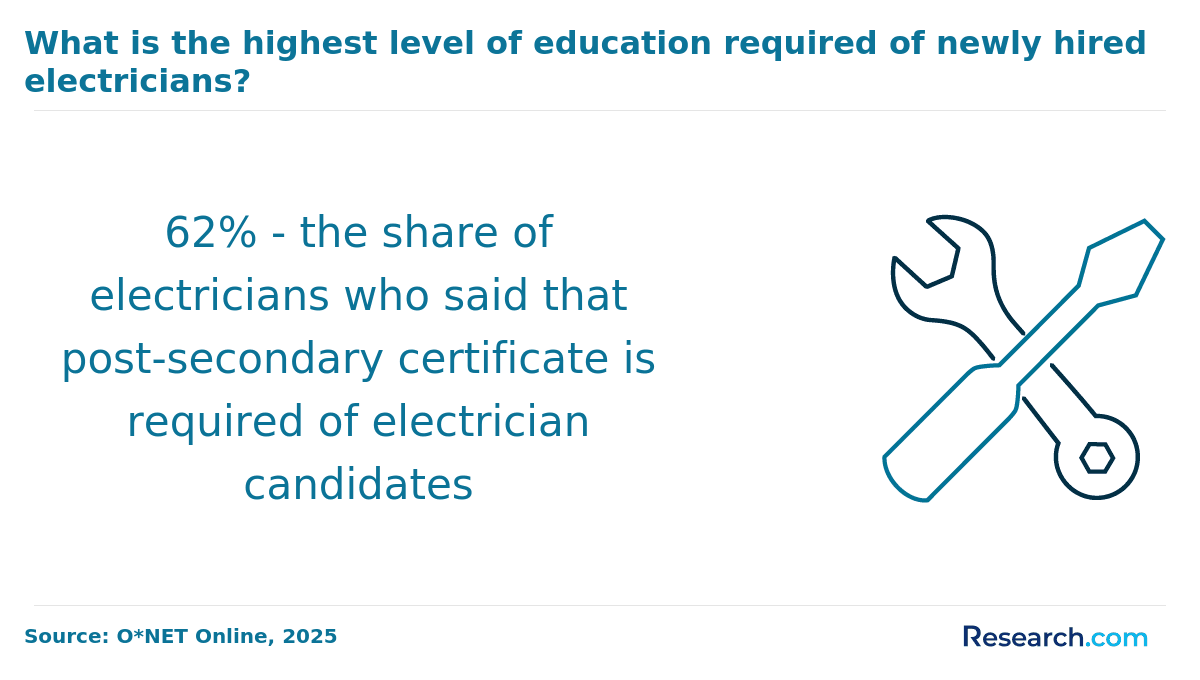
Becoming an electrician in Wisconsin requires a clear educational path combining formal study and practical training. Aspiring electricians typically start by enrolling in technical schools or community colleges that offer electrical programs. These courses cover essential topics such as electrical theory, circuitry, safety protocols, and local electrical codes. Common classes include electrical blueprint reading, residential and commercial wiring, and industrial controls, all designed to equip students with both theoretical understanding and hands-on skills.
In addition to classroom learning, Wisconsin mandates completion of an apprenticeship program. This usually lasts four to five years and involves about 8,000 hours of on-the-job training under a licensed electrician’s supervision. Apprentices gain valuable experience installing, maintaining, and troubleshooting electrical systems in diverse environments, ensuring readiness for real-world challenges and compliance with safety standards.
Some of the top educational institutions providing electrician training in Wisconsin are Milwaukee Area Technical College, Madison College, and Fox Valley Technical College. These schools offer comprehensive curricula and strong industry connections that help students secure apprenticeships. Milwaukee Area Technical College, for example, emphasizes hands-on lab work and provides access to experienced instructors, boosting student preparedness for both work and licensing exams.
To excel in Wisconsin’s electrician licensing exams, practical preparation is vital. Candidates should consider enrolling in exam review classes, study guides, and preparatory seminars often offered by local trade unions and technical schools. These resources reinforce knowledge of electrical codes and improve problem-solving skills. Moreover, professional organizations frequently host workshops and networking events, offering mentorship opportunities and insider tips that can enhance exam success.
By following this step-by-step approach, combining targeted coursework, a robust apprenticeship, and focused exam preparation, aspiring electricians in Wisconsin can confidently meet educational requirements and position themselves for a stable career in the electrical trade.
How do you get into an electrician apprenticeship program in Wisconsin?
To get started on how to apply for electrician apprenticeship Wisconsin programs, candidates typically turn to organizations like the International Brotherhood of Electrical Workers (IBEW) Local 494, the Wisconsin Electrical Apprenticeship Program, and unions connected with the National Electrical Contractors Association (NECA). These groups set clear electrician apprenticeship requirements in Wisconsin, including a minimum age of 18, a high school diploma or GED, and passing an aptitude test focused on basic math and reading comprehension. Some also expect a valid driver’s license and the physical ability to perform trade-related tasks.
Wisconsin requires apprentices to complete at least 8,000 hours of supervised work over four to five years alongside a minimum of 576 hours of classroom instruction annually. This balance of hands-on experience and formal education is essential for skill development and networking. Apprentices earn wages while training, which helps ease financial pressures, and can also attend resources like Wisconsin Technical College System seminars and trade review classes designed to boost readiness for licensing exams.
One Wisconsin electrician I spoke with reflected on their apprenticeship journey, sharing that the combination of supportive mentorship and structured learning was invaluable. They described early challenges, such as mastering complex electrical codes and managing time between job sites and school. However, their persistence paid off when they successfully passed the journeyman exam. They emphasized the importance of showing up early, asking questions, and taking advantage of local union events to build professional relationships that later helped secure employment. This firsthand experience highlights the practical benefits of Wisconsin’s apprenticeship model beyond just technical skills.
For those looking to excel, punctuality and active engagement in both classroom and field work are crucial. With Wisconsin’s electrical trade jobs growing steadily, developing strong connections through unions and professional organizations can open doors. Additionally, exploring opportunities to attend seminars or review classes can greatly improve an apprentice’s chances of success. For anyone considering a career in the trades, researching the highest paying trade school career options available can provide further motivation and insight.
How much do electricians make in Wisconsin?
Electricians in Wisconsin earn competitive wages that reflect the state’s steady demand for skilled trade professionals. The average yearly pay for an electrician in Wisconsin is approximately $61,965. Entry-level electricians in apprenticeship programs usually start lower, but wages grow steadily with experience and certification. Journeyman electricians often see salaries in the mid-to-high $60,000 range, while specialized roles, such as Foreman Journeyman Electricians, can earn around $68,695 annually.
Some of the highest-paying areas in Wisconsin include Two Rivers, where electricians earn about $82,838 per year, and Solon Springs at $71,224. Location, certification, and specialization—such as industrial systems or renewable energy—greatly influence earning potential, with union membership and ongoing training contributing to better job security and benefits.
For aspiring electricians, focusing on accredited apprenticeship programs, acquiring necessary licenses, and developing specialized skills is crucial to maximize earning potential. Like medical billers and coders who benefit from structured study programs and consistent practice, electricians should plan steady skill development rather than rushing through training. For those balancing work and education, programs such as anchors part-time Ph.D. in economics illustrate how part-time advanced learning can fit busy schedules, a strategy adaptable to trade certifications as well.
This chart from ESPI shows the electrical fatality causes.
What certifications do electricians need in Wisconsin?
To meet electrician licensing requirements in Wisconsin, aspiring electricians typically start by obtaining an apprenticeship certification. This combines hands-on training with classroom instruction and is essential for gaining practical experience. Apprenticeships are often provided through technical colleges or union programs, such as those offered by Madison Area Technical College, Milwaukee Area Technical College, and the International Brotherhood of Electrical Workers (IBEW) Local 494. These programs align closely with state standards and prepare candidates for the next steps in the licensing process.
After completing an apprenticeship, candidates must pass the Journeyman Electrician Exam to earn their journeyman license. This exam covers the National Electrical Code (NEC), Wisconsin electrical codes, and safety regulations. Holding a journeyman license allows electricians to work independently on a variety of electrical systems and is a critical milestone in the Wisconsin electrician certification process. Those looking to advance should consider pursuing a Master Electrician License, which requires several years of journeyman experience, passing an advanced exam, and demonstrating a deep understanding of electrical theory and project management.
Specialized certifications, such as the Low Voltage Certification for alarm systems and telecommunications, can further enhance job prospects in Wisconsin’s commercial real estate and security sectors. These credentials are available through technical colleges and private training providers, offering valuable skills for niche markets. When planning your certification path, focus on programs that match Wisconsin’s key industries like manufacturing and healthcare to maximize employment opportunities.
Given the evolving nature of electrical codes, electricians should regularly update their knowledge through safety and code revision courses. Wisconsin updates its adoption of the National Electrical Code approximately every three years, making continuous education important. Those interested in related fields may also explore what are the best online hvac trade schools and certifications to complement their electrical expertise.
How long does an electrician apprenticeship take in Wisconsin?
In Wisconsin, completing an electrician apprenticeship typically takes four to five years, equating to around 8,000 hours of combined on-the-job training and classroom instruction. This timeframe aligns with the Wisconsin electrician licensing and certification process outlined by the state’s Department of Safety and Professional Services. Apprentices usually complete at least 576 hours of classroom work annually while gaining hands-on experience. In 2023, 53.4% of electricians were self-employed workers, making apprenticeships an especially valuable foundation for those planning to eventually operate independently.
The duration can vary depending on individual circumstances. Apprentices with relevant prior experience or technical education may shorten the timeline by testing out of certain requirements or accelerating their work hours. Conversely, those attending part-time or managing other commitments may need more than five years to finish. Some programs affiliated with unions or technical colleges offer accelerated formats, allowing motivated individuals to complete training faster through intensive schedules or additional classes.
For those aiming to optimize their apprenticeship duration, practical steps include selecting reputable programs—such as union-sponsored paths like IBEW Local 494 or accredited technical colleges—that provide structured training and potential for accelerated advancement. Engaging actively in both classroom and fieldwork, leveraging any prior skills, and staying well-informed about what electrician certifications are required in Wisconsin can also help streamline progress.
Apprentices interested in exploring options should consider programs that offer evening or summer classes to accumulate hours more quickly. For a detailed overview of educational opportunities, you can refer to the list of the best electrician trade schools in Wisconsin, which often include those with accelerated or combined training models.
How much does electrician training cost in Wisconsin?
Becoming an electrician in Wisconsin involves varying costs depending on the educational route chosen. Technical diploma programs at public technical colleges usually range from $4,000 to $8,000 and last between six months to a year. These programs cover foundational electrical skills suitable for entry-level roles or apprenticeships. For those pursuing more comprehensive education, associate degrees in electrical technology cost between $10,000 and $20,000 over two years, offering deeper technical knowledge and broader training.
Apprenticeships are a popular and practical pathway, combining paid on-the-job training with classroom instruction. While apprentices earn wages during their training, they must budget for expenses such as textbooks and toolkits. Wisconsin electrician apprenticeship expenses typically include toolkits costing between $500 and $1,500, depending on the quality and tools required. These upfront costs are important to consider when planning your budget.
Several factors influence the overall electrician training cost in Wisconsin. Program length directly affects tuition and fees, with longer programs generally costing more but potentially leading to higher wages. Public technical colleges usually offer more affordable tuition rates for state residents compared to private institutions. Additionally, apprenticeship programs can make training more affordable by providing income while learning.
Financial aid options are available to help reduce out-of-pocket expenses. Federal programs like Pell Grants and Stafford Loans apply to eligible students at accredited schools. The Wisconsin Technical College System offers scholarships and grants specifically for trade students, including those in electrical training. Some apprenticeships provide financial assistance for classroom costs and tools, and veterans can utilize the GI Bill benefits.
For those researching pathways and costs, it may be helpful to explore what is the best online vocational trade school options that can offer flexibility and potentially reduced expenses compared to traditional programs.
Can supplementary trade certifications boost an electrician’s career in Wisconsin?
Electricians who acquire additional trade certifications can diversify their expertise and expand their service offerings. By integrating complementary skills, professionals can tackle complex projects that require a multi-disciplinary approach. For instance, pursuing certification in related fields not only broadens technical competence but also enhances employment opportunities and potential earnings. Moreover, expanding skill sets through industry-recognized credentials may address evolving market demands and promote long-term career stability. Consider exploring how to become an HVAC technician in Wisconsin as one effective pathway to supplement your electrical qualifications with specialized HVAC training.
How can electricians in Wisconsin adapt to emerging technologies?
Electricians in Wisconsin face rapid technological changes that require continuous adaptation. To enhance competitiveness, professionals should pursue advanced training in areas such as smart grid integration, renewable energy systems, and building automation. Embracing digital diagnostic tools and industry-specific software increases efficiency and supports safety on job sites. Additionally, cross-disciplinary skills—exemplified by learning how to become a mechanic in Wisconsin—can improve problem-solving capabilities when managing integrated electrical and mechanical systems. Staying informed through professional associations, updated continuing education courses, and targeted certifications is essential for aligning with the evolving industry standards and ensuring long-term career resilience.
How can business skills boost an electrician’s career in Wisconsin?
Developing robust business skills can significantly elevate an electrician’s career by improving project management, client relations, and financial planning. Mastering budgeting, cost estimation, and strategic planning allows professionals to manage contracts efficiently and transition into supervisory roles or entrepreneurship. Many electricians find that supplementing their technical expertise with focused business training helps secure larger projects and enhance profitability. For those considering advanced management training, exploring programs offered by top business schools in Wisconsin can provide invaluable insights into leadership, marketing strategies, and operational excellence.
What are the common challenges faced by electricians in Wisconsin?
Electricians in Wisconsin confront evolving regulatory standards and physical demands that require constant vigilance. Staying current with periodic code updates and safety protocols demands continuous professional education and adaptive work practices. Additionally, the competitive market and economic variability necessitate effective networking and business management skills to secure stable employment conditions. For professionals considering skill diversification, exploring pathways such as learning how to become a radiology technician in Wisconsin can offer complementary technical opportunities.
How do electricians in Wisconsin ensure job safety and regulatory compliance?
Electricians in Wisconsin must adhere to a range of safety regulations and industry standards to minimize workplace hazards and ensure public safety. Consistent compliance is achieved by participating in ongoing training on OSHA protocols, updated National Electrical Code revisions, and state-specific safety guidelines. Regular safety audits and on-site inspections help identify potential risks while mandating the use of personal protective equipment and adherence to documented safety procedures. Employers and unions alike promote detailed safety briefings and refresher courses to mitigate hazards and maintain regulatory compliance. For professionals looking to diversify their technical skill set and gain exposure to parallel safety practices in another field, refer to how to become an ultrasound technician in Wisconsin.
What license do you need to be an electrician in Wisconsin?
To become a licensed electrician in Wisconsin, you must obtain a credential from the Wisconsin Department of Safety and Professional Services (DSPS), the state agency responsible for regulating electricians. Wisconsin offers three main types of licenses based on experience and scope of work: Apprentice Electrician, Journeyman Electrician, and Master Electrician.
The licensure process is structured and requires meeting specific educational and practical experience standards, along with passing state-administered exams.
- Apprentice Electrician: This entry-level license allows you to work under the supervision of a licensed electrician. It requires enrollment in a registered apprenticeship program, including about 8,000 hours of hands-on work and classroom instruction.
- Journeyman Electrician: After completing your apprenticeship, you must pass the Wisconsin Journeyman Electrician exam, which tests knowledge of the National Electrical Code (NEC) and state laws. This license permits independent electrical work within your training scope.
- Master Electrician: To qualify, you need at least two years as a licensed journeyman, additional education, and to pass the Master Electrician exam covering advanced theory, code, and business practices. This license grants full responsibility for installations and supervision.
Wisconsin’s licensure process is distinct because it emphasizes a balance of practical apprenticeship training and rigorous state examinations. The DSPS manages licensing, examinations, and renewals, ensuring electricians stay current with safety codes. Licenses require renewal every two years, with continuing education mandatory to remain compliant.
To navigate this system efficiently, follow these practical steps:
- Start early by enrolling in a state-recognized apprenticeship program to accumulate required hours and gain hands-on skills.
- Prepare thoroughly for the journeyman and master exams by studying the latest NEC and Wisconsin electrical laws.
- Keep detailed records of continuing education credits and renew your license on time to avoid work interruptions.
How often do you need to renew your electrician license in Wisconsin?
Electricians in Wisconsin must renew their licenses every three years to legally continue working in the field. This renewal process is managed by the Wisconsin Department of Safety and Professional Services (DSPS), which sets the statewide standards for licensure and renewal. Local municipalities may impose additional requirements, but the DSPS establishes the baseline criteria for all electricians.
To successfully renew a license, electricians need to complete several essential steps and meet specific requirements designed to maintain professional competency and safety standards:
- Complete at least 24 hours of continuing education (CE) credits within the three-year renewal period, focusing on updates to electrical codes, safety protocols, and new technologies.
- Submit a renewal application online through the DSPS portal before the license expires, ensuring all personal and professional information is current.
- Pay the applicable renewal fee, which generally ranges between $60 and $100 depending on the license type.
- Provide proof of completed continuing education credits, either by submitting certificates or allowing DSPS to verify course completion.
What distinguishes Wisconsin’s renewal process is its close alignment with the National Electrical Code (NEC), which updates every three years. This synchronization ensures electricians stay compliant with the most recent safety and technical standards. The DSPS supports licensees by offering resources and guidance to identify approved CE providers, simplifying the education requirement.
For aspiring electricians, it is practical to plan ahead by scheduling continuing education courses well before the license expiration date. This prevents any lapse in licensure that could disrupt work eligibility. Additionally, maintaining organized records of completed coursework and renewal submissions can help avoid administrative delays during the renewal process.
With the construction and electrical sectors in Wisconsin projected to grow steadily, staying compliant with renewal requirements not only preserves an electrician’s ability to work but also supports the expanding infrastructure demands in the state.
This chart from ESFI displays which among the electrician races are most likely to be involved in fatalities or injuries.
What are the essential skills needed to be a successful electrician in Wisconsin?
Electricians in Wisconsin need a well-rounded skill set that blends technical knowledge with practical soft skills to thrive in the evolving industry. With the average age for electricians being 41 years old, the trade benefits from a workforce that balances experience with adaptability. Here is a breakdown of essential skills and how to develop them effectively:
- Technical proficiency: Mastery of electrical theory, wiring, circuitry, and safety protocols is fundamental. Familiarize yourself with modern tools like programmable logic controllers (PLCs), smart home systems, and digital testing equipment. Enroll in technical courses offered by institutions such as the Wisconsin Technical College System to stay updated.
- Problem-solving abilities: Troubleshooting is a daily task. Practice diagnosing issues quickly by working on real-world projects or apprenticeships. Learning from experienced electricians will improve your efficiency in finding solutions under pressure.
- Physical dexterity and stamina: The role demands physical endurance, including climbing, lifting, and working in tight spaces. Maintain a consistent fitness routine to build stamina and flexibility, ensuring you can meet job demands safely.
- Communication skills: Clear communication with clients and team members is crucial. Develop the ability to read blueprints accurately and explain technical details in simple terms. Engage in group projects or join trade associations like the Wisconsin Electrical Contractors Association to enhance these skills.
- Attention to detail: Precision is critical to avoid costly errors and ensure compliance with Wisconsin’s electrical codes. Cultivate careful habits by double-checking your work and staying informed about local regulations through continual education.
- Time management: Balancing multiple projects and meeting deadlines requires strong planning. Use scheduling tools and prioritize tasks daily. Apprenticeships can provide practical experience in managing work efficiently under supervision.
Aspiring electricians should combine classroom learning with hands-on experience through registered apprenticeship programs supported by the Wisconsin Department of Workforce Development. Regularly updating skills and certifications will enhance job prospects and earning potential in Wisconsin’s growing electrical sector.
What is the job outlook for electricians over the next 10 years in Wisconsin?
The job outlook for electricians in Wisconsin is strong, with employment projected to reach 13,710 by 2032, reflecting a 14% growth rate from 2022 to 2032. This growth is well above the national average and is driven by continued demand in construction, infrastructure upgrades, and emerging sectors like renewable energy. The state is expected to see around 1,290 electrician job openings annually during this period.
Key cities employing the largest number of electricians include Milwaukee, Madison, and Green Bay. Milwaukee’s commercial construction and manufacturing sectors provide numerous job opportunities. Madison benefits from growth in tech and healthcare industries, increasing electrician demand. Green Bay maintains steady employment through its industrial base and utilities infrastructure maintenance.
Industries that employ the most electricians in Wisconsin are primarily construction, manufacturing, and utilities. Construction continues to grow with residential building projects meeting population demands and urban development. Wisconsin’s expanding renewable energy sector, particularly wind and solar farms, creates additional opportunities for electricians with specialized skills in these areas.
For those planning a career as an electrician in Wisconsin, pursuing relevant certifications and apprenticeship programs is essential. Certifications in areas such as electrical safety, renewable energy systems, and commercial wiring can enhance job prospects. Consider starting with an apprenticeship through local unions or trade schools to gain hands-on experience while working toward licensure.
In summary, Wisconsin offers stable employment, competitive wages, and manageable living costs, making it a practical choice for aspiring electricians. Focus on building skills aligned with construction, manufacturing, and renewable energy to maximize career opportunities in this growing field.
What Electricians in Wisconsin Say About Their Careers
- Completing my apprenticeship through Milwaukee Area Technical College was a game-changer. The hands-on training combined with classroom learning prepared me for the diverse challenges unique to Wisconsin’s climate, especially dealing with harsh winters. I love knowing that my work helps keep homes and businesses safe and energy-efficient throughout the year. The community here really values skilled trades, and that support has made my career incredibly rewarding and stable. - Jamie
- Attending the University of Wisconsin–Stout’s electrical program opened doors I never expected. Beyond the technical skills, I’ve grown a lot personally by working on projects that improve local infrastructure and help underserved neighborhoods. Wisconsin’s mix of urban and rural areas presents unique challenges that keep my work interesting and impactful. I feel proud knowing that my job contributes directly to the well-being of my community. - Mara
- After graduating from Fox Valley Technical College, I quickly realized how many opportunities there are for career advancement in Wisconsin’s electrical industry. The state’s strong manufacturing and renewable energy sectors offer exciting projects that continuously push me to expand my expertise. I appreciate the professional environment here where continuous learning is encouraged, and the demand for skilled electricians remains high. It’s a career path that promises both growth and stability. - Davis
Related Articles for Nearby States
- 2027 How to Become an Electrician in Minnesota
- 2027 How to Become an Electrician in Iowa
- 2027 How to Become an Electrician in Illinois
- 2027 How to Become an Electrician in Michigan
- 2027 How to Become an Electrician in Indiana
- 2027 How to Become an Electrician in Missouri
- 2027 How to Become an Electrician in Ohio
- 2027 How to Become an Electrician in South Dakota
- 2027 How to Become an Electrician in Nebraska
- 2027 How to Become an Electrician in Kentucky
References:
- ESFI (2025). Workplace Injury & Fatality Statistics. Retrieved from https://www.esfi.org/workplace-safety/workplace-injury-fatality-statistics/
- O*NET OnLine (n.d.). Wisconsin Employment Trends 47-2111.00 - Electricians. Retrieved from https://www.onetonline.org/link/localtrends/47-2111.00?st=WI
- US BLS (2025). Electricians. Retrieved from https://www.bls.gov/ooh/construction-and-extraction/electricians.htm
- Zippia (2025). What is an electrician and how to become one. Retrieved from https://www.zippia.com/electrician-jobs/
- ZipRecruiter (2025). Electrician Salary in Wisconsin. Retrieved from https://www.ziprecruiter.com/Salaries/Electrician-Salary--in-Wisconsin
Other Things You Should Know About Being an Electrician in Wisconsin
Yes, Wisconsin offers several apprenticeship programs for electricians. These programs typically require around 8,000 hours of on-the-job training and 500 hours of classroom instruction. The Wisconsin Department of Workforce Development oversees these apprenticeships, helping individuals gain necessary skills and experience for licensure.
In 2026, to become an electrician in Wisconsin, you must be at least 18 years old to qualify for apprenticeship programs. This age requirement ensures candidates are equipped to handle the responsibilities and training requirements of the profession.


