
2027 How to Become a Mechanic in Wisconsin: Requirements & Certification

Co-Founder and Chief Data Scientist
In 2023, Wisconsin employed 12,750 mechanics, highlighting the state's strong demand for skilled trades. Known for its manufacturing legacy, rural industries, and transportation networks, Wisconsin depends heavily on mechanical expertise to keep its economy moving.
In this article, we will explore why mechanic careers remain essential in Wisconsin, the pathways to enter the field, and how local industries influence demand. We will also share insights into training options, job prospects, and the economic factors shaping the future of mechanics across the state.
Key Things to Know About Becoming a Mechanic in Wisconsin
- The mechanic job market in Wisconsin is projected to grow by 6% over the next decade, indicating steady demand for skilled professionals in the state.
- The median annual salary for automotive service technicians in Wisconsin is approximately $45,000, which aligns closely with the national median.
- Most certified mechanic training programs in Wisconsin require about 6 to 12 months to complete, combining classroom instruction with hands-on experience.
- What are the steps to become a mechanic in Wisconsin?
- What training and education options are available in Wisconsin?
- Do you need certifications to work as a mechanic in Wisconsin?
- How long does it take to become a mechanic in Wisconsin?
- How much does it cost to become a mechanic in Wisconsin?
- What job opportunities are available for mechanics in Wisconsin?
- How much do mechanics make in Wisconsin?
- How Will Electric and Autonomous Vehicles Impact Mechanic Career Opportunities in Wisconsin?
- What tools and skills do mechanics need to succeed?
- How Can Mechanics Access Continuing Education and Emerging Technologies Training in Wisconsin?
- Is Healthcare Technology a Viable Career Transition for Wisconsin Mechanics?
- What are the career growth opportunities for mechanics in Wisconsin?
- What are the pros and cons of becoming a mechanic in Wisconsin?
- Can Mechanics Diversify Their Expertise into Related Technical Fields?
- How Can Mechanics Successfully Transition to Business Ownership in Wisconsin?
- What Mechanics Say About Their Careers in Wisconsin
What are the steps to become a mechanic in Wisconsin?
To succeed as a mechanic in Wisconsin, you must blend solid education with practical skills and meet important certifications. Here are the key steps to guide your journey.
Complete Basic Education
Start by obtaining a high school diploma or an equivalent credential such as a GED or HSED. This foundational step is essential, as employers expect proficiency in math, science, and communication, which are critical for diagnosing and repairing vehicles.
Enroll in a Technical Training Program
Next, pursue vocational or technical education in automotive technology through accredited programs offered by the Wisconsin Technical College System. Options include one- to two-year technical diplomas that focus on hands-on skills or two-year associate degrees that combine general education with advanced automotive courses. Schools like Northeast Wisconsin Technical College provide structured programs requiring an application and high school transcripts.
Gain Practical Experience
Hands-on training is vital. Seek apprenticeships or entry-level positions that offer real-world exposure to automotive repair. Wisconsin supports apprenticeship programs blending classroom instruction with paid work, allowing you to learn while earning. These experiences build the skills necessary to qualify for advanced certifications.
Obtain a Valid Driver’s License
A Wisconsin driver’s license is typically required since mechanics must test-drive vehicles and move cars within the shop. Ensure this is secured early to avoid delays in employment opportunities.
Earn ASE Certification
Although not legally mandated, ASE certification is highly valued by employers and enhances credibility and earning potential. To sit for ASE exams, candidates generally need to complete technical education and accumulate about two years of relevant work experience. Certified mechanics often receive higher wages and better job advancement prospects.
What training and education options are available in Wisconsin?
Wisconsin offers multiple pathways to become a skilled automotive mechanic through its network of technical colleges and state-supported programs. These diverse options cater to different timelines, skill levels, and career goals.
- Enroll in Wisconsin automotive technician programs technical colleges, which provide comprehensive diploma and certificate programs. These programs combine classroom instruction with hands-on training in automotive systems, electrical work, and diagnostics.
- Consider Madison College’s two-year Automotive Technician diploma, which integrates practical lab experience with courses on powertrain, HVAC, and engine control systems. This program also offers digital badges that highlight specialized competencies to employers.
- For faster entry, pursue short-term diplomas like Waukesha County Technical College’s one-year, 21-credit Automotive Maintenance and Light Repair diploma focused on routine maintenance and diagnostics using modern tools.
- Explore the 45-credit Automotive Maintenance Technician diploma at WCTC for more in-depth study, including hybrid and diesel technology, engine diagnostics, and fuel management, which takes about two years to complete.
- Take advantage of apprenticeships and paid internships often arranged through partnerships between employers and technical colleges, allowing practical experience alongside formal education.
- Leverage state-supported initiatives such as the Wisconsin Technical College System to access consistent curricula aligned with industry needs, facilitating smoother job placement after graduation.
- Research tuition costs, financial aid, and scholarships, and consider transfer opportunities to four-year programs if you want to advance your education later.
By exploring these options, you can find a training path that fits your schedule and career ambitions, positioning yourself well in a field with steady demand and competitive wages. For insight into career outcomes, see what are the highest paying trade school jobs.
This chart from Zippia shows the distribution of automotive mechanics by gender.
Do you need certifications to work as a mechanic in Wisconsin?
Wisconsin does not require a state license to work as an automotive mechanic, but obtaining certification can significantly improve job prospects. The ASE certification requirements in Wisconsin focus on proving competence through national standards rather than state mandates.
To qualify for ASE certification exams, candidates typically need two years of relevant work experience or one year of experience combined with formal education from an accredited program. This flexibility allows new mechanics to start gaining experience quickly while working toward certification, which employers highly value. ASE credentials demonstrate technical skill and professionalism, making certified mechanics more competitive in the job market.
The mechanic certification process in Wisconsin also includes specialized certifications for certain roles, such as emissions repair technicians. These positions require additional qualifications, like the ASE L1 Advanced Engine Performance Specialist certification, to ensure compliance with environmental regulations. Pursuing such certifications can open doors to niche roles with higher pay and job security.
For those starting out, enrolling in a technical diploma program and gaining hands-on experience in urban areas with high demand for automotive technicians will provide a strong foundation. Staying updated with new automotive technologies and earning additional ASE certifications helps maintain relevance and career growth.
For more detailed guidance on what requirements are needed to become an auto mechanic, consider reviewing resources like what requirements are needed to become an auto mechanic, which covers career paths and certifications comprehensively.
How long does it take to become a mechanic in Wisconsin?
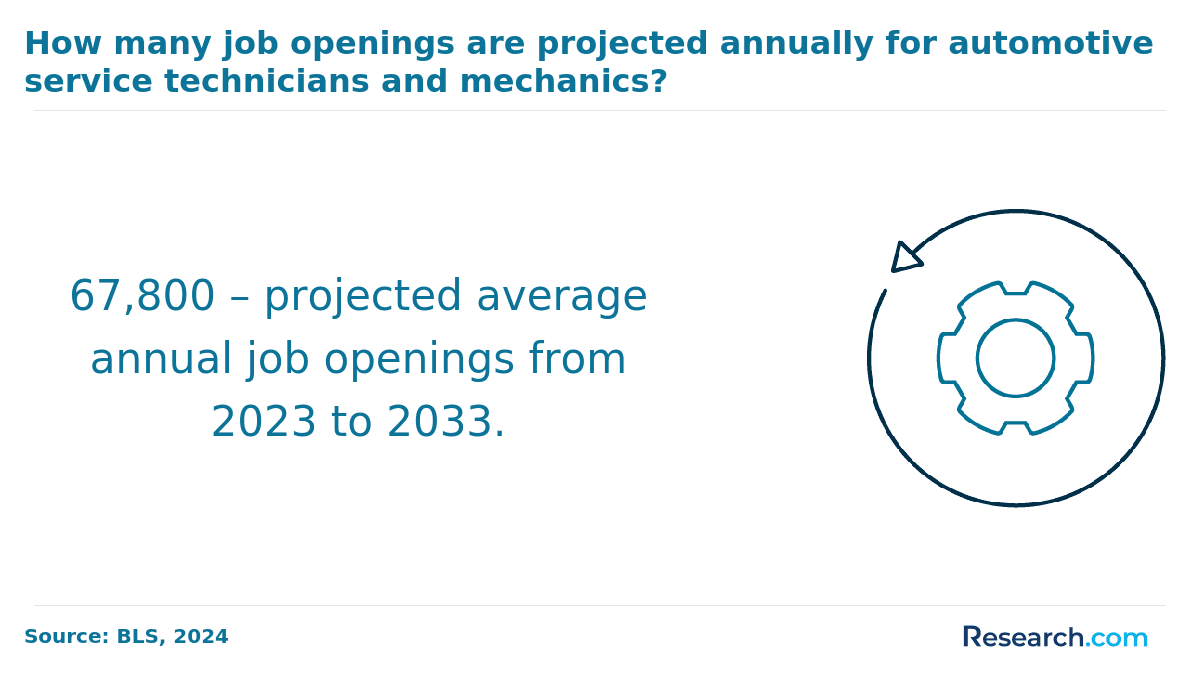
Becoming a mechanic in Wisconsin typically takes between one and two years, depending on the educational route chosen. Most candidates start with a technical diploma or an associate degree from a Wisconsin Technical College System (WTCS) school.
A one-year technical diploma focuses on essential automotive skills and prepares students for entry-level positions quickly. Those seeking broader knowledge or leadership roles often pursue a two-year associate degree, which includes advanced technical courses and management training. Part-time enrollment can extend these timelines but offers flexibility for working students.
After completing formal education, gaining hands-on experience is critical. Many graduates begin working immediately, building practical skills through on-the-job training. Some also pursue ASE certification to improve employability, though it is not state-mandated.
Specialized certifications, such as the Weights and Measures Technician or MECH certification for healthcare mechanics, require additional exams and experience, potentially adding weeks or months. Renewal of these certifications every few years is necessary to maintain credentials.
Some Wisconsin high schools offer dual enrollment programs, allowing students to earn college credits early and reduce overall training time. Veterans or those with relevant experience may receive credit waivers, accelerating progress. Reciprocity agreements with neighboring states can also streamline certification for those relocating.
One Wisconsin mechanic recalls the challenge of balancing full-time work with evening classes while completing a technical diploma. The hands-on projects and supportive instructors helped transform initial frustration into confidence, making the completion deeply rewarding.
How much does it cost to become a mechanic in Wisconsin?
The estimated program cost to become a mechanic in Wisconsin ranges from about $8,800 to $11,500, depending on the technical college you choose. Planning for these expenses early helps manage your budget effectively.
Here’s a practical breakdown of costs associated with mechanic training tuition fees Wisconsin:
- Fox Valley Technical College (FVTC) charges approximately $11,510.58 for its Automotive Technology Associate Degree, including some textbook costs but excluding all supplies and tools.
- Madison College’s Automotive Technician program estimates a total cost near $10,343.32, with personalized tuition details available through their net price calculator.
- Lakeshore Technical College offers an Automotive Maintenance Technician program at $8,847.81 tuition, with book and supply costs reportedly included at no additional charge.
- Northcentral Technical College (NTC) charges $149.50 per credit for Wisconsin residents, with added fees for materials and activities, totaling roughly $8,970 for a 60-credit associate degree.
Additional expenses beyond tuition include assessment fees (such as FVTC’s $15 academic skills and $14 mechanical assessments), tools (which can cost $500–$2,000 for a starter set), and safety gear like boots and glasses, which may add $200–$400. Certification through ASE tests costs about $47 per test plus a registration fee.
To better estimate your personal costs, use tools like Madison College’s net price calculator and investigate financial aid options available through the Wisconsin Technical College System. Apprenticeship programs can also provide paid, hands-on experience to offset expenses.
For those exploring all the trades, mechanic training tuition fees in Wisconsin are a key factor to consider alongside program reputation and available resources.
What job opportunities are available for mechanics in Wisconsin?
Automotive Service Technician Positions
Entry-level roles for automotive service technicians remain available, primarily driven by retirements and turnover rather than industry growth. Candidates should focus on gaining hands-on experience through apprenticeships or internships to meet employer expectations for practical skills. Many shops struggle to find technicians comfortable with modern diagnostic tools and electronic systems, making technical proficiency a key differentiator.
One Wisconsin mechanic recalled spending weeks shadowing experienced technicians before landing a stable position, highlighting the importance of persistence and practical exposure in a competitive market for mechanic job opportunities in Wisconsin.
Supervisory and Management Roles
First-line supervisor positions offer promising career advancement with projected employment growth of 7% through 2032. Mechanics aiming for these roles should develop leadership and organizational skills alongside technical expertise. Formal supervisory training and certifications can improve promotion prospects, especially in larger shops concentrated in Milwaukee, Dane, or Waukesha counties.
Taking initiative to lead projects or manage small teams often serves as a stepping stone. This pathway suits those ready to transition from hands-on work to managing repair operations and staff.
Specialized Technician Opportunities
Technicians with skills in electric and hybrid vehicle servicing, advanced electronics, and computer-based troubleshooting are increasingly in demand. Pursuing targeted certifications and staying current with evolving automotive technology enhances employability in this niche.
Wisconsin’s technical colleges offer programs aligned with these needs, and prospective workers can research what is the best automotive mechanic trade school program to gain a competitive edge. Experienced mechanics who adapt to these specialized areas often command higher wages and more stable employment.
Geographic Flexibility and Market Demand
Job availability varies widely across Wisconsin, with the highest demand concentrated in urban counties. Willingness to relocate or commute to Milwaukee, Dane, or Waukesha counties increases the chances of securing employment. Rural areas may offer fewer opportunities, but can provide valuable experience and less competition.
One mechanic shared that relocating from a small town to Milwaukee significantly expanded their job prospects, despite initial challenges adjusting to the faster pace and larger shop environments. Flexibility remains a practical strategy for job seekers navigating automotive technician careers in Wisconsin.
How much do mechanics make in Wisconsin?
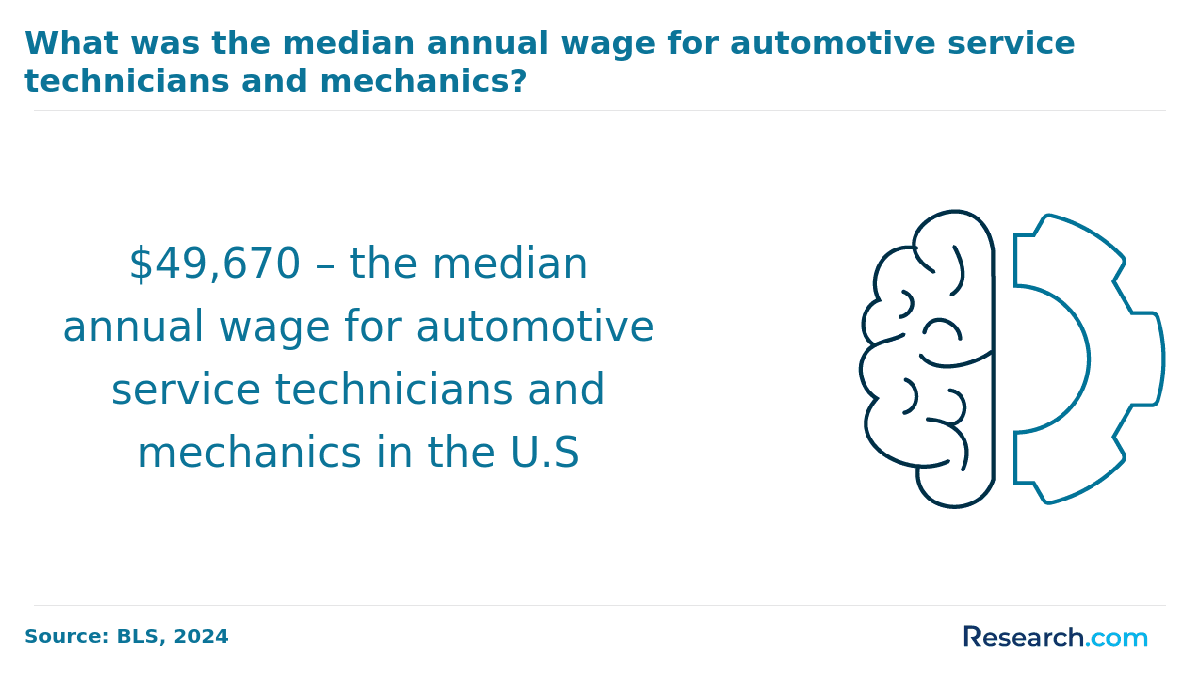
Mechanics in Wisconsin earn an average annual salary of $52,096, with wages ranging from $12.37 to $36.88 per hour. Most mechanics fall between the 25th percentile at $19.42 and the 75th percentile at $29.13 per hour, reflecting typical pay based on experience and role.
Location also impacts earnings. Mechanics in Brownsville average $56,634 annually, followed by Wausau at $55,321, and Madison at $52,015. Specialized skills and certifications can further boost earning potential in these competitive job markets.
To maximize your earnings potential, consider these practical steps:
- Pursue ASE or other relevant certifications to qualify for higher-paying roles.
- Focus on developing specialized skills, such as electric vehicle repair or advanced diagnostics.
- Target employment in urban centers like Milwaukee or Madison, where wages tend to be higher.
- Seek positions at dealerships, especially luxury brands, which typically offer better compensation than independent shops.
- Negotiate your salary using documented experience and certifications to leverage the wide pay scale.
For those evaluating career paths, comparing mechanic wages with related fields is useful. Farm equipment mechanics in Wisconsin earn a median salary of about $47,000, slightly above auto mechanics. For ambitious individuals, exploring whether is an engineering degree worth it could open doors to more technical and higher-paying roles within the automotive and mechanical sectors.
This chart from ASE details the number of ASE-Certified professionals by specialty.
How Will Electric and Autonomous Vehicles Impact Mechanic Career Opportunities in Wisconsin?
The rapid integration of electric and autonomous vehicle technologies is reshaping repair methodologies and service demands. Modern mechanics are now required to master advanced diagnostic software, battery management systems, and high-voltage safety protocols. This shift creates opportunities for professionals who expand their skill set through specialized training in electrical systems and digital diagnostic tools. For example, complementing mechanical expertise with electrical proficiency by exploring how to become an electrician in Wisconsin can provide a competitive advantage. Staying informed about emerging vehicle-to-grid technologies and adaptive repair techniques is essential for long-term success in this evolving industry.
What tools and skills do mechanics need to succeed?
To succeed as an automotive mechanic in Wisconsin, focus on building a solid foundation of technical knowledge and practical skills. Employers value a combination of formal education, hands-on experience, and recognized certifications.
Develop and maintain these essential tools and skills:
- A high school diploma or GED to ensure basic literacy and numeracy skills.
- Completion of a vocational or technical program in automotive technology for practical training and familiarity with modern vehicle systems.
- Proficiency in reading and interpreting technical manuals and diagnostic equipment.
- Strong mechanical aptitude and problem-solving abilities to troubleshoot complex vehicle issues effectively.
- ASE (Automotive Service Excellence) certification to validate expertise and improve job prospects, even though it is not legally required in Wisconsin.
- Manufacturer-specific certifications if aiming to work at brand dealerships, demonstrating specialized vehicle knowledge.
- A valid Wisconsin driver’s license to legally operate vehicles during test drives and service.
- Good communication skills to interact clearly with customers and colleagues.
- Familiarity with safety protocols and environmental regulations relevant to automotive repair and maintenance.
- Continuous learning mindset to keep up with evolving automotive technologies, especially in advanced diagnostics and electric vehicles.
How Can Mechanics Access Continuing Education and Emerging Technologies Training in Wisconsin?
Mechanics seeking to maintain a competitive edge should explore continuous education programs that focus on advanced diagnostic tools, digital repair techniques, and emerging automotive technologies. Enrolling in specialized courses offered by industry associations and technical institutions can provide hands-on experience with innovations such as battery system management and computerized diagnostics. Additionally, some cross-disciplinary programs offer training that addresses rigorous performance standards, as seen in Wisconsin ultrasound technician requirements. This targeted professional development enhances technical proficiency while reinforcing job market credibility.
Is Healthcare Technology a Viable Career Transition for Wisconsin Mechanics?
Mechanics develop robust technical, diagnostic, and problem-solving skills that can be effectively applied beyond traditional automotive roles. Transitioning into healthcare technology offers access to a sector where precision, technological familiarity, and adherence to rigorous standards are vital. For instance, roles in radiology benefit from a methodical approach and experience with advanced equipment. Interested professionals can review detailed steps on how to become a radiology technician in Wisconsin. This pathway not only diversifies career options but also opens opportunities in an industry characterized by strong growth and competitive compensation.
What are the career growth opportunities for mechanics in Wisconsin?
Wisconsin’s mechanic industry is on a steady rise, with 14,410 employed in 2022 and projections showing growth to 15,520 by 2030, an 8% increase. This upward trend reflects the state’s ongoing need for skilled technicians in transportation, manufacturing, and agriculture sectors.
Gain Solid Technical Education
Start by obtaining a high school diploma or GED, which most employers require. Then, enroll in a vocational or technical training program focused on automotive technology. Community colleges and trade schools in Wisconsin offer comprehensive courses covering engine diagnostics, electrical systems, and computerized vehicle technology, providing the essential skills needed for modern vehicles.
Build Hands-On Experience
Seek apprenticeships or entry-level positions in automotive service facilities to apply your classroom knowledge in real-world settings. Practical experience is critical to developing troubleshooting skills and understanding vehicle systems, making you more attractive to employers and preparing you for certification tests.
Obtain Voluntary Certifications
Although Wisconsin does not require mechanic licensing, pursuing certifications from recognized bodies like ASE can significantly boost your career. These certifications validate your expertise in specific repair areas such as engine repair, brakes, and electrical systems, enhancing your employability and potential earnings.
Stay Updated with Industry Trends
Automotive technology evolves rapidly, especially with the rise of hybrid and electric vehicles. Engage in continuous learning through workshops and training offered by organizations like the Wisconsin Automotive Technician Association. Developing specialized skills in advanced driver assistance systems or hybrid technology can position you ahead in the job market.
Network and Maintain Credentials
Join local mechanic associations and attend industry events to build professional connections and access mentorship opportunities. Even without mandatory licensing, keeping your certifications current and managing your credentials through platforms like DSPS LicensE signals your commitment to professionalism and career growth.
What are the pros and cons of becoming a mechanic in Wisconsin?
Becoming an auto mechanic in Wisconsin involves weighing several practical factors, from licensing freedom to the need for ongoing training. Here’s a clear look at the advantages and drawbacks to help you plan effectively.
Pros
Wisconsin does not require a state-issued license for auto mechanics, which lowers the initial barriers to entering the field. This allows you to start working sooner and avoid the costs and delays associated with formal licensing.
Many employers value hands-on training and post-secondary education over licensing. Completing a technical program, such as those offered by Wisconsin Technical College System, can provide practical skills that increase your job prospects and earning potential.
Professional certifications like ASE and manufacturer-specific credentials, though optional, can set you apart in the job market and enhance your expertise. You can pursue these certifications at your own pace.
For those interested in entrepreneurship, Wisconsin’s business registration is straightforward, with no general business license required to open a repair shop. This simplifies the process of starting your own business.
Cons
The absence of a licensing requirement means there is no formal statewide standard to guarantee mechanic competence. This can make it harder to establish trust with some customers or employers without recognized certifications.
Without mandatory licensing, employers may rely heavily on your education and certifications, which means you must invest time and money in training to remain competitive.
Business owners face insurance obligations, including liability and workers' compensation, which can be costly and complex to manage. Understanding these requirements is essential before opening a shop.
Finally, ongoing advancements in automotive technology demand continuous learning. Without formal licensing updates, staying current depends entirely on your commitment to education and professional development.
Can Mechanics Diversify Their Expertise into Related Technical Fields?
Mechanics can benefit from broadening their technical skill set by exploring related fields that complement traditional automotive repair. For instance, cross-training in HVAC technology can provide additional career avenues and enhance overall problem-solving skills in evolving technical environments. This diversification not only opens up opportunities for higher income potential but also makes professionals more adaptable to market shifts driven by technological advancements. Mechanics seeking to expand their credentials may consider certifications and training programs in climate control systems, which are increasingly integrating digital diagnostics and advanced controls. For detailed guidance on expanding your qualifications, refer to our guide on how to get HVAC license in Wisconsin.
How Can Mechanics Successfully Transition to Business Ownership in Wisconsin?
Mechanics looking to shift from technical work to business ownership should adopt a strategic approach that combines industry-specific expertise with sound business planning. Establishing a repair shop or expanding into specialty services requires thorough market analysis, precise financial planning, and effective marketing strategies. Prospective owners are encouraged to engage in targeted business training—such as courses and certifications that focus on leadership, finance, and customer relationship management—to complement their technical background. Additionally, leveraging local resources and mentorship programs can facilitate smoother transitions and more sustainable operations. For insights on developing strong business acumen, consider exploring top business schools in Wisconsin.
What Mechanics Say About Their Careers in Wisconsin
Participating in the Wisconsin Technical College System's automotive program gave me hands-on experience with real engines early on, which really helped me understand the practical side of mechanics. The instructors emphasized skill development, making every session valuable for my career preparation. – Mike
The nonprofit initiative I joined in Milwaukee provided not just training but also mentorship, which made practicing diagnostic techniques much more approachable. It’s rewarding to see how the skills I honed there translate directly to daily repairs in the shop. – Stanley
Thanks to the state-supported vocational program, I gained access to modern tools and industry-standard vehicles, allowing me to practice the trade under realistic conditions. This experience gave me the confidence to tackle complex repairs and grow within the local automotive community. – Edwin
Related Articles for Nearby States
- 2027 How to Become a Mechanic in Minnesota: Requirements & Certification
- 2027 How to Become a Mechanic in Iowa: Requirements & Certification
- 2027 How to Become a Mechanic in Illinois: Requirements & Certification
- 2027 How to Become a Mechanic in Michigan: Requirements & Certification
- 2027 How to Become a Mechanic in Indiana: Requirements & Certification
- 2027 How to Become a Mechanic in Missouri: Requirements & Certification
- 2027 How to Become a Mechanic in Ohio: Requirements & Certification
- 2027 How to Become a Mechanic in South Dakota: Requirements & Certification
- 2027 How to Become a Mechanic in Nebraska: Requirements & Certification
- 2027 How to Become a Mechanic in Kentucky: Requirements & Certification
References:
- ASE (2024). Take a closer look at ASE Certified professionals and their specialties. Retrieved from https://www.ase.com/statistics
- O*NET OnLine (n.d.). Wisconsin Employment Trends 49-3023.00 - Automotive Service Technicians and Mechanics. Retrieved from https://www.onetonline.org/link/localtrends/49-3023.00?st=WIV
- US BLS (2024). May 2023 State Occupational Employment and Wage Estimates, Wisconsin. Retrieved from https://www.bls.gov/oes/2023/may/oes_wi.htm
- Zippia (2025). Automotive Mechanic demographics and statistics in the US. Retrieved from https://www.zippia.com/automotive-mechanic-jobs/demographics/
- ZipRecruiter (2025). A Mechanic Salary in Wisconsin. Retrieved from https://www.ziprecruiter.com/Salaries/A-Mechanic-Salary--in-Wisconsin#Yearly
Other Things You Should Know About Being a Mechanic in Wisconsin
To become a mechanic in Wisconsin in 2027, you need a high school diploma or GED. Enrolling in a technical program or apprenticeship provides essential skills. While certification is not compulsory, obtaining ASE certification can enhance job prospects significantly.
In 2027, developing foundational skills such as a strong understanding of automotive systems, proficiency in diagnostic equipment, and basic mechanical repair skills is crucial. Hands-on experience, often gained through apprenticeships or vocational training programs, also plays a vital role in preparing for a mechanic career in Wisconsin.
Yes, you can get paid while training to become a mechanic in Wisconsin, primarily through registered apprenticeship programs that combine paid on-the-job training with classroom instruction. Apprentices earn wages that increase progressively as they gain experience and complete training milestones, with average hourly rates around $19.54 and annual salaries near $47,000 in some cities.


