
2027 How to Become an HVAC Tech in Texas

Co-Founder and Chief Data Scientist
In Texas, HVAC technicians are more than just comfort specialists—they're essential to daily life. With temperatures soaring in summer and dipping in winter, the demand for skilled professionals to maintain heating and cooling systems is constant.
As of 2027, Texas employs approximately 32,744 HVAC technicians, and this number is projected to grow to 38,427 by 2032. This growth is driven by factors like population expansion, aging infrastructure, and the state's extreme climate. If you're considering a career in this field, here's a clear path to becoming an HVAC technician in Texas.
Key Points About Becoming an HVAC Tech in Texas
- Texas has a strong demand for HVAC techs thanks to its large population and extreme weather, making job prospects pretty solid across the state.
- The average salary for HVAC technicians in Texas is around $50,000 per year, with opportunities to earn more as you gain experience.
- With plenty of trade schools and apprenticeship programs, Texas offers an affordable and accessible path to start your HVAC career quickly.
- What are the educational requirements to become an HVAC Tech in Texas?
- Which schools in Texas offer HVAC programs?
- What skills do you need to become an HVAC Tech in Texas?
- What are the requirements for HVAC licensure in Texas?
- What is the licensing process for HVAC technicians in Texas?
- What additional training or cross-trade opportunities can enhance an HVAC career in Texas?
- What are the career advancement opportunities for HVAC technicians in Texas?
- How long does it take to become an HVAC tech in Texas?
- Are emerging technologies transforming HVAC practices in Texas?
- What legal and safety considerations should HVAC technicians in Texas keep in mind?
- Will an HVAC license from Texas allow you to work in other states?
- How much do Texas HVAC technicians earn?
- Is there a demand for HVAC technicians in Texas?
- How can developing business acumen enhance my HVAC career in Texas?
- Is Texas a good place to work as an HVAC tech?
What are the educational requirements to become an HVAC Tech in Texas?
So, you’re thinking about becoming an HVAC tech in Texas? Great choice! If you want to know about HVAC training programs in Texas, here’s a quick rundown of what you’ll need education-wise to get started. The process is pretty straightforward but involves a mix of classroom learning and hands-on experience.
Here’s what you should expect:
- High school diploma or GED: This is the basic requirement before you can even think about enrolling in any formal training program.
- Enroll in an HVAC training program at a community college, technical school, or trade school: These programs cover essential skills like refrigeration, heating systems, electrical work, and safety protocols, blending classroom theory with practical experience.
- Complete a multi-year apprenticeship: In Texas, apprenticeships typically last 3 to 5 years and provide paid, on-the-job training under experienced technicians. This is crucial because the state emphasizes hands-on experience before you can get licensed or certified to work independently.
Texas HVAC technician education requirements lean heavily on apprenticeships paired with formal education, so be ready to dive into real-world work as part of your training. If you’re weighing your options between formal certification and gaining experience through an apprenticeship, check out this helpful resource on HVAC certification vs apprenticeship, which is better.
Which schools in Texas offer HVAC programs?
If you’re considering a career as an HVAC tech in Texas, there are some solid options for hands-on training and coursework designed specifically for the field. Here are a few of the best HVAC schools in Texas that stand out for their practical approach and certification prep:
- Texas State Technical College: With campuses in Waco, Harlingen, and more, this program covers everything from refrigeration to electrical systems. They focus on certification readiness, with tuition generally around $3,000 to $4,000 per semester depending on the campus.
- Lone Star College: Located near Houston, Lone Star offers training in HVAC system design, installation, maintenance, and repair, along with EPA certification prep. Tuition is budget-friendly, typically under $2,500 per semester for in-district students.
- Collin College: Serving the Dallas area, Collin’s program emphasizes practical skills like air conditioning, heating controls, troubleshooting, and safety training. Tuition usually ranges from $2,000 to $2,500 per semester, similar to Lone Star College.
These Texas HVAC training programs emphasize real-world experience, which is crucial since HVAC techs here face diverse climate conditions and complex commercial systems. Plus, with the state’s booming construction market, job opportunities are plentiful once you’re certified. If you’re curious about related fields, you might want to check out information on electrician career salary prospects as well.
What skills do you need to become an HVAC Tech in Texas?
To work as an HVAC technician in Texas, you’ll need a solid set of skills tailored to the unique demands of heating and cooling systems in the area. It’s more than just knowing how to fix a furnace or AC unit—you’ve got to understand the nuts and bolts behind the scenes.
First, you should be comfortable with how HVAC systems function, including both residential and commercial setups. Knowing your way around electrical components and refrigeration basics is key since you’ll often be dealing with wiring and coolant. Getting hands-on with diagnostic gadgets is also important to quickly spot and solve problems.
Being mechanically inclined helps a lot because the job can be physically demanding and requires good hand-eye coordination. Plus, since Texas has strict rules about handling refrigerants, you need to be familiar with EPA guidelines to keep everything safe and legal.
- Technical expertise: Understand HVAC systems inside and out, including troubleshooting and repairs for different types of units.
- Electrical and refrigeration knowledge: Be skilled in wiring and how refrigerants work to handle system components properly.
- Diagnostic skills: Use tools effectively to identify issues quickly and accurately.
- Mechanical ability: Have good physical stamina and dexterity for the hands-on nature of the job.
- Regulatory awareness: Know EPA refrigerant rules and safety procedures to avoid fines and accidents.
What are the requirements for HVAC licensure in Texas?
Becoming an HVAC technician in Texas means you’ll need to meet a few key requirements before you can get licensed. These steps ensure you’re not only qualified but also ready to handle the real-world demands of the job.
- Work experience: You need at least two years of hands-on experience working under a licensed HVAC contractor or technician to build practical skills.
- Licensing exams: Texas requires passing two exams—a general business and law exam plus a trade-specific technical exam—to cover everything from safety rules to HVAC system know-how.
- Background check: A criminal background check is mandatory, and serious convictions could affect your eligibility to get licensed.
The Texas HVAC technician license process is known for being pretty strict, especially about the combination of experience and exams. Getting all these pieces in place ahead of time can save you a lot of hassle down the road. If you’re exploring ways to boost your career quickly, you might want to check out 3-month certificate programs that pay well.
Compared to other states, Texas really emphasizes solid experience and thorough testing, so it pays off to be well-prepared before diving into the application process for HVAC licensure requirements Texas.
What is the licensing process for HVAC technicians in Texas?
Getting licensed as an HVAC technician in Texas can feel a bit tricky since there isn’t a single statewide license. Instead, many cities and counties have their own certification or licensing requirements, so it’s important to know what rules apply where you want to work. Here’s a quick rundown of the main steps involved:
- Apprenticeship Experience: Start by gaining hands-on training under a licensed HVAC technician. This real-world experience is essential to build your skills and confidence.
- EPA Section 608 Certification: This nationwide certification is a must if you’re handling refrigerants. You’ll need to pass a test that covers safe practices and environmental rules.
- Local Licensing Application: Depending on your area, you may need to apply for a local license or certification, which usually means proving your experience, passing a trade exam, and paying a fee.
- Passing Technical Exams: Be ready to take exams that check your knowledge of HVAC systems, safety protocols, and local building codes.
Keep in mind that many places require license renewals every few years, plus continuing education to stay sharp and current with industry changes. Staying aware of your local rules will help you keep your career moving smoothly.
When I spoke with an HVAC tech from Texas about her journey, she shared how navigating different local requirements was one of the biggest challenges. “It wasn’t just about passing tests,” she said, “but figuring out what each city expected and making sure I didn’t miss any deadlines.” She talked about the long hours spent balancing work and studying, but also the rewarding feeling of finally getting fully licensed and starting to work independently. “The hands-on experience during my apprenticeship made all the difference,” she recalled, “because I wasn’t just learning theory—I was fixing real problems, which gave me confidence.” Her story really highlights how patience and persistence pay off in this field, especially in a state like Texas, where the rules vary so much by location.
What additional training or cross-trade opportunities can enhance an HVAC career in Texas?
Expanding your skill set can pave the way for advanced roles and diversified career paths. Gaining expertise in related disciplines—such as advanced electrical systems or sustainable energy solutions—can boost your problem-solving capabilities and marketability. For example, acquiring skills in electrical work enhances your ability to diagnose integrated systems. Explore our guide on how to get electrician license in Texas to complement your HVAC training and meet evolving industry standards.
What are the career advancement opportunities for HVAC technicians in Texas?
HVAC professionals in Texas can enhance their careers by pursuing specialized certifications, advanced training, and leadership roles that expand beyond basic installation and maintenance. Many technicians choose to build expertise in emerging technologies—such as energy-efficient systems and sustainable practices—which opens pathways to supervisory and project management positions. Diversification of skills is also a growing trend; for instance, combining HVAC training with mechanical expertise can be advantageous, as seen in resources on how to become a mechanic in Texas.
How long does it take to become an HVAC tech in Texas?
Wondering how long to become an HVAC technician in Texas? It’s a process that mixes schooling with hands-on work, usually taking a few years to complete. Here’s a quick rundown of what you can expect.
- 6 months to 2 years of education: Start with a certificate or associate degree from a trade school or community college. Choosing the right program is key, and you can find options at some of the best rated online trade schools.
- About 2 years (4,000 hours) of practical experience: Texas requires on-the-job training or an internship under a licensed HVAC professional to build real-world skills.
- A few weeks to months to prepare and pass the licensing test: After your training, you’ll study for and take the state licensing exam to get certified.
Overall, Texas HVAC tech training duration typically ranges between 2.5 to 4 years. This timeline balances classroom learning with hands-on experience, helping you become a skilled technician ready to work in the field.
Are emerging technologies transforming HVAC practices in Texas?
The integration of smart controls, IoT solutions, and energy-efficient technologies is reshaping HVAC operations across Texas. Technicians who update their skill set with targeted training in advanced diagnostics and system automation are better positioned to meet evolving industry demands. Embracing these innovations not only enhances system performance but also improves energy management and maintenance precision. For professionals seeking to broaden their technical perspective, reviewing Texas education requirements for radiologic technologist may provide additional insights into cross-disciplinary certification approaches.
What legal and safety considerations should HVAC technicians in Texas keep in mind?
HVAC professionals in Texas must adhere to stringent safety protocols and legal standards to mitigate workplace risks and ensure compliance with local codes. Technicians are required to complete specific safety training that covers the proper use of personal protective equipment (PPE), safe handling of refrigerants, and procedures for managing hazardous situations. Familiarity with regional environmental regulations, building codes, and contractual liabilities is critical to avoid legal and financial pitfalls. Regular participation in continuing education programs helps technicians stay current with evolving industry standards and technological advancements. For professionals exploring broader healthcare-related technical fields, see how to become an ultrasound technician in Texas.
Will an HVAC license from Texas allow you to work in other states?
If you’ve earned your HVAC license in Texas and are curious about working in other states, here’s the deal: Texas doesn’t have official license reciprocity agreements with other states. This means your Texas license won’t automatically allow you to work outside the state. If you want to take your HVAC skills elsewhere, you’ll usually need to follow these steps:
- Look up the specific licensing rules in the state where you want to work.
- Be prepared to apply for a new license, which might include passing an exam or completing extra training.
- Some states could ask for proof of your work history or continuing education credits.
So, don’t count on your Texas HVAC license to be a free pass nationwide, but your experience will definitely be a plus when you’re meeting other states’ requirements.
How much do Texas HVAC technicians earn?
If you’re wondering about HVAC technician salaries in Texas, you’re in luck—this state pays pretty well for the job. On average, HVAC techs bring in about $48,000 a year, but that can vary quite a bit depending on your skills and experience.
If you’re just getting started, you might expect to earn closer to $35,000 annually. However, once you build up some experience and earn certifications, your income can easily climb past $60,000. Picking a specialty can also boost your pay; for instance, those who work with commercial refrigeration or advanced HVAC systems usually earn more than residential-only technicians.
Here are some key things that affect HVAC wages in Texas:
- Your experience level—whether you’re a rookie or a veteran
- The type of work you do—residential, commercial, or industrial
- Certifications you hold, like EPA licenses or HVAC Excellence credentials
- Where you work—big cities like Houston and Dallas tend to offer better pay
So, if you’re thinking about starting a career in HVAC in Texas, there’s room to grow and earn more as you gain knowledge and find your niche.
Is there a demand for HVAC technicians in Texas?
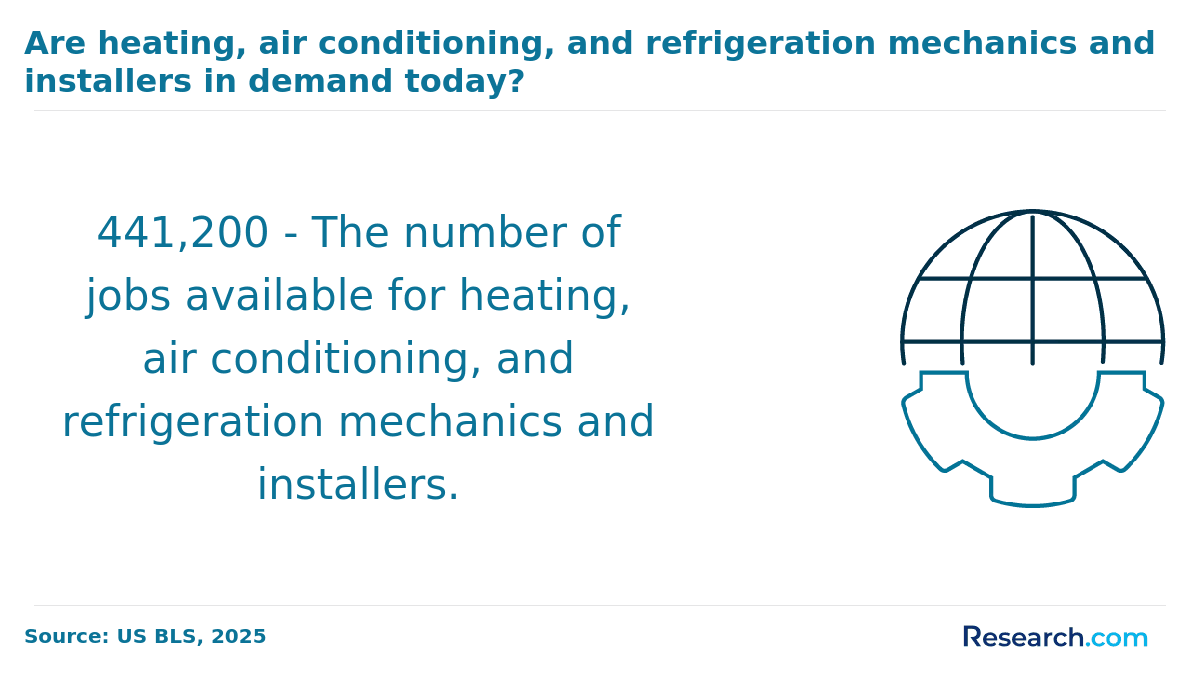
If you’re wondering whether there’s a demand for HVAC technicians in Texas, the answer is a solid yes. Texas’ hot climate means air conditioning is a must-have, and that keeps HVAC pros busy year-round. The job outlook in the Texas HVAC industry growth outlook is pretty promising, with the state seeing growth rates for HVAC positions that often outpace the national average.
In fact, Texas is one of the top states where HVAC jobs are booming, thanks to expanding residential and commercial construction. There’s a steady need for specialists in installation, maintenance, and repair, but commercial HVAC techs might find even more opportunities given the growth in big office buildings and industrial spaces. If you’re curious about what it takes to get started, looking into certifications that pay well can be a smart move to boost your career prospects.
Plus, with green technology on the rise, HVAC technicians skilled in energy-efficient systems or refrigeration are becoming highly sought after. So, if you’re thinking about jumping into this field, Texas offers a healthy job market with plenty of paths to explore for anyone interested in the HVAC technician job demand in Texas.
How can developing business acumen enhance my HVAC career in Texas?
Expanding your technical expertise with business skills can open doors to supervisory roles, effective team management, and entrepreneurial ventures within the HVAC industry. By integrating financial oversight, strategic marketing, and customer relationship management with hands-on technical experience, HVAC professionals can better navigate Texas’ competitive market. For those considering a transition into business leadership, pursuing targeted education can provide critical insights and practical strategies. Aspiring entrepreneurs may benefit from resources available at the best business schools in Texas.
Is Texas a good place to work as an HVAC tech?
If you’re thinking about working as an HVAC technician in Texas, you’re looking at a state with plenty of opportunities. The hot climate and large population create a constant need for cooling and heating experts, making it a solid choice for your career.
- High demand from the weather: Texas experiences long, scorching summers, so air conditioning is a must-have, which means HVAC techs are always in demand.
- Cost of living advantage: Compared to states like California or New York, Texas is more affordable, letting your earnings stretch further.
- Job market hotspots: Cities such as Houston, Dallas, and Austin have growing construction and commercial sectors that keep HVAC professionals busy.
- Easy-to-follow certification: Getting licensed isn’t complicated—you can complete training at community colleges or trade schools and pass the state exam without too much hassle.
Overall, Texas offers a friendly environment for HVAC techs with plenty of jobs and a clear path to getting started, making it worth considering if you want to build your career in this field.
What HVAC Technicians in Texas Say About Their Careers
Working as an HVAC technician in Texas has given me incredible job stability. With the state's booming construction and extreme weather conditions, skilled technicians are always in demand. Plus, the average salary here is very competitive, which makes me feel secure about my career choice. Marcus
The unique climate challenges in Texas push me to constantly adapt and improve my skills. From scorching summers to unpredictable storms, every day brings a new problem to solve. It’s demanding but rewarding, and it keeps me passionate about what I do. Laura
Texas offers excellent professional development programs for HVAC technicians, which have helped me advance quickly in my career. The access to specialized training and certifications here is outstanding, allowing me to stay ahead in the industry and take on more complex projects with confidence. Raj
Related Articles for Nearby States
- 2027 How to Become an HVAC Tech in Louisiana
- 2027 How to Become an HVAC Tech in Oklahoma
- 2027 How to Become an HVAC Tech in Arkansas
- 2027 How to Become an HVAC Tech in New Mexico
- 2027 How to Become an HVAC Tech in Kansas
- 2027 How to Become an HVAC Tech in Missouri
- 2027 How to Become an HVAC Tech in Colorado
- 2027 How to Become an HVAC Tech in Mississippi
- 2027 How to Become an HVAC Tech in Tennessee
- 2027 How to Become an HVAC Tech in Arizona
References:
- How Much Do HVAC Techs Make In Texas https://buildops.com/resources/how-much-do-hvac-techs-make-in-texas/
- HVAC Technician Salary Texas - Is it The Highest Paying State? [In 2023] https://preppy.org/hvac-technician-salary-texas/
- Is HVAC a Good Career Choice in Houston in 2022? | Tulsa Welding School https://www.tws.edu/blog/hvac-r/is-hvac-a-good-career-choice-in-houston-in-2022/
- 3 Reasons Why Texas is a Great Place to Start Your Heating and Cooling Career | The Training Center for Air Conditioning & Heating https://www.thetrainingcenterofairconditioningandheating.com/hvac-classes/texas-hvac-career/
- 7 Reasons Why Becoming an HVAC Technician Is a Promising Career Choice - InterCoast Colleges https://intercoast.edu/articles/hvac-technician-career/
- Put These 8 Essential HVAC Technician Skills to Work https://www.aerotek.com/en/insights/harnessing-8-essential-hvac-technician-skills
- 10 HVAC Technician Skills for Your Resume https://chartercollege.edu/news-hub/10-important-hvac-technician-skills-list-your-resume/
- Top 5 Skills for HVAC Technicians in 2025 - JTech https://www.jtech.org/top-5-skills-for-hvac-technicians-in-2025/
- HVAC Basics Every Technician Should Know - FieldEdge https://fieldedge.com/blog/7-hvac-basics/
- Top 5 Skills for HVAC Technicians | Genesis Career College https://www.genesiscareer.edu/top-5-skills-successful-hvac-technician/
Other Things You Should Know About Becoming an HVAC Tech in Texas
To become an HVAC technician in Texas in 2027, you need a Texas Department of Licensing and Regulation (TDLR) license. This requires at least 48 months of practical experience under the supervision of a licensed HVAC contractor or completion of a state-approved HVAC program.
In 2027, HVAC technicians in Texas can expect a salary range of $40,000 to $60,000 annually, depending on experience and certifications. Entry-level positions may start lower, while experienced technicians with advanced skills and licenses may earn significantly more.


