
2027 How to Become an Electrician in Texas

Co-Founder and Chief Data Scientist
Many people considering a trade career don’t realize how structured—and financially rewarding—the path to becoming an electrician in Texas can be. Without knowing the state’s licensing requirements or market demand, they risk overlooking a stable and high-paying option.
Texas currently employs over 100,000 electricians, with an average annual salary of $60,000. Opportunities for higher pay come with specialization and experience, especially as ongoing construction and infrastructure projects continue to drive demand. This article, prepared by experts in career planning, outlines everything you need to know to enter the field, from licensing steps to long-term career growth.
Key Things to Know About Becoming an Electrician in Texas
- Electricians in Texas must complete an apprenticeship program, typically lasting 4-5 years, combining on-the-job training with classroom instruction.
- The Texas Department of Licensing and Regulation requires electricians to obtain a license to work independently within the state.
- Job outlook for electricians in Texas is strong, with a projected growth rate of about 10% through 2030, driven by construction and maintenance demands.
- The average annual salary for electricians in Texas is approximately $55,000, varying by experience, location, and specialization.
- What education is required to become an electrician in Texas?
- How do you get into an electrician apprenticeship program in Texas?
- How much do electricians make in Texas?
- What certifications do electricians need in Texas?
- How long does an electrician apprenticeship take in Texas?
- How much does electrician training cost in Texas?
- What license do you need to be an electrician in Texas?
- How can ongoing professional development boost your career as an electrician in Texas?
- Can developing business acumen improve your success as an electrician in Texas?
- How do Texas electricians ensure ongoing safety and regulatory compliance?
- What emerging technologies are reshaping electrician roles in Texas?
- How often do you need to renew your electrician license in Texas?
- What are the essential skills needed to be a successful electrician in Texas?
- What is the job outlook for electricians over the next 10 years in Texas?
- Can electricians expand their opportunities into related technical fields?
What education is required to become an electrician in Texas?
Aspiring electricians typically go to technical schools or community colleges where they learn the basics like electrical theory, circuitry, safety rules, and of course, the National Electrical Code (NEC). These courses usually take one to two years and set you up with the foundational knowledge you need to get rolling.
Hands-on experience is also key, and that’s where apprenticeships come in. Texas electricians typically spend four to five years as apprentices, working alongside licensed pros while also hitting the books for supplemental classes. These apprenticeships are often backed by unions, contractors, or trade groups and give you thousands of hours of real-world practice installing and troubleshooting electrical systems.
Some of the top places to get trained in Texas include Texas State Technical College, Houston Community College, and Tarrant County College. For example, Texas State Technical College offers a program that focuses on high-voltage electrical line work, while Houston Community College has an Electrical Technology program that’s well-aligned with what the industry expects.
How do you get into an electrician apprenticeship program in Texas?
Apprenticeship programs are taken under organizations like the Independent Electrical Contractors (IEC) Texas Chapter, the International Brotherhood of Electrical Workers (IBEW) Local Unions, or the Associated Builders and Contractors (ABC) Texas Chapter. They typically ask for you to be at least 18 years old, have a high school diploma or GED, and show some basic math and reading skills. Sometimes you’ll need to pass an aptitude test or a physical exam too, so it’s good to prepare ahead.
You must register with the Texas Department of Licensing and Regulation (TDLR) to proceed, as it ensures you get supervised hands-on experience that meets Texas's strict safety and technical rules. Plus, apprentices have to complete around 8,000 hours of on-the-job work along with roughly 576 hours of classroom time each year for 4 to 5 years.
If you want to understand why these trades are so valuable, check out this high demand trades definition that breaks down why careers like this are booming.
How much do electricians make in Texas?
On average, they make between $58,000 and $62,000 a year, which breaks down to about $4,800 to $5,200 a month. If you’re just starting out, entry-level electricians typically earn around $35,000 to $40,000 annually, though this can vary depending on where you’re working and the employer.
Salary growth tends to be pretty steady for electricians in Texas. As you gain experience and snag certifications like the Texas Journeyman or Master Electrician License, you can expect your paycheck to get heftier. Journeyman electricians usually earn between $55,000 and $65,000 yearly, while master electricians or those in specialized fields like industrial electrical work can see salaries north of $75,000.
Big Texas cities like Houston, Dallas, Austin, and San Antonio offer some of the highest pay rates. For instance, electricians in Houston often make about 10% more than the state average, thanks to the city’s strong industrial and energy sectors. Dallas and Austin also pay well, fueled by commercial growth and the tech industry boom.
Some folks even benefit from pursuing advanced education like anchors part-time Ph.D. in economics to deepen their expertise, which can boost confidence and open new career doors.
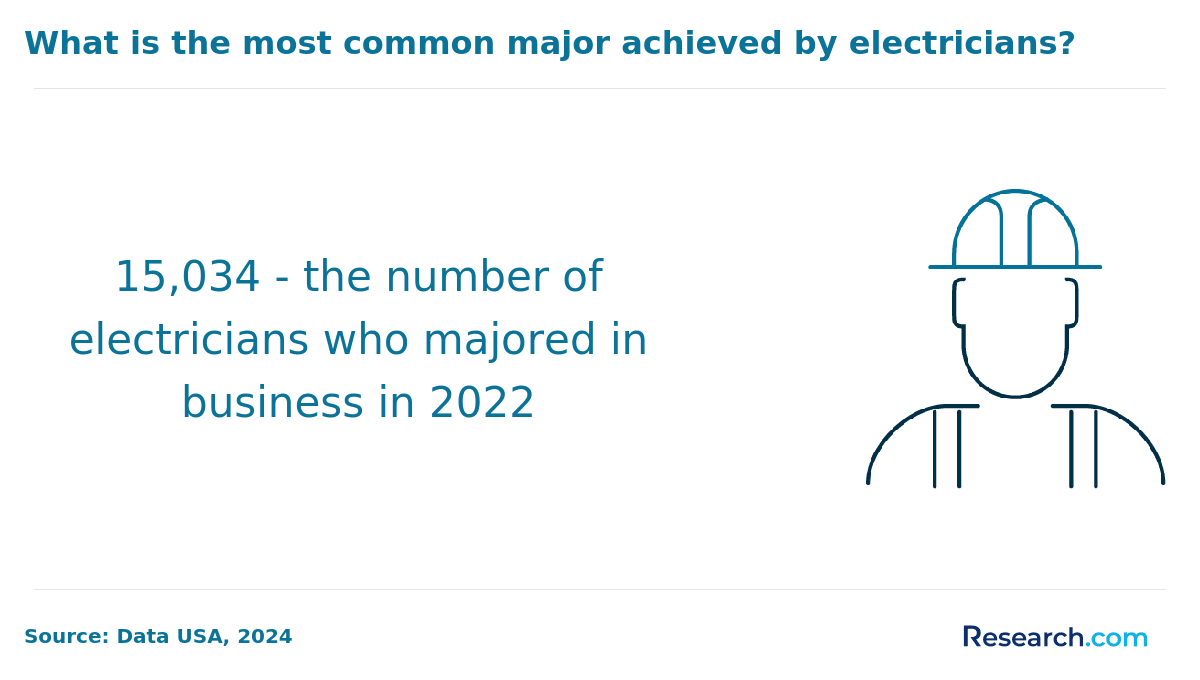
What certifications do electricians need in Texas?
The starting point is the apprentice electrician license, which lets you work under a licensed electrician while you gain hands-on experience. To get this, you usually need to register with the Texas Department of Licensing and Regulation and complete a mix of classroom learning and on-the-job training. Schools like Houston Community College, Tarrant County College, and Dallas College offer programs tailored to these requirements, making it easier to get started.
Once you’ve got some experience, the next step is the journeyman electrician license. This requires passing a state exam covering the National Electrical Code, Texas laws, and safety standards, plus logging at least 8,000 hours of supervised work or completing an approved apprenticeship. Having this license means you can work independently on electrical projects. It’s worth noting that journeyman electricians in Texas earn a solid median wage of about $58,000 a year, which reflects steady demand in the state’s construction and energy sectors.
The top tier is the master electrician license. To get this, you need to hold a journeyman license for four years, complete extra education, and pass a more comprehensive exam. Master electricians often supervise projects and lead teams, and their earnings can exceed $75,000 annually in Texas’s bigger cities. Besides these licenses, specialized certifications—like solar power installation or industrial electrical work—are also popular. These specialties help electricians stand out in niche markets, especially in Texas where renewable energy and automation are growing fast.
If you want to dive deeper into trade certifications, you might find the list of best online HVAC trade schools and certifications pretty helpful for related career paths.
How long does an electrician apprenticeship take in Texas?
Electrician apprenticeship usually takes about 4 to 5 years to complete. This period includes roughly 8,000 hours of on-the-job training paired with around 576 hours of classroom instruction. However, the exact time can shift depending on several factors like the sponsoring organization, your prior experience, and how the program is structured.
Some programs offer faster tracks. For example, certain union-sponsored apprenticeships or private electrical contractors might have accelerated formats, letting you finish in about 3 years. This is especially true if you bring previous electrical work experience or have relevant education, which can count toward your hours. On the flip side, if you’re working part-time or have interruptions, it might take longer than 5 years to wrap things up.
To get through your apprenticeship more efficiently, pick an accredited program recognized by the Texas Department of Licensing and Regulation (TDLR) or the National Electrical Contractors Association (NECA). Also, being proactive in classroom work and networking with mentors can open doors to extra hands-on training or faster advancement. Staying updated on certifications needed to be electrician Texas, like OSHA safety or specialized electrical certificates, can also give you a leg up.
If you’re curious about what programs might fit your needs, it’s worth checking out what are the best online trade schools and construction programs for more info on flexible learning options and accelerated pathways.
Percent Growth in Employment of Electricians VS Other Occupations

How much does electrician training cost in Texas?
If you go for a certificate or diploma program at a community college or technical school, expect to pay between $5,000 and $10,000. These programs usually last about 6 months to a year. On the other hand, if you decide to go for an associate degree, which takes around two years, tuition can rise to anywhere from $10,000 up to $20,000. The longer the program, the higher the cost, naturally.
Besides tuition, there are some additional expenses to keep in mind. For example, apprenticeships combine paid work with training, but you might still have to cover $1,000 to $3,000 yearly for classroom instruction. Also, don’t forget tools and equipment; good quality electrician tools can set you back anywhere from $500 to $1,500. These extra costs add up and are a big part of Texas electrician school tuition fees.
What can make it cheaper? Public community colleges usually offer more affordable tuition for Texas residents compared to private technical schools. Also, financial aid options can significantly reduce your expenses. Many schools participate in federal aid programs like Pell Grants and loans. Apprenticeships sometimes offer tuition reimbursement, and veterans can tap into GI Bill benefits. There are also state-specific grants and scholarships for trade students. You can learn more about the best online vocational trade school options to find ways to save on your training costs best online vocational trade school.
What license do you need to be an electrician in Texas?
If you’re just starting out, the Apprentice Electrician license is where you begin. You don’t need a formal license to start as an apprentice, but you do have to register with the Texas Department of Licensing and Regulation (TDLR). Usually, this involves around 8,000 hours of supervised work paired with classroom learning—think of it as about four years of hands-on experience.
Next up is the Journeyman Electrician license. To get this, you need to finish your apprenticeship and pass a state-approved exam. This means having at least four years or 8,000 hours of practical experience working under a licensed electrician, plus nailing that licensing test.
Then comes the Master Electrician license, which is the top tier. You need to hold a journeyman license for at least one year before you can go for the master exam. Having this license lets you supervise other electricians and pull permits for electrical jobs.
What makes Texas a bit unique is how licensing is handled by both the state and local cities. The TDLR takes care of issuing licenses and setting the rules statewide, but cities like Houston, Dallas, and Austin might have their own extra requirements and permits. So, electricians need to juggle both state and local rules to stay legit. The main players in overseeing licensing are the Texas Department of Licensing and Regulation (TDLR) and local municipal authorities. The TDLR runs the exams, licenses, and renewals, while local authorities enforce city-specific codes.
Here are some tips to make the whole process easier:
- Sign up for state-approved apprenticeship or training programs that mix classroom and on-the-job learning.
- Keep track of all your work hours and training details to make applying simpler.
- Study hard for the exams, especially on state and local electrical codes and safety rules.
- Stay on top of continuing education so you don’t miss renewal deadlines.
- Check out your city or county’s rules early to avoid surprises with extra permits or certifications.
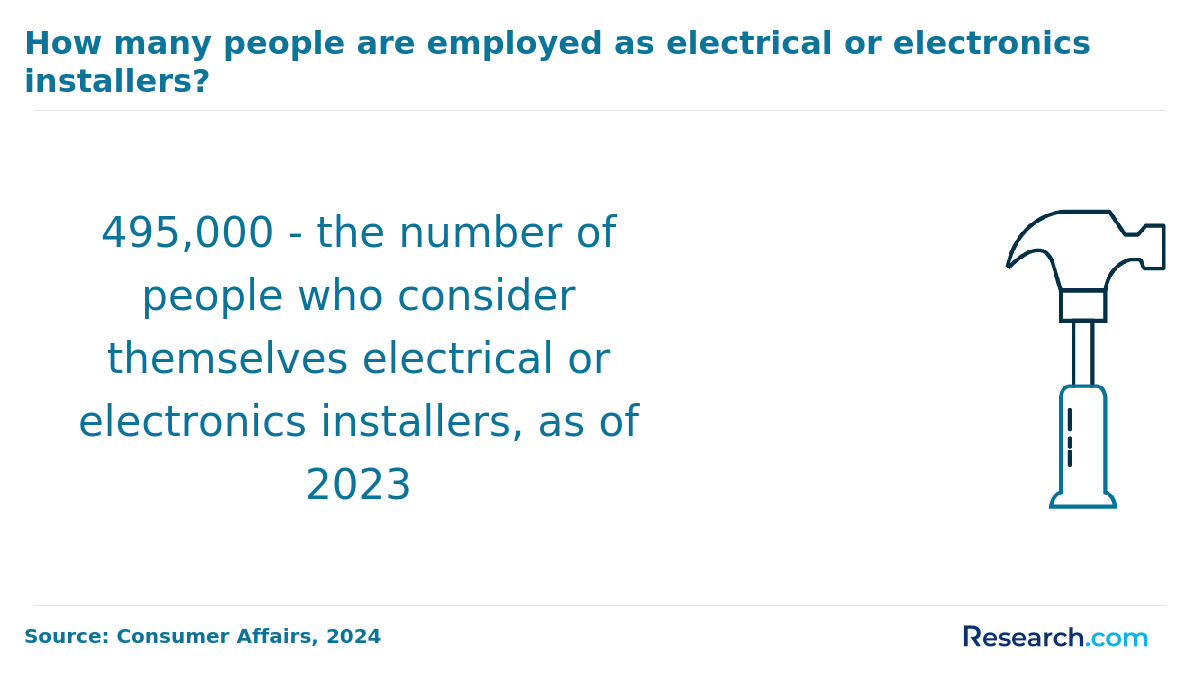
How can ongoing professional development boost your career as an electrician in Texas?
Electricians can significantly enhance their long-term career prospects by actively pursuing professional development beyond mandatory license renewals. Specialized training, targeted courses on emerging technologies, and advanced certifications provide pathways to leadership and technical expertise. Participating in industry seminars and professional associations not only refines on-the-job skills but also expands networking opportunities and prepares professionals for supervisory or niche roles within the sector. Exploring cross-training in related areas—for example, learning how to become a mechanic in Texas—can diversify one’s skill set and open up additional technical fields, adding further value to an electrician’s career profile.
Can developing business acumen improve your success as an electrician in Texas?
Electricians who diversify their expertise by incorporating business fundamentals can better navigate project management, budgeting, and client relations—key elements when moving into independent contracting or entrepreneurial roles. Proficiency in areas such as financial management, marketing, and strategic planning not only enhances day-to-day operations but also facilitates sustainable growth in competitive markets. For those considering further education in these areas, exploring opportunities at the top business schools in Texas can provide valuable insights that complement technical skills and drive long-term career advancement.
How do Texas electricians ensure ongoing safety and regulatory compliance?
Texas electricians adhere to rigorous safety protocols and regulatory standards by engaging in continuous education and leveraging the latest advancements in personal protective equipment and digital monitoring tools. They regularly participate in specialized safety training programs that address both state-specific regulations and evolving federal guidelines, including OSHA standards. These courses equip professionals with updated practices for hazard assessment, emergency response, and the proper implementation of the National Electrical Code. Additionally, many electricians integrate advanced safety technologies that facilitate early detection of potential risks and ensure compliance with local and state ordinances. For professionals exploring avenues to broaden their technical expertise, detailed insights can be found in our guide on how to become a radiology technician in Texas.
What emerging technologies are reshaping electrician roles in Texas?
Electricians in Texas are increasingly leveraging digital diagnostics, smart grid management, and automation systems to enhance work efficiency and safety. Integrating advanced sensor technologies and remote monitoring tools enables professionals to detect anomalies in electrical systems before they escalate into major issues, ensuring uninterrupted service and regulatory compliance. This shift toward technology-driven solutions requires ongoing industry-specific training and an openness to cross-disciplinary learning, similar to exploring how to become an ultrasound technician in Texas for insights into advanced diagnostic tools used in other technical fields.
How often do you need to renew your electrician license in Texas?
Licenses need to be renewed every two years, which helps electricians stay safe and knowledgeable about new codes and safety practices. The Texas Department of Licensing and Regulation (TDLR) is the agency in charge of this whole process, making sure everyone stays sharp and up to date with the latest industry standards.
Here’s the rundown on what you need to do to renew your license:
- Submit your renewal application to the TDLR before your license expires.
- Complete at least 4 hours of continuing education focused on the National Electrical Code (NEC) updates and safety.
- Pay the renewal fee, which can vary depending on your specific license type.
- Maintain a clean disciplinary record—if you have any violations, your renewal could be delayed or denied.
For those getting ready to renew, here’s a tip: start early. Keep track of your continuing education credits and don’t wait until the last minute to take your courses. Many approved providers offer online classes, which is super convenient if you’re juggling work and life. Being proactive means you avoid any last-minute headaches or gaps in your license.
What are the essential skills needed to be a successful electrician in Texas?
Technical proficiency is a must. You’ll need a solid grasp of electrical theory, wiring techniques, and safety protocols. Getting comfortable with modern tools, like digital multimeters and diagnostic software, will give you an edge. You can build these skills through accredited trade schools or apprenticeships—Texas has plenty of programs like the Texas Electrical Training Alliance that offer hands-on learning.
Problem-solving skills come in handy when unexpected issues pop up on the job. You’ll want to be quick on your feet, diagnosing and fixing problems efficiently. Try to get as much real-world experience as possible, whether that’s through simulations or on-the-job training.
Attention to detail is critical because safety depends on it. You’ll be working with complex systems where one small mistake can cause big problems. Training courses and ongoing certifications ensure you stay sharp and compliant with the National Electrical Code specific to Texas.
Communication skills are often overlooked but super important. Whether you’re explaining technical details to clients or coordinating with contractors, clear and effective communication helps avoid confusion and keeps projects on track. Joining workshops or community college classes that focus on communication can be a game-changer.
Physical stamina and dexterity matter too. Electricians often work in tight spaces or awkward positions, so keeping fit and practicing good hand-eye coordination will make your work easier and safer.
Time management helps you juggle deadlines and prioritize tasks, especially in Texas's fast-moving construction scene. Developing strong organizational habits will keep you ahead of the game.
What is the job outlook for electricians over the next 10 years in Texas?
The job outlook for electricians in Texas is looking pretty solid over the next decade. According to the U.S. Bureau of Labor Statistics data from 2023, electrician jobs in the state are expected to grow by about 12% through 2033. That’s faster than the average growth for most other jobs, so there’s definitely demand. This growth is mainly because of ongoing construction projects, upgrades to electrical infrastructure, and a big push toward renewable energy like wind and solar power.
If you’re thinking about where the jobs are, big cities like Houston, Dallas, San Antonio, and Austin are the hotspots. Houston leads the pack with lots of electricians working across industrial, commercial, and residential sectors. Austin’s tech boom and Dallas’s growing infrastructure also keep electricians in high demand. These cities offer wages that stack up well against Texas’s moderate cost of living, which is lower than many other urban areas in the U.S., making it easier to live comfortably.
Industries hiring the most electricians include construction, manufacturing, utilities, and energy. The state’s focus on modernizing electrical grids and boosting renewable energy means electricians who keep up with new tech and certifications will have an edge. Smart home tech is also a growing field that needs skilled electricians.
Can electricians expand their opportunities into related technical fields?
Electricians can leverage their technical expertise to enter adjacent industries by acquiring additional certifications and hands-on training in specialized areas. For example, transitioning into climate control services has become a practical option. Many professionals choose to diversify their skill set to include HVAC systems, which not only broadens career prospects but also increases earning potential. Exploring these complementary fields can offer a competitive edge in a market that values multidisciplinary expertise. Aspiring dual-skilled technicians can check out how to become an HVAC technician in Texas for guidance on entering this dynamic sector.
What Electricians in Texas Say About Their Careers
The hands-on training combined with knowledgeable instructors prepared me for the fast-paced demands of Texas’s energy sector. I love that my work not only supports families but also contributes to the growth of local businesses. The strong job market here means stability, and I’m proud to be part of a profession that’s both challenging and rewarding. — Fred
Working in rural communities across Texas, I’ve seen firsthand how reliable electrical work can improve lives and safety. It feels great to give back and help build infrastructure where it’s needed most. — Avery
Starting my education at the University of Texas at Arlington opened doors to unique projects that only Texas’s vast oil and gas industry can offer. The potential for advancement here is incredible, especially with ongoing industry innovations. I appreciate the professionalism and respect that come with being an electrician in such a dynamic environment. — Pedro
Related Articles for Nearby States
- 2027 How to Become an Electrician in Louisiana
- 2027 How to Become an Electrician in Oklahoma
- 2027 How to Become an Electrician in Arkansas
- 2027 How to Become an Electrician in New Mexico
- 2027 How to Become an Electrician in Kansas
- 2027 How to Become an Electrician in Missouri
- 2027 How to Become an Electrician in Colorado
- 2027 How to Become an Electrician in Mississippi
- 2027 How to Become an Electrician in Tennessee
- 2027 How to Become an Electrician in Arizona
References:
- Faraday Careers. (n.d.). Electrician job outlook for 2022.
- Prairie Electric. (2024, December). Electrician job outlook in 2025 and beyond.
- CareerExplorer. (n.d.). The job market for electricians in the United States.
- Bureau of Labor Statistics. (2025, April 18). Electricians. U.S. Department of Labor.
- Bureau of Labor Statistics. (n.d.). Occupational employment and wage statistics: Electricians. U.S. Department of Labor.
- Contractor Training Center. (n.d.). How to become an electrician in Texas.
- Independent Electrical Contractors of Greater Cincinnati. (n.d.). How much does it cost to become an electrician?
Other Things You Should Know about Becoming an Electrician in Texas
Texas electricians must complete four hours of continuing education yearly to renew their license. This includes a course on the National Electrical Code, and other safety and industry-related instruction sanctioned by the Texas Department of Licensing and Regulation.
In 2027, becoming a licensed electrician in Texas typically takes about 4 to 5 years. This includes completing a four-year apprenticeship program, followed by passing the Journeyman Electrician exam. It's a structured path requiring dedication and commitment to learning both theoretical and practical skills.
To become a licensed electrician in Texas in 2027, begin with a high school diploma or GED. Then, enroll in an apprenticeship program that provides 8,000 hours of on-the-job training and 576 hours of classroom instruction. Finally, pass the Texas Journeyman Electrician Exam to obtain your license.


