
2027 How to Become an HVAC Tech in Minnesota

Co-Founder and Chief Data Scientist
Becoming a heating, air conditioning, and refrigeration mechanic and installer, or an HVAC tech, can help Minnesota residents earn a decent income. For instance, those employed in the North Star State had a 2024 median hourly wage of $35.29, which is higher than the median hourly wage of all occupations in Minnesota in the same year ($25.87) [US Bureau of Labor Statistics (BLS), 2025]. Notably, the 2024 median hourly wage of HVAC techs in the state is also higher than the 2025 living wage for single, childless adult residents ($22.05) (Glasmeier & Massachusetts Institute of Technology, 2025).
To help you get started on your career as an HVAC tech, I created this in-depth guide to educational requirements, available HVAC programs, licensure requirements, income potential, and job outlook.
Key Points About Becoming an HVAC Tech in Minnesota
- In 2024, heating, air conditioning, and refrigeration mechanics and installers in Minnesota had a median hourly wage of $35.29, which is equivalent to a median annual wage of $73,390 (US BLS, 2025). These figures are much higher than those of all occupations across the North Star State in the same year. The 2024 median hourly wage for all Minnesota jobs was $25.87, which translates to $53,810 per year (US BLS, 2025).
- Across the US, employment for heating, air conditioning, and refrigeration mechanics and installers is expected to increase by 9% between 2023 and 2033, which is equivalent to an average of about 42,500 job openings annually (US BLS, 2025).
- Minnesota offers robust apprenticeship programs and licensing requirements that prepare candidates thoroughly, making it a practical state to launch an HVAC career.
- What are the educational requirements to become an HVAC Tech in Minnesota?
- Which schools in Minnesota offer HVAC programs?
- Do HVAC techs need licensure or certification in Minnesota?
- What are the requirements for HVAC licensure in Minnesota?
- What is the licensing process for HVAC technicians in Minnesota?
- How long does it take to become an HVAC tech in Minnesota?
- Will a Minnesota HVAC license allow you to work in other states?
- How are emerging technologies impacting HVAC careers in Minnesota?
- What advanced career paths are available for HVAC professionals in Minnesota?
- How essential is business knowledge for HVAC career advancement in Minnesota?
- What are the workplace safety considerations for HVAC technicians in Minnesota?
- What professional development opportunities exist for HVAC technicians in Minnesota?
- How much do Minnesota HVAC technicians earn?
- Is there a demand for HVAC technicians in Minnesota?
- Is Minnesota a good place to work as an HVAC tech?
What are the educational requirements to become an HVAC Tech in Minnesota?
To become an HVAC technician in Minnesota, it is essential to follow a clear educational and training pathway tailored to the state's requirements. Understanding the necessary steps ensures readiness for a career in this in-demand trade. Below is a practical outline of the HVAC technician education requirements in Minnesota.
- Obtain a high school diploma or GED: This foundational credential provides basic math, reading, and science skills needed for technical training.
- Enroll in an accredited HVAC training program: These programs, available at community colleges, technical schools, or vocational centers, cover refrigeration, heating systems, electrical components, and safety protocols, reflecting key HVAC training programs in Minnesota.
- Complete a 3-5 year apprenticeship with practical experience: Apprenticeships combine hands-on work and classroom learning, often coordinated by unions or employers, to build real-world skills and comply with Minnesota’s building codes and climate needs.
- Acquire EPA Section 608 certification for refrigerants: This certification is essential for handling refrigerants and aligns with the state’s regulations, although Minnesota does not require a specific HVAC license for general technicians.
With the growing demand for skilled tradespeople, many aspiring HVAC techs benefit from understanding the broader landscape through resources like the list of high demand trades. This context helps learners appreciate the value of vocational training alongside formal education and apprenticeships, enhancing their career prospects in Minnesota and beyond.
Which schools in Minnesota offer HVAC programs?
For those exploring the best HVAC training programs in Minnesota, several colleges offer tailored curricula to prepare students for careers as HVAC technicians. These programs combine hands-on training with certification preparation, essential for success in this skilled trade.
- Dakota County Technical College provides a comprehensive HVAC program focused on refrigeration, heating systems, electrical controls, and energy efficiency. The curriculum readies students for industry certifications and practical skills application. Tuition is approximately $6,000 per year for in-district students, with slightly higher fees for those from outside the district.
- Hennepin Technical College emphasizes installation, maintenance, and repair of heating and cooling systems in its HVAC program. Courses cover air conditioning, ventilation principles, and preparation for the EPA refrigerant handling certification. Tuition costs are around $7,500 annually for Minnesota residents.
- Northland Community & Technical College offers an HVAC program that covers electrical fundamentals, system troubleshooting, and indoor air quality control. It also prepares students for the EPA Section 608 certification, with tuition estimated at $5,500 per year for Minnesota residents.
Choosing the right Minnesota HVAC technician schools means considering programs with strong practical components and certification readiness, vital for working effectively in the state's cold climate and meeting strict efficiency standards. Prospective students should also evaluate financial aid options and how well schools connect with local HVAC employers for apprenticeships or job placement.
For those considering related trades, understanding the requirements to become an electrician can offer additional career insights and opportunities for skill diversification in the technical trades.
What skills do you need to become an HVAC Tech in Minnesota?
To thrive as an HVAC technician in Minnesota, mastering a diverse set of skills is essential due to the region’s challenging climate and regulatory environment. Technicians must combine technical expertise with hands-on experience to ensure heating and cooling systems operate efficiently and safely.
Important skills for HVAC professionals in Minnesota include:
- Electrical Troubleshooting: Ability to diagnose and fix issues within complex electrical circuits that power HVAC units.
- Refrigerant Handling: Knowledge of proper refrigerant recovery and recycling techniques that comply with EPA regulations and state laws.
- Code Compliance: Familiarity with Minnesota-specific building codes and energy efficiency requirements to ensure installations meet legal standards.
- Technical Documentation: Proficiency in reading and interpreting blueprints, technical manuals, and system schematics for accurate installation and repair.
- System Installation and Maintenance: Skills to install and service both residential and commercial HVAC equipment, adapting to various system types and settings.
What are the requirements for HVAC licensure in Minnesota?
HVAC technicians in Minnesota must fulfill a few specific requirements to obtain licensure. These requirements ensure candidates have the practical skills and knowledge necessary to work safely and effectively in the field.
- Work Experience: Applicants must provide proof of at least three years of relevant HVAC work experience, including installation, maintenance, or repair, to demonstrate hands-on competence.
- Licensing Exam: Candidates need to pass the Minnesota HVAC licensing exam, which covers system design, safety protocols, refrigeration, electrical components, and state-specific codes. The exam also includes unique questions related to local environmental and safety standards.
- Criminal Background Check: Minnesota requires a background check to ensure applicants meet professional conduct expectations, which is a step not required in all states.
For those considering how to get HVAC certification in Minnesota, understanding these steps is crucial. The state’s emphasis on practical experience combined with a comprehensive exam helps maintain high industry standards. Pursuing this pathway aligns well with a pragmatic career approach and provides a clear roadmap toward licensure.
Exploring trades career options can offer additional insights into related fields and alternative paths within the industry. Resources such as trades career options can help prospective technicians evaluate their opportunities and make informed decisions about their professional development.
What is the licensing process for HVAC technicians in Minnesota?
Becoming a licensed HVAC technician in Minnesota requires navigating a defined regulatory pathway overseen by the Minnesota Department of Labor and Industry. The process varies slightly depending on whether you seek a contractor or journeyman HVAC license, each tied to different professional responsibilities.
- Application Submission: Complete and submit the required forms along with necessary documentation and fees to the state labor department.
- Licensing Examination: Successfully pass an exam covering HVAC codes, safety requirements, and state-specific rules to demonstrate your technical competency.
- Work Experience Verification: Provide proof of adequate hands-on experience, typically involving several years of supervised training to meet journeyman or contractor qualifications.
- Bonding and Insurance: Secure the mandated bonding or insurance policies designed to protect both clients and technicians under Minnesota law.
- Ongoing Compliance: Engage in continuing education and renew your license on schedule to keep pace with industry changes and legal standards.
For an HVAC tech from Minnesota I spoke with, the licensing journey was both rigorous and rewarding. She recalled, “The exam was definitely challenging because it tested not just theory but how well I knew Minnesota’s specific regulations.” She emphasized the value of hands-on experience, noting that “the supervised training really prepared me for real-world problems I face daily.” While securing bonding and insurance felt like “one more hurdle,” it offered peace of mind knowing her clients and business were protected. Reflecting on ongoing education, she said, “Keeping up with new standards isn’t optional; it’s part of staying professional and competitive.” Her story illustrates the blend of diligence and dedication needed to succeed as an HVAC technician in Minnesota.
How long does it take to become an HVAC tech in Minnesota?
Becoming an HVAC technician in Minnesota requires a clear, practical timeline that balances education, hands-on experience, and state licensure. Understanding the typical HVAC training duration in Minnesota helps candidates plan their path efficiently.
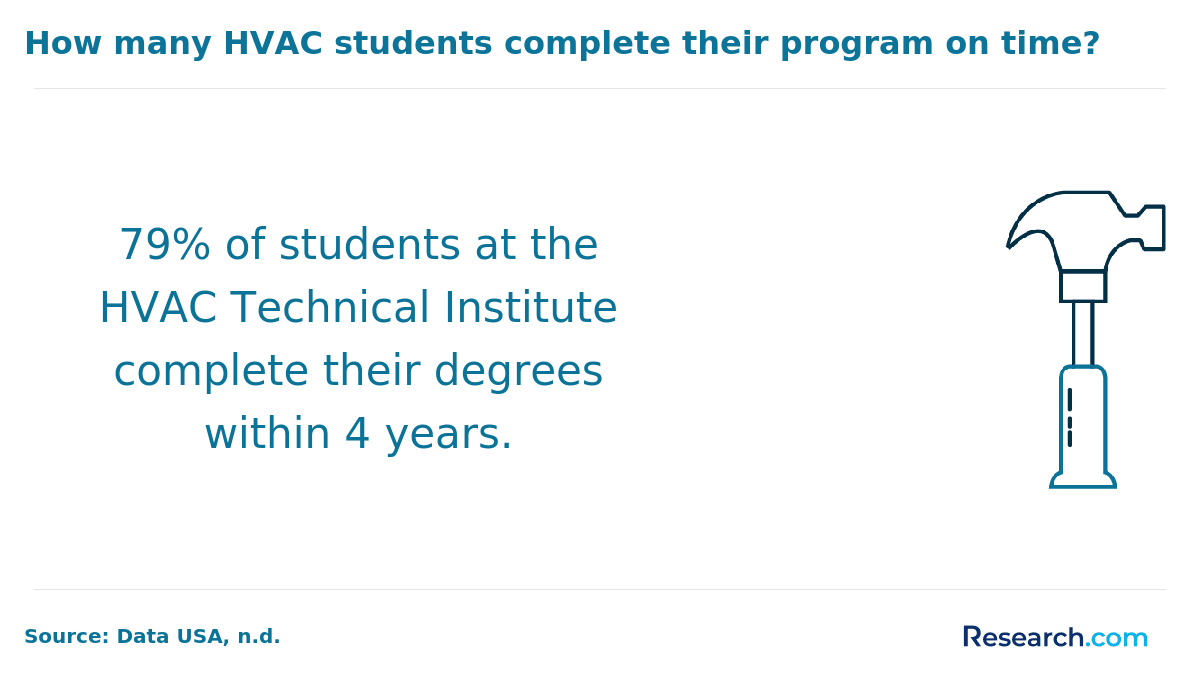
- 6 to 24 months for formal HVAC education: Complete a certificate, diploma, or associate degree program covering heating, ventilation, air conditioning, refrigeration, and electrical basics. Many students choose online certification programs to fit their schedules.
- 18 to 24 months for on-the-job training: Minnesota mandates approximately 3,000 hours of supervised practical experience, usually achieved through apprenticeships or entry-level technician roles, to develop essential skills.
- Several weeks to months for exam preparation and licensing: After training, candidates must pass the Minnesota HVAC licensing exam. This phase varies based on individual readiness and scheduling.
Overall, the time to become HVAC technician Minnesota typically spans 2 to 3 years, combining education, apprenticeship, and exam completion into a structured career path.
Will an HVAC license from Minnesota allow you to work in other states?
In Minnesota, HVAC licenses do not typically transfer directly to other states due to the absence of broad reciprocity agreements. This means that holding a Minnesota HVAC license alone usually isn’t sufficient to work elsewhere without fulfilling additional requirements. Each state enforces its own licensing standards, so it’s crucial to research the destination state’s criteria before making a move. Generally, the process includes:
- Submitting an application to the licensing authority in the new state
- Verifying your Minnesota license and relevant work history
- Completing any state-specific exams required
- Paying necessary fees for license issuance
Because regulations differ significantly across states, contacting the appropriate licensing board ahead of time is essential to avoid unexpected delays or compliance issues. Many Minnesota HVAC professionals must undertake extra coursework or pass additional tests to qualify for licensure elsewhere. Planning these steps in advance ensures a smoother transition and continued eligibility to work in the HVAC field across state lines.
How are emerging technologies impacting HVAC careers in Minnesota?
Advancements in smart technologies and energy-efficient systems are transforming HVAC practices in Minnesota. Technicians are now expected to interpret data from automated diagnostic tools, integrate IoT-enabled devices with existing heating and cooling systems, and work with software-driven maintenance schedules. This evolution necessitates continuous upskilling and familiarity with modern control systems, which in turn can open pathways for specialization and career growth. Additionally, professionals looking to diversify their expertise are encouraged to explore related trades, such as learning how to get electrician license in Minnesota, to better understand the intersection of electrical systems and advanced HVAC technologies.
What advanced career paths are available for HVAC professionals in Minnesota?
Advanced career opportunities extend beyond traditional fieldwork. HVAC professionals who pursue additional certifications and specialized training can move into roles such as systems design consulting, project management, or technical sales for energy-efficient systems. Some may even transition into supervisory or managerial positions overseeing installation and maintenance teams. Diversifying skill sets—for example, learning emerging diagnostic technologies or integrating smart building solutions—can also lead professionals toward niche specializations in industrial or commercial settings. Exploring related fields may further broaden career options, as seen in areas where technical skills overlap; for instance, check out how to become a mechanic in Minnesota to understand complementary career pathways.
How essential is business knowledge for HVAC career advancement in Minnesota?
Integrating business skills with technical expertise can propel HVAC professionals into leadership roles and entrepreneurial ventures. Gaining competencies in budgeting, project management, and strategic planning enables technicians to manage teams effectively and oversee complex service operations. This business acumen is particularly beneficial when transitioning into supervisory positions or launching independent enterprises. For more insight on complementary educational opportunities, consider exploring the best business schools in Minnesota.
What are the workplace safety considerations for HVAC technicians in Minnesota?
HVAC professionals face specific occupational risks that necessitate strict adherence to safety protocols. Maintaining compliance with OSHA standards and state-specific regulations is essential when working with refrigerants, electrical systems, and extreme temperatures. Technicians in Minnesota benefit from regular safety training programs and employer-led initiatives that emphasize best practices for hazardous materials handling and proper use of personal protective equipment (PPE). Additionally, staying informed about industry updates through continuing education can reduce on-the-job hazards and promote long-term career sustainability. For perspective on safety and training demands in another technical field, refer to Minnesota education requirements for radiologic technologist.
What professional development opportunities exist for HVAC technicians in Minnesota?
The HVAC industry in Minnesota is evolving rapidly, with technological advancements and regulatory updates driving the need for ongoing skill development. Accredited programs, workshops, and on-the-job training initiatives enable technicians to master advanced diagnostic tools, energy-efficient system design, and smart system integrations. These efforts not only enhance technical acumen but also build competencies in project management and business operations. Expanding expertise into adjacent fields can further diversify career options, as seen in resources like how to become an ultrasound technician in Minnesota.
How much do Minnesota HVAC technicians earn?
In Minnesota, HVAC technicians generally earn between $50,000 and $60,000 annually, though salaries vary depending on experience and area of expertise. Beginners often start around $40,000, while seasoned professionals with advanced credentials or specialized skills can make over $70,000. Fields like refrigeration or commercial HVAC tend to offer higher pay due to the specialized knowledge and demand.
Key factors that impact wages include:
- Level of experience: Technicians with more years in the field typically command better salaries.
- Specializations: Expertise in industrial refrigeration or energy efficiency can boost income.
- Geographic location: Urban areas in Minnesota usually provide higher compensation compared to rural regions.
- Certifications and licenses: Credentials such as EPA Section 608 or NATE certification enhance career opportunities and earning potential.
To advance your HVAC career in Minnesota, focus on gaining hands-on experience and obtaining relevant certifications. This approach will help increase your marketability and long-term salary prospects.
Is there a demand for HVAC technicians in Minnesota?
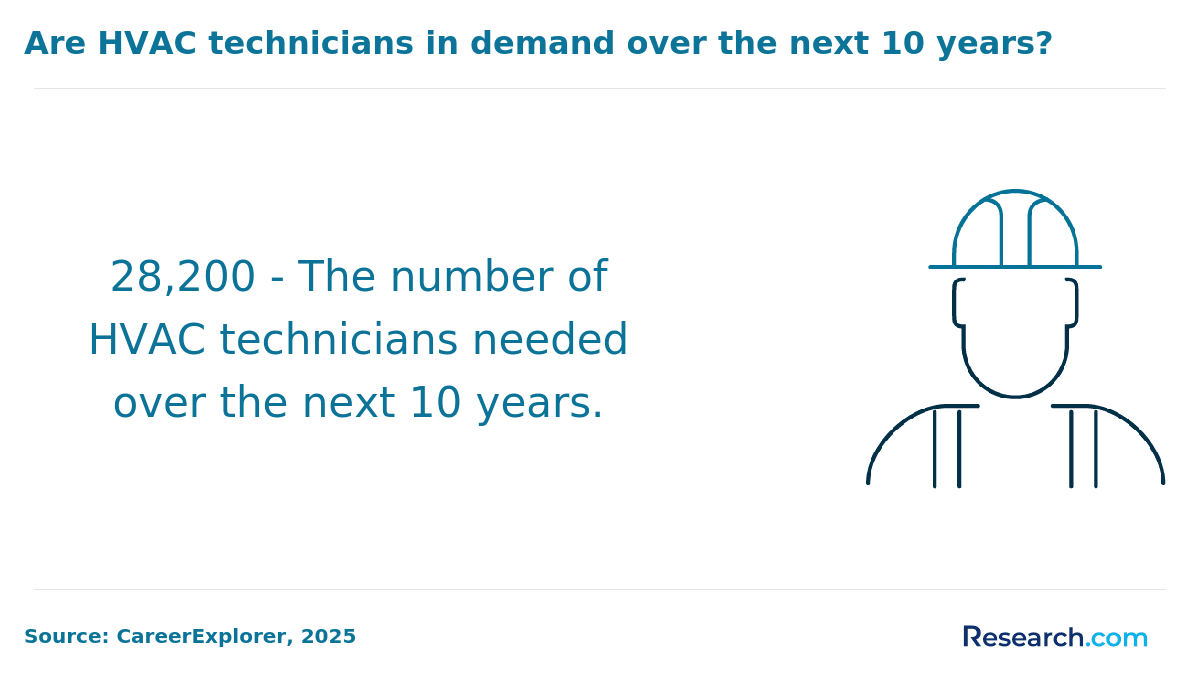
The demand for HVAC technicians in Minnesota remains strong, driven by the state's diverse climate and aging infrastructure. According to recent labor data, the job growth rate for HVAC professionals in Minnesota is projected to be around 10% over the next decade, consistent with national averages. This steady growth reflects ongoing needs for installation, repair, and maintenance of heating, ventilation, and air conditioning systems across residential, commercial, and industrial sectors. Those researching HVAC technician job demand Minnesota will find this a promising field for career stability.
Different types of HVAC specialists experience varying demand levels in Minnesota. Technicians skilled in energy-efficient and environmentally friendly systems, such as geothermal and solar HVAC, are increasingly sought after due to state incentives and stricter environmental regulations. Meanwhile, traditional HVAC repair and installation roles remain plentiful, especially in urban centers like Minneapolis and St. Paul, where construction and renovation projects continue to create job opportunities. For those seeking to enhance their qualifications and career prospects, exploring certifications that pay well can be a practical step.
Considering the Minnesota HVAC technician employment outlook, prospective students and professionals should focus on gaining hands-on experience and certifications relevant to the latest technologies. Staying current with industry trends, including sustainable HVAC solutions, will improve job prospects in this evolving market.
Is Minnesota a good place to work as an HVAC tech?
Minnesota offers a solid setting for those pursuing a career as HVAC technicians, with a blend of steady demand and manageable challenges. The state’s consistently cold weather ensures HVAC services, especially heating system work, remain in demand throughout the year.
- Stable Job Market: Minnesota’s HVAC employment growth slightly exceeds the national average, reflecting ongoing opportunities in the field.
- Moderate Cost of Living: While wages for HVAC technicians are reasonable, they align with the state’s moderate living expenses, providing a balanced but not exceptionally high income.
- Affordable Housing Outside Metro Areas: Those working outside the Twin Cities can benefit from lower housing costs, improving overall financial comfort.
- Accessible Training and Licensing: Prospective HVAC techs can enroll in state-approved programs offered by community colleges and vocational schools, making education attainable.
- Apprenticeship Opportunities: Hands-on experience through apprenticeships is common and highly recommended, easing the transition from training to employment.
- Licensing Requirements: Obtaining a Minnesota HVAC license requires passing a state exam, a straightforward process if proper preparation is completed.
For those planning to enter this field, a practical approach involves enrolling in accredited HVAC courses, completing apprenticeship hours for real-world skills, securing licensure, and building connections with local professionals to enhance job prospects.
What HVAC Technicians in Minnesota Say About Their Careers
- “Pursuing a career as an HVAC technician in Minnesota has given me incredible job stability, especially with the state's four distinct seasons demanding year-round climate control. The competitive salaries here make it rewarding both financially and professionally. I truly feel valued in this field.” —Robert
- “The challenges of Minnesota’s harsh winters have pushed me to constantly improve my skills and adapt to tough working conditions. It’s a unique experience that really sets HVAC techs here apart, offering a sense of pride in mastering complex systems that keep homes safe and warm. This career has been both challenging and fulfilling.” —Liam
- “Minnesota offers excellent professional development opportunities, from technical training programs to certifications supported by local trade schools and unions. These resources have helped me advance my career steadily while connecting with a strong community of HVAC professionals. It’s empowering to grow in a state that invests in its tradespeople.” —Christian
Related Articles for Nearby States
- 2027 How to Become an HVAC Tech in Wisconsin
- 2027 How to Become an HVAC Tech in Iowa
- 2027 How to Become an HVAC Tech in North Dakota
- 2027 How to Become an HVAC Tech in South Dakota
- 2027 How to Become an HVAC Tech in Nebraska
- 2027 How to Become an HVAC Tech in Illinois
- 2027 How to Become an HVAC Tech in Missouri
- 2027 How to Become an HVAC Tech in Michigan
- 2027 How to Become an HVAC Tech in Kansas
- 2027 How to Become an HVAC Tech in Indiana
References:
- Aerotek. (2024, February 26). Put These 8 Essential HVAC Technician Skills to Work. https://www.aerotek.com/en/insights/harnessing-8-essential-hvac-technician-skills
- BOBTAYLOR12. (n.d.). Minnesota HVAC License: How to Get Certified as an HVAC Contractor in MN. ServiceWorks Academy. https://blog.service.works/service-business/hvac/minnesota-hvac-license-how-to-get-certified-as-an-hvac-contractor-in-mn
- Century College. (n.d.). Heating, Ventilation, Air Conditioning and Refrigeration Technology. https://www.century.edu/programs/heating-ventilation-air-conditioning-and-refrigeration-technology
- Charter College. (n.d.). 10 HVAC Technician Skills for Your Resume. https://chartercollege.edu/news-hub/10-important-hvac-technician-skills-list-your-resume
- Glasmeier, A. K. & Massachusetts Institute of Technology. (2025). Living Wage Calculation for Minnesota. https://livingwage.mit.edu/states/27
- Hennepin Technical College. (n.d.). HVAC/R. https://hennepintech.edu/academic-programs/architecture-construction/hvac.html
- HVACSchool.org. (n.d.). Minnesota HVAC Training. https://www.hvacschool.org/minnesota
- Minnesota Air. (n.d.). Air Academy HVAC Training & Certification. https://mnair.com/training
- Minneapolis College. (n.d.). Heating, Ventilation, Air Conditioning and Refrigeration. https://minneapolis.edu/academics/school-trade-technologies/heating-ventilation-air-conditioning-and-refrigeration
- Minnesota Department of Labor and Industry. (2024, October 03). HVAC technician apprenticeships. https://www.dli.mn.gov/business/workforce/hvac-technician-apprenticeships
- Minnesota State Community and Technical College. (n.d.). HVAC/R. https://www.minnesota.edu/programs-and-degrees/hvac/r
- US Bureau of Labor Statistics. (2025, April 18). Heating, Air Conditioning, and Refrigeration Mechanics and Installers. Occupational Outlook Handbook. https://www.bls.gov/ooh/installation-maintenance-and-repair/heating-air-conditioning-and-refrigeration-mechanics-and-installers.htm
- US Bureau of Labor Statistics. (2025, May 22). Occupational Employment and Wage Statistics, Area: Minnesota. Occupational Employment and Wage Statistics Query System. https://data.bls.gov/oes/#/area/2700000
Other Things You Should Know About Becoming an HVAC Tech in Minnesota
In Minnesota, aspiring HVAC technicians can enroll in community college programs, trade schools, or apprenticeships to gain the necessary skills. Programs typically last from 6 months to 2 years and cover topics including system design, installation, maintenance, and safety standards.
To work as an HVAC tech in Minnesota, you need a Refrigeration Operator License (Special Engineers License) for entry-level work. Advanced roles require further certification through the Minnesota Department of Labor and Industry. These ensure compliance with state regulations and demonstrate technical competence.


