
2027 How to Become an Electrician in Minnesota

Co-Founder and Chief Data Scientist
Pursuing a career as an electrician in Minnesota presents a stable and promising opportunity, with employment projected to grow by 10% from 2022 to 2032. This growth is driven by ongoing infrastructure improvements, the expansion of renewable energy projects, and technological advancements within the electrical industry. However, navigating the educational, apprenticeship, and licensing requirements can be challenging without clear and comprehensive guidance.
This article, prepared by career planning experts, provides a detailed overview of the necessary steps to become a licensed electrician in Minnesota. It outlines the educational qualifications, apprenticeship pathways, and licensing processes, equipping aspiring electricians with the information needed to advance their careers with confidence and clarity.
Key Things to Know About Becoming an Electrician in Minnesota
- Electricians in Minnesota must complete an apprenticeship program, typically lasting 4-5 years, combining paid on-the-job training with classroom instruction.
- The job outlook for electricians in Minnesota is strong, with 10% growth projected from 2022 to 2032, driven by infrastructure upgrades, clean energy, and new technology.
- The average annual salary for electricians in Minnesota is approximately $77,779, varying based on experience, location, and certification level.
- What education is required to become an electrician in Minnesota?
- How do you get into an electrician apprenticeship program in Minnesota?
- How much do electricians make in Minnesota?
- What certifications do electricians need in Minnesota?
- How long does an electrician apprenticeship take in Minnesota?
- How much does electrician training cost in Minnesota?
- What license do you need to be an electrician in Minnesota?
- How can electricians diversify their technical skill set in Minnesota?
- How can electricians leverage business education to enhance entrepreneurial success in Minnesota?
- Can electricians explore alternative technical careers in Minnesota?
- Can electricians leverage their technical skills for healthcare technology roles in Minnesota?
- How often do you need to renew your electrician license in Minnesota?
- What are the essential skills needed to be a successful electrician in Minnesota?
- What is the job outlook for electricians over the next 10 years in Minnesota?
- Can electricians transition to HVAC careers in Minnesota?
What education is required to become an electrician in Minnesota
Becoming an electrician in Minnesota begins with formal education that covers essential topics such as electrical theory, circuitry, blueprint reading, and safety protocols. Aspiring electricians typically enroll in technical programs, community colleges, or online trade schools offering courses in electrical mathematics, residential and commercial wiring, motor controls, and electrical safety standards. These foundational classes prepare students for the practical skills they will develop on the job.
Completing an apprenticeship lasting four to five years, which combines paid on-the-job training with classroom instruction. Apprentices are required to complete approximately 8,000 hours of hands-on work and between 700 to 900 hours of classroom education. These programs, often sponsored by unions, contractor groups, or technical schools, train apprentices to install wiring systems, troubleshoot issues, and apply the National Electrical Code (NEC). Successful completion prepares candidates for the Minnesota journeyman electrician exam.
How do you get into an electrician apprenticeship program in Minnesota?
Starting an electrician apprenticeship program in Minnesota requires meeting certain eligibility standards and partnering with reputable organizations that provide comprehensive training. Below are the essential steps and considerations for joining these programs:
- Meet Basic Eligibility Requirements: Applicants must be at least 18 years old, hold a high school diploma or GED, and demonstrate proficiency in math and reading by passing an aptitude test designed to assess these skills.
- Apply Through Established Organizations: Key providers include the International Brotherhood of Electrical Workers (IBEW) Local 292 and the Minnesota Electrical Association (MEA), both offering registered apprenticeship programs that combine classroom instruction with paid on-the-job training.
- Register with the Minnesota Department of Labor and Industry: Official registration ensures compliance with state regulations and access to program resources, maintaining consistent training standards across Minnesota.
- Complete Required Classroom Instruction: Apprentices must complete a designated number of classroom hours annually, covering subjects such as the National Electrical Code, electrical theory, blueprint reading, and safety protocols.
- Accumulate Practical Work Experience: On-the-job training under the supervision of experienced electricians allows apprentices to develop hands-on skills and apply theoretical knowledge in real-world settings.
How much do electricians make in Minnesota?
Electricians in Minnesota earn an average annual salary of approximately $77,779, with entry-level positions starting around $61,425 and experienced professionals making up to $101,920 per year. The hourly wage averages $37.39, reflecting the state's strong demand for skilled tradespeople. Journeyperson electricians typically earn about $66,200 annually, while licensed electricians average $33.38 per hour.
Several factors influence electrician salaries in Minnesota. As electricians gain more years in the field, their earning potential increases. Electrical work is considered the highest paying trade school career, especially for those who specialize in areas like manufacturing or construction. For instance, electricians in the manufacturing sector tend to earn higher salaries compared to those in other industries. Additionally, obtaining advanced certifications and continuing education can lead to higher-paying opportunities.
What certifications do electricians need in Minnesota?
In Minnesota, electricians must obtain specific certifications to legally perform electrical work. The Minnesota Department of Labor and Industry (DLI) oversees the licensing process, which includes various levels of certification based on experience and job responsibilities. Here are the key certifications required for electricians in Minnesota:
- Class A Master Electrician: This is the highest level of electrician certification in Minnesota. To qualify, individuals must have at least 60 months (5 years) of experience, including specific hours in planning, laying out, supervising, and installing electrical systems. Additionally, passing a written exam is required.
- Class A Journeyworker Electrician: This certification requires a minimum of 48 months (4 years) of experience, focusing on the installation and maintenance of electrical systems. Applicants must also pass a written exam.
- Maintenance Electrician: This license is for individuals who primarily maintain existing electrical systems rather than installing new ones. It requires 48 months of experience, with a focus on maintenance tasks, and a written exam.
- Power Limited Technician: This certification is for those working with low-voltage systems, such as fire alarms and security systems. A minimum of 36 months of experience is required, along with a written exam.
- Class B Installer: This license is for individuals installing electrical systems in one- and two-family dwellings. It requires 12 months of experience and a written exam.
- Registered Unlicensed Electrician: For those starting in the field, this registration allows individuals to perform electrical work under the supervision of a licensed electrician. It requires at least 2 hours of continuing education annually and is valid for one year.
How long does an electrician apprenticeship take in Minnesota?
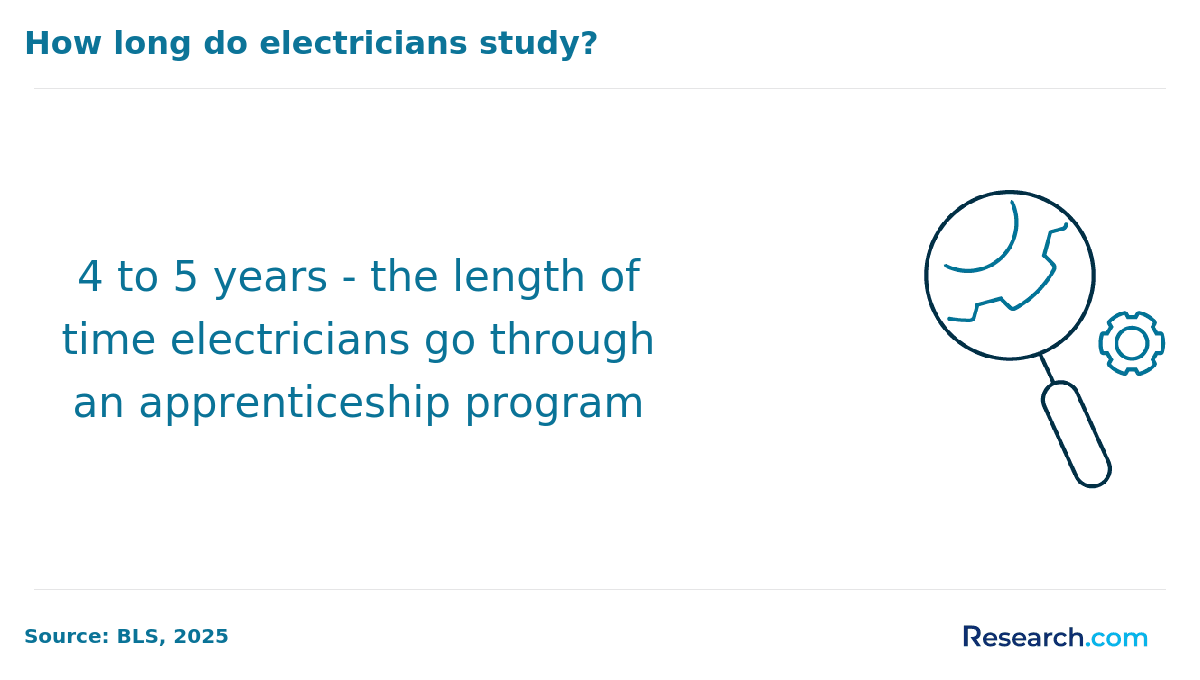
In Minnesota, an electrician apprenticeship generally takes about 4 to 5 years to complete. This includes around 8,000 hours of hands-on work and between 500 to 1,000 hours of classroom instruction. The exact time can vary based on the apprentice’s dedication, prior experience, and the specific program they join. Some apprenticeships might be shorter if the individual has relevant education or military training, allowing them to test out of certain requirements.
Apprenticeships could also take longer if someone works part-time, struggles with licensing exams, or is in less intensive programs. Programs offered by groups like the International Brotherhood of Electrical Workers Local 292 and the Associated Builders and Contractors of Minnesota sometimes provide accelerated tracks. These faster paths require more commitment but can reduce the apprenticeship duration by up to a year. Staying informed about certification requirements and exam schedules helps apprentices complete their training efficiently.
How much does electrician training cost in Minnesota?
The cost of electrician training in Minnesota varies depending on the training path selected. Technical and community college programs offering certificates or associate degrees generally cost between $5,000 and $15,000 per year for in-state students, with additional expenses of $500 to $1,500 for tools and safety equipment. These programs typically last one to two years, providing formal credentials and a solid foundation in electrical work.
Apprenticeship programs combine paid on-the-job training with classroom instruction over four to five years, with annual classroom fees ranging from $1,000 to $3,000. This option reduces upfront costs but requires a longer commitment. Some of the best rated electrician trade schools offer shorter, intensive courses costing between $3,000 and $10,000. Factors such as location, program length, and specialization impact overall costs. Financial aid, scholarships, union support, and state grants are available to help offset expenses and make training more accessible.
What license do you need to be an electrician in Minnesota?
In Minnesota, becoming a licensed electrician involves a combination of education, hands-on experience, and successfully passing examinations. The Minnesota Department of Labor and Industry (DLI) oversees the licensing process to ensure electricians are qualified to perform electrical work safely and competently.
Journeyworker Electrician License
To qualify as a Journeyworker Electrician in Minnesota, you must meet specific educational and experiential requirements:
- Be at least 18 years old.
- Possess a high school diploma or GED.
- Accumulate at least 48 months (8,000 hours) of full-time experience in electrical construction work, with a minimum of 4,000 hours in commercial or industrial electrical work.
- Alternatively, completion of a two-year post-high school electrical course approved by the board may substitute for up to 12 months of experience.
Application Process:
- Submit a completed application to the Minnesota Department of Labor and Industry.
- Provide evidence of the required work experience or educational substitution.
- Pay the non-refundable application fee.
- Upon approval, schedule and pass the Journeyworker Electrician Examination.
- Once licensed, renew the license every two years by completing 16 hours of DLI-approved continuing education, with at least 12 hours related to the National Electrical Code, and paying the renewal fee.
Master Electrician License
A Master Electrician license allows you to design, plan, and supervise electrical installations. To qualify, you must meet one of the following criteria:
- Hold a degree in electrical engineering from an accredited college or university.
- Have at least one year of experience working as a licensed Journeyworker Electrician.
- Possess five years of experience in planning, laying out, supervising, and installing wiring, apparatus, or equipment for electric light, heat, and power.
Application Process:
- Submit a completed application to the Minnesota Department of Labor and Industry.
- Provide documentation verifying your qualifications.
- Pay the non-refundable application fee.
- Upon approval, schedule and pass the Master Electrician Examination.
- After passing the exam, you will receive instructions on how to pay for and obtain your license.
Electrical Contractor License
To operate as an electrical contractor in Minnesota, you must obtain an Electrical Contractor License. This license permits you to offer and perform electrical work through your business. Requirements include:
- Designate a responsible licensed individual (RLI) who holds an active Master Electrician license. The RLI must be an owner, officer, or W-2 employee of the business and cannot be employed as an electrician by any other contractor.
- Provide proof of public liability insurance with minimum coverage of $100,000 per occurrence, $300,000 aggregate, and $50,000 in property damage coverage.
- Submit proof of workers' compensation insurance.
- Obtain a $25,000 surety bond on a DLI-approved form.
- Complete a disclosure of business owners, partners, officers, and members.
Application Process:
- Register your business with the Minnesota Secretary of State.
- Gather all required documentation, including insurance certificates, bond forms, and disclosures.
- Submit the completed application and pay the $188 license application fee through the DLI's online licensing system.
How can electricians diversify their technical skill set in Minnesota?
Electricians can enhance career resilience and broaden their expertise by pursuing cross-training opportunities in complementary technical fields. Diversifying skill sets through additional certifications in areas like mechanical systems and equipment maintenance can open pathways to hybrid roles and increase competitiveness in the evolving job market. This strategic expansion not only creates opportunities for higher earning potential but also enables professionals to address a wider range of technical challenges. For those interested in exploring related mechanical trades, check out our article on how to become a mechanic in Minnesota.
How can electricians leverage business education to enhance entrepreneurial success in Minnesota?
Electricians aspiring to lead their own contracting firms can solidify their entrepreneurial foundation by integrating targeted business training with their technical expertise. Studying business management, financial planning, and strategic marketing facilitates efficient project oversight and improved client relationships. For those seeking structured programs that offer these insights, exploring options at the top business schools in Minnesota can provide a competitive edge in managing operational challenges.
Can electricians explore alternative technical careers in Minnesota?
Diversifying career paths can offer additional stability and growth for seasoned electricians. By leveraging their technical proficiency and problem-solving skills, professionals may consider opportunities in adjacent sectors that value a strong engineering mindset. For example, exploring roles in digital control systems, building automation, or even healthcare technology can open new avenues for career advancement. In such cases, researching specialized training and certification options is key to a successful transition. For those interested in a technical pivot within the healthcare sector, learn more from our article about how to become a radiology technician in Minnesota.
Can electricians leverage their technical skills for healthcare technology roles in Minnesota?
Electricians may expand their career horizons by applying their expertise to healthcare technology settings, where precise system maintenance and troubleshooting are crucial. With an inherent understanding of complex electrical systems, these professionals can explore roles that support the operation and safety of medical environments. Specialized training in allied healthcare technologies can facilitate a smooth transition into areas requiring rigorous technical standards. For instance, professionals interested in exploring diagnostic and imaging equipment careers can discover how to become an ultrasound technician in Minnesota. This interdisciplinary path not only enhances career versatility but also addresses the growing demand for technical precision in healthcare facilities.
How often do you need to renew your electrician license in Minnesota?
In Minnesota, electricians are required to renew their licenses every three years to continue working legally in the trade. The Minnesota Department of Labor and Industry (DLI) manages the renewal process, focusing on keeping electricians up to date with evolving electrical codes and safety standards. This triennial renewal helps ensure the workforce remains knowledgeable and compliant with industry best practices.
Electricians must complete four hours of approved continuing education during each three-year cycle. These courses emphasize updates to the National Electrical Code (NEC) and relevant safety training, reflecting the state’s commitment to ongoing professional development. The renewal application can be submitted online or by mail along with the required fee, and electricians are encouraged to maintain thorough records of their continuing education in case of audits or verification.
The renewal process involves several important steps that you should approach methodically:
- Complete Continuing Education: Fulfill four hours of state-approved courses focused on NEC updates or safety topics within each three-year licensing period to stay current with industry changes.
- Submit Renewal Application: File your renewal application with the Minnesota Department of Labor and Industry before your license expires. Online submission is available for added convenience.
- Pay the Required Fee: Include the applicable renewal fee with your application to maintain your license status.
- Maintain Education Records: Keep certificates and documentation of all completed continuing education courses in an organized manner to facilitate any potential audits.
- Stay Informed on Regulations: Regularly check for updates from the DLI to remain aware of any changes in licensing requirements or electrical codes.
What are the essential skills needed to be a successful electrician in Minnesota?
To succeed as an electrician in Minnesota, developing both hard and soft skills is essential. As one of the best jobs for trade school graduates, this career demands technical expertise as well as strong communication and problem-solving abilities. Here are the key skills electricians need to thrive:
- Technical Proficiency: Understanding electrical systems, wiring, circuitry, and safety protocols is foundational. Aspiring electricians should also gain knowledge of energy-efficient technologies like solar panels and smart home systems, which are increasingly in demand.
- Problem-Solving Abilities: On-site challenges require quick diagnosis and resolution. Developing strong troubleshooting skills reduces downtime and ensures safety compliance.
- Attention to Detail: Precision helps avoid costly mistakes and safety hazards. Electricians must follow codes meticulously to maintain quality and safety standards.
- Communication Skills: Clear communication with clients, contractors, and team members is necessary for project success. Being able to explain technical issues in simple terms builds trust and professionalism.
- Physical Dexterity and Stamina: The job often involves working in tight spaces, at heights, or in varying weather. Maintaining good physical fitness and manual dexterity is important.
- Technological Literacy: Familiarity with digital diagnostic tools and project management software enhances efficiency and aligns with Minnesota’s growing smart infrastructure projects.
- Time Management: Managing multiple projects and meeting deadlines ensures a steady workflow and client satisfaction.
What is the job outlook for electricians over the next 10 years in Minnesota?
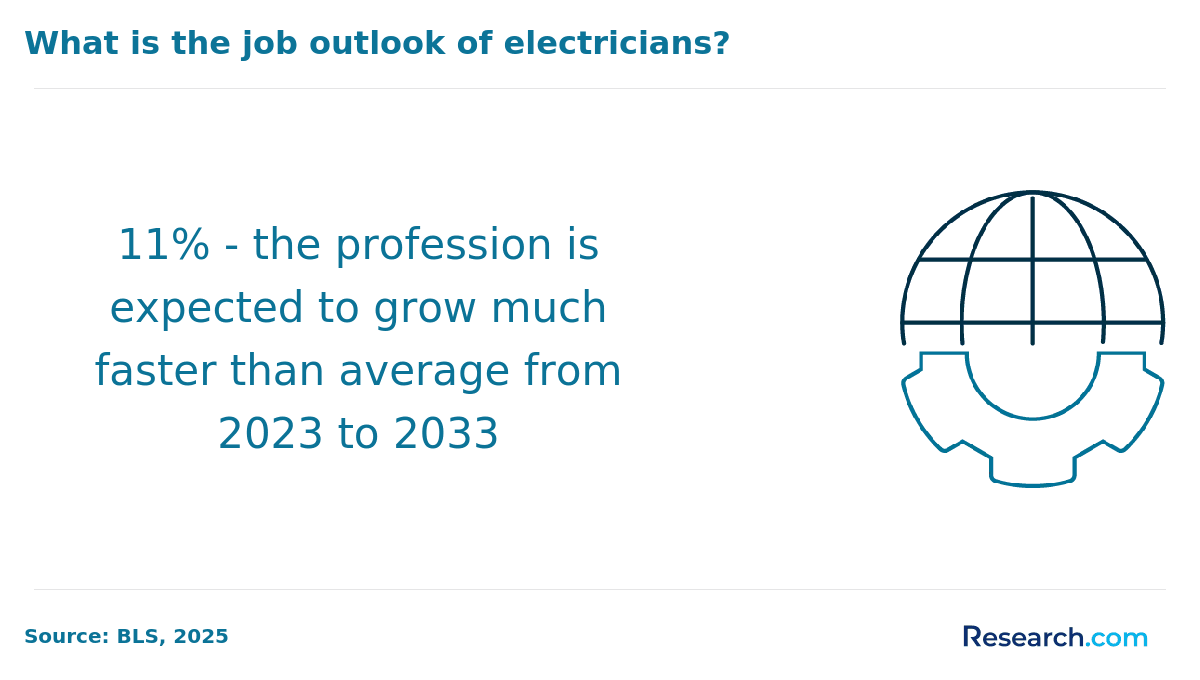
The job outlook for electricians in Minnesota over the next decade is strong, with employment projected to grow by 10% from 2022 to 2032, slightly below the national average of 11%. This growth reflects an increasing demand for skilled electricians to support infrastructure development, renewable energy projects, and technological advancements in electrical systems. The state's commitment to clean energy initiatives, such as solar and wind power, further contributes to the need for qualified professionals in the field.
In addition to new job opportunities, approximately 1,240 annual openings are expected due to retirements and workforce transitions. These openings provide a steady stream of opportunities for individuals entering trades careers, such as becoming an electrician. Minnesota's diverse economic landscape, encompassing both urban and rural areas, offers electricians a variety of work environments and projects, enhancing the appeal of the profession across the state.
Can electricians transition to HVAC careers in Minnesota?
Electricians possess technical proficiencies—such as circuit analysis, system troubleshooting, and adherence to evolving building codes—that can facilitate a smooth transition into HVAC roles. Exploring HVAC competencies not only broadens career opportunities but also leverages existing expertise in integrated building systems. For professionals considering a dual skill set, reviewing how to become an HVAC technician in Minnesota provides detailed guidance on training, certification, and job market trends in the HVAC field.
Here’s What Graduates Have to Say about Becoming an Electrician in Minnesota
Working in Minnesota as an electrician has given me both financial stability and a strong sense of purpose. I love knowing that my skills directly impact people’s safety and comfort, whether I’m wiring a new home or upgrading an older building. The consistent job demand and opportunity to be hands-on every day make this the best decision I’ve ever made. — Nina
I was drawn to becoming an electrician because I wanted a career that’s both practical and future-proof. Minnesota’s growing industries and infrastructure needs mean there’s always work, and I’ve enjoyed tackling everything from solar panel installations to modernizing old circuits. Every project gives me pride in what I’ve built with my own two hands. — Ryan
What I love most about this trade is the mix of mental and physical work that keeps me sharp and active. The path to becoming licensed in Minnesota was clear, and I had access to great mentors along the way. Now, I have a career I enjoy, job security, and a solid income that lets me support my family. — Dennis
Related Articles for Nearby States
- 2027 How to Become an Electrician in Wisconsin
- 2027 How to Become an Electrician in Iowa
- 2027 How to Become an Electrician in North Dakota
- 2027 How to Become an Electrician in South Dakota
- 2027 How to Become an Electrician in Nebraska
- 2027 How to Become an Electrician in Illinois
- 2027 How to Become an Electrician in Missouri
- 2027 How to Become an Electrician in Michigan
- 2027 How to Become an Electrician in Kansas
- 2027 How to Become an Electrician in Indiana
References:
- Arabian Infotech. (n.d.). Top 10 professional certifications every electrician must have. Retrieved from Arabian Infotech.
- Crannis Tech. (n.d.). Understanding electrician certifications. Retrieved from Crannis Tech.
- Electricians Forums. (2022). Is 29/30 years age too late to start an sparky apprenticeship? Retrieved from ElectriciansForums.net.
- Field Complete. (n.d.). Ultimate guide to an electrician certification. Retrieved from Field Complete.
- Independent Electrical Contractors of Greater Cincinnati. (n.d.). Later careers. Retrieved from IEC Cincinnati.
- My Electric Career. (n.d.). Adult electrical apprenticeships – How old is too old? Retrieved from My Electric Career.
- Rosendin Electric. (n.d.). Certified electrician vs. licensed electrician. Retrieved from Rosendin.
- TealHQ. (2025). Best certifications for electricians in 2025 (Ranked). Retrieved from TealHQ.
- TNS Solutions. (n.d.). Rewiring your career path: The journey to becoming an electrician at 30. Retrieved from TNS Solutions.
- Trade Skills 4U. (n.d.). How to become an electrician in the UK. Retrieved from Trade Skills 4U.
Other Things You Should Know About Becoming an Electrician in Minnesota
To become a licensed electrician in Minnesota in 2027, start with completing a high school diploma or GED. Enroll in an apprenticeship program to acquire the necessary hours of work experience. Pass the Minnesota electrical licensing exam to finalize your licensure process.
In 2027, to start an electrician apprenticeship in Minnesota, a high school diploma or GED is required. Courses in mathematics, physics, and basic electrical technology are beneficial for future success in the field.
In Minnesota, a journeyman electrician license allows you to perform electrical work under supervision, while a master electrician license permits you to design and supervise electrical work. To become a master electrician, you need five years of experience as a journeyman and must pass a state exam.


