
2027 How to Become an Ultrasound Technician in Minnesota

Co-Founder and Chief Data Scientist
Minnesota projects a 14% growth in diagnostic medical sonographer jobs through 2030, reflecting rising demand. Additionally, the state's median annual salary for ultrasound technicians exceeds the national average. While the demand and financial reward make becoming a certified ultrasound technician in Minnesota an attractive career option, aspirants may not know how to get started.
This article outlines clear steps on how to jumpstart your career as an ultrasound tech in the state. Written by career planning experts, it provides practical guidance on required education, training programs, certification exams, and job placement strategies to help you make informed decisions.
Key Things to Know About Becoming an Ultrasound Technician in Minnesota
- Complete an accredited ultrasound technician program in Minnesota, typically requiring 1-2 years to earn a certificate or associate degree.
- Obtain certification through the American Registry for Diagnostic Medical Sonography (ARDMS), a preferred credential for Minnesota employers.
- Consider job demand and salary; Minnesota’s median ultrasound technician salary is around $70,000, with steady employment growth projected over the next decade.
- What education is required to become an ultrasound technician in Minnesota?
- What specialties can ultrasound technicians choose from in Minnesota?
- Which certification exams are required to become an ultrasound technician in Minnesota?
- Is a license required to practice as an ultrasound technician in Minnesota?
- What to expect during ultrasound technician clinical training in Minnesota?
- How much does it cost to become an ultrasound technician in Minnesota?
- Should I pursue dual certification as an ultrasound and radiology technician in Minnesota?
- What is the average salary for ultrasound technicians in Minnesota?
- What is the job outlook and demand for ultrasound technicians in Minnesota?
- What are the career advancement steps for ultrasound technicians in Minnesota?
- What are the common challenges ultrasound technicians face in Minnesota?
- Are emerging technologies shaping ultrasound imaging careers in Minnesota?
What education is required to become an ultrasound technician in Minnesota?
Meeting the educational requirements for ultrasound technicians in Minnesota involves a clear series of steps, typically centered around completing an accredited program. These programs combine academic theory with essential clinical experience.
- Minimum Degree Requirement: An Associate’s Degree in Diagnostic Medical Sonography is necessary, usually taking 18–24 months to finish at accredited community colleges or universities.
- Accredited Ultrasound Technician Programs in Minnesota: Enrollment in a Commission on Accreditation of Allied Health Education Programs (CAAHEP)-accredited program is mandatory to ensure quality education and eligibility for certification exams.
- Clinical Practicum Requirement: Programs include a supervised clinical practicum lasting about six months, providing hands-on experience in real medical settings.
- Coursework and Lab Hours: Students study anatomy, physiology, patient care, and sonography principles, supplemented by lab hours for practical skill development.
- Certification Preparation: While state licensure is not required, most employers prefer candidates with ARDMS certification, which requires graduation from an accredited program.
- Program Length and Credits: Typically, students complete around 70 credits over two years, covering foundational knowledge, clinical rotations, and exam preparation.
- Minimum Educational Prerequisites: Some programs require prior health-related coursework or experience such as nursing assistant training.
For those assessing career prospects, consulting resources like ultrasound technician career salary information can be valuable when planning this educational path.
What specialties can ultrasound technicians choose from in Minnesota?
Ultrasound technicians in Minnesota can choose from a range of specialties that align with different patient needs and medical imaging technologies. These specialties enable professionals to develop targeted skills in specific areas of healthcare. For those exploring ultrasound technician specialties in Minnesota, here is a practical overview of the main options and what they involve. These options focus on distinct patient groups or organ systems to offer specialized diagnostic services.
- Abdominal Sonography: Concentrates on imaging organs within the abdominal cavity such as the liver, kidneys, and pancreas, supporting procedures like biopsies and disease diagnosis.
- Obstetric and Gynecologic Sonography (OB/GYN): Specializes in tracking fetal development and female reproductive health, crucial for pregnancy monitoring and detecting congenital conditions, fitting the growing demand for obstetric and vascular sonography Minnesota experts.
- Vascular Sonography: Focuses on imaging blood vessels to diagnose vascular diseases and blockages, meeting the rising need for non-invasive vascular assessments in healthcare.
- Cardiac Sonography (Echocardiography): Dedicated to examining heart structures and function, working closely with cardiologists to assess cardiac conditions.
- Musculoskeletal Sonography: Involves imaging muscles, tendons, and joints to diagnose injuries and guide treatment strategies.
- Breast Sonography: Aims to detect tumors, cysts, and abnormalities within breast tissue, supporting early breast cancer diagnosis.
- Pediatric Sonography: Specializes in imaging infants and children, often addressing congenital and premature birth-related conditions.
For individuals aiming to build a successful career in sonography, Minnesota’s educational programs provide opportunities to focus on these areas through clinical rotations. To deepen your understanding of medical imaging options and career paths, consider exploring a career in radiology, which offers broader insights into diagnostic healthcare professions.
Which certification exams are required to become an ultrasound technician in Minnesota?
Certification exams play a crucial role for ultrasound technicians in Minnesota, serving as proof of their skills and professional competence. Although the state does not legally mandate certification, most employers strongly prefer or require candidates to hold recognized credentials to meet industry standards. Earning certification significantly boosts your chances of employment and ensures you align with Minnesota’s healthcare expectations.
- American Registry for Diagnostic Medical Sonography (ARDMS) Certification Exam: This exam is the most widely accepted credential for diagnostic medical sonographers in Minnesota. It tests knowledge in physics, instrumentation, anatomy, and specialties like abdominal, obstetric/gynecologic, and vascular sonography. Candidates must complete an accredited sonography program and meet clinical experience requirements before applying. The ARDMS certification offers credentials like RDMS, RDCS, or RVT and is administered by the American Registry for Diagnostic Medical Sonography (ARDMS), with testing centers available throughout Minnesota.
- American Registry of Radiologic Technologists (ARRT) Sonography Certification: The ARRT provides a Sonography credential (RT(S)) that covers patient care, imaging procedures, and sonographic physics. Eligibility requires completion of an approved educational program and clinical experience. While less commonly required than ARDMS, some Minnesota employers accept or prefer ARRT certification for specific roles. This exam is administered by the American Registry of Radiologic Technologists (ARRT).
- Cardiovascular Credentialing International (CCI) Certification: Focused on cardiovascular ultrasound, the CCI offers credentials such as Registered Cardiac Sonographer (RCS) and Registered Vascular Specialist (RVS). These certifications require education completion and clinical practice, targeting technicians specializing in cardiac or vascular ultrasound. Certain Minnesota employers recognize these specialized certifications. The exams are administered by Cardiovascular Credentialing International (CCI).
Passing these certification exams enhances your credibility, expands job opportunities, and ensures you meet the high standards that Minnesota healthcare employers expect from ultrasound professionals.
Is a license required to practice as an ultrasound technician in Minnesota?
Minnesota does not require a state-issued license for ultrasound technicians, so professionals entering the field must rely on national certification to meet employer and industry standards. While some states enforce licensure through regulatory boards, Minnesota places that responsibility on nationally recognized certification organizations. As a result, employability depends less on state oversight and more on proving qualifications through certification.
Certification in Minnesota typically comes from bodies such as ARDMS, ARRT, or CCI. There are no state laws mandating licensure and no provisional licenses for supervised practice. Instead, most employers either require or strongly prefer certification, often giving new hires a limited period after graduation to achieve it.
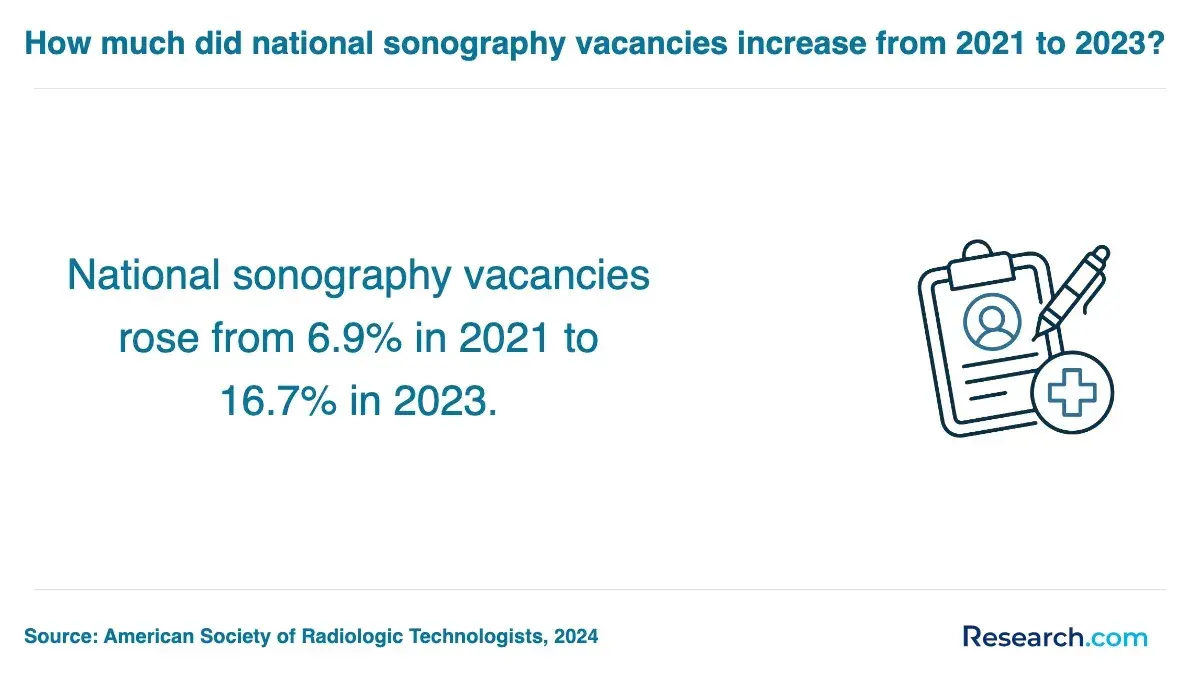
To qualify, candidates usually complete the ARDMS Sonography Principles & Instrumentation (SPI) exam and at least one specialty exam, such as abdominal, OB/GYN, or vascular sonography. Accredited programs in Minnesota are designed to prepare students for these exams, ensuring graduates meet national benchmarks. By aligning education with certification, students position themselves to gain credibility, secure employment, and thrive in Minnesota’s healthcare workforce. The next section highlights this growing demand, shown in an image that tracks the increase in vacant sonography positions over the years.
What to expect during ultrasound technician clinical training in Minnesota?
Clinical training in Minnesota bridges classroom instruction with hands-on experience, ensuring ultrasound technician students develop the skills necessary to meet certification standards and thrive in healthcare settings. This phase combines patient interaction, technical practice, and professional mentorship under accredited programs.
- Hands-on Patient Care: Students practice essential skills like patient positioning and communication directly with patients while supervised to ensure safety and effectiveness.
- Supervised Use of Imaging Equipment: Trainees operate ultrasound machines to acquire and interpret diagnostic images, learning to maintain equipment accuracy and safety.
- Specialty Rotations: Clinical placements expose students to specialties such as OB/GYN, vascular, abdominal, and cardiac sonography, broadening their expertise.
- Mentorship from Licensed Professionals: Experienced sonographers provide guidance, feedback, and best practices, helping students develop professional competencies.
- Program-Specific Clinical Hours: Most Minnesota programs require full-time clinical participation, typically 40 hours per week over 12–24 months, depending on the credential pursued.
- Competency Evaluations: Students undergo assessments including written exams and skill demonstrations to verify their readiness before graduation.
- Accreditation Compliance: Programs follow standards set by the Commission on Accreditation of Allied Health Education Programs (CAAHEP), ensuring quality education and training.
- Documentation of Observation Hours: Admission often requires verification of 30 documented observation hours in a sonography setting to demonstrate prior exposure.
- Exposure to Diverse Patient Populations: Interacting with patients from various backgrounds helps build cultural competency and adaptability in clinical practice.
- Certification Exam Preparation: Training equips students to take the Sonography Principles & Instrumentation (SPI) exam and specialty certifications through ARDMS.
These comprehensive clinical experiences develop both technical and interpersonal skills, positioning students to excel in certification exams and meet the demands of healthcare employers in Minnesota’s growing ultrasound field.
How much does it cost to become an ultrasound technician in Minnesota?
The average total cost to become an ultrasound technician in Minnesota ranges from about $20,000 to over $50,000, including tuition and various additional expenses such as clinical training, certification exams, and living costs. Tuition fees vary depending on program type and institution, while other necessary costs can add up quickly. Planning ahead and understanding each expense category helps manage the overall investment effectively.
- Tuition and Fees: Tuition for Minnesota sonography school tuition and fees varies, with associate’s or certificate programs generally costing less, around $27,950 at the Mayo Clinic, while bachelor’s programs can exceed $50,000.
- Clinical Training Expenses: Costs include lab fees, uniforms (about $200), liability insurance, and transportation to clinical sites during externships.
- Certification and Exam Fees: Passing the ARDMS exam typically requires budgeting approximately $1,100 for testing and related fees.
- Licensing or State Fees: Minnesota does not require state licensure for ultrasound technicians, so no state licensing fees apply.
- Books and Materials: Expect to spend around $1,000 on textbooks, software, and necessary learning supplies throughout the program.
- Living Expenses: Housing, food, and personal expenses vary widely by location, especially in cities like Rochester or Minneapolis, and should be factored into your budget.
Costs depend on whether you choose a certificate, associate’s, or bachelor’s program and whether you attend a private or public school. Exploring opportunities like financial aid, scholarships, or employer tuition assistance can help lower the cost of an ultrasound technician program in Minnesota. For additional guidance on program options, consider reviewing the best rated accelerated online sonography and ultrasound degrees.
Should I pursue dual certification as an ultrasound and radiology technician in Minnesota?
Pursuing dual certification can enhance your professional versatility by combining expertise in ultrasound imaging with complementary radiologic diagnostic skills. This approach not only broadens employment opportunities across diverse healthcare settings but also positions professionals to meet evolving industry demands effectively. For those interested in expanding their qualifications and increasing marketability, reviewing the process of how to become a radiology technician in Minnesota can provide valuable insights into additional training requirements and career advantages.
What is the average salary for ultrasound technicians in Minnesota?
The average annual salary for ultrasound technicians in Minnesota is about $96,250, which falls below the national average of roughly $106,000. Hourly wages vary widely from $39 to $54.56 based on several key factors.
- Experience Level: Entry-level technicians earn around $66,318 annually, while senior sonographers can make up to $105,233.
- Education and Certifications: Advanced credentials, especially ARDMS registration and specialized certifications, often lead to higher wages.
- Work Setting: Hospital-based sonographers typically earn more, with hourly rates up to $54, compared to outpatient clinics or physician offices.
- Geographic Location: Urban areas like Minneapolis and St. Paul offer higher pay than rural regions due to demand and cost of living differences.
- Specialization: Focus in OB/GYN, cardiovascular, or abdominal sonography increases earnings, with OB/GYN specialists reaching $53.51 per hour.
What is the job outlook and demand for ultrasound technicians in Minnesota?
Employment for ultrasound technicians in Minnesota is expected to grow about 10% from 2022 to 2032, matching the national average but reflecting strong local demand. This steady growth is driven by several practical factors shaping job opportunities statewide.
- Population Growth and Aging: Minnesota’s expanding and aging population leads to increased need for diagnostic imaging, as older adults require more frequent ultrasound exams.
- Healthcare Expansion: The rise of new clinics, hospitals, and outpatient facilities creates more roles for ultrasound technicians across the state.
- Technological Advancements: Innovations in ultrasound imaging open up specialized technician roles in areas like cardiovascular and musculoskeletal care.
- Preventive Care Trends: Growing focus on early detection boosts ultrasound’s importance in routine health screenings, increasing demand for skilled sonographers.
- Regional Demand Variations: Urban centers such as Minneapolis and Rochester offer more job openings, while rural areas may have shortages and incentives to attract technicians.
An ultrasound technician from Minnesota who graduated from a local program described the career path as “challenging but rewarding.” She explained that job openings appeared quickly after graduation, especially in Minneapolis, though she stressed the importance of staying flexible and considering opportunities outside major cities to keep pace with regional demand. Adapting to new ultrasound techniques and pursuing continuing education proved vital, as employers in Minnesota place strong value on ongoing professional growth.
While navigating different healthcare settings was initially stressful, she ultimately found the outlook both encouraging and stable, reflecting the state’s continued investment in healthcare services and technology. The chart below further illustrates this trend, showing that while more than 80% of ultrasound technicians work in healthcare, opportunities also exist in other industries.
What are the career advancement steps for ultrasound technicians in Minnesota?
Ultrasound technicians in Minnesota can enhance their careers by pursuing specialization, earning advanced certifications, or stepping into leadership roles. These career advancement for ultrasound technicians in Minnesota provide clear pathways to increase both expertise and professional responsibility.
- Specialization: Focusing on specific fields like OB/GYN, vascular, cardiac, or musculoskeletal sonography can improve employability and open doors in larger hospitals or specialized clinics.
- Advanced Certifications: Obtaining credentials from ARDMS, CCI, or ARRT is often necessary for advanced sonographer roles in Minnesota, particularly for supervisory or technical specialist positions.
- Higher Education: Earning a bachelor’s or master’s degree in health professions, education, or healthcare administration expands career options into leadership or specialized research. Exploring the easiest medical degree programs can help streamline this educational path.
- Leadership Roles: Experienced sonographers can take on supervisory, management, or administrative responsibilities, guiding imaging teams and contributing to policy or quality control.
- Education and Training: Becoming a clinical trainer or program instructor enables sonographers to mentor new technicians and support accredited training programs.
- Research or Technology Development: Some professionals engage in medical imaging research or collaborate with technology vendors to develop innovative ultrasound tools, requiring a blend of clinical and research expertise.
Advancing in these areas not only boosts earning potential, with Minnesota sonographers earning competitive salaries, but also broadens the impact professionals have within the healthcare system statewide.
What are the common challenges ultrasound technicians face in Minnesota?
Recognizing the challenges for ultrasound technicians in Minnesota is key to managing workplace stress for Minnesota sonographers and ensuring long-term career success. Awareness helps technicians plan for physical and emotional demands while balancing evolving job requirements.
- Physical Strain and Ergonomics: Repetitive scanning motions and long hours often cause musculoskeletal issues, leading to chronic pain or injury.
- Emotional Stress: Supporting patients through serious illnesses requires strong emotional resilience and professionalism.
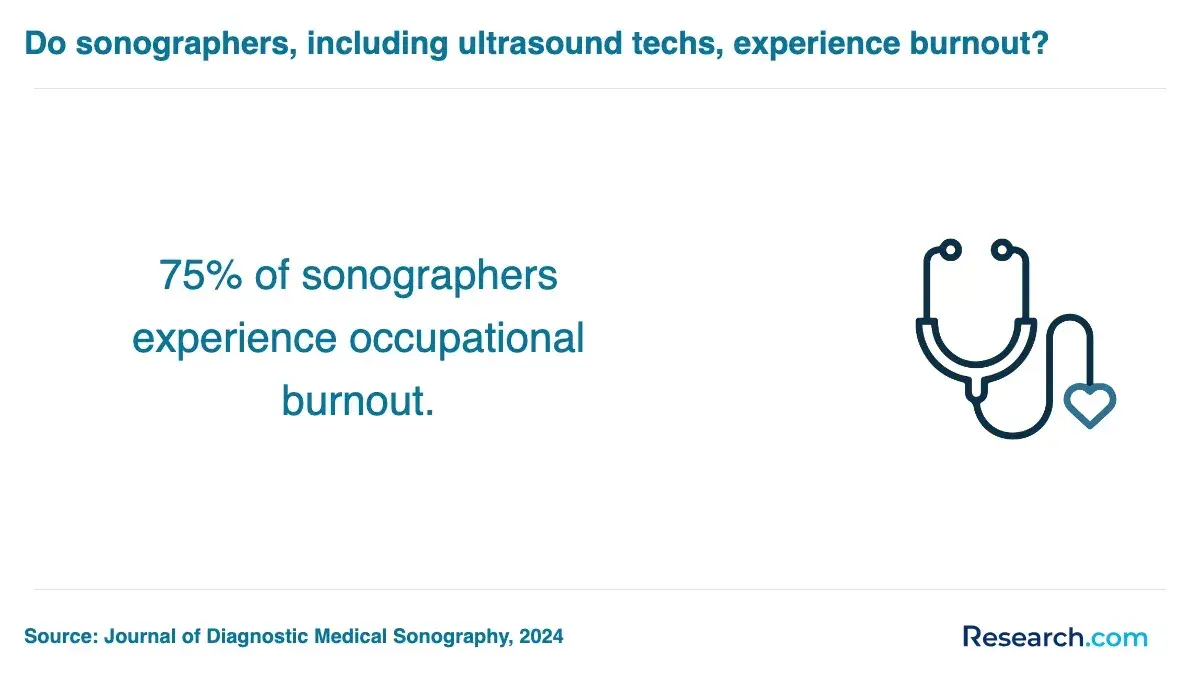
- Workload and Staffing Shortages: Heavy caseloads and limited staff create fatigue, especially during extended hospital hours.
- Certification and Continuing Education Requirements: Keeping credentials current involves ongoing education, which can be hard to fit into busy schedules.
- Technology Adaptation: Rapid advances in equipment demand continuous learning and quick adjustment.
- Job Market Competition: Regional variations influence job availability, with urban areas offering more opportunities but heightened competition.
By understanding these workplace stresses for Minnesota sonographers, aspiring technicians can develop strategies to overcome obstacles. Choosing an affordable associates degree in radiology online can be a practical first step toward entering the profession well-prepared.
Are emerging technologies shaping ultrasound imaging careers in Minnesota?
Advanced imaging tools and digital innovations are progressively redefining the ultrasound landscape in Minnesota. Integration of AI-driven diagnostics, 3D imaging, and portable ultrasound systems is prompting professionals to adapt their techniques and acquire specialized technical skills to maintain clinical precision. Staying abreast of these advancements through targeted training and industry seminars can enhance diagnostic accuracy and operational efficiency. For those exploring interdisciplinary career paths, consider reviewing how to become a nurse midwife in Minnesota as an example of integrating emerging technology and comprehensive patient care.
Here's What Ultrasound Technicians in Minnesota Have to Say About Their Career
- Completing my ultrasound technician program at St. Cloud Technical & Community College was one of the best decisions I've made. The hands-on training prepared me well for the practical demands of the job, and starting my career at a local school has been incredibly rewarding. I love being able to support students and staff with medical imaging needs in an educational setting, knowing that I contribute to a healthier, safer community. Minnesota’s strong healthcare system and emphasis on education make this career path stable and fulfilling. The balance between professional work and personal growth here is truly inspiring. Anthony
- Pursuing my education at Lake Superior College opened doors I hadn’t expected. The program was intensive but incredibly rich in resources, allowing me to gain deep knowledge in ultrasound technology specific to our region’s healthcare demands. Beginning my career in a local academic institution gave me unique insights into how ultrasound diagnostics assist young people and families here. Minnesota’s vibrant cultural mix and community focus have deeply influenced my approach to patient care, blending science with compassion in a way I’m proud of. Lara
- After graduating from Minneapolis Community and Technical College, I quickly realized how much professional development opportunities abound in Minnesota, especially within academic settings. Working as an ultrasound technician in a local school environment has allowed me not only to advance my technical skills but also to engage with the community in meaningful ways. The state’s dedication to healthcare innovation and education means I am constantly challenged and motivated to grow. I appreciate the unique challenges posed by Minnesota’s climate and rural access issues, which have made me adaptable and resourceful in my role. Jenna
Related Articles for Nearby States
- 2027 How to Become an Ultrasound Technician in Wisconsin
- 2027 How to Become an Ultrasound Technician in Iowa
- 2027 How to Become an Ultrasound Technician in North Dakota
- 2027 How to Become an Ultrasound Technician in South Dakota
- 2027 How to Become an Ultrasound Technician in Nebraska
- 2027 How to Become an Ultrasound Technician in Illinois
- 2027 How to Become an Ultrasound Technician in Missouri
- 2027 How to Become an Ultrasound Technician in Michigan
- 2027 How to Become an Ultrasound Technician in Kansas
- 2027 How to Become an Ultrasound Technician in Indiana
References:
- Carlsen, C. (2025). Is Ultrasound Technician & Diagnostic Medical Sonographer the Same? Dr. Sono.
- Diagnostic Medical Sonography Ultrasound School Info. (n.d.). Sonography Career Paths. USI.
- Dreambound. (2024). How to Become a Medical Sonographer in Minnesota. dreambound.com.
- Learn.org. (2025). How To Become an Ultrasound Technician in Minnesota 2025. learn.org.
- The College of Health Care Professions. (2025, February 1). Is Sonography a Good Career. CHCP.
- U.S. Bureau of Labor Statistics. (2025). Occupational Outlook Handbook: Diagnostic Medical Sonographers and Cardiovascular Technologists and Technicians. BLS
- Ultrasound Technician Schools. (n.d.). The Difference Between Ultrasound and Sonography. UTS.
- Zippia. (2025). Ultrasound technologist demographics and statistics in the US. Zippia.
Other Things You Should Know About Becoming an Ultrasound Technician in Minnesota
Becoming an ultrasound technician in Minnesota typically takes about two years if you pursue an associate degree. This program includes both classroom instruction and clinical practice. You may also opt for a bachelor's degree, which takes around four years to complete.
In Minnesota, a sonographer, often required to hold credentials from the American Registry for Diagnostic Medical Sonography, typically performs diagnostic ultrasounds. An ultrasound technician may assist with imaging procedures, with some overlapping duties; however, further specialized certifications may be needed for advanced roles.
Ultrasound technicians in Minnesota have opportunities to work as freelancers or traveling professionals, though these roles are less common than traditional hospital or clinic positions. Freelance ultrasound technicians often contract with multiple healthcare facilities, offering flexible schedules and a variety of work environments.
Traveling ultrasound tech positions are available through specialized agencies that place technicians in temporary assignments across different locations, including rural and underserved areas within Minnesota and nearby states. These options can provide valuable experience and higher earning potential but usually require certification, strong clinical skills, and the ability to adapt quickly to new settings.


