
2027 How to Become a Mechanic in Minnesota: Requirements & Certification

Co-Founder and Chief Data Scientist
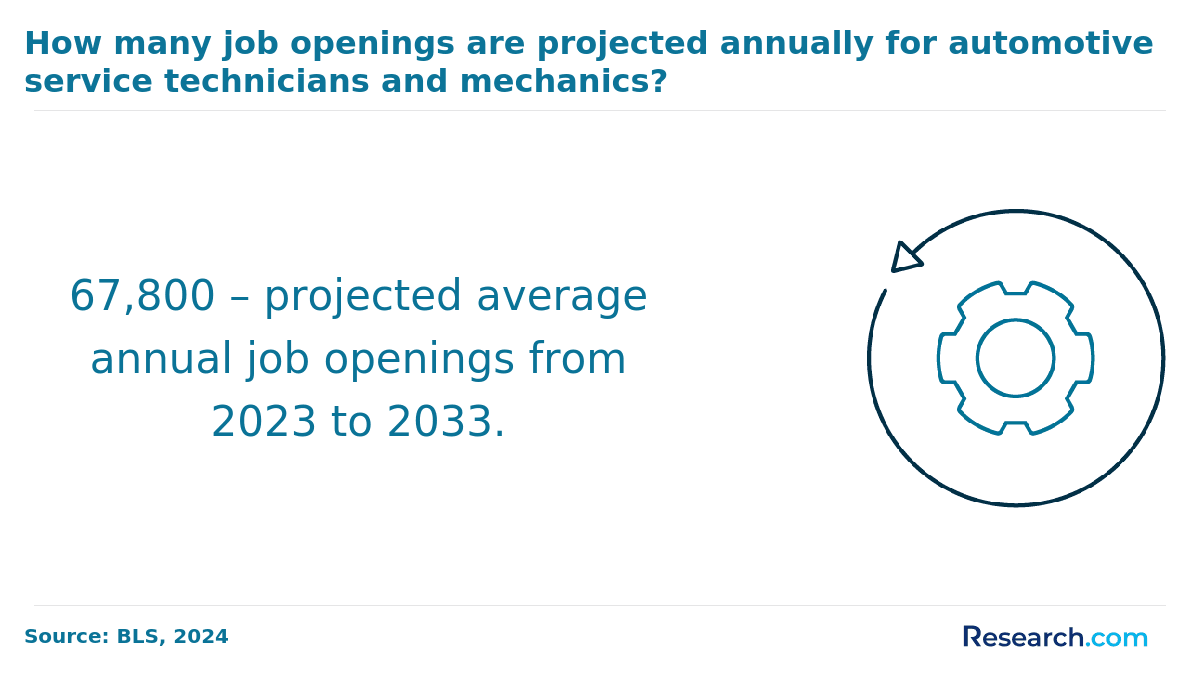
Starting a career as a mechanic in Minnesota offers strong opportunities within the state’s expanding transportation and service sectors. Employment growth is expected to grow by over 10% from 2022 to 2032, reflecting the continued need for skilled mechanics in automotive shops, dealerships, and fleet maintenance facilities across the region. However, many aspiring mechanics may find the training and certification process challenging to navigate without proper guidance.
This article, prepared by career planning experts, will walk you through the essential steps to become a professional mechanic in Minnesota. It aims to provide clear guidance on training, certification, and requirements so you can pursue your career with confidence.
Key Things to Know About Becoming a Mechanic in Minnesota
- The demand for mechanics in Minnesota is expected to grow by over 10% from 2022 to 2032, indicating strong job stability and long-term career prospects in the field.
- Mechanics in Minnesota earn an average annual salary of approximately $53,227, with hourly wages ranging from $19.17 to $39.55, depending on experience and location.
- Most accredited mechanic training programs in Minnesota require between 6 months to 2 years to complete, with many offering certifications aligned with ASE standards.
- What are the steps to become a mechanic in Minnesota?
- What training and education options are available in Minnesota?
- Do you need certifications to work as a mechanic in Minnesota?
- How long does it take to become a mechanic in Minnesota?
- How much does it cost to become a mechanic in Minnesota?
- What job opportunities are available for mechanics in Minnesota?
- How much do mechanics make in Minnesota?
- How will electric and hybrid vehicles impact the career of a mechanic in Minnesota?
- How Can I Transition My Technical Expertise into a Successful Business Venture?
- What tools and skills do mechanics need to succeed?
- How can automotive skills facilitate a transition into healthcare careers?
- What are the career growth opportunities for mechanics in Minnesota?
- What are the pros and cons of becoming a mechanic in Minnesota?
- Can My Automotive Technician Skills Transfer to Other High-Demand Technical Careers?
- Should I Expand My Technical Skill Set Beyond Automotive Repair?
What are the steps to become a mechanic in Minnesota?
To pursue a career as an automotive mechanic in Minnesota, candidates must complete a combination of educational, practical, and legal requirements. Below are the key steps involved in the process:
Step 1: Complete a High School Diploma or Equivalent
A high school diploma or General Educational Development (GED) certificate is the minimum educational credential expected by most employers. This foundational qualification ensures that applicants possess the basic literacy, numeracy, and problem-solving skills necessary for technical training and workplace communication.
Step 2: Enroll in a Formal Automotive Training Program
Prospective mechanics are encouraged to enroll in accredited trade school programs focused on automotive training. Certificate programs, often completed in a single semester, teach core repair and maintenance skills. Associate degree programs offer a broader curriculum over about two years, including advanced diagnostics and general education courses.
Step 3: Gain Practical Experience Through Hands-On Training
Hands-on training is essential for developing job-ready technical skills. Training programs with extensive lab components, such as those offered by Anoka Technical College, simulate real-world repair environments. This practical experience prepares students to handle routine and complex repair tasks with confidence and competence.
Step 4: Meet Legal and Physical Job Requirements
Mechanics in Minnesota must hold a valid state driver’s license and may be subject to background checks, particularly for offenses related to vehicle theft. Candidates must also be able to meet physical demands such as lifting to 50 pounds, standing for long periods, and working in physically constrained environments. Legal work eligibility and a minimum reading and math proficiency at the seventh-grade level are also expected.
Step 5: Consider ASE Certification
While not required by the state, certification through the National Institute for Automotive Service Excellence (ASE) is highly regarded by employers. It signifies a mechanic’s proficiency in specific areas of automotive repair and can lead to increased employment opportunities and salary potential. Graduates of associate degree programs are typically eligible to sit for ASE certification exams.
Step 6: Utilize State Resources for Training and Employment
Minnesota residents can access workforce development services through platforms such as CareerForce MN. These services include free training opportunities, job placement support, and career counseling for eligible individuals. Leveraging these resources can help bridge the gap between formal education and long-term employment in the automotive industry.
What training and education options are available in Minnesota?
Minnesota offers a variety of training pathways for individuals pursuing a career as an automotive technician. These options vary in length, cost, and structure, providing flexibility to meet different personal and professional goals. Here are the primary opportunities available in the state:
- Technical College Programs: These programs offer comprehensive training with strong industry ties. They typically include hands-on lab work and are aligned with industry standards, such as ASE accreditation.
- Tuition-Free Training: Some programs, like select nonprofit-run options, offer no-cost education focused on skill development. These are suitable for individuals seeking practical training without traditional tuition fees.
- Accelerated Training Courses: Intensive, short-term courses, often lasting around 10 weeks, provide hands-on experience and job placement support. These are ideal for those looking to enter the workforce quickly.
- ASE Certification Preparation: Programs that focus on preparing students for Automotive Service Excellence (ASE) certification are highly recommended. These credentials are valued by employers and improve job opportunities statewide.
- Career Support Services: Many providers offer added services such as resume assistance, interview coaching, and help with transportation or housing. These resources enhance student success and long-term employability.
- Workforce Development Initiatives: State-supported initiatives may offer training aligned with Minnesota’s high-demand trades. These help participants understand career paths, job outlooks, and salary expectations.
Do you need certifications to work as a mechanic in Minnesota?
Minnesota does not require state-issued licenses or certifications to work as an automotive mechanic. Individuals can begin working in the field without formal credentials, though most employers prefer candidates with a high school diploma and some level of technical training. While certification is not mandatory, obtaining credentials such as those from the National Institute for Automotive Service Excellence (ASE) can significantly enhance employment opportunities and earning potential.
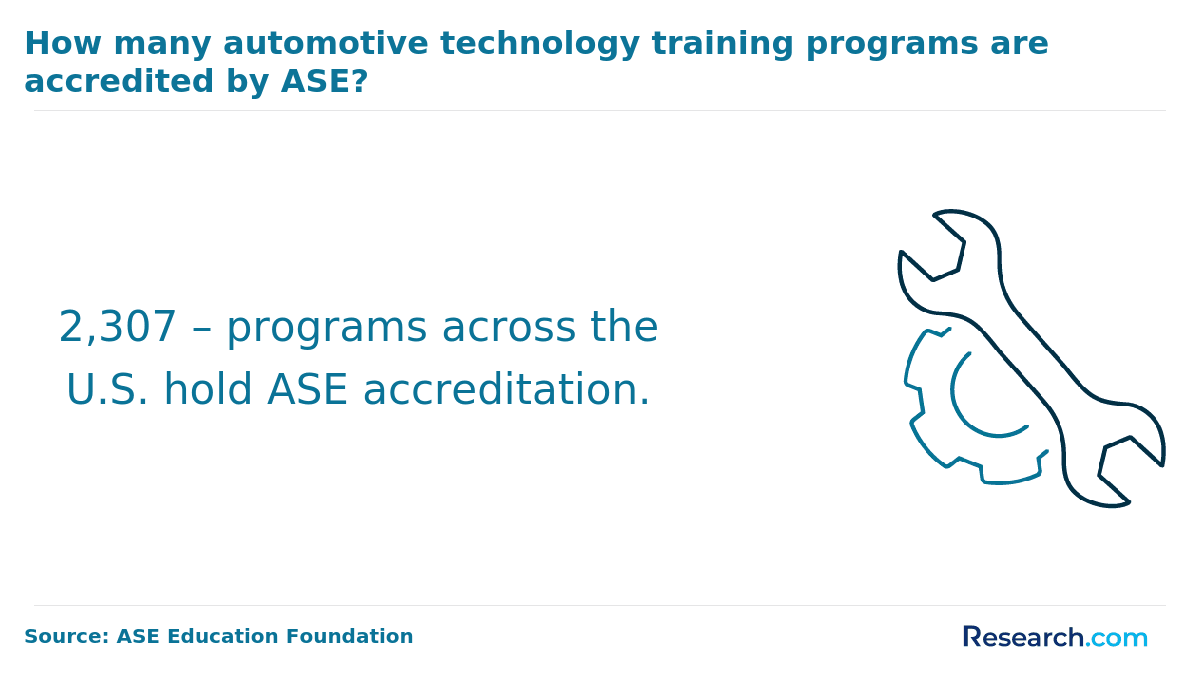
ASE certification requires passing subject-specific exams and completing relevant work experience. These credentials are highly regarded by employers and demonstrate proficiency in areas such as engine performance, brake systems, and electrical diagnostics. Certification preparation can be achieved through accredited programs, practical training, or apprenticeships. Combining hands-on experience with continued professional development ensures a competitive edge in the field and supports long-term career growth within Minnesota’s automotive industry.
How long does it take to become a mechanic in Minnesota?
The time required to become a mechanic in Minnesota varies depending on the training route you choose. Short-term certificate programs can be completed in as little as three to twelve months and focus on essential automotive skills suitable for entry-level employment. Alternatively, associate degree programs typically span two years and offer more extensive training, often including hands-on lab experience that aligns with industry certification standards.
Another path involves entering the workforce through on-the-job training or apprenticeships, which generally take between one and four years to develop advanced skills. This method allows individuals to earn income while gaining practical experience under the guidance of seasoned technicians. The overall timeline depends on factors such as your preferred learning approach, career objectives, and the level of specialization you seek within the automotive field.
How much does it cost to become a mechanic in Minnesota?
The cost to become a mechanic in Minnesota typically ranges from $5,000 to $18,000, depending on the type and length of training. This estimate includes tuition, tools, certification fees, and other necessary materials. Below are the key expenses associated with automotive technician training:
- Tuition Fees: Most programs cost between $5,000 and $18,000, based on duration, credit hours, and program structure.
- Books and Learning Materials: Textbooks and related materials typically range from $150 to $300, depending on course requirements.
- Tools and Equipment: Tool costs may reach up to $4,000. Some programs offer access to shared tools or provide tool scholarships.
- Uniform Costs: Students are generally required to purchase two uniforms, with total costs ranging from $60 to $100.
- Certification Exam Fees: ASE exams cost between $45 and $90 each. Multiple exams are often needed for full certification.
- Miscellaneous Fees: Additional charges may include lab fees, registration costs, and optional workshops, which can add several hundred dollars.
What job opportunities are available for mechanics in Minnesota?
Mechanics in Minnesota have access to a wide range of employment opportunities across various specialties. Below are some of the best jobs for trade school graduates, offering unique benefits and paths for advancement:
1. Diesel Mechanics
Diesel mechanics are in consistent demand throughout Minnesota, with typical wages ranging from $28 to $32 per hour. Employers frequently offer additional incentives such as stay-on bonuses up to $8,000. These positions generally require relevant certifications or equivalent hands-on experience, particularly for roles involving commercial or heavy-duty equipment.
2. Automotive Technicians
Automotive technicians can expect steady job availability and salaries ranging from $28,000 to $80,000 annually. Many positions offer regular weekday schedules, eliminating the need for weekend shifts. Additional benefits may include parts discounts and personal access to workshop facilities, which contribute to strong job satisfaction and work-life balance.
3. European Vehicle Specialists
Technicians who specialize in European vehicles often receive annual compensation exceeding $125,000, with signing bonuses up to $10,000. These roles favor candidates with “A” level certifications and expert diagnostic skills. Positions are typically daytime only, providing an appealing schedule for highly trained specialists seeking long-term roles.
4. HVAC Specialists
Mechanics working in heating, ventilation, air conditioning, and refrigeration earn some of the state’s top industry wages, with median hourly pay above $32. Higher earnings are commonly found in the manufacturing and utilities sectors. These roles require specialized technical certifications and offer stable employment prospects in both construction and industrial environments.
How much do mechanics make in Minnesota?
In Minnesota, automotive mechanics earn an average hourly wage of $25.59. This translates to an approximate annual income of $53,227, assuming a full-time schedule. Earnings can vary, with hourly rates ranging from $19.17 for entry-level positions to $39.55 for more experienced roles. In metropolitan areas like Minneapolis, mechanics may earn higher wages, with average hourly pay reaching $27.25.
Several factors influence a mechanic's salary in Minnesota. As one of the quick trades that pay well, auto repair offers strong earning potential, especially for experienced professionals. Specialized skills, such as diagnostics or working with specific vehicle types, can lead to higher compensation. Salary may also vary by company size and location, with larger or urban employers typically offering better pay. Industry-recognized certifications can further boost income by demonstrating advanced skills and professional dedication.
How will electric and hybrid vehicles impact the career of a mechanic in Minnesota?
As electric and hybrid vehicle technologies evolve, mechanics face a shift in industry requirements that calls for advanced diagnostic tools and specialized training in high-voltage systems. Incorporating knowledge in battery maintenance, electric drivetrains, and modern software diagnostics can enhance marketability and job security in a competitive landscape. Developing these skills not only positions professionals for emerging opportunities but also allows them to transition smoothly into related fields. For those interested in expanding their expertise, exploring how to become an electrician in Minnesota offers a valuable pathway to address the intricate electrical systems in modern vehicles.
How Can I Transition My Technical Expertise into a Successful Business Venture?
Combining automotive proficiency with business management skills can open pathways to entrepreneurship and independent repair operations. Mechanics considering this transition should focus on developing financial literacy, marketing strategies, and customer relationship management to support business growth. Evaluating local market trends and industry-specific regulatory requirements is essential for establishing a competitive enterprise. For those interested in formal business training, consider courses offered by top business schools in Minnesota to gain crucial insights into business operations and sustainable growth strategies.
What tools and skills do mechanics need to succeed?
To succeed as a mechanic in Minnesota, it is crucial to build a strong foundation of technical knowledge, practical skills, and access to essential tools. Below are the key tools and required skills for an auto mechanic:
- Automotive System Knowledge: Mechanics should be able to diagnose and repair engines, brakes, transmissions, and other critical systems.
- Diagnostic Equipment Proficiency: Familiarity with electronic scanners and software-based tools is necessary for identifying problems in modern vehicles.
- Strong Problem-Solving Skills: Quickly pinpointing issues and selecting the most efficient repair method improves productivity and reduces costs.
- Manual Dexterity and Physical Strength: Mechanics must be able to operate tools precisely and perform tasks in physically demanding environments.
- Safety Awareness: Knowledge of proper safety procedures is essential to avoid injury when working with machinery and hazardous materials.
- Willingness to Learn: As vehicle technology evolves, ongoing education is required to stay current with electric, hybrid, and computer-based systems.
- Clear Communication Skills: Explaining technical details to customers or team members ensures transparency and improves service quality.
How can automotive skills facilitate a transition into healthcare careers?
Automotive technicians often develop precision diagnostics, adherence to strict safety protocols, and a methodical problem-solving approach that are highly valued in healthcare technology roles. Transitioning into this field generally involves acquiring targeted certifications and training focused on operating advanced medical equipment and ensuring patient safety. For professionals interested in leveraging their technical background in a new, high-demand sector, exploring how to become a radiology technician in Minnesota can provide a clear pathway.
What are the career growth opportunities for mechanics in Minnesota?
Career advancement for mechanics in Minnesota is achievable through continued education, technical specialization, and leadership development. Below are the main ways professionals in the field can grow:
- Earning Recognized Certifications: Obtaining credentials such as ASE certification enhances credibility and opens doors to higher-level positions and increased wages.
- Developing Specialized Expertise: Focusing on high-demand areas like electric vehicles, diagnostic systems, or diesel engines can lead to advancement into expert-level roles.
- Completing Manufacturer Training Programs: Training provided by automakers equips mechanics to work on specific vehicle brands, often leading to promotions within dealerships or authorized service centers.
- Advancing to Management Roles: Experienced mechanics can move into roles such as team lead, shop supervisor, or service director, managing staff and overseeing shop operations.
- Launching an Independent Repair Business: With sufficient experience and capital, starting a private shop allows for greater earning potential and control over business direction.
- Participating in Ongoing Technical Training: Staying updated with industry advancements through continued education ensures relevance in a fast-evolving field and supports long-term career growth.
- Engaging in Professional Networking: Connecting with industry professionals through associations or local events can lead to mentorship opportunities and job leads.
What are the pros and cons of becoming a mechanic in Minnesota?
Pursuing a career as an automotive mechanic in Minnesota offers various opportunities and challenges. The state's diverse climate and extensive transportation infrastructure contribute to a consistent demand for skilled mechanics. However, the profession also entails certain physical and financial considerations.
Pros of Becoming a Mechanic in Minnesota
Choosing a career as a mechanic in Minnesota can be advantageous for several reasons. Below are the key benefits:
- Consistent Demand for Services: Minnesota’s harsh winters and varied weather conditions contribute to frequent vehicle damage and maintenance needs, making auto repair one of the best high demand trades in the state.
- Opportunities for Independent Work: Experienced mechanics have the option to establish their own repair shops or offer mobile services, providing flexibility and potential for increased earnings.
- Diverse Work Environment: Mechanics encounter a wide range of vehicle issues, ensuring that daily tasks remain varied and engaging.
- Job Stability: The essential nature of vehicle maintenance ensures that skilled mechanics remain in demand, contributing to long-term job security, with demand expected to increase by over 10% from 2022 to 2032.
- Immediate Results and Customer Satisfaction: Successfully diagnosing and repairing vehicles provides tangible outcomes and the satisfaction of helping customers resume their daily activities.
Cons of Becoming a Mechanic in Minnesota
While the profession has its advantages, there are also challenges to consider. Below are the primary drawbacks:
- Physical Demands: The role often requires prolonged periods of standing, lifting heavy components, and working in uncomfortable positions, which can lead to physical strain over time.
- Exposure to Hazardous Materials: Mechanics may come into contact with chemicals, fumes, and other hazardous substances, necessitating strict adherence to safety protocols to mitigate health risks.
- Variable Income: Earnings can fluctuate based on workload, especially for those paid on a flat-rate basis or during slower business periods.
- Initial Investment in Tools: Starting a career in mechanics often requires purchasing specialized tools and equipment, representing a significant upfront cost.
- Continuous Learning Requirements: Advancements in automotive technology demand ongoing education and training to stay current with new systems and repair techniques.
Can My Automotive Technician Skills Transfer to Other High-Demand Technical Careers?
The technical expertise acquired through automotive training—such as diagnostics, system troubleshooting, and precision handling of specialized equipment—can be highly transferable to other technical sectors. For instance, proficiency in operating advanced diagnostic tools and understanding complex systems may facilitate a transition into fields that require similar analytical skills. Exploring alternative career tracks can uncover opportunities in industries such as medical imaging, where technical rigor and attention to detail are critical. Interested professionals should review the Minnesota ultrasound technician requirements to evaluate if their existing skill set aligns with emerging technical roles beyond the automotive sector.
Should I Expand My Technical Skill Set Beyond Automotive Repair?
Expanding your technical expertise can open new career pathways and strengthen job security. For example, acquiring additional certifications—such as learning how to get HVAC license in Minnesota—enables you to diversify your skills and meet broader industry demands. Cross-training in complementary fields may lead to higher earning potential and increased opportunities in both specialized and managerial roles, ensuring long-term career growth in a competitive job market.
Here's What Graduates Have to Say About Becoming a Mechanic in Minnesota
Participating in the state-sponsored automotive vocational program gave me hands-on experience that textbooks alone couldn't provide. Working directly on real engines helped build my confidence and technical skills, preparing me well for a career in the industry. — Tanner
The nonprofit program in Minnesota offered me access to quality tools and expert mentors, which made all the difference in mastering automotive repairs. I appreciated how much time I got to practice, reinforcing what I learned and making the trade feel rewarding every day. — Timothy
Through the vocational training program, I gained practical knowledge and a solid understanding of vehicle systems that textbooks never fully explained. The opportunity to work on diverse car models in the program strengthened my problem-solving skills and made me excited about my future in mechanics. — Adriana
Related Articles for Nearby States
- 2027 How to Become a Mechanic in Wisconsin: Requirements & Certification
- 2027 How to Become a Mechanic in Iowa: Requirements & Certification
- 2027 How to Become a Mechanic in North Dakota: Requirements & Certification
- 2027 How to Become a Mechanic in South Dakota: Requirements & Certification
- 2027 How to Become a Mechanic in Nebraska: Requirements & Certification
- 2027 How to Become a Mechanic in Illinois: Requirements & Certification
- 2027 How to Become a Mechanic in Missouri: Requirements & Certification
- 2027 How to Become a Mechanic in Michigan: Requirements & Certification
- 2027 How to Become a Mechanic in Kansas: Requirements & Certification
- 2027 How to Become a Mechanic in Indiana: Requirements & Certification
References:
- Apprenticeships.gov.uk. (n.d.). Apprentices’ existing knowledge can reduce training time. Retrieved from Apprenticeships
- Auto Mechanic Schools. (n.d.). Auto mechanic schools in Minnesota. Retrieved from Auto Mechanic Schools.
- EIDesign. (n.d.). Tips and strategies to shorten new hire time-to-productivity with employee onboarding training. Retrieved from EIDesign.
- Gyfted. (n.d.). How to become a certified mechanic in Minnesota. Retrieved from Gyfted.
- Jeff Toister. (n.d.). How long should new hire training last?. Retrieved from Toister Solutions.
- JZero Solutions. (2023). How to shorten training time effectively: Strategies for efficient learning. Retrieved from JZero.
- Knowledge Anywhere. (n.d.). Finding the ideal duration: How long should your employee training be?. Retrieved from Knowledge Anywhere.
- Minnesota North College. (n.d.). Automotive technician. Retrieved from Minnesota North.
- Southeast Technical College. (n.d.). Automotive maintenance and general repairs. Retrieved from Southeast MN.
- US Mechanic Edu. (n.d.). How to become a certified mechanic in Minnesota. Retrieved from US Mechanic Edu.
Other Things You Should Know About Becoming a Mechanic in Minnesota
In Minnesota, completing an apprenticeship is not mandatory to become a mechanic in 2027, but it may be beneficial. Many aspiring mechanics opt for apprenticeships to gain hands-on experience, which can improve job prospects and skill levels.
To become a certified mechanic in Minnesota in 2027, start with a high school diploma or GED. Enroll in an accredited automotive technology program, complete training, and gain hands-on experience. Finally, earn industry certifications such as ASE (Automotive Service Excellence) to enhance your credibility and job prospects.
Yes, you can get paid while training to become a mechanic in Minnesota through apprenticeship programs. These programs combine on-the-job training with classroom instruction, allowing apprentices to earn a wage as they learn the trade. Wages typically increase as apprentices gain more skills and experience. The Minnesota Department of Labor and Industry provides resources and directories to help individuals find registered apprenticeship opportunities in various trades, including automotive technology.


