
2027 How to Become a Mechanic in Louisiana: Requirements & Certification

Co-Founder and Chief Data Scientist
The demand for skilled automotive mechanics in Louisiana is projected to grow by 3% through 2032, but many of those who aspire to become one find it hard to navigate the necessary qualifications and pathways. The good news is that this article offers a clear and detailed guide on how to pursue a career as a mechanic in Louisiana. It covers essential steps such as education requirements, certification processes, and gaining practical experience. Through this comprehensive overview, you will be better equipped to face the challenges and take advantage of opportunities within the automotive repair industry in Louisiana.
Key Things to Know About Becoming a Mechanic in Louisiana
- Louisiana projects a 3% job growth rate for automotive service technicians and mechanics from 2022 to 2032, which rate is in line with the national average.
- The median annual salary for mechanics in Louisiana is approximately $42,000, with top earners making over $55,000 depending on experience and certifications.
- Most accredited automotive technology programs in Louisiana require 12 to 24 months of study, combining classroom instruction with hands-on training.
- What are the steps to become a mechanic in Louisiana?
- What training and education options are available in Louisiana?
- Do you need certifications to work as a mechanic in Louisiana?
- How long does it take to become a mechanic in Louisiana?
- How much does it cost to become a mechanic in Louisiana?
- What job opportunities are available for mechanics in Louisiana?
- Should mechanics consider cross-training in related technical fields?
- How much do mechanics make in Louisiana?
- Can Business Skills Enhance a Mechanic's Career in Louisiana?
- What professional networks and development resources can boost a mechanic's career in Louisiana?
- Can a Mechanic Transition to Other Technical Careers?
- What tools and skills do mechanics need to succeed?
- What are the career growth opportunities for mechanics in Louisiana?
- What are the pros and cons of becoming a mechanic in Louisiana?
- How Can Mechanics Adapt to Electric and Hybrid Vehicle Technologies?
What are the steps to become a mechanic in Louisiana?
Becoming a mechanic in Louisiana does not take a lot. However, you need to follow a few specific steps, which include:
- Obtain a High School Diploma or GED: A foundational requirement for entering the automotive mechanic field in Louisiana is obtaining a high school diploma or GED. This ensures candidates possess essential skills in mathematics, reading comprehension, and problem-solving, which are critical for technical training and on-the-job performance.
- Complete Post-Secondary Automotive Education: While entry-level positions may be accessible with only a high school education, most employers prefer candidates who have completed post-secondary programs in automotive technology. These programs, offered by technical schools and community colleges such as South Central Louisiana Technical College and Northshore Technical Community College, combine classroom instruction with practical training. Credentials typically include certificates that cover core mechanical skills and associate degrees that provide a more comprehensive understanding of automotive systems and diagnostics.
- Engage in Continuing Education: Given the rapid evolution of automotive technology—especially in electronics and alternative fuel systems—mechanics must pursue ongoing education. Workshops, seminars, and manufacturer-specific training help maintain proficiency and adaptability in a competitive labor market.
- Obtain Specialized Certifications: Louisiana does not require a general state license for mechanics but mandates specific certifications for certain systems, such as the 609-refrigerant certification for servicing motor vehicle air conditioning. Additionally, Automotive Service Excellence (ASE) certification, while voluntary, is highly regarded and can improve employment prospects and earning potential. Eligibility for ASE exams requires practical experience and/or formal education, with advanced certifications necessitating renewal every few years.
- Gain Practical Experience through Internships or Apprenticeships: Hands-on experience is essential for skill development and employability. Many educational institutions and local employers in Louisiana offer internship or apprenticeship opportunities that provide real-world training and facilitate transitions into full-time roles.
What training and education options are available in Louisiana?
Louisiana provides diverse training and education options tailored for those pursuing careers in automotive and heavy equipment repair. These programs combine technical knowledge with practical experience to meet industry demands effectively.
- South Louisiana Community College offers an accredited automotive technology program covering brake systems, automotive electronics, engine repair, and more, preparing students for roles such as automotive mechanics and service technicians. This program aligns with standards set by the National Automotive Technicians Education Foundation (NATEF).
- Louisiana Delta Community College will begin offering an automotive technology program in Summer 2025, expanding access to quality auto mechanic schools in Louisiana for students in different regions.
- South Louisiana Community College’s upcoming Honda Professional Automotive Career Training (PACT) program, launching in Fall 2025, provides specialized manufacturer training. It focuses on Honda and Acura vehicles, includes internships at dealerships, and awards manufacturer-specific certifications, enhancing career prospects within these brands.
- Louisiana CAT offers comprehensive technician training targeting heavy equipment, emphasizing diesel and natural gas engines, hydraulics, power train diagnostics, and electronics troubleshooting. Their courses progress from fundamental concepts to advanced repair techniques in small class settings.
- The D3500 Engine Operation, Maintenance & Electrical course is a focused 3.5-day training costing $2,000, teaching essential skills like diagnostic software use and electronic code interpretation, with no prerequisites required.
When considering these options, students should evaluate program accreditation, hands-on experience, industry partnerships, location, scheduling, and available financial aid. The combination of technical knowledge and practical skills gained through these programs aligns with the demands of today’s automotive workforce and contributes to the average salary of a trade school graduate in Louisiana.
Do you need certifications to work as a mechanic in Louisiana?
Louisiana does not impose formal state licensure requirements for automotive mechanics, allowing individuals to enter the profession without mandatory certification. However, many employers prioritize candidates who hold industry-recognized credentials, particularly Automotive Service Excellence (ASE) certification for auto mechanics in Louisiana, due to the credibility and skills validation it provides.
ASE certification is widely regarded as the industry standard and significantly enhances employability and career advancement opportunities. While not legally required, ASE credentials demonstrate proficiency in specialized automotive areas such as engine repair and electrical systems, which can lead to higher wages and supervisory positions. The ASE Entry-Level Certification is especially valuable for newcomers, offering a pathway to accumulate work experience credit while establishing foundational expertise.
For those seeking to maximize their career potential, pursuing ASE certification early is advisable. Enrolling in accredited programs at Louisiana community colleges or trade schools ensures alignment with industry standards and prepares students effectively for certification exams. Gaining practical experience alongside certification efforts is also crucial, as hands-on skills remain a core component of mechanic competence.
Teachers involved in automotive technology instruction in Louisiana must possess the relevant industry-based credentials themselves to maintain instructional quality and consistency with certification standards. This requirement underscores the state’s commitment to professionalizing the trade through recognized certifications.
Mechanics interested in related fields might also consider exploring career paths such as HVAC technology to broaden their expertise; resources on what is HVAC technician offer detailed insights into this complementary trade.
In summary, while no state license is required, understanding Louisiana's mechanic license requirements and actively obtaining ASE certification is essential for those aiming to establish a competitive and sustainable career in automotive repair within Louisiana.
How long does it take to become a mechanic in Louisiana?
Becoming a certified mechanic in Louisiana typically requires between one and two years after high school, depending on the educational pathway chosen. This timeframe includes completing formal training, passing licensing exams, and acquiring practical experience.
Most candidates begin with a high school diploma or GED, then enroll in post-secondary automotive technology programs offered by community colleges or vocational schools. Certificate programs usually span about 12 months, while associate degrees may extend to two years. Licensing mandates graduation from an approved program and successful completion of a certification exam, often the ASE (Automotive Service Excellence) test.
Some students accelerate their progress by enrolling in fast-track certificate programs or participating in dual enrollment opportunities available during high school. These pathways allow students to earn credits and gain hands-on experience earlier, reducing the total time needed to enter the workforce. Additionally, individuals with prior experience or military training in vehicle maintenance might test out of certain requirements, further shortening their journey.
One Louisiana mechanic recalls the challenge of balancing night classes with a part-time job while completing a certificate program. Despite the demanding schedule and technical difficulties with some advanced diagnostics, the hands-on training and supportive instructors made the effort rewarding and ultimately successful.
Ongoing education remains essential to maintain licensure and stay current with evolving automotive technologies, especially as electric and hybrid vehicles become more prevalent. Prospective mechanics should carefully select accredited programs aligned with state and national certification standards to ensure compliance with Louisiana’s regulatory requirements.
How much does it cost to become a mechanic in Louisiana?
The automotive technician training cost Louisiana typically ranges from $9,000 to $25,000, depending on the program and institution chosen. Prospective students should consider various expenses beyond tuition to prepare an accurate budget for entering the field.
Key costs associated with Louisiana mechanic school tuition and expenses include:
- Tuition at community colleges such as South Louisiana Community College, where in-state residents may pay approximately $9,072 annually, with programs designed to balance affordability and quality.
- Programs at institutions like Louisiana Delta Community College, charging around $11,447 for a two-year Automotive Technology Technical Diploma.
- National averages for mechanic training programs, which range from $15,000 to $25,000, with specialized diesel mechanic training possibly reaching $24,000 to $34,000.
- Tools and equipment, often required for hands-on training, costing between $1,000 and $5,000 depending on the kit’s scope and quality.
- Books and materials, including textbooks and manuals, estimated at $500 to $1,000 per program.
- Certification fees for industry-recognized credentials such as ASE tests, with individual exam costs generally between $45 and $90.
- Work attire and safety gear, which may total $200 to $400 initially, with periodic replacements necessary throughout training.
Financial aid options are available to help offset these expenses, including federal grants, state-specific programs, and workforce development funding. Students interested in trades should explore resources such as trades careers to identify additional support and career pathways. Factoring all these elements will provide a comprehensive understanding of the cost implications when pursuing automotive technician training cost Louisiana.
What job opportunities are available for mechanics in Louisiana?
Job opportunities for mechanics abound across Louisiana, and these span a variety of specialties and industries. Here's an overview of current openings available in the state:
- Automotive Technician Careers in Louisiana: Automotive technicians remain essential to Louisiana’s transportation sector, serving both independent repair shops and dealership service centers. These professionals handle diagnostics, repairs, and routine maintenance for passenger vehicles and light trucks, often requiring specialized knowledge of specific brands or diesel technologies. A mechanic in Louisiana once described the challenge of adapting to diverse vehicle models and customer expectations as demanding but rewarding, highlighting the satisfaction of mastering complex diagnostic tools and building trust within local communities. Those pursuing automotive technician careers in Louisiana benefit from steady demand and opportunities for advancement, especially with credentials from the best automotive mechanic trade school programs.
- Diesel Mechanics: Diesel mechanics are vital in Louisiana due to the state’s reliance on commercial transportation, agriculture, and construction sectors. Specialists in diesel engines maintain trucks, buses, tractors, and heavy machinery, with employers seeking candidates who demonstrate expertise in these areas. The job outlook for diesel mechanics remains robust, reflecting the ongoing need for equipment reliability in logistics and shipping industries. One diesel mechanic recounted the complex process of mastering heavy-duty engine repairs while balancing the physical demands and unpredictable schedules inherent to the profession.
- Heavy Equipment Mechanics: Heavy equipment mechanics support Louisiana’s active construction, oil, and gas industries by maintaining and repairing machinery such as bulldozers, excavators, and cranes. Proficiency with industry-leading brands like CAT and John Deere is often expected. A mechanic shared how gaining hands-on experience with heavy machinery significantly enhanced job prospects and personal confidence, especially when working in challenging outdoor environments affected by weather conditions. This specialization offers competitive compensation and steady employment prospects aligned with the state’s infrastructure development.
- Fleet and Government Mechanics: State and municipal agencies in Louisiana employ fleet and government mechanics to manage public transportation, law enforcement, emergency services, and public works vehicles. These roles provide stable employment with benefits and the chance to work on a diverse range of equipment. Mechanics pursuing government positions often appreciate the structured work environment and the opportunity to contribute to community safety and infrastructure reliability.
- Industrial Maintenance Mechanics: Industrial maintenance mechanics are crucial in Louisiana’s manufacturing and processing sectors, particularly petrochemicals and food production. Their expertise ensures continuous operation of industrial machinery and minimizes downtime. Those entering this field often find that combining mechanical skills with knowledge of industry-specific systems increases employability and job security.
Should mechanics consider cross-training in related technical fields?
Diversifying technical expertise can provide mechanics with a competitive edge in Louisiana’s evolving automotive landscape. Cross-training in related fields, such as emerging electric vehicles or HVAC systems, equips professionals with versatile skills that open opportunities for alternative revenue streams and career stability. Acquiring complementary competencies not only enhances problem-solving capabilities for complex vehicle systems but also allows mechanics to adapt to industry shifts driven by technological advancements. For instance, pursuing certifications in HVAC technology can be a strategic move for those looking to broaden their service offerings. Learn more about how to get HVAC license in Louisiana from our comprehensive guide.
How much do mechanics make in Louisiana?
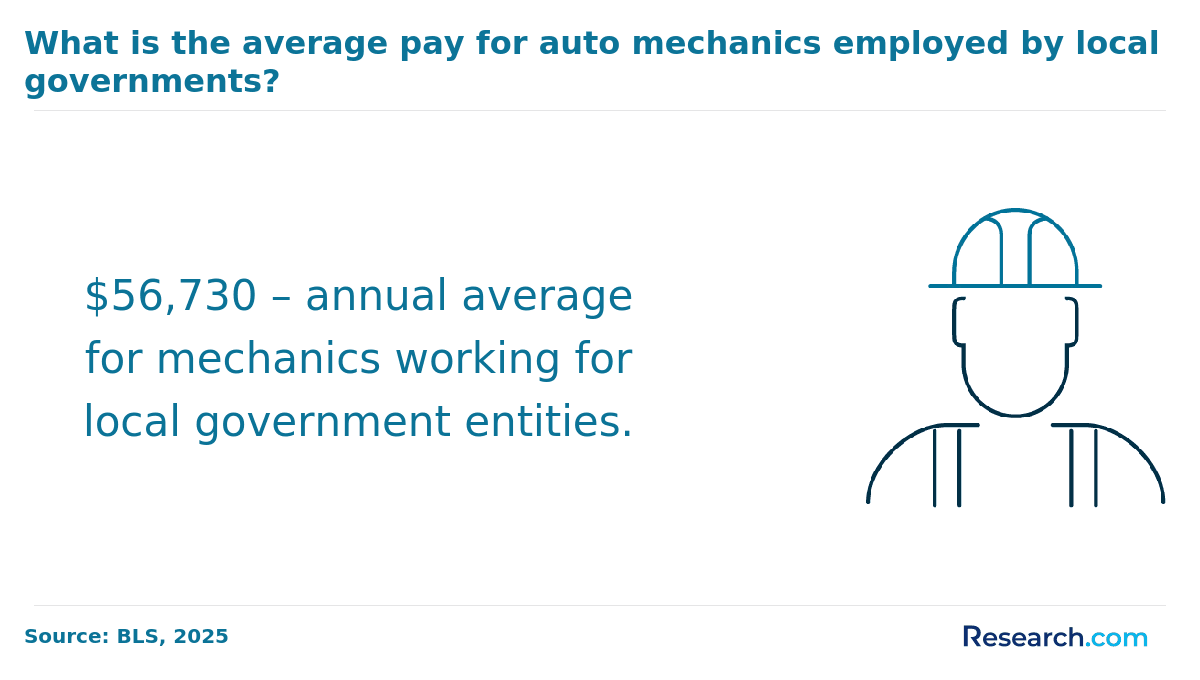
Mechanics in Louisiana earn an average annual salary ranging from $46,218 to $48,245, with hourly wages typically between $20.96 and $25.26. Entry-level positions start near $23,640, while the most experienced mechanics can earn up to $75,190 annually. Specific employers like Mavis Discount Tire and Car Craft, Inc. offer salaries from $40,000 to $80,000, reflecting variations based on location and specialization.
The automotive technician hourly pay in Louisiana also includes potential overtime, which can add approximately $5,700 annually. Urban centers such as New Orleans and Baton Rouge tend to offer higher wages due to increased demand and industrial opportunities. Specializations in diesel, hybrid, or luxury vehicles further enhance earning potential, as does obtaining ASE certifications or manufacturer-specific credentials.
Compared to neighboring states, Louisiana’s earnings closely align with Alabama and Arkansas but fall below higher-paying markets like California and Alaska. Mechanics here earn about 24% less than the national average for this profession. Within the state, wages for related trades vary, with commercial divers and aircraft mechanics earning more, and motorcycle or farm equipment mechanics earning less.
To maximize income, mechanics should consider urban employment, pursue continuous learning, and leverage overtime opportunities. Those looking to enter the field may benefit from exploring options between college or trade school to determine the best educational path suited to their career goals.
Can Business Skills Enhance a Mechanic's Career in Louisiana?
Mechanics who combine technical expertise with solid business management skills can unlock new career avenues and improve operational efficiencies. Integrating principles such as strategic planning, financial management, and customer service allows professionals to excel in supervisory roles or successfully run independent repair businesses. Pursuing targeted business education can bridge the gap between hands-on automotive work and effective shop management. Interested individuals can further their business acumen by exploring programs offered at the top business schools in Louisiana, which provide specialized curricula designed to harness growth in competitive markets.
What professional networks and development resources can boost a mechanic's career in Louisiana?
Mechanics can expand their career prospects by engaging with targeted industry associations, trade shows, and professional development events. Networking with experienced peers and attending manufacturer-led training sessions facilitate both mentorship and skill enhancement. Moreover, participating in local forums and online communities provides timely updates on technical innovations and regulatory changes. Exploring adjacent career pathways, such as those detailed in Louisiana ultrasound technician requirements, can also offer fresh perspectives on certification and career versatility.
Can a Mechanic Transition to Other Technical Careers?
Core competencies in diagnostics and problem-solving are not confined solely to vehicle repair. Mechanics can leverage their technical proficiency in sectors that require a strong aptitude for troubleshooting complex systems. Exploring such alternative career paths may involve targeted supplemental training and industry-specific certification programs. For instance, professionals interested in technical fields beyond automotive repair can compare pathways and certification requirements, such as how to become a radiology technician in Louisiana, to diversify their skill set and access broader employment opportunities.
What tools and skills do mechanics need to succeed?
Success as an automotive mechanic in Louisiana demands a blend of technical knowledge, practical skills, and reliable tools. Mastery of these core competencies enhances efficiency and accuracy in vehicle diagnostics and repairs.
Key tools and skills essential for mechanics include:
- Proficiency with diagnostic equipment such as OBD-II scanners to identify engine and system faults quickly.
- Expertise in using hand tools like wrenches, screwdrivers, and pliers for various mechanical tasks.
- Ability to operate power tools safely and effectively to expedite repair processes.
- Strong understanding of automotive electrical systems to troubleshoot wiring and component issues.
- Skill in reading and interpreting technical manuals, diagrams, and service bulletins.
- Competence in performing routine maintenance including oil changes, brake inspections, and tire rotations.
- Capacity to adapt to evolving automotive technologies, including hybrid and electric vehicle systems.
- Good communication skills for explaining technical issues and repair needs to customers clearly.
- Attention to detail to ensure all repairs meet safety standards and manufacturer specifications.
- Time management to prioritize tasks and complete work efficiently under deadlines.
What are the career growth opportunities for mechanics in Louisiana?
Career growth for automotive mechanics in Louisiana is influenced by industry demand, specialized skills, and regional economic factors. Mechanics who pursue advanced training and certifications can access broader opportunities and higher earnings.
Industry Demand and Employment Trends
The automotive repair sector in Louisiana benefits from steady demand driven by the state’s extensive transportation networks and vehicle usage. Growth in vehicle ownership and commercial fleets sustains the need for skilled mechanics. According to regional labor data, employment opportunities are concentrated in metropolitan areas such as Baton Rouge and New Orleans, where commercial and personal vehicle maintenance services are in high demand.
Specialization and Certification Advantages
Mechanics who acquire certifications from recognized bodies, such as the National Institute for Automotive Service Excellence (ASE), enhance their employability and earning potential. Specializing in areas like diesel engines, transmission repair, or electronic diagnostics aligns with industry trends toward complex vehicle technologies. Advanced credentials often lead to supervisory roles or opportunities in dealership service departments, which tend to offer better compensation.
Training Programs and Apprenticeships
Louisiana offers various technical and trade school programs designed to equip mechanics with hands-on skills and theoretical knowledge. These programs often include apprenticeships or partnerships with local automotive shops, facilitating practical experience and job placement. Continuous education is critical given rapid advancements in vehicle systems and repair technologies.
Regional Economic Impact and Career Mobility
The state’s economic activities, including oil and gas industries and agriculture, contribute to demand for specialized vehicle maintenance, such as heavy equipment and fleet management. Mechanics with versatile skills can find opportunities across multiple sectors, increasing career stability and growth potential. Additionally, geographic mobility within Louisiana’s urban and rural areas allows mechanics to pursue diverse roles and wage scales.
What are the pros and cons of becoming a mechanic in Louisiana?
Pursuing a career as a mechanic in Louisiana offers both opportunities and challenges shaped by the state’s economic and industrial landscape. Awareness of these factors can guide informed career decisions.
Pros
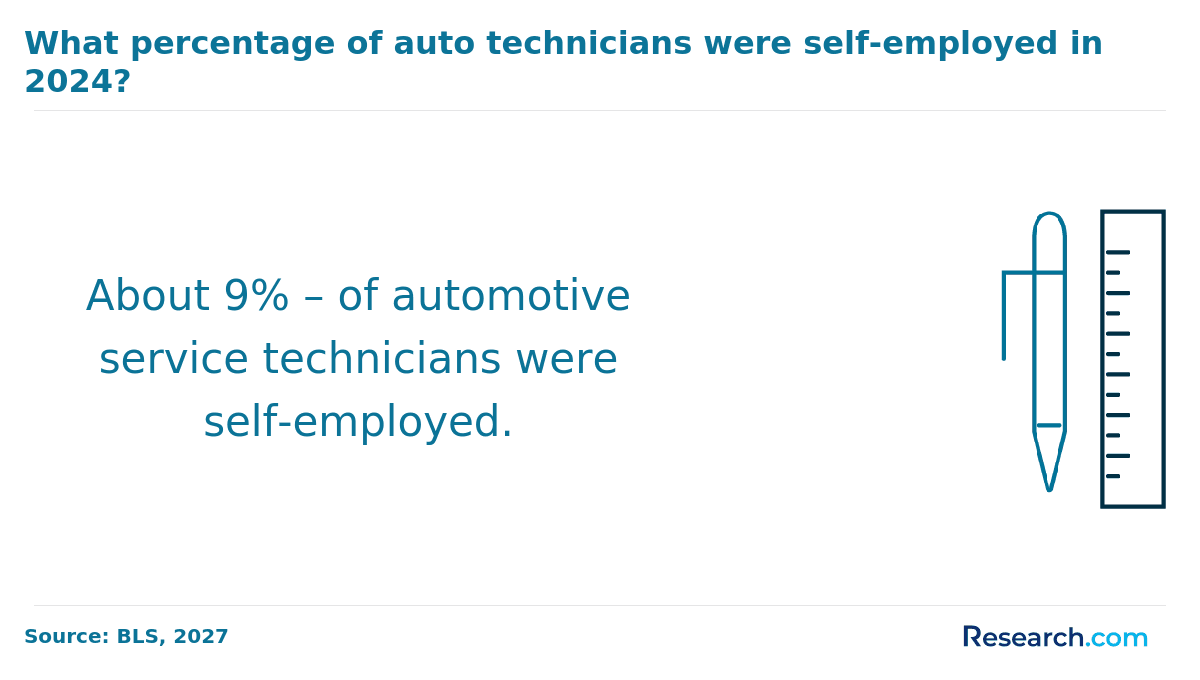
Mechanics in Louisiana benefit from steady demand driven by the state's large transportation and oil industries. This ensures consistent job availability across urban and rural areas. The relatively moderate cost of living in Louisiana allows wages to stretch further compared to higher-cost states. Additionally, mechanics can access various training programs and apprenticeships that provide practical skills without necessarily requiring a four-year degree. The trade offers a hands-on career path with opportunities to specialize in areas like diesel engines or heavy equipment, which can command higher pay. Job roles also present potential for self-employment and entrepreneurship, appealing to those seeking independence and flexibility.
Cons
Wages for mechanics in Louisiana can be lower than the national average, partly due to regional economic factors and competition. Entry-level salaries may not reflect the technical expertise required, posing financial challenges for newcomers. The work often involves physical labor in demanding environments, sometimes requiring long or irregular hours. In rural areas, fewer advanced training resources and limited access to high-paying specialization may restrict career advancement. Additionally, evolving automotive technologies necessitate continual education and adaptation, which can be a barrier without employer support or personal investment.
How Can Mechanics Adapt to Electric and Hybrid Vehicle Technologies?
As vehicle technology evolves, mechanics must acquire specialized competencies to effectively service electric and hybrid models. This involves understanding high-voltage systems, battery management, and the integration of digital diagnostics. Staying abreast of manufacturer updates and industry-specific safety protocols is essential to mitigate potential hazards and ensure compliance with emerging standards. Pursuing targeted supplemental training and certifications can provide a competitive edge while opening pathways to roles that intersect with advanced electrical systems, much like the training guides available on how to become an electrician in Louisiana.
Here's What Mechanics Have to Say About Their Careers in Louisiana
- Enrolling in the Louisiana Technical College's vocational program gave me hands-on experience that textbooks alone couldn't provide. Working directly on different engine types helped me build confidence and a strong skill set that's crucial in the field. Dan
- The nonprofit program in Baton Rouge offered not just training but real-world practice through community service projects. It was rewarding to apply what I learned while helping others maintain their vehicles safely on the road. Lee
- The Louisiana State Workforce Development program emphasized practical skills through apprenticeships, which made transitioning into a full-time mechanic role much smoother. Getting daily practice under expert guidance reinforced my passion for the trade. Armand
Related Articles for Nearby States
- 2027 How to Become a Mechanic in Mississippi: Requirements & Certification
- 2027 How to Become a Mechanic in Arkansas: Requirements & Certification
- 2027 How to Become a Mechanic in Texas: Requirements & Certification
- 2027 How to Become a Mechanic in Alabama: Requirements & Certification
- 2027 How to Become a Mechanic in Tennessee: Requirements & Certification
- 2027 How to Become a Mechanic in Missouri: Requirements & Certification
- 2027 How to Become a Mechanic in Oklahoma: Requirements & Certification
- 2027 How to Become a Mechanic in Florida: Requirements & Certification
- 2027 How to Become a Mechanic in Kentucky: Requirements & Certification
- 2027 How to Become a Mechanic in Georgia: Requirements & Certification
References:
- Auto Mechanic Schools. (n.d.). Becoming an Automotive Technician or Mechanic in Louisiana. automechanicschools.com.
- Knowledge Anywhere. Finding the Ideal Duration: How Long Should Your Employee Training Be?
- Northwest Louisiana Technical Community College. (n.d.). Automotive Technology. nltcc.edu.
- O*NET OnLine. Louisiana Employment Trends | 49-3023.00 - Automotive Service Technicians and Mechanics.
- US Mechanic. (n.d.). Becoming a Mechanic or Automotive Technician in Louisiana. usmechanicedu.com.
Other Things You Should Know About Becoming a Mechanic in Louisiana
In 2027, mechanics in Louisiana need an Occupational License, which is required by the Louisiana Workforce Commission. Some specialized fields, like HVAC mechanics, might require additional certifications. Verify specific license types with local authorities for specialties like auto repair or diesel mechanics.
In 2027, aspiring mechanics in Louisiana typically need a high school diploma or GED. Enrolling in a formal training program at a community college or vocational school is recommended to learn essential skills. Completing additional certifications, such as ASE (Automotive Service Excellence), can enhance job prospects.


