
2027 How to Become an Electrician in Louisiana

Co-Founder and Chief Data Scientist
Becoming an electrician in Louisiana offers a promising career path with steady demand and competitive wages. Recent data indicates that the state employs over 8,000 electricians, with an expected job growth rate of approximately 10% through 2030, reflecting robust opportunities in construction, maintenance, and industrial sectors. The average annual salary for electricians in Louisiana stands around $52,000, slightly below the national average but balanced by a lower cost of living.
Pursuing this trade involves formal education and apprenticeships regulated by the Louisiana State Licensing Board for Contractors, ensuring skilled and licensed professionals. For those seeking a stable and skilled trade, electrical work in Louisiana remains a worthwhile option.
Key Things to Know About Becoming an Electrician in Louisiana
- Electricians in Louisiana must complete a state-approved apprenticeship program lasting about four years before applying for a journeyman license.
- The job outlook for electricians in Louisiana is positive, with a steady demand due to construction and industrial growth.
- The average annual salary for electricians in Louisiana is approximately $50,000, varying by experience and location within the state.
- Continuing education and licensing renewal are required to maintain compliance with Louisiana's electrical safety standards and regulations.
- What education is required to become an electrician in Louisiana
- How do you get into an electrician apprenticeship program in Louisiana?
- How much do electricians make in Louisiana?
- What certifications do electricians need in Louisiana?
- How long does an electrician apprenticeship take in Louisiana?
- How much does electrician training cost in Louisiana?
- Should electricians in Louisiana consider expanding their skills to include HVAC expertise?
- What license do you need to be an electrician in Louisiana?
- How can electricians develop robust business and management skills in Louisiana?
- Should electricians diversify their technical skill sets in Louisiana?
- How can emerging technologies transform your electrical career in Louisiana?
- How often do you need to renew your electrician license in Louisiana
- What are the essential skills needed to be a successful electrician in Louisiana?
- What is the job outlook for electricians over the next 10 years in Louisiana?
- What challenges do electricians face in Louisiana?
- What Electricians in Louisiana Say About Their Careers
What education is required to become an electrician in Louisiana
Becoming an electrician in Louisiana necessitates a combination of formal education, hands-on training, and successful completion of licensing exams. Aspiring electricians typically begin their journey by enrolling in technical programs that cover foundational subjects such as electrical theory, circuitry, blueprint reading, and safety protocols. Common courses include Electrical Code, Electrical Systems Design, and Motor Controls, which equip students with essential skills required in the electrical trade.
Apprenticeship programs are a pivotal component of electrician training in Louisiana. These programs integrate paid on-the-job training with classroom instruction and usually span four to five years. Apprentices operate under the supervision of licensed electricians, gaining practical experience across residential, commercial, and industrial electrical systems. The Louisiana Department of Labor highlights that apprenticeship participation increases the likelihood of passing the state licensing exam by approximately 30%. Typical coursework during apprenticeships includes updates to the National Electrical Code (NEC), conduit bending techniques, and electrical safety standards.
Several institutions in Louisiana are recognized for their comprehensive electrician training programs. Notable examples include Baton Rouge Community College, Delgado Community College in New Orleans, and Central Louisiana Technical Community College. These schools offer curricula designed to prepare students for licensing exams and real-world electrical work, often featuring access to simulation labs and industry partnerships.
To maximize success in licensing exams, we advise candidates to utilize a variety of resources. State-sponsored review classes, technical workshops, and seminars provided by organizations such as the Louisiana Association of Electrical Contractors are valuable for exam preparation. These resources emphasize exam strategies, code updates, and practical problem-solving skills. Additionally, practice exams and study guides aligned with the 2023 NEC serve as essential tools for mastering the licensing requirements.
How do you get into an electrician apprenticeship program in Louisiana?
Securing a place in an electrician apprenticeship program in Louisiana involves meeting several established requirements and choosing from reputable organizations offering comprehensive training. According to our research, these key providers include the Louisiana Electrical Joint Apprenticeship and Training Committee (JATC), the International Brotherhood of Electrical Workers (IBEW) Local 150, and the Associated Builders and Contractors (ABC) Louisiana Chapter. These programs generally require applicants to be at least 18 years old, hold a high school diploma or GED, and successfully pass an aptitude test focusing on math and reading comprehension. Understanding how to apply for electrician apprenticeship Louisiana programs involves preparing thoroughly for these prerequisites and submitting applications directly to these organizations.
Louisiana’s electrician apprenticeship requirements emphasize a strong foundation in electrical safety and strict adherence to the Louisiana State Electrical Code. Apprentices must complete approximately 576 classroom hours alongside 8,000 hours of supervised work experience before eligibility for licensing. This combination ensures that apprentices not only gain practical skills but also develop a detailed knowledge of state-specific regulations, which is a distinguishing feature compared to other states.
Participating in these apprenticeships offers invaluable skill development in areas such as wiring, blueprint reading, and circuitry. Moreover, apprentices build key professional networks within Louisiana’s growing construction industry, which is projected to expand by 6% through 2026. Networking opportunities often arise through connections with local contractors and utility companies facilitated by the apprenticeship programs. One electrician from Louisiana shared that the mentorship and camaraderie experienced during their apprenticeship were crucial to overcoming early challenges, such as mastering complex code requirements and managing time between classroom instruction and on-site work. They highlighted how supplemental seminars and review classes offered by institutions like Louisiana Technical College helped solidify their understanding and boosted their confidence for licensing exams.
For those aiming to excel, actively engaging in both practical training and theoretical study is essential. Utilizing resources like the Electrical Training Alliance’s workshops and regularly reviewing updates to the National Electrical Code can further enhance competency. Such dedication not only prepares apprentices for licensing but also positions them well for a rewarding career. For individuals exploring career options, consulting a list of the best jobs for trade school graduates can provide additional insights into opportunities available in the trade sector.
An associate's degree is one of the top credentials earned by electricians.
How much do electricians make in Louisiana?
Electricians in Louisiana earn competitive wages that reflect the state’s robust demand for skilled tradespeople in construction and industrial sectors. We discovered that the average annual salary for electricians in Louisiana is approximately $52,000, translating to around $4,333 per month. Entry-level electricians generally start with annual wages ranging from $30,000 to $35,000, while experienced electricians and those with specialized skills can earn upwards of $65,000 per year. Salary progression typically follows the apprenticeship-to-journeyman-to-master electrician pathway, where apprentices earn roughly 40-50% of a journeyman’s wage in their early years and increase their earnings as they develop expertise.
Among Louisiana’s cities, Baton Rouge, New Orleans, and Lafayette stand out as the highest-paying locations for electricians. Wages in these urban centers may be 10-15% above the state average due to heightened construction activity and industrial projects. For instance, electricians in Baton Rouge often earn close to $60,000 annually, benefiting from the city's thriving petrochemical industry and substantial infrastructure development. These dynamics contribute to a positive job outlook as the construction industry is projected to grow by about 5% over the next decade.
An electrician from Louisiana shared their reflective experience on the journey of becoming a skilled tradesperson in the state. They described starting as an apprentice earning modest wages but gaining invaluable hands-on learning through a state-approved apprenticeship program. Over time, advancing to journeyman status brought increased responsibility and a noticeable rise in pay, which allowed for financial stability and career growth. This electrician emphasized the challenges of balancing overtime work and continuing education, especially while pursuing certifications and specialized training. However, they also highlighted the benefits of job security and the fulfillment of contributing to major state infrastructure projects, which made the demanding work worthwhile.
For electricians aiming to enhance their earning potential in Louisiana, pursuing advanced certifications or specialized training—such as industrial electrical work or automation—is crucial. Moreover, exploring educational advancement opportunities like an anchors part-time Ph.D. in economics can open doors to leadership roles or specialized sectors within the electrical trade, further boosting income and career prospects.
Master electricians are the highest-paid workers in the field.
What certifications do electricians need in Louisiana?
In Louisiana, obtaining the appropriate certifications is fundamental for anyone seeking to become a licensed electrician. The initial step is usually the Electrician Apprentice Registration, which permits individuals to gain practical experience under the supervision of a licensed electrician. After fulfilling the required hours of on-the-job training and education, apprentices may apply for the Journeyman Electrician License. This license authorizes electricians to independently manage a broad range of electrical projects and is a critical milestone in meeting louisiana electrician license requirements.
For those aiming to elevate their careers further, the Master Electrician License is essential. This license demands additional field experience and successful completion of a comprehensive examination. Holding a master license enables electricians to supervise complex projects, obtain permits, and operate their own contracting businesses, reflecting a higher level of professional responsibility and expertise.
Several institutions across the state offer programs designed to prepare candidates for these certifications. Technical colleges such as Baton Rouge Community College, Capital Area Technical College, and Louisiana Technical College provide coursework that combines classroom instruction with practical training. These programs cover vital topics including the National Electrical Code (NEC), electrical theory, and safety protocols. Additionally, apprenticeship programs facilitated by organizations like the International Brotherhood of Electrical Workers (IBEW) Local 117 offer structured on-the-job training critical to meeting certifications needed to become electrician in Louisiana.
We believe that possessing state-recognized certifications significantly enhances career prospects. Licensed electricians in Louisiana earn competitive wages, with master electricians often commanding higher salaries due to their qualifications and ability to work independently. Moreover, certifications focusing on specialized areas such as renewable energy systems are gaining importance as Louisiana invests more in sustainable infrastructure. Aspiring electricians should also explore various training paths by reviewing the best rated automotive mechanic trade school programs to understand how comprehensive training programs can support their career advancement.
How long does an electrician apprenticeship take in Louisiana?
In Louisiana, completing an electrician apprenticeship typically requires between 4 to 5 years, which equates to roughly 48 to 60 months. We found that this timeframe includes around 8,000 hours of on-the-job training coupled with 500 to 900 hours of classroom education. However, the duration can vary based on multiple factors, including the specific program or organization administering the apprenticeship. For example, union apprenticeships such as those managed by the International Brotherhood of Electrical Workers (IBEW) Local 478 usually adhere to a structured 5-year schedule, while some non-union or private programs may offer accelerated paths for those with prior experience or advanced skills.
Individual aptitude and dedication can significantly influence how quickly an apprentice completes the program. Electricians who consistently engage with both classroom instruction and practical work, seek overtime opportunities, and successfully pass licensing exams promptly may shorten their apprenticeship period. In contrast, limited work availability or difficulties in mastering complex electrical concepts can extend the timeframe. Louisiana also offers some accelerated apprenticeship options through technical schools and community colleges, which combine credit and paid work to enable faster completion. These programs demand strong time management and a higher workload but provide a valuable alternative for motivated students.
To optimize the apprenticeship experience and potentially reduce its length, electricians should actively participate in all training aspects, seek mentorship, and prepare thoroughly for licensing exams. Staying updated on electrician licensing requirements in Louisiana and pursuing relevant certifications can further enhance career prospects. For those exploring educational options, the best rated electrician trade schools offer valuable resources and pathways toward successful completion.
How much does electrician training cost in Louisiana?
The cost of electrician training in Louisiana varies widely based on the chosen educational pathway and program duration. Technical certificate programs at community colleges or trade schools typically range from $3,000 to $10,000 and last six months to one year, focusing on foundational electrical skills. An associate degree in electrical technology generally costs between $10,000 and $20,000 for in-state students at public institutions, with private schools and out-of-state tuition potentially increasing expenses. Apprenticeship programs, which blend paid on-the-job training with classroom instruction, often require lower upfront fees but may include registration and material costs ranging from several hundred to a few thousand dollars. These apprenticeships usually last four to five years, during which apprentices earn wages that help offset training costs, a significant factor when considering Louisiana electrician apprenticeship expenses.
Additional costs must be considered, such as purchasing tools and personal protective equipment. Our findings indicate that toolkits vary from $500 to $1,500 depending on quality and completeness, while safety gear including gloves, helmets, and boots adds to initial expenses. Location within Louisiana can also impact training costs, as urban centers often have higher tuition and fees compared to rural areas. Despite inflation and supply chain challenges increasing equipment prices in 2023, Louisiana generally offers more affordable training options compared to other states.
Financial aid opportunities are available to help mitigate these costs. Students may qualify for federal aid such as Pell Grants and loans when attending accredited programs. The Louisiana Workforce Commission provides grants and scholarships aimed at vocational training in high-demand fields like electrical work. Many apprenticeship programs offer paid training, reducing the need for upfront financial assistance. Trade unions and local employers sometimes provide scholarships to encourage enrollment. For those researching educational options, information on what are the best online vocational trade schools can be a valuable resource to consider.
Should electricians in Louisiana consider expanding their skills to include HVAC expertise?
Electricians increasingly benefit from diversifying their skill sets in Louisiana’s dynamic construction and maintenance markets. Cross-training in HVAC systems can open additional revenue streams and provide a competitive edge by offering integrated solutions in energy-efficient building management. Industry professionals may leverage specialized training programs that complement electrical expertise, ultimately enhancing job flexibility and long-term career growth. For more details on this integrated approach, explore this how to become an HVAC technician in Louisiana guide.
What license do you need to be an electrician in Louisiana?
To become a licensed electrician in Louisiana, individuals must obtain one of three primary licenses regulated by the Louisiana State Licensing Board for Contractors (LSLBC) and overseen by the Louisiana Workforce Commission and the Louisiana State Electrical Board. These licenses are designed to ensure electricians meet rigorous safety and competency standards across residential, commercial, and industrial sectors.
The three main license categories are:
- Apprentice Electrician: Entry-level status allowing work under supervision while gaining practical experience.
- Journeyman Electrician: Requires completion of on-the-job training and classroom instruction; permits independent work but does not permit pulling.
- Master Electrician: The highest level, authorizing supervision of others, permit pulling, and operation of an electrical contracting business.
Obtaining these licenses involves several key steps:
- Education and Training: Completion of a state-approved apprenticeship or equivalent with approximately 8,000 hours of practical experience and 576 hours of classroom instruction.
- Application: Submission of proof of experience and education to the LSLBC or Louisiana State Electrical Board depending on the license type.
- Examination: Passing a comprehensive exam covering electrical theory, the NEC, and Louisiana-specific regulations.
- Licensing Fees: Payment of fees for issuance and renewal of licenses.
Louisiana’s licensure process is unique due to its dual regulatory oversight: the LSLBC governs master and journeyman licenses, while the Louisiana State Electrical Board enforces safety standards and electrical code compliance. This collaborative framework ensures electricians maintain both technical proficiency and regulatory adherence.
Additional requirements include proof of liability insurance for master electricians, continuing education for license renewal—focusing on updates to the NEC and safety practices—and compliance with parish or municipal regulations that may impose further restrictions.
For aspiring electricians, we urge you to have a look at these strategies that can facilitate a smoother licensure journey:
- Begin apprenticeships early through registered programs affiliated with unions or trade schools.
- Maintain meticulous records of work hours and completed coursework for efficient application processing.
- Prepare thoroughly for exams by studying both the NEC and Louisiana-specific codes.
- Engage regularly in continuing education to meet renewal requirements timely.
- Network with licensed professionals to stay updated on regulatory changes and career opportunities.
How can electricians develop robust business and management skills in Louisiana?
Many electricians aiming to transition into self-employment or expand their operations benefit from formal business training. Strengthening skills in financial management, project bidding, and team leadership can be decisive in establishing competitively run enterprises. Seeking tailored courses on entrepreneurship and strategic management can also facilitate smoother negotiations with suppliers, clients, and regulatory bodies. For those evaluating additional educational avenues, consulting top business schools in Louisiana can provide insights into programs that integrate technical expertise with essential business practices.
Should electricians diversify their technical skill sets in Louisiana?
Diversifying technical skills can enhance career resilience and open additional revenue streams by tapping into emerging technologies and complementary fields. Developing expertise in advanced diagnostic systems, digital control solutions, or other niche technical disciplines can create new opportunities beyond traditional electrical work. For instance, exploring related career paths—such as learning how to become a radiology technician in Louisiana—can offer valuable insights into innovative certification practices and further sharpen technical aptitude without detracting from core specialties.
How can emerging technologies transform your electrical career in Louisiana?
Emerging technologies are reshaping the electrical trade in Louisiana, driving efficiency and elevated safety standards. Electricians integrating advanced digital diagnostic tools, smart-home systems, and IoT solutions are better positioned to tackle complex projects and adapt to rapidly evolving industry requirements. Focused training in these digital innovations and targeted certification programs can help professionals meet new regulatory and technical challenges while streamlining operations. Exploring adjacent technical fields may also offer valuable insights into cutting-edge practices—for example, consider reviewing how to become an ultrasound technician in Louisiana to understand cross-industry technological applications.
How often do you need to renew your electrician license in Louisiana
In Louisiana, electricians are required to renew their licenses every two years to continue practicing legally. The renewal process is primarily managed by the Louisiana State Licensing Board for Contractors (LSLBC) along with local parish authorities, depending on the license type and geographic location. This biennial renewal ensures electricians stay current with evolving safety codes and industry standards.
Here's our summary of the key steps and requirements for renewing an electrician license in Louisiana include:
- Submitting a renewal application to the LSLBC or the relevant local licensing board before the license expiration date.
- Providing proof of completing at least 8 hours of approved CE every two years, with a focus on the NEC updates, safety regulations, and Louisiana-specific electrical standards.
- Paying a renewal fee that typically ranges from $50 to $150, varying by license classification.
- Ensuring all personal and business information on file is accurate and up to date to avoid processing delays.
What distinguishes Louisiana’s renewal process is its emphasis on continuing education tailored to the state’s unique environmental challenges. Training often includes hurricane preparedness and flood-resistant electrical installation techniques, addressing the specific risks posed by the region’s climate. This specialized focus helps electricians uphold high safety and performance standards in frequently impacted areas.
Aspiring electricians are advised to maintain organized records of their continuing education credits and renewal deadlines. Staying in regular contact with the LSLBC or local boards can prevent overlooked requirements. Many approved CE providers offer online courses, enabling electricians to fulfill educational obligations flexibly without disrupting their work schedules.
Overall, proactive management of application timing, CE completion, and administrative details is essential for smooth license renewal and ongoing career advancement within Louisiana’s robust electrical industry.
What are the essential skills needed to be a successful electrician in Louisiana?
To succeed as an electrician in Louisiana, mastering a combination of technical expertise and interpersonal skills is vital. The electrical industry in the state is expanding, making skill development essential for career growth and job security.
In this section, we list the required key skills for electricians:
- Technical Proficiency: A thorough understanding of electrical systems, wiring, circuitry, and adherence to local electrical codes is fundamental. Practical experience with tools and emerging technologies, such as smart home systems and renewable energy installations, enhances job performance.
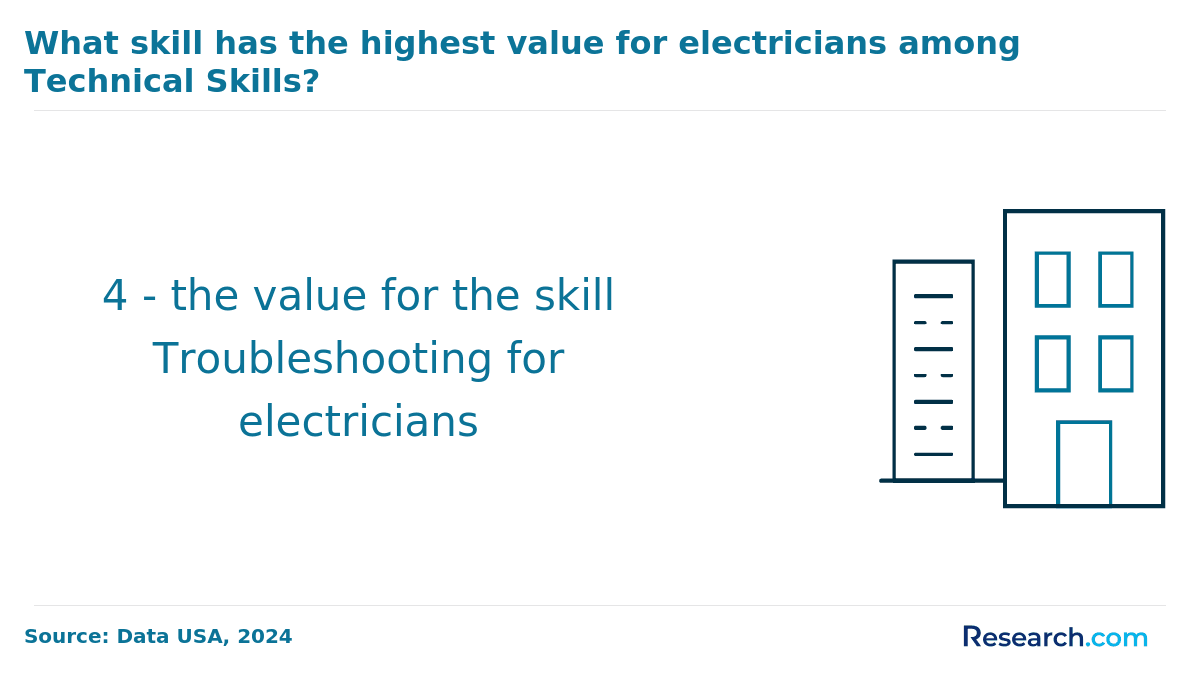
- Problem-Solving Abilities: Electricians must quickly diagnose and resolve electrical issues. The ability to troubleshoot complex problems efficiently under time constraints is critical for maintaining productivity and safety.
- Physical Dexterity and Stamina: The role often involves working in confined spaces or at heights, requiring good hand-eye coordination and physical endurance to perform tasks safely and effectively.
- Excellent Communication Skills: Clear verbal and written communication is necessary for interpreting technical documents, collaborating with colleagues, and explaining solutions to clients.
- Attention to Detail and Safety Awareness: Precision in following blueprints and safety protocols prevents accidents and ensures compliance with Louisiana’s electrical codes and OSHA regulations.
- Adaptability and Continuous Learning: Given the rapidly evolving nature of the electrical field, electricians must engage in ongoing education through apprenticeships, technical courses, or certification programs.
Aspiring electricians can develop these skills by enrolling in accredited technical programs available at institutions such as Baton Rouge Community College or Delgado Community College. These programs offer a balanced mix of theoretical knowledge and hands-on training.
Additionally, participating in state-registered apprenticeships supervised by the Louisiana Workforce Commission provides valuable on-the-job experience under the guidance of licensed professionals. Resources like the Louisiana Department of Labor’s apprenticeship initiatives and local chapters of the International Brotherhood of Electrical Workers (IBEW) offer mentorship and further skill development opportunities.
What is the job outlook for electricians over the next 10 years in Louisiana?
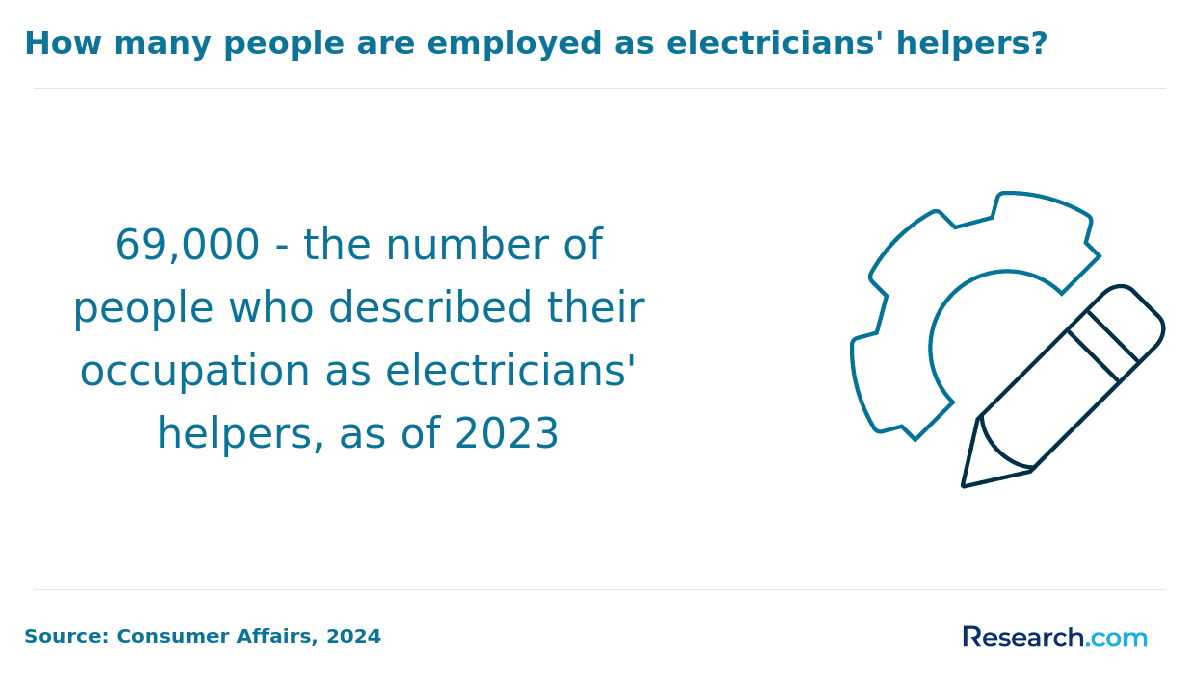
The job outlook for electricians in Louisiana over the next decade remains favorable, supported by sustained demand across construction, manufacturing, and energy sectors. Per the figures we gathered from the U.S. Bureau of Labor Statistics (BLS), electrician employment nationwide is expected to grow approximately 8% from 2023 to 2033, a rate surpassing the average for all occupations. This national trend is reflected regionally in Louisiana, where ongoing industrial and commercial developments in cities such as New Orleans, Baton Rouge, and Shreveport create steady employment opportunities.
Louisiana’s construction industry plays a significant role in employing electricians, particularly with an increased emphasis on infrastructure modernization and energy-efficient building projects. The Louisiana Workforce Commission identifies manufacturing industries—including petrochemical plants and refinery operations—as key employers, alongside residential and commercial construction sectors. New Orleans stands as the largest employment center, accounting for about 15% of the state’s electricians, followed by Baton Rouge and Lafayette, where industrial projects contribute to job stability.
Wage data from 2023 indicates that electricians in Louisiana earn a median annual salary near $50,000. Entry-level positions start around $35,000, while experienced electricians, especially those specializing in industrial roles, can earn upwards of $65,000. When considering Louisiana’s comparatively low cost of living, particularly in housing and daily expenses, these wages offer a competitive and livable income for many professionals in the trade.
Advancements in technology, including smart building systems and renewable energy installations, are expanding the scope of work for electricians and increasing the importance of specialized skills. Prospective electricians should expect to engage in ongoing training and certification programs, which enhance both job security and earning potential. Those pursuing a career as an electrician in Louisiana benefit from stable demand driven by regional economic activity and infrastructure needs, making it a viable path with strong economic prospects.
What challenges do electricians face in Louisiana?
Electricians in Louisiana navigate several unique challenges that can affect both daily operations and long-term career growth. One major challenge is adapting to the state’s susceptibility to extreme weather conditions—such as hurricanes and floods—which not only influence project timelines but also necessitate specialized safety protocols and resilient installation practices. Regulatory shifts and evolving building codes further require that electricians consistently update their skill sets to remain compliant in a dynamic legal environment. Additionally, competition from emerging technologies, including smart-home systems and renewable energy installations, demands continuous professional development without compromising on core technical competencies. Diversifying skill sets by investigating additional training paths, such as by learning how to become a mechanic in Louisiana, can also provide electricians with a competitive edge in related technological sectors.
What Electricians in Louisiana Say About Their Careers
- Completing my apprenticeship through Delgado Community College was a game-changer. The hands-on experience combined with knowledgeable instructors made me confident in my skills. Working as an electrician in Louisiana means embracing the unique challenges of coastal weather, which has taught me resilience and adaptability. I love knowing that my work keeps homes and businesses safe during hurricane season. This career has given me both stability and a deep sense of pride. - Cody
- Attending Louisiana State University’s electrical technology program opened doors I never imagined. Beyond the technical knowledge, I’ve grown personally by contributing to my community’s infrastructure improvements, especially in underserved neighborhoods. The culture here values hard work and teamwork, which fuels my passion every day. I appreciate how this career allows me to continuously learn and advance while making a real difference around me. - Henry
- The path through Baton Rouge Trade School was demanding but incredibly rewarding. Louisiana’s rich energy sector offers unique opportunities to work on projects involving both traditional electrical systems and renewable energy sources. Navigating these challenges has sharpened my problem-solving skills and expanded my professional network. I take pride in the career growth I’ve achieved and the chance to help power a state with such diverse needs. - Levi
Related Articles for Nearby States
- 2027 How to Become an Electrician in Mississippi
- 2027 How to Become an Electrician in Arkansas
- 2027 How to Become an Electrician in Texas
- 2027 How to Become an Electrician in Alabama
- 2027 How to Become an Electrician in Tennessee
- 2027 How to Become an Electrician in Missouri
- 2027 How to Become an Electrician in Oklahoma
- 2027 How to Become an Electrician in Florida
- 2027 How to Become an Electrician in Kentucky
- 2027 How to Become an Electrician in Georgia
References:
- About Apprenticeships. Electrician Apprenticeships. About Apprenticeships.
- Electrical Trades Union. Becoming an electrician. Electrical Trades Union.
- HEGT. How Long is an Electrician Apprenticeship. EGT.
- Independent Electrical Contractors of Greater Cincinnati. Later Careers. Independent Electrical Contractors of Greater Cincinnati.
- Lincoln Tech. How Long Does it Take to Become an Electrician? Lincoln Tech.
Other Things You Should Know About Becoming an Electrician in Louisiana
In Louisiana, you must be at least 18 years old and a resident to become an electrician. Proof of residency is often required when applying for licensure, and you may need to present official identification with your application.
To become an electrician in Louisiana in 2027, you need at least a high school diploma or GED. Following this, you must complete an apprenticeship program, which involves around 8,000 hours of hands-on training and 576 hours of classroom instruction, or attend a technical school specializing in electrical training.


