
2027 How to Become a Mechanic in Missouri: Requirements & Certification

Co-Founder and Chief Data Scientist
Becoming a mechanic in Missouri is a practical career path for people who want hands-on work, faster entry than many four-year careers, and room to grow into specialties such as diesel repair, diagnostics, electric and hybrid vehicles, fleet maintenance, or shop ownership. The decision is not just whether you like cars. You also need to know which training route fits your budget, whether certification is necessary, how long the process takes, and what employers in Missouri actually look for.
This guide explains how to become a mechanic in Missouri step by step. It covers education options, ASE certification, Missouri-specific considerations, costs, salaries, job opportunities, tools, skills, career growth, and common mistakes to avoid. It is designed for high school students, working adults changing careers, military veterans, and anyone comparing trade school, community college, apprenticeship, or employer-sponsored training.
Key Things to Know About Becoming a Mechanic in Missouri
- Missouri does not require a general state mechanic license, but employers often prefer candidates with formal training, hands-on experience, and ASE credentials.
- The mechanic job market in Missouri is projected to grow by 7% over the next decade, while broader demand discussions also point to a shortage of qualified automotive mechanics and an increase of over 10% in the next decade.
- The median annual salary for automotive service technicians and mechanics in Missouri is approximately $44,000, although pay varies by city, experience, certifications, specialization, and overtime.
- Many vocational mechanic programs in Missouri take 6 to 12 months, while associate degree programs may take up to 2 years and can provide broader training for advanced roles.
- What are the steps to become a mechanic in Missouri?
- What training and education options are available in Missouri?
- Do you need certifications to work as a mechanic in Missouri?
- How long does it take to become a mechanic in Missouri?
- How much does it cost to become a mechanic in Missouri?
- What job opportunities are available for mechanics in Missouri?
- Could HVAC training help a Missouri mechanic expand career options?
- How can a mechanic move toward repair shop ownership in Missouri?
- How much do mechanics make in Missouri?
- What tools and skills do mechanics need to succeed?
- What are the career growth opportunities for mechanics in Missouri?
- What are the pros and cons of becoming a mechanic in Missouri?
- What other technical careers can build on mechanic-related skills?
- How are digital vehicle technologies changing mechanic careers in Missouri? Compare related technical paths Review the trade-offs
Quick Answer: How do you become a mechanic in Missouri?
To become a mechanic in Missouri, you usually need a high school diploma or GED, automotive training through a technical school, community college, apprenticeship, or employer program, and hands-on shop experience. Missouri does not require a general state mechanic license, but ASE certification is widely respected and can improve job prospects, pay potential, and credibility with employers and customers.
| Decision Point | What It Means in Missouri | Why It Matters |
| State license | No general Missouri mechanic license is required | You can enter the field through training and employer hiring rather than a state licensing exam |
| Minimum education | Most employers expect a high school diploma or GED | Math, reading, safety, and technical basics support repair work and diagnostics |
| Training length | Common options range from 6 to 12 months, with associate degrees up to 2 years | Your timeline depends on whether you choose a certificate, degree, apprenticeship, or employer pathway |
| Certification | ASE certification is not legally required but is valued by employers | Credentials help demonstrate competence, especially for diagnostics, electrical systems, and advanced repair |
| Cost | General automotive programs often cost $15,000 to $25,000 | Total cost should include tuition, tools, books, exam fees, transportation, and lost work time |
| Salary | Figures cited for Missouri mechanics include approximately $44,000 median annual pay and an average annual salary around $46,184 | Earnings vary by region, specialization, certification, overtime, and employer type |
What are the steps to become a mechanic in Missouri?
The most reliable path is to combine classroom training, shop practice, entry-level employment, and industry certification. Missouri gives you flexibility because there is no general state mechanic license, but that also means your resume, training quality, references, and ASE credentials matter more when employers compare applicants.
1. Finish high school or earn a GED
A high school diploma or GED is the usual starting point. Courses in math, physics, computer applications, welding, electronics, and career technical education can make automotive training easier. If your school offers auto technology or shop classes, use them to build basic tool confidence and safety habits before paying for postsecondary training.
2. Choose a training route that matches your goal
Missouri students can pursue certificates, associate degrees, apprenticeships, short-term workforce programs, or manufacturer-sponsored tracks. A short certificate may be enough for quick entry into maintenance work, while an associate degree can provide deeper preparation for diagnostics, electronics, management, or specialty roles.
3. Get hands-on shop experience
Employers want proof that you can diagnose problems, follow repair procedures, work safely, communicate with customers or service advisors, and complete jobs accurately. Look for programs that include lab hours, internships, paid apprenticeships, dealership partnerships, or fleet maintenance exposure. Real vehicles, real tools, and real deadlines matter.
4. Pursue ASE certification when you are ready
ASE certification is one of the clearest ways to show competence in the automotive repair field. You can focus first on areas that match entry-level work, such as brakes, electrical systems, suspension, engine performance, or heating and air conditioning. ASE credentials can later support advancement toward lead technician, diagnostic specialist, service manager, or master technician roles.
5. Keep learning as vehicle technology changes
Modern repair work increasingly involves scan tools, software updates, sensors, battery systems, driver-assistance features, and hybrid or electric vehicle components. Mechanics who keep training after their first job are better positioned for higher-value work than those who rely only on older mechanical skills.
| Step | Best Action | Common Mistake to Avoid |
| Explore the field | Talk to local shops, dealerships, and fleet employers before enrolling | Choosing a program without knowing what local employers hire for |
| Select training | Compare shop hours, equipment, instructors, employer partnerships, and graduate support | Looking only at tuition and ignoring outcomes or hands-on experience |
| Build experience | Apply for internships, helper roles, lube technician jobs, or apprenticeships | Waiting until graduation to start building work history |
| Earn credentials | Plan ASE exams around your strongest and most marketable skills | Taking exams without enough preparation or practical exposure |
| Advance | Add specialties such as diesel, diagnostics, EV systems, or manufacturer training | Staying in basic maintenance work without developing a higher-value skill set |
What training and education options are available in Missouri?
Missouri offers several ways to prepare for automotive work. The best option depends on your budget, schedule, learning style, and target job. A student who wants to enter the workforce quickly may choose a certificate, while someone aiming for dealership, diesel, advanced diagnostics, or management work may benefit from a longer program.
| Training Option | Typical Fit | Strengths | Trade-Offs |
| Short-term certificate | Students who want faster entry into maintenance or assistant technician roles | Focused training, shorter timeline, often lower total cost than a degree | May provide less general education and less depth in advanced diagnostics |
| Associate of Applied Science | Students who want broader technical preparation and advancement options | More complete training across systems, diagnostics, and workplace skills | Longer time commitment and higher total cost |
| Apprenticeship or paid employer training | Learners who want to earn while building experience | Direct shop exposure and employer connections | Availability depends on local employers and may be competitive |
| Manufacturer-specific program | Students targeting dealership jobs with a specific brand | Brand-focused systems training and potential dealership placement | Training may be less flexible if you later move outside that manufacturer network |
| Specialty training | Mechanics pursuing diesel, hybrid, EV, heavy-duty, performance, or aircraft maintenance | Can lead to more specialized and potentially stronger opportunities | Often costs more and may require additional tools or prerequisites |
- Community colleges and technical schools in Missouri offer automotive technology programs that combine classroom instruction with lab-based repair practice. Metropolitan Community College (MCC-Longview), for example, includes ASE Master Certified instructors and manufacturer-specific training through Ford ASSET and GM ASEP.
- State Technical College of Missouri offers degrees and certificates connected to areas such as electric and hybrid vehicles, heavy-duty diesel technology, and high-performance automotive systems.
- Shorter workforce programs are available in some areas. St. Louis Community College offers a 12-week General Maintenance Mechanic program that includes practical topics such as HVAC certification and welding.
- Industry partnerships can be valuable because they may connect students with paid internships, dealership experience, fleet employers, or direct hiring opportunities.
- After training, many graduates pursue ASE certification because it is widely recognized and can strengthen applications for technician roles.
When comparing programs, look beyond the brochure. Ask how much time you will spend in the shop, whether tools are included, which ASE areas the coursework supports, whether credits transfer, and which employers hire recent graduates. If you are also comparing trades more broadly, Research.com’s guide to high-demand trades and vocational training can help you evaluate automotive work against other skilled trade options.
Do you need certifications to work as a mechanic in Missouri?
You do not need a general Missouri state certification to work as a mechanic, but certification can make a major difference in hiring, promotion, customer trust, and access to specialized work. In practice, many employers treat ASE certification as a strong signal that a technician has verified knowledge and a serious commitment to the trade.
The basic educational starting point is usually a high school diploma or GED. From there, formal automotive training can help you prepare for entry-level work and ASE exams. Missouri mechanic certification requirements may also matter for specific roles. For example, the Missouri-Recognized Repair Technician (MRRT) designation involves qualifications such as ASE certifications in areas including electrical systems and engine performance, particularly for work connected to emissions testing.
ASE certification for auto mechanics in Missouri is recognized nationally. ASE exams cover major vehicle systems and require test-takers to demonstrate technical knowledge. ASE certification must be renewed every five years, which helps technicians stay aligned with changing vehicle systems, repair practices, and diagnostic tools.
If you are trying to understand the broader path, Research.com’s guide on how to become an auto mechanic, salary expectations, and career paths explains the profession beyond Missouri-specific requirements.
| Credential or Requirement | Required by Missouri? | When It Helps |
| High school diploma or GED | Commonly expected by employers | Entry into training programs, apprenticeships, and most technician jobs |
| Automotive certificate or degree | Not generally required by state law | Building hands-on skills and improving employability |
| ASE certification | Not generally required by state law | Standing out for repair, diagnostics, dealership, fleet, and advanced technician roles |
| Missouri-Recognized Repair Technician designation | Relevant for specific emissions-related repair work | Roles involving emissions testing and qualifying repair work |
| Manufacturer certification | Not a state requirement | Dealership roles and brand-specific repair systems |
How long does it take to become a mechanic in Missouri?
Many people can prepare for entry-level mechanic work in Missouri in about 6 to 12 months through a certificate or focused training program. A more complete route, such as an associate degree plus early work experience and certification preparation, typically takes about two years. The right timeline depends on whether you need to work while studying, whether you already have repair experience, and whether you want a general or specialized role.
| Path | Approximate Timeline Mentioned | Best For |
| Short certificate or workforce program | 6 to 12 months | Quick entry into maintenance, assistant technician, or entry-level repair work |
| Associate degree | Up to 2 years | Students who want broader technical training and advancement options |
| Accelerated short program | Example: 12-week General Maintenance Mechanic program | Learners seeking fast exposure to practical maintenance skills |
| Apprenticeship or employer training | Varies by employer and schedule | People who want paid experience while learning on the job |
| ASE certification pathway | Depends on exam preparation and work experience | Technicians who want stronger credentials and long-term career mobility |
A realistic plan is to start with foundational training, take an entry-level shop role, then add ASE certifications as your experience grows. Some students attend evening classes while working full time. That route can take longer, but it reduces lost income and allows you to apply new skills immediately.
If speed is your top priority, ask schools and employers about accelerated training, paid apprenticeships, credit for prior experience, evening schedules, and job placement support. If advancement is your priority, do not choose the shortest program automatically. More time in diagnostics, electronics, and specialty systems can pay off later.
How much does it cost to become a mechanic in Missouri?
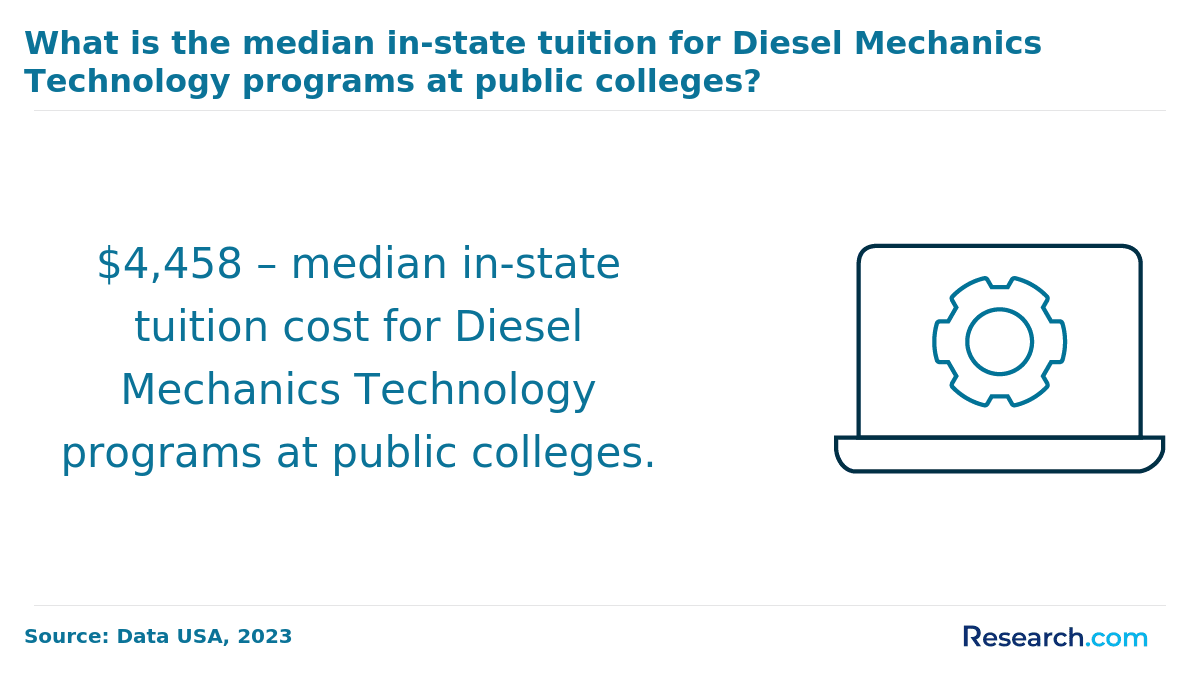
The cost to become a mechanic in Missouri depends on program length, school type, specialty, tools, books, certification fees, transportation, and whether you must reduce work hours while attending school. General automotive technology programs at community colleges are commonly described as costing $15,000 to $25,000, while specialized training can cost more.
| Expense Category | Cost Information Stated | How to Evaluate It |
| General automotive technology training | $15,000 to $25,000 | Compare total program cost, not just per-credit tuition |
| Diesel mechanic training | $24,000 to $34,000 | Higher cost may reflect specialized equipment and heavy-duty systems training |
| Aircraft maintenance training | $35,000 to $56,000 | This is a different technical specialty with deeper regulatory and technical requirements |
| Certificate programs | Often lower than associate degrees | Useful for faster entry, but review depth of training and employer recognition |
| Associate degrees | Usually require a larger financial commitment | May support broader career options and advancement |
| Additional costs | Tools, certification fees, textbooks, transportation, and living costs if relocating | Ask for a written estimate before enrolling |
Financial aid, grants, scholarships, payment plans, and workforce development support may be available through Missouri institutions. Before committing, ask the school’s financial aid office which costs are covered, which costs are out of pocket, and whether tool purchases are required before classes begin.
Do not judge affordability by tuition alone. A lower-cost program may become expensive if it lacks job placement support, requires long commuting, or does not prepare you for the type of work you want. On the other hand, a higher-cost program should be able to explain its value through equipment, employer partnerships, instructor qualifications, lab time, and graduate outcomes.
Salary should be part of your return-on-investment calculation, but not treated as a guarantee. Missouri automotive technicians are cited as earning median wages around $37,500 annually in one salary reference in this article, while other Missouri salary figures appear later. Specialized roles such as diesel mechanics and auto body repairers may earn higher salaries. If you are interested in broader mechanical fields, Research.com’s overview of mechanical engineering jobs can help you compare hands-on technician work with engineering-related pathways.
What job opportunities are available for mechanics in Missouri?
Mechanics in Missouri can work in independent repair shops, dealerships, tire and brake centers, fleet maintenance departments, trucking companies, agricultural equipment service, municipal garages, parts and service operations, and specialty repair businesses. The best opportunity depends on whether you prefer customer-facing repair work, heavy equipment, diagnostics, routine maintenance, or a structured dealership environment.
Automotive technician jobs in Missouri
Automotive technician positions are the core career option for most new mechanics. These jobs may involve inspections, oil changes, brake work, engine repair, electrical troubleshooting, heating and air conditioning, suspension, steering, and computerized diagnostics. Average hourly wages are cited around $23.58, with higher pay possible as technicians gain experience, certifications, and specialized skills.
Diesel mechanic careers in Missouri
Diesel mechanics service trucks, buses, heavy equipment, agricultural machinery, and fleet vehicles. This path can be attractive for people who like larger systems, commercial equipment, and work tied to transportation, construction, logistics, or agriculture. Diesel training often costs more than general automotive training, but it may also create access to employers that need technicians for essential equipment and fleet operations.
| Role | Typical Work | Good Fit For |
| Lube or maintenance technician | Oil changes, inspections, tire rotation, filters, basic services | New entrants building speed, accuracy, and shop habits |
| General automotive technician | Brakes, suspension, drivability, electrical, HVAC, engine repair | Mechanics who want varied daily work |
| Diagnostic technician | Scan tools, electrical testing, drivability problems, sensor data | Technicians with strong problem-solving and technology skills |
| Diesel technician | Heavy-duty engines, fleet vehicles, commercial trucks, equipment | Mechanics interested in larger systems and industrial settings |
| Dealership technician | Brand-specific repairs, warranty work, manufacturer systems | Technicians who want structured training and vehicle-brand specialization |
| Service advisor or manager | Customer communication, repair estimates, workflow, team coordination | Experienced mechanics with communication and leadership skills |
Could expanding into HVAC services advance your automotive career?
HVAC knowledge can help mechanics in two ways. First, automotive heating and air conditioning is already part of many repair shops, so stronger HVAC skills can improve your value as a vehicle technician. Second, learning broader HVAC service skills may create another technical pathway if you want seasonal flexibility, side work, or a future move into building systems maintenance.
This option makes the most sense for mechanics who enjoy diagnostics, electrical systems, airflow issues, refrigerant systems, and customer service. It may be less useful if your goal is to specialize only in engines, diesel, or dealership warranty repair. If you are considering this expansion, review Missouri-specific training and credential expectations in Research.com’s guide to how to get an HVAC license in Missouri.
What are the key steps for transitioning to automotive business ownership in Missouri?
Opening a repair shop requires more than being a strong technician. You need to understand pricing, insurance, environmental compliance, hiring, customer acquisition, parts relationships, taxes, workflow, service writing, and local competition. The mechanics who struggle with ownership often underestimate the business side and overestimate how much time they will spend turning wrenches.
- Define the shop model: general repair, diesel, tires and brakes, diagnostics, performance, fleet service, mobile repair, or dealership-adjacent specialty.
- Estimate startup costs, including lifts, scan tools, shop equipment, tools, insurance, rent or property costs, software, parts inventory, and working capital.
- Check local rules for zoning, signage, hazardous waste handling, permits, and business registration.
- Create a pricing and labor-rate strategy that covers overhead, technician time, parts margins, warranty work, and slow periods.
- Build systems for scheduling, estimates, approvals, documentation, customer communication, and repeat business.
- Strengthen business knowledge through formal or informal management education. Research.com’s resource on the best business schools in Missouri can be useful if you want structured business training before launching or expanding a shop.
How much do mechanics make in Missouri?
Mechanic pay in Missouri varies by source, location, experience, overtime, certifications, and specialization. Salary figures cited for Missouri include an average annual salary around $46,184, entry-level pay near $35,940, and experienced mechanic earnings up to $60,365. Another figure cited earlier places the median annual salary for automotive service technicians and mechanics in Missouri at approximately $44,000.
Hourly pay figures are commonly described as ranging from $23.58 to $26.91, depending on the source and whether overtime is included. Overtime may add around $5,000 to $6,000 annually, but it should not be treated as guaranteed income because it depends on employer workload, staffing, and policies.
Ways to improve earning potential include:
- Earn ASE certifications, especially in higher-value areas such as diagnostics, electrical systems, engine performance, and advanced repair.
- Pursue ASE Master Technician status if your career goals require broad demonstrated expertise.
- Add manufacturer-specific training if you want dealership roles or brand-focused work.
- Consider high-demand markets such as St. Louis and Kansas City, where wages may be higher than in some rural areas.
- Develop skills in hybrid and electric vehicle systems, computerized diagnostics, and advanced driver assistance technologies.
- Look for employers that offer paid training, tool support, overtime, bonuses, or a clear promotion ladder.
Missouri wages are described as comparable to nearby states such as Kentucky and Oklahoma, but about 20–30% lower than top-paying states such as California and Alaska. Cost of living can change the real value of a paycheck, so compare housing, transportation, taxes, commute time, and tool costs along with wages. If you are still deciding between vocational and degree routes, Research.com’s comparison of trade school vs. college key differences can help you weigh cost, time, and career outcomes.
What tools and skills do mechanics need to succeed?
Successful mechanics combine technical ability, diagnostic thinking, physical stamina, communication, documentation, and comfort with technology. The job is no longer limited to replacing parts. Employers increasingly need technicians who can interpret data, verify failures, follow procedures, and explain repairs clearly.
| Skill or Tool Area | Why It Matters | How to Build It |
| Hand tools and power tools | Used in nearly every repair task | Start with required school or employer tool lists and add gradually |
| Scan tools and diagnostics | Modern vehicles rely on sensors, modules, and fault codes | Practice with live data, service information, and diagnostic procedures |
| Electrical testing | Many drivability and comfort issues involve circuits and modules | Study wiring diagrams, voltage drop testing, meters, and safe test methods |
| Safety and environmental handling | Shops deal with chemicals, batteries, fluids, lifts, and hazardous waste | Follow OSHA-style safety practices and Missouri environmental rules where applicable |
| Customer and team communication | Accurate repair explanations reduce comebacks and build trust | Practice documenting symptoms, tests, findings, and recommendations |
| Technology adaptability | Hybrid, EV, ADAS, and software-driven systems continue to grow | Use continuing education, manufacturer courses, and ASE-aligned training |
- Complete vocational or technical training that includes hands-on work in engine repair, electrical systems, heating and air conditioning, brakes, and diagnostics.
- Consider ASE certification as a way to document your expertise, even though Missouri does not generally require it for mechanic employment.
- Maintain a valid driver’s license because technicians may need to test-drive vehicles or move them safely around a shop.
- Understand environmental responsibilities, especially hazardous waste handling, fluid disposal, batteries, refrigerants, and permits that may apply to repair businesses.
- Watch for regulatory developments affecting mechanical contractors and shop operators, including laws such as SB523 that clarify licensing and training expectations in related mechanical work.
- Build electric vehicle, hybrid, and digital diagnostic skills to stay competitive as repair work becomes more software-driven.
- Explore Missouri workforce development programs that may support training, job placement, or employer connections.
What are the career growth opportunities for mechanics in Missouri?
Mechanic careers can grow in several directions. Some technicians become highly specialized diagnosticians. Others move into diesel, fleet maintenance, dealership leadership, service advising, management, training, parts operations, or ownership. The best growth path depends on whether you prefer deep technical work, customer interaction, leadership, or entrepreneurship.
Certification as a foundation for advancement
ASE certification can help Missouri mechanics demonstrate skills in specific repair areas. A strong path includes completing high school or a GED, finishing an automotive technology program or equivalent training, gaining supervised shop experience, passing ASE exams in chosen specialties, and renewing certification every five years.
Specialization in newer vehicle systems
Electric vehicles, hybrid systems, advanced driver assistance technologies, and computerized diagnostics are reshaping the value of technician skills. Mechanics who can safely work with high-voltage systems, interpret sensor data, and use software-based diagnostic tools may be better positioned for advanced roles.
Employer training and professional connections
Some Missouri employers support paid training, ASE preparation, manufacturer courses, and tool development. Networking with instructors, shop owners, dealership service managers, and technicians can help you learn which skills are most in demand locally and which employers invest in long-term development.
Management and ownership paths
If your goal is to run a shop, start learning business operations early. Technical skill helps you understand the work, but profit depends on estimating, scheduling, staffing, compliance, marketing, customer retention, and financial control. Local rules may vary, and places such as Columbia may have additional business or licensing requirements.
Common mistakes to avoid when becoming a mechanic in Missouri
| Mistake | Why It Can Hurt You | Better Approach |
| Choosing a school based only on tuition | A cheap program may lack tools, lab time, employer connections, or certification preparation | Compare total cost, hands-on hours, equipment, job placement, and graduate support |
| Assuming certification does not matter because Missouri has no general license | Employers may still prefer ASE-certified technicians | Plan for ASE exams after you build enough knowledge and experience |
| Ignoring tool costs | Tools can create a major out-of-pocket expense | Ask for the required tool list and whether the school or employer offers support |
| Waiting too long to gain experience | Classroom training alone may not be enough to compete for good roles | Seek internships, apprenticeships, helper roles, or part-time shop work while training |
| Overlooking emerging technology | Modern vehicles require diagnostic and software-related skills | Prioritize electrical, scan tool, hybrid, EV, and ADAS training when available |
| Starting a shop without understanding compliance | Environmental, insurance, zoning, and business issues can become expensive | Research local requirements before signing a lease or buying equipment |
What are the pros and cons of becoming a mechanic in Missouri?
Mechanic work in Missouri can be a strong fit for people who want a skilled trade with practical training and multiple advancement paths. It is not ideal for everyone, especially those who dislike physical work, changing technology, customer pressure, or ongoing tool and training expenses.
| Pros | Cons |
| No general state mechanic license is required, which can make entry more flexible | The absence of a general license means you must prove quality through training, certification, work history, and reputation |
| Training options include certificates, associate degrees, apprenticeships, and manufacturer programs | Program quality and employer connections can vary, so school selection matters |
| ASE certification provides a clear way to build credibility | Certification requires preparation, experience, exam fees, and renewal every five years |
| Specialties such as diesel, diagnostics, EV systems, and fleet work can support career growth | Advanced specialties may require additional training, tools, and safety knowledge |
| Experienced mechanics can move into leadership, service advising, training, or ownership | Shop ownership brings business risk, insurance, environmental responsibilities, staffing, and local compliance issues |
Who should consider this path?
- People who enjoy hands-on problem-solving and practical work.
- Students who want a faster route to skilled employment than many bachelor’s degree paths.
- Workers who are comfortable learning technology, diagnostics, and safety procedures throughout their careers.
- People interested in future advancement into specialty repair, fleet work, dealership roles, or shop ownership.
Who may want a different option?
- People who want mostly desk-based work with limited physical demands.
- Students who are not willing to keep learning as vehicle systems change.
- Workers who do not want to invest in tools, certifications, or continuing education.
- Anyone expecting salary outcomes to be automatic rather than tied to skill, location, employer, and experience.
What alternative technical career paths can complement my automotive skills in Missouri?
Automotive skills can transfer to other technical fields because mechanics develop troubleshooting habits, hand-eye coordination, safety awareness, equipment knowledge, and comfort with diagnostic systems. If you like technology and problem-solving but want a different work environment, it may be worth comparing automotive careers with healthcare technology, industrial maintenance, HVAC, welding, diesel, or engineering-related roles.
Ultrasound technology is one example of a different technical career that uses imaging equipment, patient interaction, and diagnostic thinking rather than vehicle repair. It is not the same field, but it may appeal to mechanics who like technology and precise procedures. To compare requirements, review Research.com’s guide to Missouri ultrasound technician requirements.
How are emerging digital technologies reshaping mechanic careers in Missouri?
Vehicle repair is becoming more digital. Mechanics increasingly work with scan tools, electronic control modules, connected systems, sensor data, software updates, advanced driver assistance technologies, and hybrid or electric powertrains. This does not eliminate hands-on repair skills, but it changes which technicians are most competitive.
To stay relevant, Missouri mechanics should strengthen electrical diagnostics, data interpretation, service information research, cybersecurity awareness for connected systems, and safe work practices for high-voltage vehicles. Cross-disciplinary technical training can also broaden options. For example, learning how to become a radiology technician in Missouri can help readers compare automotive diagnostics with healthcare imaging technology as a separate career direction.
What do mechanics say about their careers in Missouri?
Training in a Missouri vocational setting helped me connect classroom lessons with real engines, tools, and diagnostic problems. By the time I moved into full-time shop work, I already understood the pace and expectations of the job. – Jason
My apprenticeship gave me more than technical practice. I learned safety routines, shop standards, communication habits, and how experienced technicians think through difficult repairs. – Mario
A St. Louis nonprofit training program helped me build confidence while meeting local employers. The support system mattered because I was learning a skilled trade and trying to prove myself at the same time. – DeShawn
Related Articles for Nearby States
- 2027 How to Become a Mechanic in Kansas: Requirements & Certification
- 2027 How to Become a Mechanic in Iowa: Requirements & Certification
- 2027 How to Become a Mechanic in Nebraska: Requirements & Certification
- 2027 How to Become a Mechanic in Arkansas: Requirements & Certification
- 2027 How to Become a Mechanic in Oklahoma: Requirements & Certification
- 2027 How to Become a Mechanic in Illinois: Requirements & Certification
- 2027 How to Become a Mechanic in Kentucky: Requirements & Certification
- 2027 How to Become a Mechanic in Tennessee: Requirements & Certification
- 2027 How to Become a Mechanic in Indiana: Requirements & Certification
- 2027 How to Become a Mechanic in South Dakota: Requirements & Certification
References:
- Learn to be an automotive technician and get paid while you do it https://www.heraldtribune.com/story/special/special-sections/2018/07/31/learn-to-be-automotive-technician-and-get-paid-while-you-do-it/11188331007/
- How to Become An Auto Mechanic in 7 Steps | UTI https://www.uti.edu/blog/automotive/becoming-an-auto-mechanic
- Automotive Technician Training | CareerForce https://www.careerforcemn.com/training-programs/automotive-technician-training
- Apprenticeship Program | WeGo Public Transit https://www.wegotransit.com/careers/apprenticeship-program/
- Auto Mechanic Schools in Missouri https://automechanicschools.com/missouri/
- Gateway VIP https://dnrservices.mo.gov/gatewayvip/repair/MissouriRecognizedRepairTechnician.htm
- Auto Mechanic School in Missouri - MO https://www.automechanicschooledu.org/missouri/
- How to become a certified mechanic in Missouri https://www.gyfted.me/how-to-become/certified-mechanic/missouri-mo
- Automotive Technology - State Tech https://statetechmo.edu/program/automotive-technology/
- Automotive Maintenance - Ranken Technical College https://ranken.edu/programs/automotive-maintenance-technology/
Key Insights
- Missouri does not require a general mechanic license, but that does not mean training is optional. Employers still look for shop experience, technical knowledge, professionalism, and often ASE certification.
- The fastest training routes may take 6 to 12 months, while associate degree options can take up to 2 years and may offer broader preparation for diagnostics, specialty work, and advancement.
- ASE certification is one of the most useful credentials for Missouri mechanics because it helps verify skills in specific repair areas and must be renewed every five years.
- Program cost should be evaluated carefully. General automotive programs are commonly listed at $15,000 to $25,000, while diesel and aircraft maintenance training can cost more.
- Missouri mechanic pay varies. Figures cited include approximately $44,000 median annual pay, an average annual salary around $46,184, entry-level pay near $35,940, and experienced earnings up to $60,365.
- The best long-term opportunities are likely to favor technicians who can combine traditional repair skills with diagnostics, electrical systems, hybrid and electric vehicle knowledge, and strong customer communication.
- Before enrolling, ask schools about hands-on lab time, tool costs, ASE preparation, employer partnerships, job placement support, transfer credit, and total out-of-pocket cost.
Other Things You Should Know About Becoming a Mechanic in Missouri
In 2027, to work as a mechanic in Missouri, no specific state license is required. However, obtaining certification from the National Institute for Automotive Service Excellence (ASE) can enhance job prospects and validate expertise.
In Missouri, mechanics can obtain certifications from the National Institute for Automotive Service Excellence (ASE), which include specific areas like brakes or engine repair. These certifications require passing exams and fulfill industry standards, enhancing job prospects in 2027.


