
2027 How to Become an Ultrasound Technician in Missouri

Co-Founder and Chief Data Scientist
Missouri’s healthcare industry is steadily expanding, with projected employment for radiologic technologists expected to reach 5,020 by 2032. This trend highlights the state’s increasing reliance on diagnostic imaging to support quality patient care. As healthcare systems across Missouri, from St. Louis to rural communities, continue to grow, demand for skilled ultrasound technicians is likely to follow similar patterns.
In this article, I will outline how to become an ultrasound technician in Missouri, covering education, certification, and clinical training requirements. I will also cover insights into career prospects, costs, and the practical steps needed to enter this rewarding and in-demand healthcare field.
Key Things to Know About Becoming an Ultrasound Technician in Missouri
- To become an ultrasound technician in Missouri, you must complete an accredited diagnostic medical sonography program, typically lasting 1–2 years.
- Certification through the American Registry for Diagnostic Medical Sonography (ARDMS) is strongly preferred or required by most employers.
- Missouri’s healthcare sector is expanding, with ultrasound technician jobs projected to grow 8% by 2032, offering strong career opportunities.
- What education is required to become an ultrasound technician in Missouri?
- What specialties can ultrasound technicians choose from in Missouri?
- Which certification exams are required to become an ultrasound technician in Missouri?
- Is a license required to practice as an ultrasound technician in Missouri?
- What to expect during ultrasound technician clinical training in Missouri?
- How much does it cost to become an ultrasound technician in Missouri?
- What is the average salary for ultrasound technicians in Missouri?
- What are the legal and regulatory responsibilities for ultrasound technicians in Missouri?
- What is the job outlook and demand for ultrasound technicians in Missouri?
- What are the career advancement steps for ultrasound technicians in Missouri?
- What are the common challenges ultrasound technicians face in Missouri?
- What are the continuing education and professional development opportunities for ultrasound technicians in Missouri?
What education is required to become an ultrasound technician in Missouri?
To become a successful ultrasound technician in Missouri, candidates must follow clear educational paths that balance theory with hands-on experience. Completing one of the accredited ultrasound programs in Missouri ensures you meet all essential industry standards.
- Minimum Degree Requirement: Earn at least an associate degree in diagnostic medical sonography or a related field from an accredited school; some universities also offer a bachelor’s degree in Diagnostic Medical Ultrasound to enhance career opportunities.
- Accredited Program Completion: Graduate from a program accredited by the Commission on Accreditation of Allied Health Education Programs (CAAHEP) to qualify for certification exams.
- Prerequisite Coursework: Complete college algebra or higher math, anatomy, physiology, medical terminology, physics, and communications with a minimum grade of “C.”
- Clinical Experience: Fulfill between 1,600 clinical hours and up to 22 months of combined didactic and internship training through hospital-based rotations across Missouri.
- Job Shadowing Requirement: Some programs require a minimum of 16 hours of shadowing experienced sonographers within one year before program application.
- Secondary Application: After basic education, apply competitively to the clinical phase, where acceptance depends on academic and observational performance.
- Certification Eligibility: Upon program completion, graduates are eligible to sit for ARDMS exams, a professional milestone for Missouri technicians.
Understanding ultrasound technician degree requirements, Missouri prepares you to meet these standards confidently. As you plan your path, consider how these qualifications impact your future earnings, which range from $47,000 to $62,000 annually. For further insight into the ultrasound technician salary potential, explore dedicated resources that reflect the strong demand for skilled sonographers.
What specialties can ultrasound technicians choose from in Missouri?
Ultrasound technicians in Missouri have multiple specialty options to align with their career goals and meet regional healthcare needs. These sonography specialization options Missouri offers allow technicians to focus on particular medical fields while enhancing their skills and employability. Below is a concise overview of the key ultrasound technician specialties recognized within Missouri.
Specialties for ultrasound technicians in Missouri:
- Abdominal Sonography: Concentrates on imaging major abdominal organs such as the liver and pancreas, helping in diagnosing a variety of conditions within this region.
- Obstetrics and Gynecology (OB/GYN) Sonography: Focuses on monitoring pregnancies and examining the female reproductive system, a specialty highly valued in Missouri’s healthcare facilities.
- Vascular Sonography: Involves the evaluation of blood vessels to detect vascular diseases, addressing the growing importance of cardiovascular health statewide.
- Adult Cardiac (Echocardiography) Sonography: Dedicated to imaging the heart for cardiac diagnosis, offering opportunities for advanced certification specific to Missouri’s health systems.
- General Sonography: Provides a broad skill set across abdominal, OB/GYN, vascular, and small parts imaging, ideal for technicians seeking flexibility in their roles.
For those exploring entry into the field, further exploring how to become an Xray technician may offer parallel insights into healthcare imaging careers. Embracing a specialty within the ultrasound technician specialties in Missouri can significantly impact career trajectory and salary potential, making targeted training and certification critical steps.
Which certification exams are required to become an ultrasound technician in Missouri?
Certification exams serve as a vital benchmark for ultrasound technicians in Missouri, assuring employers that candidates possess the essential knowledge and skills for quality patient care. While Missouri doesn’t require a state licensing exam, employers typically expect candidates to hold nationally recognized certifications to demonstrate competence and professionalism.
- ARDMS – Sonographic Physics and Instrumentation (SPI) Exam: This foundational exam covers ultrasound physics, instrumentation, and imaging principles. Candidates must graduate from a program accredited by CAAHEP, which is the standard for Missouri training institutions. The ARDMS administers the SPI exam, with testing centers available in St. Louis, Columbia, and Kansas City.
- ARDMS Specialty Exams (e.g., Abdomen, OB/GYN, Adult Echocardiography, Vascular Technology): After passing the SPI, technicians choose a specialty exam aligned with their training and career path. These exams focus on specific areas such as abdominal imaging, obstetrics and gynecology, cardiac sonography, or vascular diagnostics. Eligibility requires CAAHEP-accredited coursework and clinical experience. Successful candidates earn credentials like RDMS, RDCS, or RVT, which are highly recognized in Missouri’s healthcare settings.
- American Registry of Radiologic Technologists (ARRT) – Sonography Exam: Another respected certification, the ARRT exam evaluates ultrasound physics, patient care, and clinical skills. Candidates need to complete an ARRT-approved program and meet clinical competency standards. While ARRT certification is accepted by some Missouri employers, ARDMS credentials remain more popular statewide.
- Cardiovascular Credentialing International (CCI) – Exams (e.g., Registered Cardiac Sonographer, Registered Vascular Specialist): CCI certifications target those specializing in cardiac or vascular sonography. These exams assess technical knowledge and practical skills in cardiovascular ultrasound. Eligibility includes graduation from accredited programs or relevant clinical experience. Missouri employers in the cardiac and vascular fields often accept CCI credentials.
Passing these certification exams not only establishes your professional credibility but also aligns with Missouri’s expectations, boosting your job prospects and showing your commitment to excellence in sonography. To better understand the background of those entering the field, the chart below from Zippia highlights the educational attainment of ultrasound technicians.
Is a license required to practice as an ultrasound technician in Missouri?
Missouri does not require a state license to practice as an ultrasound technician. Instead, the focus is on obtaining national certification, which streamlines the path into the profession by centering on accredited education and passing recognized certification exams. Understanding this framework helps future sonographers prioritize the qualifications that matter most for career success in Missouri.
National credentials are the benchmark, with agencies such as ARDMS, ARRT, and CCI setting the standards. Missouri has no state laws or agencies overseeing licensure and does not offer provisional or supervised licenses. To achieve certification, candidates typically graduate from a CAAHEP-accredited program and pass both the Sonographic Physics and Instrumentation (SPI) exam and a relevant specialty exam.
Holding national certification not only meets employer requirements but also signals high standards of patient care, ethics, and professionalism. One Missouri ultrasound technician reflected on his experience, noting that while other states require additional licensure steps, his main focus was preparing for the rigorous ARDMS exams. “It was challenging, but having access to testing centers in cities like St. Louis made it manageable,” he explained. For him, certification became more than a requirement—it was a badge of pride that validated his skills and built confidence in Missouri’s healthcare community.
What to expect during ultrasound technician clinical training in Missouri?
Clinical training in Missouri is the vital bridge between classroom learning and real-world ultrasound practice, ensuring students develop the hands-on skills and professional confidence required for certification and employment. This supervised experience allows you to refine patient care techniques while mastering advanced imaging technologies essential to diagnostic sonography.
- Extensive Hands-On Patient Care: You will engage directly with patients, learning to position them correctly, operate ultrasound equipment, and maintain their comfort and safety throughout procedures.
- Supervised Use of Imaging Equipment: Clinical rotations provide guided practice with state-of-the-art ultrasound machines under licensed professionals, helping you gain the technical expertise needed for quality image capture.
- Specialty Rotations: Expect to rotate through multiple specialties such as OB/GYN, vascular, abdominal, and cardiac sonography, exposing you to diverse clinical cases and patient populations.
- Mentorship from Licensed Professionals: Experienced sonographers mentor you during clinicals, offering valuable feedback, modeling best practices, and supporting your skill development.
- Competency Evaluations: Regular assessments measure your proficiency in technical skills, patient care, and professional conduct to meet program and certification standards.
- Required Clinical Hours: Completing approximately 1,600 clinical hours is typical in Missouri, ensuring you gain sufficient hands-on experience across all key sonography disciplines.
- Program and State-Specific Requirements: Be prepared for prerequisites like background checks, immunizations, drug screenings, and observation hours, which are commonly required before you begin clinical rotations.
These experiences not only prepare you to pass ARDMS exams but also build your confidence and competence, making you ready to join Missouri’s healthcare workforce as a skilled ultrasound technician.
How much does it cost to become an ultrasound technician in Missouri?
The average total cost to become an ultrasound technician in Missouri ranges from $12,600 to $51,714, covering tuition and various additional expenses. These costs vary widely based on program type and institution, so planning carefully is essential to managing your investment. Knowing each cost component helps you prepare financially for this rewarding career path.
- Tuition and Fees: Costs depend on whether you choose an associate’s, bachelor’s, or certificate program, with public schools generally offering lower rates and private colleges charging more.
- Clinical Training Expenses: Additional fees for lab work, uniforms, liability insurance, and transportation to externships can add several hundred to a few thousand dollars.
- Certification and Exam Fees: The ARDMS exam costs about $225 per specialty, with possible extra charges for eligibility or retesting.
- Licensing or State Fees: Missouri does not require state licensure for ultrasound technicians, so no state licensing fees apply.
- Books and Materials: Textbooks, software, and supplies typically cost between $500 and $1,500 throughout the program.
- Living Expenses: Full-time students should budget for housing, food, transportation, and personal costs, which vary by city and accommodation choice.
The overall expense depends on the chosen program and its location in Missouri, but options like financial aid, scholarships, and employer tuition assistance can ease this burden. For those seeking flexibility, exploring the best rated accelerated online sonography and ultrasound degree programs is a smart step toward managing both time and cost effectively.
What is the average salary for ultrasound technicians in Missouri?
The average annual salary for ultrasound technicians in Missouri is about $103,249, reflecting strong earning potential in the state. Certain areas pay even higher, Newburg surpasses the state average by 4.8%, while Chaffee offers 4.1% above average, with Rolla also ranking among the top-paying cities.
- Experience Level: Entry-level sonographers typically start at lower wages, while senior technicians can earn substantially more.
- Education and Certifications: Advanced credentials like ARDMS certification often boost salaries by showcasing specialized expertise.
- Work Setting: Larger hospitals and specialty centers generally pay more than small clinics.
- Geographic Location: Urban areas, particularly high-demand regions, yield higher wages.
- Specialization: OB/GYN, cardiovascular, and abdominal sonographers often command stronger compensation than general ultrasound technicians.
Salaries in Missouri reflect the state’s healthcare demands and cost of living, creating a range of earning opportunities based on qualifications and location.
What are the legal and regulatory responsibilities for ultrasound technicians in Missouri?
Ultrasound technicians in Missouri must comply with a range of healthcare regulations that protect patient safety and privacy. Adhering to federal guidelines, such as HIPAA, and state-specific mandates ensures that both clinical practices and data management meet legal standards. This includes maintaining proper documentation, following stringent infection control measures, and operating equipment in accordance with regulatory protocols. Staying current with legal updates and integrating periodic compliance training can help professionals avoid potential liabilities and foster a culture of accountability. For insights into regulatory requirements in adjacent fields, review how to become a nurse midwife in Missouri.
What is the job outlook and demand for ultrasound technicians in Missouri?
Employment for ultrasound technicians in Missouri shows a projected growth of 8% from 2022 to 2032, reflecting stable opportunities in the healthcare sector. The state currently employs about 4,670 professionals, with an estimated 290 job openings annually for Radiologic Technologists and related roles.
- Population Growth and Aging: Missouri’s increasing population and aging demographic drive a higher need for diagnostic imaging, as older adults often require more frequent ultrasound exams for managing chronic conditions.
- Healthcare Expansion: New hospitals, clinics, and outpatient centers, especially in cities like St. Louis and Springfield, are creating more job openings for ultrasound technicians across the state.
- Technological Advancements: The rise of 3D/4D ultrasound and portable devices has opened doors to specialized roles, encouraging technicians to pursue advanced training in these cutting-edge tools.
- Preventive Care Trends: Ultrasound’s non-invasive nature makes it a preferred option for early diagnosis and ongoing patient monitoring, boosting demand in both acute and outpatient settings.
- Regional Demand Variations: Urban areas have more concentrated job opportunities, while rural regions may offer incentives due to the challenge of recruiting highly trained ultrasound professionals.
Combined, these elements make ultrasound technology a promising and resilient career path in Missouri. I spoke with an ultrasound technician from Missouri who graduated from a local program. She shared that while the job market might not be the fastest-growing nationwide, the consistent need for qualified sonographers meant steady employment right after graduation.
She also described facing some initial challenges in finding positions in rural areas, but noted that hospitals and clinics often provided attractive benefits and support to attract talent. “It’s rewarding to know your skills are in demand, especially as technology advances and patient care grows more sophisticated,” she said. Her experience reflects the balance of opportunity and adaptation required to succeed in Missouri’s dynamic healthcare landscape.
What are the career advancement steps for ultrasound technicians in Missouri?
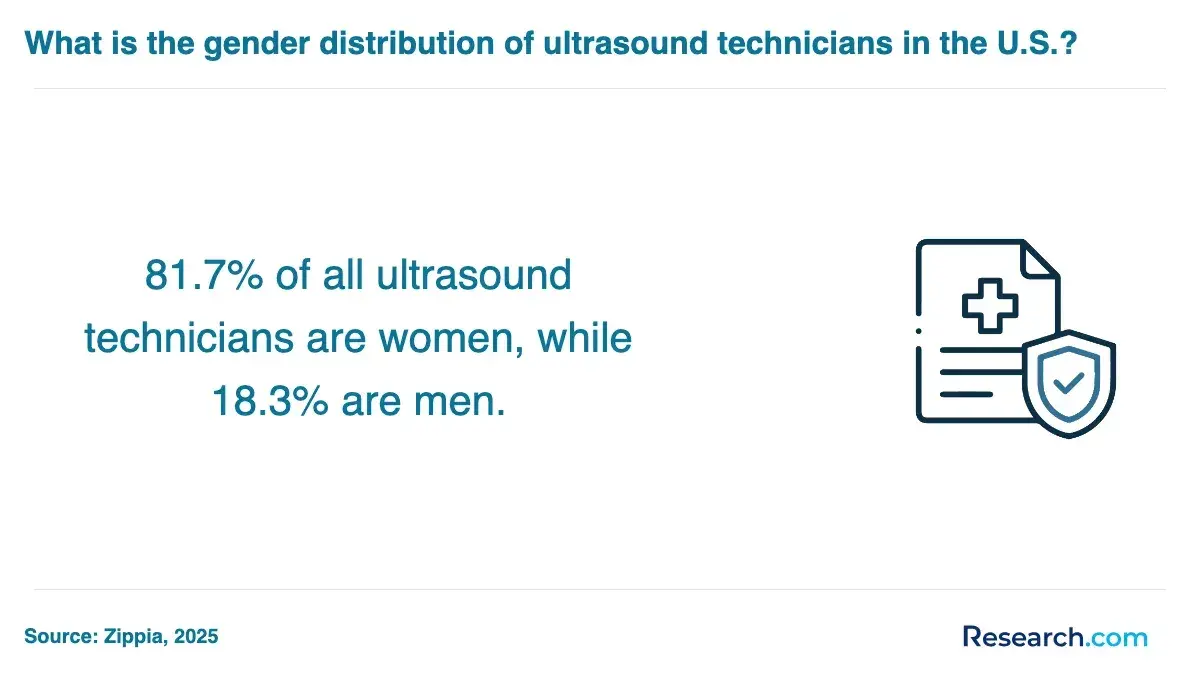
Ultrasound technicians in Missouri have several pathways for career advancement that allow them to deepen their expertise and increase their value in the healthcare field. In 2023, the diagnostic medical sonography workforce in the U.S. totaled 96,958 professionals, with 78.7% women and 21.3% men, highlighting both the scale and demographic profile of the field. Growth often comes through specialization, obtaining advanced certifications, pursuing higher education, or stepping into leadership roles that broaden responsibility and influence.
- Specialization: Technologists can focus on specific fields such as OB/GYN, vascular, or cardiac sonography. This specialization enables them to conduct more complex diagnostic exams and access higher-paying positions within Missouri healthcare settings.
- Advanced Certifications: Earning credentials from bodies like ARDMS, CCI, or ARRT validates advanced skills and opens doors to specialized roles. Many Missouri programs support candidates preparing for multiple ARDMS exams, which are key to career advancement through credentials.
- Higher Education: Pursuing a bachelor’s or master’s degree expands opportunities beyond clinical work to include management, research, or academic positions. Degrees such as the Bachelor of Health Science in Diagnostic Medical Ultrasound, offered in Missouri, help position sonographers for broader career prospects.
- Leadership Roles: With experience, ultrasound technicians can move into supervisory, administrative, or department management positions. These roles involve overseeing staff and shaping operations in hospitals or clinics across Missouri.
- Education and Training: Seasoned sonographers often become instructors or clinical trainers, helping to educate the next generation or support new ultrasound technology implementation.
- Research or Technology Development: Some professionals contribute to innovative research or collaborate with medical device companies, advancing ultrasound imaging technologies for better patient outcomes.
Embracing career advancement for ultrasound technicians in Missouri not only boosts earning potential but also amplifies their professional impact statewide. For those looking to start or enhance their journey, exploring the best rated ultrasound technician certification program options is a practical first step.
The chart below from Zippia details the ultrasound technician jobs by sector.
What are the common challenges ultrasound technicians face in Missouri?
Facing challenges for ultrasound technicians in Missouri is part of building a resilient and successful career. Recognizing these Missouri ultrasound tech workplace issues equips you to manage them effectively and thrive in a demanding healthcare environment.
- Physical Strain and Ergonomics: Repetitive scanning motions and long hours often lead to musculoskeletal injuries, making proper body mechanics essential.
- Emotional Stress: Working with patients in difficult medical situations requires maintaining compassion while protecting your own emotional health.
- Workload and Staffing Shortages: High patient volumes and limited staff mean managing heavier caseloads and increased pressure during shifts.
- Certification and Continuing Education Requirements: Keeping credentials current demands balancing ongoing learning with work responsibilities.
- Technology Adaptation: Adapting to new ultrasound equipment and digital systems requires continuous training and flexibility.
- Job Market Competition: Opportunities vary by region, with urban areas being competitive and rural settings needing versatile skills.
Staying informed about these challenges allows you to develop strategies that boost your career longevity and satisfaction. To explore training options, consider checking the online ultrasound tech school rankings to find programs suited to your goals.
What are the continuing education and professional development opportunities for ultrasound technicians in Missouri?
Ultrasound technicians in Missouri can strengthen their expertise by engaging in structured continuing education programs and specialized professional development initiatives. Accredited workshops, seminars, and advanced training courses help practitioners stay abreast of emerging technologies, updated diagnostic techniques, and evolving healthcare regulations. Such targeted educational efforts improve clinical proficiency without interfering with current employment responsibilities. Additionally, pursuing interdisciplinary training, such as how to become a radiology technician in Missouri, can expand career versatility and provide a competitive edge in a rapidly changing medical environment.
What do ultrasound technicians in Missouri say about their careers?
- Completing my ultrasound technician program at Logan College of Radiologic Technology in Missouri was a pivotal step in my life. The hands-on training and supportive faculty really prepared me for the fast-paced environment of a local school where I now work. I’m inspired every day by the opportunity to contribute to the health and development of young people, making a real difference in my community. The job stability and career growth here have exceeded my expectations, and I’m proud to be part of Missouri’s healthcare future. - Kendra
- Starting my career as an ultrasound technician in a local Missouri school was both challenging and rewarding. My studies at St. Louis Community College laid a strong foundation, but adapting to the unique needs of students here has deepened my empathy and skills. Missouri’s combination of urban and rural populations offers a diverse experience that keeps me engaged professionally. This journey has been a blend of personal growth and professional advancement that I truly value. - Albi
- Graduating from Ozarks Technical Community College opened doors I hadn’t imagined, especially within Missouri’s distinctive environment. Working as an ultrasound technician in an educational setting has allowed me to grow professionally while making a tangible impact on young lives. Missouri’s resources and healthcare industry stability provide unique career development opportunities that have fueled my passion for lifelong learning and community service. It’s fulfilling to know my role supports both student health and the broader regional network. - Cain
Related Articles for Nearby States
- 2027 How to Become an Ultrasound Technician in Kansas
- 2027 How to Become an Ultrasound Technician in Iowa
- 2027 How to Become an Ultrasound Technician in Nebraska
- 2027 How to Become an Ultrasound Technician in Arkansas
- 2027 How to Become an Ultrasound Technician in Oklahoma
- 2027 How to Become an Ultrasound Technician in Illinois
- 2027 How to Become an Ultrasound Technician in Kentucky
- 2027 How to Become an Ultrasound Technician in Tennessee
- 2027 How to Become an Ultrasound Technician in Indiana
- 2027 How to Become an Ultrasound Technician in South Dakota
References:
- Data USA (n.d.). Diagnostic Medical Sonographers. Retrieved from https://datausa.io/profile/soc/diagnostic-medical-sonographers?redirect=true
- O*NET OnLine (n.d.). Missouri Employment Trends 29-2034.00 - Radiologic Technologists and Technicians. Retrieved from https://www.onetonline.org/link/localtrends/29-2034.00?st=MO
- Zippia (2025). Ultrasound technologist demographics and statistics in the US. Retrieved from https://www.zippia.com/ultrasound-technologist-jobs/demographics/
- ZipRecruiter (2025). Ultrasound Technologist Salary in Missouri. Retrieved from https://www.ziprecruiter.com/Salaries/Ultrasound-Technologist-Salary--in-Missouri
Other Things You Should Know About Being an Ultrasound Technician in Missouri
In Missouri, ultrasound technicians are not required to be licensed; however, obtaining certification through organizations like the American Registry for Diagnostic Medical Sonography (ARDMS) is highly recommended. This certification can enhance job prospects and demonstrate a professional standard of competence.
In Missouri, ultrasound technician programs typically require you to complete a clinical training component, which involves 1,200 to 1,500 hours of hands-on experience. This experience is necessary to prepare for board certification and includes working alongside professionals in real healthcare settings.


