
2027 How to Become a Mechanic in Illinois: Requirements & Certification

Co-Founder and Chief Data Scientist
The automotive repair industry in Illinois is experiencing a significant workforce shift. According to the TechForce Foundation, the technician shortage is exacerbated by the retirement of baby boomers, with nearly 50% of the current workforce expected to retire by 2030. This trend is creating a substantial demand for skilled mechanics capable of servicing increasingly complex vehicles.
This article provides a comprehensive guide on how to become a mechanic in Illinois. It outlines essential educational requirements, certification processes, and practical steps to build a successful career in this evolving profession.
Key Things to Know About Becoming a Mechanic in Illinois
- Illinois expects a 2.3% job growth rate for automotive service technicians and mechanics from 2022 to 2032, faster than the national average.
- The annual mean salary for mechanics in Illinois is approximately $53,820, with experienced technicians earning above $60,000.
- Most Illinois mechanic training programs last between 6 months and 2 years, including certifications from technical colleges and apprenticeships.
- What are the steps to become a mechanic in Illinois?
- What training and education options are available in Illinois?
- Do you need certifications to work as a mechanic in Illinois?
- How long does it take to become a mechanic in Illinois?
- How much does it cost to become a mechanic in Illinois?
- What job opportunities are available for mechanics in Illinois?
- What emerging automotive technologies should mechanics in Illinois embrace?
- Can mechanics diversify their skillset by exploring related trades?
- How much do mechanics make in Illinois?
- How can cross-training in related technical fields enhance a mechanic's career in Illinois?
- What networking and mentorship opportunities can benefit mechanics in Illinois?
- What tools and skills do mechanics need to succeed?
- What are the career growth opportunities for mechanics in Illinois?
- What are the pros and cons of becoming a mechanic in Illinois?
- How can business training boost a mechanic's entrepreneurial success in Illinois?
What are the steps to become a mechanic in Illinois?
Illinois presents strong opportunities for individuals interested in automotive repair, especially as the industry faces a growing skills gap due to retirements and evolving vehicle technology. Building a career in this field means understanding the educational pathways, certification options, and legal requirements unique to the state.
Choose a Quality Educational Program
Start with a formal training program at a vocational school, community college, or trade school. Programs often combine classroom theory with hands-on experience, covering engine repair, diagnostics, and the latest automotive technologies. Look for options like the AST Training program in Chicago or platforms that help compare courses statewide, ensuring the curriculum prepares you for real-world demands.
Secure Necessary Legal and Practical Credentials
While Illinois doesn’t require a statewide mechanic license, maintaining a valid driver’s license and a clean record is essential. Employers typically expect background checks and drug tests. If you plan to work with refrigerants, EPA certification is mandatory, demonstrating your ability to handle these materials safely.
Pursue Professional Certification
Obtaining ASE certification is a strategic move to enhance credibility and job prospects. Although optional, it signals expertise and commitment, often leading to higher wages and better career growth in a competitive market.
Understand Business and Local Requirements
If entrepreneurship is your goal, be aware of insurance minimums and city-specific rules—especially in Chicago where opening a repair shop demands a Motor Vehicle Repair license and compliance with zoning and signage regulations. These steps protect your business and customers alike.
Leverage State Resources and Stay Current
Illinois workNet and similar programs offer guidance, financial aid, and job placement support. Keeping pace with industry shifts, like EV maintenance, will keep your skills relevant and in demand as the automotive world transforms.
Following these steps equips you with the knowledge, credentials, and connections to enter Illinois’s automotive industry confidently. Whether you aim to join a dealership, an independent shop, or start your own business, the right preparation opens doors in a field that increasingly values both technical skill and adaptability.
What training and education options are available in Illinois?
Illinois offers a strong network of automotive training programs that combine hands-on instruction with the latest in diagnostic and repair technology. Whether you're starting from scratch or looking to upgrade your skills, the state’s trade schools and community colleges deliver practical, job-ready education.
Here are some standout programs preparing students for the demands of today’s automotive industry:
- Lincoln Land Community College (LLCC): Offers training in engine repair, electrical systems, and diagnostics—ideal for those seeking direct entry into the workforce or a path to specialization.
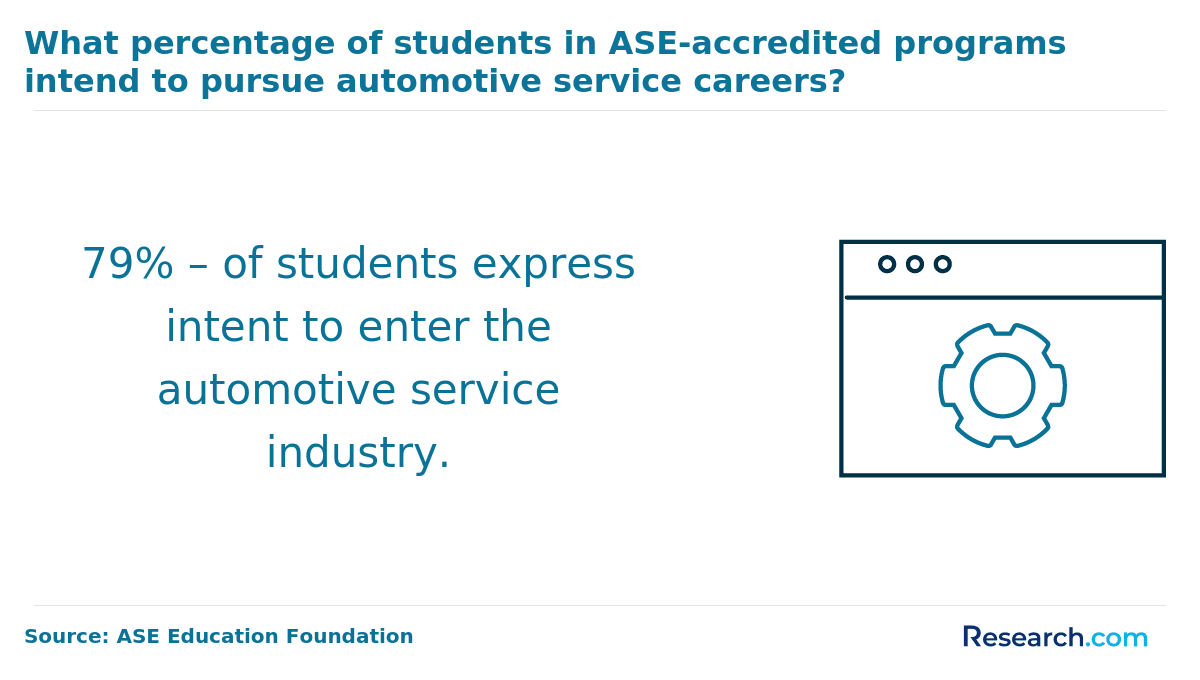
- Illinois Central College (ICC): ASE Education Foundation-accredited program that ensures students are trained to meet real-world industry standards.
- Waubonsee Community College: Focuses on modern automotive electronics and computer-controlled systems, preparing students for the growing demand in smart vehicle maintenance.
- Universal Technical Institute (UTI) – Lisle: Provides a blended program combining online coursework and in-person labs, designed to fast-track students toward ASE certification and employment.
- Lincoln Tech – Melrose Park: Offers diploma and associate degree options with training tailored to manufacturers like Audi, matching students with opportunities in Illinois' growing job market.
Many of these programs also prepare students for ASE certification, which significantly boosts job prospects and wage potential. Financial aid, scholarships, and state-supported workforce programs can help reduce tuition costs and open doors to long-term career advancement.
Explore more opportunities like this by reviewing the list of highest paying trade school jobs, which includes automotive service technicians among other in-demand roles.
Do you need certifications to work as a mechanic in Illinois?
Illinois does not require a state license to work as a mechanic. However, formal education and certification are critical to securing competitive jobs and advancing in the field. Most employers expect candidates to have a high school diploma, hands-on training from an automotive technology program, and a clean driving record.
Certification is where candidates stand out. The ASE certification for automotive technicians in Illinois is the industry standard. It validates skills in areas like engine performance, brakes, electrical systems, and diagnostics. ASE exams require work experience or formal education and must be renewed every five years to ensure up-to-date knowledge.
Top-level certification, such as ASE Master Technician status, covers eight core areas and signals a high degree of expertise. Many training programs, including those at Harper College, are structured to prepare students for ASE exams.
While Illinois mechanic certification requirements are not enforced by the state, they remain essential for career growth. Programs listed on platforms like Dreambound, including those outside of automotive repair, such as how to become a HVAC technician, highlight the broad landscape of hands-on training available for skilled trades.
These credentials are increasingly important as vehicle systems grow more complex. Technicians who hold certifications are more likely to earn higher wages, qualify for specialized roles, and remain competitive as the industry evolves.
How long does it take to become a mechanic in Illinois?
The time it takes to become a mechanic in Illinois depends on the type of program you choose and how quickly you gain work experience for certification. Here’s what to expect:
- Certificate programs:
- Duration: 6 to 12 months
- Best for: Fast entry into the workforce
- Note: These cover basic automotive systems and prepare you for entry-level roles
- Associate degree programs:
- Duration: About 2 years
- Best for: Those seeking broader training and better long-term career flexibility
- Includes: General education courses and in-depth technical instruction
- Accelerated options (e.g., UTI Lisle):
- Duration: Approximately 51 weeks
- Best for: Focused, industry-aligned preparation in under a year
- Often includes: Manufacturer-specific training and job placement support
Certification Timeline
To earn ASE certification, you’ll need:
- 2 years of hands-on experience (or a combination of education and work)
- Passing scores on one or more ASE exams
- Recertification every 5 years
This means that becoming a certified mechanic typically takes 2.5 to 4 years, depending on how quickly you complete your training and log the required work hours.
What Can Speed Up or Slow Down the Process?
Accelerators:
- Enrolling full time in a structured, job-focused program
- Working part-time at a repair shop during school
- Choosing schools that integrate ASE preparation into the curriculum
Potential delays:
- Part-time study schedules
- Limited access to hands-on experience
- Gaps between graduation and job placement
Illinois does not require a mechanic license, but you’ll still need a valid driver’s license and possibly a Class C license to qualify for many jobs. Planning for these requirements in advance can prevent delays and help keep your career on track.
How much does it cost to become a mechanic in Illinois?
The total cost of becoming a mechanic in Illinois varies widely depending on the type of school you attend, the length of the program, and whether you qualify for financial aid. Community colleges typically offer the most affordable paths, while private trade schools deliver accelerated training at a higher price point. Additional expenses—like tools, certification fees, and transportation—should also be factored in before enrolling.
Community Colleges: Affordable Training with Quality Outcomes
Community colleges in Illinois offer two-year associate degree programs in automotive technology that combine classroom learning with hands-on experience. These schools are often the most cost-effective for in-district students.
- McHenry County College (MCC)
MCC offers an ASE-accredited Automotive Technology AAS degree.
- Tuition and Fees: $11,850 total (including books and materials)
- Program Length: Two years MCC is also WIOA-approved, which means eligible students can apply for workforce funding to offset costs.
- Parkland College
Located in Champaign, Parkland College provides an in-district AAS degree in Automotive Technology.
- Estimated Total Cost: $14,337 This includes tuition, books, supplies, and fees. Out-of-district and out-of-state students should expect to pay significantly more.
Private Trade Schools: Higher Cost, Accelerated Timeline
Private institutions like Universal Technical Institute (UTI) offer immersive, fast-paced training with industry-aligned curricula. These programs often lead to quicker entry into the workforce but come at a premium.
- Universal Technical Institute (UTI) – Lisle Campus
- Automotive Technology (51 weeks): $44,880
- Automotive Technology + Manufacturer Training (66 weeks): $55,680 While expensive, UTI’s programs include preparation for ASE certification and provide direct connections to major employers in the auto industry. Institutional scholarships and financing plans can reduce out-of-pocket costs.
Shorter Certificate Programs: Lower Cost, Targeted Skills
For those looking to enter the field quickly, certificate programs offer a streamlined path. These are ideal for students who want to gain basic technician skills or transition into the industry without committing to a full associate degree.
- Parkland College’s Automotive Maintenance and Light Repair Certificate
- Program Cost: $5,344
- Credit Hours: 27 This shorter program focuses on entry-level skills and can serve as a stepping stone to more advanced certifications or degrees.
Additional Expenses to Consider
No matter which program you choose, expect some out-of-pocket costs that are not included in tuition:
- Tools and Equipment: $1,000–$4,000 Most programs require students to purchase their own starter toolkits. The exact amount depends on the program and tool brands specified.
- Books and Supplies: $1,000–$1,500 Course materials, lab fees, and online training software can add to your overall cost.
- Transportation: About $1,300 per year Commuting to class or internships adds up, especially in rural or suburban areas where public transit may be limited.
- Housing and Food: $9,400+ per year Students living away from home should budget for room and board, which varies depending on the school and location.
Financial Aid and Support Resources
There are several financial aid pathways available for aspiring mechanics in Illinois:
- Federal Aid Most students qualify for Pell Grants or subsidized federal loans after completing the FAFSA. These can be applied toward tuition, fees, and living expenses.
- Illinois State Aid The Illinois Monetary Award Program (MAP) grant is available to in-state students with financial need. Awards vary based on enrollment status and income.
- Scholarships and Institutional Aid Many schools, including UTI and MCC, offer scholarships based on academic performance, financial need, or program-specific eligibility.
- Workforce Development Funds Programs approved under the Workforce Innovation and Opportunity Act (WIOA), like MCC’s, can help unemployed or low-income individuals pay for training and job placement services.
Understanding the full financial picture—from tuition to tools—is crucial when planning a future in the automotive industry. With the right financial aid and program choice, becoming a mechanic in Illinois can be both affordable and rewarding. For those exploring career options, knowing what are the trades jobs available can help you make informed decisions about entering this stable and growing field.
What job opportunities are available for mechanics in Illinois?
Illinois offers a range of mechanic roles across automotive repair, diesel, heavy equipment, and emerging technologies. Each specialty demands specific skills but shares a foundation in hands-on problem-solving and technical knowledge. Understanding these options helps align training with career goals in this evolving industry.
Automotive Service Technicians
These technicians handle diagnostics and repairs on cars and light trucks, balancing mechanical skills with software savvy. Adapting to increasingly complex vehicle systems is a challenge many embrace, turning advanced technology into expertise that keeps Illinois roads moving.
Diesel Mechanics
Focusing on heavy-duty engines in trucks and municipal fleets, diesel mechanics require deep mechanical knowledge and resilience. This field supports critical transportation and infrastructure, offering strong demand and meaningful work.
Heavy Equipment Mechanics
Maintaining construction and agricultural machinery, these mechanics work in varied outdoor settings. Their role is essential in rural areas where equipment uptime directly impacts productivity and progress.
Auto Body and Collision Repair Technicians
Combining precision and craftsmanship, these technicians restore damaged vehicles. Their work blends mechanical repair with aesthetic restoration, making a visible difference in urban environments.
Automotive Electrical Technicians
As electric and hybrid vehicles grow in Illinois, these specialists focus on complex electrical systems. They lead repairs on advanced circuits and batteries, positioning themselves at the forefront of automotive innovation.
Fleet Service Technicians
Supporting government and corporate fleets, these technicians perform maintenance and quick repairs to keep vehicles operational. The role offers variety and stability, ideal for those who value consistent work with diverse challenges.
Illinois employers prioritize formal training and certifications, making education vital to career success. Exploring career options with an automotive technology degree provides a strong foundation for entering and advancing in these mechanic fields.
What emerging automotive technologies should mechanics in Illinois embrace?
The rapid integration of digital diagnostics, electric powertrains, and advanced driver-assistance systems is reshaping the automotive repair landscape in Illinois. Mechanics who proactively update their skills to align with electric vehicle technology and automated repair systems are well-positioned to meet industry demands. Mastery of digital diagnostic tools and familiarity with software-driven maintenance protocols not only boost service quality but also enhance career longevity. Additionally, expanding expertise to include cross-training in HVAC systems—such as by learning how to get HVAC license in Illinois—can provide a competitive edge in a multifaceted market. Staying current with these innovations through targeted training and industry publications is essential for meeting evolving regulatory and technical standards.
Can mechanics diversify their skillset by exploring related trades?
Expanding technical expertise beyond automotive repair can open new avenues for career growth. By acquiring complementary skills in areas such as advanced electrical systems, professionals can address increasingly integrated vehicle technologies. For example, gaining insights from resources on how to become an electrician in Illinois supports a broader technical foundation and enhances cross-disciplinary problem-solving. This strategic diversification not only prepares mechanics for emerging challenges but also increases opportunities for lateral transitions within the technical trades.
How much do mechanics make in Illinois?
Salaries for auto mechanics in Illinois range widely, reflecting differences in experience, certifications, specialty areas, and location. According to the Bureau of Labor Statistics (BLS), the annual mean wage for automotive service technicians and mechanics in Illinois was about $53,820 as of May 2023. Hourly wages typically fall between $25 and $29, depending on factors such as skill level and employer type.
Entry-level mechanics generally earn around $47,000 annually, with potential to exceed $61,000 as they gain experience and obtain certifications like ASE credentials. Specialists in diesel engines or electric vehicles often command higher wages, sometimes surpassing $76,000, particularly in urban centers where demand and living costs are higher.
The Chicago metro area offers some of the best pay, thanks to a concentration of dealerships, luxury vehicles, and a competitive job market. In contrast, rural areas may offer lower hourly rates, but often come with lower living expenses.
Mechanics who continuously upgrade their skills to include emerging technologies like hybrid and electric vehicle maintenance enhance their earning potential. Additionally, those considering long-term growth within the automotive or related engineering fields can explore the benefits of an engineering degree, which may unlock higher-level roles in design, manufacturing, or management.
How can cross-training in related technical fields enhance a mechanic's career in Illinois?
Expanding technical expertise beyond automotive repair can be a strategic move for career resilience. Cross-training allows professionals to seize opportunities in emerging industries by acquiring complementary certifications and skills. For instance, mechanics looking to diversify their career pathways may consider exploring alternative technical fields, such as the Illinois ultrasound technician requirements. This approach not only broadens one’s skill set but also opens avenues in sectors with distinct regulatory frameworks and compensation models, thereby enhancing adaptability and long-term job security.
What networking and mentorship opportunities can benefit mechanics in Illinois?
Local professional associations, industry meetups, and formal mentorship programs create valuable platforms for career advancement. Engaging with these networks exposes mechanics to industry best practices, business insights, and emerging technological trends. By actively participating in workshops and trade events, professionals can develop relationships that facilitate knowledge sharing and practical problem-solving. Additionally, mentorship initiatives—whether organized by local community colleges, trade unions, or independent organizations—offer personalized guidance to navigate regulatory changes and manage complex repair challenges. For insights on broadening technical expertise, consider exploring how to become a radiology technician in Illinois.
What tools and skills do mechanics need to succeed?
Success as a mechanic in Illinois hinges on mastering both tangible tools and intangible skills that transcend the shop floor. These elements combine to navigate the complexities of modern automotive repair and business demands.
Key tools and skills essential for thriving in this evolving field include:
- Advanced diagnostic equipment: From OBD-II scanners to computerized engine analyzers, proficiency with these tools enables precise problem identification.
- Technical knowledge of diverse systems: Deep understanding of engines, electrical circuits, brake systems, and hybrid or electric vehicle technologies.
- EPA Section 608 certification: Legal expertise to handle refrigerants safely, particularly when servicing air conditioning systems.
- Problem-solving: Ability to interpret symptoms, think critically, and devise effective repair strategies under pressure.
- Manual dexterity and mechanical aptitude: Skilled hands coupled with mechanical intuition to perform intricate repairs efficiently.
- Communication skills: Clear dialogue with customers and colleagues to explain diagnoses, repairs, and maintenance in understandable terms.
- Commitment to continuing education: Staying updated on emerging automotive technologies and regulatory changes through formal training or self-directed learning.
- Business acumen: Knowledge of local regulations, insurance requirements, and environmental compliance to manage or establish a repair shop responsibly.
The distribution of ASE-certified professionals across advanced specialties highlights the varied expertise mechanics bring to the field. Specializations like engine repair, electrical systems, and heating and air conditioning require distinct skills and tools, underscoring the importance of targeted certifications. This specialization not only boosts credibility but also aligns closely with the evolving demands of Illinois’ automotive industry, emphasizing that success depends on both mastering core competencies and advancing in focused areas of expertise.
What are the career growth opportunities for mechanics in Illinois?
Career growth in Illinois’ automotive repair scene is a dance of skill, certification, and opportunity, where formal licenses may be absent but credentials and expertise speak volumes.
Leveraging Professional Certifications
National Institute for Automotive Service Excellence (ASE) certifications are the currency of credibility. Although Illinois doesn’t require state licensing, earning ASE credentials elevates a mechanic’s profile, unlocking higher wages and specialized roles. These certifications demonstrate mastery in complex systems, distinguishing mechanics in a competitive market and fostering trust with employers and customers alike.
Education as a Launchpad
Completion of automotive technology programs at vocational schools or community colleges is more than a resume booster—it’s a gateway to technical competence and practical experience. Illinois’ educational institutions often tailor curricula to prepare students for ASE exams, creating a streamlined path from classroom to career. This foundation supports rapid skill acquisition and adaptability in evolving automotive technologies.
Specialization and Continuing Education
Growth accelerates when mechanics venture into niche areas requiring specialized knowledge, such as HVAC refrigerant handling or elevator maintenance. Here, federal certifications like EPA Section 608 or mandated continuing education hours add layers of expertise that widen career horizons. Specialization not only commands premium pay but also future-proofs careers amid advancing industry standards.
Local Market Nuances and Entrepreneurial Potential
Illinois’ varied municipal regulations offer unique challenges and openings. Mechanics with business acumen can capitalize on local contractor registrations and insurance requirements to launch repair shops. Navigating these local demands while building a reputation can transform a skilled mechanic into a thriving small business owner, blending technical prowess with entrepreneurial spirit.
What are the pros and cons of becoming a mechanic in Illinois?
Illinois offers a unique landscape for aspiring auto mechanics, blending freedom with responsibility in equal measure.
Pros
No mandatory state license means a lower barrier to entry—jumpstart your career without the red tape. Employers lean heavily on skills gained from vocational training, so hands-on programs like AST Training in Chicago provide a solid springboard. The absence of formal licensing encourages practical learning and experience over paperwork. Plus, federal certifications like EPA Section 608 give you niche expertise that’s legally required and highly valued, especially in air conditioning service. The auto repair industry here is steady, with evolving vehicle tech opening doors to specializations in hybrid systems, ADAS, and diesel engines. For entrepreneurs, Illinois supports shop owners with business resources and environmental compliance guidance, creating fertile ground for growth.
Cons
Without a license requirement, proving your credibility depends heavily on certifications and demonstrated skills, which can be a challenge if you lack access to quality training. Employers often demand clean driving records and background checks, adding extra hurdles beyond technical ability. The legal and insurance responsibilities for shop owners are substantial—liability and workers' compensation insurance, plus strict EPA regulations, mean extra costs and paperwork. Continuous education is not optional if you want to keep pace with rapidly changing automotive technologies; without it, your skillset risks becoming obsolete. Finally, the competition can be fierce, especially for those without formal credentials or specialized certifications.
How can business training boost a mechanic's entrepreneurial success in Illinois?
Mechanics looking to venture into repair shop ownership or management can enhance their technical expertise with focused business training. Gaining skills in areas such as financial planning, marketing strategies, employee management, and customer service supports informed decision-making and sustainable growth. Applying structured business principles helps in optimizing operations, reducing overheads, and increasing profitability. For a deeper insight into quality business education options that complement automotive expertise, explore the top business schools in Illinois. This approach equips professionals to establish competitive enterprises and adapt efficiently to market dynamics.
What do mechanics say about their careers in Illinois?
Participating in the Illinois Vocational Program gave me hands-on experience that was crucial for building my confidence under the hood. The instructors emphasized real-world skills, which made transitioning into a full-time mechanic role much smoother. I appreciate how practical and focused the training was. – Leonard
The nonprofit program I joined in Chicago offered more than just classes—it connected me with local shops where I could practice and refine my skills. Working alongside experienced mechanics helped me understand the nuances of diagnostics and repairs. It’s rewarding to apply what I learned every day. – Mitch
Thanks to the Illinois state apprenticeship initiative, I was able to balance classroom learning with paid on-the-job training. This blend of theory and practice gave me a solid foundation and a clear sense of career direction. I enjoy the problem-solving aspect of the work and the steady growth it offers. – Adam
Related Articles for Nearby States
- 2027 How to Become a Mechanic in Indiana: Requirements & Certification
- 2027 How to Become a Mechanic in Wisconsin: Requirements & Certification
- 2027 How to Become a Mechanic in Iowa: Requirements & Certification
- 2027 How to Become a Mechanic in Missouri: Requirements & Certification
- 2027 How to Become a Mechanic in Kentucky: Requirements & Certification
- 2027 How to Become a Mechanic in Michigan: Requirements & Certification
- 2027 How to Become a Mechanic in Minnesota: Requirements & Certification
- 2027 How to Become a Mechanic in Ohio: Requirements & Certification
- 2027 How to Become a Mechanic in Tennessee: Requirements & Certification
- 2027 How to Become a Mechanic in Arkansas: Requirements & Certification
References:
- Illinois Department of Employment Security. (n.d.). Apprenticeships. ides.illinois.gov
- Illinois Central College. (n.d.). Automotive technology. icc.edu
- Harper College. (n.d.). Industrial maintenance mechanic apprenticeship. https://www.harpercollege.edu/apprenticeship/maintenance/index.php
- NYADI The College of Transportation Technology. (n.d.). How long does ASE certification last? nyadi.edu
- Village of Villa Park. (n.d.). Jobs • Mechanic apprentice. villaparkil.gov
- Motor.com. (2023, March 20). Tell me why: More techs retiring from the industry than entering the profession. motor.com
- UTI. (n.d.). How to become an auto mechanic in 7 steps. uti.edu
- WeGo Public Transit. (n.d.). Apprenticeship program. wegotransit.com
Other Things You Should Know About Becoming a Mechanic in Illinois
To become a mechanic in Illinois in 2027, you'll need ASE certification. While Illinois does not mandate specific state licensing for mechanics, ASE (Automotive Service Excellence) certification is recognized and often required by employers to demonstrate automotive repair proficiency and credibility.
In 2027, mechanic apprentices in Illinois can expect to earn an average salary ranging from $24,000 to $32,000 annually. This varies based on factors like the employer and location. Apprenticeships offer valuable hands-on experience while providing financial support during training.


